Hanson of Sonoma Distillery

Hanson of Sonoma Distillery operates from a working production facility on Burndale Road, where the craft spirits conversation sits closer to fermentation science than tasting-room theatre. Awarded Pearl 2 Star Prestige recognition in 2025, the distillery holds a specific position in Sonoma's broader agricultural identity, one that treats grain and grape-based distillation with the same seriousness the county applies to its wine program.
Pearl is the En Primeur Club membership app — saves, bookings, and concierge access live there. Same editors, same standards.
- Address
- 22985 Burndale Rd Building C, Sonoma, CA 95476
- Phone
- +1 707-343-1805
- Website
- hansonofsonoma.com
 Saves & bookings on Pearl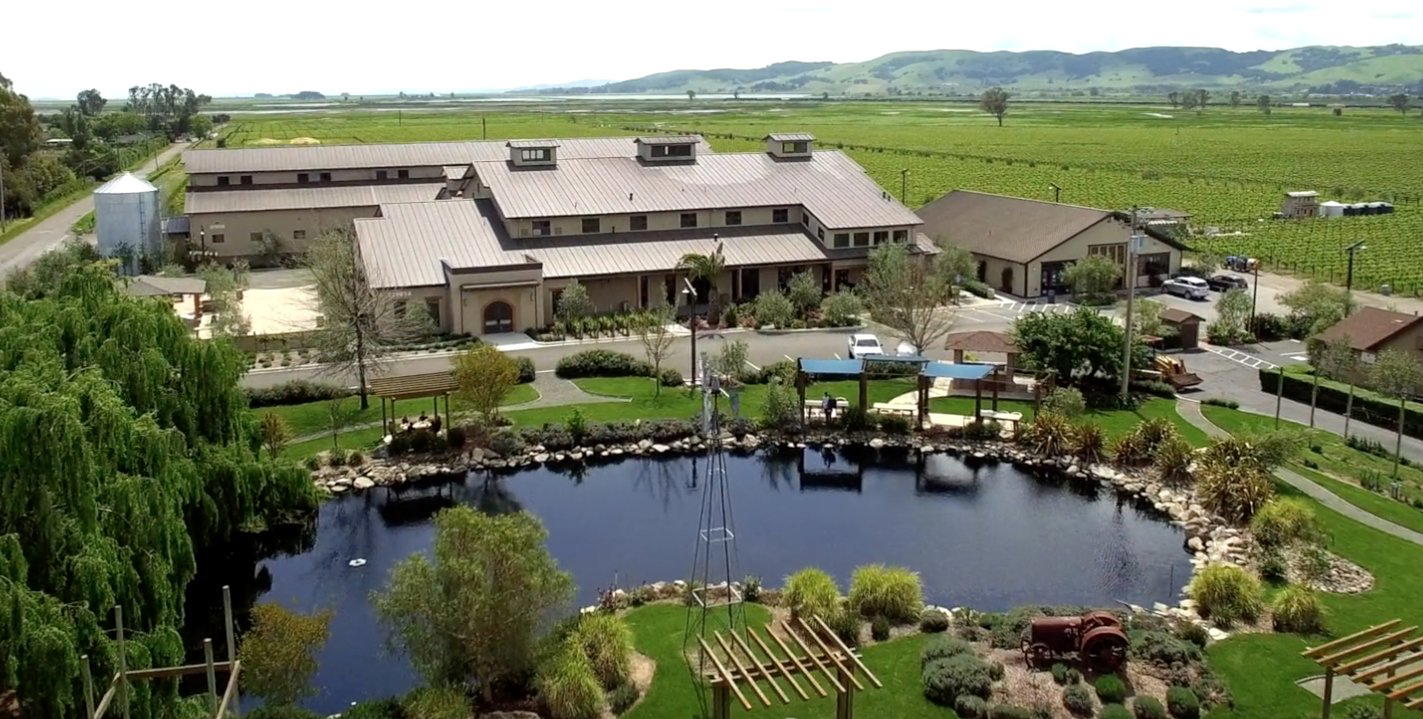
Distillation in Wine Country: What Sonoma Does Differently
California's wine regions have spent decades building an identity around viticulture, but a quieter shift has been underway in Sonoma County for some years. A small cohort of craft distillers has chosen to operate inside wine country rather than adjacent to it, drawing on the same agricultural infrastructure, the same obsessive attention to raw material sourcing, and, in some cases, the same grape-growing relationships that define the region's winemaking reputation. Hanson of Sonoma Distillery, based at 22985 Burndale Rd Building C, Sonoma, CA 95476, belongs to that cohort.
The address itself is instructive. Burndale Road sits in the flatlands between the Sonoma Valley and the Carneros appellation, a corridor that has historically been working agricultural land rather than the manicured estate territory that defines the northern end of the valley. Distilleries that locate here are not building visitor attractions first. They are operating production facilities that happen to receive guests, which is a different orientation entirely from the tasting-room-as-destination model that dominates further north along Highway 12.
The 2025 Pearl 2 Star Prestige Recognition
In 2025, Hanson of Sonoma Distillery received Pearl 2 Star Prestige recognition, a designation that places it within a tier of producers where consistent quality across the range, not a single standout expression, is the evaluative standard. Within Sonoma's spirits scene, that kind of credential carries weight precisely because the county is not primarily a spirits region. A prestige-level award in this context signals that the distillery is being evaluated against national and international craft spirits benchmarks, not just regional ones.
Producers like Bedrock Wine Co. and Gundlach Bundschu Winery navigate a press cycle that generates dozens of scored reviews per vintage. Spirits producers in the same geography have had to build recognition through different channels, which makes a structured prestige award more meaningful as a single signal of where the distillery sits relative to peers.
After the Still: Maturation as Editorial Subject
The most interesting conversation in American craft distilling right now is not about botanical sourcing or still design. It is about what happens after the spirit leaves the still. Barrel selection, warehouse conditions, and aging duration have become the distinguishing variables for craft producers who have solved the technical challenges of distillation itself. For a Sonoma-based distillery, this is a conversation that overlaps directly with the language of winemaking.
Wine country has long treated maturation as a primary craft discipline. The debates in Burgundy and Napa about new oak percentages, toast levels, and cooperage sourcing that inform producers like Accendo Cellars in St. Helena or Alpha Omega Winery in Rutherford translate directly into the craft spirits context, where the barrel is not a passive container but an active ingredient. Distillers who operate inside wine regions tend to absorb that sensibility, whether by direct collaboration with cooperages that supply their winery neighbors or through the shared culture of taking wood decisions seriously.
At a production facility on Burndale Road, the physical environment reinforces this orientation. Sonoma County's climate, with cool marine air moving through the Petaluma Gap from the Pacific, creates a maturation environment that differs materially from bourbon country's continental temperature swings. Spirits aged here develop at a different pace, with the warehouse acting as a moderating influence rather than an accelerant. That context is not incidental. It is part of what makes a Sonoma-based spirits program distinct from one based in Kentucky or Tennessee, and it is the kind of detail that serious spirits evaluators factor into prestige assessments.
Sonoma's Broader Agricultural Seriousness
To understand where Hanson of Sonoma Distillery sits within the county's identity, it helps to map the broader range of producers who have shaped Sonoma's agricultural reputation. Buena Vista Winery, which traces its California history to the nineteenth century, represents the deep-rooted vine-to-bottle tradition. Gloria Ferrer Caves and Vineyards operates from the Carneros floor with a sparkling wine program that treats secondary fermentation as its own form of deliberate maturation. Cline Cellars has built a case for Rhone varieties in a county better known for Pinot Noir and Chardonnay.
These producers share a willingness to work against the county's dominant narrative when they believe the terroir or the tradition supports it. A distillery operating in the same geography inherits that culture of productive contrarianism, the idea that Sonoma is big enough and agriculturally serious enough to support categories beyond the obvious ones. Craft distilling in wine country is not a novelty act. It is the same impulse that sent Pinot Noir growers into the Petaluma Gap or led producers in Arroyo Grande, analogous to Alban Vineyards, to commit entirely to Rhone varieties when the market was skeptical.
Planning a Visit: What to Expect on Burndale Road
Hanson of Sonoma Distillery operates as a production-forward facility, which shapes the visitor experience in practical terms. The Burndale Road location is not within the main Sonoma Plaza visitor circuit, and arriving there requires a deliberate decision rather than an impulse stop. Visitors should plan for a drive south from the plaza, through a landscape that shifts from commercial tasting-room density to working agricultural land. That transition is part of the experience: the facility reflects what distillation at a serious craft scale actually looks like, without the cosmetic layer that many wine country visitors expect.
For those building a Sonoma itinerary around production-serious producers, the distillery pairs logistically with nearby wine producers who share a similar ethos. A full day might begin at one of the Carneros-adjacent wineries before moving to the Burndale Road facility, keeping the focus on fermentation and maturation as the connective thread.
Visitors whose interests extend beyond California should note that the craft distillation conversation is not regionally contained. Producers like Adelsheim Vineyard in Newberg and Adelaida Vineyards in Paso Robles operate in regions where the same tension between wine-country identity and alternative agricultural production is playing out. For a genuinely international frame of reference on what barrel-influenced spirits and wines look like across traditions, producers as different as Aberlour in Scotland and Achaia Clauss in Patras offer comparative depth on the question of how maturation environment shapes a finished product.
Comparable Options
Comparable venues nearby, for context on price, style, and recognition.
| Venue | Cuisine | Price | Notes |
|---|---|---|---|
| Hanson of Sonoma DistilleryThis venue — the venue you are viewing | Los Carneros AVA | $$ | |
| Schug Carneros Estate Winery | Pinot Noir, Chardonnay | $$$ | Carneros |
| Prohibition Spirits Distillery | Sonoma Valley | $$ | Sonoma Plaza |
| Scribe Winery | Pinot Noir, Chardonnay | $$$ | Sonoma Valley |
| Patz & Hall Winery | Chardonnay, Pinot Noir | $$$ | Sonoma |
| Jacuzzi Family Vineyards | Arneis, Barbera | $$ | Sonoma-Carneros |
Continue exploring
More in Sonoma
Wineries in Sonoma
Browse all →
Bars in Sonoma
Browse all →
Restaurants in Sonoma
Browse all →
At a Glance
- Modern
- Rustic
- Cozy
- Industrial
- Group Outing
- Celebration
- Estate Grounds
- Organic
- Vineyard
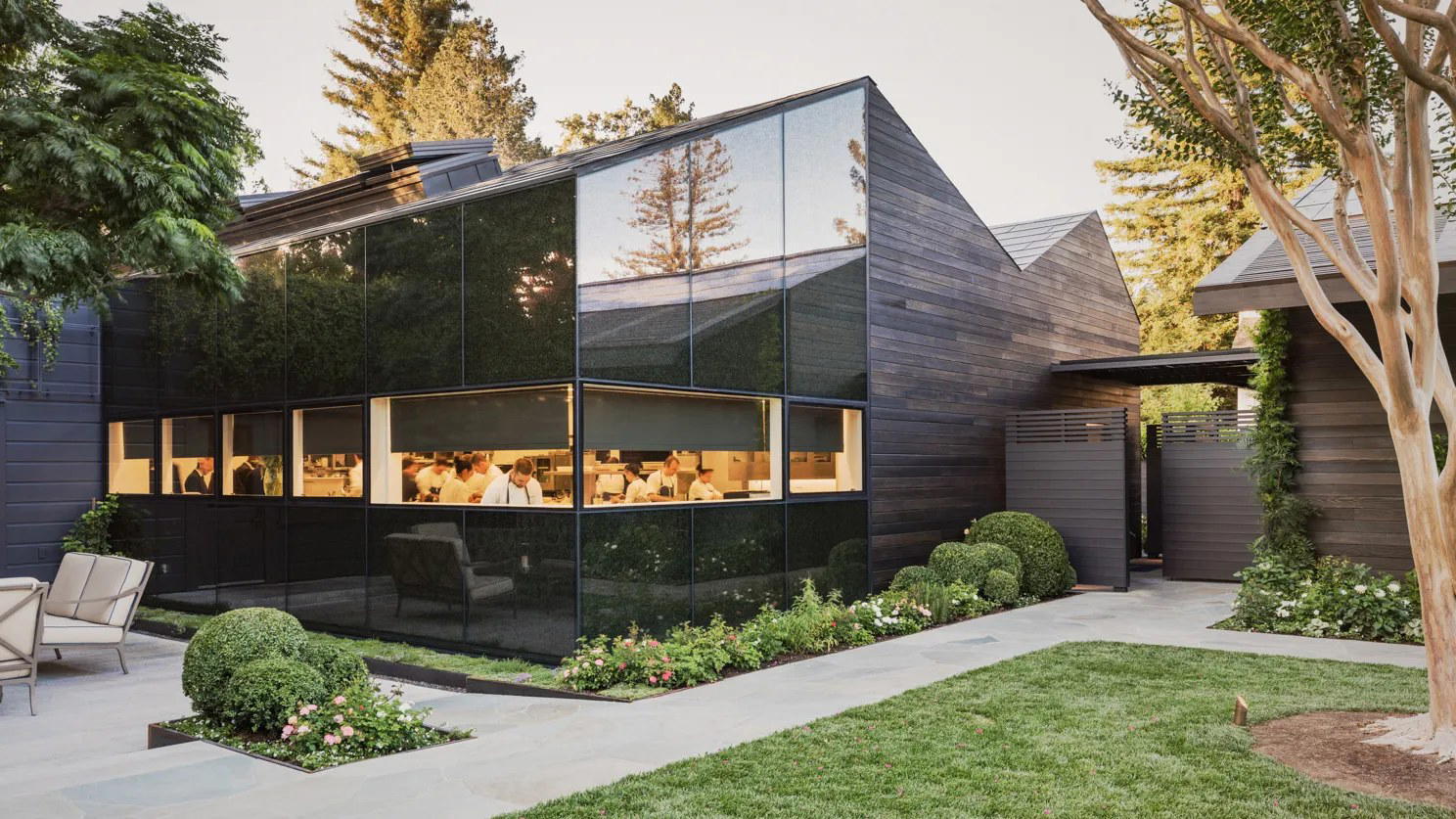
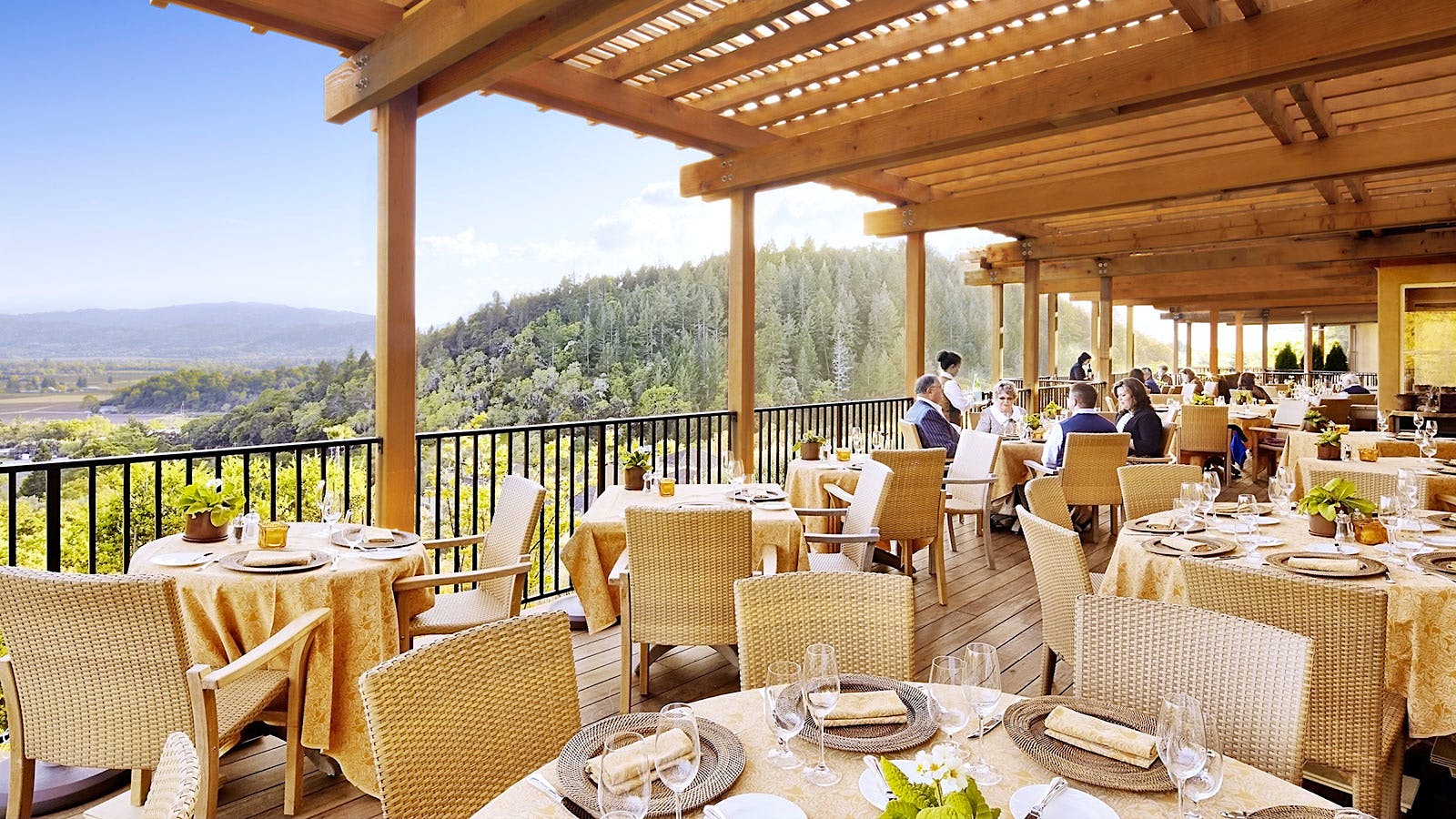
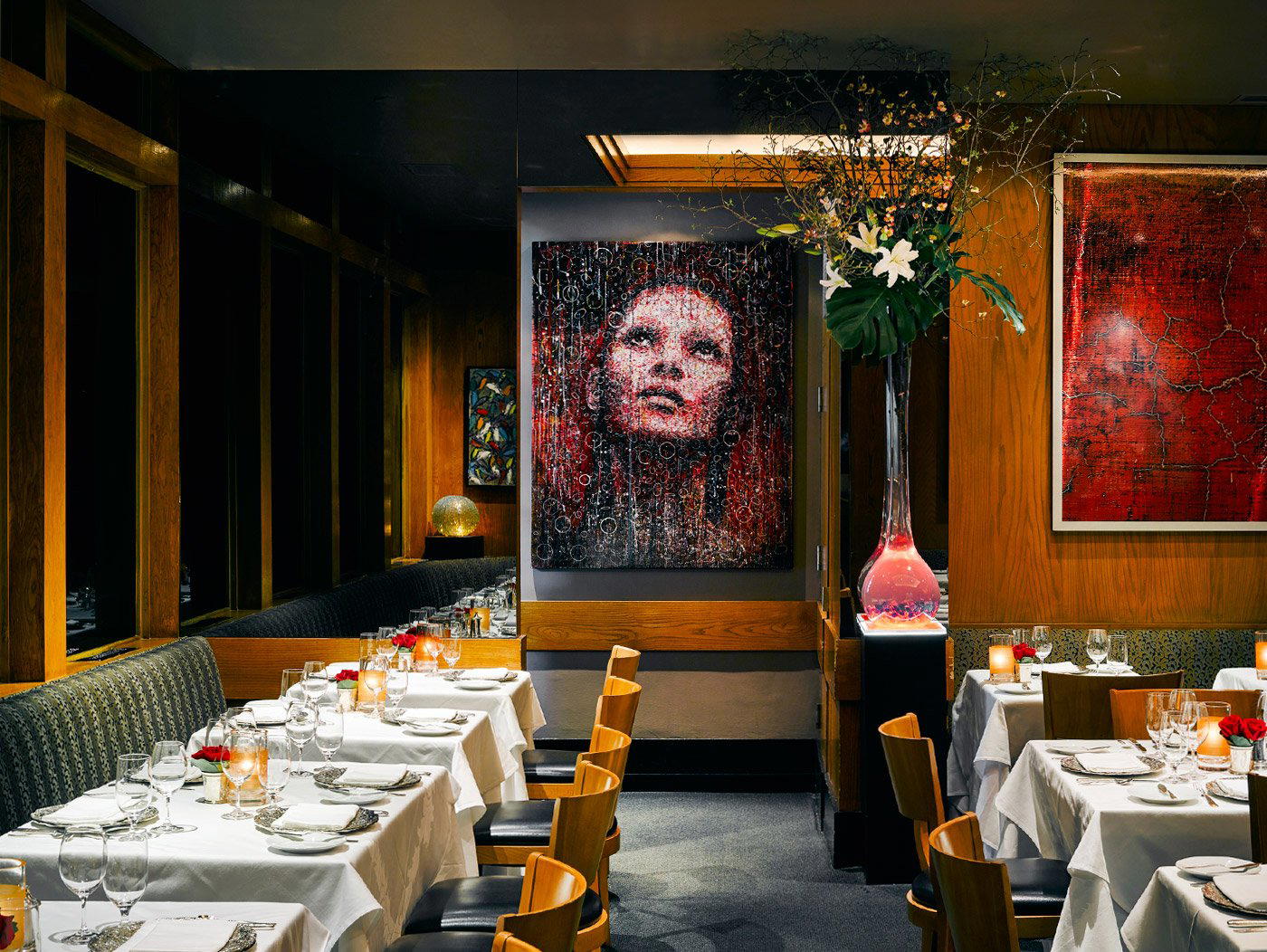
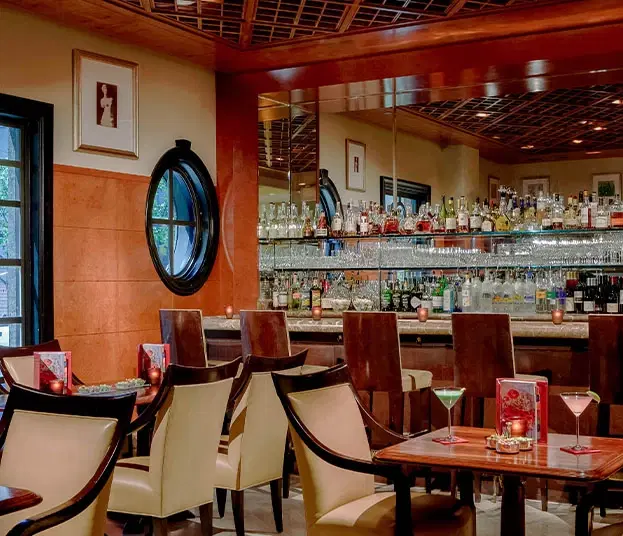
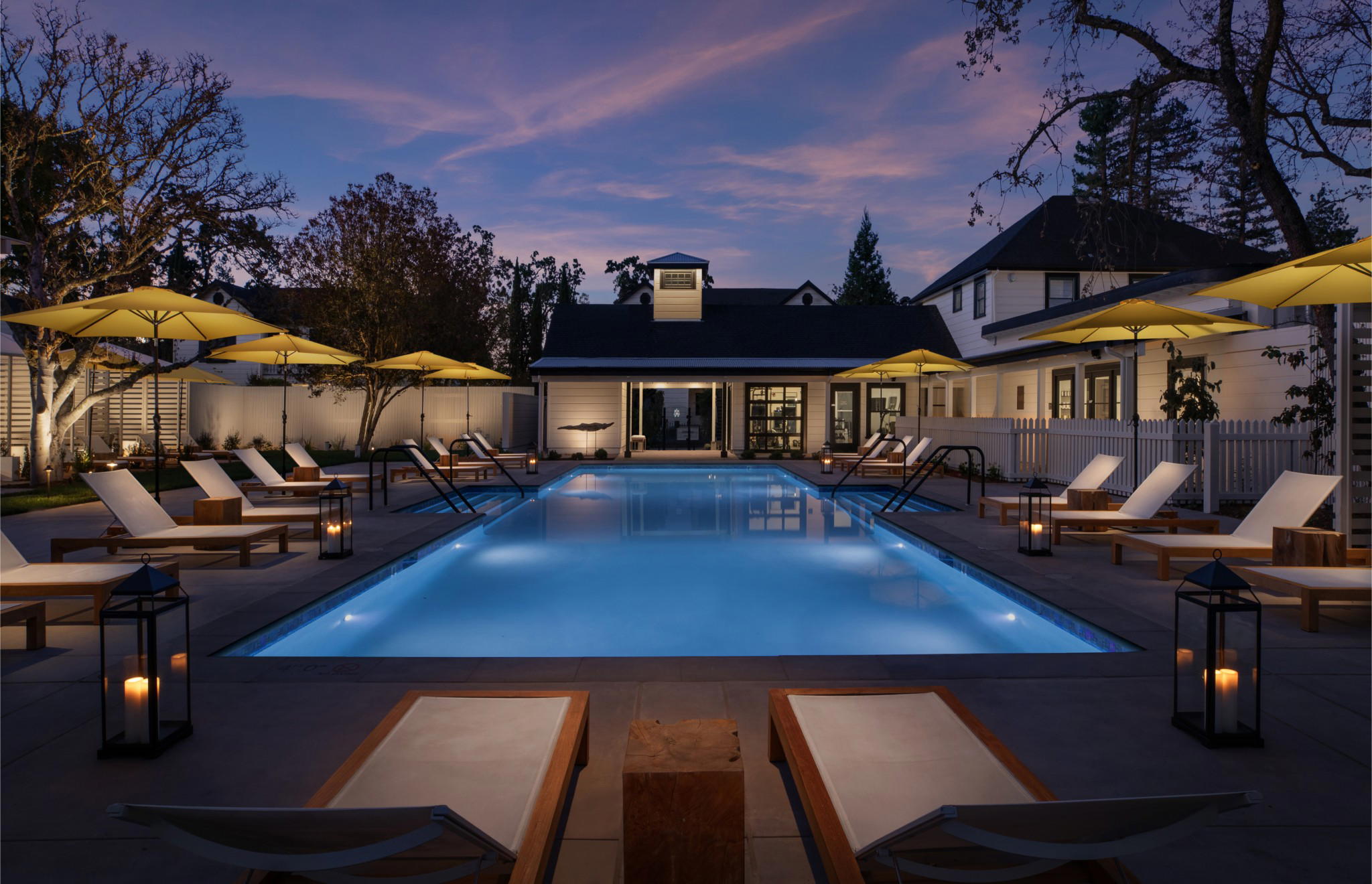
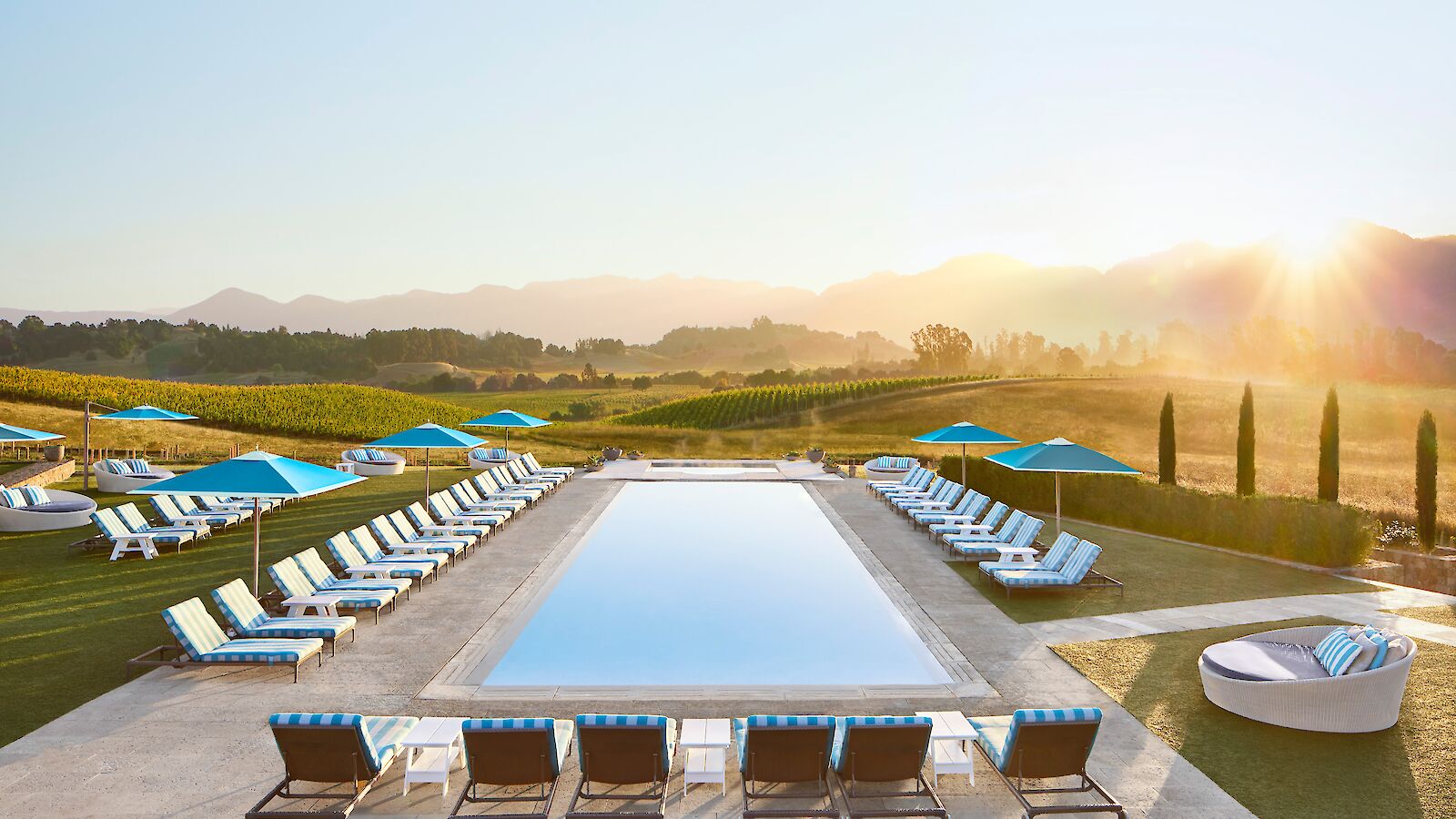
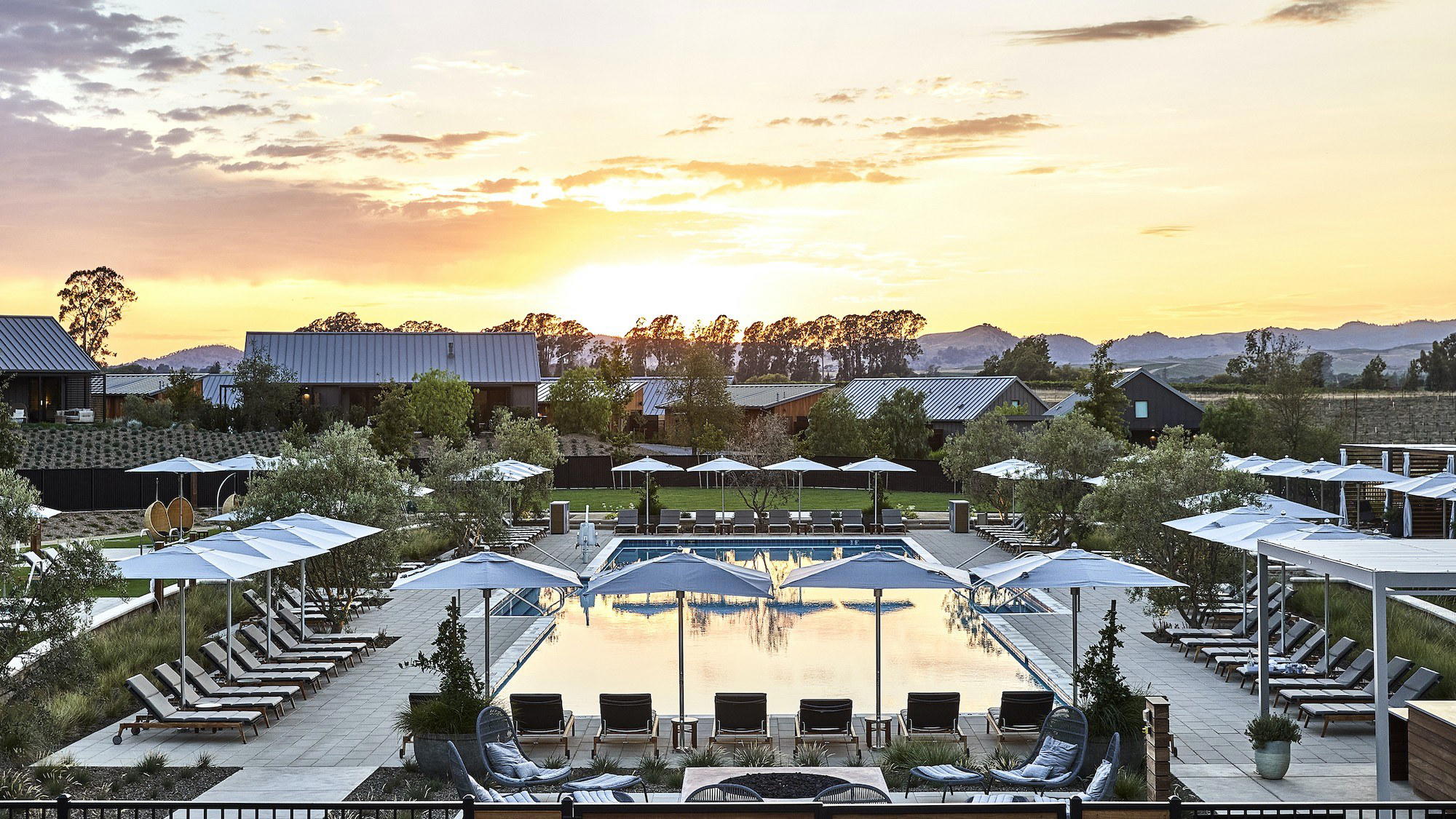
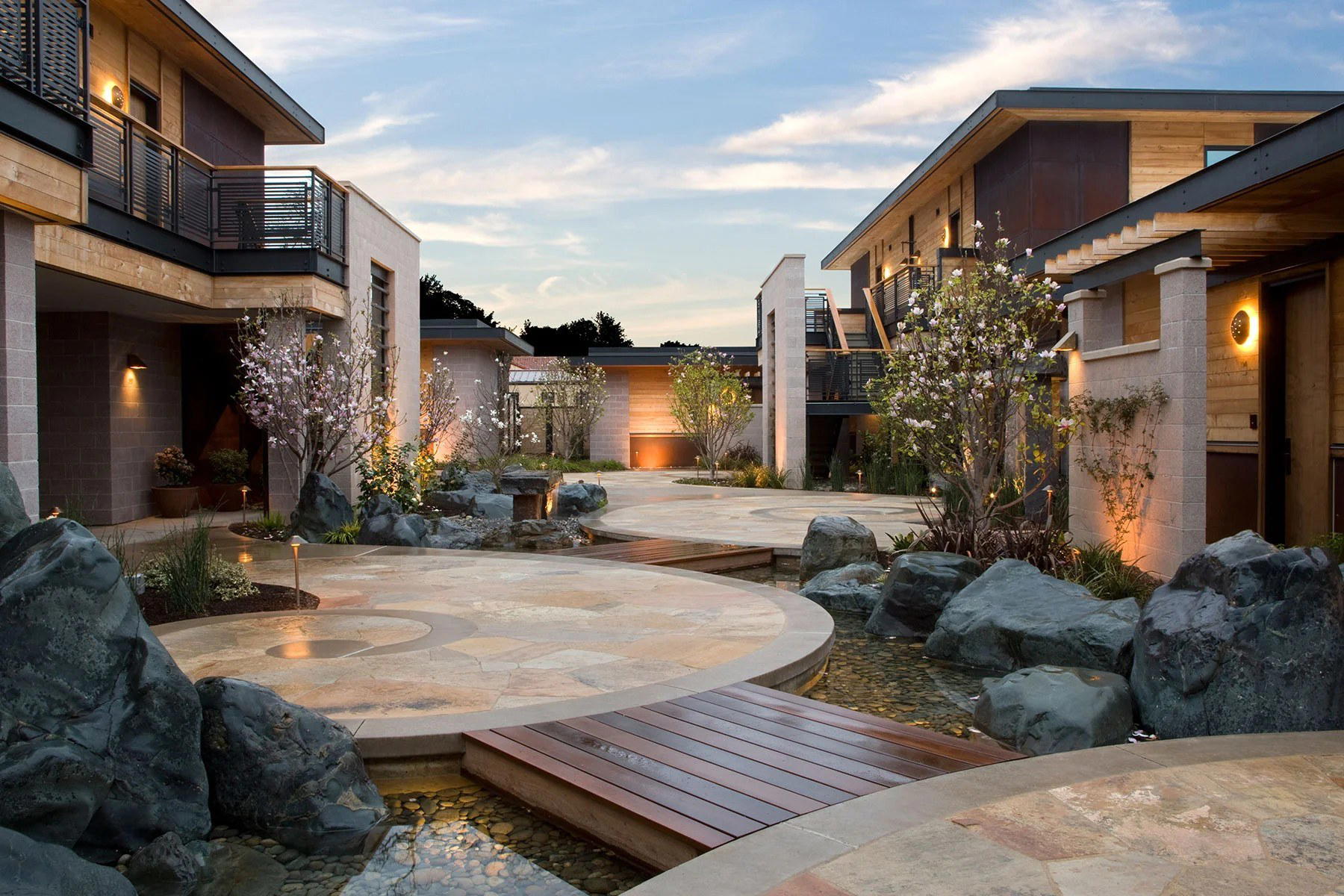
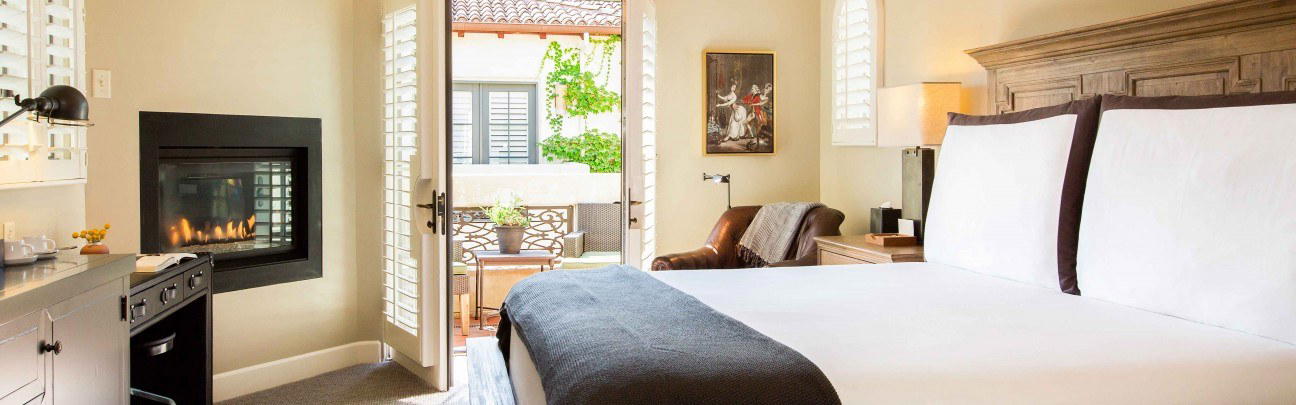
Industrial modern tasting room with rustic cozy touches, comfortable setting for tastings and cocktails.