Street
Our verdict
Street on Polk occupies a position in San Francisco's casual-serious dining conversation that formal tasting-menu rooms rarely reach: a neighbourhood restaurant with genuine cooking ambition. Sitting on one of the city's most character-laden corridors, it draws from the California tradition of market-driven informality without apology. A reliable address for the kind of meal that rewards attention without demanding ceremony.

Pearl is the En Primeur Club membership app, where members save venues, book tables and use the concierge.

Polk Street and the Ritual of the Neighbourhood Meal
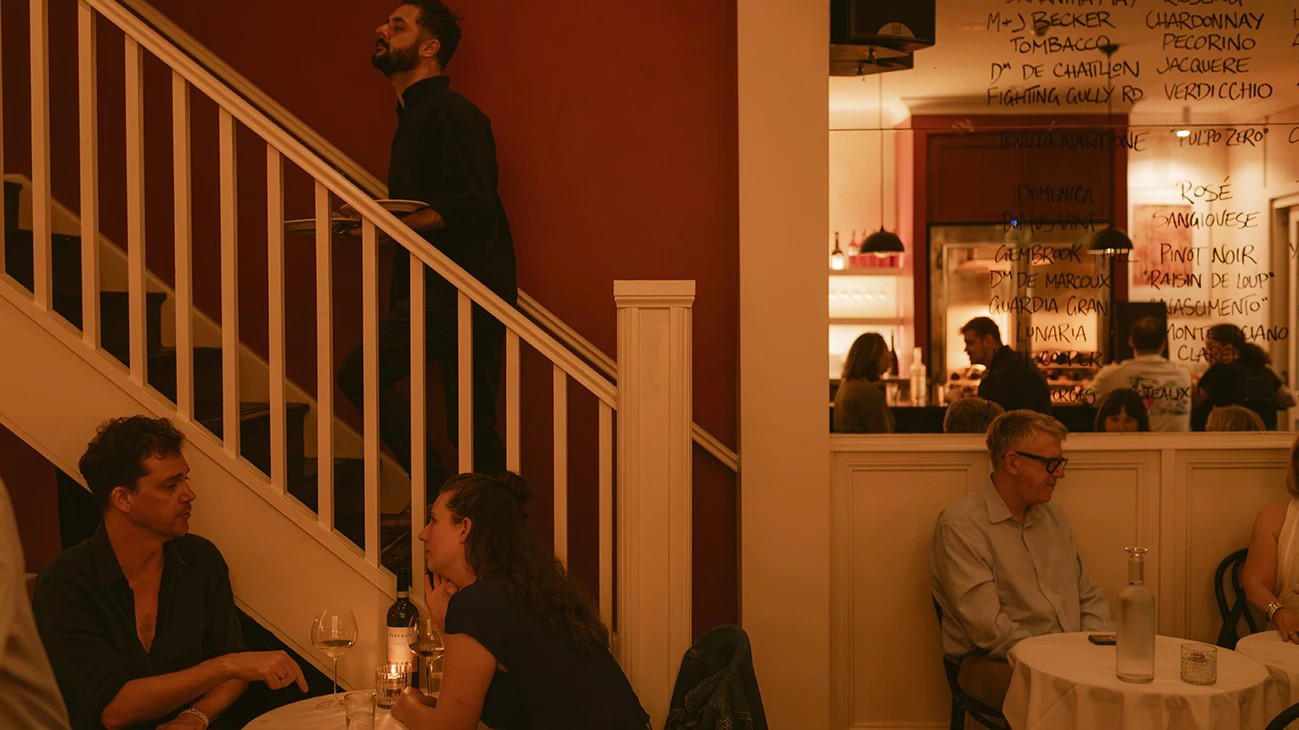
San Francisco's most interesting dining argument isn't happening at the white-tablecloth level. It's happening on streets like Polk, where a corridor that once traded on dive bars and late-night convenience has spent the better part of a decade recalibrating toward something more considered. Street, at 2141 Polk St, sits inside that shift. The name is deliberately unadorned, and the address delivers on that plainness: this is a restaurant that asks you to pay attention to the plate rather than to the room's theatrics.
That register of cooking, committed but unshowy, neighbourhood-rooted but not parochial, has a long California pedigree. The tradition runs through the farmers' market discipline that informed a generation of Bay Area chefs and continues today at addresses across the city. What Polk Street adds to that tradition is texture: a commercial strip with enough friction, foot traffic, and local regulars to keep a room honest. Restaurants in these corridors don't survive on destination diners alone. They earn their place through repetition, through the mid-week dinner and the Sunday lunch, through a dining ritual that accumulates over visits rather than delivering in a single theatrical evening.
The Dining Ritual: Pacing, Presence, and the California Mode
There's a specific grammar to the neighbourhood restaurant meal in San Francisco, and it differs meaningfully from the choreographed omakase pacing of a room like Benu or the elaborate multi-act structure of Lazy Bear. At the formal end of the city's dining spectrum, pacing is an explicit curatorial act: courses arrive on a predetermined rhythm, servers narrate, the experience is authored from kitchen to table. The neighbourhood register inverts that. The diner sets the tempo. You linger between courses, you order another glass, you let the conversation determine whether dessert happens or whether you walk out into the fog instead.
Street occupies this more open-handed mode. The ritual here is cumulative rather than dramatic. It rewards diners who approach a meal as an occasion rather than a performance, who arrive with enough time to let the room settle around them. On Polk Street, that means absorbing a cross-section of San Francisco that the more insular dining districts don't always provide: the neighbourhood feels lived-in in a way that parts of SoMa or the Financial District simply don't after 9pm.
This approach to dining ritual connects to a broader California philosophy that distinguishes the state's restaurant culture from comparable urban scenes. Where Alinea in Chicago or Atomix in New York City position fine dining as a structured intellectual event, California's most enduring rooms have historically preferred a mode of relaxed seriousness, cooking with evident craft, service without condescension, a meal that doesn't require a briefing beforehand. Atelier Crenn and Quince represent the formal apex of that tradition in San Francisco. Street represents its more accessible middle register.
Where Street Sits in the San Francisco Dining Map
San Francisco's restaurant scene has stratified clearly over the past decade. At the top of the price tier, a cluster of tasting-menu rooms competes for the same pool of destination diners: Saison, Atelier Crenn, Benu, and Quince all price at the $$$$ level and position against each other and against comparable rooms nationally, from The French Laundry in Napa to Le Bernardin in New York City and Providence in Los Angeles. Below that tier, the city supports a dense and competitive mid-market of neighbourhood restaurants that don't aim for Michelin recognition but do aim for serious cooking.
Street belongs to that mid-market in geography and spirit if not in precise category. Within that context, Street's address on Polk functions less as a limitation and more as a positioning statement: this is a restaurant for people who know the city, not for people following a list.
For visitors looking to build an itinerary around the Bay Area's broader dining geography, the contrast with out-of-city options is useful context. Single Thread Farm in Healdsburg and Blue Hill at Stone Barns in Tarrytown both represent the farm-to-table tradition at its most architecturally deliberate. Street represents something more compressed and urban, the same respect for sourcing applied to a smaller room in a denser neighbourhood.
The California Sourcing Tradition and What It Means at the Neighbourhood Level
California's ingredient culture operates at a different scale than most American cities. The proximity of serious agricultural production, the Central Valley, Marin, Sonoma, the Monterey Bay, means that mid-market restaurants in San Francisco have access to produce and protein that would anchor the menus of destination rooms in other cities. This is the material fact underlying the city's dining confidence: good sourcing is not a differentiator at the leading level, it's a baseline expectation across price tiers.
For a Polk Street restaurant, this means competing on what you do with exceptional ingredients rather than on access to them. The California mode at the neighbourhood level is less about transformation and more about restraint: letting a vegetable arrive at the right moment, cooking protein with enough confidence to leave it alone. This is a harder skill to communicate in a menu description than technical complexity, and it's one reason neighbourhood restaurants often underperform their actual quality in the kind of national ranking conversations that drive attention toward rooms like Addison in San Diego, Bacchanalia in Atlanta, or The Inn at Little Washington.
The full picture of what San Francisco's dining scene offers, from the neighbourhood rooms on Polk to the formal tasting counters of SoMa and beyond, is covered in our full San Francisco restaurants guide. For context on how the city's mid-market compares to comparable urban scenes, Emeril's in New Orleans and 8½ Otto e Mezzo Bombana in Hong Kong offer useful reference points for how serious cooking operates outside the tasting-menu format.
Planning Your Visit
Street sits at 2141 Polk St in San Francisco's Polk Gulch neighbourhood, within walking distance of Russian Hill and convenient to the 19 and 47 Muni lines. The corridor is leading experienced in the evening, when the street's mix of residents and visitors gives the block a specific, unhurried energy. Specific booking details, current hours, and any dietary accommodation policies should be confirmed directly with the restaurant, as that information was not available at time of publication.
Quick reference: 2141 Polk St, San Francisco, CA 94109. Confirm hours and reservations directly with the venue.
Frequently asked questions
What's the must-try dish at Street?
What the California neighbourhood restaurant tradition consistently rewards is anything built around a single seasonal ingredient treated with restraint rather than embellishment. In this context, the dish worth ordering is usually whatever the kitchen is most confident about on a given week, which is leading asked of the server directly. For verified dish-level detail at the tasting-menu tier, Benu and Lazy Bear offer more documented menus.
How hard is it to get a table at Street?
Reservation demand at Polk Street neighbourhood restaurants in San Francisco varies significantly by day and season. The city's dining culture means mid-week evenings are generally more accessible than Friday and Saturday. For comparison, the city's formal tasting-menu rooms at the $$$$ tier typically require advance planning of four to eight weeks.
What's the defining dish or idea at Street?
The defining idea at a restaurant like Street is less about a single dish and more about a posture toward cooking: California sourcing discipline applied at a neighbourhood scale, without the ceremony of a tasting-menu room. That philosophy has a documented lineage in the Bay Area, visible at a range of price points from Quince at the formal end to the mid-market rooms along corridors like Polk and Hayes.
Do they accommodate allergies at Street?
San Francisco restaurants in the neighbourhood tier generally handle common dietary restrictions as a matter of course, given the city's dining culture. Contact Street directly at 2141 Polk St to confirm specific allergy protocols before booking. For time-sensitive or complex dietary needs, calling ahead rather than noting requirements at the door is standard practice across the city's restaurants.
Is Street overpriced or worth every penny?
The Polk Street neighbourhood context places Street in the mid-market tier below the city's $$$$ tasting-menu rooms like Saison and Atelier Crenn. In that tier, value is typically determined by sourcing quality relative to price rather than by course count or production values. Confirm current pricing directly with the venue.
What makes Street a good choice for a repeat visit rather than a one-time destination dinner?
The neighbourhood restaurant format on Polk Street is built for regulars rather than one-time destination seekers. At 2141 Polk, Street occupies a corridor with enough residential density to sustain a room through repeat custom, which typically means menus that evolve with the season rather than staying static for the benefit of first-time visitors. That seasonal rotation, combined with the informal pacing of the California neighbourhood dining mode, makes the experience more variable and more interesting across multiple visits than the fixed structure of a tasting-menu room. For San Francisco's broader dining picture across visit types, see our full San Francisco restaurants guide.
In Context: Similar Options
Comparable venues nearby, for context on price, style, and recognition.
| Venue | Cuisine | Price | Notes |
|---|---|---|---|
| StreetThis venue (the venue you are viewing) | New American with International Influences | Not listed | Not listed |
| Breadwinner | American Deli / Sandwiches | $10–20 | Presidio |
| Mel's Drive-In | Classic American Diner | $20–30 | Van Ness |
| Brenda's Meat & Three | Southern Meat & Three | $20–30 | Western Addition |
| Aracely Cafe | California Cafe with Argentine influences | $20–30 | Treasure Island |
| Fountain Cafe | Classic American Diner | Not listed | Mission District |
Continue exploring
More in San Francisco
Restaurants in San Francisco
All restaurants in San Francisco →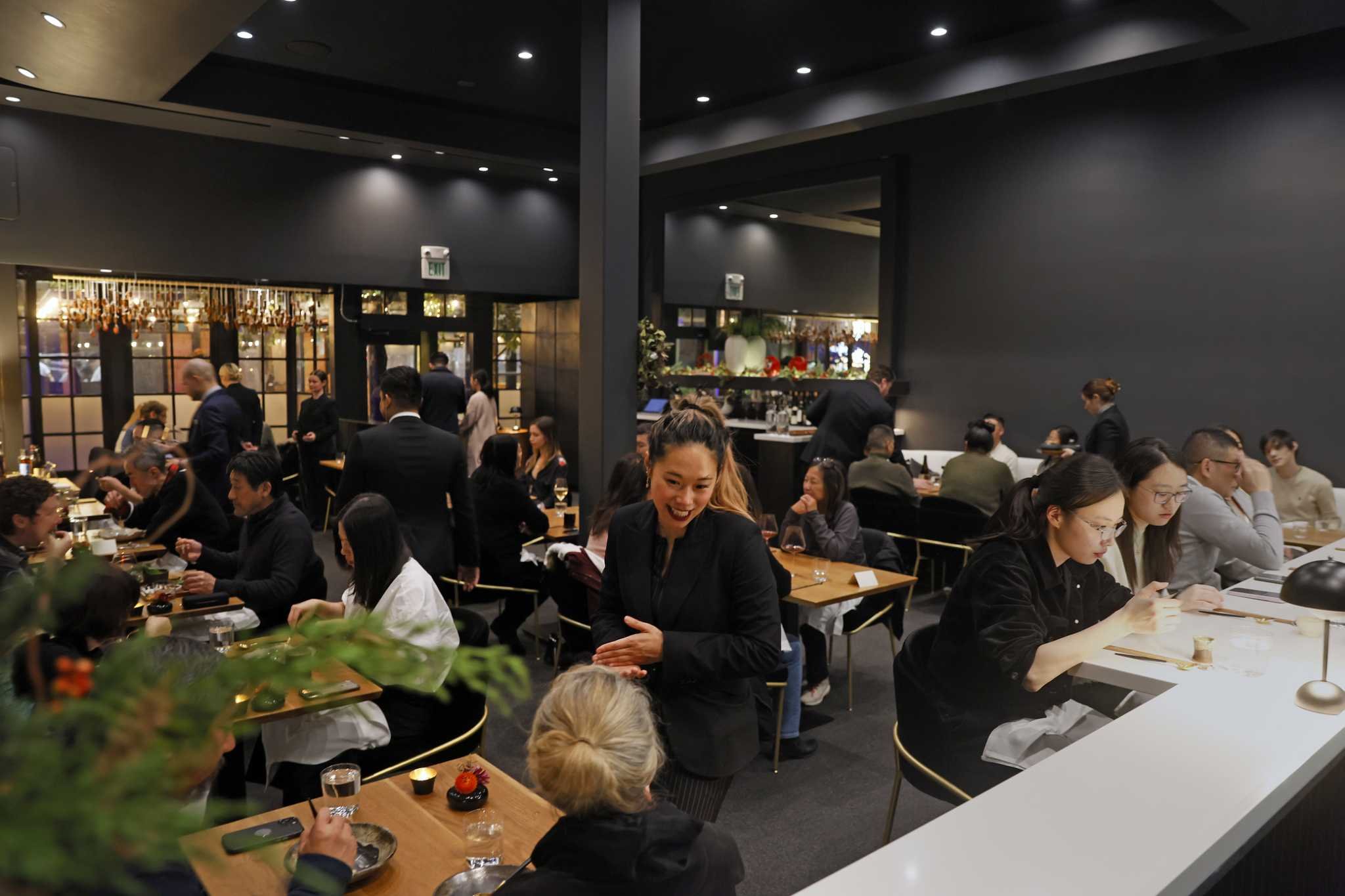
Bars in San Francisco
All bars in San Francisco →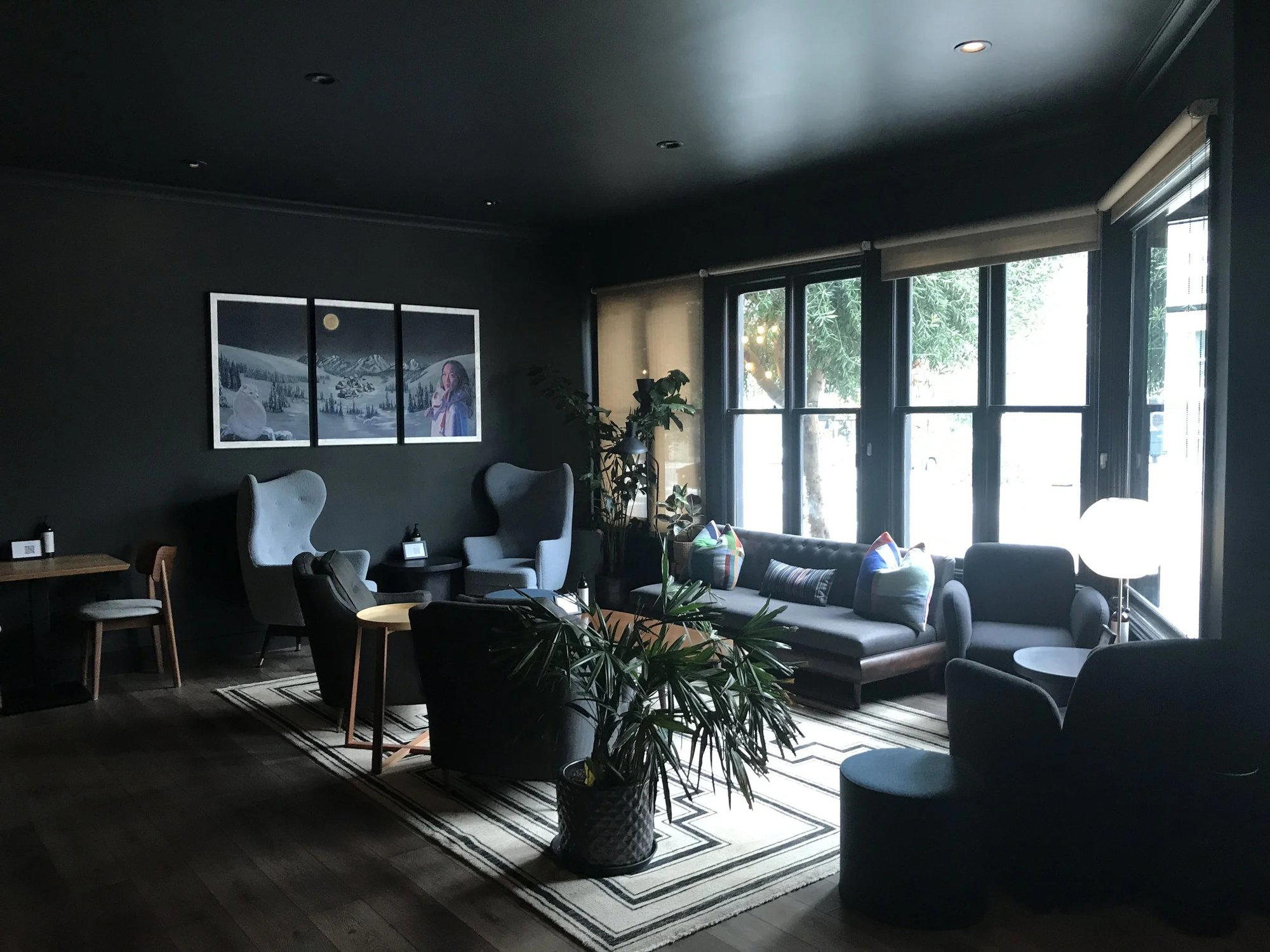
Details
- Rustic
- Cozy
- Modern
- Casual Hangout
- Standalone
- Local Sourcing
- A La Carte
Current opening hours
- Monday
- Closed
- Tuesday
- 5–9 PM
- Wednesday
- 5–9 PM
- Thursday
- 5–9 PM
- Friday
- 5–10 PM
- Saturday
- 5–10 PM
- Sunday
- 5–9 PM
Hours can change for holidays and private events. Hours as of .
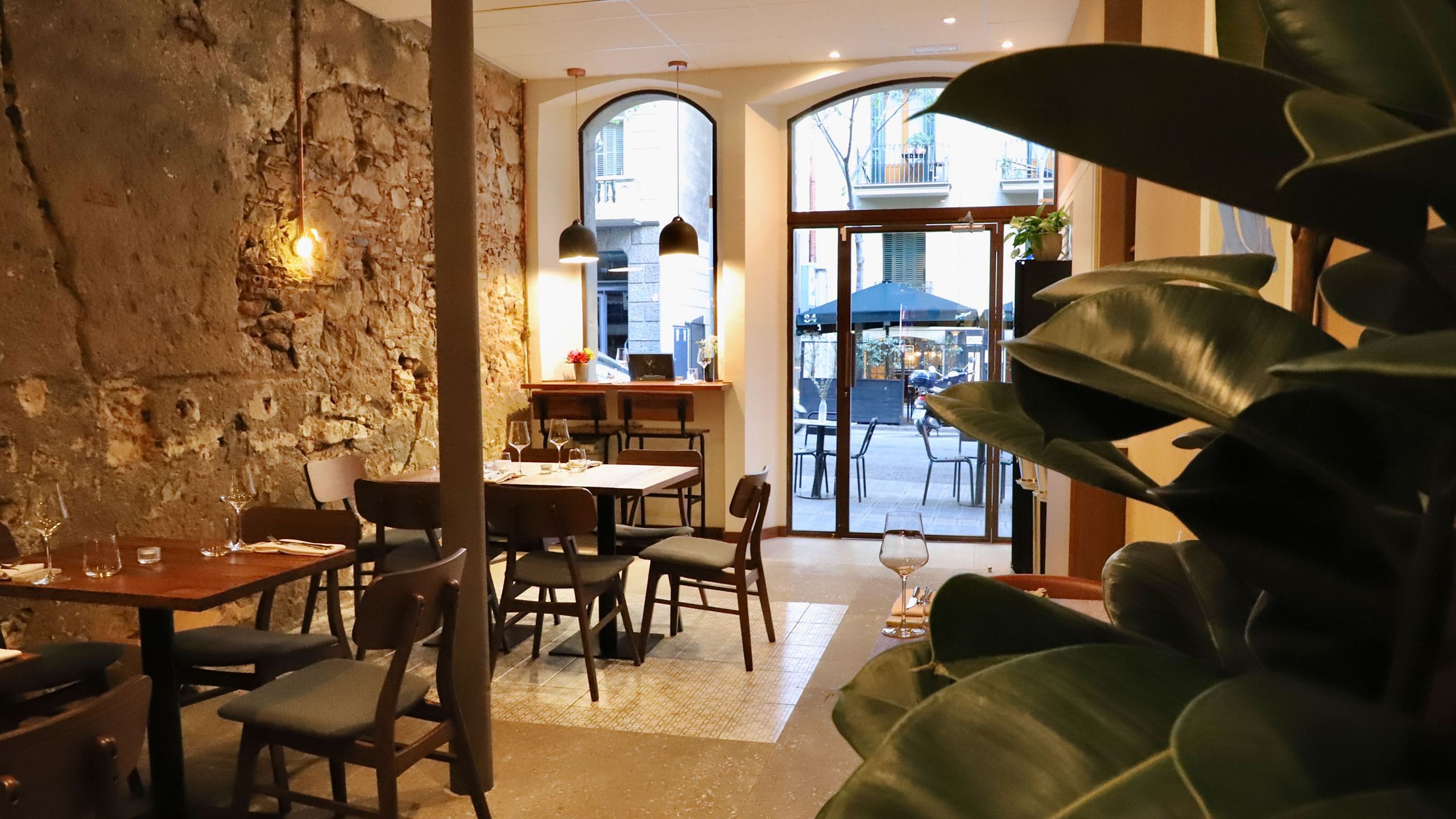
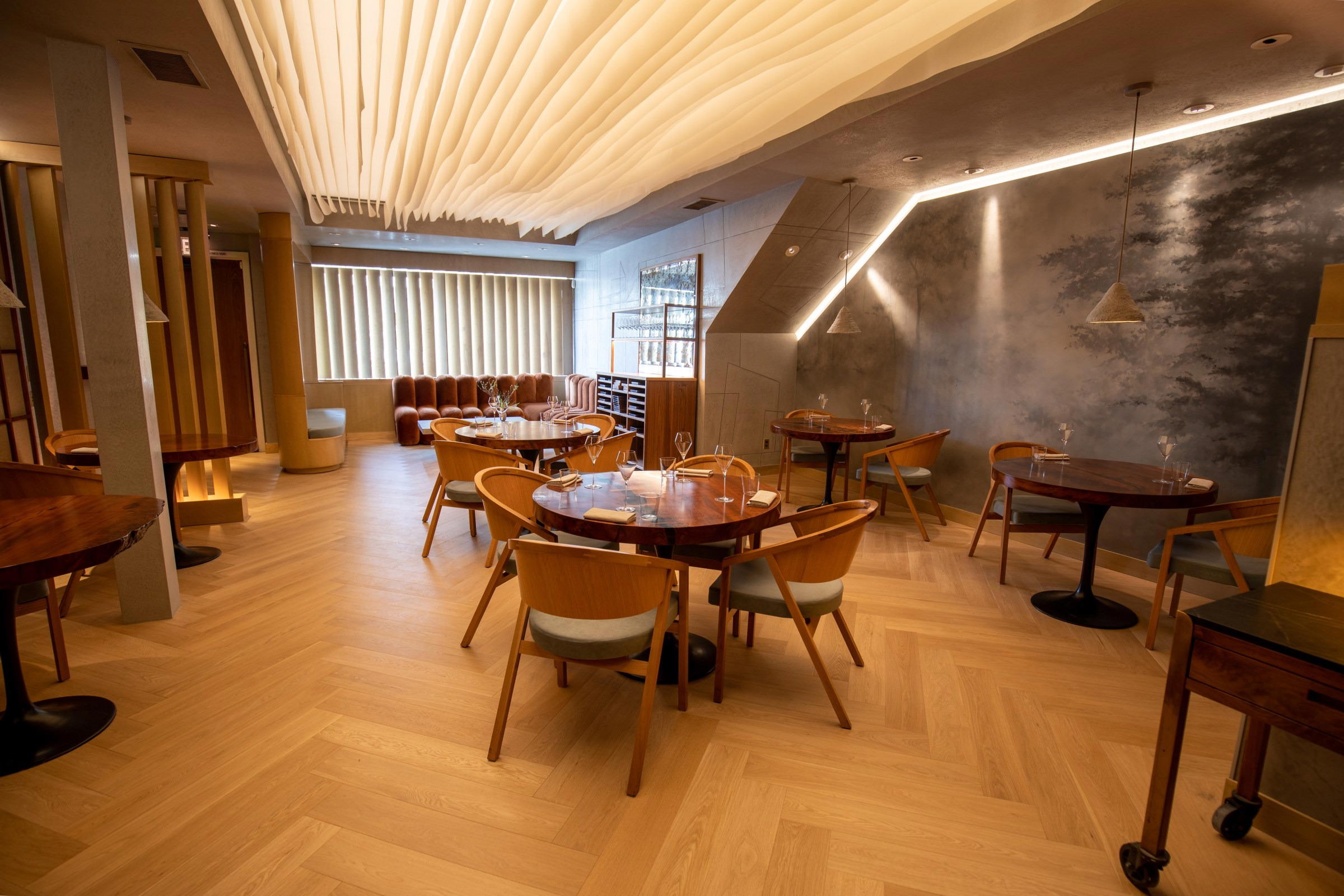
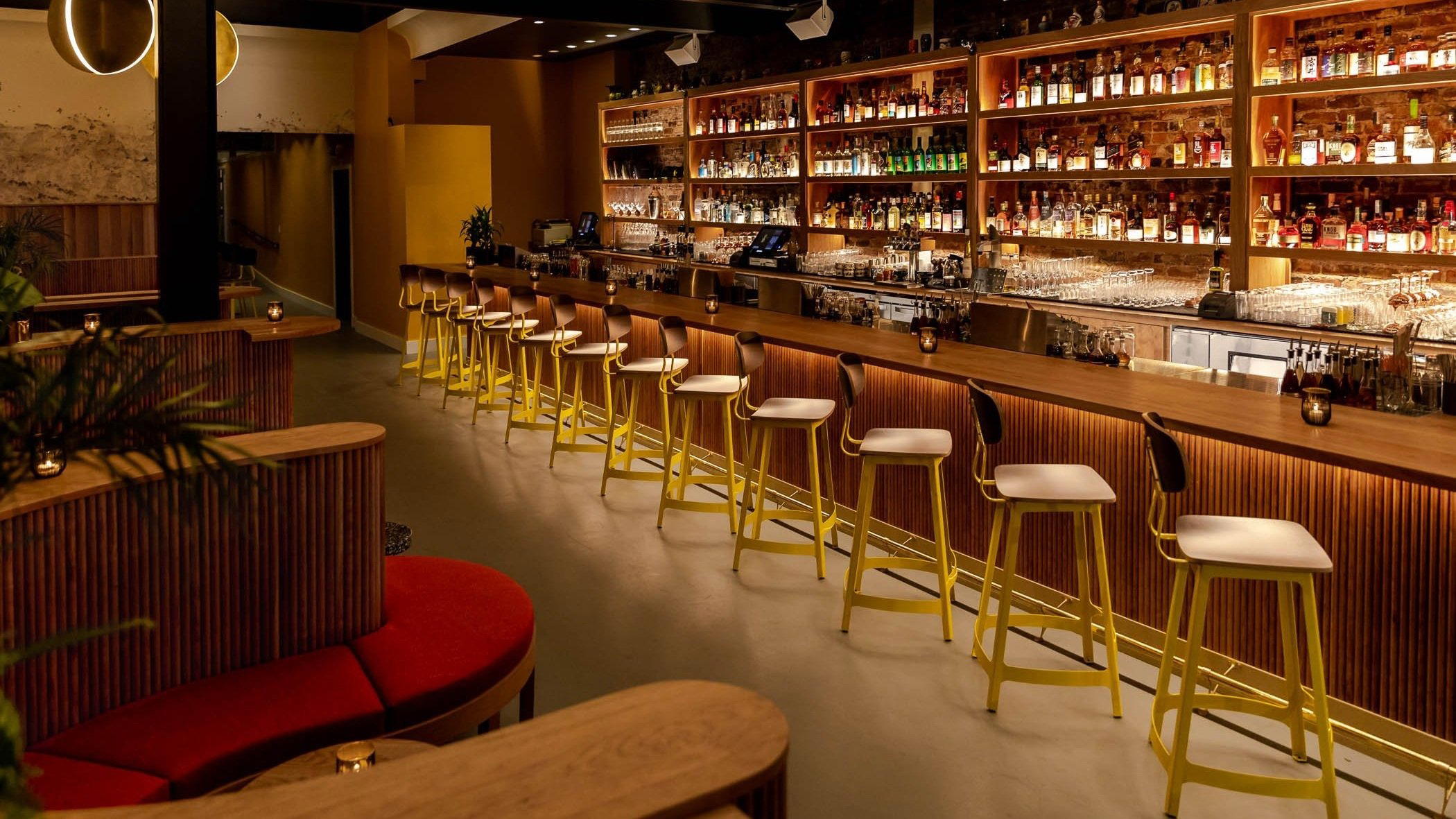
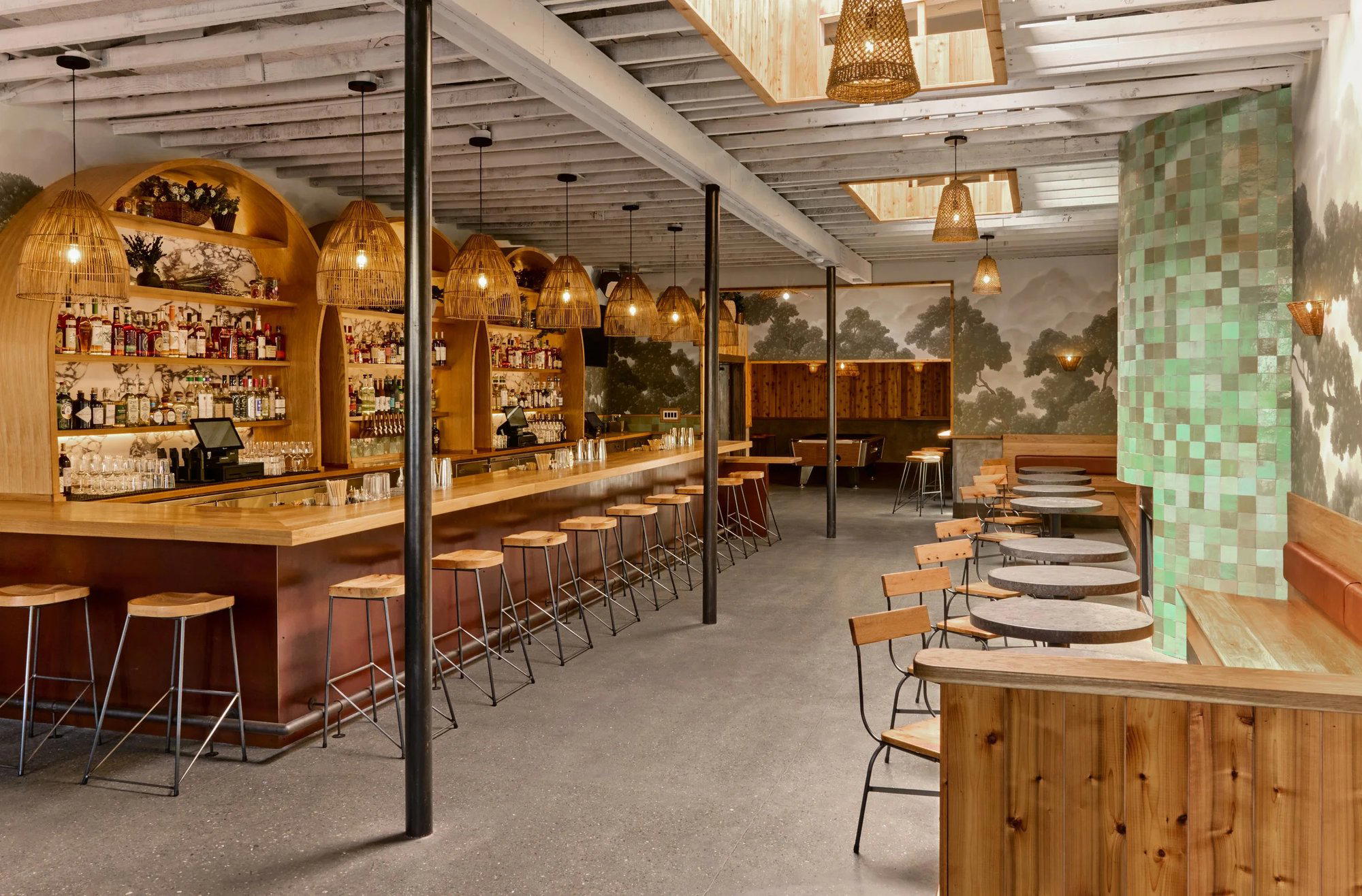
Rustic and contemporary atmosphere in a neighborhood setting.