
Michelin Guide Bib Gourmand · Michelin Bib Gourmand
Our verdict
Consecutive Michelin Bib Gourmand recognition in 2024 and 2025 places Indocafé among Singapore's most consistently acknowledged Peranakan tables. Positioned on Scotts Road at the $$ price tier, it sits in a different register to the city's fine-dining Peranakan offer, prioritising accessibility over theatre. Chef Heng Eng Ho steers a kitchen rooted in the Straits Chinese canon.

Pearl is the En Primeur Club membership app, where members save venues, book tables and use the concierge.
The menu
What to order
- Wagyu Beef Rendang
- Kueh Pie Tee
- Ngoh Hiang
- Otah
- Itek Tim
- Chendol Panna Cotta
Scotts Road and the Question of Where to Eat Peranakan in Singapore
Singapore's Peranakan dining scene has never been tidier to read than it appears. At one end, a handful of restaurants have repositioned the cuisine inside a fine-dining frame, with tasting menus, sommelier pairings, and price points that place them in direct competition with the city's broader modern-Asian tier. At the other end, the tradition persists in shophouses, kopitiam corners, and family-run rooms where the recipes are the point and the room is incidental. Indocafé, at 35 Scotts Road, occupies a position worth understanding before you book: accessible in price, awarded by Michelin two years running, and operating in a part of town that puts it within easy reach of the Orchard Road corridor without the attendant room-cost that corridor usually demands.
The Bib Gourmand designation, awarded in both 2024 and 2025, signals a specific kind of value judgement. Michelin's inspectors apply it to tables where quality exceeds what the price would lead you to expect. For Peranakan food in Singapore, that framing matters because the cuisine is labour-intensive by nature: the rempah pastes require extended pounding and frying, the curries demand patience, and the kueh-making that anchors the dessert tradition is a craft with few shortcuts.
Where Indocafé Sits in Singapore's Peranakan Order
To understand what Indocafé represents, it helps to map the broader field. Candlenut operates at the starred end of Singapore Peranakan, with a Michelin star and a menu format that leans into creative interpretation. Pangium occupies a serious mid-tier with its own awards trajectory. The hawker and casual end of the spectrum is well represented by places like 328 Katong Laksa in the East, where single-dish mastery rather than full menus defines the proposition. Chilli Padi in Joo Chiat and Straits Chinese on Cecil Street represent the neighbourhood-anchored, full-menu tradition that Indocafé also occupies, though each carries its own postcode logic and regulars.
Indocafé's Scotts Road address places it in a different social geography to the Katong and Joo Chiat belt, where Peranakan culture is embedded in the neighbourhood's built fabric. Scotts Road is more transient, more hotel-adjacent, more likely to draw visitors alongside the local clientele that keeps any restaurant honest. That mix is neither a strength nor a weakness in itself; it simply shapes who is likely to be eating around you and what they are likely to be ordering for the first time.
Planning Your Visit: What to Know Before You Go
The editorial angle here is logistics, because at the Bib Gourmand tier, the booking experience is often the first thing that surprises visitors accustomed to fine-dining systems. Starred restaurants in Singapore typically operate structured reservations through platforms like Chope or SevenRooms, with advance windows that can run to weeks. The Bib Gourmand tier operates differently; some venues take reservations, some run walk-in queues, and the advice that applies to one address rarely transfers to the next.
The Scotts Road address is direct to reach from Orchard MRT, making it accessible without taxis or ride-hailing, a practical advantage if you are threading it into a longer day in the Orchard corridor.
The comparison table below maps Indocafé against the broader Singapore fine-dining tier for context. The contrast is useful not to diminish either side but to clarify what each demands of a visitor in advance planning terms.
| Venue | Cuisine | Price Tier | Awards | Booking Complexity |
|---|---|---|---|---|
| Indocafé | Peranakan | $$ | Michelin Bib Gourmand 2024, 2025 | Confirm ahead; platform TBC |
| Candlenut | Peranakan | $$$ | Michelin 1 Star | Advance reservation advised |
| Zén | European Contemporary | $$$$ | Michelin 3 Stars | Months in advance; allocation-based |
| Burnt Ends | Australian Barbecue | $$$ | Michelin 1 Star | Heavily contested; book early |
| Jaan by Kirk Westaway | British Contemporary | $$$ | Michelin 2 Stars | Structured reservation system |
The Cuisine at the Centre
Peranakan food is the result of centuries of cultural exchange between Chinese settlers and the Malay communities of the Straits Settlements, producing a kitchen that is neither wholly one nor the other. The spice pastes draw on Malay technique and ingredient logic; the proteins and ceremonial dishes carry Hokkien and Teochew lineage. The result, at its most traditional, is a cuisine of considerable complexity: babi ponteh with its fermented soybean depth, ayam buah keluak with the blackened nut that has no easy substitute, laksa in its Katong variant with coconut milk and laksa leaf. These are dishes that read simply on a menu and reveal their labour only on the plate.
Chef Heng Eng Ho leads the kitchen at Indocafé. What the Michelin record does confirm is that the kitchen has been assessed across two separate guide cycles and found to deliver at a level the inspectors deemed worth marking. That is the credential that matters here, not a biographical arc.
Peranakan Beyond Singapore: A Regional Context
For travellers using Singapore as a base to explore the broader Straits Chinese culinary tradition, the George Town Peranakan scene in Penang offers a related but distinct register. Auntie Gaik Lean's Old School Eatery, Richard Rivalee, Bibik's Kitchen, Ceki, Flower Mulan, Ivy's Nyonya Cuisine, Jawi House, and Kebaya Dining Room each represent the Penang Nyonya branch of the tradition, which diverges from Singapore Peranakan in spice balance, some ingredient preferences, and the cultural inflections of a city where the community has retained a different kind of neighbourhood presence. The comparison is worth making, not to rank one city above the other, but to understand that Peranakan is a regional continuum rather than a fixed cuisine with a single correct expression.
Planning Your Singapore Dining Around Indocafé
Indocafé works well as an anchor in a day that moves through the Orchard and Scotts Road area. For broader Singapore dining and hospitality planning, EP Club's full guides are available: restaurants, hotels, bars, wineries, and experiences.
Frequently asked questions
What distinctions does Indocafé have?
Indocafé has received recognition including: Michelin Bib Gourmand (2025); Michelin Bib Gourmand (2024).
What's the must-try dish at Indocafé?
The cuisine's defining characteristic is time: rendang, ayam buah keluak, and pongteh require hours of preparation, so the kitchen's commitment to that process is the real signal of quality. At the Bib Gourmand tier, back-to-back recognition in 2024 and 2025 suggests consistency across the menu rather than a single standout plate. Ask the floor staff what the kitchen has been running that week.
What should I budget for a meal at Indocafé?
Pricing at Indocafé is listed as $$.
What's the address for Indocafé?
Indocafé is located at 35 Scotts Rd, Singapore 228227, Singapore.
Is there a head chef associated with Indocafé?
The chef associated with Indocafé is Heng Eng Ho.
The Minimal Set
A compact comparison to help you place this venue among nearby peers.
| Venue | Cuisine | Price | Awards | Notes |
|---|---|---|---|---|
| IndocaféThis venue (the venue you are viewing) | Authentic Peranakan & Nyonya Cuisine | $50–100 | Michelin Guide Bib Gourmand · Michelin Bib Gourmand | Not listed |
| Zén | Yakitori & Japanese Izakaya | $50–100 | Tabelog 100 #92 | European Contemporary |
| Jaan by Kirk Westaway | Modern British Fine Dining | $200–300 | 2 Michelin Stars · Michelin Guide 2 Stars | British Contemporary |
| Burnt Ends | Modern Australian Barbecue | $100–150 | 1 Michelin Star · Michelin Guide 1 Star | Australian Barbecue, Barbecue |
| Summer Pavilion | Michelin-Starred Cantonese | $100–150 | 1 Michelin Star · Michelin Guide 1 Star | Cantonese |
| Born | Contemporary Fusion Fine Dining | $200–300 | 1 Michelin Star · Michelin Guide 1 Star | Creative Cuisine, Innovative |
Recognition history
Dated appearances from independent guides and award organizations, with the underlying list record or original source where available.
Michelin Guide Bib Gourmand
Michelin Guide
Michelin Bib Gourmand
Michelin
Full recognition history (3 entries)
Michelin Bib Gourmand
Michelin
Continue exploring
More in Singapore
Restaurants in Singapore
All restaurants in Singapore →
Bars in Singapore
All bars in Singapore →
Details
- Elegant
- Intimate
- Cozy
- Classic
- Celebration
- Special Occasion
- Family
- Group Dining
- Business Dinner
- Historic Building
- Private Dining
- Corkage Allowed
- Local Sourcing
- A La Carte
- Buffet
- Wine
- Vegetarian Friendly
- Allergy Accommodating
Current opening hours
- Monday
- 12–3 PM, 6–10 PM
- Tuesday
- 12–3 PM, 6–10 PM
- Wednesday
- 12–3 PM, 6–10 PM
- Thursday
- 12–3 PM, 6–10 PM
- Friday
- 12–3 PM, 6–10 PM
- Saturday
- 12–3 PM, 6–10:30 PM
- Sunday
- 12–3 PM, 6–10 PM
Hours can change for holidays and private events. Hours as of .
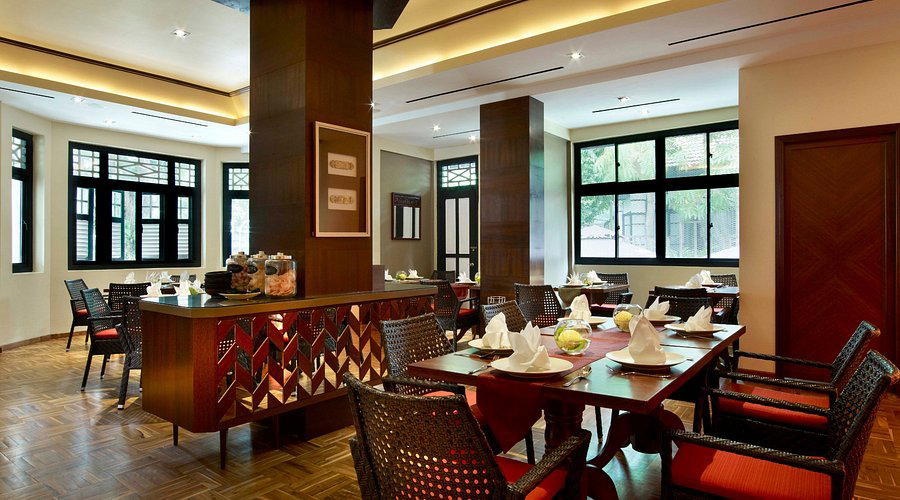
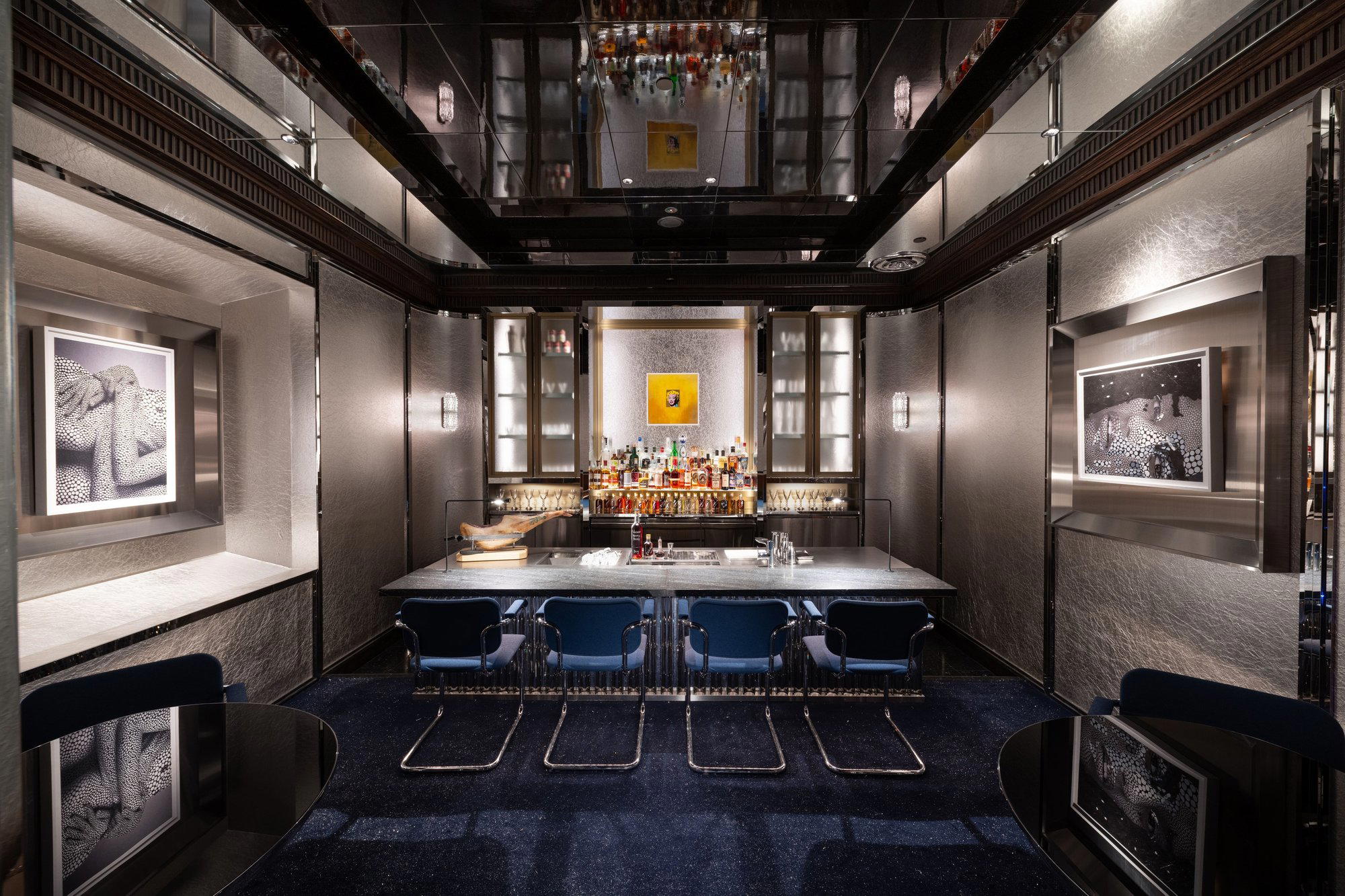
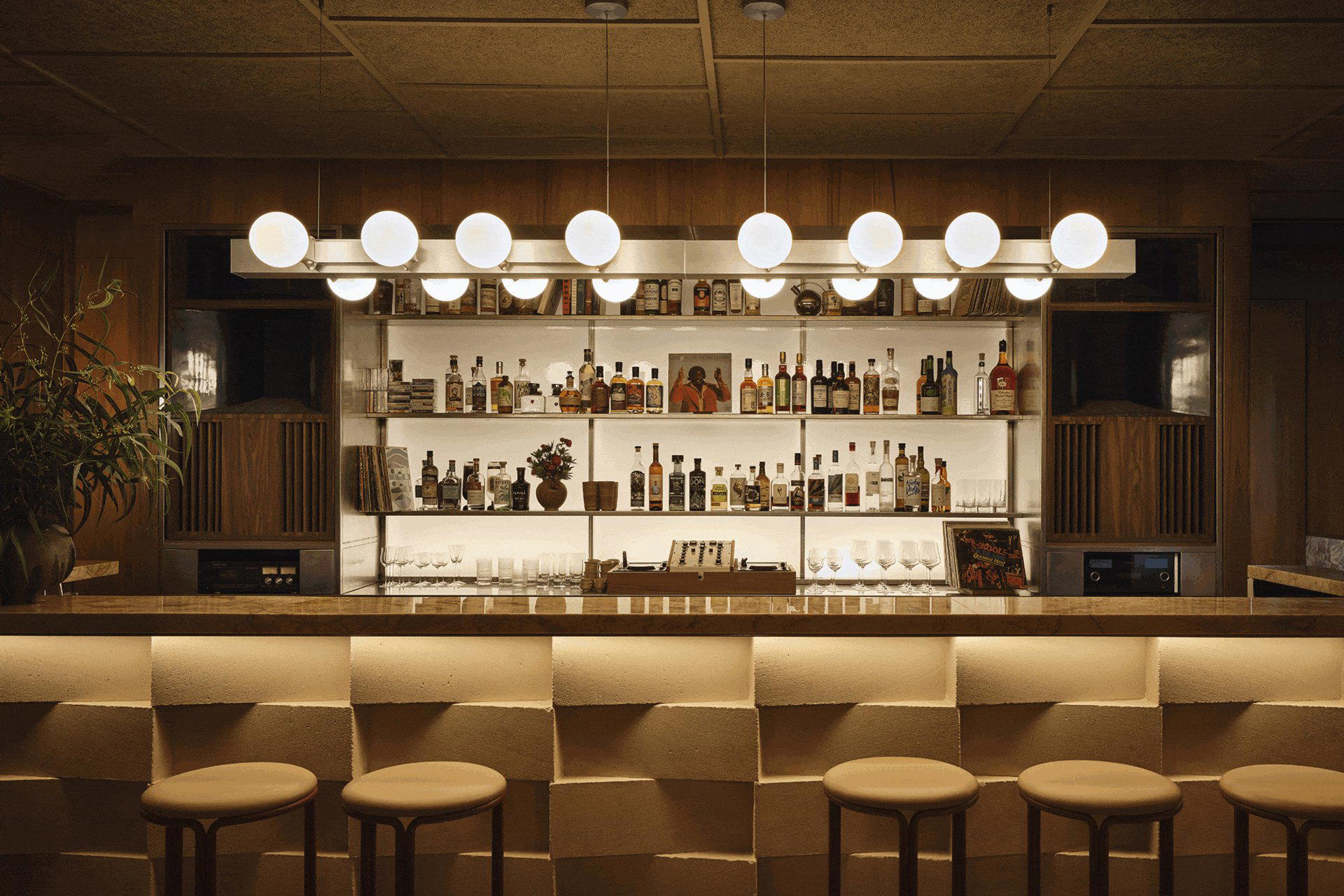
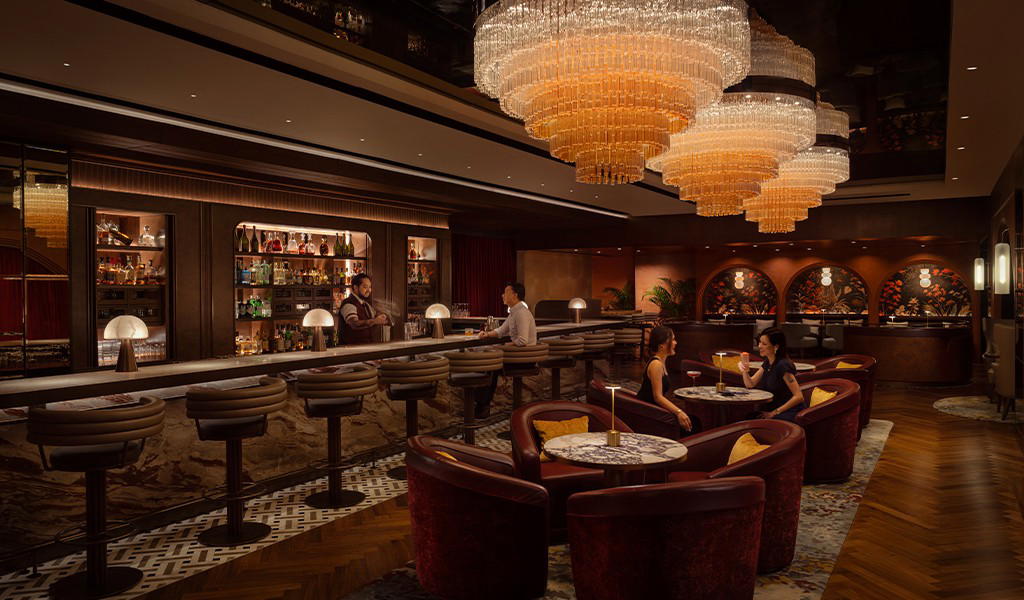
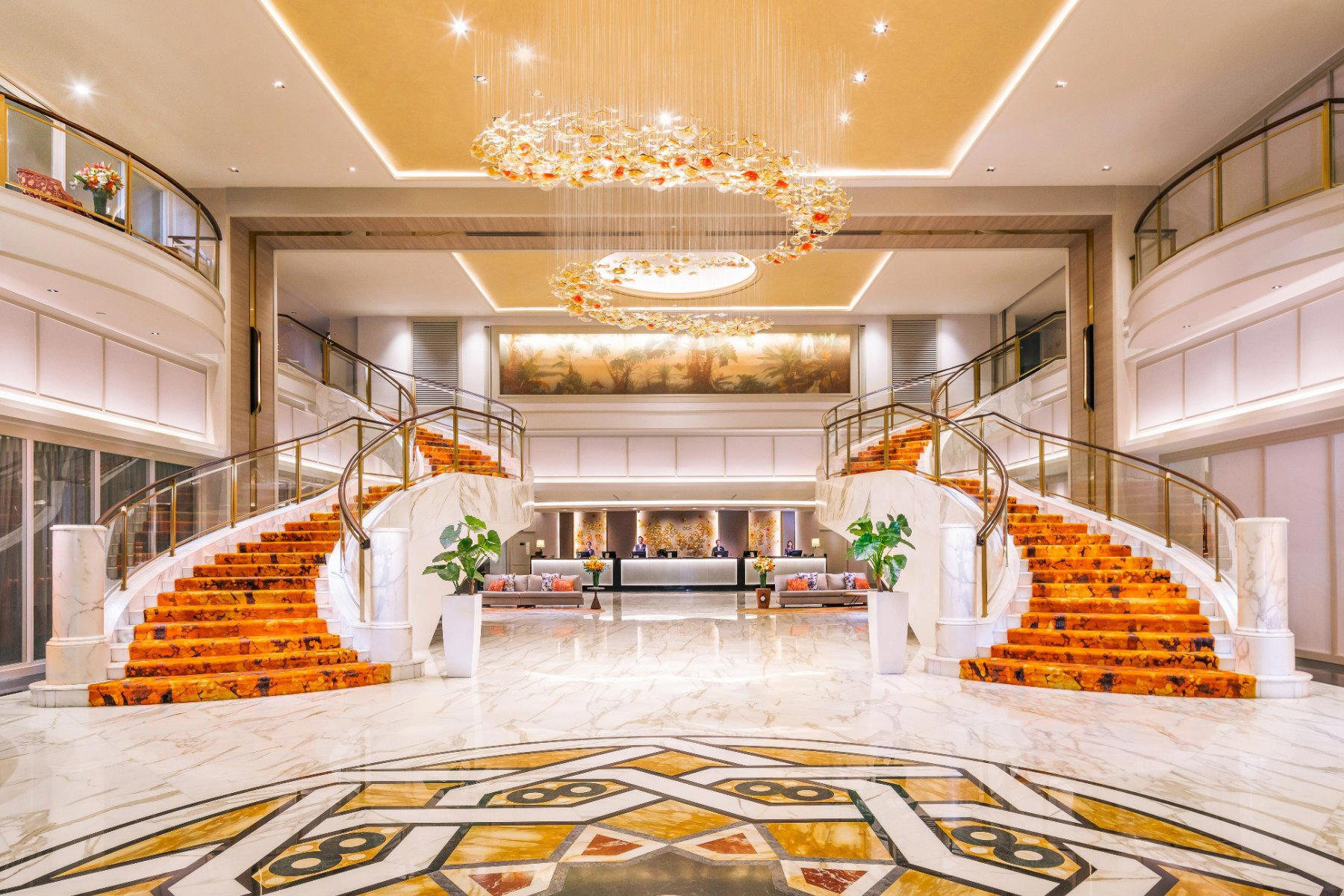
Warm, intimate, and relaxing colonial setting with elegant interiors; described as homely yet sophisticated with calming background music and a spa-like atmosphere.