Our verdict
Im Engel occupies a quiet address at Brünebrede 33 in Warendorf, a Westphalian market town whose compact dining scene rewards those willing to look beyond the obvious urban circuit. The restaurant sits within a region where agricultural tradition and kitchen craft have long run in parallel, placing ingredient provenance at the centre of what ends up on the plate. For visitors already tracking Germany's more considered regional tables, Warendorf makes a credible detour.

Pearl is the En Primeur Club membership app — saves, bookings, and concierge access live there. Same editors, same standards.
- Address
- Brünebrede 33, 48231 Warendorf, Germany
- Phone
- +4949258193020
- Website
- hotel-im-engel.de
- Directions
- Get directions
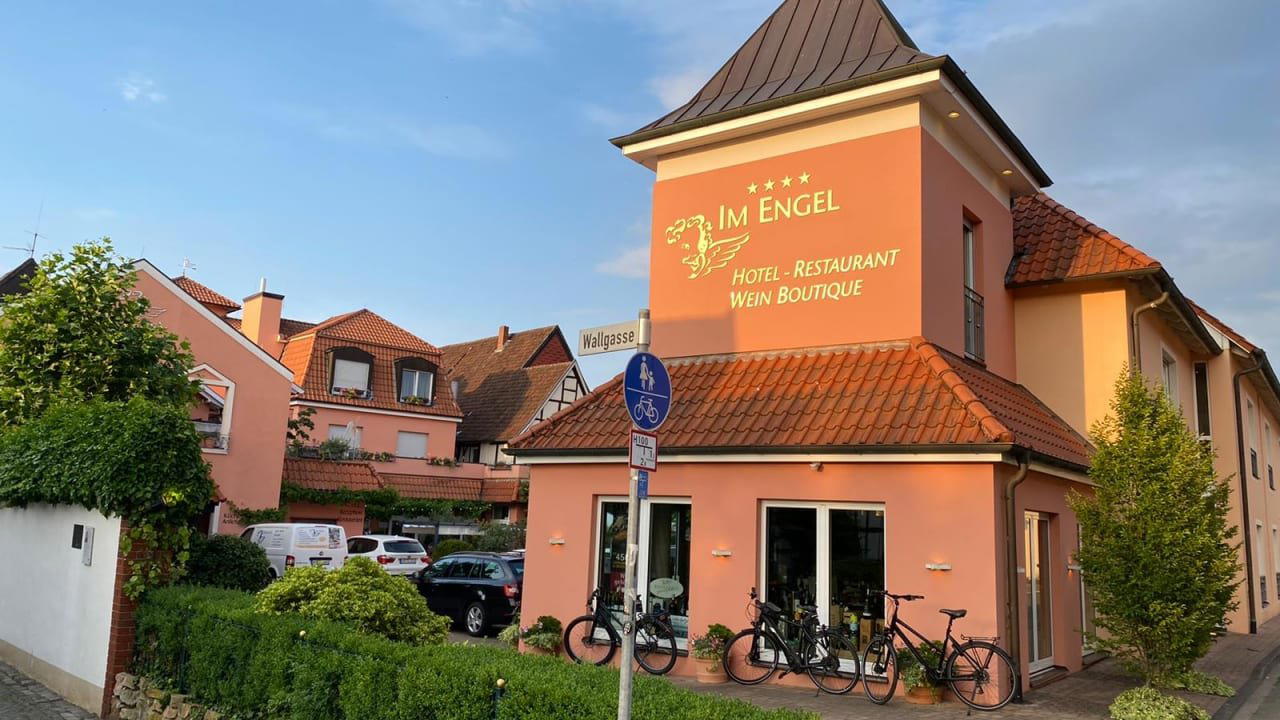
Westphalia's Quieter Table: Where Im Engel Fits the Regional Picture
Germany's most-discussed fine dining addresses tend to cluster around predictable coordinates: the Rhine-Ruhr corridor, the Black Forest, Munich's Maxvorstadt, and a handful of destination villages that Michelin has effectively put on the map for international travellers. Warendorf sits outside that circuit, which is precisely what makes its dining scene worth examining on its own terms. This is a town shaped by equestrian culture, guild-era architecture, and a Münsterland agricultural basin that has supplied regional kitchens for centuries. Im Engel, at Brünebrede 33, occupies that context directly, and understanding the address means understanding something about how the Westphalian table has always operated: quietly, seasonally, and with supply chains measured in kilometres rather than countries.
For reference points further afield, Germany's top-tier creative addresses, such as Aqua in Wolfsburg or Vendôme in Bergisch Gladbach, operate at the €€€€ tier with international sourcing strategies and multi-star recognition. Im Engel belongs to a different tier of the German dining structure, one where regional specificity rather than international ambition defines the offer. That is not a limitation; it is a distinct editorial choice that increasingly distinguishes smaller-city German restaurants from their capital-circuit peers.
Approach and Atmosphere: What the Address Signals
Warendorf's old town is compact enough to walk in twenty minutes, and Brünebrede is one of the quieter streets feeding off the historic centre. Arriving at Im Engel, the surrounding architectural scale sets expectations correctly: this is not a destination designed to announce itself. The Münsterland generally rewards this kind of understatement, and regional dining in this part of North Rhine-Westphalia has historically valued hospitality over spectacle. That pattern, common to many of Germany's mid-sized market towns, produces a dining environment where the room functions as a frame for the food rather than a competing attraction.
Across the wider German restaurant scene, the post-pandemic period has seen a notable shift in smaller cities and towns, with kitchens that once operated in the shadow of metropolitan peers now attracting serious attention on their own terms. Addresses like Schanz in Piesport and Bagatelle in Trier have demonstrated that provincial German dining can hold its own against urban competition when the sourcing logic is tight and the kitchen has conviction. Im Engel sits within that broader pattern, even if its profile remains below the international radar.
The Münsterland Larder: Sourcing as the Central Argument
The ingredient sourcing argument for a restaurant in Warendorf is, in some ways, self-evidently strong. The Münsterland is one of Germany's most productive agricultural regions: dairy farming, free-range poultry, pork from Westphalian heritage breeds, river fish, and a seasonal vegetable rotation tied to the lowland climate all fall within a tight local radius. For any kitchen operating at Brünebrede 33, that proximity is not a marketing position but a structural advantage. Ingredients that travel less arrive in better condition, and the seasonal calendar in this part of Germany is specific enough to produce a menu that changes meaningfully across the year rather than in token gestures.
This is the model that has defined the most coherent regional German tables for decades. Where destination kitchens such as Schwarzwaldstube in Baiersbronn or Waldhotel Sonnora in Dreis layer international technique over local produce, smaller regional addresses more often allow the ingredient to set the agenda. In Westphalia, that means asparagus in late spring, game through autumn, and the kind of cold-weather root vegetable and smoked-meat combinations that have defined the regional kitchen long before farm-to-table became a category. A restaurant operating within that tradition, in this town, with this address, inherits both the opportunity and the obligation to take that larder seriously.
Comparing this to how international destination kitchens approach sourcing is instructive. Le Bernardin in New York City operates within a sourcing logic defined by the global seafood market, while Atomix in New York City builds its identity around Korean ingredient provenance at a premium price tier. The Westphalian regional model is structurally different: the argument is not about rarity or distance, but about depth of local knowledge and the discipline to cook what the land around you actually produces, when it produces it.
Im Engel in the Warendorf Dining Context
Warendorf is not a city with a deep bench of high-end dining options, which means individual addresses carry more weight in the local conversation than they would in Hamburg or Munich. Restaurant Haerlin in Hamburg or JAN in Munich each operate within dense urban dining ecosystems where competition sharpens every decision. In a market town like Warendorf, a restaurant with genuine kitchen ambition occupies a more exposed position: there is less competitive camouflage, and the local audience is both more loyal and more immediately critical than a tourist-heavy city crowd.
That dynamic produces a particular kind of hospitality, common to smaller German cities, where the relationship between kitchen and returning customer drives menu evolution more directly than critical attention or award cycles. For visitors, this translates into a dining room that operates with fewer performative layers than a destination restaurant engineered for first-time guests, and where the pace and tone are calibrated to a regulars-based rhythm. Those considering Warendorf as a detour should read our full Warendorf restaurants guide for a complete picture of what the town's dining scene offers beyond a single address.
Germany's more experimental regional kitchens, such as ES:SENZ in Grassau, ATAMA by Martin Stopp in Sankt Ingbert, or AUGUST in Augsburg, have each found ways to translate local ingredient identity into a broader creative conversation. AURA by Alexander Herrmann and Tobias Bätz in Wirsberg does the same within a Franconian context. The question for any Westphalian kitchen is whether it can build that kind of identity around Münsterland produce, or whether proximity to the larder remains an implicit rather than explicit argument on the plate. Where CODA Dessert Dining in Berlin has restructured an entire format around a single ingredient category, and Victor's Fine Dining by Christian Bau in Perl has built its reputation on sustained technical precision over decades, the more modest regional address occupies a different but legitimate position in the German dining structure. And ammolite in Rust demonstrates that unconventional settings can still generate serious kitchen ambition.
Planning a Visit
Im Engel is located at Brünebrede 33, 48231 Warendorf, Germany. Warendorf sits roughly 25 kilometres east of Münster, making it accessible by regional train or car from the broader North Rhine-Westphalia network. Given the absence of published hours, booking details, and current menu information from verified sources, contacting the restaurant directly before visiting is the practical approach. Pricing, format, and seasonal availability are best confirmed at the time of reservation. As with many smaller-city German addresses, advance contact matters more than it would at a high-volume urban restaurant, where walk-in infrastructure is more developed.
Frequently asked questions
Is Im Engel child-friendly?
Warendorf itself is a compact, walkable town, and Brünebrede is a quieter residential street, which tends to suit a relaxed, unhurried pace rather than a bustling family environment. The address at Brünebrede 33 is easy to reach and parking in the old town area is generally manageable.
Is Im Engel better for a quiet night or a lively one?
Based on its location on one of Warendorf's quieter streets off the historic centre, Im Engel reads as a destination for an unhurried evening rather than a high-energy night out. Warendorf is a small Münsterland town with a limited dining scene, which means individual restaurants here tend to draw a focused, deliberate crowd rather than a casual drop-in one. Expect a composed atmosphere by default.
Is Im Engel worth the trip from Münster for a regional German dinner?
Warendorf sits approximately 25 kilometres east of Münster by road, making it a realistic evening excursion from the city. Im Engel is among the more discussed individual addresses in Warendorf's limited fine dining conversation, which gives it an outsized role in the local scene. For visitors already exploring the Münsterland, the old-town setting on Brünebrede adds a degree of character that a city-centre meal rarely matches.
What dish is Im Engel famous for?
Given the restaurant's location in the Münsterland, one of Germany's most productive agricultural regions, the kitchen has strong incentive to anchor its menu in local produce. For current menu details, reaching out directly to the address at Brünebrede 33, Warendorf is the most reliable route.
Where exactly is Im Engel?
Im Engel is located at Brünebrede 33, 48231 Warendorf, Germany, Warendorf.
Comparable Spots, Quickly
Comparable venues nearby, for context on price, style, and recognition.
| Venue | Cuisine | Price | Notes |
|---|---|---|---|
| Im EngelThis venue — the venue you are viewing | Westphalian-German with French and Mediterranean influences | Not listed | Not listed |
| Rotkehlchen Speise-& Cocktailbistro | Modern German Bistro with Cocktails | $50–100 | Innenstadt |
| Anneliese | Modern German Fine Dining | $50–100 | Petzelsberg |
| Twins Restaurant | Modern German | Not listed | Old Town |
| Gutshof Itterbach | Modern German Gourmet | $50–100 | Willingen |
| Dagernova Culinarium | Modern German Regional | $30–50 | Dernau |
Continue exploring
More in Warendorf
Restaurants in Warendorf
Browse all →
Bars in Warendorf
Browse all →
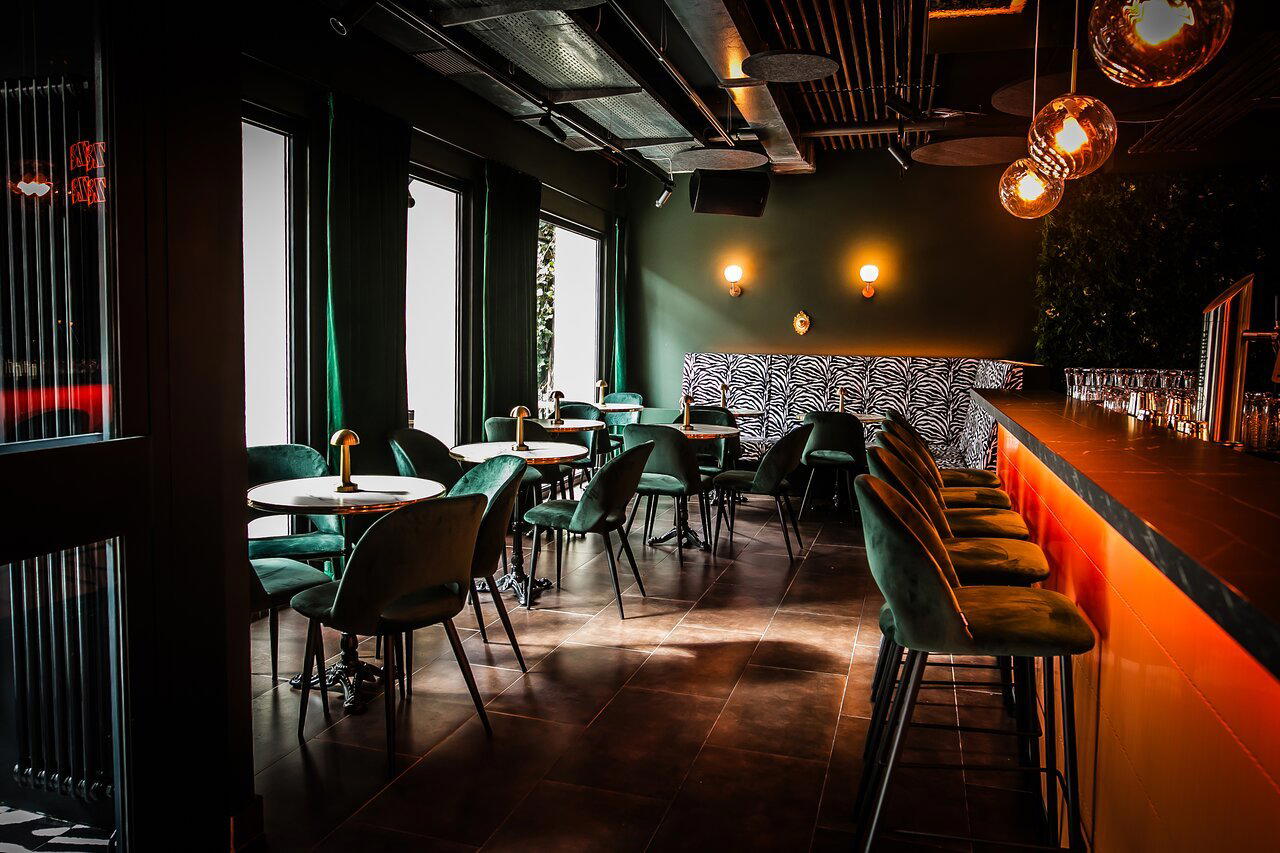
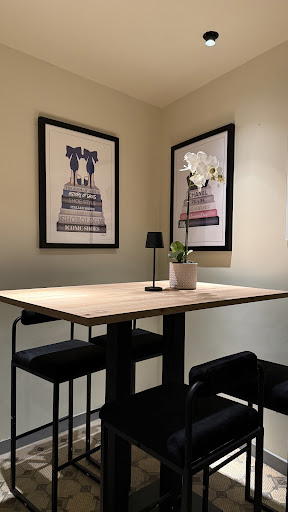
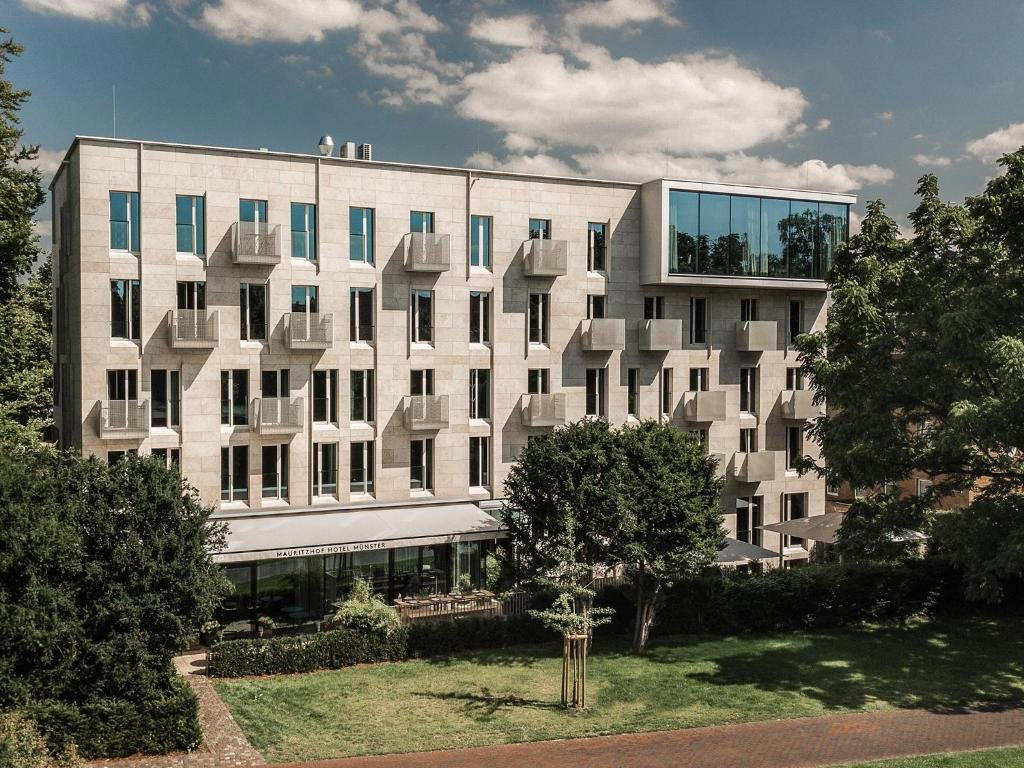
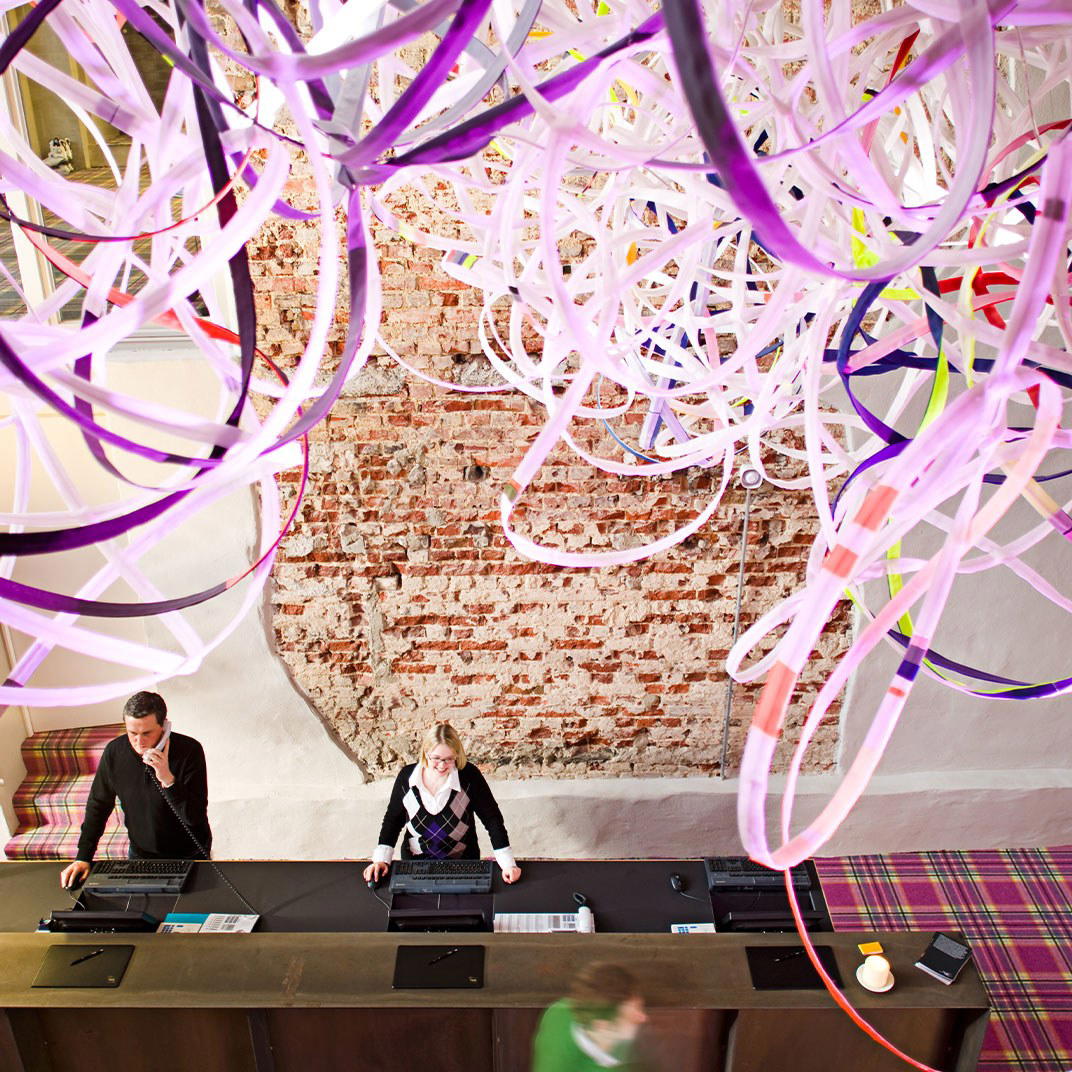
Im Engel
The wine
- Wine program
- Exceptional wine program
- Extensive wine list
Details
- Classic
- Elegant
- Cozy
- Special Occasion
- Date Night
- Historic Building
- Hotel Restaurant
- Extensive Wine List
- A La Carte
- Wine
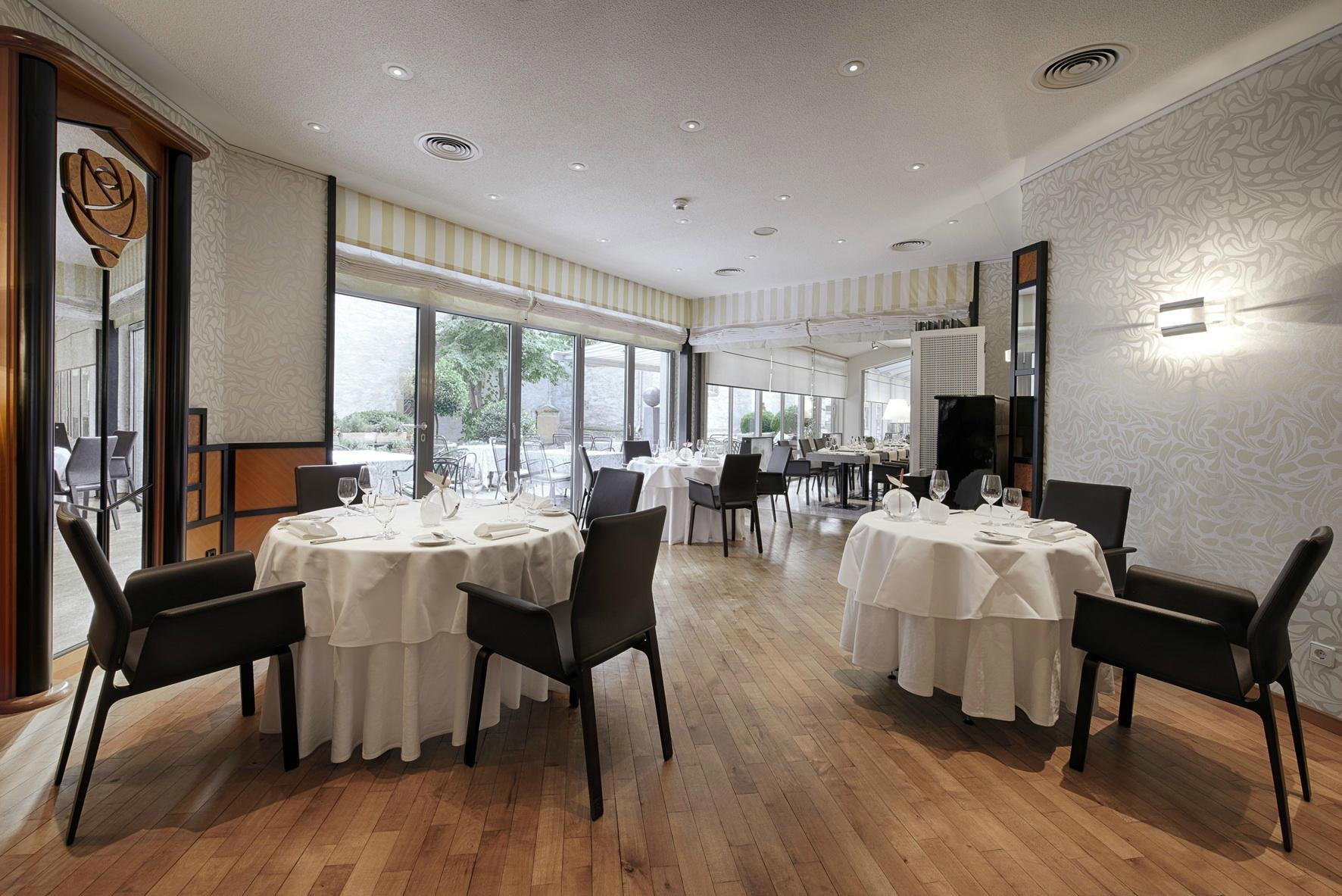
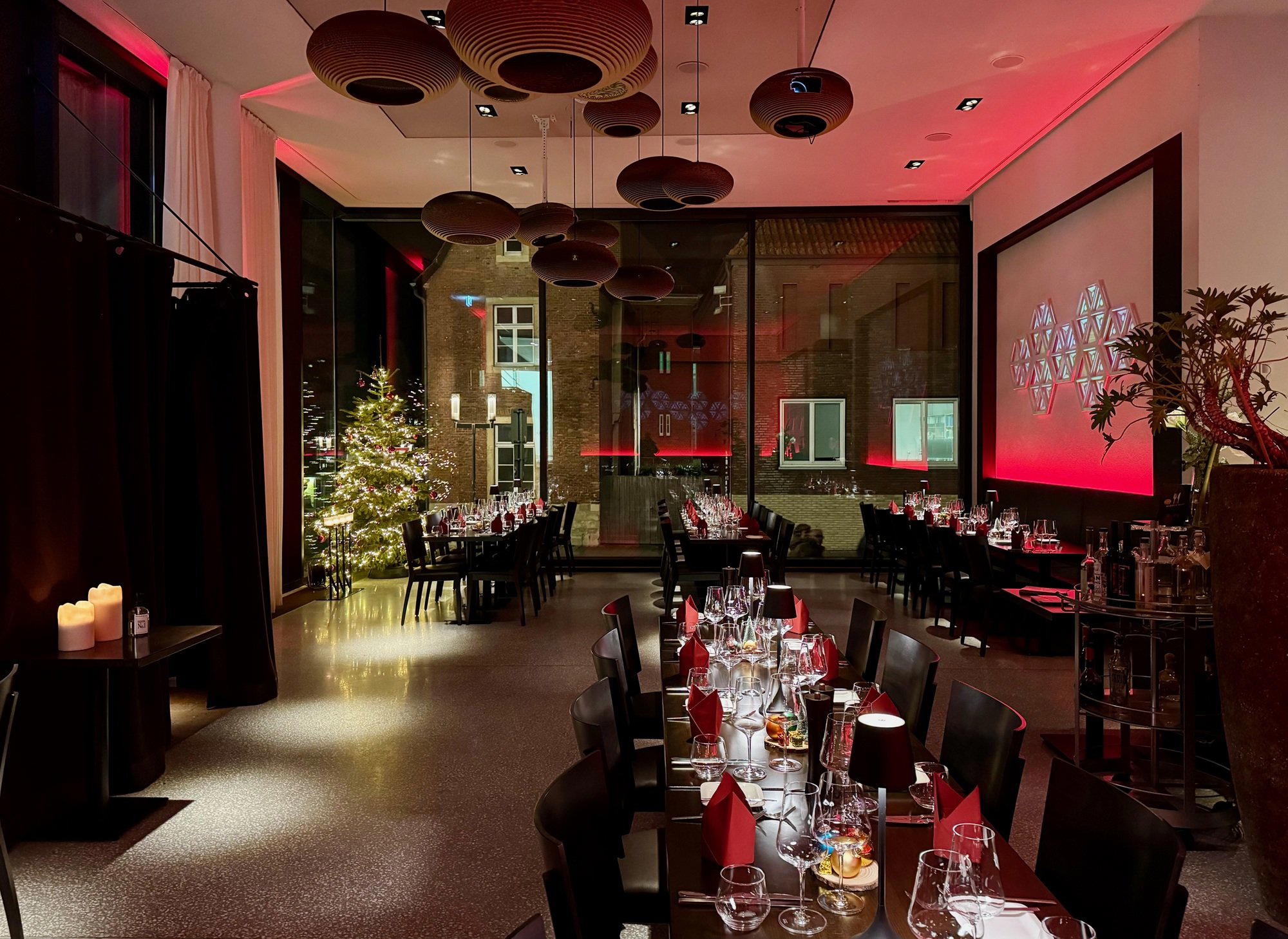
Charming atmosphere across differently designed dining rooms including fireplace room, guest room, club room, and back room, combining classical elegance with modern comfort.