Gastwirtschaft Ferdinand Reuter

Michelin Plate
Our verdict
A Michelin Plate-recognised Gastwirtschaft on Bleichstraße, Ferdinand Reuter brings farm-to-table cooking to Rheda-Wiedenbrück at a mid-range price point. Two consecutive Michelin Plate listings (2024 and 2025) signal a kitchen operating above the regional norm, grounded in produce-led cooking that connects the Westphalian countryside to the plate.

Pearl is the En Primeur Club membership app — saves, bookings, and concierge access live there. Same editors, same standards.
- Address
- Bleichstraße 3, 33378 Rheda-Wiedenbrück, Germany
- Phone
- +49 5242 94520
- Hours
- Mon ClosedTue–Sat 6–11:30 PMSun Closed
- Directions
- Get directions
- Booking
- Book on the venue's website
The menu
What to order
- Entenleberragout
- Kalbsrücken
Farm-to-Table Cooking in Westphalia's Quiet Middle
Bleichstraße is not a street that announces itself. In Rheda-Wiedenbrück, a twin town in the Gütersloh district of North Rhine-Westphalia, the built environment tends toward the functional: market-town solidity, the occasional half-timbered facade, residential streets that broaden into light commercial strips. It is precisely this kind of setting — unhurried, unpretentious, nowhere near a tourist trail — where farm-to-table cooking finds its most coherent expression. When a kitchen is not performing sourcing transparency for a metropolitan audience, it tends to simply practice it. Gastwirtschaft Ferdinand Reuter, at Bleichstraße 3, sits in that category.
The term Gastwirtschaft carries its own set of expectations in German dining culture: a convivial, mid-range establishment with deep local roots, closer to a serious tavern than a formal restaurant. That framing matters here. The price range sits at €€, placing Ferdinand Reuter well below the bracket occupied by Michelin-starred destinations like Aqua in Wolfsburg or Schwarzwaldstube in Baiersbronn, and it does so without apology. The value proposition here is regional produce cooked with evident care, not tasting-menu ceremony.
Two Michelin Plates and What They Signal
Michelin's Plate designation, awarded in both 2024 and 2025, does not carry the weight of a star, but it is not nothing. The guide's inspectors use the Plate to flag kitchens producing food of consistent quality, even where ambition or format does not align with the conditions required for a star. Consecutive Plate listings, across two annual cycles, indicate that the kitchen is maintaining a standard rather than benefiting from a one-time inspection result. In a town the size of Rheda-Wiedenbrück, with a population under 50,000 and no particular claim on Germany's fine dining map, that recognition carries proportionally more signal than the same award in Hamburg or Munich.
For comparison, multi-starred kitchens such as Vendôme in Bergisch Gladbach, CODA Dessert Dining in Berlin, or JAN in Munich operate in a different register entirely, higher price points, longer lead times, a different relationship between kitchen and guest. Ferdinand Reuter's Plate signals something more accessible but no less considered: a kitchen that earns recognition at its own price tier, not by mimicking the tier above it.
Sourcing in Westphalia: The Agricultural Context
Farm-to-table as a category has been so thoroughly co-opted by restaurant marketing that the phrase itself now requires unpacking. In its most substantive form, it means a kitchen whose menu is structurally dependent on regional supply, where the produce dictates the cooking rather than the cooking dictating a produce order placed through a national distributor. In Westphalia, that approach has a genuine agricultural base to draw from. North Rhine-Westphalia is one of Germany's most productive farming regions: grain, dairy, pork, root vegetables, river fish, and seasonal wild produce all arrive from nearby supply chains rather than distant ones.
The Gastwirtschaft format reinforces this connection. A tavern-style establishment in a market town has historically been the place where local farmers, tradespeople, and residents ate within a few kilometers of where the ingredients were grown. The contemporary farm-to-table movement is, in some respects, a deliberate return to that pre-industrial logic: short supply chains, seasonal adaptation, cooking built around what is available rather than what is globally sourceable year-round. Ferdinand Reuter's positioning within that tradition is less a marketing posture than a structural feature of where and how it operates.
Comparable farm-to-table kitchens in the broader region include BOK Restaurant Brust oder Keule in Münster and Au Gré du Vent in Seneffe, both of which apply the same produce-first logic within different local agricultural contexts. The pattern across all three suggests that farm-to-table kitchens in this part of northern Europe benefit from proximity to genuinely diverse agricultural output, a different condition from, say, an alpine restaurant working with a narrower seasonal range.
Where Ferdinand Reuter Sits in Rheda-Wiedenbrück's Dining Scene
Rheda-Wiedenbrück does not have an extensive dining scene by the standards of larger German cities, which makes the Michelin Plate recognition at Ferdinand Reuter more conspicuous, not less. When a small to mid-sized town produces a kitchen that earns consecutive inspector recognition at the accessible price tier, it tends to serve as an anchor point for local dining rather than one option among many. Other venues in the town operate in adjacent registers, and the contrast clarifies what Ferdinand Reuter is doing: cooking with produce-led discipline in a format that remains genuinely accessible.
Other kitchen formats earning Michelin recognition in Germany's more remote or smaller-market towns include Schanz in Piesport and Waldhotel Sonnora in Dreis, both of which demonstrate that serious cooking is not confined to metropolitan centers. Ferdinand Reuter belongs to this broader pattern of regional kitchens operating above their immediate market's baseline expectations, though at a more democratic price point than either of those starred examples.
For travellers passing through the Gütersloh district or staying nearby, [Our full Rheda-Wiedenbrück restaurants guide] covers the full dining picture, while the Rheda-Wiedenbrück hotels guide addresses accommodation options. Those exploring the broader area can also consult the bars guide, the wineries guide, and the experiences guide for Rheda-Wiedenbrück. A related option in the city worth considering is Reuter (Modern French), which applies a different culinary register to the same local market. Further afield, ES:SENZ in Grassau, Restaurant Haerlin in Hamburg, and Victor's Fine Dining by christian bau in Perl represent the upper tier of German fine dining for those whose itinerary extends beyond the region.
Planning Your Visit
Gastwirtschaft Ferdinand Reuter is located at Bleichstraße 3, 33378 Rheda-Wiedenbrück. The €€ price range makes it one of the more accessible Michelin-recognised tables in North Rhine-Westphalia.2-rated Gastwirtschaft in a market-town setting, where demand can outpace visible capacity. The town is served by regional rail connections through the Gütersloh corridor, making it reachable from Bielefeld or Dortmund without requiring a car.
Frequently asked questions
Is Gastwirtschaft Ferdinand Reuter good for families?
The Gastwirtschaft format is a traditional German inn-style setting, historically designed around communal, all-ages dining. At €€ pricing in Rheda-Wiedenbrück, the restaurant sits well outside the formal fine-dining register that would make family visits impractical. Two consecutive Michelin Plate awards confirm kitchen consistency without signalling the kind of ceremony that tends to complicate a family meal.
What is the atmosphere like at Gastwirtschaft Ferdinand Reuter?
A Gastwirtschaft is by definition a working inn-style space, grounded and convivial rather than formal. The €€ price point and Rheda-Wiedenbrück's market-town character reinforce that register. Michelin's Plate recognition in 2024 and 2025 points to a kitchen taken seriously, but the format itself leans toward everyday hospitality over theatrical presentation.
Is Gastwirtschaft Ferdinand Reuter Michelin-listed?
Gastwirtschaft Ferdinand Reuter has received recognition including: Michelin Plate (2025); Michelin Plate (2024).
What dish is Gastwirtschaft Ferdinand Reuter famous for?
The farm-to-table designation and back-to-back Michelin Plate recognition in 2024 and 2025 indicate a menu built around regional Westphalian produce and seasonal availability, so the kitchen's output shifts with what the surrounding agricultural region supplies rather than anchoring to a fixed house dish.
Is Gastwirtschaft Ferdinand Reuter more mid-range or high-end?
Pricing at Gastwirtschaft Ferdinand Reuter is listed as €€.
| Venue | Cuisine | Price | Awards |
|---|---|---|---|
| Gastwirtschaft Ferdinand ReuterThis venue — the venue you are viewing | Regional German Gastwirtschaft | $20–30 | Michelin Plate |
| Schwarzwaldstube | French, Classic French | Not listed | Michelin 3 Star |
| Aqua | Contemporary German, Italian/Japanese, Creative | Not listed | Michelin 3 Star |
| CODA Dessert Dining | Creative | Not listed | Michelin 2 Star |
| Tantris | Modern French, French Contemporary | Not listed | Michelin 2 Star |
| Vendôme | Modern European, Creative | Not listed | Michelin 2 Star |
Recognition history
Dated appearances from independent guides and award organizations, with the underlying list record or original source where available.
Michelin Plate
Michelin · 2026 Michelin Plate
Full recognition history (3 entries)
Michelin Plate
Michelin
Michelin Plate
Michelin
Continue exploring
More in Rheda-Wiedenbrück
Restaurants in Rheda-Wiedenbrück
Browse all →


Bars in Rheda-Wiedenbrück
Browse all →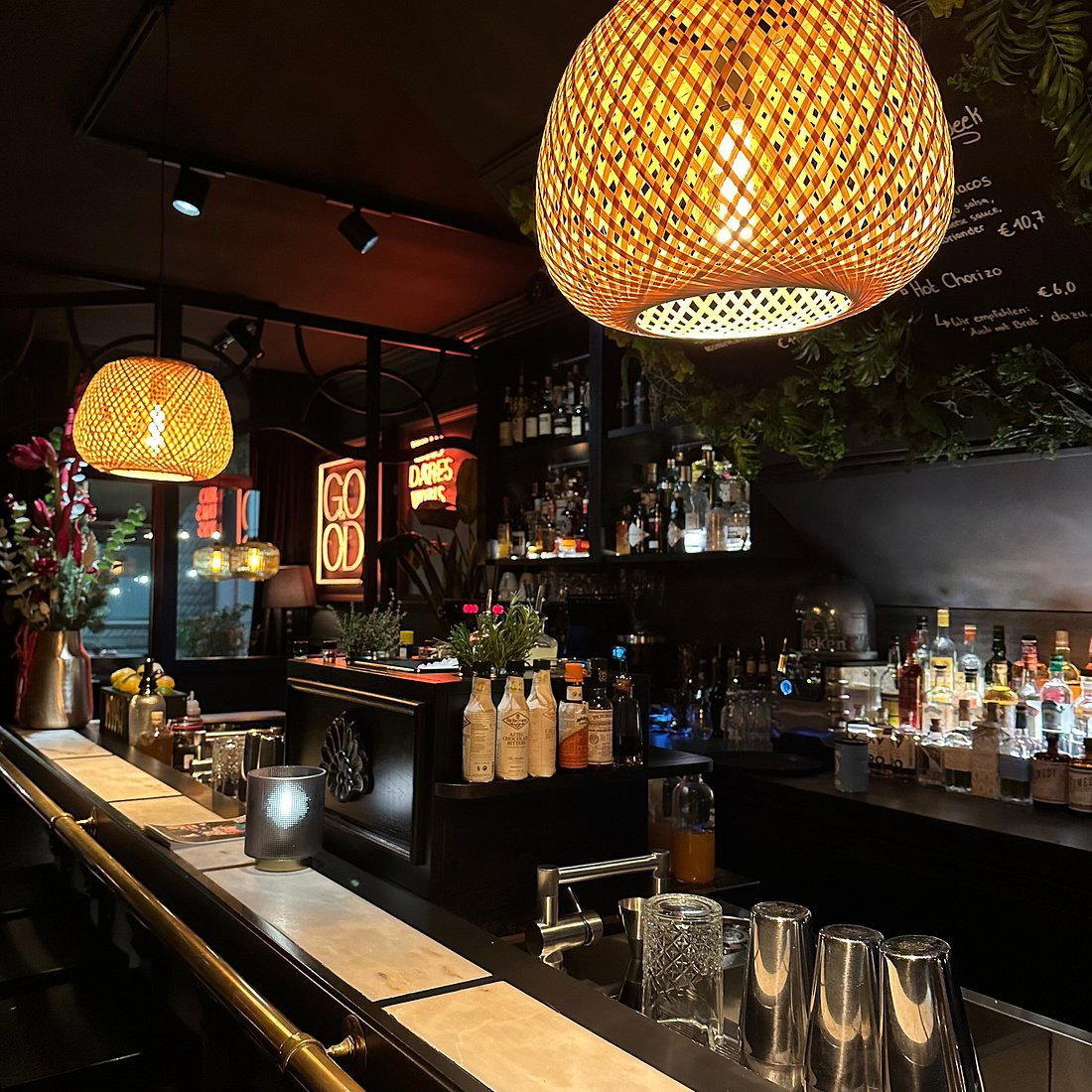

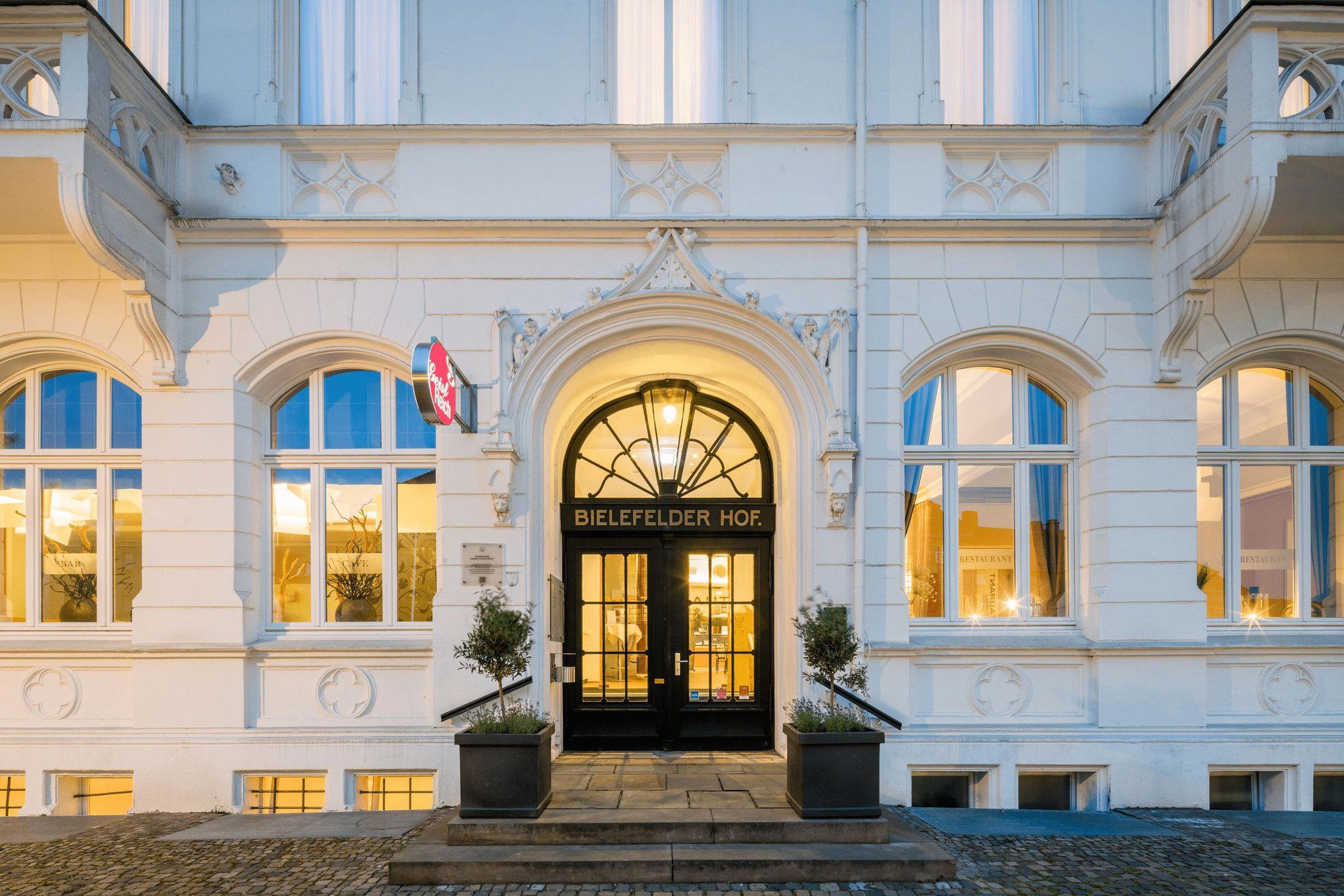
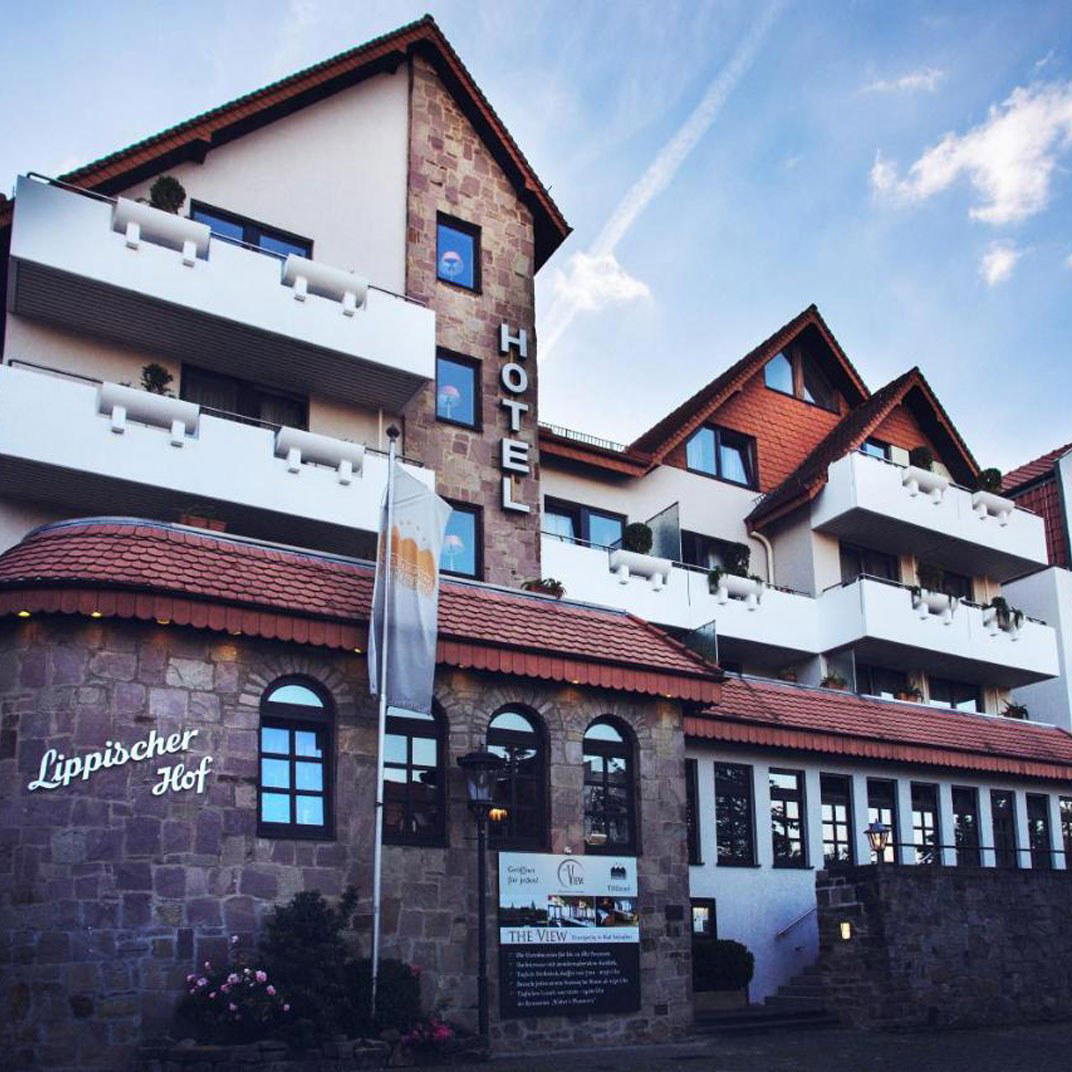
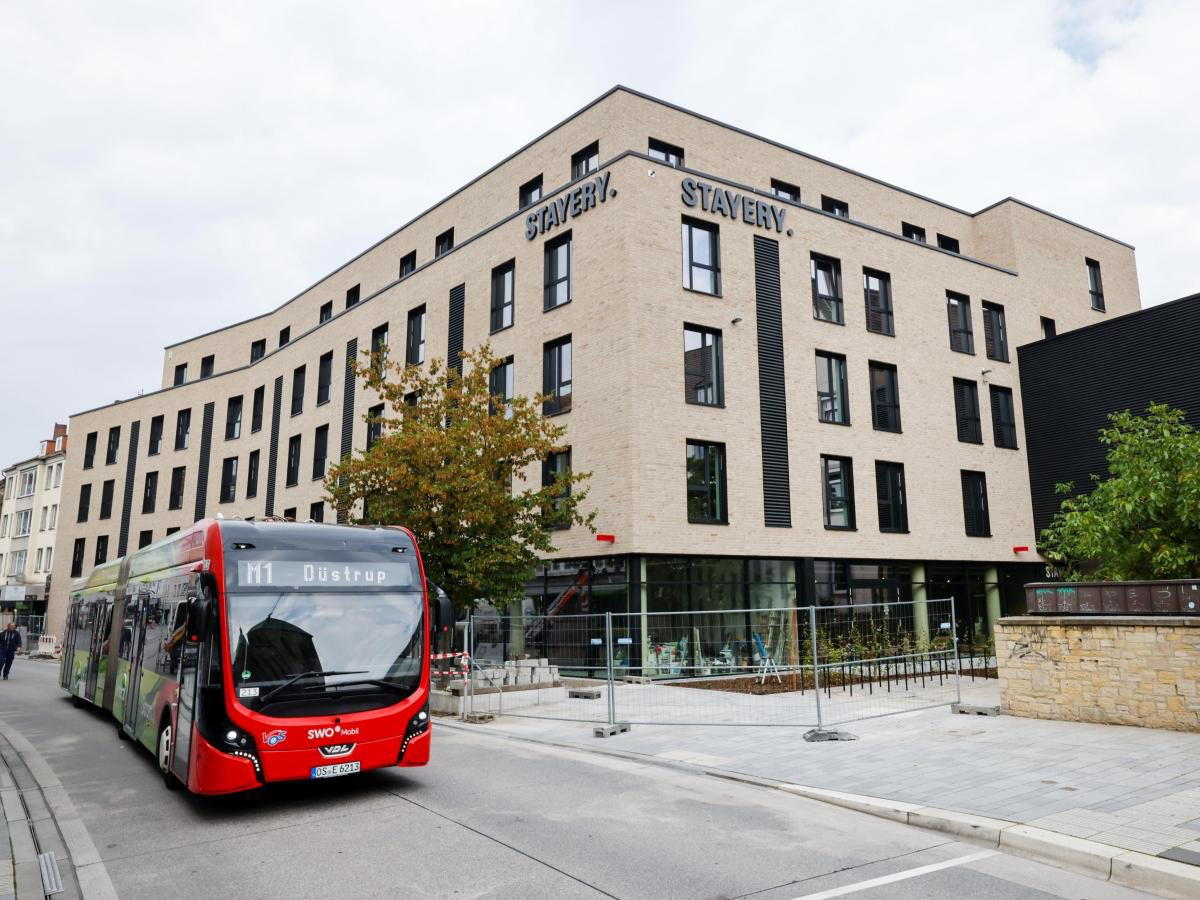
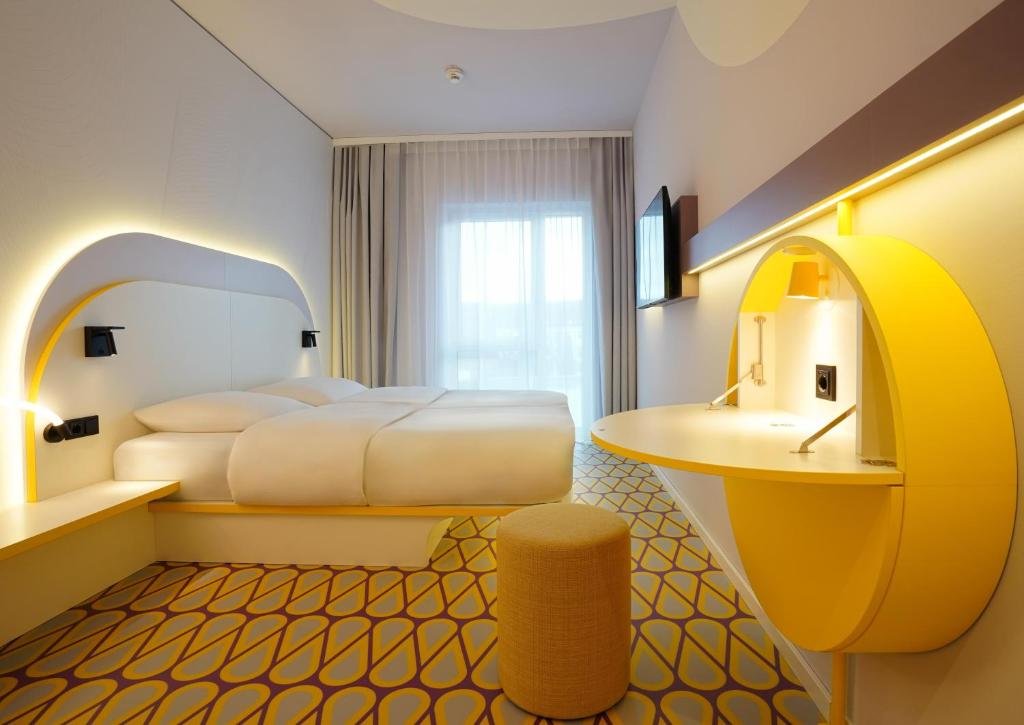
Gastwirtschaft Ferdinand Reuter
The wine
- Wine program
- Curated wine list
- Extensive wine list
Details
- Cozy
- Rustic
- Classic
- Casual Hangout
- Date Night
- Historic Building
- Extensive Wine List
- Farm To Table
- Local Sourcing
- A La Carte
Current opening hours
- Monday
- Closed
- Tuesday
- 6–11:30 PM
- Wednesday
- 6–11:30 PM
- Thursday
- 6–11:30 PM
- Friday
- 6–11:30 PM
- Saturday
- 6–11:30 PM
- Sunday
- Closed
Hours can change for holidays and private events. Last verified .
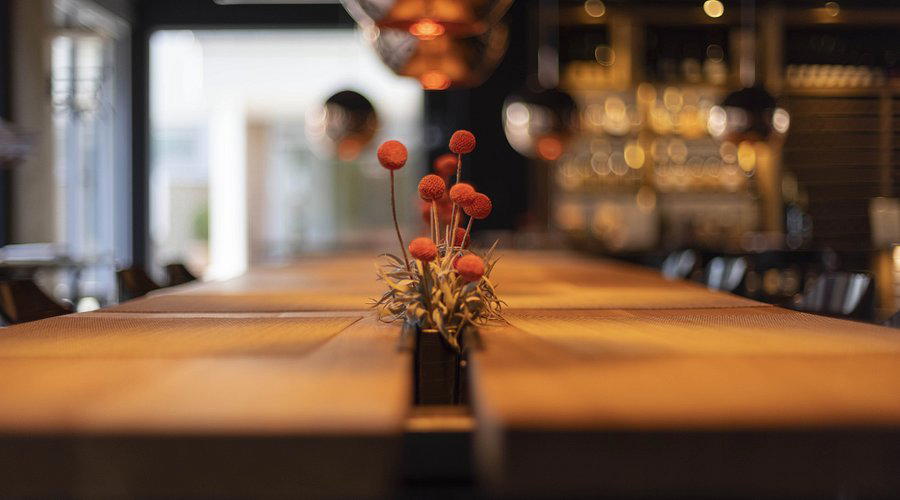
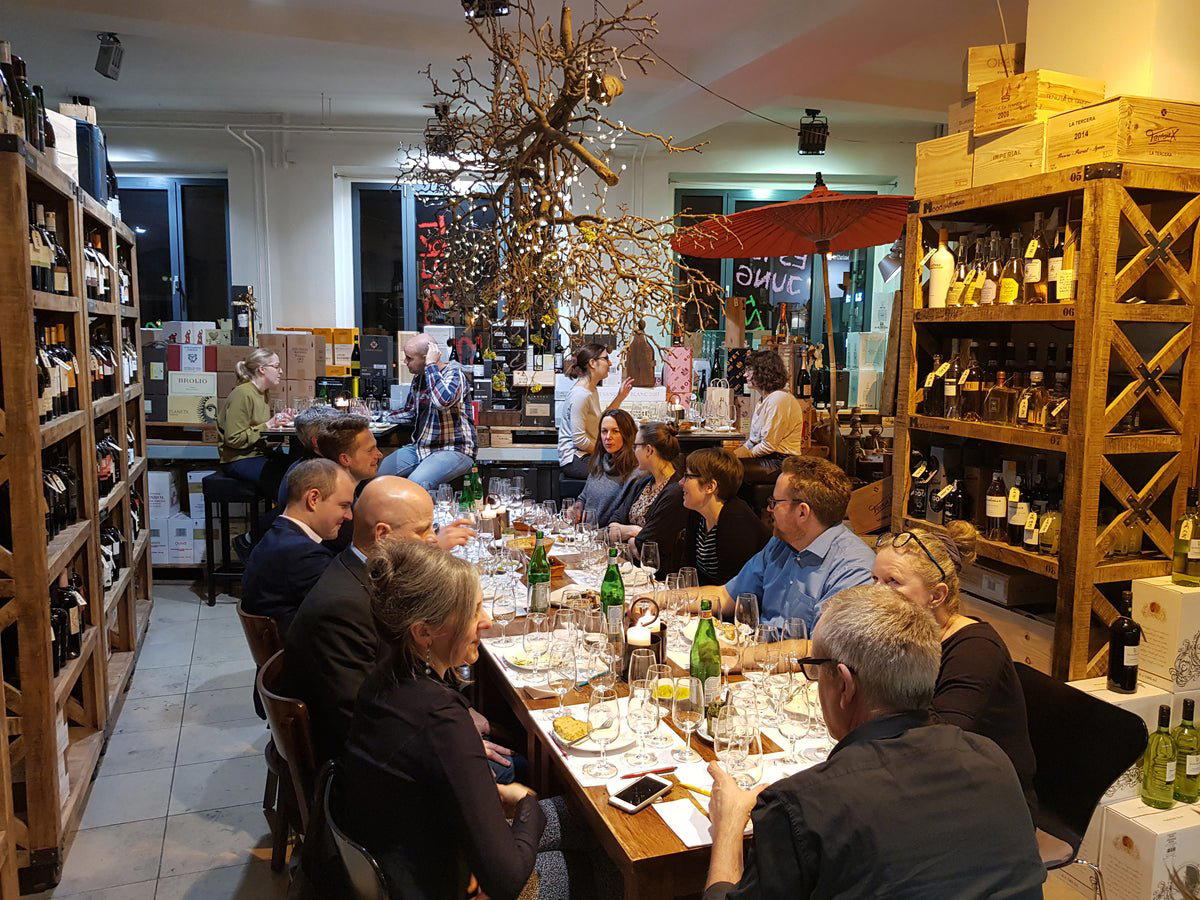
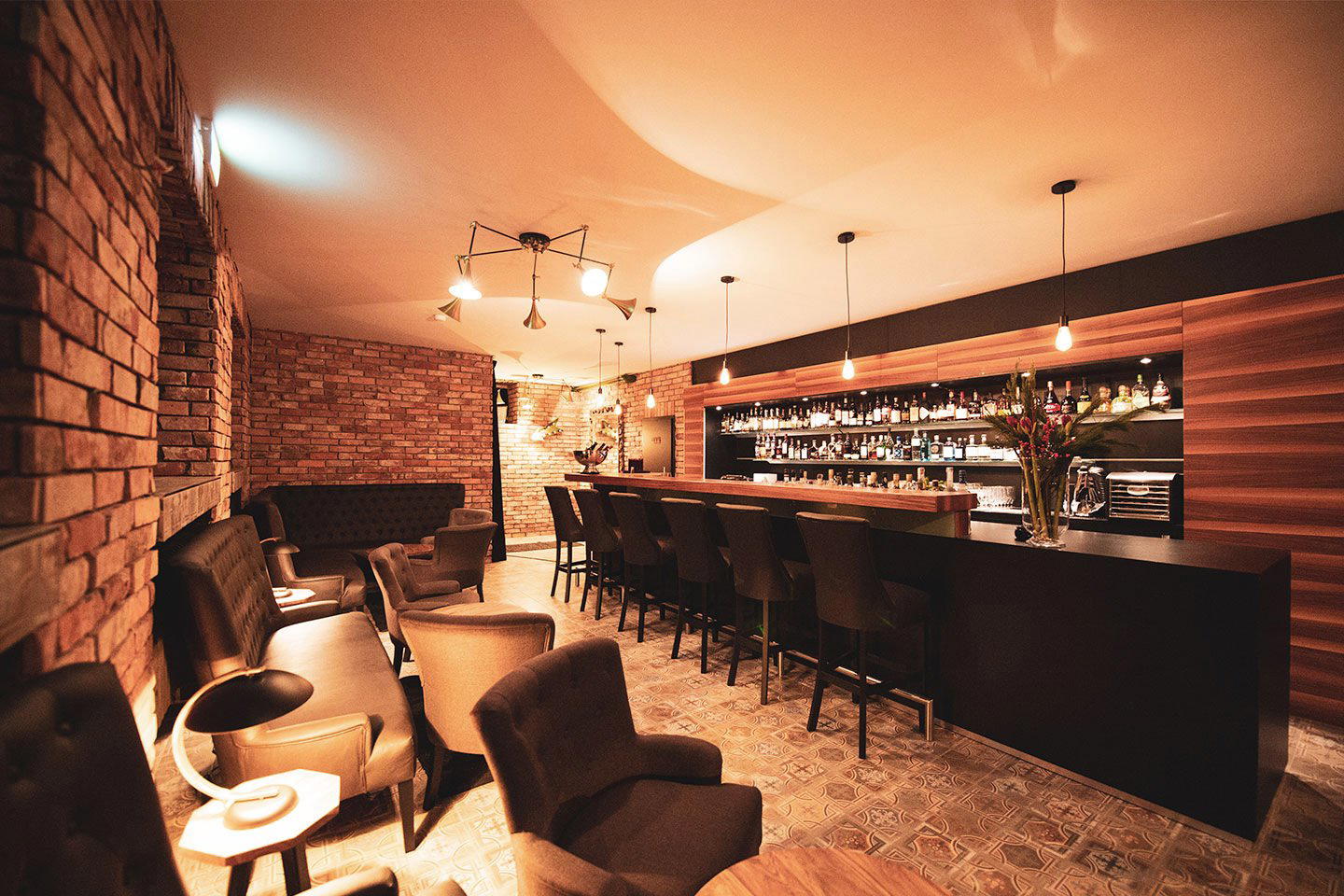
Friendly and cosy atmosphere with a modern section featuring long wooden tables.