Located at Petzelsberg 10 in the southern reaches of Essen, Anneliese occupies a quieter register than the city's more central fine-dining addresses. The restaurant operates in a tier of Essen dining where sourcing decisions and kitchen discipline speak louder than restaurant-row visibility. For those tracking the city's serious eating options, it warrants attention alongside peers like Hannappel and Chefs Atelier.
Pearl is the En Primeur Club membership app — saves, bookings, and concierge access live there. Same editors, same standards.
- Address
- Petzelsberg 10, 45259 Essen, Germany
- Phone
- +4920161795081
- Website
- restaurant-anneliese.de
- Directions
- Get directions
 Saves & bookings on Pearl
Where Essen's Quieter Dining Quarter Earns Its Reputation
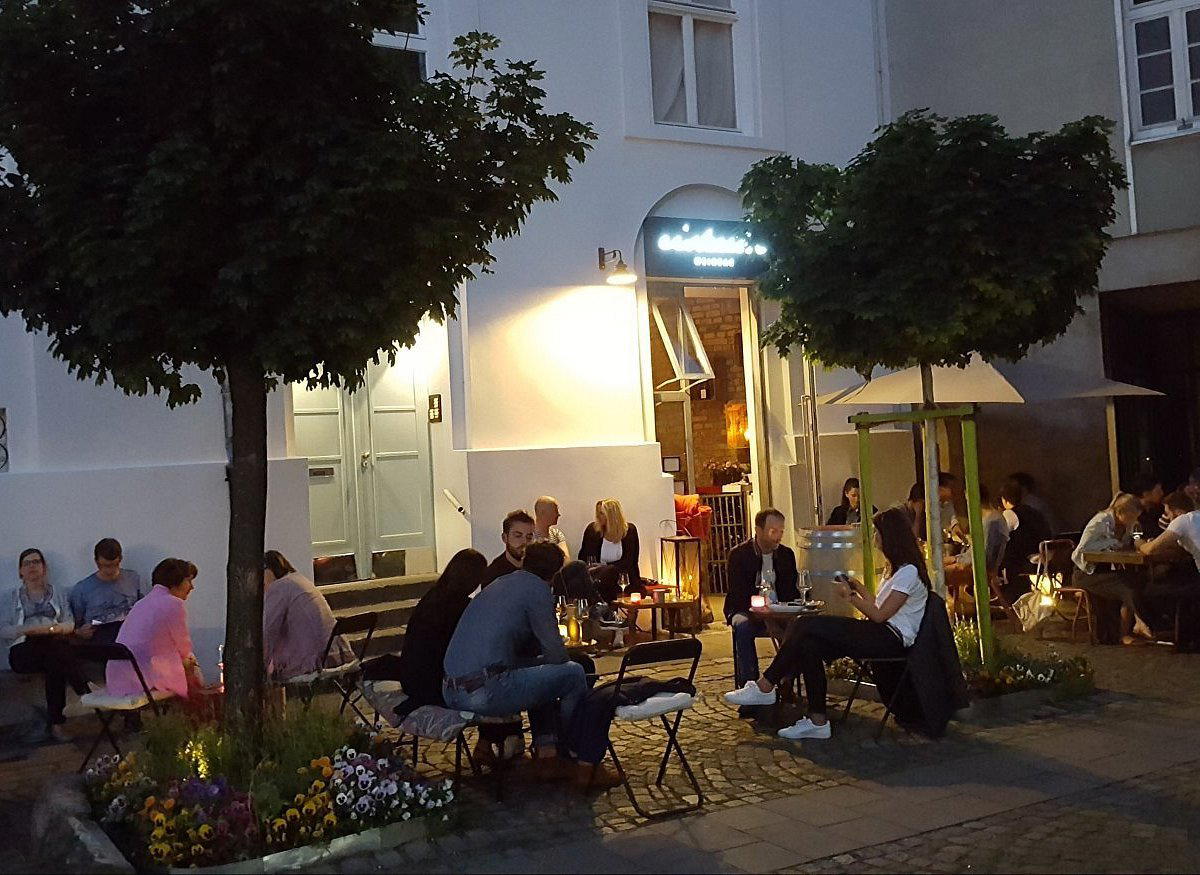
Petzelsberg sits in the southern, more residential belt of Essen, far from the commercial corridors that concentrate the city's more visible restaurants. Arriving at this address, the absence of neon and queue-management rope is itself a signal: this is a neighbourhood where restaurants survive on repeat local custom and deliberate word-of-mouth rather than passing footfall. That dynamic tends to produce kitchens with a particular kind of focus, one oriented toward the guest who has already decided to come rather than the one who needs to be seduced from the pavement.
Essen's fine-dining scene has always operated in the shadow of Düsseldorf and Cologne, two cities with higher international profiles and larger expense-account dining cultures. That competitive pressure has, paradoxically, sharpened the city's better kitchens. Venues like Hannappel and Chefs Atelier have built reputations at the €€€€ tier without relying on tourist volume, and Anneliese occupies a similar residential-quarter register in Essen's broader dining geography. For a fuller map of where the city's serious cooking is happening, the EP Club Essen restaurants guide places these addresses in comparative context.
Sourcing as the Kitchen's Organising Principle
In the tier of German fine dining that Anneliese represents, the question of where ingredients come from has become increasingly central to how kitchens differentiate themselves. Across Germany's serious restaurant culture, from Schwarzwaldstube in Baiersbronn to Waldhotel Sonnora in Dreis, the most coherent menus tend to be built around supplier relationships that are specific, stable, and regional in emphasis. This is not a marketing position; it is a logistical one. A kitchen that knows its farmers and its seasonal windows in advance can build dishes with more precision than one sourcing opportunistically from a central wholesaler.
The Ruhr region, for all its industrial history, sits within reach of productive agricultural land to the north and east, and of the Rhine valley's market gardens to the south. Restaurants in Essen's serious tier have progressively shortened their supply chains in ways that parallel broader shifts across German gastronomy. Kettner's Kamota and Bliss both demonstrate versions of this approach in their respective formats. For Anneliese, at a residential address removed from the competitive density of central Essen, the logic of grounding a menu in what is locally and seasonally available is both a culinary and a commercial one.
Reading the Room: Format and Guest Relationship
Restaurants that operate at residential addresses in mid-sized German cities have, by necessity, a different relationship with their guests than those in high-traffic dining districts. The guest base tends to be local, returning, and interested in the kind of incremental evolution that comes from a kitchen working consistently with the same ingredients and suppliers over multiple seasons. This is a format more common in smaller German cities than the international dining press typically acknowledges: the neighbourhood fine-dining address that functions less like a destination and more like a private institution for a committed local audience.
Across Germany, this model has produced some of the country's most sustained cooking. Schanz in Piesport and JAN in Munich operate from positions of geographic specificity that would seem like disadvantages on paper but function as focus-generators in practice. At Petzelsberg 10, the residential setting performs a similar function: it limits casual traffic and concentrates the kitchen's output on a guest who arrives with intent.
Essen in German Fine-Dining Context
Germany's fine-dining map is more geographically distributed than France's or the United Kingdom's, and the Ruhr specifically punches above its international profile in terms of serious cooking. The concentration of wealth and industrial heritage in this part of North Rhine-Westphalia has historically supported restaurant culture at a level that outsiders underestimate. Venues like Vendôme in Bergisch Gladbach and Victor's Fine Dining by Christian Bau in Perl sit in the upper tier of German recognition, and the regional scene they anchor extends into cities like Essen with more depth than casual observers expect.
Within Essen itself, the price-tier spread is instructive. At one end, addresses like CoCoLÁ operate at more accessible price points. At the other, the €€€€ kitchens have defined the city's external culinary reputation. Anneliese at Petzelsberg 10 sits in a part of Essen where the restaurant's relationship to its immediate community matters as much as its position in the city's broader dining hierarchy. That balance, between neighbourhood institution and serious kitchen, is one of the more interesting tensions in mid-tier German fine dining at this moment.
For comparison across Germany's serious dining spectrum, it is worth tracking what kitchens at Aqua in Wolfsburg, ES:SENZ in Grassau, and Restaurant Haerlin in Hamburg are doing with sourcing and seasonal programming. Each of those addresses has built a distinct answer to the same underlying question: what does a kitchen owe its region, and how literally should that obligation be expressed on the plate? The conversation extends internationally to addresses like Le Bernardin in New York City and Lazy Bear in San Francisco, where ingredient provenance has become a defining axis of fine-dining credibility. CODA Dessert Dining in Berlin represents a further variation, where the sourcing framework extends even into the pastry and dessert programme.
Planning a Visit
Petzelsberg 10 is in the Heidhausen district of southern Essen, accessible by car from central Essen in under twenty minutes and reachable via S-Bahn connections to the broader Ruhr network. Because specific booking channels, operating hours, and pricing information are not publicly confirmed through EP Club's verified data at this time, prospective guests should contact the restaurant directly or check current listings before planning a visit. The residential location and the kitchen's apparent orientation toward a regular local guest base suggest that reservations, particularly for weekend sittings, are worth securing well in advance.
Comparison Snapshot
| Venue | Cuisine | Price | Awards |
|---|---|---|---|
| AnnelieseThis venue — the venue you are viewing | This venue | Not listed | Not listed |
| Hannappel | Modern Cuisine | €€€€ | Michelin 1 Star |
| Chefs Atelier | Creative | €€€€ | Michelin 1 Star |
| Müllers auf der Rü | Seasonal Cuisine | €€€ | Seasonal Cuisine, €€€ |
| Lucente | Italian | €€ | Italian, €€ |
| Pierburg - Erika Bergheim | Farm to table | €€€ | Farm to table, €€€ |
Continue exploring
More in Essen
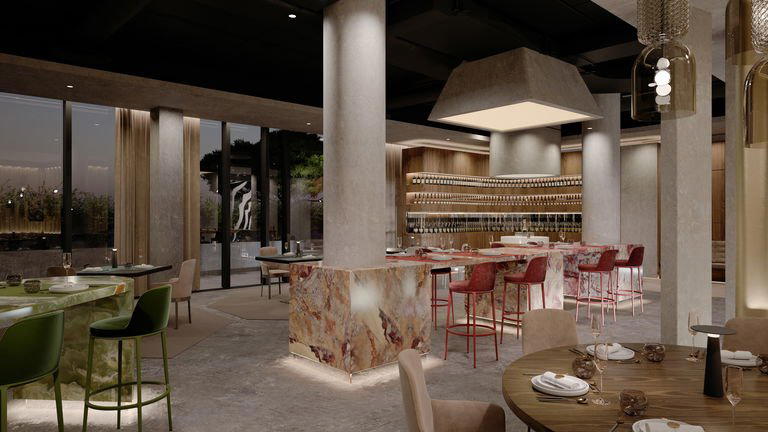
Restaurants in Essen
Browse all →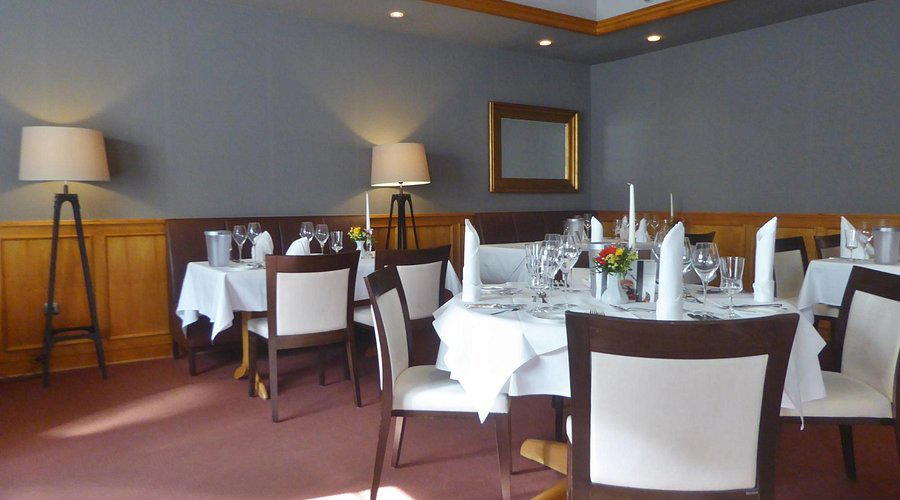
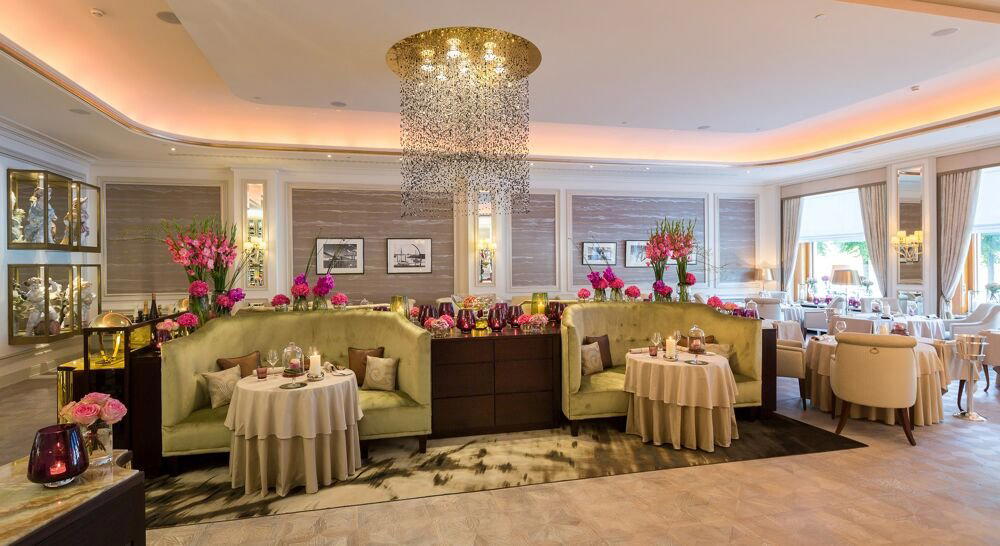
Bars in Essen
Browse all →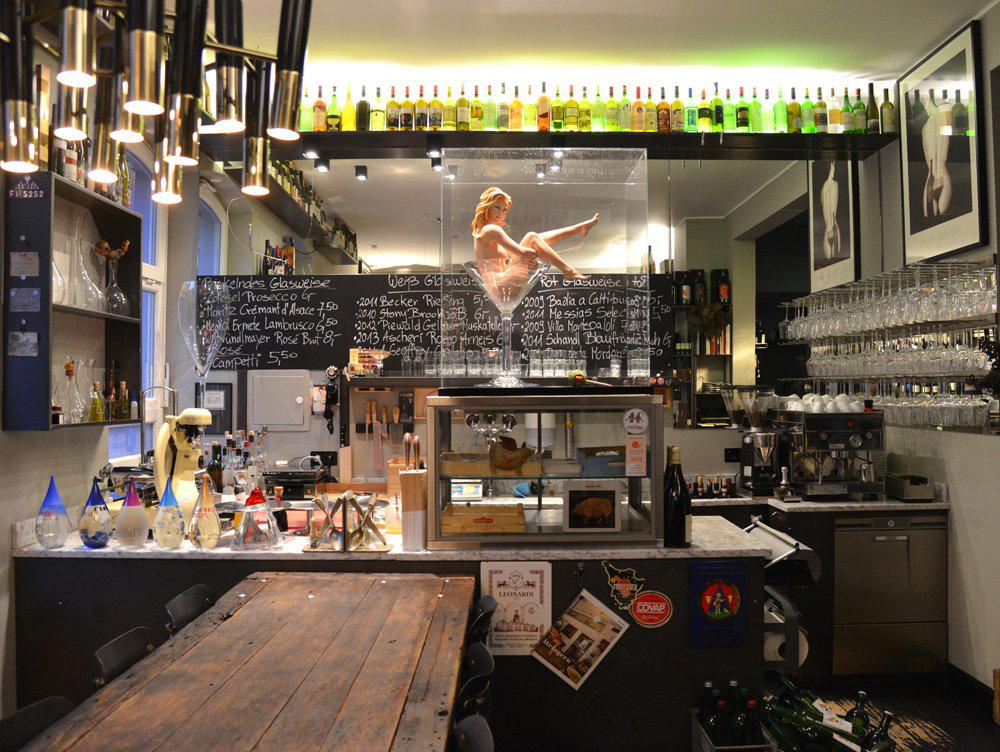
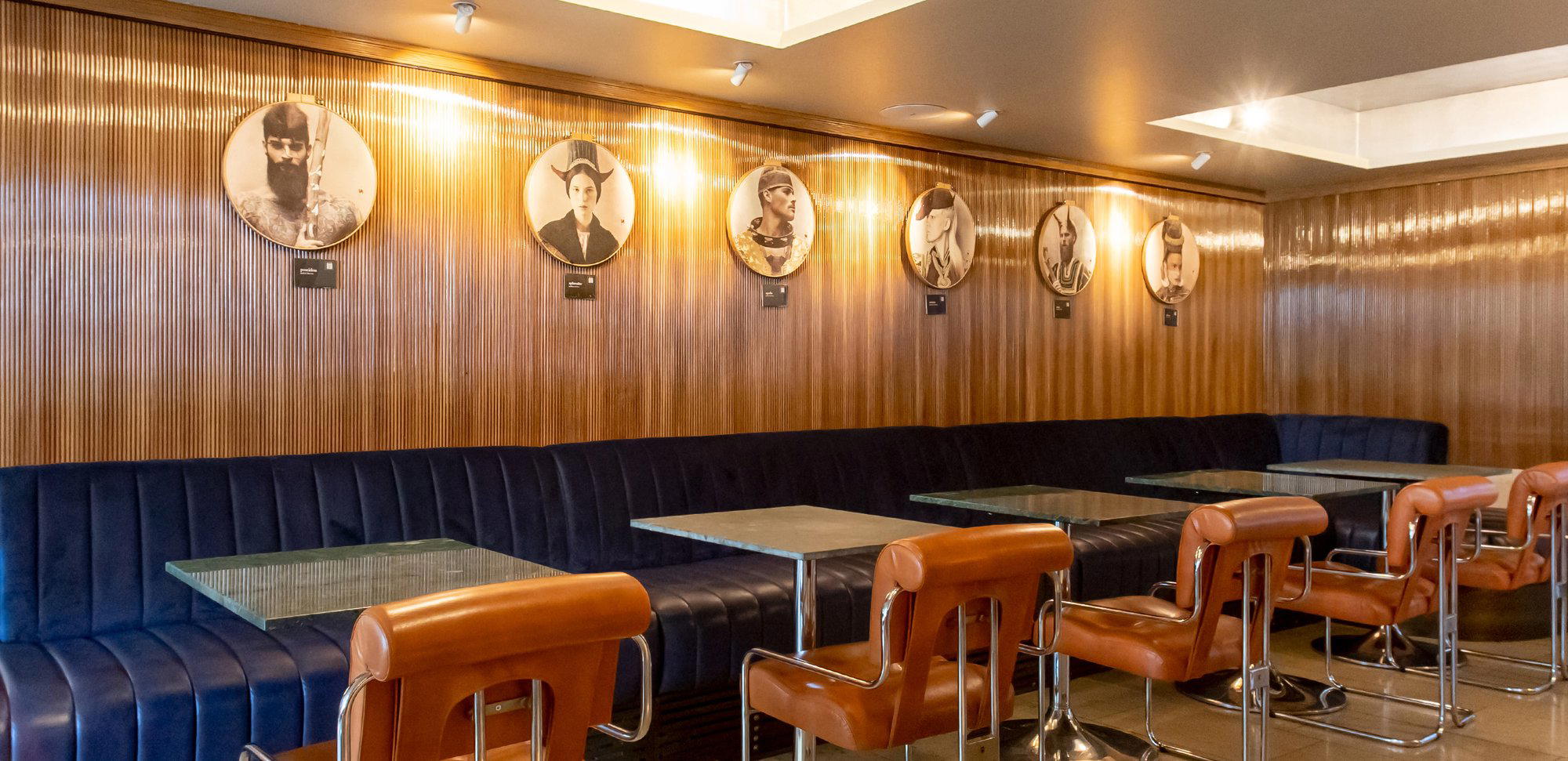
Hotels in Essen
Browse all →
Wineries in Essen
Browse all →
At a Glance
- Cozy
- Intimate
- Elegant
- Date Night
- Special Occasion
- Standalone
Current opening hours
- Monday
- Closed
- Tuesday
- Closed
- Wednesday
- Closed
- Thursday
- 6–11:30 PM
- Friday
- 6–11:30 PM
- Saturday
- 6–11:30 PM
- Sunday
- Closed
Hours can change for holidays and private events. Last verified .
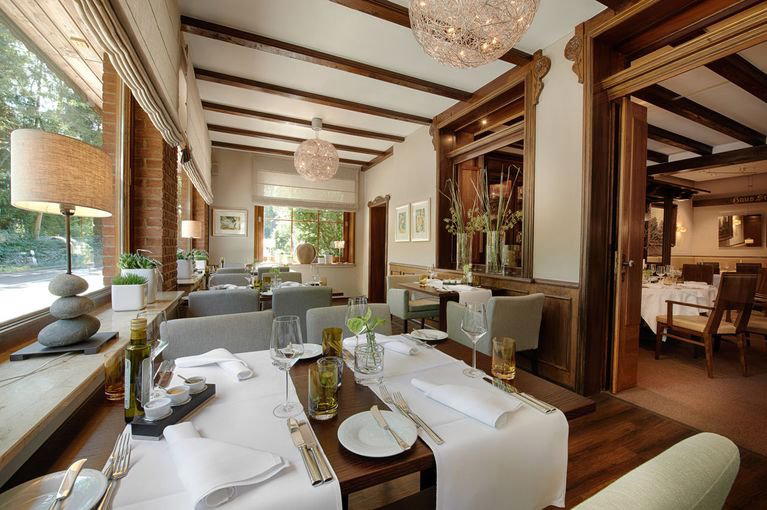
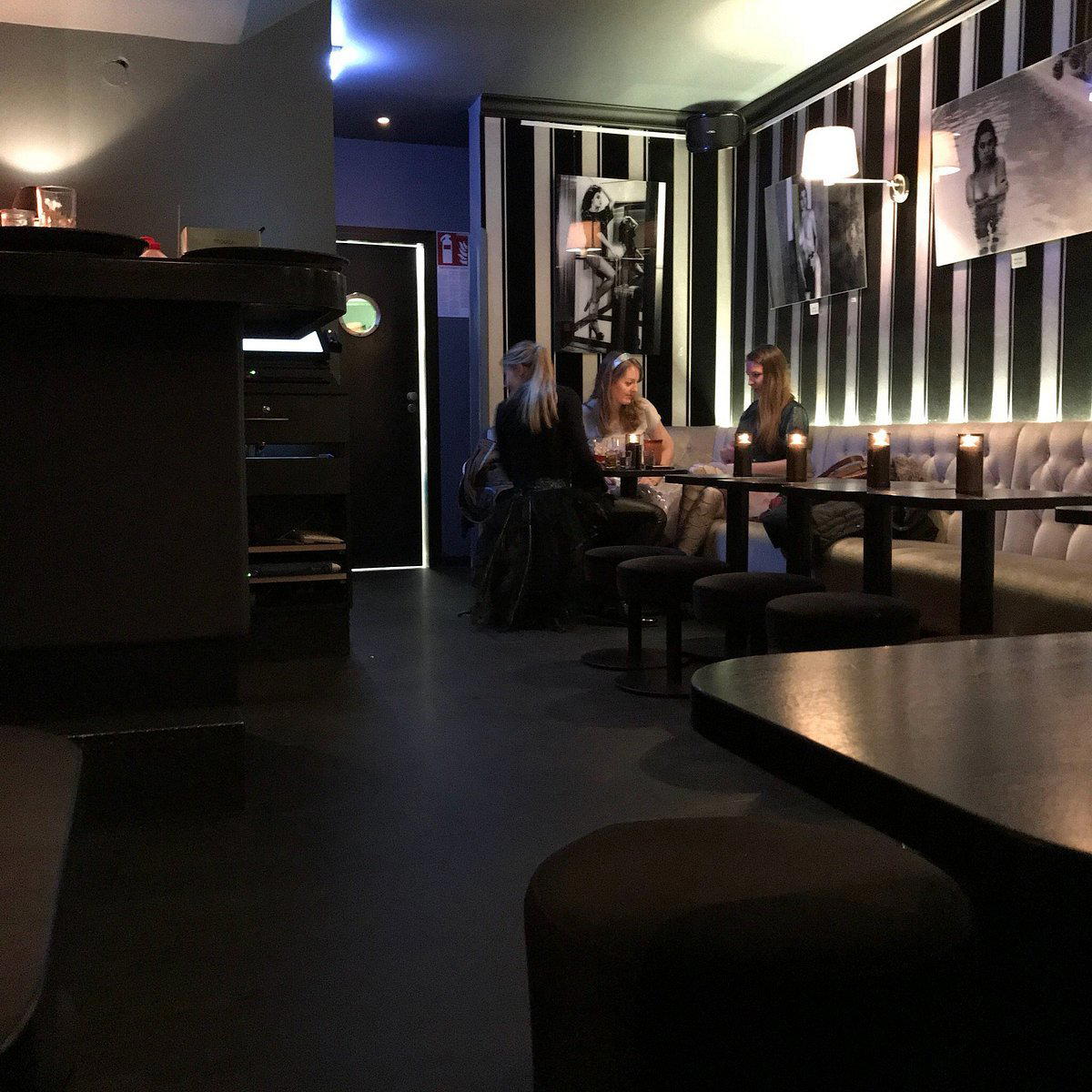
Cozy living-dining room atmosphere, simple yet appealing with calm and relaxed dining.
Know Before You Go
- Getting there
- Petzelsberg 10, 45259 Essen, Germany