Our verdict
Set on the edge of the Sauerland plateau in Willingen, Gutshof Itterbach occupies the kind of farmstead address that signals a deliberate relationship with the surrounding land. The food here draws on the agricultural and forested character of the Upland region, placing it in a distinct tier from the urban fine-dining circuit. For visitors to the Hochsauerland, it represents a grounded alternative to destination restaurants further afield.

Pearl is the En Primeur Club membership app, where members save venues, book tables and use the concierge.
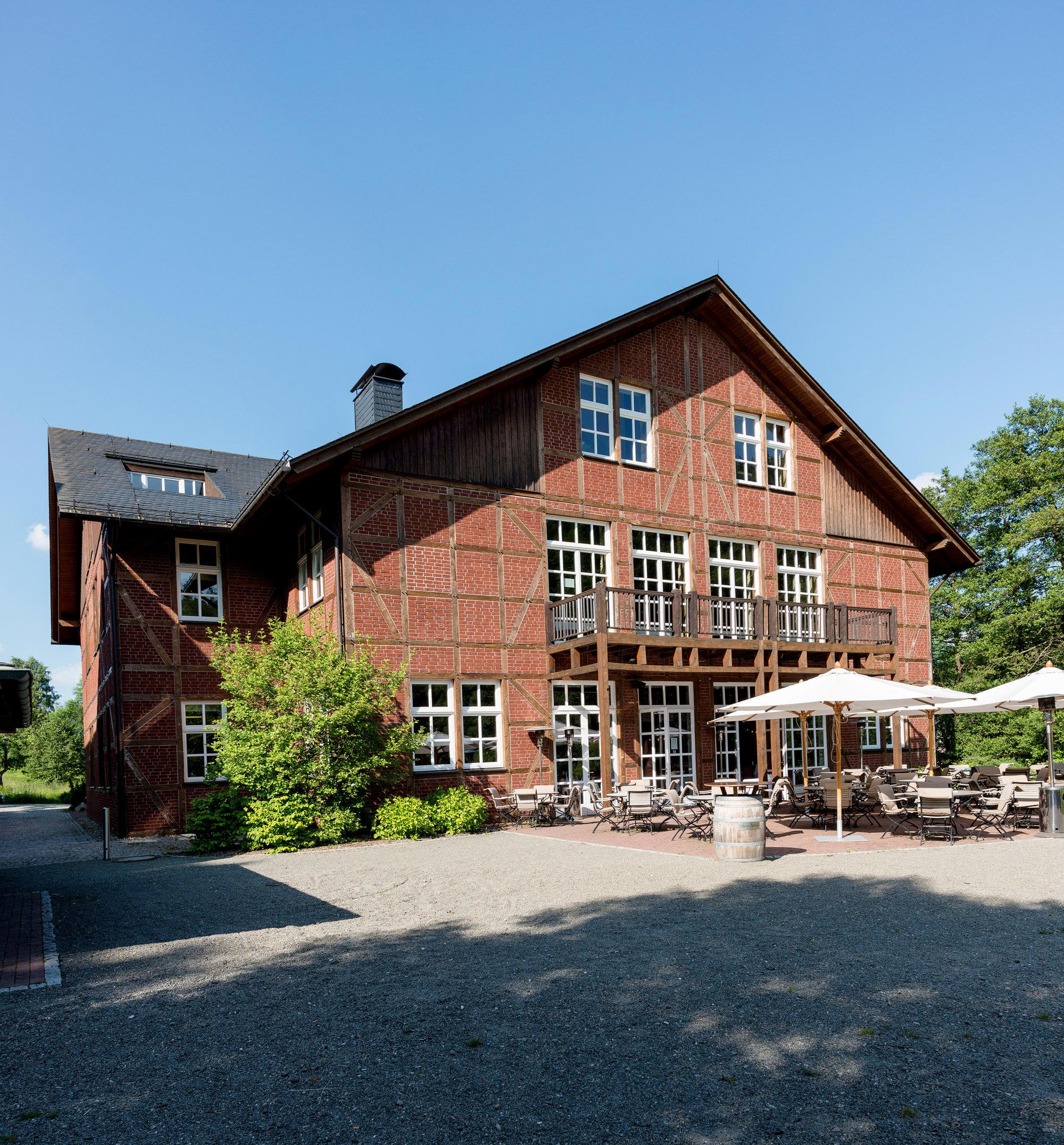
Where the Sauerland Shapes the Plate
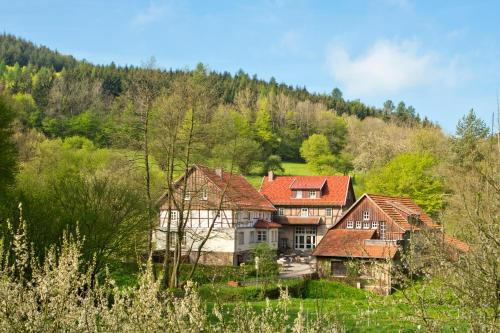
The road into Willingen's outer reaches tells you something before you arrive anywhere. The Hochsauerland plateau is working countryside: spruce forest, grazing pasture, river valleys that feed the Itterbach and its tributaries. The region's dining character has always been tied more closely to this agricultural reality than to the movements reshaping restaurant culture in Frankfurt or Hamburg. A farmstead address like Gutshof Itterbach at Mühlenkopfstraße 7 is not incidental to what ends up on the table; in this part of Germany, the estate-to-plate relationship is the story.
That connection between landscape and larder matters across European dining, but it takes a specific form in Sauerland. Unlike the Black Forest corridor, where Schwarzwaldstube in Baiersbronn has spent decades translating regional produce through a Michelin-starred French lens, or the Rhineland valleys that frame Waldhotel Sonnora in Dreis, the Hochsauerland operates without the same established fine-dining infrastructure. Fewer comparison points means the farms, forests, and rivers here have had less pressure to become props in a haute cuisine narrative. The sourcing, where it is good, tends to be genuinely local rather than marketed as such.
The Farmstead Format in German Regional Dining
Germany's rural restaurant scene has bifurcated over the past decade. On one side sit destination kitchens that use regional provenance as an editorial frame while sourcing across borders when quality demands it. On the other are estate-based operations, often tied to working farms or historic manor properties, where the supply chain is short by structural necessity rather than philosophical choice. A Gutshof, literally a manor farmstead or estate farm, belongs to the second category by definition. The format implies proximity: livestock and kitchen gardens on or near the same site, seasonal constraints that are real rather than decorative, and a menu calendar that follows what the land produces rather than what the market trend requires.
This structural relationship to sourcing puts a property like Gutshof Itterbach in a different competitive bracket than the urban fine-dining houses that draw Germany's award attention. Venues like Aqua in Wolfsburg or Vendôme in Bergisch Gladbach operate with the full resources of large hotel groups behind their sourcing networks. Rural estate dining makes different trade-offs: less global reach, tighter seasonal dependency, stronger connection to a single place's agricultural identity. Neither is inherently superior; they answer different questions about what a meal should do.
Across Germany's broader regional dining map, there are productive parallels. ES:SENZ in Grassau operates in Alpine foothills with similar commitments to a geographically defined supply zone. Schanz in Piesport draws on Moselle Valley agriculture and viticulture. The pattern of tying a kitchen's identity to a specific geographic and agricultural context is not unique to Willingen, but the Sauerland expresses it with less fanfare than its Black Forest or Bavarian counterparts.
Willingen's Position in the Hochsauerland
Willingen itself functions primarily as a winter sports and outdoor recreation destination, which shapes when and why visitors arrive. The town draws hikers in summer and skiers in winter, but its restaurant culture has developed in relation to a guest demographic that prioritises activity over dining as the primary reason to travel there. This is relevant context for any serious eating stop in the area: the competition is not other destination restaurants but rather the general hospitality infrastructure of a mountain resort town.
That gap is precisely where a farmstead property with genuine sourcing integrity can establish itself. Germany's most-decorated restaurant addresses, from Victor's Fine Dining by Christian Bau in Perl to Restaurant Haerlin in Hamburg, require a commitment to travel for their own sake. Gutshof Itterbach sits within a stay that is already motivated by the landscape, which means the agricultural sourcing story and the guest's physical experience of the Sauerland reinforce each other. You have spent the day in the same forests and valleys that supply the kitchen. That continuity of experience is harder to manufacture in an urban setting, and it is something the more architecturally ambitious destination restaurants listed in our full Willingen restaurants guide cannot replicate regardless of technique.
Germany's Rural-Urban Restaurant Divide
The tension between rural estate dining and urban fine dining runs through the German restaurant conversation consistently. Germany's Michelin geography skews heavily urban and toward established resort corridors (Baden-Baden, the Moselle, Bavaria). Rural Sauerland has never accumulated the critical mass of starred kitchens that would create a self-reinforcing destination reputation. Creative urban formats like CODA Dessert Dining in Berlin or technically precise operations like JAN in Munich draw the award attention and the culinary press. Rural properties compete on a different axis entirely: authenticity of sourcing, connection to place, and the kind of context a city restaurant cannot provide.
Internationally, the comparison points are instructive. Le Bernardin in New York City represents the opposite end of the spectrum: a restaurant where sourcing rigour is expressed through a global procurement network and classical technique applied with precision. Atomix in New York City similarly operates through deep sourcing commitment but within an urban tasting-menu format that requires an entirely different infrastructure. The farmstead model answers a question neither of those addresses: what does a place taste like when the kitchen's geography and the diner's geography are the same?
Other rural European dining comparisons reinforce the point. Bagatelle in Trier and ammolite in Rust both operate in smaller German cities without major metropolitan dining infrastructure around them, relying on regional identity and a defined guest type rather than proximity to a large urban market. AUGUST in Augsburg and AURA in Wirsberg similarly demonstrate that serious cooking can anchor itself outside Germany's major cities. ATAMA by Martin Stopp in Sankt Ingbert works the same logic from the Saarland side. The pattern across all of these is that geographic specificity, rather than metropolitan proximity, becomes the core value proposition.
Planning a Visit
Gutshof Itterbach sits at Mühlenkopfstraße 7 in Willingen (Upland), accessible from the town centre and logically combined with a wider Hochsauerland itinerary. Given Willingen's outdoor recreation calendar, seasonal timing shapes the visit: the property is most contextually coherent in summer hiking season or winter ski season, when the agricultural and landscape narrative that underpins the dining experience is most legible from the surrounding terrain.
Frequently asked questions
Is Gutshof Itterbach child-friendly?
The farmstead setting at Mühlenkopfstraße 7 in Willingen's agricultural outer zone makes it a more natural fit for families than a formal tasting-menu restaurant would be. The outdoor character of the property and the non-urban register of the space tend to accommodate a wider age range than city dining rooms. Confirm specifics directly with the property before arriving with young children.
How would you describe the vibe at Gutshof Itterbach?
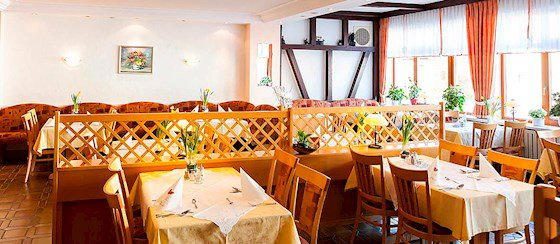
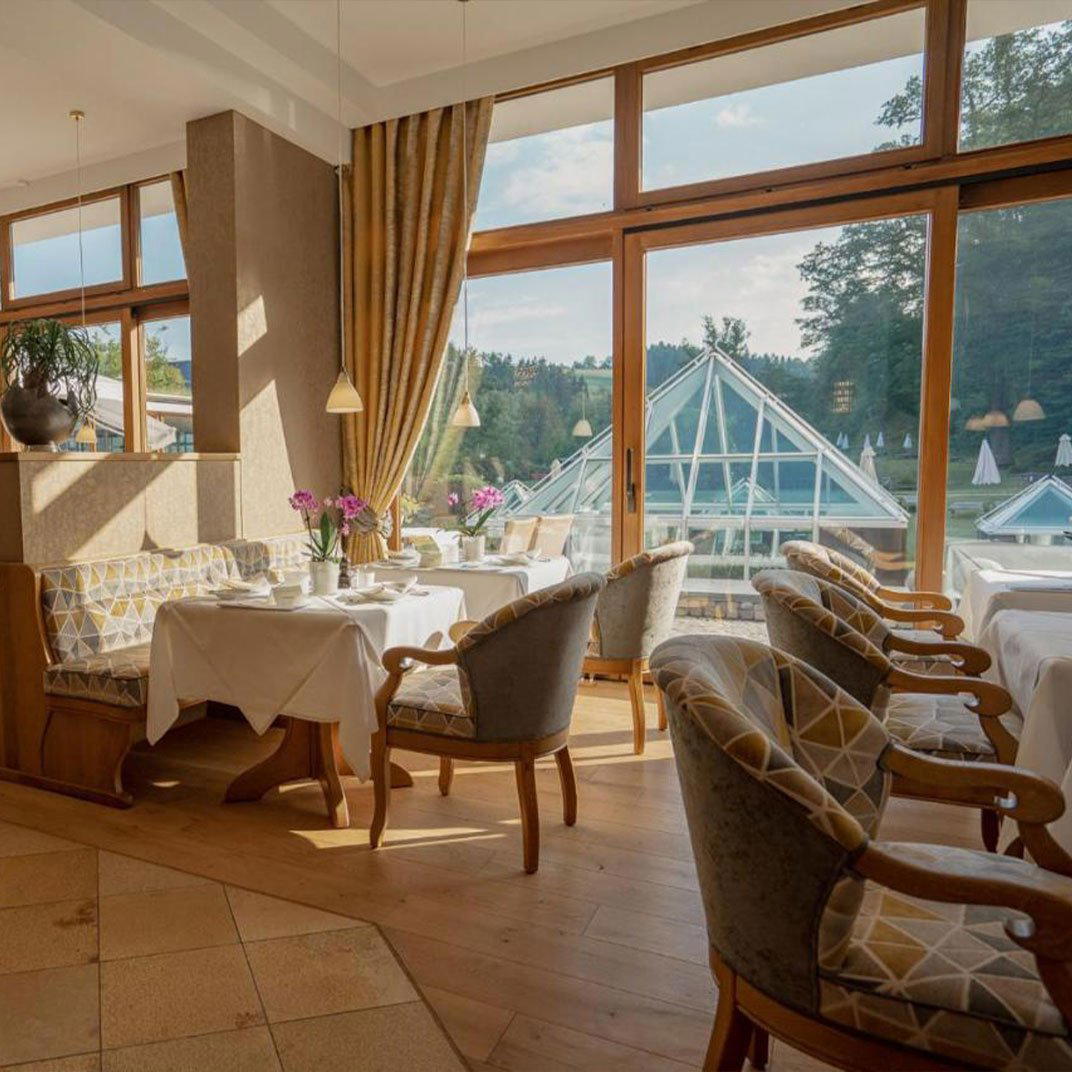
Gutshof Itterbach sits in Willingen's agricultural fringe, which puts it at a different register from the polished dining rooms you find in German city centres. The farmstead format grounds the experience in the Hochsauerland's working countryside rather than any design-led concept. Expect a setting shaped by the plateau itself: spruce forest surrounds, working land, and none of the formality that urban fine dining premises tend to impose.
How does Gutshof Itterbach fit into a wider Hochsauerland itinerary?
Willingen functions primarily as an outdoor recreation and winter sports destination, which means Gutshof Itterbach at Mühlenkopfstraße 7 sits within a visitor pattern already oriented around the plateau and its surroundings. The farmstead location makes it a logical anchor for a day that moves between the landscape and a meal, rather than a standalone city dining excursion. Pairing the visit with broader Hochsauerland exploration reflects how most travellers use Willingen as a base.
How do I find Gutshof Itterbach?
Gutshof Itterbach is located at Mühlenkopfstraße 7, 34508 Willingen (Upland), Germany, Willingen.
What's the best way to book Gutshof Itterbach?
If you are travelling to Willingen specifically for this meal, direct contact with the property in advance is the prudent approach. Online booking availability has not been confirmed, so arriving without a reservation carries some risk, particularly during Willingen's busy winter sports season.
In Context: Similar Options
Comparable venues nearby, for context on price, style, and recognition.
| Venue | Cuisine | Price | Awards | Notes |
|---|---|---|---|---|
| Gutshof ItterbachThis venue (the venue you are viewing) | Modern German Gourmet | $50–100 | Not listed | Not listed |
| Allgaiers Restaurant | French-inspired German | Not listed | Falstaff Restaurant - Listed | Goethehaus |
| Stanley Diamond | Modern German Comfort Food | Not listed | Not listed | Goethehaus |
| Liesers Bistro | German Bistro | $20–30 | Not listed | Görresplatz |
| Klötzer's Restaurant | Classic Central European with Regional Influences | $50–100 | Not listed | city center |
| Restaurant Scheune | Franconian Fine Dining | $50–100 | Not listed | Wartmannsroth |
Continue exploring
More in Willingen
Restaurants in Willingen
All restaurants in Willingen →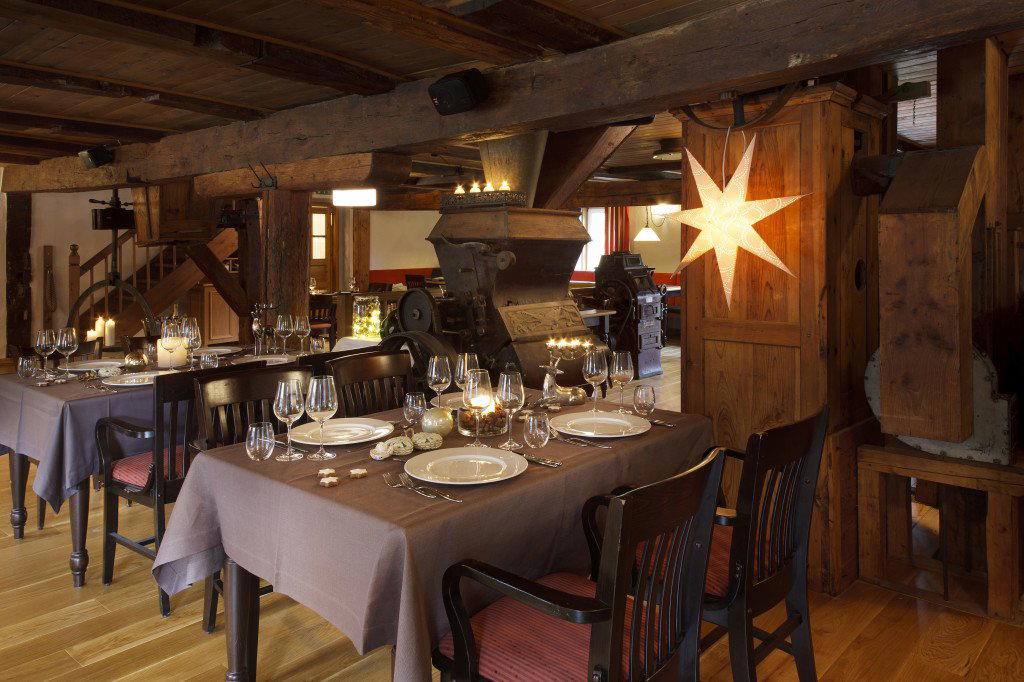
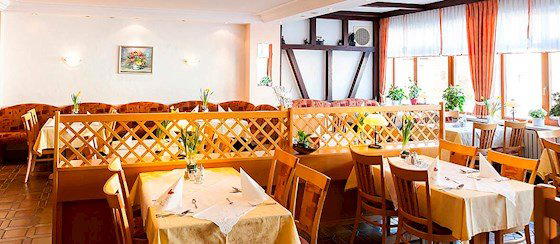
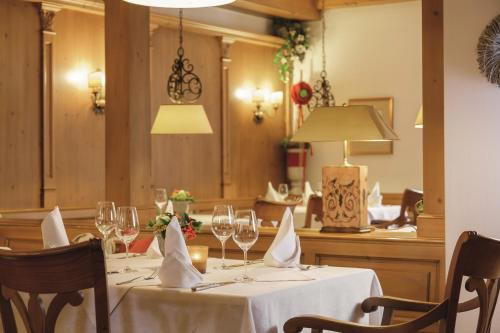
Bars in Willingen
Browse all →
Details
- Rustic
- Cozy
- Elegant
- Intimate
- Special Occasion
- Celebration
- Brunch
- Terrace
- Historic Building
- Extensive Wine List
- Local Sourcing
- Mountain
- Set Menu
- A La Carte
- Vegetarian Friendly
Current opening hours
- Monday
- Closed
- Tuesday
- Closed
- Wednesday
- 12–5 PM
- Thursday
- 12–9 PM
- Friday
- 12–9 PM
- Saturday
- 12–9 PM
- Sunday
- 10 AM–2 PM, 2:30–5 PM
Hours can change for holidays and private events. Hours as of .
Cozy and elegant atmosphere with rustic charm, attentive service, and a focus on privacy.