Poppenborg's Stübchen

Poppenborg's Stübchen earns its Michelin Bib Gourmand status (2024 and 2025) by delivering honest, well-executed traditional German cooking at a €€ price point that few comparable kitchens in the region match. Chef Michael Yeager runs a kitchen grounded in local culinary habit rather than trend, making this Harsewinkel address a reliable marker of what the category can deliver when craft takes priority over spectacle.
Pearl is the En Primeur Club membership app — saves, bookings, and concierge access live there. Same editors, same standards.
- Address
- Brockhäger Str. 9, 33428 Harsewinkel, Germany
- Phone
- +49 5247 2241
- Website
- hotel-poppenborg.de
- Directions
- Get directions
 Saves & bookings on Pearl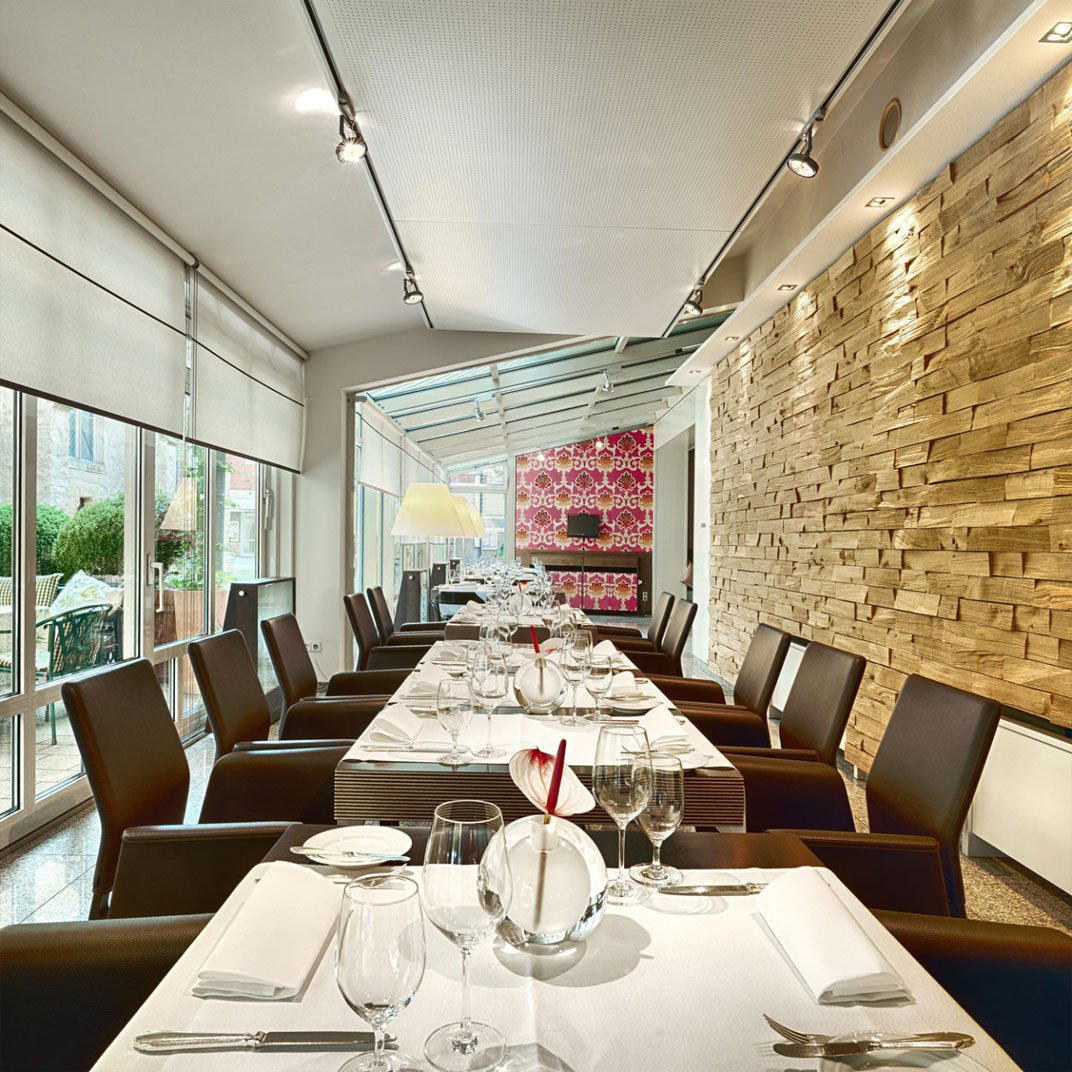
A Room That Asks Nothing of You
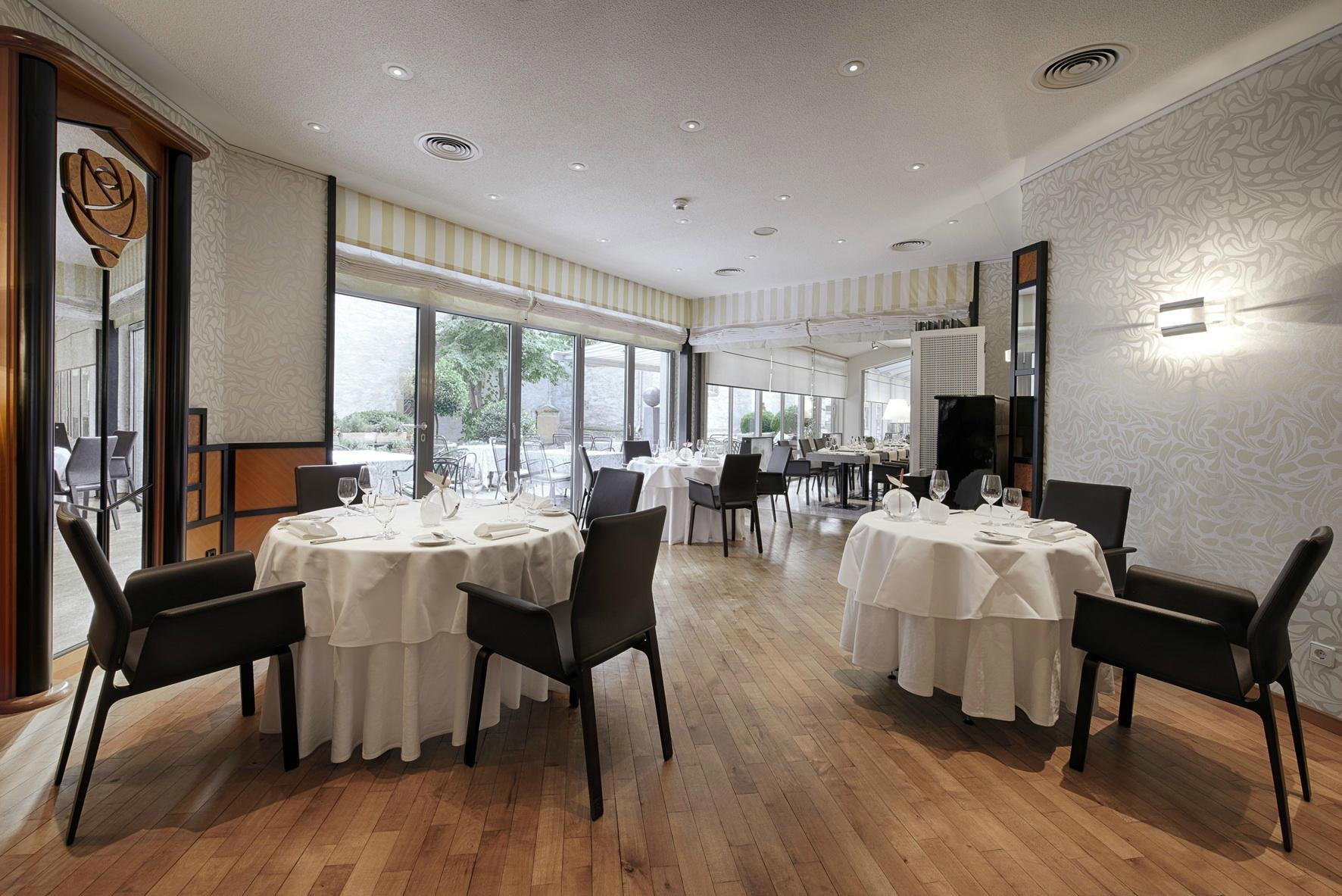
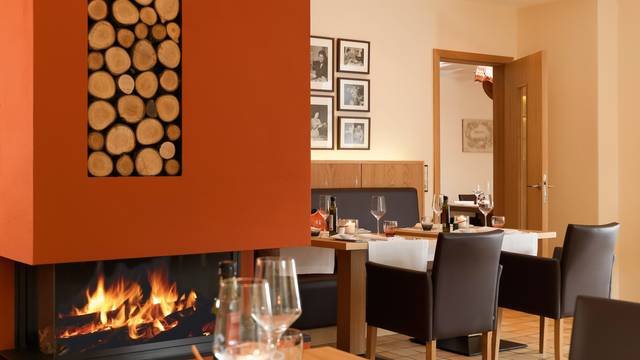
There is a particular type of German restaurant that announces itself without theatre: a modest facade on a town-centre street, a dining room that has absorbed decades of conversation, and a menu that does not require explanation. Poppenborg's Stübchen, on Brockhäger Strasse in Harsewinkel, belongs to that tradition. The name itself, Stübchen, is the diminutive of Stube, the warm parlour-room of Central European domestic life. It is a deliberate register, one that situates the experience before you have seen a menu or spoken to anyone. The interior leans toward a direct, unpretentious room, matching the name and the neighbourhood around it.
Harsewinkel is a small town in the Gütersloh district of North Rhine-Westphalia, an area more associated with engineering and agriculture than with dining destinations. That context matters. Restaurants here do not exist to capture tourist traffic or serve an audience conditioned by metropolitan food culture. They exist for the community that lives within reach, which imposes a certain discipline: consistency, pricing that reflects local incomes, and a kitchen philosophy that does not drift with trend cycles. Poppenborg's Stübchen operates inside that framework, and the Michelin Bib Gourmand it has held for both 2024 and 2025 is the external validation that the framework is working.
What the Bib Gourmand Actually Signals
The Michelin Bib Gourmand is not a consolation prize for restaurants that did not quite make the star tier. It is a specific designation with its own logic: good cooking at a price the guide considers accessible. In Germany, that means meals under roughly €37 for two courses and a dessert. The Bib, in practice, identifies kitchens where the ratio of quality to price outperforms the surrounding category. Holding it for two consecutive years, as Poppenborg's Stübchen has, removes the possibility that the first award was a favourable-year anomaly. Two cycles mean the kitchen is structurally consistent, not occasionally impressive.
That distinction places Poppenborg's Stübchen in a clear context within German dining. It is not competing with Aqua in Wolfsburg, which operates at €€€€ with three Michelin stars and a tasting-menu format built on creative cross-cultural references, or with Vendôme in Bergisch Gladbach, where modern European ambition runs at the high-end of the regional market. It is also distinct from destination addresses like Schwarzwaldstube in Baiersbronn or Waldhotel Sonnora in Dreis, where the journey to reach the restaurant is part of the proposition. The restaurant belongs to a category that often gets less editorial attention: the neighbourhood restaurant of real quality, anchored to a specific community, that happens to have formal recognition for doing what it has always done.
Chef Michael Yeager and the Logic of Traditional Cuisine
The editorial angle here is the chef's background and culinary orientation, which can be read through the designation of Traditional Cuisine.
In the Michelin taxonomy, Traditional Cuisine is a descriptor that covers cooking rooted in regional or national culinary heritage rather than in international technique or contemporary creativity. In a German context, it encompasses the deep canon of Central European cooking: braised meats, seasonal preparations, stocks and sauces built on classical foundations, and a larder that reflects the growing calendar of the surrounding region. A chef working in this mode in a town like Harsewinkel is making a deliberate choice about where to locate the kitchen's authority. The authority does not come from novelty. It comes from execution: whether a sauce has the right depth, whether a piece of meat has been handled with the patience the cut requires, whether the vegetables on the plate reflect what is actually available rather than what imports make possible year-round.
That approach carries its own rigour. Cooking in a tradition that diners know intimately leaves nowhere to hide behind invention. When a regulars' dining room is your primary audience, the kitchen cannot rely on the novelty effect that carries many debut tasting menus through their first season of coverage.
Harsewinkel in the Wider German Dining Picture
North Rhine-Westphalia has a dense and underappreciated dining scene. The state contains a disproportionate share of Germany's Bib Gourmand and starred addresses relative to its tourist profile, sustained by industrial wealth, a large urban and suburban population, and a tradition of eating out that does not require a special occasion as justification. Harsewinkel is at the quieter end of that spectrum, without the restaurant density of Düsseldorf or Cologne, but the Bib recognition signals that the quality floor in the region extends well into its smaller towns.
For context on what Michelin recognition looks like across Germany's range, the starred end of the spectrum is occupied by addresses like Victor's Fine Dining by Christian Bau in Perl, Restaurant Haerlin in Hamburg, and Schanz in Piesport, where format, price, and creative ambition operate at a different register entirely. The Bib Gourmand tier that restaurant occupies is the part of the recognition pyramid that most closely reflects how the majority of serious diners actually eat, and how most good kitchens actually work. It is also, in smaller towns, the tier that sustains local culinary culture when the destination-restaurant model would not be commercially viable.
For those building a broader picture of the region's dining,
Internationally, the traditional-cuisine category that restaurant represents has close parallels in other European regions. Auberge Grand'Maison in Mûr-de-Bretagne and Auga in Gijón both operate in a similar register, where regional tradition rather than international creative influence provides the reference point for what good cooking means.
Planning the Visit
The restaurant sits at a €€ price point, which at current Bib Gourmand standards means a full meal is achievable for two people without financial planning. Harsewinkel is accessible by car from Bielefeld, approximately 20 kilometres to the east, and from Gütersloh, which is closer still. 9, 33428 Harsewinkel is the practical entry point.
If Harsewinkel is part of a wider North Rhine-Westphalia dining itinerary, pairing it with the creative end of the regional spectrum, addresses like JAN in Munich, CODA Dessert Dining in Berlin, or ES:SENZ in Grassau, illustrates the full range of what Michelin recognition across Germany currently spans. Bagatelle in Trier offers another data point in the value-to-quality conversation at the western edge of the country. The restaurant holds its position in that wider picture not through ambition toward the starred tier, but through the discipline of doing one thing consistently well.
How It Stacks Up
Comparable venues nearby, for context on price, style, and recognition.
| Venue | Cuisine | Price | Awards | Notes |
|---|---|---|---|---|
| Poppenborg's StübchenThis venue — the venue you are viewing | Traditional German Bistro with French & Asian Influences | $$ | Bib Gourmand | Not listed |
| Die Windmühle | Regional German Bistro | $$ | Bib Gourmand | Fissenknick |
| Domschenke | Regional German Country Cooking | $$ | Michelin Plate | Mastholte |
| Poststuben | Regional German | $$ | Bib Gourmand | Meerfeld |
| Ramster | German Regional Cuisine | $$ | Bib Gourmand | Schneverdingen |
| Kaufmann's Restaurant am Schlosspark | Seasonal German with International Influences | $$ | Bib Gourmand | Gersfeld (Rhön) |
Recognition history
Dated appearances from independent guides and award organizations, with the underlying list record or original source where available.
Michelin Bib Gourmand
Michelin
Michelin Bib Gourmand
Michelin
Michelin Bib Gourmand
Michelin
Continue exploring
More in Harsewinkel
Restaurants in Harsewinkel
Browse all →
Bars in Harsewinkel
Browse all →
At a Glance
- Cozy
- Rustic
- Classic
- Intimate
- Casual Hangout
- Group Dining
- Date Night
- Garden
- Terrace
- Standalone
- Local Sourcing
- Garden
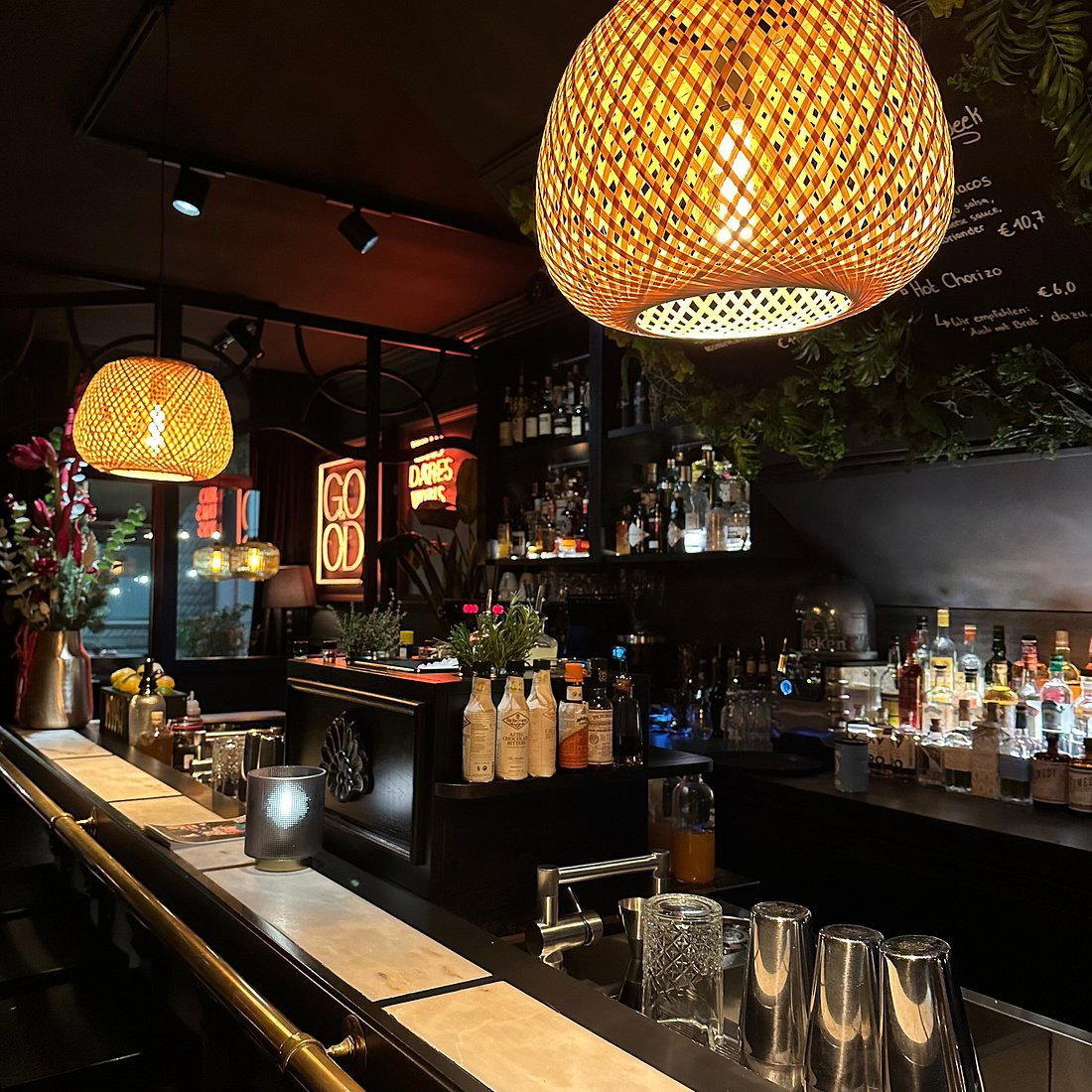
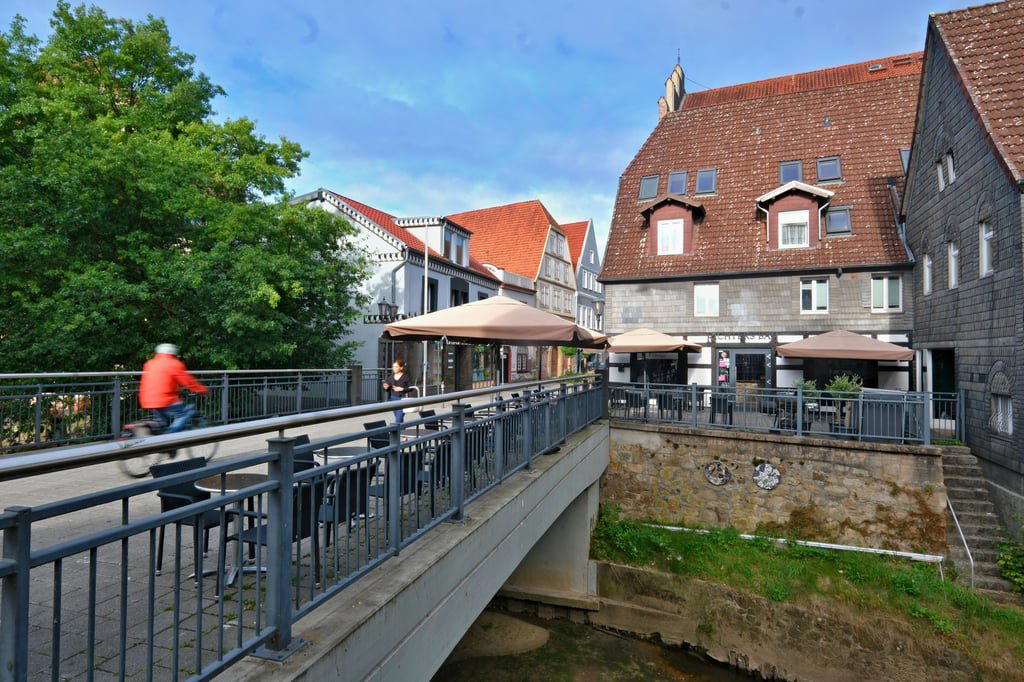
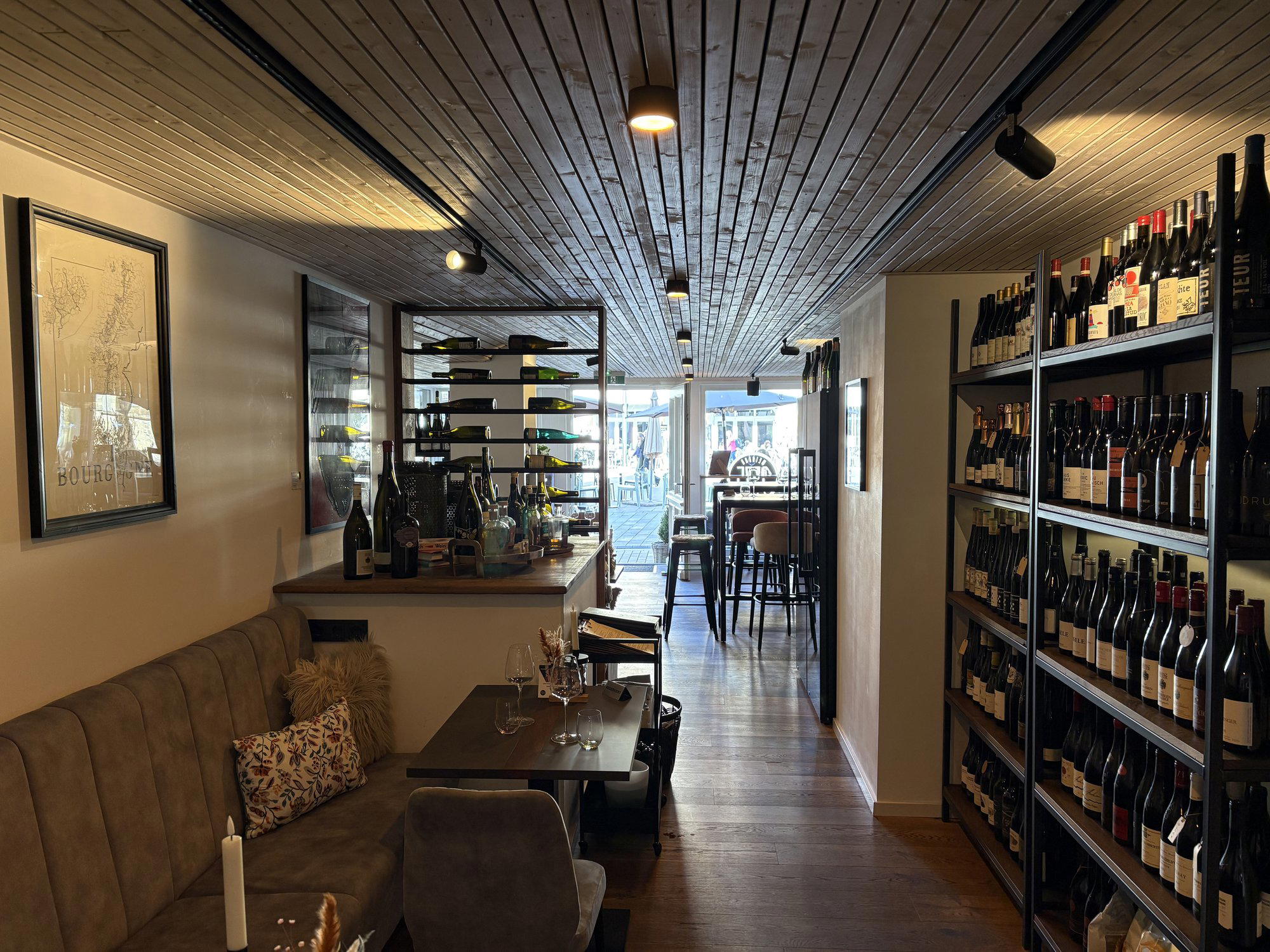
Warm and inviting with classic charm; rustic bistro atmosphere with refined touches, enhanced by a pretty garden terrace for outdoor dining.