Twins Restaurant
Twins Restaurant occupies a riverside address in Limburg an der Lahn's old town at Brückengasse 1, placing it among the city's compact but serious dining options. Advance research before visiting is advisable.
Pearl is the En Primeur Club membership app — saves, bookings, and concierge access live there. Same editors, same standards.
- Address
- Brückengasse 1, 65549 Limburg an der Lahn, Germany
- Phone
- +494964319960
- Website
- nassauerhof-limburg.de
- Directions
- Get directions
 Saves & bookings on Pearl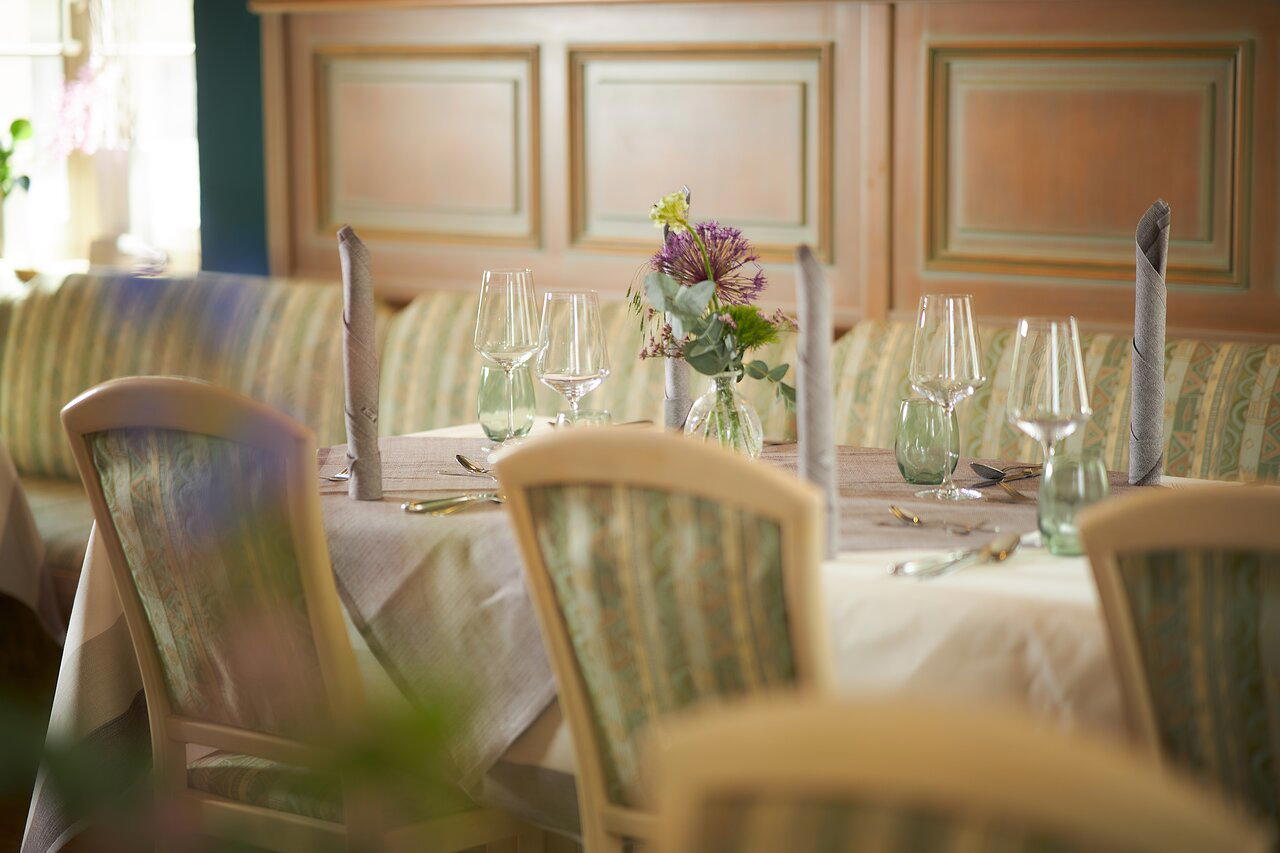
Dining in Limburg an der Lahn: A Small City with a Focused Scene
Limburg an der Lahn is not a city that announces itself loudly on Germany's fine dining map. The cathedral dominates the skyline, the Lahn river defines the old town's edge, and the restaurant scene operates at a scale that suits a city of roughly 85,000 people: a handful of addresses worth seeking out, a broader field of neighbourhood staples, and little in between. That compression, however, tends to concentrate quality. When a restaurant holds a central address in a compact city, it competes for the same limited pool of serious local diners and visiting guests, which creates pressure to perform consistently. Twins Restaurant is a Modern German restaurant at Brückengasse 1 in Limburg an der Lahn, Germany.
Address as Context: What Brückengasse Signals
In Limburg's old town, proximity to the historic bridge district is not incidental. The Brückengasse corridor runs close to the river and the medieval street grid, an area where foot traffic tends to be tourist-adjacent during the day and local-leaning in the evening. Restaurants in this zone are making a bet on visibility and location rather than the kind of deliberate obscurity that defines destination dining in larger cities. The address suggests a venue oriented toward accessibility, though in the absence of confirmed pricing, format details, or cuisine type in the available record, the exact positioning within Limburg's scene remains open.
For context: Limburg's most directly comparable neighbours include 360° (Modern Cuisine) at the €€€€ tier, and Margaux (Farm to table) at €€€. Fellini rounds out the local picture. These three define the reference points against which any serious Limburg address is measured, and any visitor building an itinerary around the city should read the Limburg an der Lahn dining guide before committing to a single table.
Ingredient Sourcing and the Hessian Context
Hesse is a region where agricultural identity runs deep but tends not to be loudly marketed in the way that, say, Bavaria's produce culture is. The Taunus hills to the south of Limburg, the Rhine-Hesse plateau further east, and the Westerwald to the north collectively produce game, dairy, orchard fruit, and river fish that historically anchored regional cooking. The Lahn valley itself has a long association with freshwater produce. A restaurant at the intersection of these supply lines has access to a serious regional pantry, and the better addresses in cities like Limburg tend to reflect that either through stated farm sourcing or through menus that rotate with the agricultural calendar.
Germany's broader farm-to-table movement, which has driven much of the editorial interest in addresses like Margaux locally and larger projects like JAN in Munich and ES:SENZ in Grassau at the national level, has made ingredient provenance a point of distinction rather than a baseline expectation. At Germany's most recognised tables, sourcing is typically documented with a specificity that borders on agricultural journalism: named farms, named producers, seasonal windows spelled out on the menu. Venues in smaller cities don't always match that transparency, but the expectation has filtered down. Diners arriving in Limburg from Frankfurt or Wiesbaden increasingly bring those reference points with them.
Where Twins Sits Relative to Germany's Wider Fine Dining Tier
To calibrate expectations for any Limburg address, it helps to map the broader German scene. Germany's most formally recognised restaurants operate at a different scale of investment and focus: Aqua in Wolfsburg, Schwarzwaldstube in Baiersbronn, Vendôme in Bergisch Gladbach, and Victor's Fine Dining by Christian Bau in Perl represent the country's highest-recognition tier. Further along the spectrum, addresses like Waldhotel Sonnora in Dreis, Schanz in Piesport, and Restaurant Haerlin in Hamburg sit in the serious but more accessible bracket. Closer geographically, Bagatelle in Trier and ammolite in Rust offer a sense of what the western and southwestern German mid-tier looks like. Limburg operates below all of these in recognition terms, which is neither a failing nor a surprise for a city of its size. The scene rewards a different kind of attention: the diner who values consistency and locality over the pursuit of tasting-menu credentials.
For international comparison, the gap between a Limburg address and a recognised European destination counter, such as Le Bernardin in New York City or the technically exacting Atomix in New York City, is less about quality of intention than about scale of infrastructure: the supplier networks, the brigade depth, the multi-decade institutional knowledge that the largest dining rooms accumulate. Smaller-city restaurants compensate through directness and, when they get sourcing right, through produce that major metropolitan kitchens often cannot access without significant logistics.
Planning a Visit
Brückengasse 1 is walkable from Limburg's central train station, which sits on the main Frankfurt-Cologne intercity rail corridor, making the city a plausible stop for travellers moving between those two hubs. The old town is compact enough that most addresses are within ten minutes on foot of the cathedral area. Confirming opening hours, current format, and reservation requirements directly with Twins Restaurant before visiting is strongly advised, as the public record currently available through EP Club does not include those operational details. For broader meal planning across the city, the Limburg an der Lahn dining guide covers confirmed options at multiple price points.
Travellers with a broader interest in the regional dining circuit may also consider CODA Dessert Dining in Berlin for a sharp contrast in format, or the German southwest's concentration of notable kitchens if the trip extends further.
Comparison Snapshot
Comparable venues nearby, for context on price, style, and recognition.
| Venue | Cuisine | Price | Awards | Notes |
|---|---|---|---|---|
| Twins RestaurantThis venue — the venue you are viewing | Modern German | $$$ | Not listed | Not listed |
| Fellini | Italian Ristorante with Pizza and Grill | $$$ | Not listed | Limburg an der Lahn |
| Margaux | Modern French Fine Dining | $$$ | Michelin Plate | old town |
| 360° | Modern International Fine Dining | $$$$ | Michelin 1 Star | Bahnhofsplatz |
| Tandreas | Upscale German Fine Dining | $$$ | Not listed | town center |
| Dagernova Culinarium | Modern German Regional | $$$ | Not listed | Dernau |
Continue exploring
More in Limburg an der Lahn
Restaurants in Limburg an der Lahn
Browse all →
Bars in Limburg an der Lahn
Browse all →
Hotels in Limburg an der Lahn
Browse all →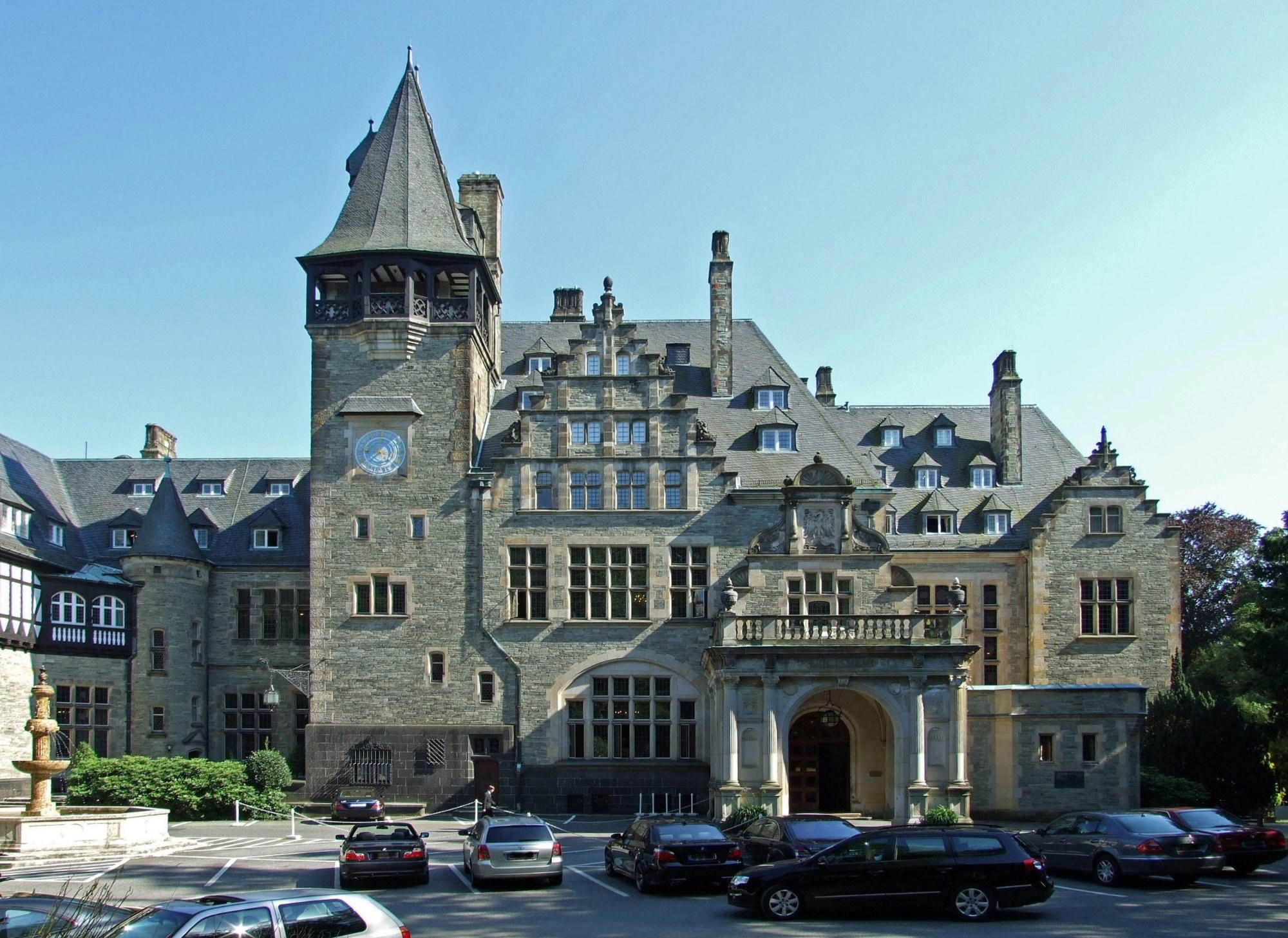
At a Glance
- Cozy
- Elegant
- Intimate
- Date Night
- Special Occasion
- Terrace
- Street Scene
Current opening hours
- Monday
- 6–10 PM
- Tuesday
- Closed
- Wednesday
- Closed
- Thursday
- 6–10 PM
- Friday
- 6–10 PM
- Saturday
- 6–10 PM
- Sunday
- 12–2:30 PM, 6–10 PM
Hours can change for holidays and private events. Last verified .
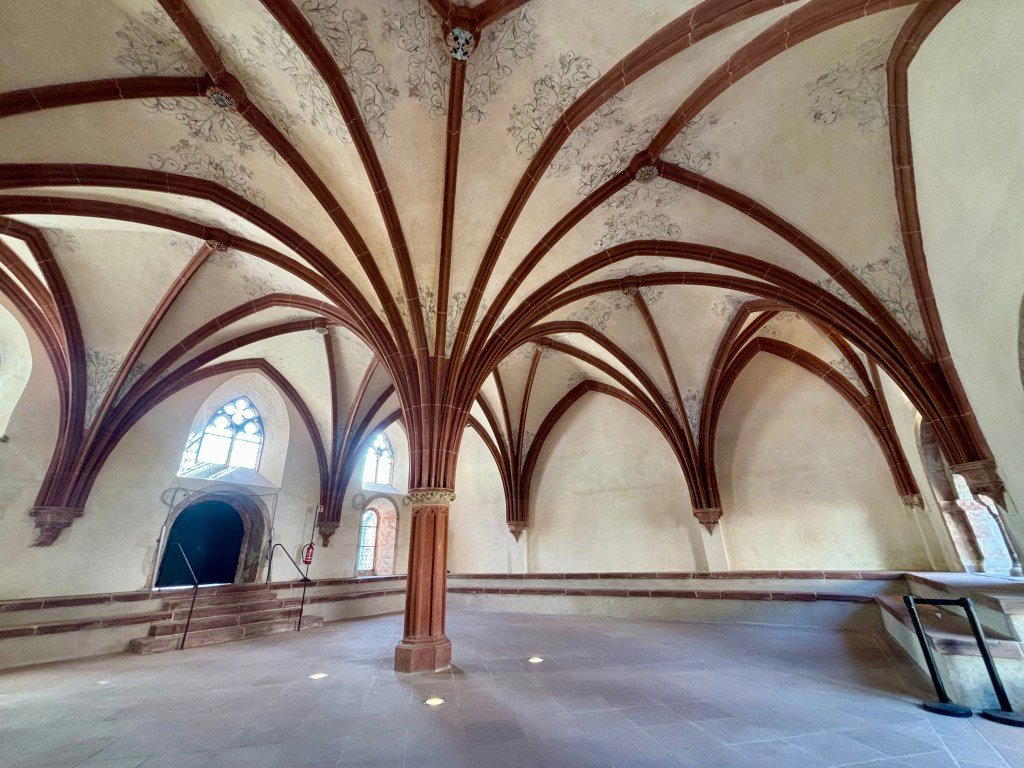
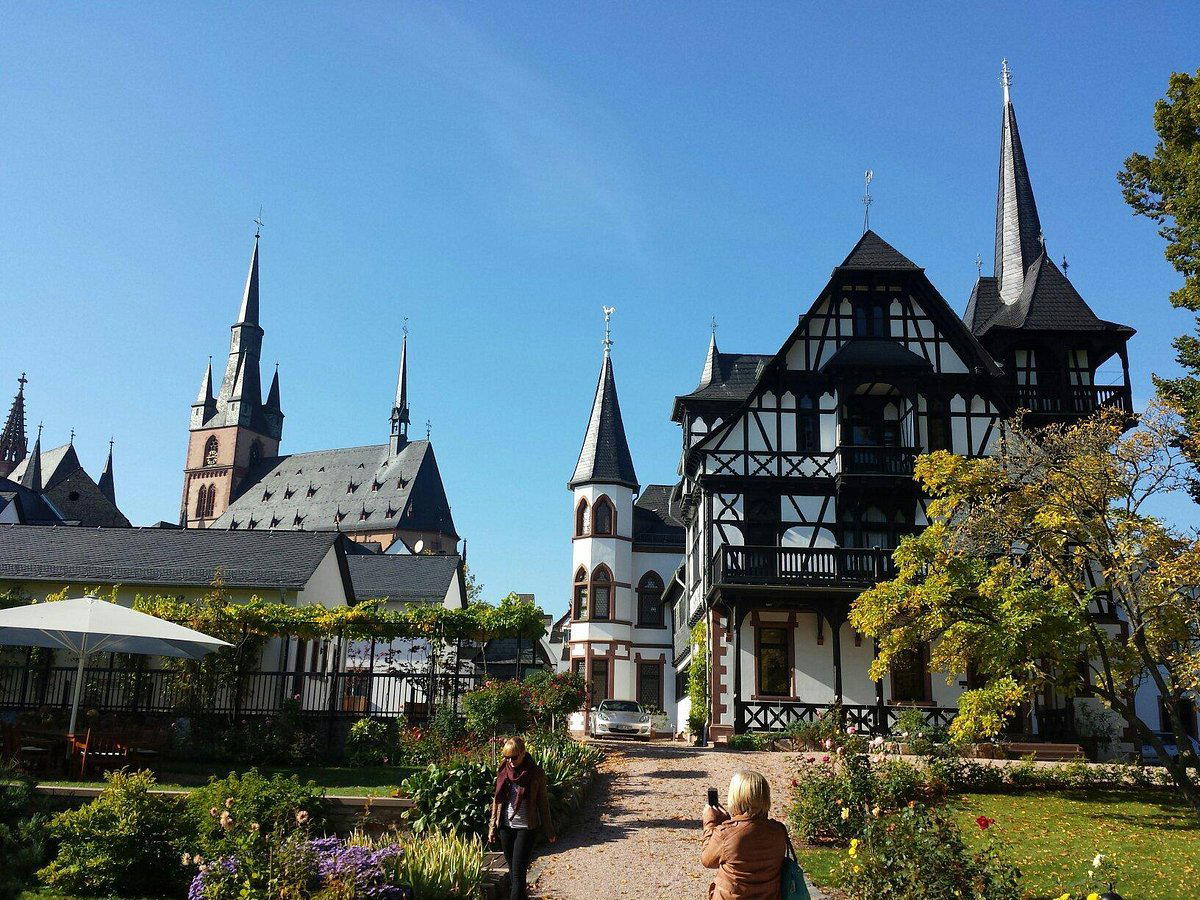
Cozy dining room in a gently modernized traditional house with a feel-good atmosphere and relaxing terrace seating.