Lusardi's
A long-established Italian address on Manhattan's Upper East Side, Lusardi's has operated at 1494 Second Avenue through decades of shifting restaurant fashions, holding its position as a neighbourhood anchor in a stretch of the city that rewards consistency over novelty. Its longevity places it in a distinct category: the quietly durable dining room that outlasts trends by serving a regular clientele rather than chasing critical cycles.
Pearl is the En Primeur Club membership app — saves, bookings, and concierge access live there. Same editors, same standards.
- Address
- 1494 2nd Ave, New York, NY 10075
- Phone
- +12122492020
- Website
- lusardis.com
- Directions
- Get directions
 Saves & bookings on Pearl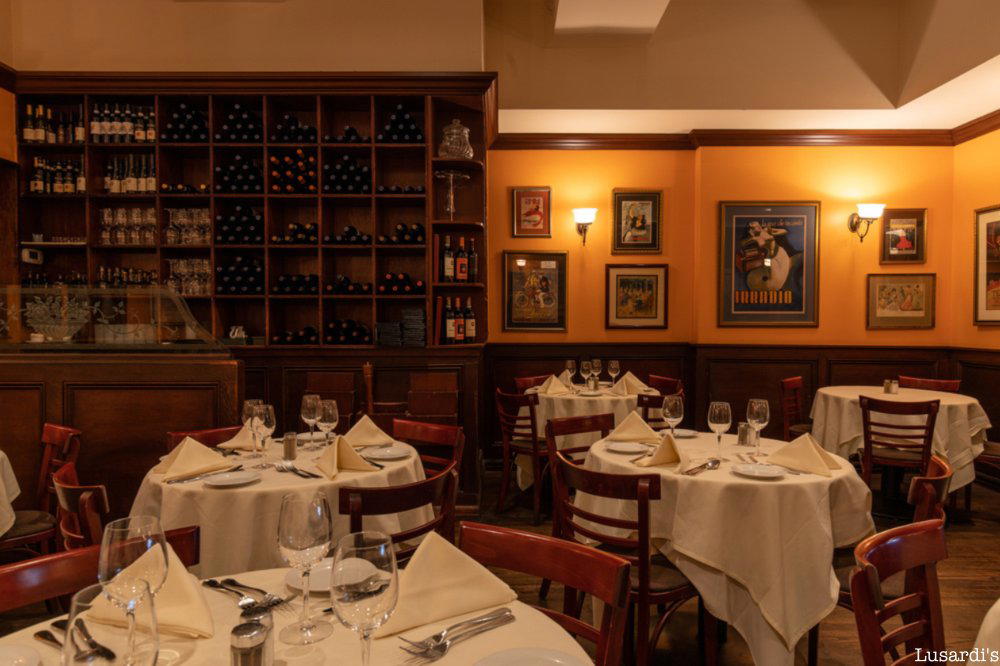
Second Avenue's Staying Power
The Upper East Side's restaurant character has always differed from the downtown dining circuit. Where SoHo and the West Village cycle through concepts at speed, the residential blocks east of Lexington Avenue have historically rewarded a different kind of operator: one whose dining room fills with returning faces rather than first-time arrivals chasing a new opening. Lusardi's, at 1494 Second Avenue, belongs to that tradition. Its address alone tells you something about the neighbourhood's dining logic, this is not a destination block for restaurant tourists, but a local corridor where durability is the credential that matters most.
Italian-American restaurants in Manhattan occupy a broad spectrum, from the red-sauce institutions of the outer boroughs to the refined northern Italian rooms that defined Upper East Side dining through the 1980s and 1990s. Lusardi's sits closer to the latter end of that range, a positioning that has required quiet recalibration as the city's appetite for that register has shifted. The question of how a room sustains relevance across decades is precisely what makes Lusardi's an interesting case study in New York restaurant endurance.
The Evolution of a Neighbourhood Italian
New York's Italian dining scene underwent a significant structural shift roughly between 2005 and 2015. The grand, tablecloth-heavy northern Italian rooms that once anchored midtown and the Upper East Side either closed, repositioned as more casual operations, or quietly receded from critical conversation as the city's attention moved toward new categories. A generation of diners who had grown up with those rooms moved on; younger cohorts arrived with different reference points. The restaurants that survived that transition intact tended to do so by doubling down on their core clientele rather than pivoting toward whatever the broader market was rewarding at the time.
The restaurant trajectory through that period reflects a broader pattern in New York neighbourhood dining: the shift from aspirational destination to essential local. That is not a diminishment, for an independent room without institutional backing, converting a destination audience into a loyal residential base is a form of sustainability that many higher-profile openings never achieve. The comparison points here are not Le Bernardin or Per Se, whose critical and commercial models operate on entirely different axes, but rather the category of quietly persistent independent rooms that New York periodically rediscovers with the language of affection rather than discovery.
Across the broader American dining scene, this pattern of durable neighbourhood anchors recurs in cities where residential density creates a captive dining audience. Bacchanalia in Atlanta has navigated similar questions of longevity in a market that has transformed around it. Emeril's in New Orleans has faced repeated reinvention pressure as the city's dining identity evolved. What distinguishes the rooms that persist is less any single pivot than a consistent relationship with a core audience.
Where Lusardi's Sits in the Current Scene
Manhattan's Upper East Side Italian dining field has thinned considerably since its peak. The neighbourhood still supports a range of Italian addresses, but the tier of formal, linen-service northern Italian rooms is a fraction of what it was two decades ago. That contraction has, paradoxically, clarified the value of what remains. A room with decades of operation in that register holds a kind of institutional memory, of how northern Italian cooking was interpreted for New York tastes before the broader market moved toward Neapolitan, Roman, and regional Italian formats, that newer openings cannot replicate.
The contemporary Italian dining conversation in New York is now dominated by a different set of references: the natural-wine-forward trattoria model, the single-region specialist, the pasta-focused counter. Against that backdrop, a traditional Italian room on the Upper East Side reads as something closer to a historical document than a trend participant. That positioning has its own value for a specific kind of diner, one who approaches the room with the same logic they might bring to a well-aged wine: interested in what the passage of time has preserved rather than what the current vintage is producing.
Readers comparing New York's high-end dining options will find that the city's leading tasting-menu rooms, Atomix, Jungsik New York, Masa, operate in a different competitive register entirely, one defined by tasting-menu formats and counter service. The restaurant does not compete in that field. Its comparable set is the neighbourhood Italian room, and within that category, longevity is the primary differentiator.
Planning a Visit
The Upper East Side's restaurant corridor along Second Avenue has grown denser in recent years, giving the block a more active evening character than it held a decade ago.
| Venue | Cuisine | Price Tier | Booking Lead Time | Format |
|---|---|---|---|---|
| The restaurant | Italian (Upper East Side) | $60 per person | Recommended | Neighbourhood dining room |
| Le Bernardin | French, Seafood | $$$$ | Several weeks ahead | Fine dining, full service |
| Per Se | French, Contemporary | $$$$ | Months ahead | Tasting menu counter |
| Masa | Sushi, Japanese | $$$$ | Months ahead | Omakase counter |
| Atomix | Modern Korean | $$$$ | Months ahead | Tasting menu counter |
A Minimal comparable set
Comparable venues nearby, for context on price, style, and recognition.
| Venue | Cuisine | Price | Notes |
|---|---|---|---|
| Lusardi'sThis venue — the venue you are viewing | Not listed | $$$ | Not listed |
| Buona Notte | Not listed | $$$ | SoHo-Little Italy-Hudson Square, Traditional Italian Trattoria |
| A Pasta Bar | Not listed | $$$ | SoHo-Little Italy-Hudson Square, Modern Italian Pasta Bar |
| Mariella | Park Slope, Modern Italian | $$$ | Not listed |
| Amarone | Not listed | $$$ | Hell's Kitchen, Classic Italian Trattoria |
| L'Angeletto | Gramercy, Northern Italian Pasta | $$$ | Not listed |
Continue exploring
More in New York City
Restaurants in New York City
Browse all →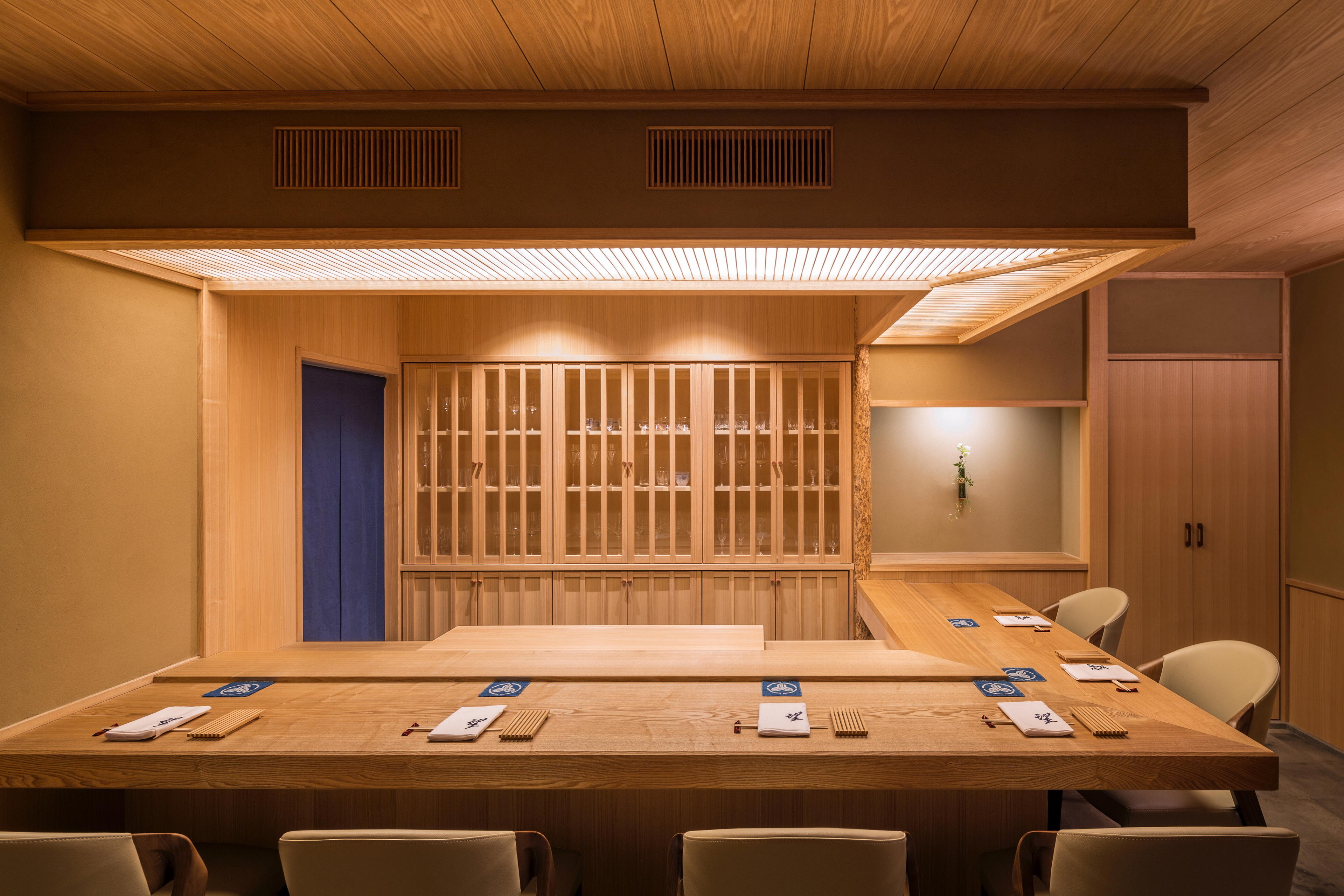
Bars in New York City
Browse all →
Hotels in New York City
Browse all →




At a Glance
- Classic
- Elegant
- Cozy
- Date Night
- Special Occasion
- Historic Building
- Extensive Wine List
Current opening hours
- Monday
- 12–10:30 PM
- Tuesday
- 12–10:30 PM
- Wednesday
- 12–10:30 PM
- Thursday
- 12–10:30 PM
- Friday
- 12–11 PM
- Saturday
- 12–11 PM
- Sunday
- 12–10:30 PM
Hours can change for holidays and private events. Last verified .
Warm and inviting with white tablecloths, dark furnishings, and a classic sophisticated atmosphere.