AlMar
AlMar occupies a considered position in Brooklyn's DUMBO dining scene, where Front Street's warehouse-era bones meet a kitchen oriented around ethical sourcing and low-waste cooking. The address places it among a growing cohort of New York restaurants treating environmental accountability as a culinary framework rather than a marketing gesture. Reservations and current menu details are best confirmed directly with the venue.
Pearl is the En Primeur Club membership app — saves, bookings, and concierge access live there. Same editors, same standards.
- Address
- 111 Front St, Brooklyn, NY 11201
- Phone
- +1 718 855 5288
- Website
- almardumbo.com
- Directions
- Get directions
 Saves & bookings on Pearl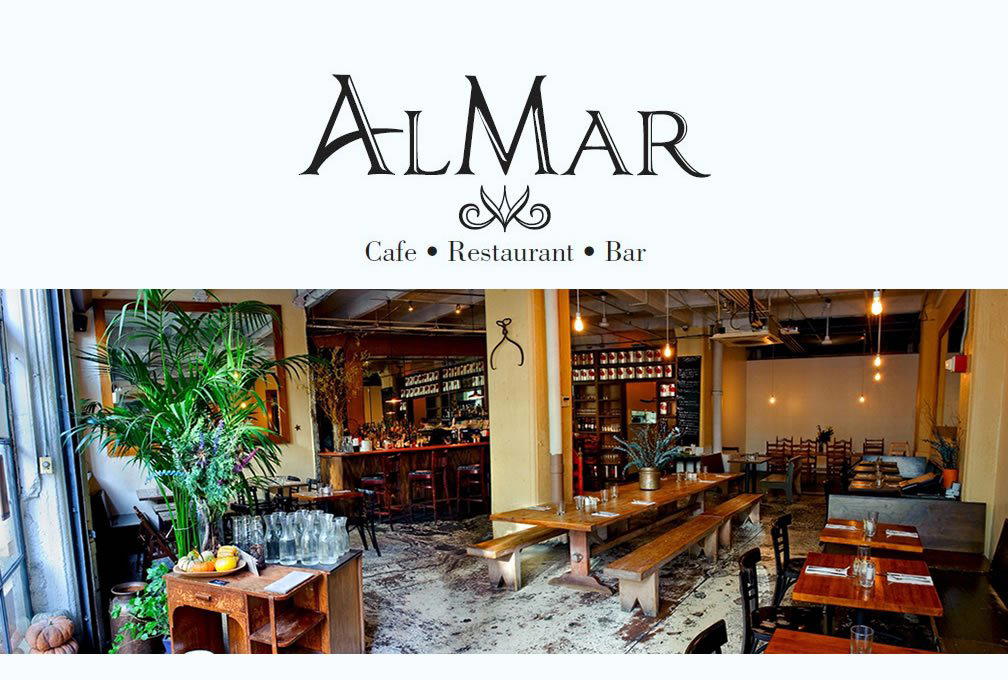
DUMBO's Evolving Table: Where Brooklyn's Warehouse District Meets a Conscience-Driven Kitchen
Front Street in DUMBO arrives with a particular kind of weight. The cobblestones, the low industrial light filtering between the Manhattan and Brooklyn Bridge pylons, the old dock-warehouse facades that now house galleries and studios, all of it signals a neighbourhood that has spent decades converting its industrial past into cultural capital. Restaurants that take root here inherit that context whether they intend to or not. AlMar, at 111 Front Street, sits inside this charged geography, and the building's architecture does what DUMBO architecture reliably does: it frames the meal before the menu has a chance to.
Brooklyn's dining scene in the 2020s has fractured along a predictable fault line. One cohort has chased the Manhattan model, tasting menus, imported pedigrees, and price points that compete directly with the kind of rooms found at Le Bernardin, Per Se, or Atomix. The other, smaller cohort has moved in the opposite direction: toward sourcing transparency, reduced waste output, and kitchens that treat environmental accountability as a culinary discipline rather than an afterthought. AlMar belongs to the second conversation.
The Sustainability Framework: More Than a Sourcing Story
Across American fine and mid-fine dining, the sustainability argument has matured considerably since the early farm-to-table wave. The first generation of conscientious kitchens made sourcing the headline; the current generation is more interested in the harder questions of waste architecture, what happens after service, how byproducts are used, and whether a restaurant's environmental footprint tracks against its stated values. This is the territory where particularly serious practitioners now operate, from Blue Hill at Stone Barns in Tarrytown, which has built an entire agricultural research model around its kitchen, to Single Thread Farm in Healdsburg, where the farm, inn, and kitchen function as a closed-loop system.
AlMar operates at a different scale and in a different borough, but the underlying logic connects to this broader American movement toward restaurants that treat sustainability as a structural commitment rather than a seasonal talking point. In New York City specifically, this is a harder case to make: urban restaurants lack the acreage that gives places like Blue Hill or Single Thread their most visible sustainability credentials. The interesting question for a DUMBO address is how a kitchen without a farm or a forest makes the same argument through supply-chain discipline, kitchen management, and the choices embedded in a menu's architecture.
Comparable frameworks appear across the country in kitchens that have thought carefully about these constraints. Smyth in Chicago runs a kitchen garden alongside an urban fine-dining program. Lazy Bear in San Francisco has built its sourcing around long-term producer relationships that prioritize regenerative agriculture. Providence in Los Angeles has operated with a focus on sustainable seafood for years. In each case, the commitment shows up in what is on the plate and, just as importantly, in what is not.
The Brooklyn Context: A Neighbourhood Earning Its Culinary Reputation
DUMBO's restaurant density has increased substantially over the past decade, tracking the neighbourhood's residential and commercial development. The area now draws a mixed crowd: design professionals, tourists visiting the waterfront and the bridge views, and Brooklyn residents who treat the neighbourhood as a dining destination rather than a pass-through. This creates an interesting pressure on any restaurant with a serious culinary position. The neighbourhood's foot traffic can fill tables without necessarily delivering the kind of guest who is reading a menu carefully or thinking about sourcing philosophy.
The restaurants that have navigated this most successfully in Brooklyn, and in comparable neighbourhoods in other cities, tend to be the ones that resist the temptation to sand down their point of view for easier commercial legibility. Eleven Madison Park's pivot to a plant-based menu is one discussed example in New York of a kitchen that held a position against commercial logic and ultimately found an audience. The parallel is imperfect, but the principle holds: restaurants with a genuine perspective on what food should be tend to build more durable audiences than those chasing the median preference.
American Comparisons Worth Making
The sustainability-forward restaurant model has found its most fully realized expressions outside New York. The French Laundry in Napa has pursued extensive kitchen garden infrastructure. Addison in San Diego has built California-sourcing commitments into a fine-dining framework. The Inn at Little Washington in Virginia has operated farm partnerships for decades. Frasca Food and Wine in Boulder integrates regional agricultural relationships into a wine-forward program. Even internationally, kitchens like Atelier Moessmer Norbert Niederkofler in Brunico have made the Alpine ecosystem the organizing principle of the entire menu, and Dal Pescatore in Runate has sustained a multi-generational commitment to regional ingredients over decades.
What this peer group illustrates is that the sustainability argument in restaurants is not a single model. It manifests differently depending on geography, price tier, scale, and the specific resources a kitchen has access to. The shared quality across the strongest examples is that the commitment is embedded in kitchen practice rather than communicated primarily through menu language or front-of-house storytelling. At Emeril's in New Orleans, regional sourcing has been part of the identity since the restaurant's founding. The longevity of that commitment is itself a form of evidence.
Planning Your Visit
AlMar is located at 111 Front Street in Brooklyn's DUMBO neighbourhood, accessible from the F train at York Street or a short walk from the waterfront. AlMar is open Monday from 5:30 to 10:30 PM; Tuesday through Thursday from 11:30 AM to 3 PM and 5:30 to 10:30 PM; Friday from 11:30 AM to 3 PM and 5:30 to 11 PM; Saturday from 11:30 AM to 3:30 PM and 5:30 to 11 PM; and Sunday from 11:30 AM to 3:30 PM. Reservations are recommended. For a neighbourhood like DUMBO, where foot traffic peaks on weekends around the bridge and waterfront areas, weekday visits typically offer a quieter experience. A meal costs about $50 per person.
Price and Recognition
Comparable venues nearby, for context on price, style, and recognition.
| Venue | Cuisine | Price | Notes |
|---|---|---|---|
| AlMarThis venue — the venue you are viewing | Not listed | $$$ | Not listed |
| Mercato | Not listed | $$$ | Hell's Kitchen, Authentic Apulian Trattoria |
| Portofino Ristorante | Forest Hills, Classic Italian Trattoria | $$$ | Not listed |
| Ramerino | Not listed | $$$ | Midtown-Times Square, Italian Prime Steakhouse |
| Bar Rocco | Not listed | $$$ | Midtown-Times Square, Italian American Brasserie |
| 83 1/2 | Not listed | $$$ | Upper East Side-Yorkville, Authentic Sicilian-Inspired Italian |
Continue exploring
More in New York City
Restaurants in New York City
Browse all →
Bars in New York City
Browse all →
Hotels in New York City
Browse all →






At a Glance
- Cozy
- Rustic
- Classic
- Date Night
- Brunch
- Standalone
Current opening hours
- Monday
- 5:30–10:30 PM
- Tuesday
- 11:30 AM–3 PM, 5:30–10:30 PM
- Wednesday
- 11:30 AM–3 PM, 5:30–10:30 PM
- Thursday
- 11:30 AM–3 PM, 5:30–10:30 PM
- Friday
- 11:30 AM–3 PM, 5:30–11 PM
- Saturday
- 11:30 AM–3:30 PM, 5:30–11 PM
- Sunday
- 11:30 AM–3:30 PM
Hours can change for holidays and private events. Last verified .
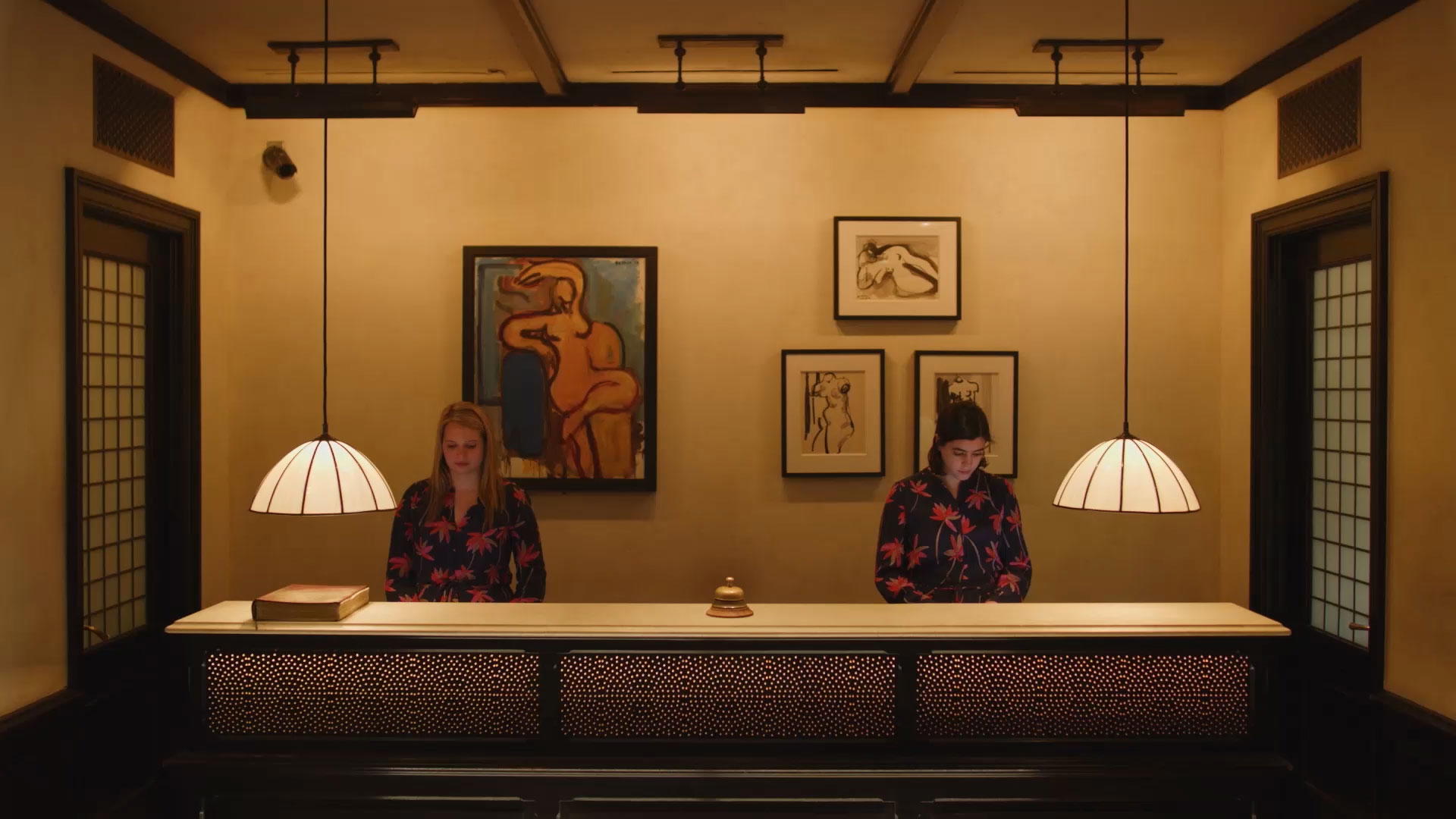
Dimly lit interiors with rustic Tuscan-inspired decor and high ceilings creating a cozy, welcoming atmosphere.