Il Gattopardo occupies a quiet stretch of Nordendstraße in Munich's Maxvorstadt, where the name alone signals Italian ambition in a city more associated with Bavarian tradition. The restaurant sits at an interesting intersection: a neighbourhood address with fine-dining instincts, positioned among Munich's more formal Italian and Mediterranean offerings. For those mapping the city's Italian tier, it belongs on the list alongside peers such as Acquarello.
Pearl is the En Primeur Club membership app — saves, bookings, and concierge access live there. Same editors, same standards.
- Address
- Nordendstraße 58, 80801 München, Germany
- Phone
- +498924290450
- Website
- il-gattopardo.de
- Directions
- Get directions
 Saves & bookings on Pearl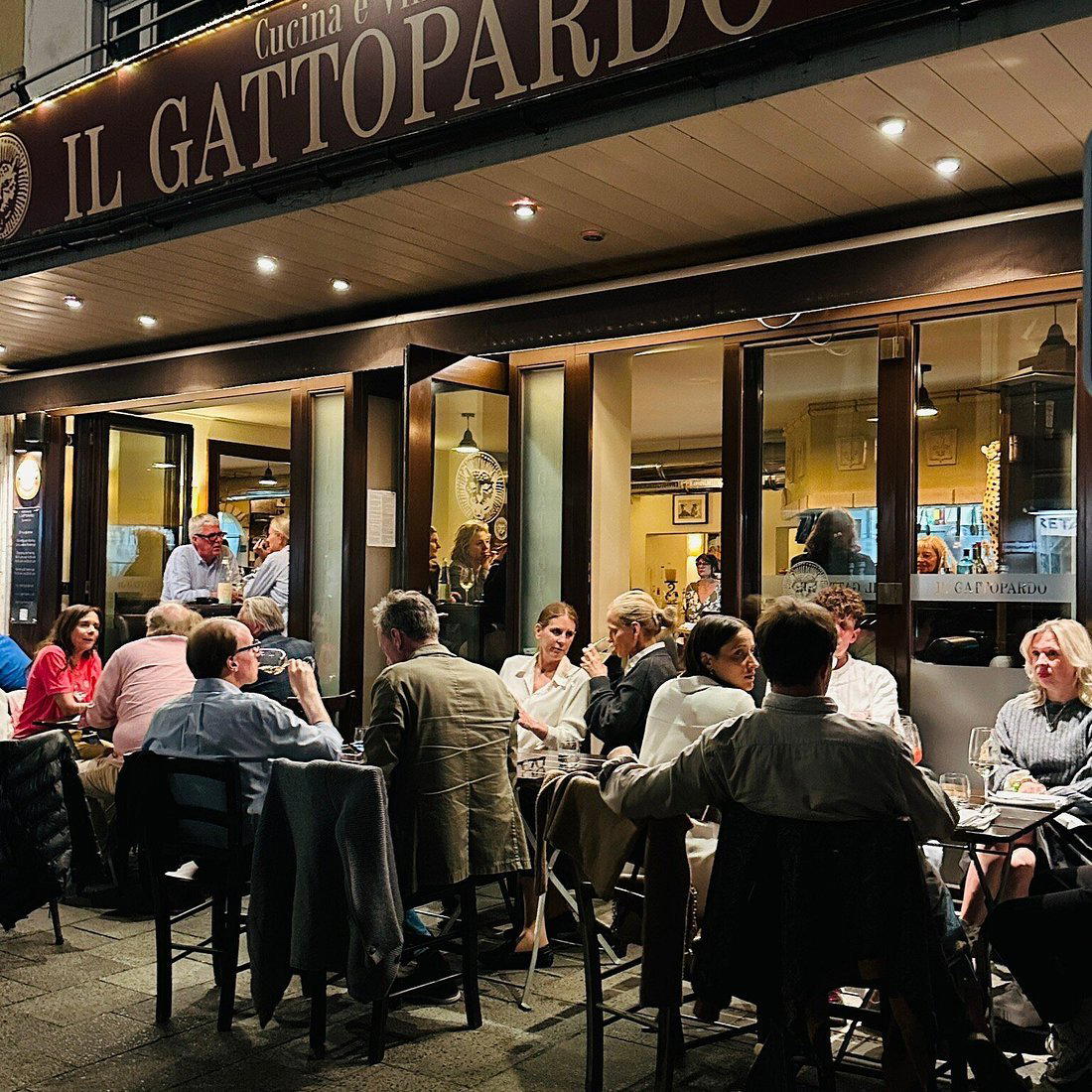
A Leopard in Maxvorstadt
Nordendstraße is the kind of Munich street that rewards a slow approach. The Maxvorstadt district sits between the university quarters and the grand museum mile, and its dining character reflects that duality: residents who know the neighbourhood well, visitors drawn by cultural institutions, and a restaurant scene that tends toward substance over spectacle. Il Gattopardo, named after Tomasi di Lampedusa's great novel of Sicilian aristocracy and quiet transformation, occupies that address with the confidence of a place that has learned its local market. The name is not incidental. 'The Leopard' is a story about things that must change to stay the same, and there is something fitting about invoking it for an Italian restaurant operating in a German city that has its own complicated relationship with culinary formality.
Where Il Gattopardo Sits in Munich's Italian Tier
Munich's premium Italian dining scene is smaller than the city's overall fine-dining infrastructure, but it is more coherent than it is often given credit for. At the leading sits Acquarello, long the benchmark for Italian-Mediterranean cooking in the city, with the kind of sustained reputation that makes it a reference point for anyone placing a new Italian address. Il Gattopardo on Nordendstraße enters that conversation as a neighbourhood-anchored alternative: less ceremony, a tighter physical footprint, and a positioning that suggests daily dining ambition rather than strictly occasion-driven visits.
This is a meaningful distinction in the current Munich dining context. The city's multi-starred rooms, Tantris, Atelier, Alois at Dallmayr, JAN, and Tohru in der Schreiberei, operate in a different register entirely, built around tasting menus, structured service choreography, and the kind of booking windows that require calendar planning months in advance. The restaurant occupies a different tier: one where the kitchen takes the food seriously without the full apparatus of destination fine dining surrounding it. That middle register is actually harder to sustain than either end of the spectrum. It requires the kitchen to deliver quality that justifies the address without the infrastructure of a full tasting-menu operation to support it.
Menu Architecture as Editorial Statement
The name the restaurant already tells you something about the kitchen's posture. Italian restaurants in Germany frequently default to one of two modes: the trattoria format built on accessibility and volume, or the high-concept Italian room that treats the cuisine as a platform for technique. What an Italian restaurant at this address and with this name implies is a third mode: classical structure with regional intelligence, where the menu communicates through its organization as much as through individual dishes.
Italian menus at this level tend to read in layers. Antipasti that frame the sourcing and regional orientation. A pasta course that is the true test of the kitchen, because there is nowhere to hide in a well-made tajarin or a precise risotto. Secondi that treat protein as a natural conclusion rather than the main event. This sequence is not merely traditional; it is an argument about how a meal should progress, one that many contemporary tasting menus have abandoned in favour of the chef's personal narrative arc. An Italian restaurant that holds to that classical structure is making a quiet but clear choice about what it values.
What can be said is that an Italian restaurant operating at this address, with this level of local name recognition, is almost certainly making decisions about menu length, course structure, and regional emphasis that reflect deliberate kitchen positioning. In the broader German fine-dining context, where restaurants like Aqua in Wolfsburg, Vendôme in Bergisch Gladbach, and Victor's Fine Dining by Christian Bau in Perl define the ceiling, Italian restaurants occupy a niche that rewards precision and restraint over maximalism.
The Maxvorstadt Context
Location is not merely logistics; it shapes a restaurant's identity and its regular clientele. Maxvorstadt is Munich's most intellectually concentrated district, home to the Pinakothek museums, the Technical University, and a density of galleries and cultural institutions that gives the neighbourhood a different daytime energy than, say, the tourist-facing Altstadt or the moneyed calm of Bogenhausen. Restaurants here tend to draw a crowd that is more local than transient, more repeat-visit than one-time. That dynamic suits a restaurant like Il Gattopardo, where the value of the name and the room accrues over time rather than arriving fully formed on opening night.
It is the kind of address you seek out deliberately rather than stumble upon, which means the clientele tends to be self-selecting in useful ways.
Il Gattopardo Against the Wider German Scene
Placing a Munich Italian restaurant in the context of Germany's broader dining geography is instructive. The country's most decorated rooms, Schwarzwaldstube in Baiersbronn, Waldhotel Sonnora in Dreis, Schanz in Piesport, Bagatelle in Trier, and ES:SENZ in Grassau, operate primarily in the French-influenced or pan-European creative register. Italian restaurants with serious kitchen ambitions occupy a distinct niche in Germany, one that connects the country's strong appetite for Italian food at the casual end with a much smaller premium tier. Restaurant Haerlin in Hamburg and CODA Dessert Dining in Berlin illustrate how differently serious kitchens in German cities can approach their reference cuisines. The restaurant's Italian identity in Munich puts it in a comparable set defined less by Michelin geography and more by the specific demands of cooking one of the world's most technically exacting national cuisines far from its source ingredients and traditions.
Planning a Visit
The restaurant is located at Nordendstraße 58, 80801 München, in the Maxvorstadt district. Reservations are essential. Given the neighbourhood positioning and likely local repeat-visit clientele, booking ahead is advisable for Friday and Saturday evenings. For diners crossing the city from the Altstadt or Isarvorstadt, U-Bahn access to Münchner Freiheit or Giselastraße places the restaurant within a short walk.
Cuisine and Awards Snapshot
Comparable venues nearby, for context on price, style, and recognition.
| Venue | Cuisine | Price | Notes |
|---|---|---|---|
| Il GattopardoThis venue — the venue you are viewing | Traditional Italian Trattoria | $$$$ | Not listed |
| Limoni | Authentic Central Italian Fine Dining | $$$$ | Schwabing |
| The Chimpanski Garden | Global Street Food Fusion | $$$$ | Schwabing |
| Tutto | Neapolitan Pizza | $$ | Schwabing |
| Pretty Pizza | Vegan Neapolitan Pizza | $$ | Schwabing |
| BONO | Italian | $$ | Schwabing |

At a Glance
- Romantic
- Cozy
- Elegant
- Intimate
- Date Night
- Business Dinner
- Group Dining
- Family
- Celebration
- Open Kitchen
- Terrace
- Extensive Wine List
- Local Sourcing
Current opening hours
- Monday
- Closed
- Tuesday
- 12–2:30 PM, 6–11 PM
- Wednesday
- 12–2:30 PM, 6–11 PM
- Thursday
- 12–2:30 PM, 6–11 PM
- Friday
- 12–2:30 PM, 6–11 PM
- Saturday
- 6–11 PM
- Sunday
- Closed
Hours can change for holidays and private events. Last verified .
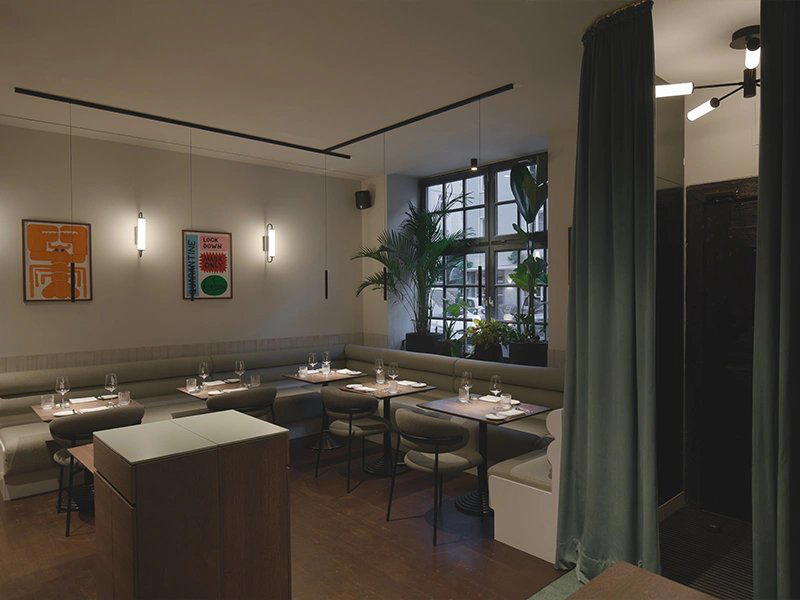
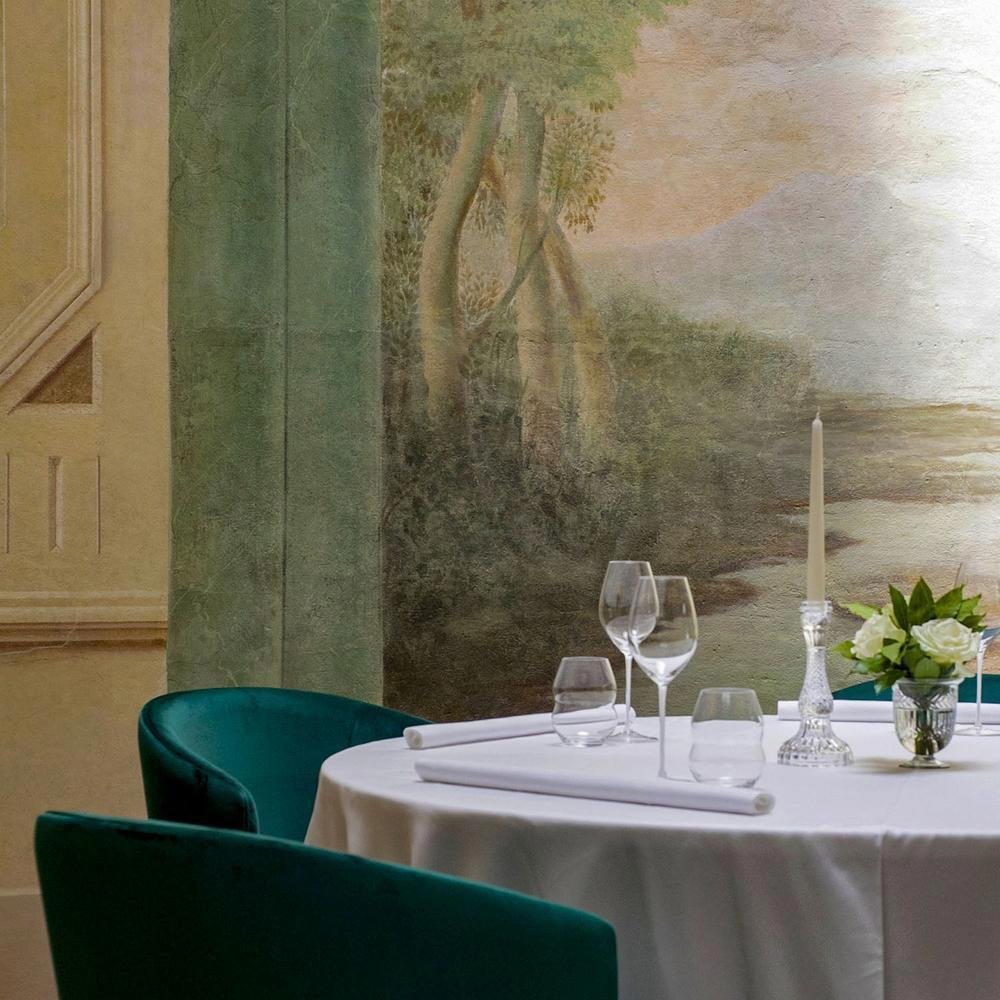
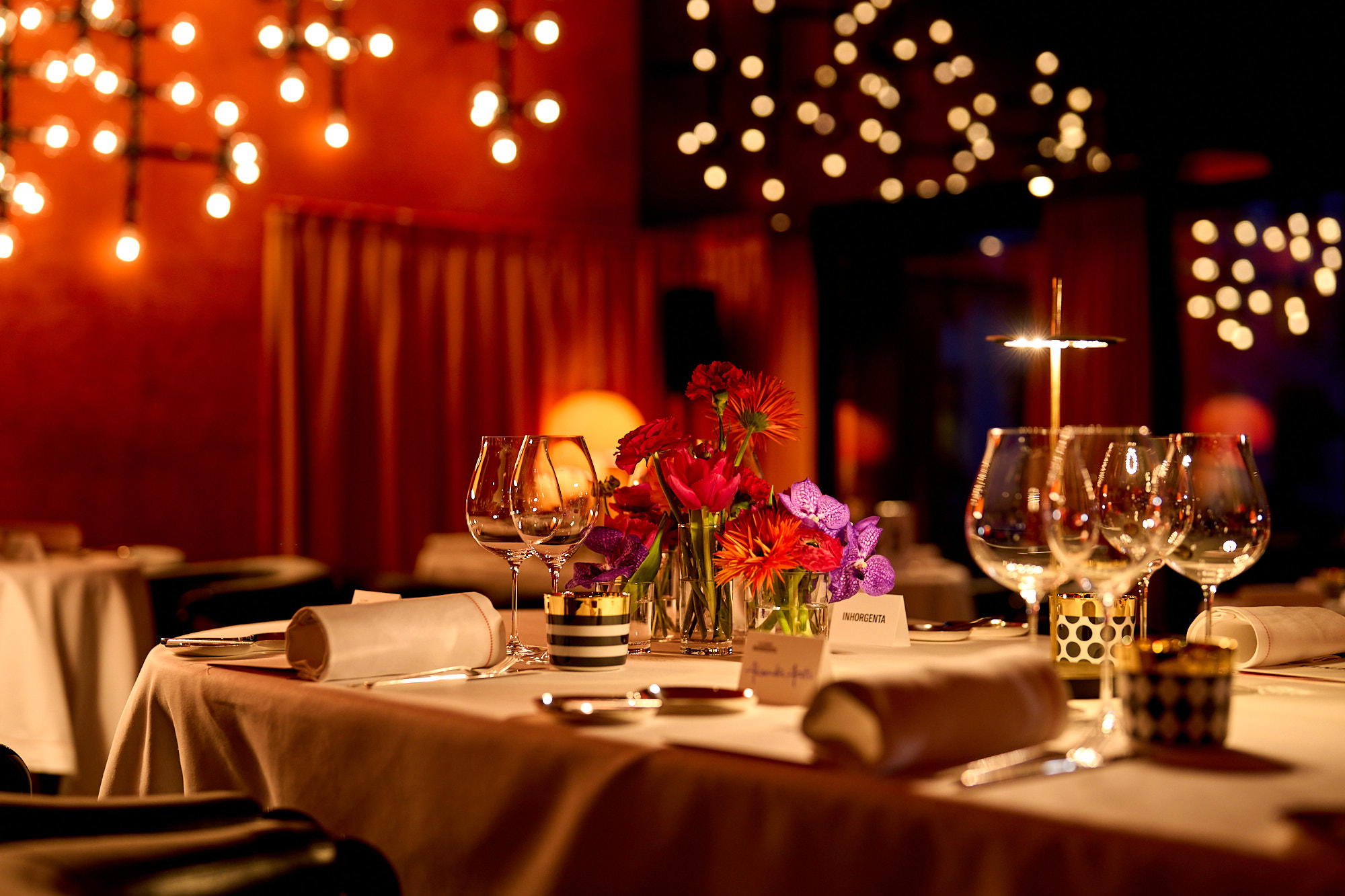
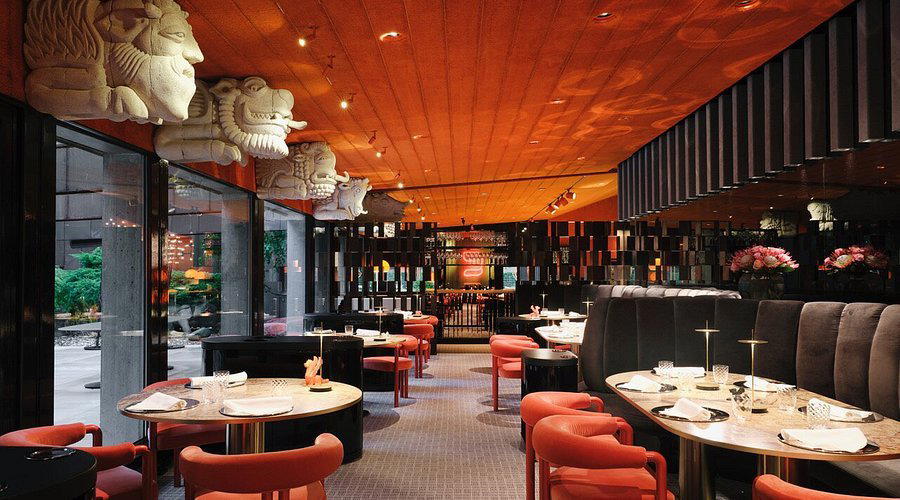
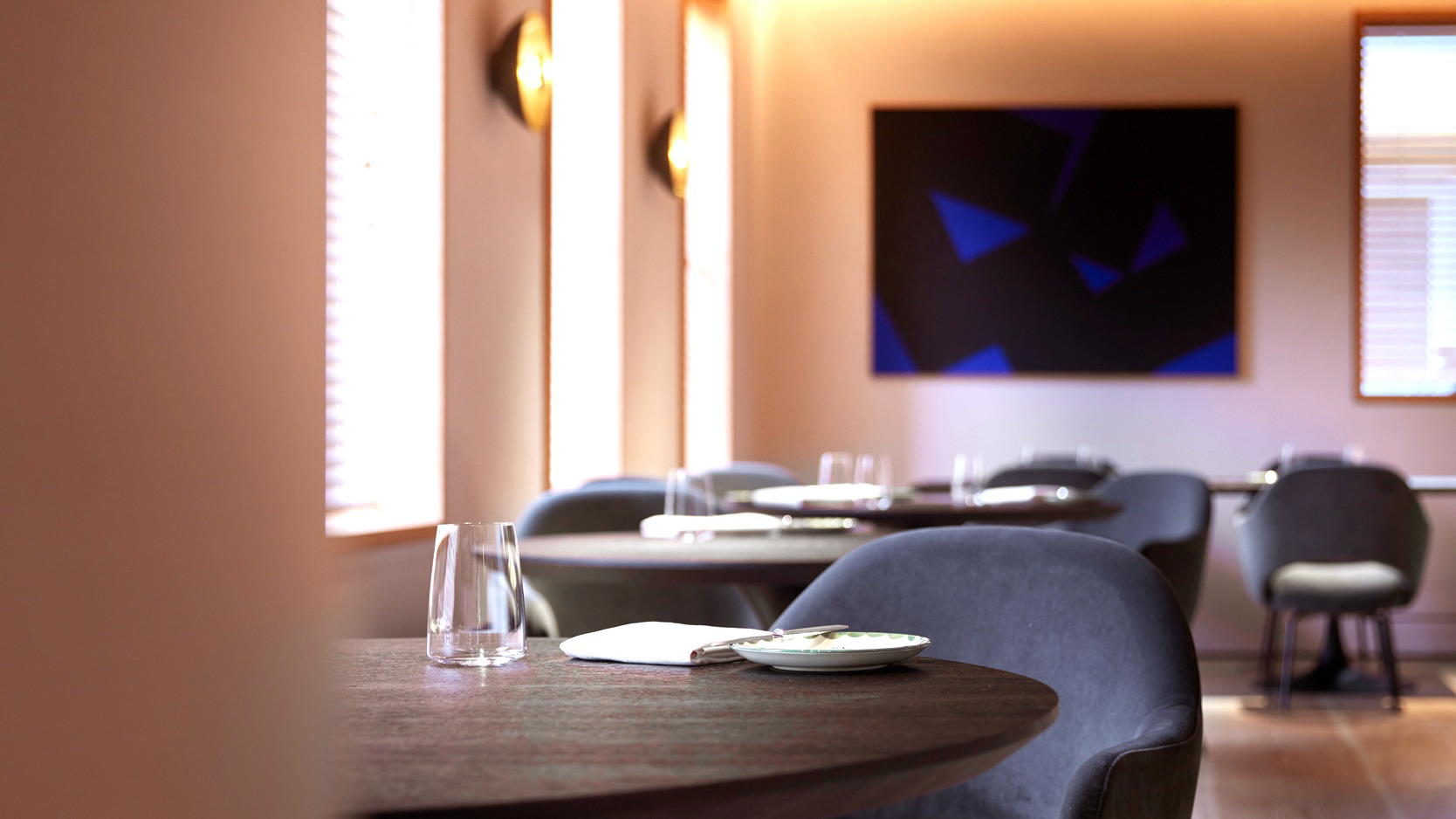
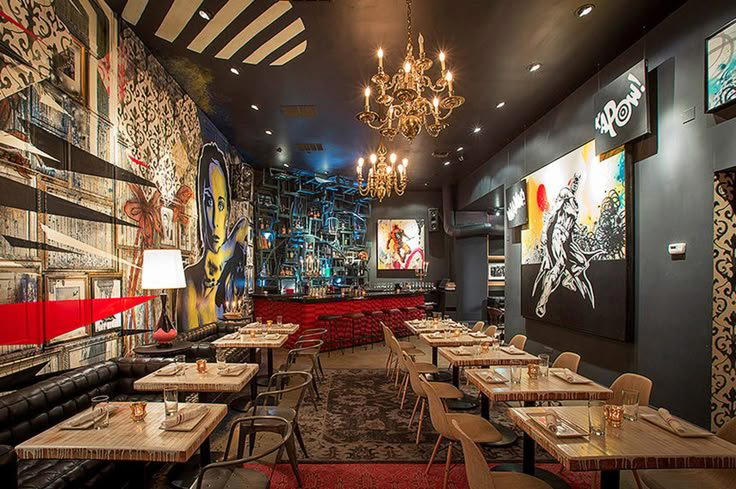
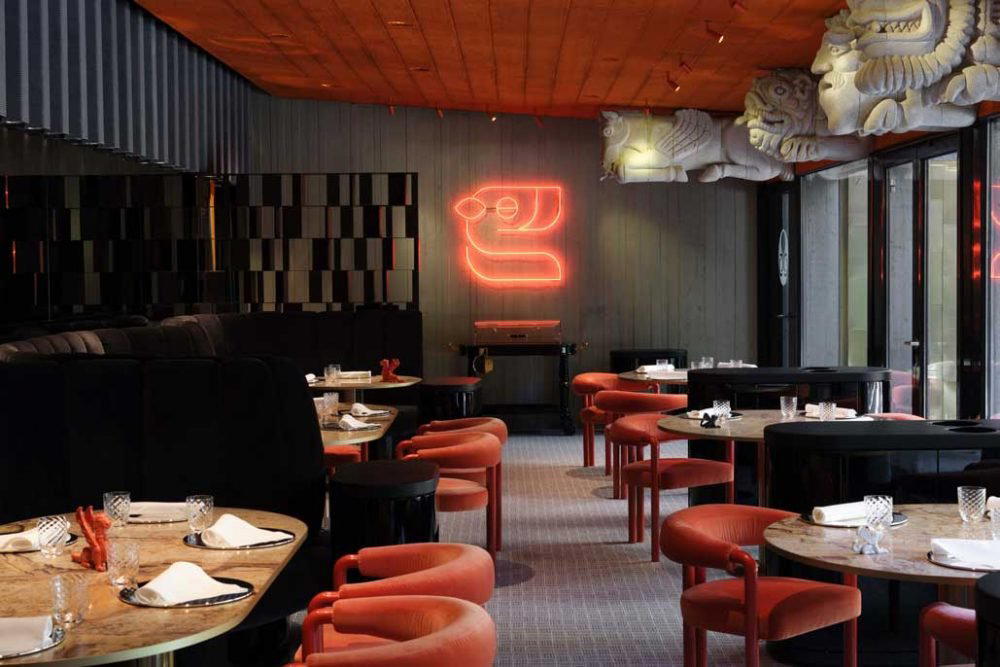
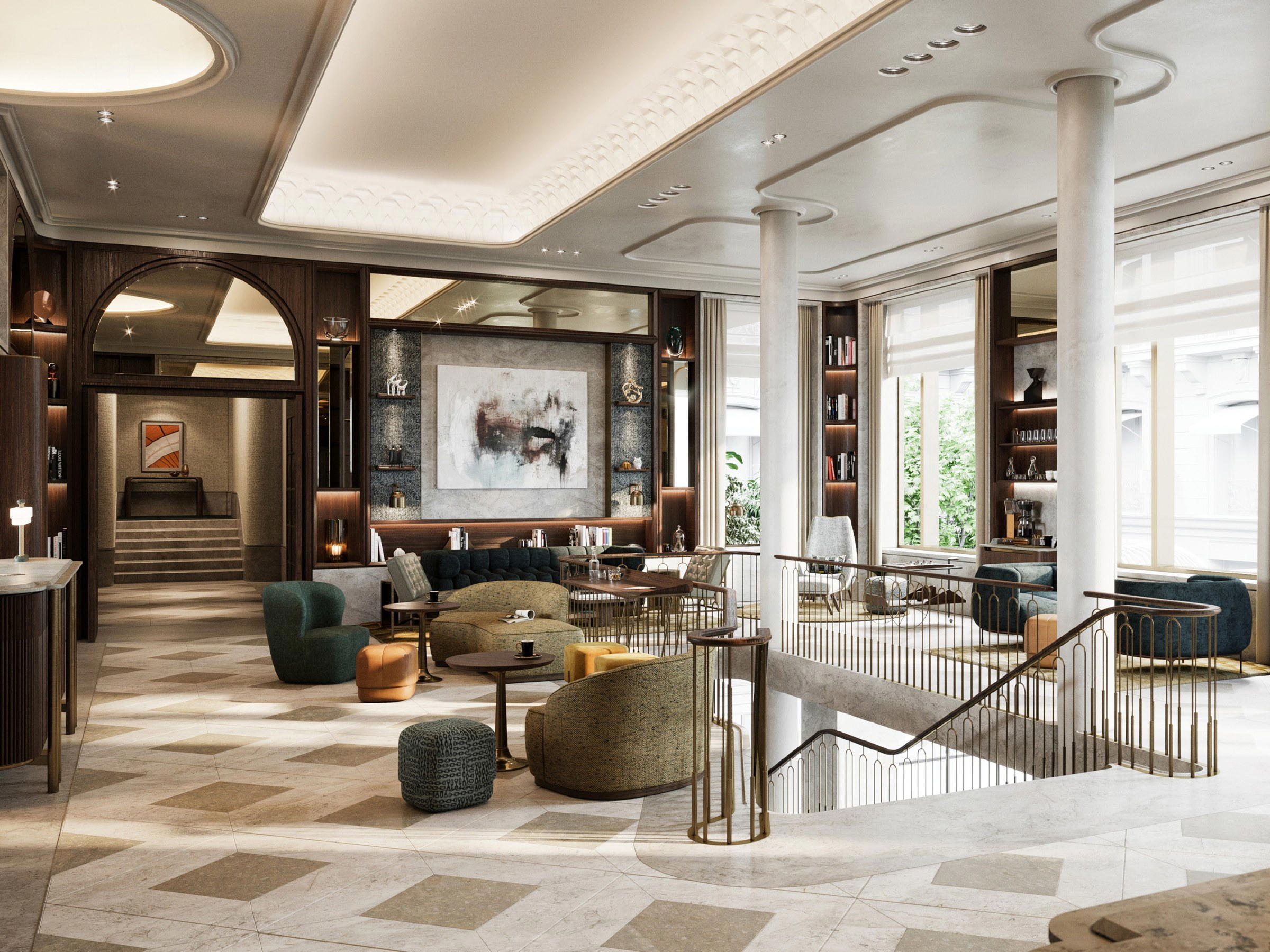
Warm and inviting with an open kitchen visible to diners, creating a lively yet intimate atmosphere; described as comfortable and welcoming with distinctly Italian character.