Limoni occupies a corner of Maxvorstadt's Amalienstraße, where the neighbourhood's student-and-gallery rhythm meets a more considered Italian dining register. The address places it within easy reach of Munich's serious restaurant corridor, offering a reference point for how Italian cuisine positions itself in a city dominated by German and Franco-Japanese fine dining ambitions.
Pearl is the En Primeur Club membership app — saves, bookings, and concierge access live there. Same editors, same standards.
- Address
- Amalienstraße 38, 80799 München, Germany
- Phone
- +498928806029
- Website
- url
- Directions
- Get directions
 Saves & bookings on Pearl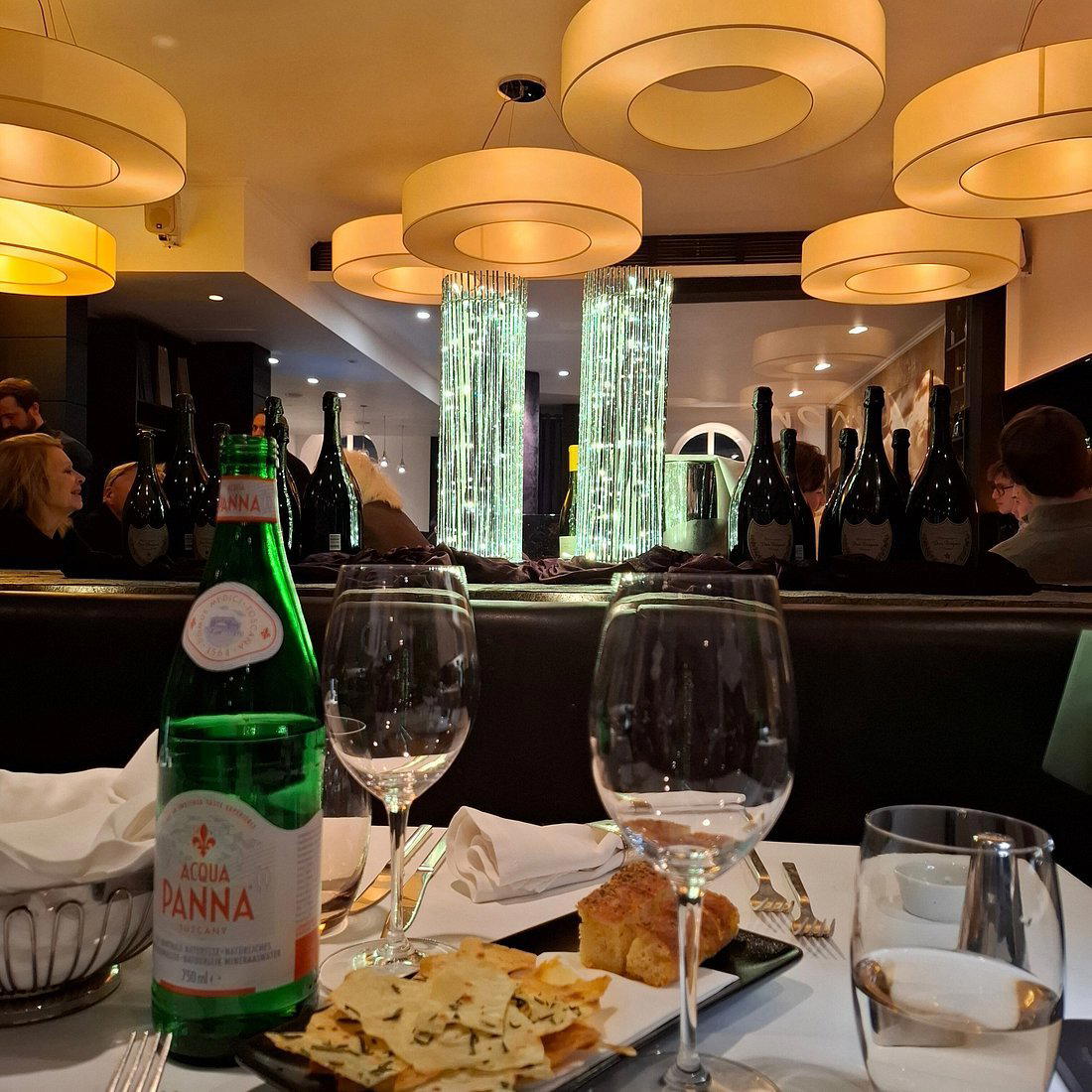
Amalienstraße and the Italian Question in Munich
Maxvorstadt's main arteries carry a particular kind of foot traffic: art students from the Akademie, academics from the Ludwig-Maximilians-Universität, and the gallery crowd drifting between Türkenstraße and Königsplatz. Amalienstraße 38 sits in the middle of this, and the address alone signals something about how Limoni positions itself. This is not the Michelin corridor of Maximiliansstraße or the destination-dining register of venues like Tantris or Atelier. It occupies a different tier and serves a different purpose in Munich's broader dining picture.
Italian restaurants in Munich face a structural challenge that their counterparts in Frankfurt or Hamburg rarely encounter as acutely: the city's fine dining prestige runs through German-Japanese fusion formats (see Tohru in der Schreiberei), creative European tasting menus (as at JAN and Alois - Dallmayr Fine Dining), and the French classical tradition. Italian cuisine, even at its most serious, tends to be bracketed separately, closer to neighbourhood eating than to ceremony. That positioning is not a limitation so much as a different set of reader expectations, and Limoni's location on Amalienstraße reflects exactly that.
The Lunch and Dinner Divide: How Daytime Differs Here
The more useful frame for understanding a restaurant like Limoni is its dinner service, which runs Monday through Saturday from 6 PM to midnight. Across Munich's mid-register Italian addresses, this divide is pronounced. At lunch, the neighbourhood asserts itself most directly: the nearby university generates a current of quick-turnover tables, the light through street-facing windows is flatter and more revealing, and the pacing tends toward efficiency rather than lingering. The lemon-yellow tones suggested by the name are the kind of visual cue that reads differently at midday, cheerful and functional, than under evening lighting, where the same palette softens into something warmer.
Dinner service at a restaurant of this type and placement tends to shift the social composition of the room. The student contingent thins, replaced by neighbourhood regulars, couples, and the occasional pre-theatre table from the Residenztheater, which sits within walking distance. In Munich's Italian mid-tier, dinner rarely carries the tasting-menu gravity of the city's French or creative-European rooms. Instead, it competes on a different axis: whether a kitchen can hold its attention to detail across a longer, more relaxed service when the midday efficiency pressure is gone. That is the more revealing test of any Italian address at this price register.
The contrast is worth noting against what happens at the higher end of Munich's Italian offer, venues like Acquarello, which occupies the Italian-Mediterranean fine dining tier. Limoni operates below that altitude, which means both services are more compressed in ambition and, potentially, more consistent as a result.
Where Limoni Sits in Munich's Italian Register
Munich's Italian restaurant scene is wider than its Michelin map suggests. The recognised addresses at the summit of the Italian-Mediterranean category operate on allocation-style booking windows and prix-fixe structures. Below them sits a broader band of neighbourhood trattorias, pasta-forward casual addresses, and mid-register Italian rooms that serve the daily eating needs of a neighbourhood rather than the occasion-dining market. Amalienstraße 38 places Limoni firmly in that mid-register band, in a neighbourhood where the competition is partly other Italian addresses and partly the city's Bavarian beer-and-schnitzel institutions.
For visitors who have already mapped the city's leading creative tables, Germany's broader fine dining circuit extends well beyond Munich: Aqua in Wolfsburg, Schwarzwaldstube in Baiersbronn, and Vendôme in Bergisch Gladbach all anchor the country's three-star tier. Closer to Munich, ES:SENZ in Grassau represents the Bavarian alpine edge of serious German cooking. Against that company, Limoni operates in a deliberately different register, which is not a critique, it reflects the honest segmentation of how Munich eats across its different neighbourhoods and price points.
The Neighbourhood as Context
Maxvorstadt functions as Munich's most culturally dense district: three major museums, the university campus, and a gallery density that makes it the de facto arts quarter of the city. Restaurants that take root here tend to develop loyal local followings rather than destination-dining reputations built on visiting critics. The trade-off is that external recognition and editorial placement rarely follow at the same rate as neighbourhood loyalty.
This puts Limoni in a comparable set defined less by cuisine category and more by neighbourhood role. Its nearest competitors in terms of reader decision-making are not Tantris or Victor's Fine Dining by Christian Bau but the other mid-register rooms within ten minutes' walk of the Pinakothek complex.
Germany's wider restaurant scene has generated some of the more interesting recent editorial about how mid-register city dining evolves alongside its starred counterparts. CODA Dessert Dining in Berlin and Restaurant Haerlin in Hamburg illustrate two poles of that story. Schanz in Piesport, Bagatelle in Trier, and Waldhotel Sonnora in Dreis round out the regional German conversation. For American reference points in the category of serious dining where service culture and room atmosphere do as much work as the kitchen, Le Bernardin in New York City and Atomix in New York City define what institutional ambition looks like at its most deliberate.
Planning a Visit
Amalienstraße 38 is reachable from Munich's central U-Bahn network, with the Universität station on the U3 and U6 lines placing the address within a short walk through Maxvorstadt's grid. The neighbourhood is most active from mid-morning through early evening, and the stretch of Amalienstraße around number 38 carries pedestrian traffic throughout the day. Given the mid-register positioning, walk-in access during lunch service is generally more viable at addresses of this type than at the city's tasting-menu rooms, where booking windows of several weeks are the norm. Evening tables at neighbourhood Italian restaurants in this part of Munich are more contested on weekends, when the university population is replaced by a broader city-wide dining public. Limoni is open Monday to Saturday from 6 PM to 12 AM and closed on Sunday. Reservations are essential.
Cost and Credentials
Comparable venues nearby, for context on price, style, and recognition.
| Venue | Cuisine | Price | Notes |
|---|---|---|---|
| LimoniThis venue — the venue you are viewing | Not listed | $$$$ | Not listed |
| Ristorante ROMANS | Neuhausen, Classic Italian Trattoria | $$$ | Not listed |
| Ristorante Vicari | Not listed | $$ | Haidhausen, Authentic Southern Italian Pizzeria |
| Dr. Drooly | Theresienwiese, Vegan Neapolitan Pizza | $$ | Not listed |
| Canal Grande | Not listed | $$$ | Nymphenburg, Classic Italian Canal-Side Ristorante |
| Ristorante Cleo | Pasing, Sicilian-Influenced Italian | $$$ | Not listed |
At a Glance
- Elegant
- Sophisticated
- Intimate
- Cozy
- Modern
- Date Night
- Business Dinner
- Special Occasion
- Celebration
- Private Dining
- Standalone
- Extensive Wine List
- Sommelier Led
- Local Sourcing
- Sustainable Seafood
Current opening hours
- Monday
- 6 PM–12 AM
- Tuesday
- 6 PM–12 AM
- Wednesday
- 6 PM–12 AM
- Thursday
- 6 PM–12 AM
- Friday
- 6 PM–12 AM
- Saturday
- 6 PM–12 AM
- Sunday
- Closed
Hours can change for holidays and private events. Last verified .
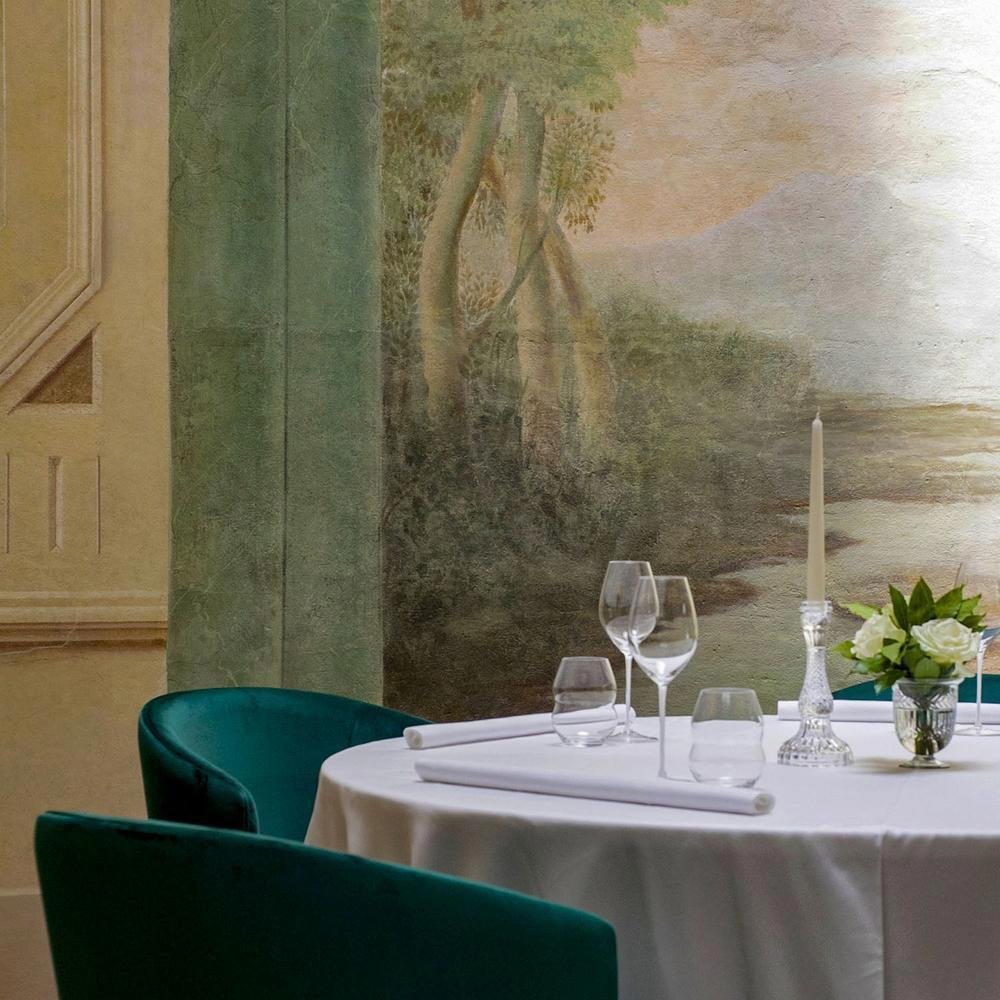
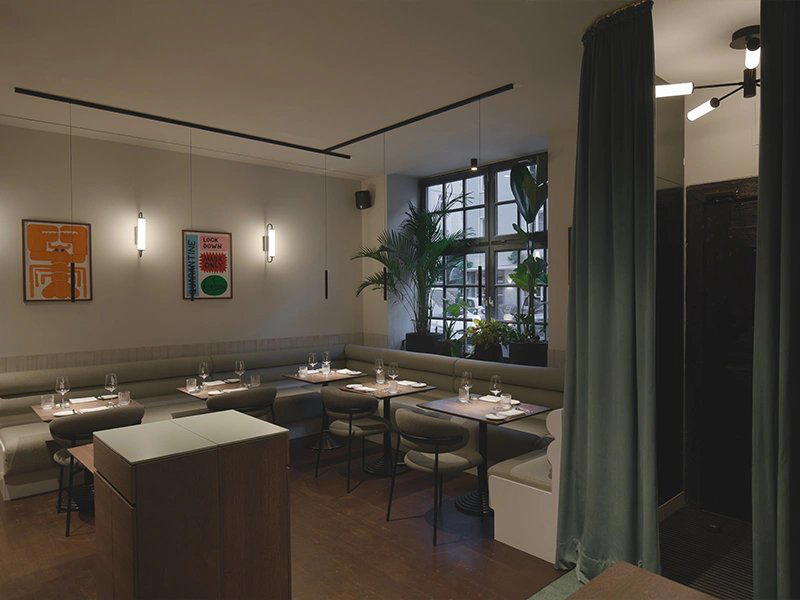
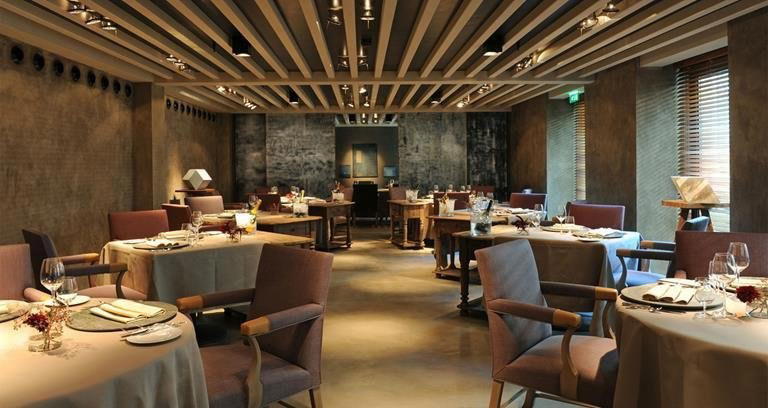
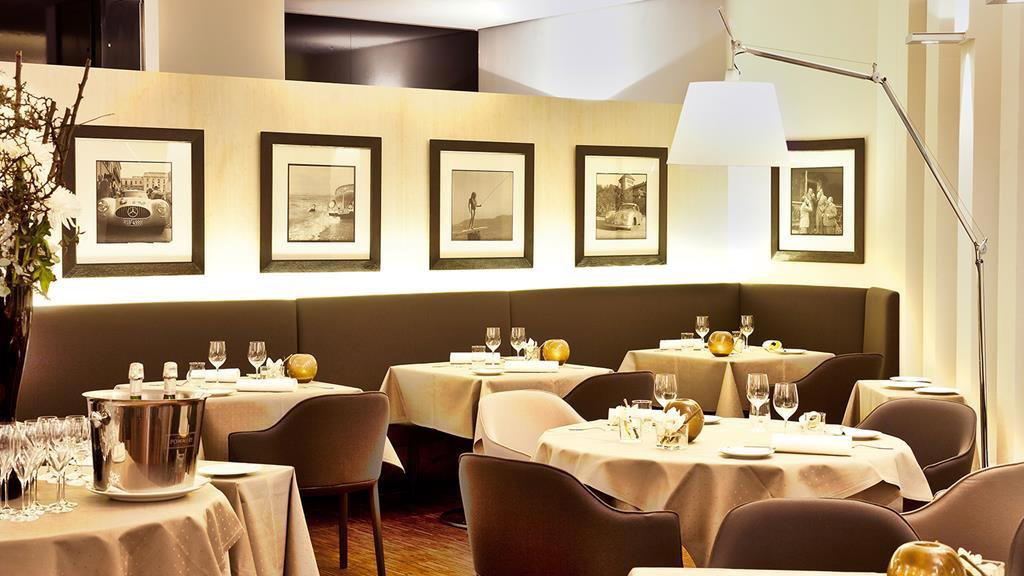
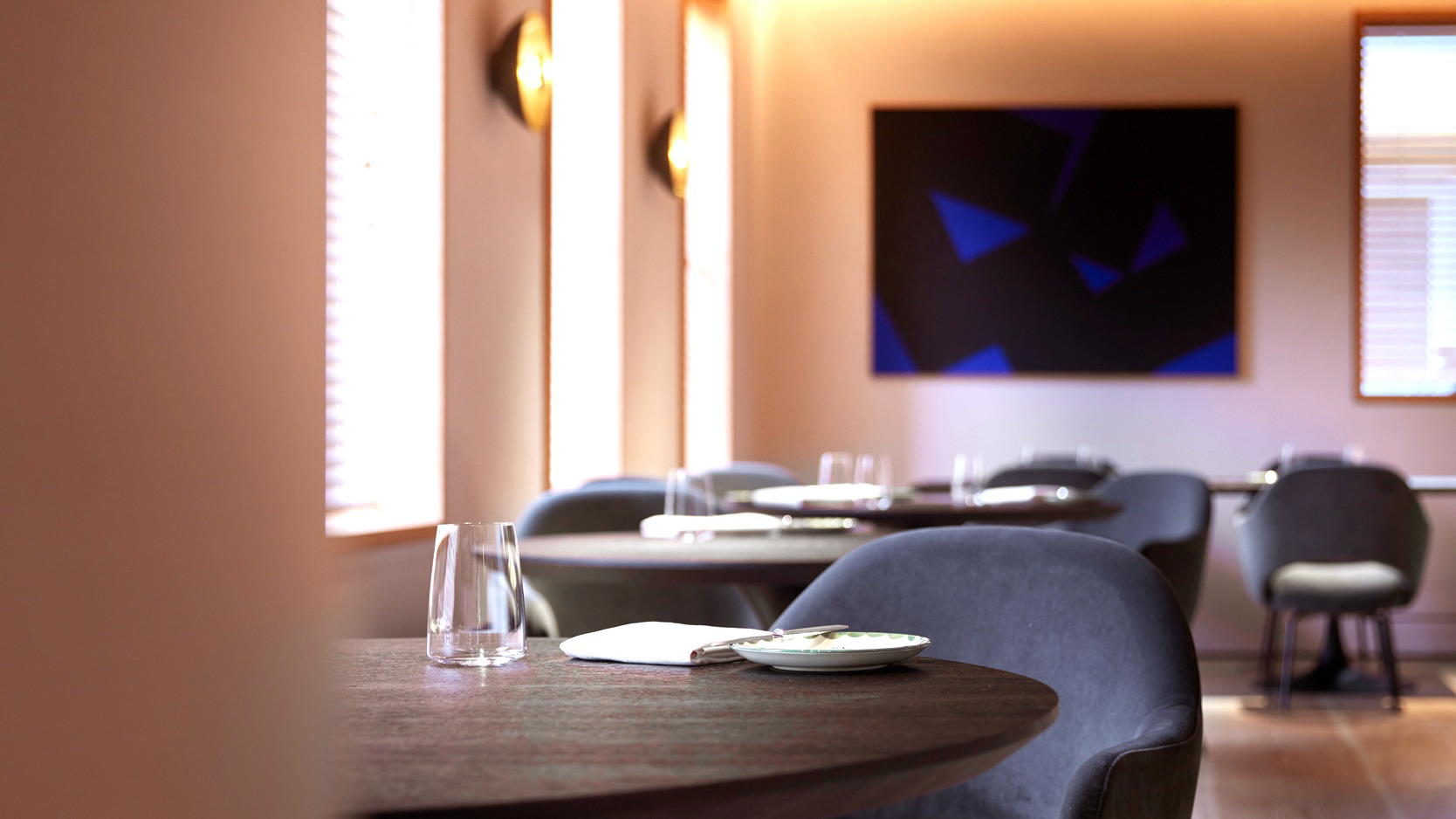
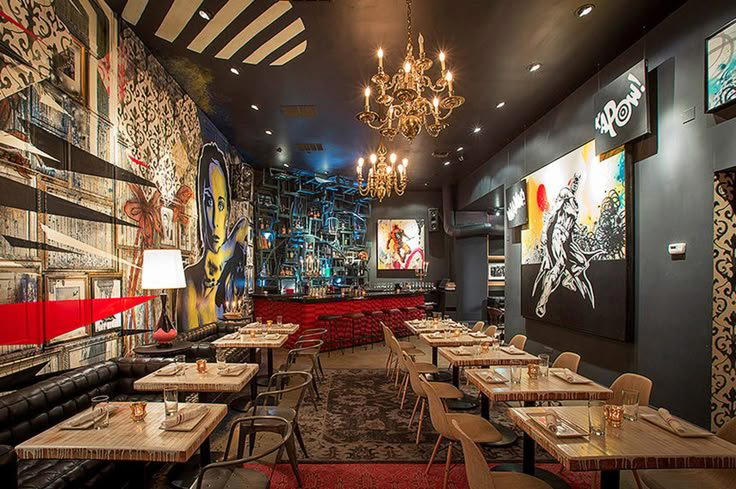
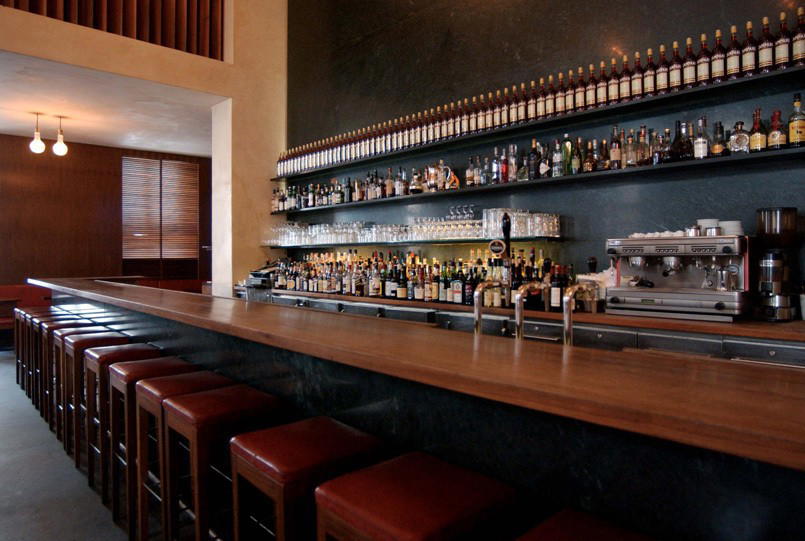
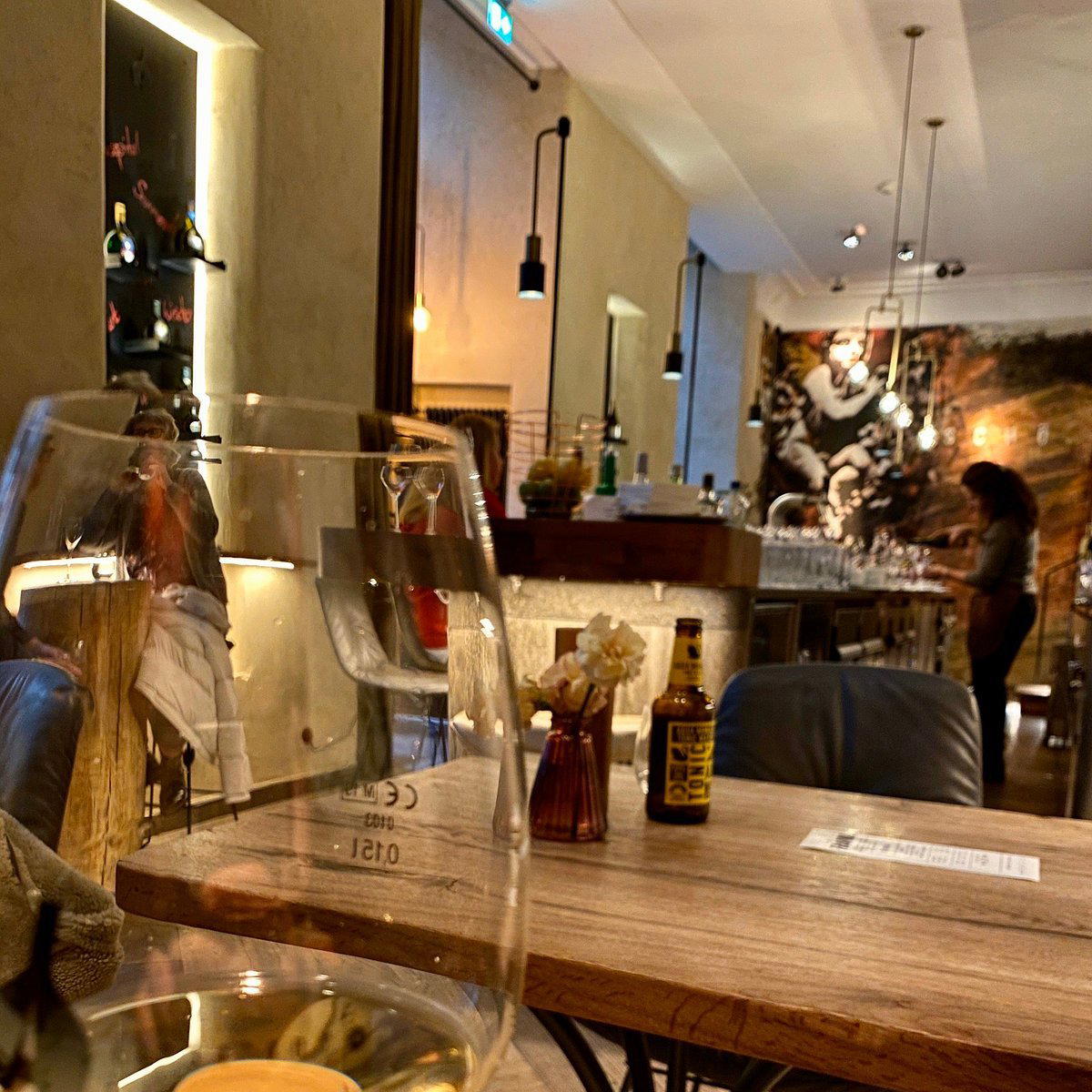
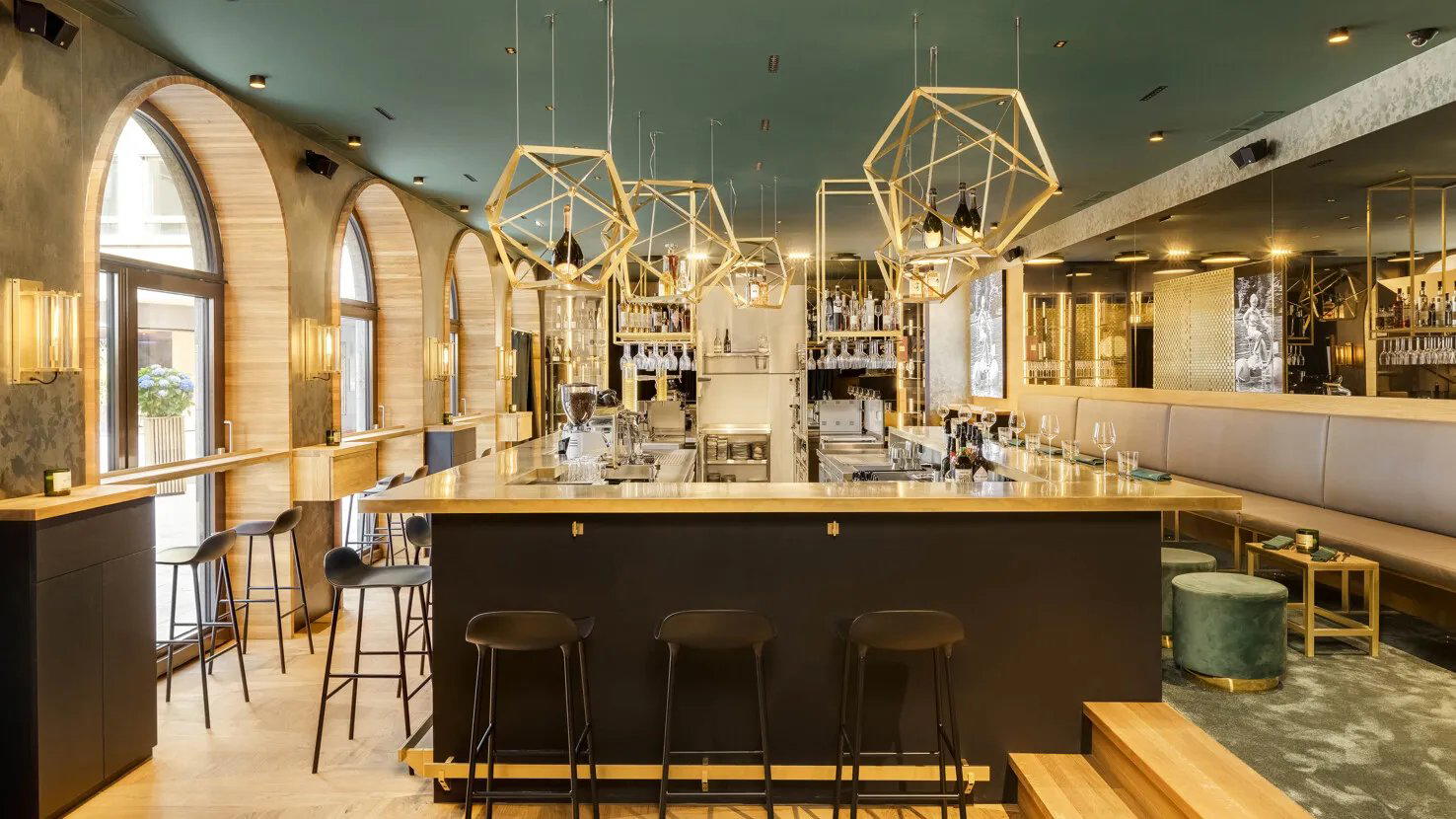
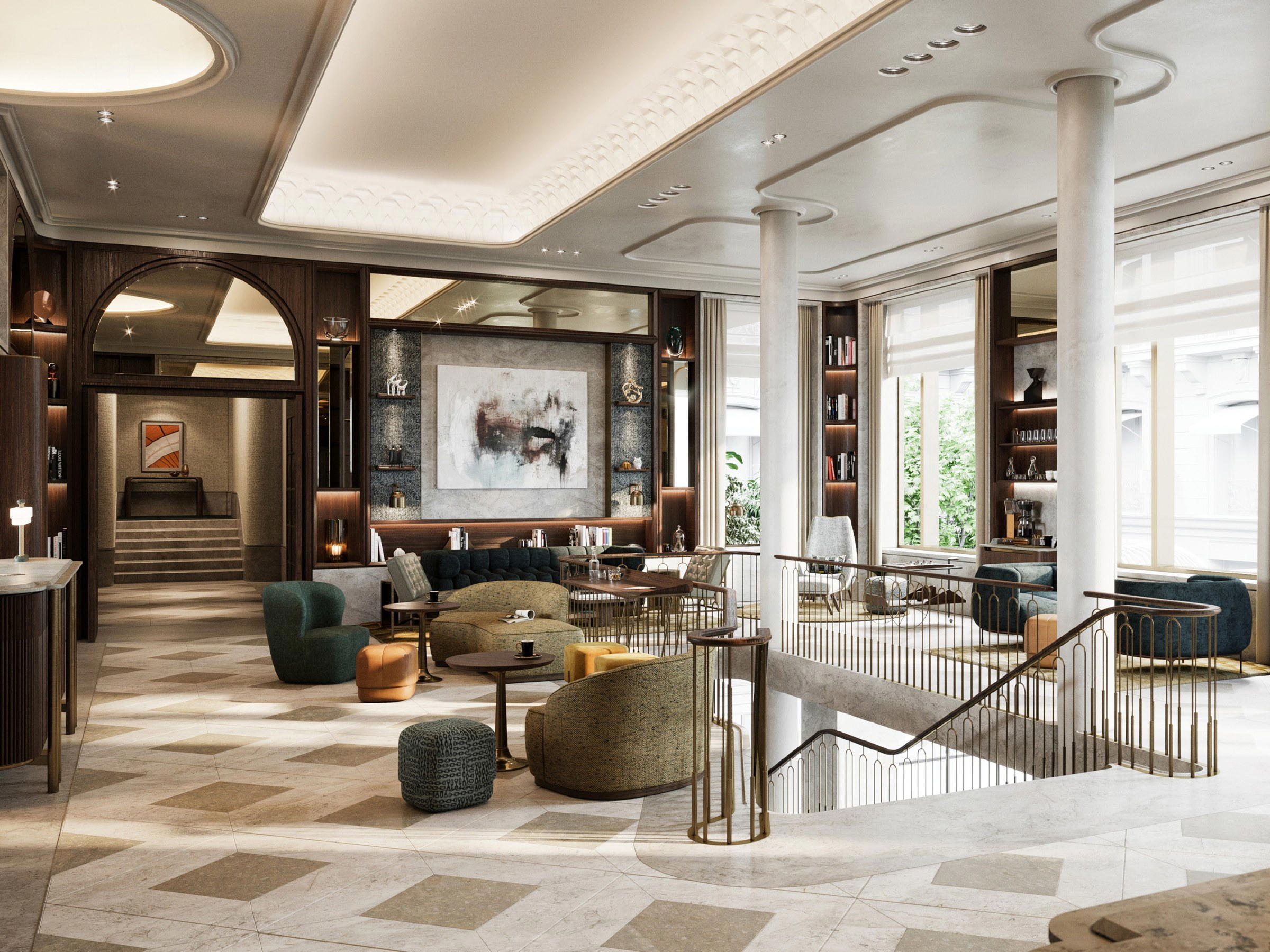
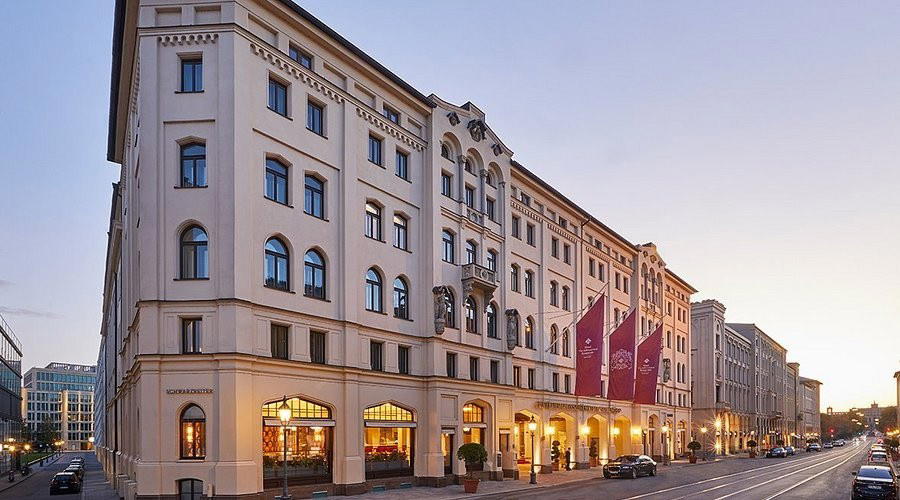
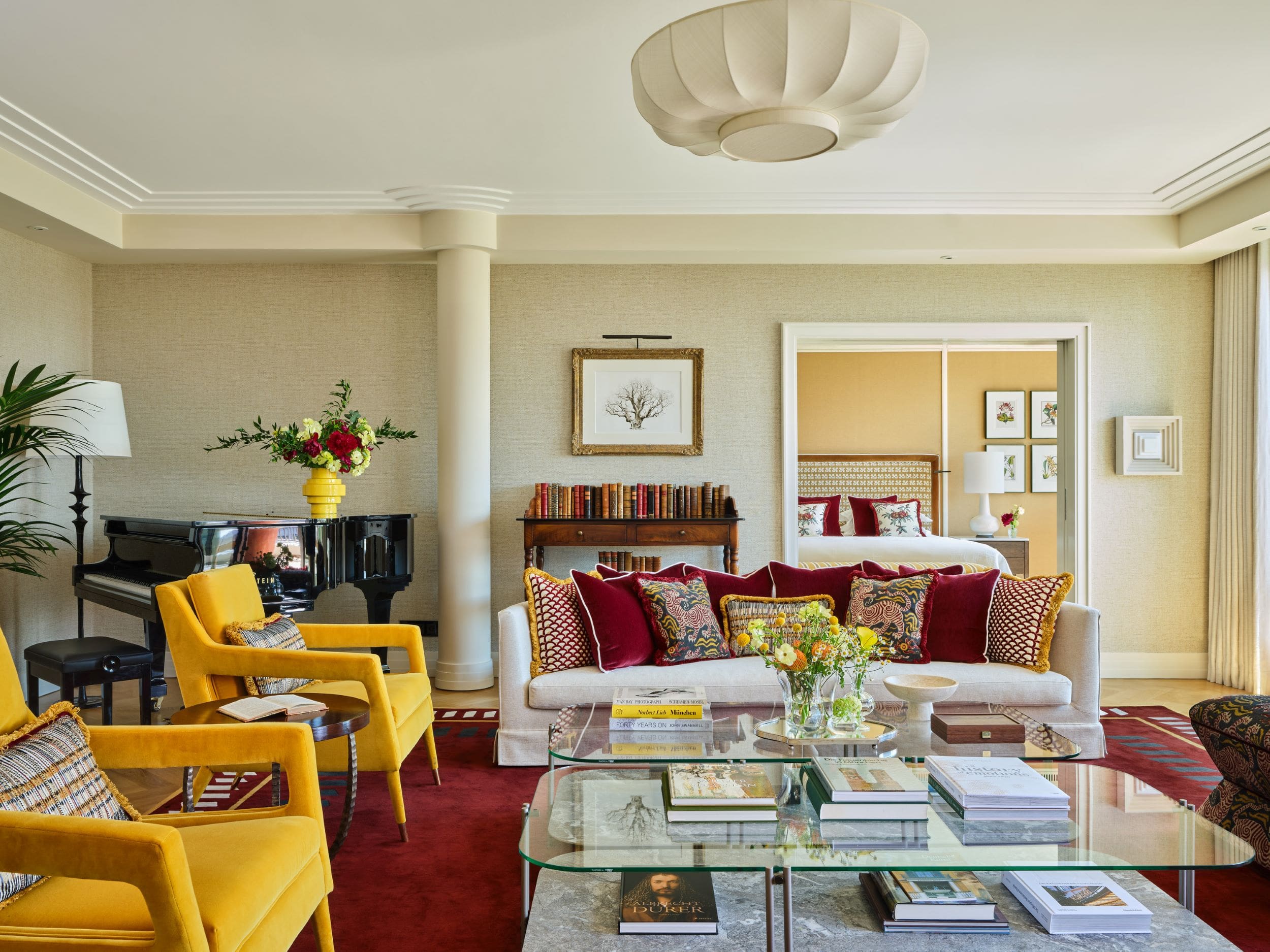
Modern and stylishly furnished interior with minimalist design; warm, intimate atmosphere that feels both lively and cozy; sophisticated yet welcoming ambiance.