Google: 4.5 · 1,056 reviews
Il Bottaccio

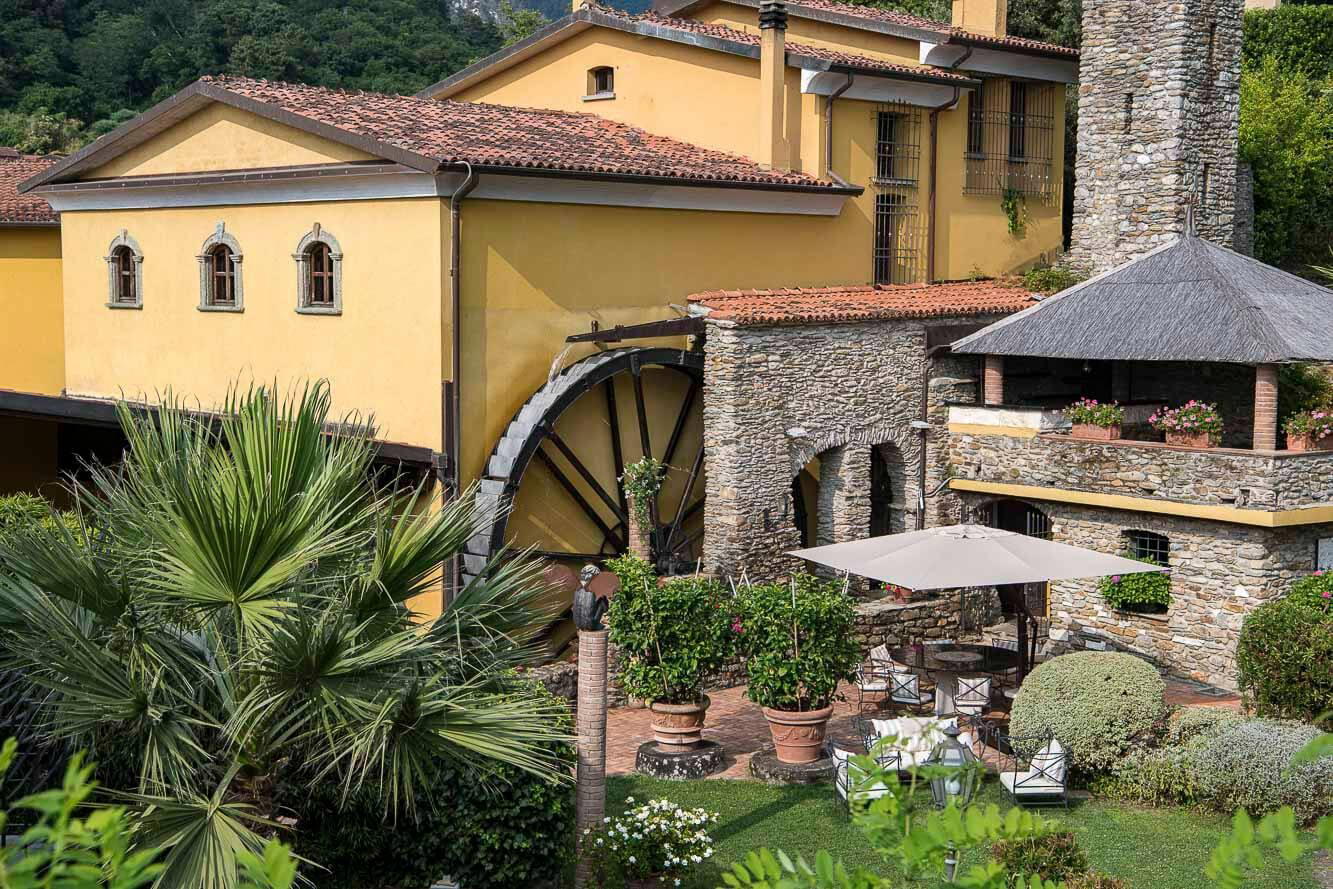
A 19th-century olive oil mill converted into an intimate dining room on the Tuscan-Ligurian border, Il Bottaccio sits in Montignoso with a 4.5-star Google rating across nearly 1,000 reviews. The setting — original mill architecture, olive groves, hillside proximity to the Versilia coast — frames a Tuscan kitchen that draws from both inland agricultural tradition and the Tyrrhenian sea a few kilometres away.
 Discover on Pearl
Pearl is the En Primeur Club membership app — saves, bookings, and concierge access live there. Same editors, same standards.
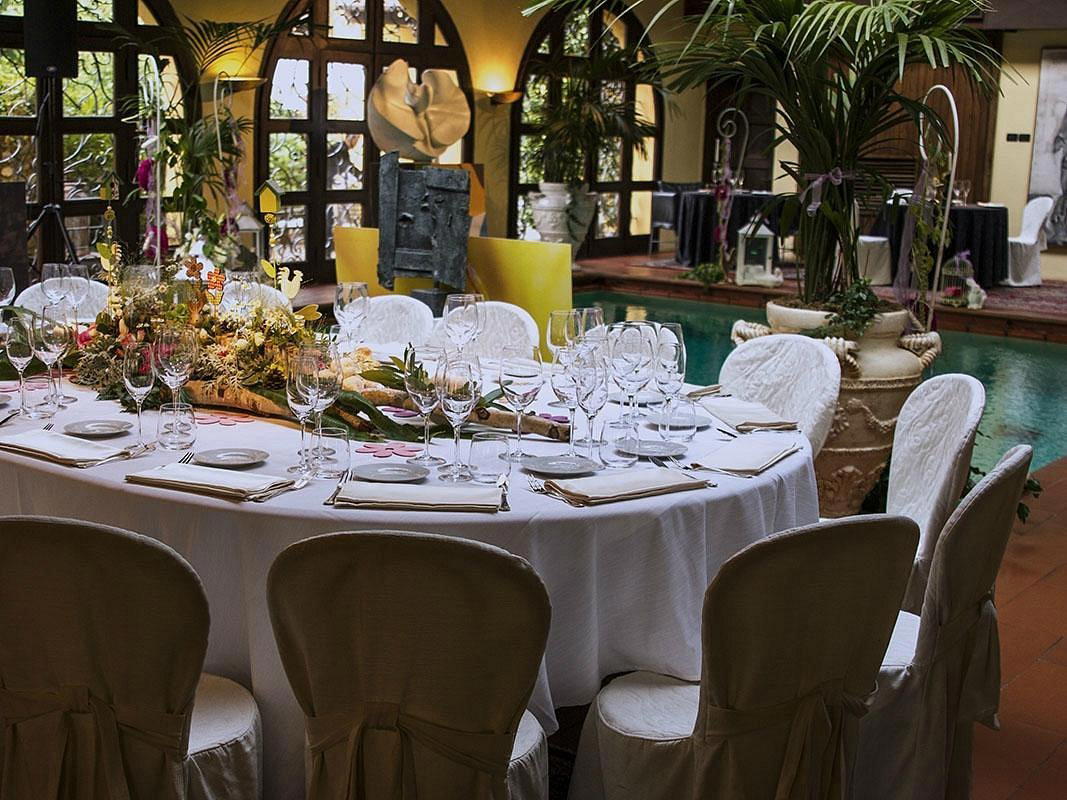
Where the Apuan Alps Meet the Versilia Shore
The stretch of Tuscany between Massa and Forte dei Marmi occupies an unusual culinary position. It is neither the canonical Chianti country of slow-braised cinghiale and Sangiovese, nor the full coastal register of Livorno's cacciucco culture further south. This northern Tuscan corridor, pressed between the Apuan Alps and the Tyrrhenian sea, runs its own dialect: chestnut flour, lardo di Colonnata from the marble-quarrying villages above, fresh pasta cut short, and fish landed at the Cinquale mouth just below the motorway. Dining here means reading two landscapes at once, and the better kitchens in the area reflect that duality rather than choosing a side.
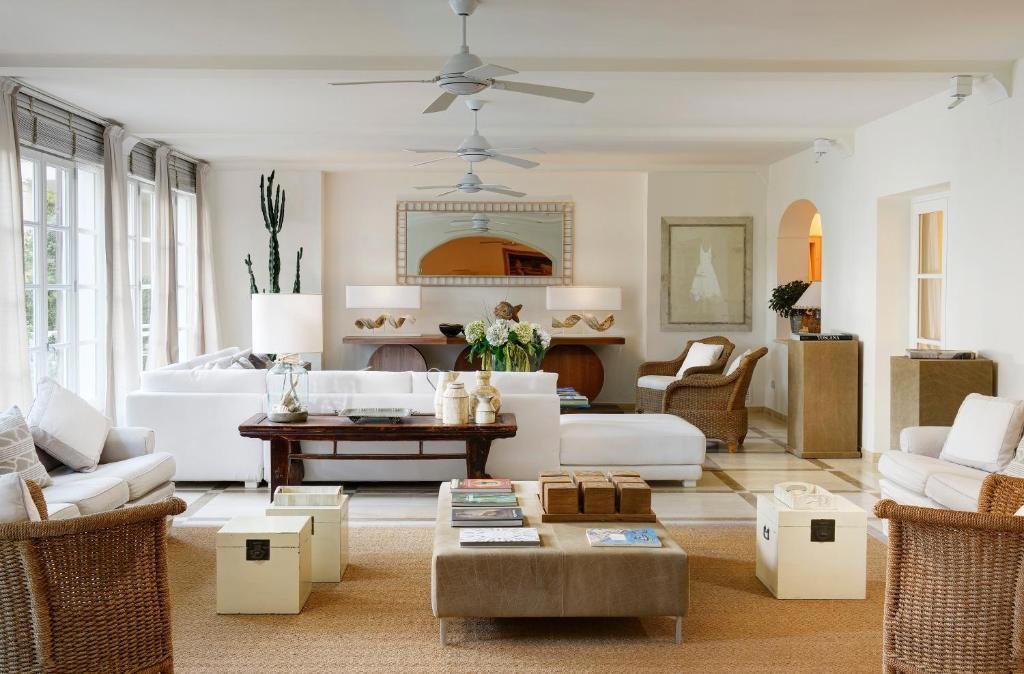
Il Bottaccio sits inside a 19th-century olive oil mill on Via Gabbiano, 1 in Montignoso — a small comune whose territory runs from the Apuan foothills down to the sea. The mill structure is the first and most insistent fact of the place. Stone walls built for the weight of granite millstones, ceilings that carried the hydraulic machinery of oil production — this is architecture that predates the tourist economy of the Versilia coast by generations, and it reads accordingly. The intimacy is a product of the building's bones, not a styling decision.
The Tuscan Kitchen in Its Northern Register
Tuscan cooking is often flattened, in international perception, into the mid-region idiom: bistecca alla Fiorentina, pici cacio e pepe, ribollita. The northern variant, practiced in the Massa-Carrara and Lucca provinces, operates differently. Lardo di Colonnata , cured fatback aged in marble basins in the quarry villages above Carrara , appears as a condiment, a garnish, and sometimes a cooking medium. Testaroli, a pancake-like pasta peculiar to the Lunigiana valley, sits alongside more recognisable pasta forms. Ceci (chickpeas) and farro appear in soups that carry Ligurian influence from just over the provincial border. The sea-to-mountain compression is shorter here than in any other Tuscan sub-region, which means a kitchen in Montignoso has legitimate claim to both registers without stretching credibility.
That regional specificity is what separates northern Tuscan cooking from the more exported version, and it is the context inside which Il Bottaccio's Italian-Tuscan designation should be read. Compare the frame to what a three-Michelin-star Tuscan table like Enoteca Pinchiorri in Florence does , a Florentine fine-dining canon built on wine-archive depth and French technique , and the difference in register becomes clear. Or consider how Alle Logge di Piazza in Siena works within the central Sienese idiom, or how Campo del Drago at Rosewood Castiglion del Bosco embeds itself in the Montalcino wine-estate model. Il Bottaccio's position is geographically and gastronomically distinct from all three , further north, closer to the water, and shaped by marble-country agriculture rather than wine-estate logic.
A Mill Setting and What It Asks of the Experience
The conversion of an oil mill into a dining and hospitality space is not rare in Tuscany , the region has hundreds of agricultural structures that have passed through this kind of reinvention. What matters is whether the original structure disciplines the experience or merely decorates it. At Il Bottaccio, the mill's proportions set the terms: the seat count is limited by the rooms the building provides, not by a design brief, which produces the intimate setting the property highlights as a primary characteristic. For travellers accustomed to purpose-built resort dining rooms in the Versilia, this represents a different category of experience , one where the physical context carries historical weight.
The property holds a 4.5 Google rating across 995 reviews, a volume that signals consistent delivery over time rather than a single high-profile moment. An EP Club member score of 4.6 out of 5 sits in the same register. Neither figure places Il Bottaccio in the conversation alongside Italy's formal fine-dining tier , the three-star houses like Osteria Francescana in Modena, Le Calandre in Rubano, or Dal Pescatore in Runate , but that is not the relevant peer set. The relevant comparison is the cohort of characterful regional tables in historic structures that prioritise setting and local register over technical ambition. In that frame, the scores carry more meaning.
Getting There and Planning the Visit
Montignoso sits between Massa and the Versilia coast, accessible by car from the A12 motorway: from the north, take the Massa exit and follow the seafront road toward Viareggio, then Cinquale, then Montignoso. The GPS coordinates for the property are 44.0144, 10.1688. Two airports serve the area: Pisa Galileo Galilei International sits approximately 36 kilometres away and handles the bulk of European connections into the region; Florence International is approximately 110 kilometres. Travellers arriving by train can reach Forte dei Marmi or Massa Centro stations, both roughly 4 kilometres from the property. The car remains the most practical option for the final approach, particularly if the visit is part of a wider sweep through the northern Tuscan coast.
The Versilia corridor is most visited from late spring through early September, when the beach towns from Forte dei Marmi to Viareggio fill with Italian and European summer visitors. Booking Il Bottaccio outside peak summer months typically allows more flexibility and means the surrounding roads carry less traffic. For context on the wider Montignoso area, see our full Montignoso restaurants guide, our Montignoso hotels guide, bars guide, wineries guide, and experiences guide.
The Wider Italian Fine Dining Map
For travellers building a longer Italian itinerary around serious tables, the northern Tuscan coast is a less-visited node on a circuit that more commonly routes through Modena, Alba, or the Amalfi coastline. From Montignoso, the Ligurian border is close enough to consider Uliassi in Senigallia as a coastal counterpart, while the Apennine spine connects southward toward Reale in Castel di Sangro for those tracing mountain-kitchen traditions. Further afield, the northern Italian creative register runs through Piazza Duomo in Alba, Enrico Bartolini in Milan, and Atelier Moessmer Norbert Niederkofler in Brunico. The southern coast has its own chapter at Quattro Passi in Marina del Cantone. Il Bottaccio occupies a quieter position on that map , a regional table shaped by a specific geography, in a building that predates the tourism economy it now partly serves , and its value is clearest when read in that context rather than against the starred circuit.
For northern Italian fine dining with a Veronese classical reference, Casa Perbellini 12 Apostoli in Verona offers a useful contrast in how different regions within the same country can produce entirely different hospitality grammars.
A Quick Peer Check
These are the closest comparables we have in our database for quick context.
| Venue | Cuisine | Price | Awards | Notes |
|---|---|---|---|---|
| Il Bottaccio | Italian Tuscan | HIGHLIGHTS: • INTIMATE SETTING • 19TH-CENTURY OIL MILL • PRIME LOCATION DIRECTI… | This venue | |
| Atelier Moessmer Norbert Niederkofler | Italian, Creative | €€€€ | Michelin 3 Star | Italian, Creative, €€€€ |
| Dal Pescatore | Italian, Italian Contemporary | €€€€ | Michelin 3 Star | Italian, Italian Contemporary, €€€€ |
| Enoteca Pinchiorri | Italian - French, Italian Contemporary | €€€€ | Michelin 3 Star | Italian - French, Italian Contemporary, €€€€ |
| Enrico Bartolini | Creative | €€€€ | Michelin 3 Star | Creative, €€€€ |
| Osteria Francescana | Progressive Italian, Creative | €€€€ | Michelin 3 Star | Progressive Italian, Creative, €€€€ |
Continue exploring
More in Montignoso
Restaurants in Montignoso
Browse all →
Bars in Montignoso
Browse all →
At a Glance
- Romantic
- Elegant
- Intimate
- Rustic
- Sophisticated
- Date Night
- Special Occasion
- Historic Building
- Open Kitchen
- Terrace
- Extensive Wine List
- Local Sourcing
- Garden
- Mountain
Elegant and artistic atmosphere with beautiful lighting, sculptures, and a sense of privacy despite the unusual indoor pool.