Lux Lucis




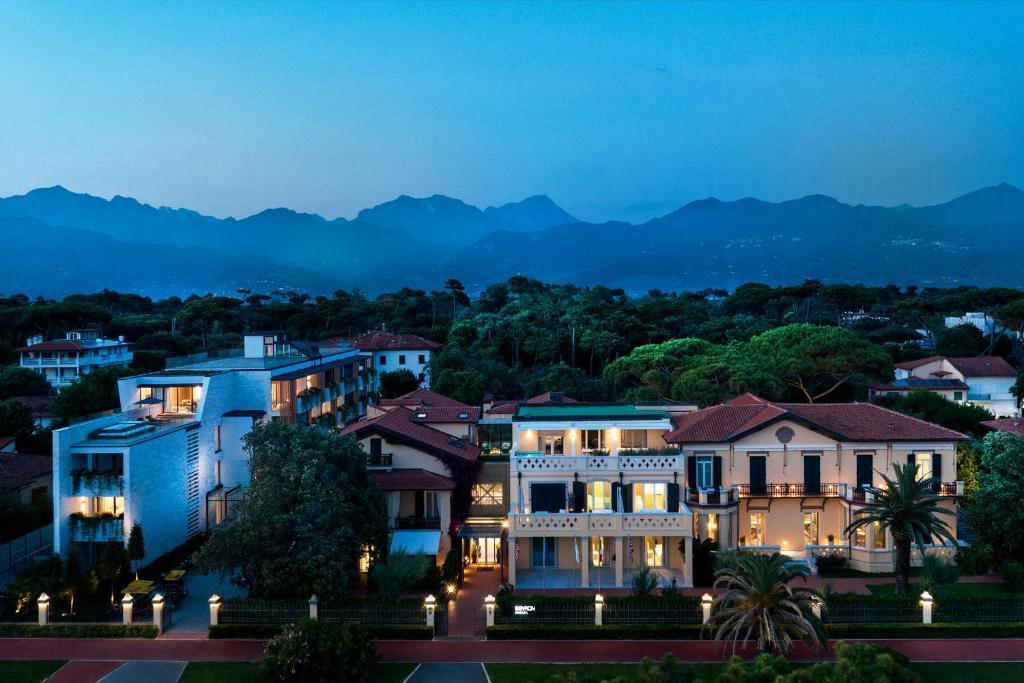
Lux Lucis holds a Michelin star and sits atop the Principe Forte dei Marmi hotel, where a rooftop terrace frames views of the Versilian coast before dinner moves into a dining room fronted by an open kitchen. Chef Valentino Cassanelli weaves Emilian influences into a creative Italian menu, and a wine list organised by grape variety rather than region gives the pairing dimension unusual depth for a coastal resort table.
Pearl is the En Primeur Club membership app — saves, bookings, and concierge access live there. Same editors, same standards.
- Address
- viale A. Morin 67, Forte dei Marmi, 55042, Italy
- Phone
- +39 0584 783636
- Website
- luxlucisrestaurant.com
- Directions
- Get directions
 Saves & bookings on Pearl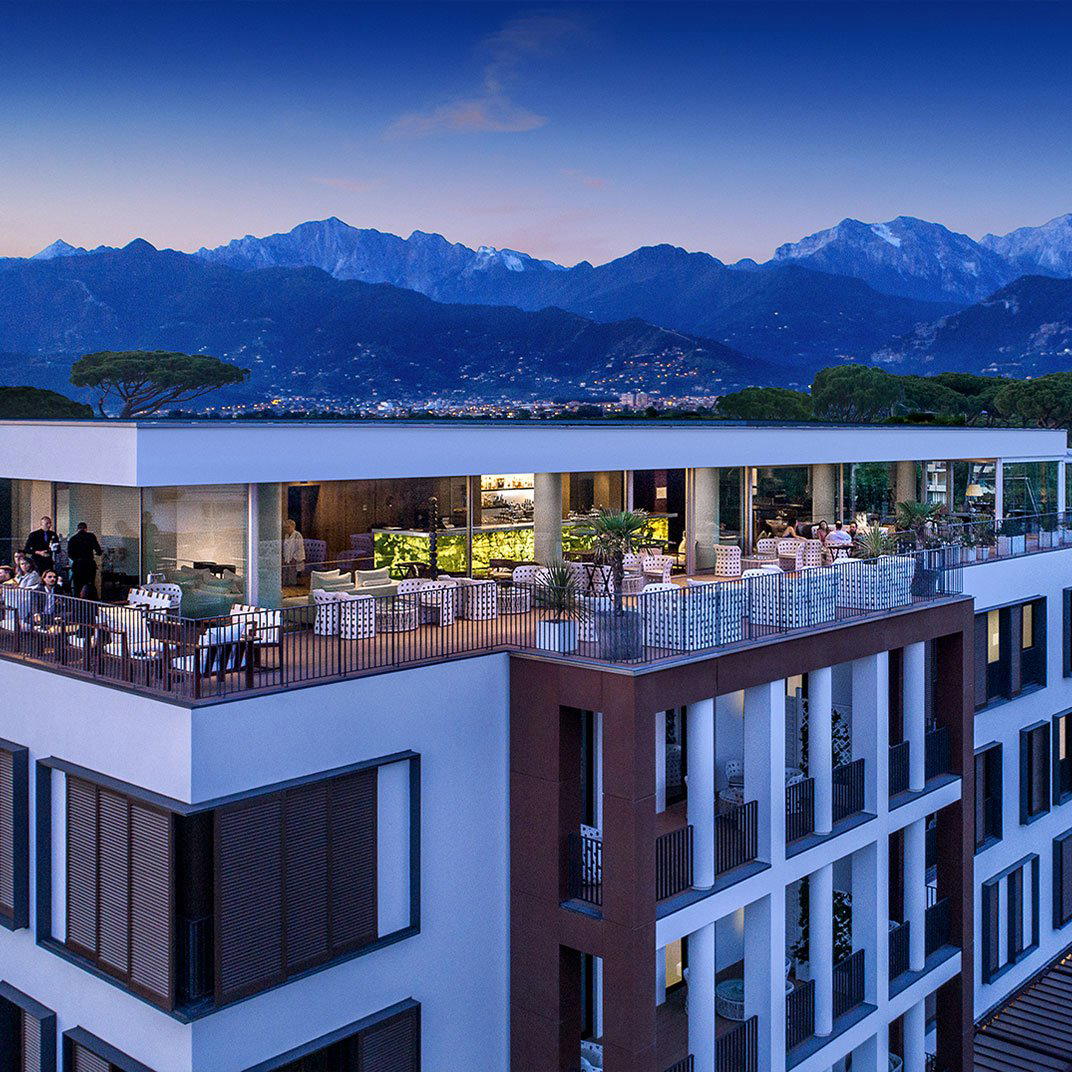
Rooftop, Coast, Kitchen: The Format That Sets the Scene
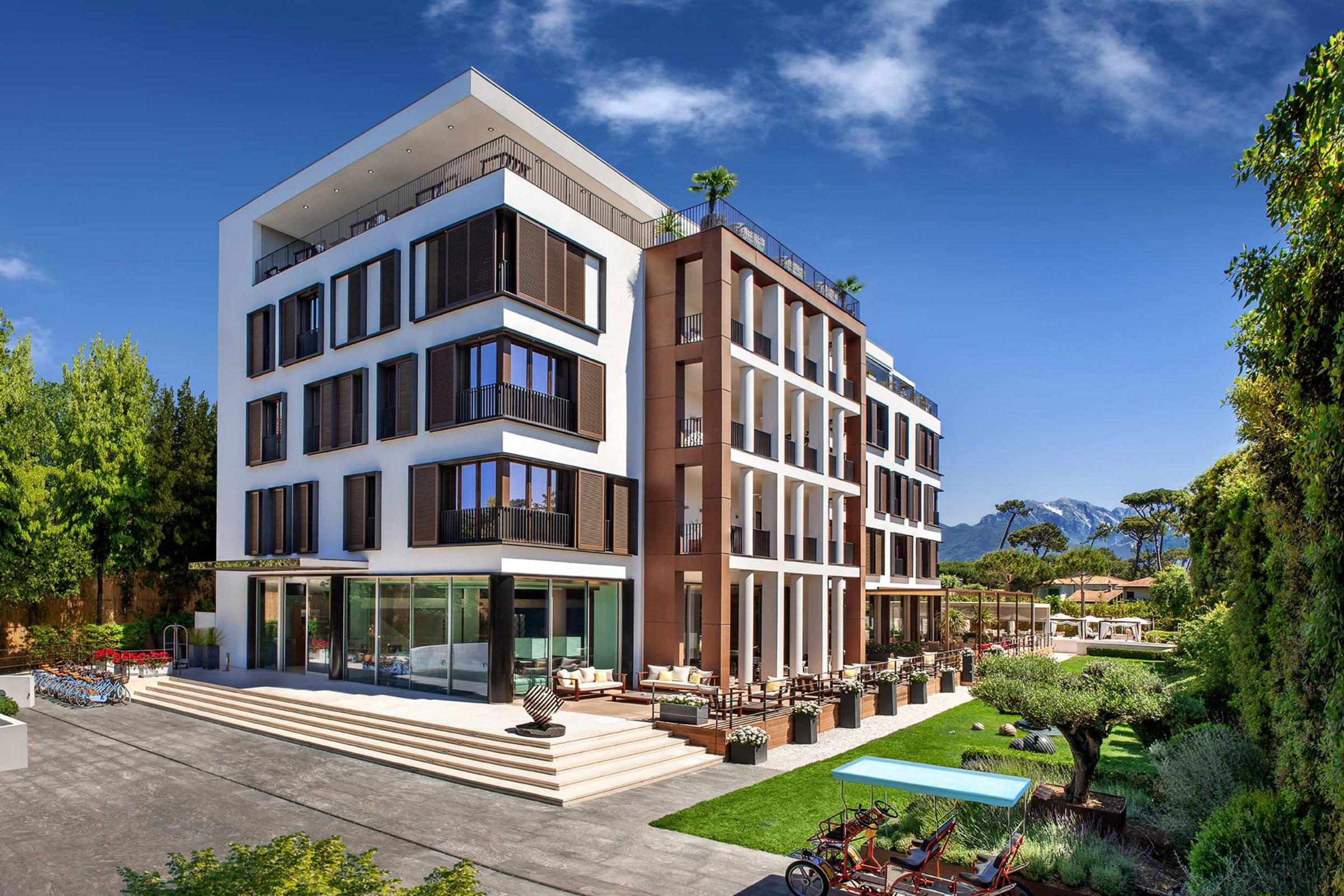
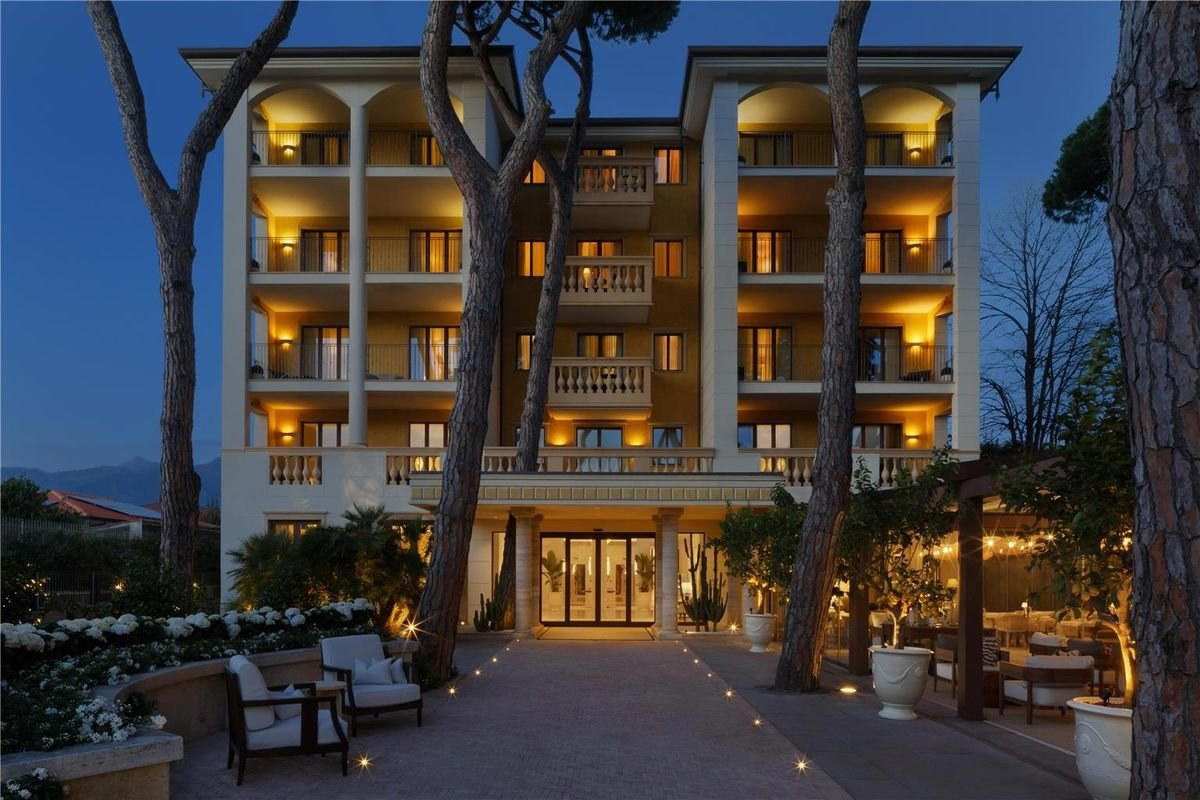
Forte dei Marmi's fine dining circuit operates at a particular register: a seaside town of low-rise villas and discreet wealth where the restaurant season concentrates between late spring and early autumn, and where the quality ceiling has risen steadily over the past decade. The town now holds several tables in the leading price tier, among them Bistrot, La Magnolia, and Lorenzo, each with its own approach to the Versilian coast's combination of seafood abundance and Tuscan terroir. Lux Lucis, positioned within the Principe Forte dei Marmi hotel on Viale A. Morin, enters that conversation from a specific angle: a hotel-restaurant that has earned independent credibility through a Michelin star and consecutive appearances on La Liste's global rankings.
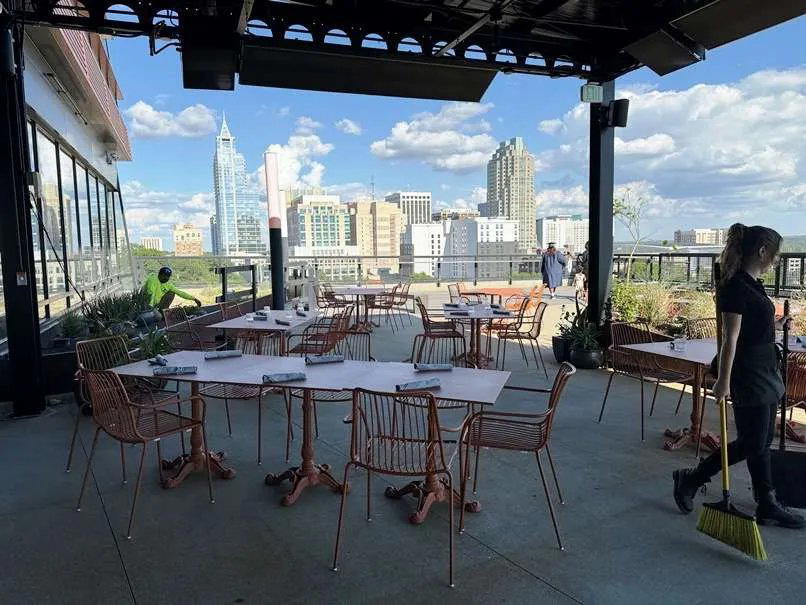
The sequencing of the evening is part of the proposition. A lift carries guests to the roof garden, where a terrace serves as the aperitif stage. The Versilian coastline stretches out below, and on clear evenings the light retreating over the Apuan Alps to the east provides a backdrop that sets a deliberately unhurried tempo before the meal begins. From there, guests move down into the dining room, which is preceded by an open-view kitchen, a layout that makes the cooking itself part of the atmosphere rather than something happening behind closed doors.
Where the Kitchen Comes From: Emilia Meets the Tyrrhenian
Italian cuisine at its most interesting often involves productive tension between regional traditions. Chef Valentino Cassanelli, who trained in the hills around Modena, brings an Emilian sensibility to a coastal context, a combination that does not resolve into a simple fusion concept but instead creates a menu where the precision and richness associated with Emilia-Romagna's kitchen sit alongside the lighter, marine-forward ingredients that the Versilian coast supplies naturally. Osteria Francescana in Modena represents the apex of that Emilian creative tradition; Cassanelli's work at Lux Lucis is a different expression of the same northern Italian intellectual rigour applied to a southern Tuscan context.
The open kitchen format supports this reading: the cooking here is meant to be seen as craft, not spectacle. Presentation, according to the available record, is precise, and the Emilian touches appear in the structure of dishes rather than as obvious ingredient signposting. That restraint places Lux Lucis in a peer group that includes other creative Italian kitchens working at the intersection of regional identity and contemporary technique, tables such as Villa Crespi in Orta San Giulio, Torre del Saracino in Vico Equense, and Quattro Passi in Marina del Cantone, all of which hold Michelin recognition and work within the creative Italian idiom from geographically specific bases.
For a broader view of what ambitious Italian coastal cooking can look like at three-star level, Uliassi in Senigallia provides a useful reference point on the Adriatic side. The comparison underlines how differently the same coastal imperative can be interpreted depending on the chef's regional formation.
The Wine List as Editorial Statement
In Italian fine dining, the wine list is rarely a neutral document. At its most considered, it reflects the same regional intelligence as the kitchen, with pairings that amplify rather than merely accompany the food. Lux Lucis takes an unusual structural approach: wines are listed by grape variety rather than by region or appellation, and each entry is accompanied by a descriptive note. That format is a deliberate departure from the conventional Italian fine dining list, which typically organises itself around the geography of DOCG and DOC hierarchies.
The practical effect is that the list becomes a reference tool for guests without deep cellar knowledge, opening up pairing conversations that might not happen at a table where the list reads as a prestige catalogue. In a region where Vermentino, Vernaccia, and the Sangiovese-based reds of Tuscany are the natural frame of reference, a grape-led list also makes the logic of local pairing more transparent. For context on what a collector-grade Italian list looks like at the opposite extreme of the spectrum, Enoteca Pinchiorri in Florence holds the storied cellar in Italy; the contrast in curatorial philosophy is instructive.
The relationship between food and wine at the restaurant is, in this sense, genuinely editorial. The list's organisation implies a point of view about how wine should be encountered: not as a hierarchy to be decoded but as a companion to the kitchen's regional dialogue. That stance aligns with a broader shift in Italian fine dining away from the old model of the sommelier as authority figure and toward a more collaborative format, one that Enrico Bartolini in Milan and Dal Pescatore in Runate approach from their own distinct angles.
Recognition and Where It Places the Restaurant
The restaurant holds a Michelin star awarded in 2024 and has maintained a presence on La Liste's global ranking across multiple consecutive years, scoring 84.5 points in 2025 and 83 points in 2026. The 2025 figure placed it at number 587 among Opinionated About Dining's leading restaurants in Europe, and the restaurant also received an OAD recommendation in the Leading New Restaurants in Europe category in 2023. Together these signals establish the restaurant not as a restaurant coasting on resort location but as a kitchen that has attracted sustained attention from multiple independent assessment frameworks.
Within Forte dei Marmi specifically, this positions the restaurant alongside Sciabola and the other €€€€-tier tables as part of a local fine dining scene that punches above what a town of this size would typically sustain. The seasonal concentration of the clientele, summer visitors with sophisticated expectations, has historically driven quality upward in towns along this stretch of the Tuscan coast, and the restaurant benefits from, and contributes to, that dynamic.
For Italian creative cooking operating at a comparable level of ambition in an Alpine setting, Atelier Moessmer Norbert Niederkofler in Brunico offers an instructive point of contrast: geographically remote, radically regional, and equally serious about the relationship between place and plate.
Planning a Visit
The restaurant operates on a focused weekly schedule: dinner service runs Thursday through Monday, with the kitchen opening at 7:30 PM and closing at 10 PM. Tuesday and Wednesday are closed. The restricted schedule is consistent with a kitchen working at the level of precision that a Michelin-starred menu requires, and it means advance booking is advisable, particularly during the summer months when Forte dei Marmi reaches peak occupancy. The restaurant is located within the Principe Forte dei Marmi hotel at Viale A. Morin 67, easily reachable from the town centre on foot. Guests arriving for dinner should allow time for the rooftop aperitif sequence, which is integral to the evening's structure and not merely a preamble. The price point is at the summit of the local range, consistent with the €€€€ tier shared by the other serious tables in town.
For a full picture of the town's dining options at all price points, the EP Club Forte dei Marmi restaurants guide covers the broader scene. Those building a longer stay around the area can also consult the Forte dei Marmi hotels guide, the bars guide, the wineries guide, and the experiences guide for a more complete itinerary.
A Tight Comparison
Comparable venues nearby, for context on price, style, and recognition.
| Venue | Cuisine | Price | Notes |
|---|---|---|---|
| Lux LucisThis venue — the venue you are viewing | Modern Italian, Creative | $$$$ | Not listed |
| Lorenzo | Forte dei Marmi, Classic Italian Seafood | $$$$ | Not listed |
| La Magnolia | Not listed | $$$$ | Forte dei Marmi, Modern Italian Fine Dining |
| Bistrot | Not listed | $$$$ | Forte dei Marmi, Modern Italian Seafood Bistro |
| Sciabola | Not listed | $$$$ | Forte dei Marmi, Modern Mediterranean Seafood Fine Dining |
| La Sala dei Grapoli | Not listed | $$$$ | Poggio alle Mura, Modern Tuscan Fine Dining with Puglian Accents |
Recognition history
Dated appearances from independent guides and award organizations, with the underlying list record or original source where available.
La Liste Top Restaurants
La Liste
Michelin 1 Star
Michelin
Opinionated About Dining Top Restaurants in Europe Recommended
Opinionated About Dining
La Liste Top Restaurants
La Liste
Michelin 1 Star
Michelin
Opinionated About Dining Top Restaurants in Europe Ranked #587
Opinionated About Dining
The Best Chef One Knife
The Best Chef
Michelin 1 Star
Michelin
Opinionated About Dining Top New Restaurants in Europe Recommended
Opinionated About Dining
Continue exploring
More in Forte dei Marmi
Restaurants in Forte dei Marmi
Browse all →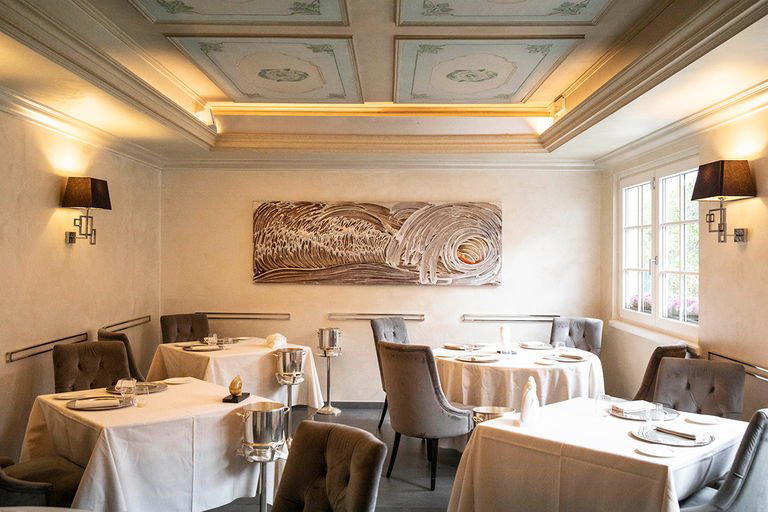
Bars in Forte dei Marmi
Browse all →
Hotels in Forte dei Marmi
Browse all →

At a Glance
- Elegant
- Sophisticated
- Modern
- Intimate
- Date Night
- Special Occasion
- Rooftop
- Open Kitchen
- Panoramic View
- Hotel Restaurant
- Extensive Wine List
- Sommelier Led
- Local Sourcing
- Mountain
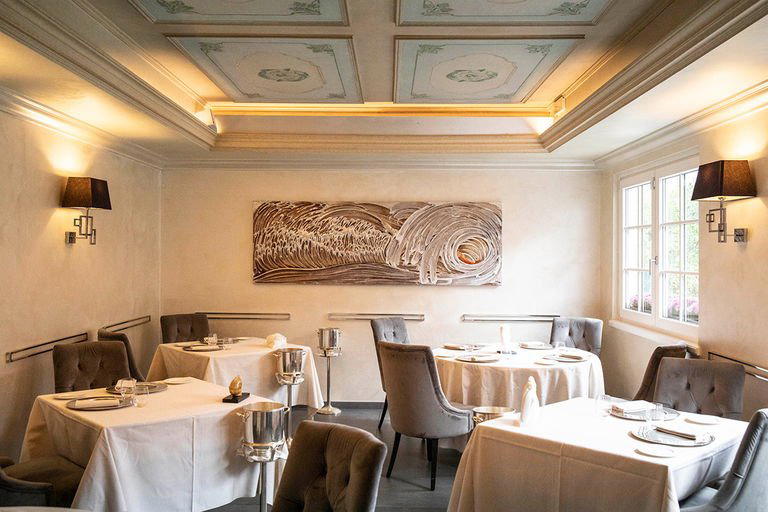
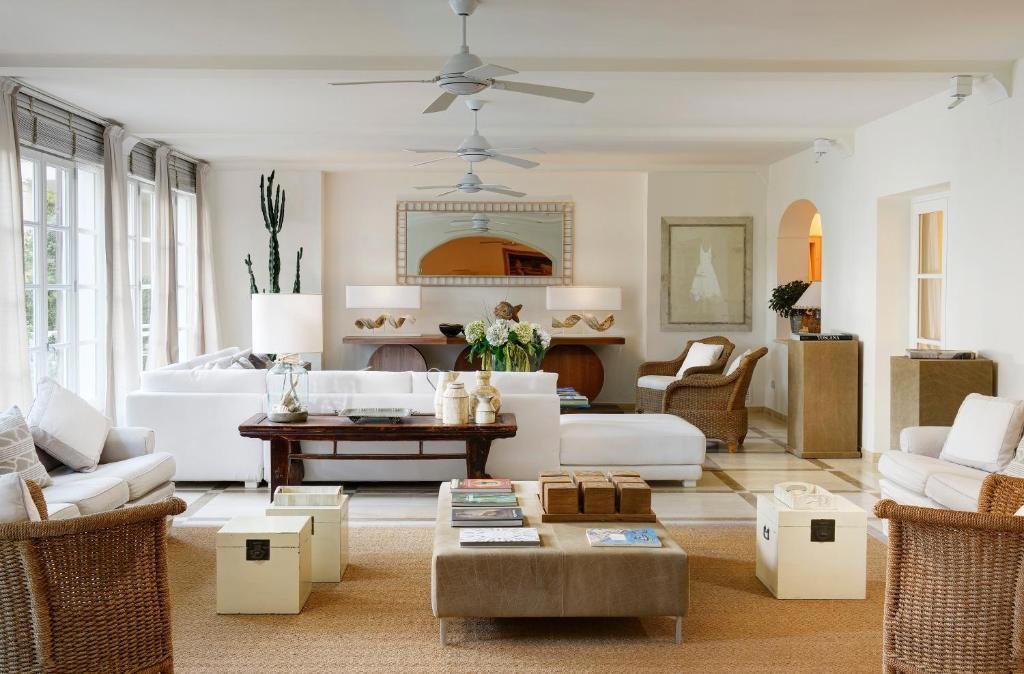
Aureated evening light through floor-to-ceiling glass windows, open kitchen, marble sculptures, and elegant table designs creating a sophisticated and scenic atmosphere.