Il Biergarten sits in Ronchis, a small comune in the Friuli Venezia Giulia lowlands where the culinary identity is shaped by proximity to both the Adriatic coast and the agricultural plain of the Tagliamento valley. The venue takes its name from the Central European beer garden tradition, reflecting the region's layered Austro-Hungarian heritage. For visitors exploring northeastern Italy's quieter dining scene, it represents the kind of local anchor worth seeking out beyond the province's better-known restaurants.
Pearl is the En Primeur Club membership app — saves, bookings, and concierge access live there. Same editors, same standards.
- Address
- Via della Levata, 4, 33050 Fraforeano UD, Italy
- Phone
- +39431567210
- Website
- ilbiergarten.com
- Directions
- Get directions
 Saves & bookings on Pearl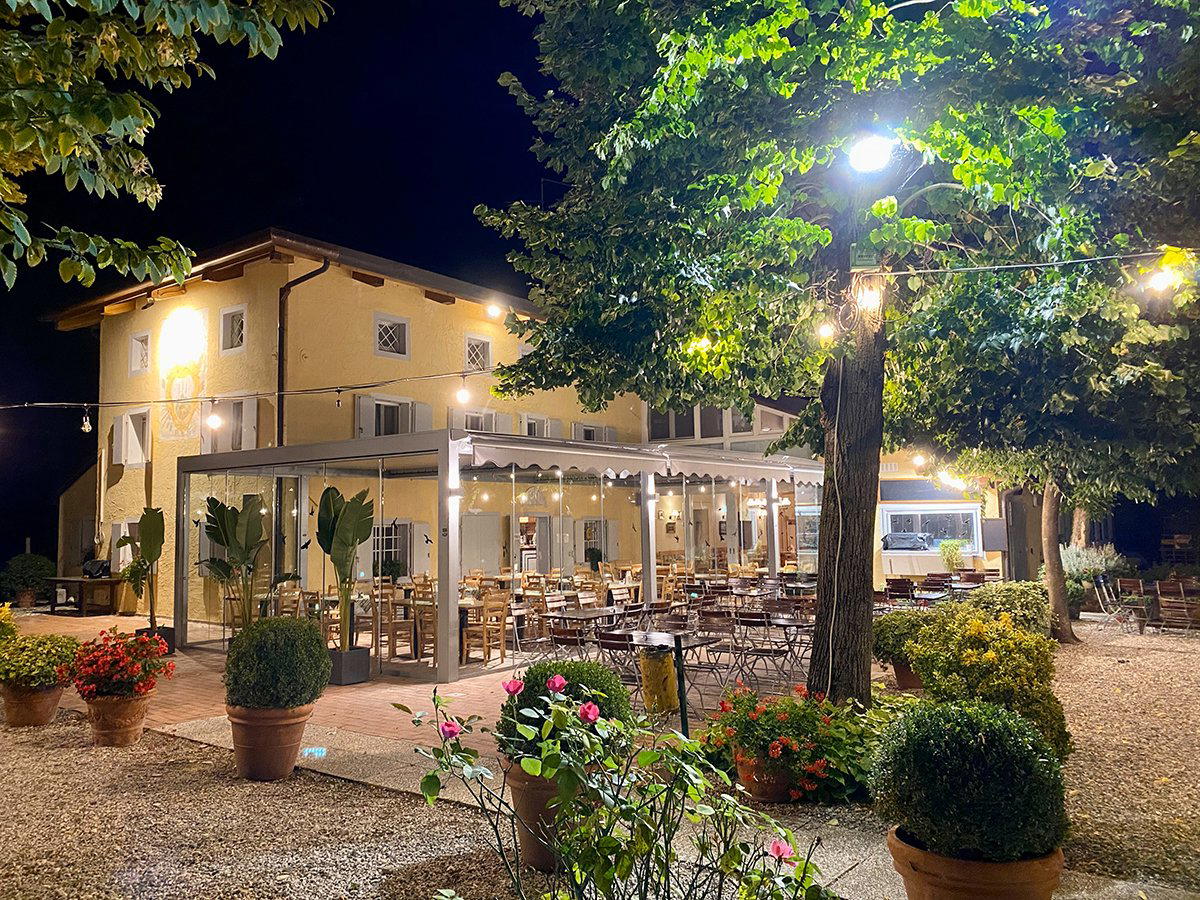
Where the Friulian Plain Meets the Beer Garden Tradition
The flatlands south of Udine operate under a different culinary logic than the mountain villages or the Adriatic coast that bracket them. Here, in the Tagliamento lowlands, the cooking has historically drawn from what the agricultural plain produces: grain, cured pork, river fish, and the soft cheeses that define inland Friuli. Ronchis sits within this zone, a comune that registers as a footnote in most regional guides but sits in a food-producing corridor that has long supplied the more celebrated tables of Friuli Venezia Giulia. Il Biergarten, on Via della Levata in the fraction of Fraforeano, plants itself squarely in this context.
The name signals something that the region's history explains rather than contradicts. Friuli Venezia Giulia spent centuries under Habsburg rule, and the traces of that administration remain legible in the food culture: the preference for pork preparations that mirror Austrian Wurst traditions, the appetite for lager-style beer alongside wine, and a certain directness in how food is served. A biergarten in this part of Italy is not an affectation. It is an acknowledgment of where the region sits geographically and historically, positioned between the Veneto to the west, Slovenia to the east, and Austria to the north. For a broader map of where Il Biergarten sits within the wider Italian fine dining conversation, see our full Ronchis restaurants guide.
Ingredient Geography: What the Friulian Lowlands Produce
Sourcing logic that defines dining in this part of Italy is worth understanding before you arrive. The Tagliamento plain is one of the most productive agricultural zones in northeastern Italy, and the kitchens that take it seriously work with a seasonal rhythm dictated by the plain's output. Spring brings asparagus from San Giorgio di Nogaro and the surrounding communes. Autumn means the arrival of pumpkin, polenta-grade maize, and the cured meats that Friulian producers have been refining since before the region was formally Italian. The frico, the region's signature dish of fried cheese and potato, depends entirely on Montasio, a DOP-protected cheese produced in the Carnic Alps foothills just north of here.
Beer garden format, when it operates with regional integrity, functions as a natural delivery mechanism for exactly this kind of ingredient-forward cooking. Dishes are designed to accompany beer and to be shared, which pushes the kitchen toward preparations that let raw material quality speak directly: grilled meats, preserved vegetables, bread-based starters, and the kind of cured pork that Friuli produces with more regional variation than most Italian guides acknowledge. San Daniele del Friuli, the province's most decorated prosciutto producer, sits less than 50 kilometres north of Ronchis, and its product defines a quality benchmark that local establishments across the province measure themselves against.
This sourcing context is what separates the better establishments in the Friulian lowlands from those operating as mere convenience stops. The region's geography, compressed between mountains, coast, and the Slovenian border, creates unusual density in terms of what can be sourced locally. A kitchen in Ronchis can draw simultaneously from Carnic mountain producers, Adriatic fish markets at Marano Lagunare (under 20 kilometres south), and the plain's own agricultural output. That is a sourcing radius that more celebrated Italian regions would envy.
Where Il Biergarten Sits in the Northeastern Italy Dining Picture
Friuli Venezia Giulia has not historically attracted the same critical attention as Piedmont or Emilia-Romagna, but its restaurant scene has been producing serious cooking for decades. The reference points at the top end of the Italian fine dining tier are concentrated elsewhere: Osteria Francescana in Modena, Dal Pescatore in Runate, and Enoteca Pinchiorri in Florence operate in a different register entirely, built around tasting menus and extensive cellar programs. At the opposite end of the format spectrum, beer garden dining in Friuli occupies a resolutely everyday tier, where the editorial interest lies not in awards or chef pedigree but in whether the kitchen is treating local ingredients with the attention they deserve.
For context, Italy's most decorated contemporary restaurants share one characteristic despite their format differences: a commitment to sourcing that is geographically legible. Piazza Duomo in Alba built its identity around Piedmontese ingredient culture. Uliassi in Senigallia works from the Adriatic. Reale in Castel di Sangro draws from the Abruzzo interior. The principle scales down to the casual tier: a biergarten in the Friulian lowlands that sources from the Tagliamento plain, the Carnic foothills, and the Marano lagoon is following the same logic, just without the tasting menu architecture. That coherence of place and plate is what rewards attention at every price point in Italian dining.
Other significant Italian tables worth knowing in relation to the broader regional scene include Le Calandre in Rubano, Casa Perbellini 12 Apostoli in Verona, Da Vittorio in Brusaporto, Villa Crespi in Orta San Giulio, Quattro Passi in Marina del Cantone, Gambero Rosso in Marina di Gioiosa Ionica, Enrico Bartolini in Milan, Atelier Moessmer Norbert Niederkofler in Brunico, and La Pergola in Rome. For international reference points operating in very different formats, Le Bernardin in New York City and Atomix in New York City represent the tasting-counter approach at its most disciplined.
Planning Your Visit
Ronchis is most practically reached by car from Udine, roughly 20 kilometres to the northeast. The A4 motorway connects the area to both Trieste in the east and Venice to the west, making Fraforeano accessible as a stop within a broader Friuli itinerary rather than a standalone destination. The venue's address on Via della Levata places it in the Fraforeano fraction, a quieter residential zone that requires navigation beyond the main through-roads. Visiting during the summer months aligns with the outdoor beer garden format, when the Friulian climate allows extended evening dining. Autumn visits coincide with the region's harvest season, when the produce from the Tagliamento plain is at its most concentrated and local menus reflect that directly.
How Il Biergarten Ronchis compares with similar nearby venues.
| Venue | Cuisine | Price |
|---|---|---|
| Al Cjasal | Country cooking | €€ |
| Al Paradiso | Regional Cuisine | €€ |
Continue exploring
More in Ronchis
Restaurants in Ronchis
Browse all →
Bars in Ronchis
Browse all →
Hotels in Ronchis
Browse all →
At a Glance
- Rustic
- Cozy
- Scenic
- Group Dining
- Casual Hangout
- Family
- Garden
- Terrace
- Beer Program
- Garden
Current opening hours
- Monday
- Closed
- Tuesday
- Closed
- Wednesday
- Closed
- Thursday
- 12–2:30 PM, 7–10:30 PM
- Friday
- 12–2:30 PM, 7–10:30 PM
- Saturday
- 12–2:30 PM, 7–10:30 PM
- Sunday
- 12–2:30 PM, 7–10:30 PM
Hours can change for holidays and private events. Last verified .
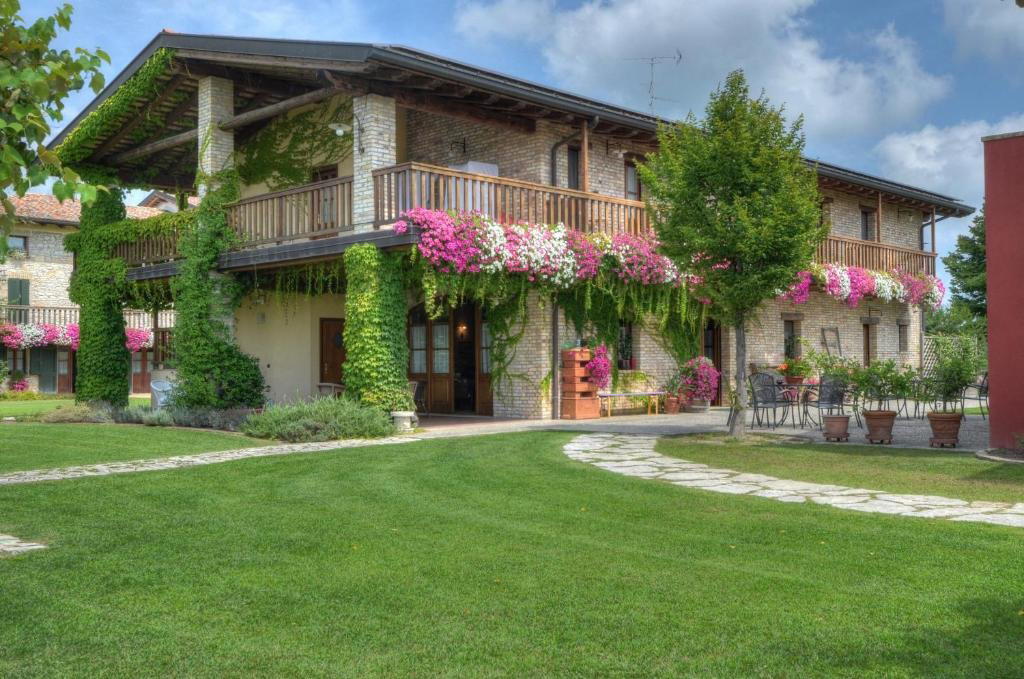
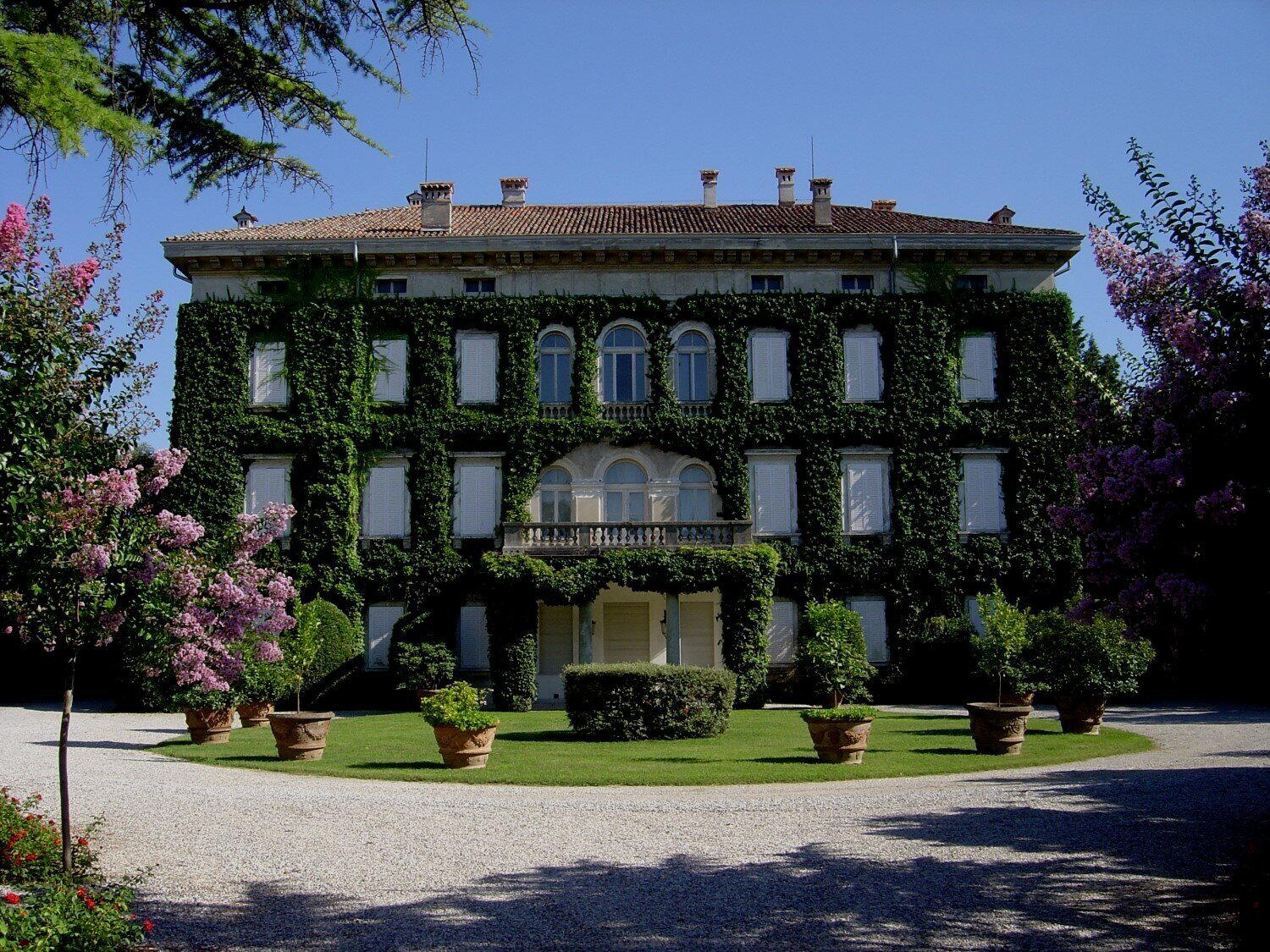
Casual and lively Bavarian-style atmosphere with outdoor garden dining in warm weather, surrounded by greenery.