Our verdict
A Tyrolean Weinstube on Brixen's medieval arcade street, Traubenwirt occupies the kind of room that makes the food feel like an extension of place rather than a menu imposed upon it. The wine-forward format and regional anchoring position it in a different register from Brixen's more ambitious dining rooms, closer to the Austrian Beisl tradition than Italian trattoria, and more serious about its cellar than either label suggests.

Pearl is the En Primeur Club membership app, where members save venues, book tables and use the concierge.

Where the Arcade Ends and the Wine Begins
Brixen's old town moves at a particular pace. The medieval arcades of Via Portici Minori, the street from which Traubenwirt operates, were built to shelter merchants and pilgrims from alpine weather, and they still do, creating a compressed, covered world that feels half-Austrian, half-Italian in the way that only the South Tyrol can manage. Restaurants that open onto these colonnaded lanes inherit that character whether they intend to or not. The physical envelope sets the register before a single dish arrives.
Traubenwirt reads, from the outside, like a Weinstube in the older central European sense: a house that takes wine as its organisational principle and builds the kitchen around what pairs with it, rather than the reverse. That structure is worth understanding before arrival, because it shapes everything from how the menu reads to how long an evening reasonably takes. In the South Tyrol, this format has deep roots, the region sits at the junction of Germanic wine-tavern culture and northern Italian osteria tradition, and the most characterful rooms here have always belonged to neither category entirely.
Menu Architecture: Wine as the Structural Argument
In a Weinstube format, the menu is typically not the main event in the way it would be at a destination restaurant like Apostelstube or, further up the ambition scale, Atelier Moessmer Norbert Niederkofler in Brunico. Instead, the kitchen functions as a complement to the cellar, and the menu's architecture reflects that hierarchy. Dishes tend to be regionally anchored, cured meats, aged cheeses, preparations that carry their own fermented or preserved character, because these are the foods that have historically made sense alongside Alto Adige whites and Lagrein reds.
The South Tyrol wine culture that surrounds Traubenwirt is one of the more concentrated in Italy. Alto Adige produces Gewürztraminer, Pinot Bianco, and Pinot Grigio at altitude, where diurnal temperature swings preserve acidity and aromatic precision in ways that flatland versions of the same grapes rarely match. A wine-led room in Brixen has access to some of the most interesting material in northern Italy by simple geography. How a venue chooses to present that material, by the glass, by the carafe, through a list that favors local producers or pulls in neighbouring Austrian bottles, tells you as much about its identity as the food does.
Against that backdrop, a menu structured to serve wine rather than the reverse is a coherent editorial position, not a limitation. Alpenrose works the regional cuisine register more explicitly at a lower price point; Brix 0.1 and Agorà21 occupy different positions on the modernist-to-casual spectrum. Traubenwirt's interest lies in the Weinstube tradition that predates all of them in this region.
The South Tyrolean Dining Context
Brixen is a small cathedral city of around 22,000 residents, but its dining scene punches above that scale because it sits at the intersection of German-speaking alpine culture and Italian food infrastructure. Tourists moving between the Dolomites and the Brenner Pass have sustained a hospitality culture here for centuries, and the restaurants that have lasted are generally those that understood the local idiom rather than imported one from elsewhere.
The South Tyrolean Weinstube tradition specifically draws from the wine-tavern model that Austrian and German wine regions developed over several centuries, a format in which the producer or merchant was also the host, and in which food existed to extend the visit and showcase the wine. When this tradition arrived in the South Tyrol, it merged with the Italian osteria habit of putting regional produce at the centre of the table. The result, at its finest, is a room that feels both purposeful and unforced, where the decision not to chase Michelin recognition reads as a curatorial choice rather than an absence of ambition.
For context on where more ambitious kitchens in the region and across Italy are operating, the frame of reference runs from places like Le Calandre in Rubano and Osteria Francescana in Modena at the high end, through mid-tier regional anchors, down to the tavern-format rooms like Traubenwirt where the wine list and the food are in equal conversation. Neither end of that range is superior; they answer different questions. The question Traubenwirt answers is: what does a well-chosen bottle taste like in the room that produced the tradition?
Placing Traubenwirt in Brixen's Current Dining Map
Brixen's dining options cluster into roughly three registers. The top tier includes rooms with creative ambitions and prices to match, represented locally by Apostelstube and referenced regionally by destination addresses like Atelier Moessmer in Brunico. The middle tier covers solid regional cooking with accessible pricing, where Alpenrose and Burgerhof both operate. Below that sits the tavern and wine-bar register, where format discipline and cellar quality matter more than kitchen ambition.
Traubenwirt belongs to the third tier not as a compromise but as a category. The same genre distinction applies in other Italian wine regions: an enoteca in Florence like Enoteca Pinchiorri evolved from wine shop to three-star restaurant over decades, while most wine-led rooms stayed closer to their origins. The ones that did tend to develop a loyalty among regulars who return for the cellar rather than the kitchen, and who treat the food as the supporting structure it was always meant to be.
For visitors assembling a longer Brixen itinerary, Traubenwirt makes sense as an early-evening proposition, a stop calibrated to the wine-first format rather than a set-piece dinner. Those seeking the full range of what Italian fine dining at altitude looks like across northern and central Italy can cross-reference Piazza Duomo in Alba, Uliassi in Senigallia, or Reale in Castel di Sangro for destinations where the kitchen, not the cellar, carries the editorial weight.
Planning a Visit
Traubenwirt sits at Via Portici Minori, 9, in the heart of Brixen's old town, accessible on foot from the cathedral square in under five minutes. The arcade location means the approach is covered and navigable year-round, which matters in a city where winter evenings drop sharply. Given the tavern format and the wine-forward positioning, the room suits spontaneous visits more than elaborate pre-planning, though it is worth arriving with some knowledge of South Tyrolean wine categories to get the most from whatever is on offer. See the full Brixen restaurants guide for the broader dining picture.
Frequently asked questions
Where do I go for Traubenwirt?
Traubenwirt is located at Via Portici Minori, 9, 39042 Bressanone BZ, Italy, Brixen.
Is Traubenwirt a good option for exploring Alto Adige wines by the glass in Brixen?
The Weinstube format that Traubenwirt follows is specifically built around wine-by-the-glass service alongside smaller plates, making it one of the more practical entry points into Alto Adige's wine range within Brixen's old town. The address at Via Portici Minori, 9 places it directly in the medieval arcade quarter, where the setting reinforces a regional drinking culture that has run through South Tyrolean towns for centuries. For anyone working through the distinction between local Vernatsch, Lagrein, and the area's white varieties, a Weinstube is the right format.
What's the best thing to order at Traubenwirt?
Traubenwirt operates in the Weinstube format, where the wine list structures the experience rather than a single signature dish. The practical approach here is to let the South Tyrolean wine selection drive the meal, the cuisine tradition in Brixen draws on both German-speaking Alpine and northern Italian cooking, so expect combinations like cured meats, speck, and regional cheese alongside whatever is on the plate. Ask the staff what is pouring well that evening and order around that.
How hard is it to get a table at Traubenwirt?
Traubenwirt sits at Via Portici Minori, 9, in Brixen's compact old town, a city of around 22,000 people where dining rooms are small and the visitor footfall concentrates in a tight medieval centre. Contacting the venue directly before arrival is the sensible step.
What's the defining dish or idea at Traubenwirt?
The defining idea is the Weinstube itself as a format: wine is the structural argument of the meal, not an accompaniment. Traubenwirt occupies the middle register of Brixen's dining scene, between destination creative kitchens and casual taverns, and within that space the South Tyrolean wine tradition, Alto Adige produces Vernatsch, Lagrein, and Gewürztraminer within the same valley system, is the primary reason to sit down.
Standing Among Peers
Comparable venues nearby, for context on price, style, and recognition.
| Venue | Cuisine | Price | Notes |
|---|---|---|---|
| TraubenwirtThis venue (the venue you are viewing) | Tyrolean with Mediterranean influences | $20–30 | Not listed |
| Agorà21 | Neapolitan Pizza & Southern Italian | $20–30 | Bressanone Center |
| Huberhof | South Tyrolean Italian Buschenschank | Not listed | Brixen |
| Wirt an der Mahr | Traditional South Tyrolean with Italian and German influences | $30–50 | La Mara |
| Forestis Dolomites | Forest Cuisine | Not listed | Bressanone |
| Villscheiderhof | Traditional South Tyrolean | Not listed | Fraktion Untereben |
Continue exploring
More in Brixen
Restaurants in Brixen
All restaurants in Brixen →
Bars in Brixen
Browse all →


Details
- Rustic
- Cozy
- Classic
- Family
- Casual Hangout
- Historic Building
- Terrace
- Local Sourcing
- A La Carte
- Vegetarian Friendly
- Vegan Options
- Gluten Free Options
Current opening hours
- Monday
- 11:30 AM–2:30 PM, 6–10 PM
- Tuesday
- 11:30 AM–2:30 PM, 6–10 PM
- Wednesday
- 11:30 AM–2:30 PM, 6–10 PM
- Thursday
- 11:30 AM–2:30 PM, 6–10 PM
- Friday
- 11:30 AM–2:30 PM, 6–10 PM
- Saturday
- 11:30 AM–2:30 PM, 6–10 PM
- Sunday
- 11:30 AM–2:30 PM, 6–10 PM
Hours can change for holidays and private events. Hours as of .
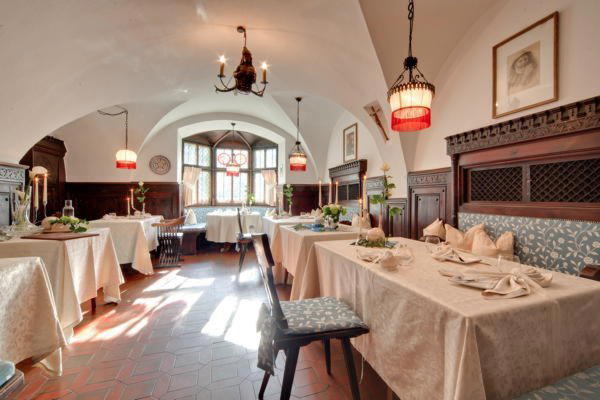
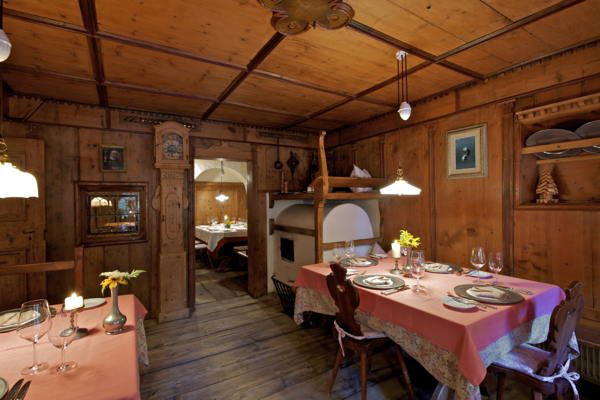
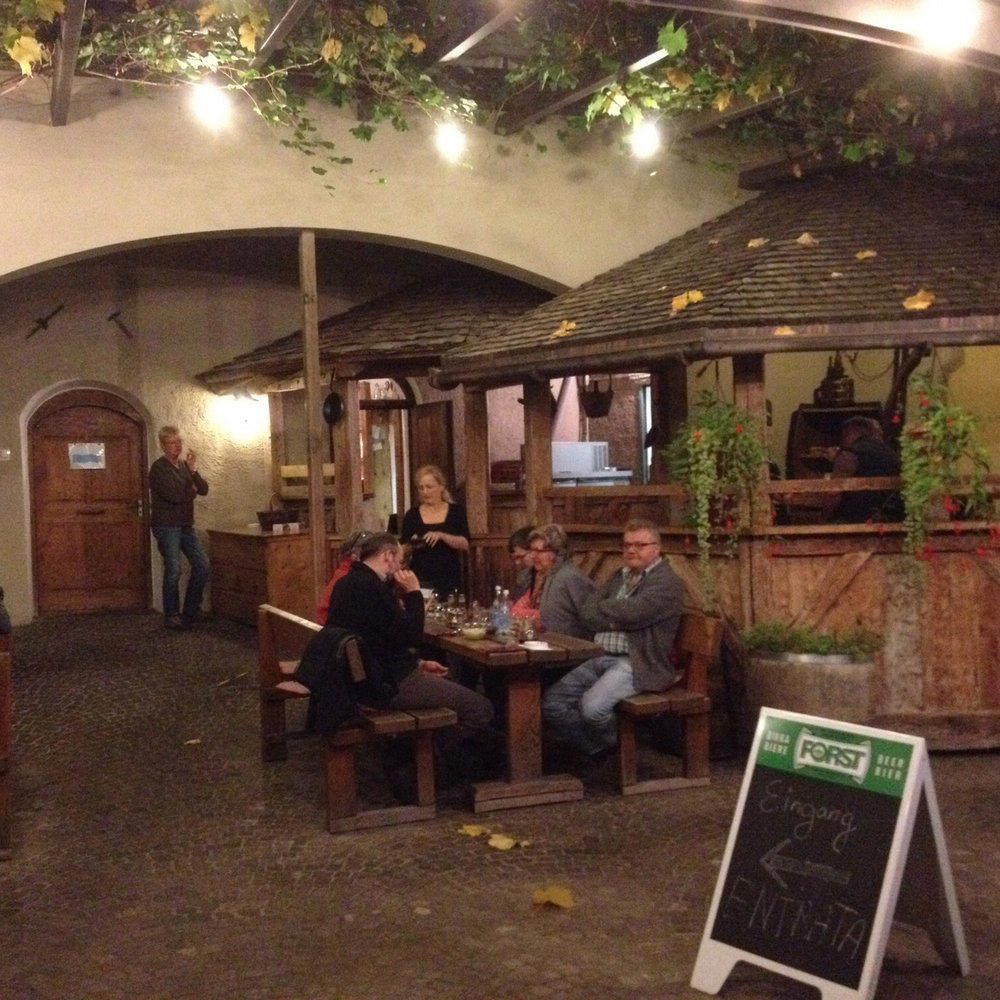
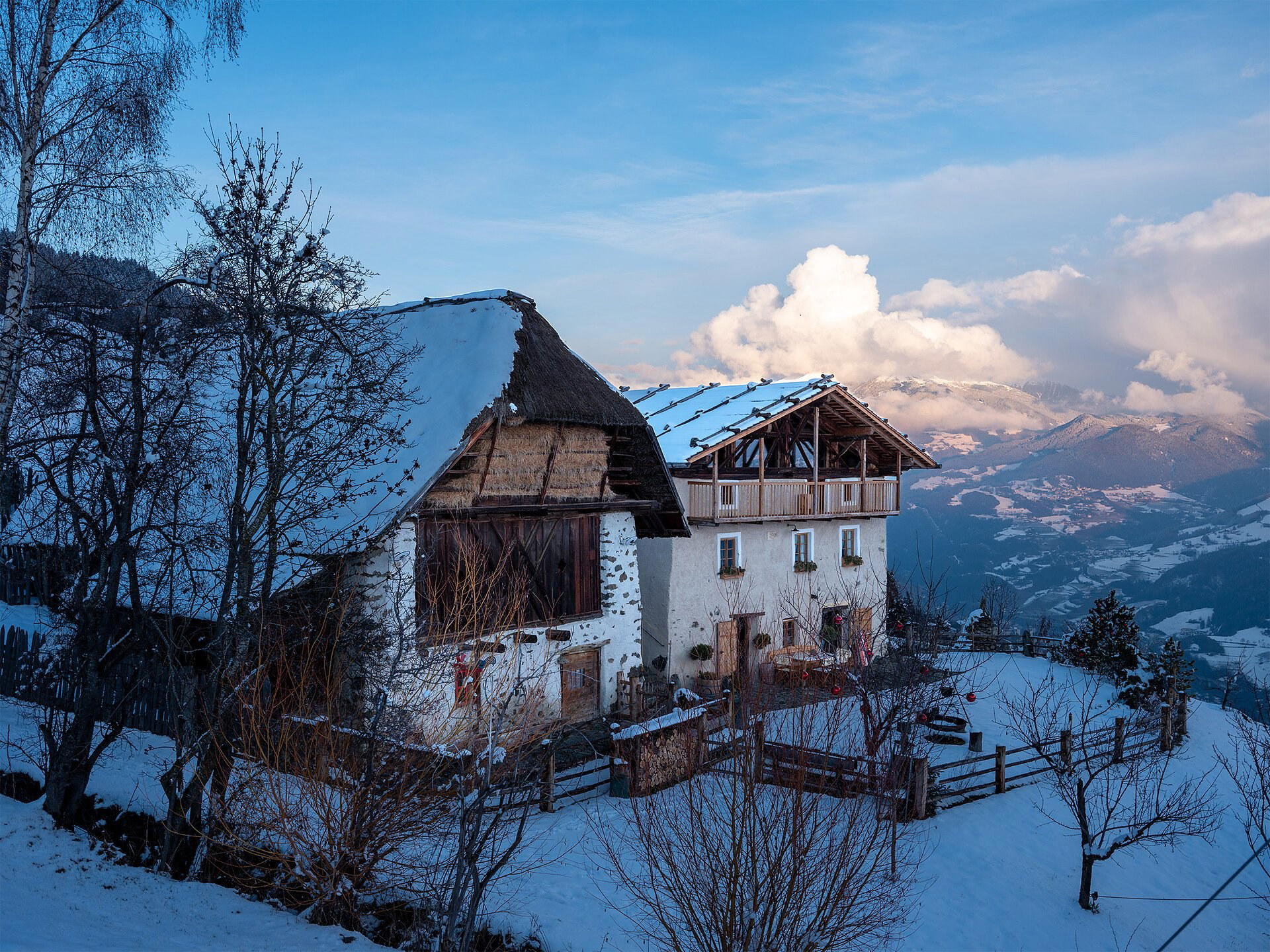
Cozy rustic atmosphere with wooden beams and columns in a 100-year-old family home, featuring a beautiful patio.