La Torre

Michelin Bib Gourmand
Our verdict
A Michelin Plate recipient in the Friulian town of Spilimbergo, La Torre serves honest, ingredient-led regional cooking at mid-range prices. The kitchen draws on Campanian tradition, with dishes like Capri-style ravioli and aubergine parmigiana anchoring a menu that rewards those who seek out authentic home-style cooking well beyond the tourist trail.

Pearl is the En Primeur Club membership app, where members save venues, book tables and use the concierge.
The menu
What to order
- Cod in three consistencies
- Foie gras
- Roe deer with blueberries
- Orzotto with muset
Where the Castello Quarter Sets the Table
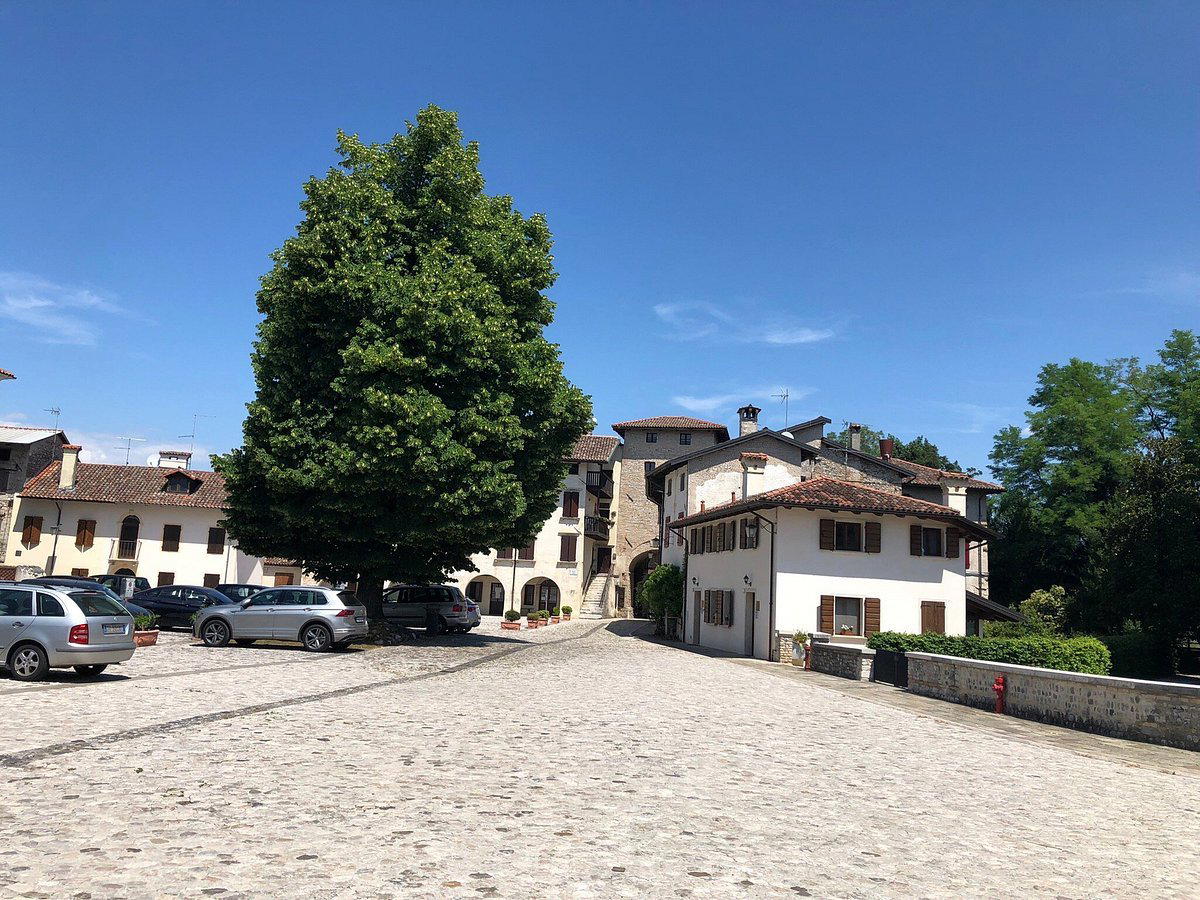
The approach to La Torre tells you something before you've eaten a bite. Piazza Castello, the medieval square at the upper end of Spilimbergo's historic centre, is the kind of address that signals a kitchen rooted in place rather than in trend. The town itself sits in the Friuli Venezia Giulia region of northeastern Italy, where the culinary grammar is shaped by proximity to the Alps, the Adriatic, and the porous cultural borders with Slovenia and Austria. Restaurants here tend to reflect that local specificity rather than chase broader Italian fashions. La Torre, positioned on the square at number 8, belongs firmly to that local register.
Before sitting down, the walk to the nearby viewpoint looking out towards Capri is worth the few minutes it takes. That small act of orientation matters: it frames what follows at the table, where the cooking draws explicitly from Campanian tradition rather than the Friulian repertoire that dominates the surrounding area. That juxtaposition, southern Italian food in a northern Italian medieval square, is the central editorial fact of La Torre, and it is handled with enough confidence that it reads as conviction rather than incongruity.
The Campanian Kitchen, Transported North
Regional Italian cooking has always moved across the peninsula through migration, family lineage, and the quiet persistence of home cooks who carry recipes rather than passports. The Campanian tradition that informs La Torre's menu represents exactly that kind of culinary transfer: dishes rooted in the volcanic soils, coastal markets, and domestic kitchens of the Naples region, reproduced in a format that the Michelin Guide's 2025 edition has recognised with a Plate distinction.
That recognition matters as a calibration point. A Michelin Plate signals cooking of good quality without the theatrical architecture of multi-course tasting menus or the price premium that characterises the starred tier. Across Italy, venues like Osteria Francescana in Modena, Le Calandre in Rubano, or Dal Pescatore in Runate occupy the top tier of Italian fine dining at €€€€ price points. La Torre operates at the opposite end of that spectrum: the €€ pricing places it in the honest trattoria category, where cooking quality is judged on authenticity and execution rather than innovation or production values.
For Campanian cuisine specifically, ingredient sourcing is the argument. The aubergines that form the backbone of a parmigiana, the potatoes behind a well-made gâteau, the pasta dough for a proper plate of ravioli: none of these dishes benefit from technical complexity. They require produce in good condition and technique applied with consistency. The Campanian kitchen is largely intolerant of shortcuts, and a parmigiana that tastes right is one built from aubergines with enough density and moisture content to survive the frying and layering process intact. Whether the sourcing at La Torre reaches into Campanian supply lines or works from local Friulian equivalents, the standard the cuisine sets is demanding precisely because it is unadorned.
Reading the Menu as a Sourcing Document
The dishes Michelin's inspectors flagged as representative give a clear picture of the kitchen's priorities. Capri-style ravioli, listed as one of the most popular items, is a filled pasta format associated closely with the island of Capri itself: the filling typically involves a caciotta or similar fresh cheese, marjoram, and lemon zest, bound lightly and sealed in a thin egg pasta. The dish has almost no fat to hide behind. Its quality depends entirely on the freshness and balance of the filling ingredients and the consistency of the pasta dough.
The aubergine parmigiana, which the awards data specifically recommends, sits in a similar position. It is a dish with no neutral version: it is either built from aubergines that have been properly salted, dried, and fried in oil at the correct temperature, or it is not worth ordering. The potato gâteau, a baked Neapolitan potato cake, generally enriched with egg, cheese, and sometimes cured meat, rounds out the picture of a kitchen working within a tight, coherent Campanian idiom.
Fish options appear among the main courses, which aligns with the southern Italian coastal tradition the menu references. The Tyrrhenian and Mediterranean coasts supply the fish cooking vocabulary of Campania, and a kitchen committed to that tradition will source and prepare accordingly.
For readers building a broader picture of where La Torre sits within Spilimbergo's dining offer, Osteria da Afro provides a local counterpoint. Our full Spilimbergo restaurants guide covers the town's options in full, and for those planning a longer stay, our Spilimbergo hotels guide and bars guide map the rest of the visit.
The Broader Regional Cooking Tier in Italy
La Torre's position as a Michelin Plate restaurant at the €€ level reflects a category that Italy does well and that often gets obscured by attention to the starred tier. Venues like Enoteca Pinchiorri in Florence, Enrico Bartolini in Milan, or Piazza Duomo in Alba represent a different ambition and a different price contract with the diner. The category La Torre operates in is less visible internationally but often more directly connected to the ingredients and cooking logic of a specific region.
Within that honest regional tier, comparisons with venues like Quattro Passi in Marina del Cantone, Uliassi in Senigallia, or Reale in Castel di Sangro illuminate how Italian restaurants at different price points have interpreted regional identity. La Torre's approach, Campanian cooking served with home-style directness in a northern Italian town, places it in a niche that is harder to replicate than a tasting menu format, precisely because it depends on accumulated domestic knowledge rather than culinary technique as performance.
Internationally, the category of place-rooted regional cooking at accessible prices maps onto venues like Fahr in Künten-Sulz and Gannerhof in Innervillgraten, both of which operate within a similar framework of ingredient specificity and regional fidelity. Atelier Moessmer Norbert Niederkofler in Brunico represents a more composed, starred expression of Alpine regional cooking at the leading price tier, useful as a reference point for understanding how much variation exists within the broad category of ingredient-led Italian and Alpine cooking.
Planning the Visit
The €€ price range makes it accessible for an unhurried lunch or dinner without advance planning for budget, though given the restaurant's standing and the modest size typical of Piazza Castello addresses, booking ahead is the sensible approach for anyone visiting specifically for the meal rather than on a passing stop. Spilimbergo is reachable from Udine, the regional capital, and sits along routes connecting the Friulian plains with the Carnic Alps. Those building a wine-focused itinerary in the region should consult our Spilimbergo wineries guide, and our experiences guide covers the town's broader cultural offer, including its internationally recognised mosaic school.
Frequently asked questions
What's the pricing like at La Torre?
Pricing at La Torre is listed as €€.
What kind of recognition has La Torre received?
La Torre has received recognition including: Before sitting down at this restaurant, why not take a short stroll to the nearby viewpoint looking out towards Capri – a perfect prelude to the excellent home-cooked and authentic Campanian cuisine that awaits here. In fact, Capri-style ra….
What's the must-try dish at La Torre?
Michelin's 2025 inspectors specifically recommended the aubergine parmigiana, which sits at the centre of the kitchen's Campanian approach. The Capri-style ravioli is listed as one of the most popular dishes on the menu and makes a strong case for the kitchen's regional fidelity. Both are grounded in southern Italian home-cooking tradition rather than creative reinterpretation.
Where is La Torre in Spilimbergo?
La Torre is located at Piazza Castello, 8, 33097 Spilimbergo PN, Italy, Spilimbergo.
Can I walk in to La Torre?
That level of repeat custom means walk-in availability can be limited, particularly at peak meal times. Booking ahead is the safer approach, especially given its Michelin Plate recognition in 2025.
What's the defining dish or idea at La Torre?
The defining idea is Campanian home cooking transported to Friuli with enough accuracy that Michelin's 2025 inspectors awarded it a Plate. In practice, that means dishes like Capri-style ravioli, aubergine parmigiana, and potato gâteau, the kind of repertoire built on regional recipe tradition rather than seasonal tasting-menu logic. At the €€ price tier, it represents the category of serious regional Italian cooking that rarely attracts the same attention as tasting-menu restaurants.
Quick Comparison
| Venue | Cuisine | Price | Awards | Notes |
|---|---|---|---|---|
| La TorreThis venue (the venue you are viewing) | Modern Friulian Fine Dining | $50–100 | Michelin Bib Gourmand | Not listed |
| Atelier Moessmer Norbert Niederkofler | Modern Alpine Fine Dining | $300–500 | 3 Michelin Stars · World's 50 Best #20 | Italian, Creative |
| Dal Pescatore | Classic Italian Fine Dining | $200–300 | 3 Michelin Stars · World's 50 Best #38 | Italian, Italian Contemporary |
| Enoteca Pinchiorri | Contemporary Italian Fine Dining | $200–300 | 3 Michelin Stars · World's 50 Best #32 | Italian - French, Italian Contemporary |
| Enrico Bartolini | Modern Italian Fine Dining | $300–500 | 3 Michelin Stars · World's 50 Best #85 | Creative |
| Osteria Francescana | Avant-Garde Italian Contemporary | $300–500 | 3 Michelin Stars · World's 50 Best #1 | Progressive Italian, Creative |
Recognition history
Dated appearances from independent guides and award organizations, with the underlying list record or original source where available.
Michelin Bib Gourmand
Michelin
Full recognition history (2 entries)
Michelin Plate
Michelin
Continue exploring
More in Spilimbergo
Restaurants in Spilimbergo
All restaurants in Spilimbergo →
Bars in Spilimbergo
Browse all →
Hotels in Spilimbergo
Browse all →
Details
- Romantic
- Elegant
- Intimate
- Scenic
- Classic
- Date Night
- Special Occasion
- Celebration
- Business Dinner
- Historic Building
- Panoramic View
- Private Dining
- Courtyard
- Extensive Wine List
- Sommelier Led
- Local Sourcing
- Farm To Table
- Mountain
- Garden
- Tasting Menu
- A La Carte
- Prix Fixe
- Local Wine
- Friuli Malvasia
- Friuli Merlot
- Vegetarian Friendly
- Gluten Free Options
Current opening hours
- Monday
- Closed
- Tuesday
- 12:30–2 PM, 7:30–10 PM
- Wednesday
- 12:30–2 PM, 7:30–10 PM
- Thursday
- 12:30–2 PM, 7:30–10 PM
- Friday
- 12:30–2 PM, 7:30–10 PM
- Saturday
- 12:30–2 PM, 7:30–10 PM
- Sunday
- 12–2 PM
Hours can change for holidays and private events. Hours as of .
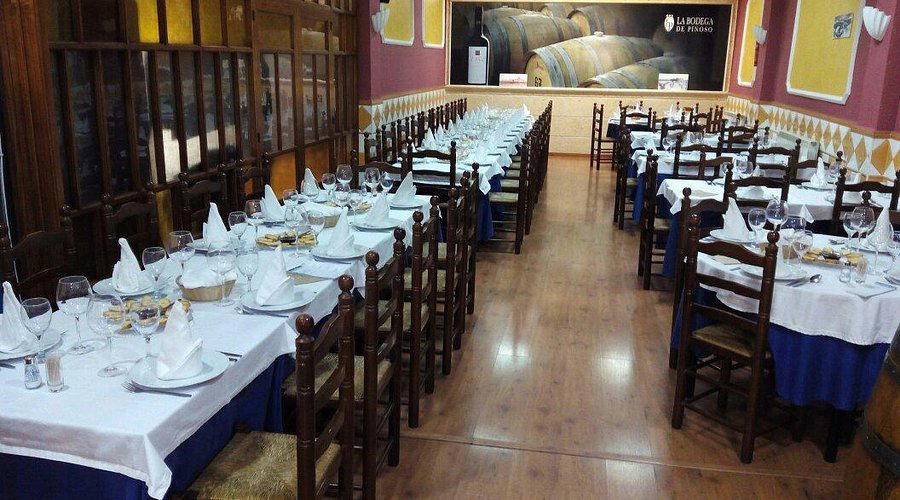
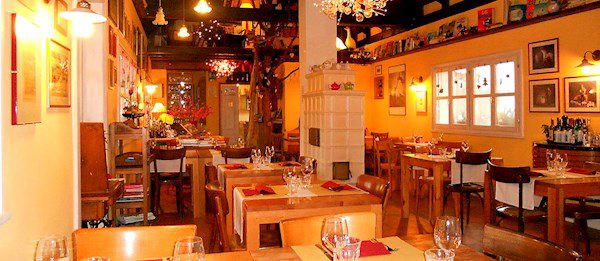
Rustic yet refined interior with soft lighting, intimate dining rooms, and historic architectural details creating a romantic, sophisticated atmosphere.