
Morinoen puts Tokyo’s old sweet-shop culture in a Ningyocho frame: roasted tea, soft serve, and a compact cafe format rather than dessert as spectacle. Its selection for Tabelog’s 2023 Tokyo Japanese traditional sweets and sweets cafe list gives it a clear trust signal, while the low-price bracket keeps the experience closer to everyday Tokyo snacking than formal kaiseki-adjacent wagashi service.
Pearl is the En Primeur Club membership app — saves, bookings, and concierge access live there. Same editors, same standards.
- Address
- 東京都中央区日本橋人形町2-4-9
- Phone
- +81336672666
- Website
- morinoen.com
 Saves & bookings on Pearl
Approaching Ningyocho, Tokyo’s appetite shifts from department-store polish to older shopfront rhythm: narrow facades, quick purchases, tea aromas, and sweets bought as practically as bread or flowers. Morinoen belongs to that register: not a grand dessert salon, but a tea-shop idiom that has survived Tokyo’s drift toward reservation-led dining, where a roasted-tea counter and soft-serve category can carry as much local meaning as a tasting menu.
That context matters because Japanese sweets in Tokyo split into lanes: formal wagashi houses built around seasonal presentation, cafe-style sweet shops built for conversation, and casual specialists where one product category justifies crossing town. This address sits in the last two lanes, not the ceremonial end. Its category is soft serve ice cream, but its identity is anchored in hojicha, a roasted green tea tradition that reads differently from matcha: less vivid in color, more associated with toast, warmth, and everyday drinking culture.
Roasted tea, soft serve, and the informal side of Tokyo sweets
Tokyo’s dessert culture is often misunderstood by visitors looking only for elaborate parfaits or lacquered wagashi boxes. The city’s more revealing sweet shops are often modest, built on repetition and product confidence. A hojicha specialist founded in 1914 carries different authority from a new patisserie counter: it points to Japan’s long habit of treating tea not as a beverage add-on, but as a flavor system.
Morinoen’s selection for Tabelog’s 2023 Tokyo Japanese traditional sweets and sweets cafe list places it in a category where reputation depends less on luxury cues than consistency, local pull, and clear specialty. Its Tabelog score of 3.72 is useful context in Japan, where ratings compress tightly and a score above the mid-threes can signal sustained customer confidence rather than viral novelty. Editorially, this is a Tokyo sweets stop with documented recognition, not just a convenient pause between stations.
The competitive set is instructive. Gyokueido Hikokuro and Yanagiya sit in a lower listed spend bracket, while Homitei occupies a higher lunch-and-dinner range. That spread shows how broad Tokyo’s traditional sweets category is, from quick purchases to more involved sit-down formats. Morinoen’s JPY 1,000 to JPY 1,999 range keeps it casual-premium: deliberate enough to choose, accessible enough to fold into a Ningyocho afternoon without making dessert the day’s main event.
That band also separates it from Tokyo’s reservation-heavy dining economy. Compare the decision-making here with a meal at 124. KAGURAZAKA (Yakitori), a curry stop such as 3 Chome no Curry Ya San, or a casual visual cafe like 2D Cafe. Each asks different planning from the traveler. Sweets culture in Ningyocho rewards proximity, timing, and appetite management more than elaborate advance strategy.
Ningyocho makes the format feel older than the trend cycle
Ningyocho gives this kind of shop its strongest argument. The neighborhood has long been associated with Edo-period street culture, small theaters, craft shops, and food businesses serving office workers, residents, and destination eaters in overlapping waves. Here, a tea-and-sweets stop needs no theatrical design. It fits the district’s walking grammar: short distances, small purchases, and a sequence of bites rather than one long meal.
The location also explains why the experience suits travelers who dislike over-scheduled food days. Tokyo can punish spontaneity at counters where seats, courses, and arrival times are tightly controlled. A sweets shop in this mode gives the day slack: between a structured lunch and an evening drink, or as a neighborhood anchor before moving on. For broader Tokyo planning, Our full Tokyo restaurants guide, Our full Tokyo bars guide, Our full Tokyo hotels guide, Our full Tokyo experiences guide, and Our full Tokyo wineries guide give the broader frame.
The format has changed in one material way: the second-floor sweet shop closed on December 1, 2024, while the first-floor operation continues as the practical focus. Expectations matter. This is not for a long dessert-room session or full afternoon cafe itinerary. It is stronger as a short, specific stop for roasted-tea sweets, especially for travelers already moving through Nihonbashi, Ningyocho, or eastern central Tokyo.
Against other Tokyo eating decisions, the value is contrast. A charcoal-led casual meal such as. 鮪と炭火焼き うお炭 秋葉原店 or a Shinjuku address like 12/10 Shinjuku ten asks the traveler to think in meals. Morinoen asks a smaller question: whether roasted tea deserves its own stop. In Tokyo, that is often more revealing.
How to place it in a Tokyo food day
The smart use is as a hinge between neighborhoods, not the day’s only food destination. Ningyocho works for travelers moving between Nihonbashi, Asakusa, Ginza, and the eastern business districts, and a sweets stop here can reset the palate between savory meals. Because reservations are unavailable, planning is simple: treat it as a walk-in snack stop and allow flexibility around peak cafe hours rather than building an itinerary around a guaranteed seat.
For visitors comparing Japan-wide food notes, the lesson travels well. A regional sukiyaki address such as -Grilled beef Sukiyaki- KAMAKURA TANUKIAN 鎌倉 たぬき庵 in Kamakura, a design-forward cafe such as.cafe in Osaka, or a Kyoto listing like [ki:] in Kyoto each reflects a local food rhythm. Tokyo’s older sweet shops show another rhythm: quick, precise, and tied to train-accessible neighborhoods rather than destination dining theater.
International comparisons sharpen the point. Jōdo Saké Bar in Los Angeles and Onigiri Time in Pasadena show how Japanese categories are reframed abroad, often through concept and explanation. In Tokyo, the category needs less translation. A roasted-tea soft-serve stop in Ningyocho carries its own shorthand for residents who understand tea as daily culture.
Travelers building a wider Japan list can place it alongside sharply different casual formats, from.know in Kumamoto to (Shoku) Vietnam in Kawasaki and [Curry Senmon Ten] Maruyama Kyoju. in Sapporo. The common thread is not cuisine but scale: focused places that make sense when the traveler understands what they are for. Here, the purpose is concise and specific: roasted-tea sweets in a neighborhood where small food rituals still carry weight.
Recognition, Side-by-Side
Comparable venues to place this listing in its category.
| Venue | Cuisine | Price | Notes |
|---|---|---|---|
| MorinoenThis venue — the venue you are viewing | Hojicha specialty Japanese tea café & sweets | $ | Not listed |
| Cuit Bonne | Japanese European-style curry & dining bar | $ | Chūō |
| Teuchi Ren | Handmade ramen shop | $ | Sumida |
| BROWNIE | Japanese Curry / Yoshoku | $ | Chiyoda |
| Paris Ogawa Ken Shimbashi ten | Japanese Bakery Café | $ | Minato |
| Asada Ya | Traditional Japanese wagashi & daifuku shop | $ | Minato |
Recognition history
Dated appearances from independent guides and award organizations, with the underlying list record or original source where available.
Tabelog 100 #14 · No. 14
Tabelog · Tabelog 100 - Japanese traditional sweets / Japanese sweets cafe - TOKYO - 2023

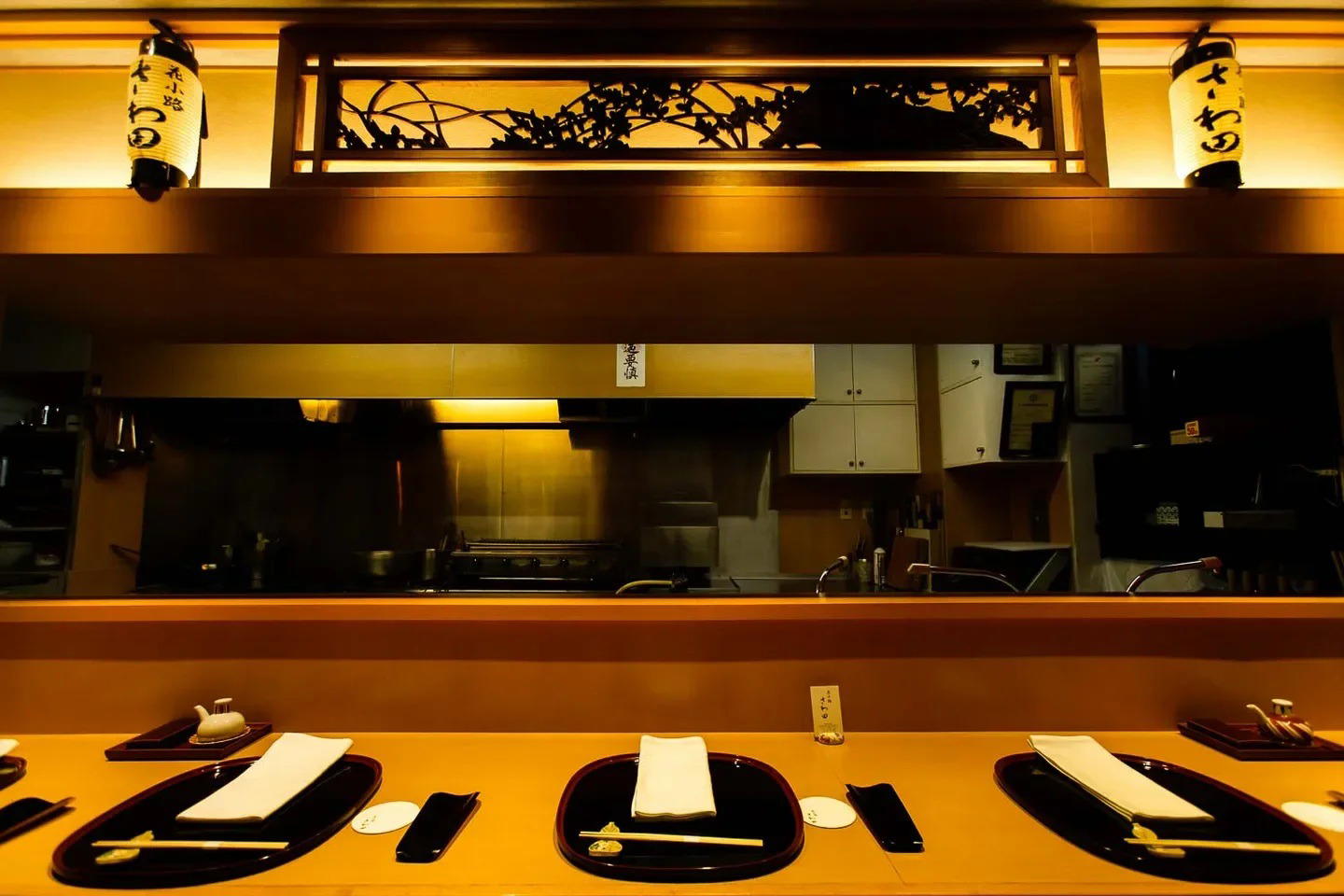
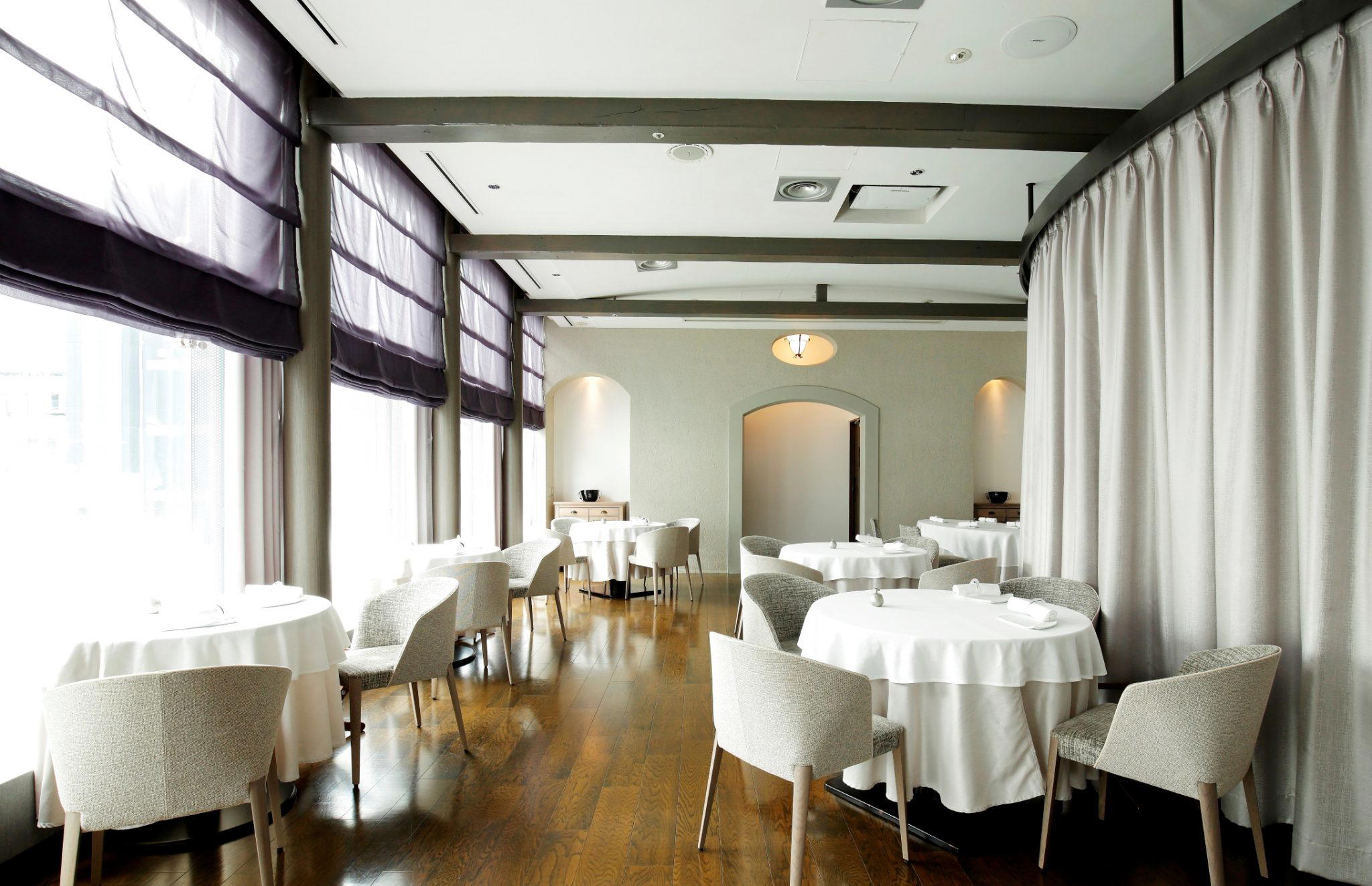
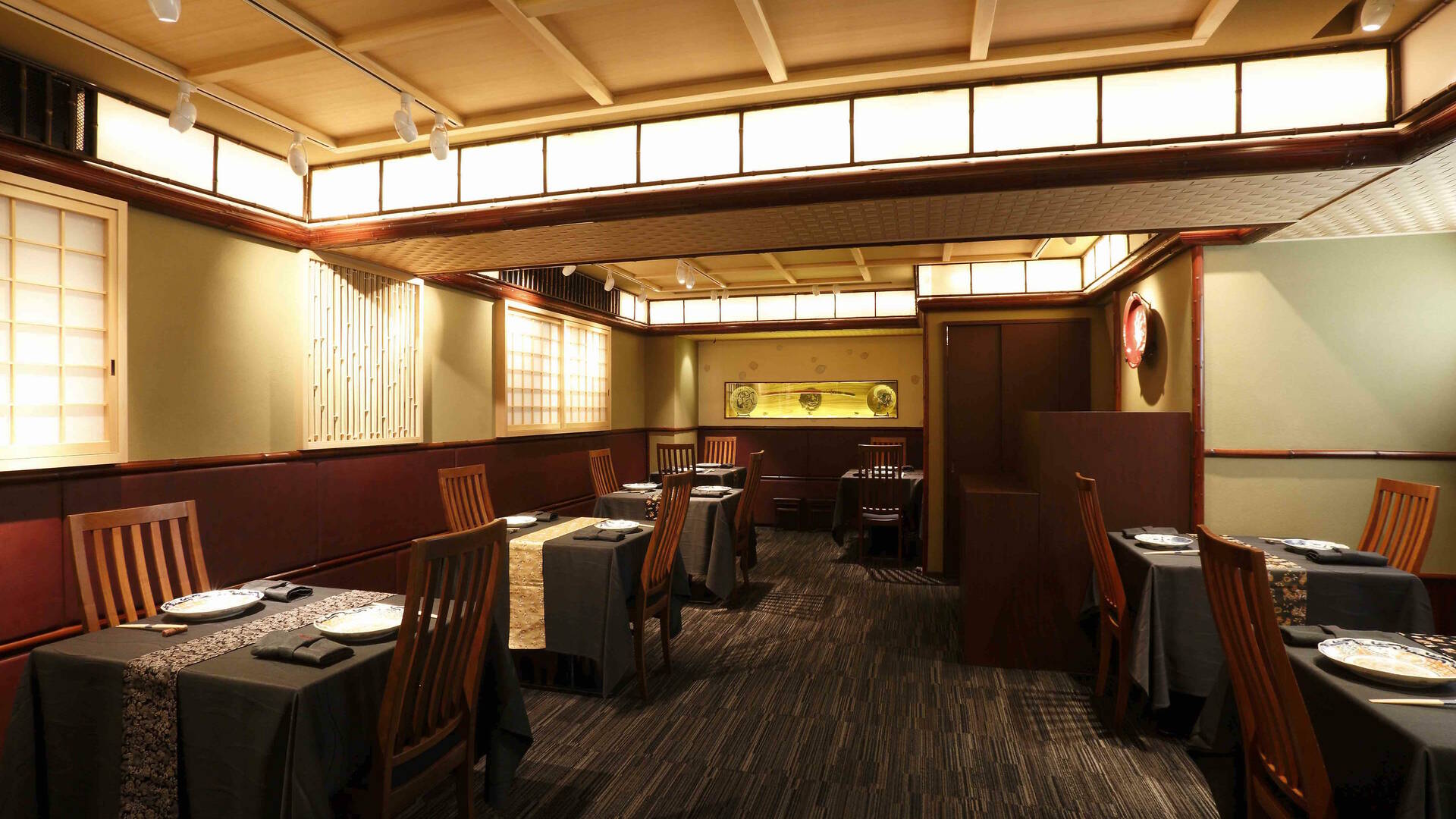
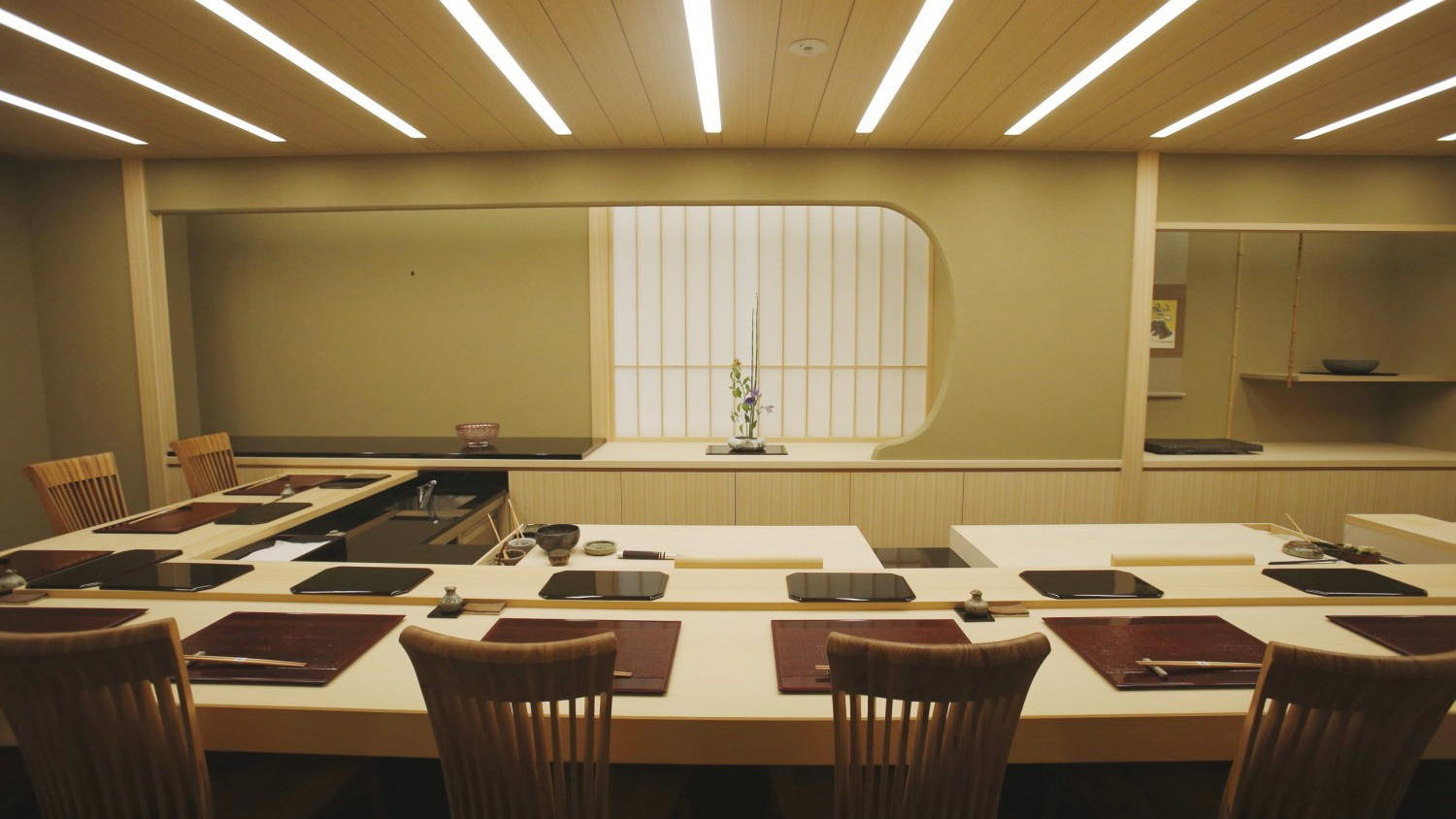





At a Glance
- Cozy
- Classic
- Well Known
- Solo
- Family
- Casual Hangout
- After Work
- Historic Building
- Standalone
- Zero Proof
- Street Scene
Traditional Ningyocho tea shop with the aroma of freshly roasted hojicha wafting onto the street, a quaint upstairs sweets salon serving classic Japanese parfaits and anmitsu in a relaxed, low-key setting that feels like an old-town Tokyo low-profile address.