
Akafuku Honten is the Ise main store for Akafuku mochi, a pilgrimage-route sweet tied to the city’s shrine culture and everyday wagashi tradition. Its appeal is disciplined rather than expansive: a narrow mochi format, early opening hours, take-out service, tatami seating, and recognition in Tabelog’s 2023 Japanese traditional sweets and sweets cafe selection for western Japan.
Pearl is the En Primeur Club membership app — saves, bookings, and concierge access live there. Same editors, same standards.
- Address
- 26-26 Ujinakanokiricho, Ise, Mie 516-0025, Japan
- Phone
- +81 596-22-7000
- Website
- akafuku.co.jp
- Directions
- Get directions
 Saves & bookings on Pearl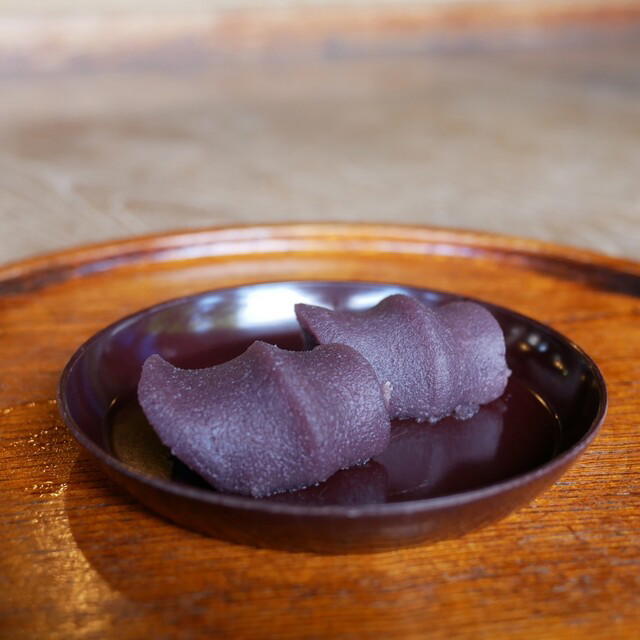
Approaching Okage Yokocho, the mood shifts from station-town utility to shrine-route appetite: timber shopfronts, souvenir counters, families, and visitors orbiting Ise Jingu. This is not a district for long meals but for grazing shaped by temple-and-shrine travel, edible gifts, and quick refreshment before or after the Inner Shrine. Akafuku Honten belongs to that older Ise grammar: a sweet shop as civic marker, not a dessert add-on to lunch.
Japanese regional sweets often carry place more strongly than restaurant cooking because they move through gift boxes, station kiosks, seasonal visits, and family memory. In Ise, Akafuku mochi is shorthand for that exchange. The main store is unusually focused by contemporary cafe standards: it centres on Akafuku mochi, with Sakujitsumochi appearing on the first day of each month except January. That narrowness places the address closer to pilgrimage confectionery than to Japan’s broader tourist-town dessert-cafe category.
Ise's shrine-route sweet culture in one disciplined format
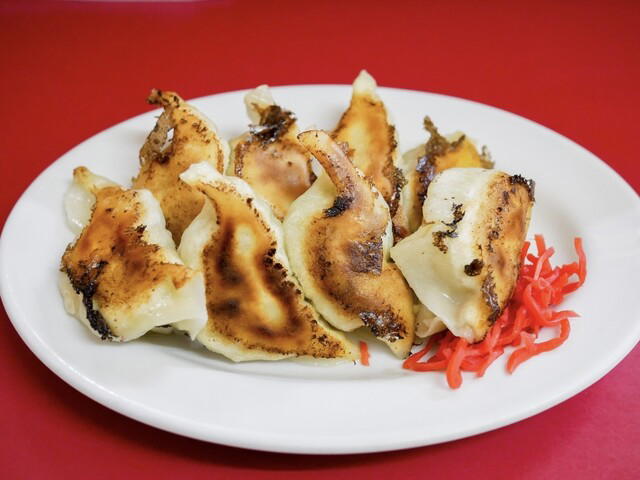
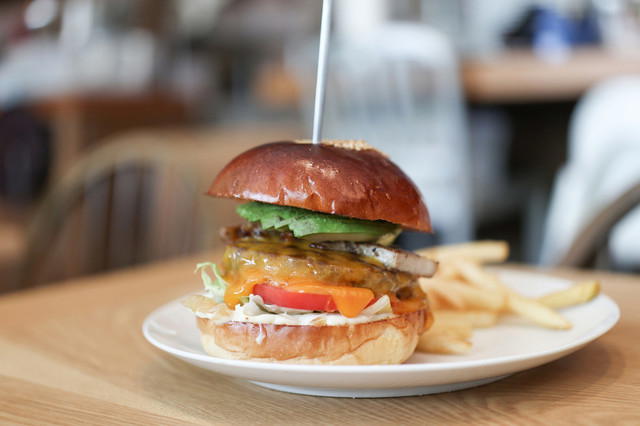
The useful Ise comparison is between types of pause, not tasting menus or chef-led restaurants. Around the shrine precinct, visitors can choose beef, gyoza, coffee, casual Western-style cooking, or sweets, each reflecting how the city feeds foot traffic. butasute Wakayanagi points to Ise’s meat-and-rice comfort register; Gyoza no Misuzu fits late-day savoury compactness; Ace Burger Cafe shows the casual cafe strand beside older local foodways. Akafuku Honten occupies another lane: wagashi as cultural souvenir and brief seated interval.
That is why the recognition matters. Selection for Tabelog’s 2023 Japanese traditional sweets and Japanese sweets cafe list for western Japan places the shop in a category where consistency, recognisable product identity, and regional association matter more than novelty. The Tabelog score of 3.59 is not the point alone; category fit is the stronger signal. Wagashi houses are judged by repeatability and memory as much as spectacle, and this address has the single-product clarity contemporary dessert counters often imitate later.
The price bracket keeps the experience tied to public ritual rather than special-occasion dining. With average spend below JPY 999, it is a small purchase within a larger Ise day, not a reservation-driven commitment. Compared with Isuzu Chaya Honten, in a higher local sweets-cafe bracket at JPY 1,000 to JPY 1,999, Akafuku Honten reads as the more compressed, emblematic stop. The choice is purpose: a quick expression of Ise confectionery culture or a fuller cafe pause.
Why the main store feels different from a souvenir counter
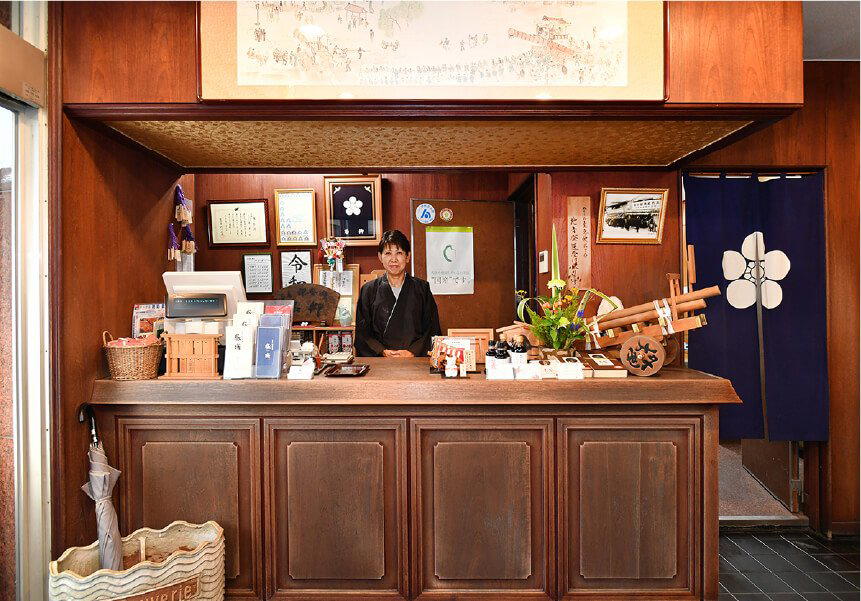
Akafuku mochi can be encountered as a product, but the main store reframes it as setting. Raised tatami seating, a non-smoking room, and take-out service create a hybrid shop and teahouse. In Ise, where food culture is tied to buses, shrine approaches, family groups, and purchases carried onward, a place that absorbs a short stop without becoming a formal meal fits the urban pattern better than a conventional restaurant.
The menu discipline is editorially useful. Many tourist-town sweets shops expand until the original item becomes one choice among many. Here, the note is blunt: only Akafuku mochi is served, with the monthly Sakujitsumochi exception. That aligns the shop with wagashi’s older logic of repetition and seasonal marking. The first-of-the-month sweet is not a modern gimmick; in Japanese confectionery, calendar specificity has long helped sweets communicate time, weather, and occasion.
There is no chef narrative to inflate, and that absence is a virtue. Wagashi traditions are often carried by house style, production method, and local demand rather than by an individual public-facing chef. For readers used to personality-led dining coverage, Akafuku Honten is a useful correction: cultural authority sits in the sweet, the route, the shopfront, and the pattern of return visits. The address teaches more about Ise by staying narrow than by behaving like a destination restaurant.
For a fuller read on the city’s dining range, our full Ise restaurants guide is the better starting point. Ise is not a large-city restaurant market, which is part of its appeal: stronger meals sit close to local habits, pilgrimage traffic, and compact specialisation rather than metropolitan breadth. Travellers building a wider itinerary can cross-check our full Ise hotels guide, our full Ise bars guide, our full Ise wineries guide, and our full Ise experiences guide for the surrounding stay, drink, and cultural frame.
How to fit it into an Ise food day
Treat this as a short wagashi stop, not the centre of lunch. Reservations and parking are unavailable, and the address sits in Okage Yokocho at 26-26 Ujinakanokiricho. Public transport works cleanly for a shrine-focused day: buses from Kintetsu Ujiyamada Station, JR Iseshi Station, or Kintetsu Iseshi Station run toward Uchimiya, with Jingu Kaikan as the relevant stop. Isuzugawa Station is the nearest rail station, though the shrine-side approach usually matters more than the rail map once the day is underway.
The shop opens early and runs through late afternoon, matching Ise’s visitor flow better than an evening dessert model. Peak-season hours can shift, so think in windows: early for a quieter pre-shrine rhythm, mid-morning when the area is awake, or after the Inner Shrine when a small sweet makes sense before moving on. Credit cards and major transport IC electronic money are accepted; QR code payments are not. Children are welcome, and the family-friendly setup suits multigenerational shrine visits.
The restaurant should not be overcomplicated. Its value lies in how cleanly it represents Ise’s sweet tradition: one central mochi, a monthly calendar exception, low spend, take-out capability, tatami seating, and recognition from Tabelog’s 2023 western Japan wagashi selection confirming this is not merely nostalgic. For travellers comparing broader Japanese food culture, the contrast is instructive. A beef sukiyaki specialist such as -Grilled beef Sukiyaki- KAMAKURA TANUKIAN 鎌倉 たぬき庵 in Kamakura, a Tokyo izakaya like . 鮪と炭火焼き うお炭 秋葉原店 in Tokyo, or a modern cafe such as.cafe in Osaka belongs to another dining rhythm entirely. So do.know in Kumamoto, (Shoku) Vietnam in Kawasaki, [Curry Senmon Ten] Maruyama Kyoju. in Sapporo, Jōdo Saké Bar in Los Angeles, and Onigiri Time in Pasadena. Ise’s lesson is narrower and more durable: some food traditions are strongest when they refuse to expand.
Within the local circuit, Ichigetsu Ya and other compact Ise addresses can round out the savoury side, but the restaurant is the cultural punctuation mark. It works because it asks for little time and gives a clear read on place. In a city where the shrine route shapes appetite, that is enough.
Price and Recognition
Nearby venues at a similar price tier for orientation.
| Venue | Cuisine | Price | Notes |
|---|---|---|---|
| Akafuku Honten | Not listed | $ | Oharaimachi, Traditional Japanese sweets & tea house |
| Gyoza no Misuzu | Miyamachi, Traditional Ise gyoza counter | $ | Not listed |
| 伊勢 三玄 | Ise, Traditional Japanese Kaiseki | $$$ | Not listed |
| Yamatoan kuroishi | Not listed | $$ | Yamatomachi, Seafood Izakaya with Fugu and Ise Lobster |
| Isuzugawa Cafe | Not listed | $$ | Ujinakanokiri-cho / Okage Yokocho, Japanese Café |
| Isuzu Chaya Honten | Not listed | $$ | Okage Yokocho / Oharaimachi (near Ise Jingu Naiku), Traditional Japanese sweets cafe & teahouse |
Recognition history
Dated appearances from independent guides and award organizations, with the underlying list record or original source where available.
Tabelog 100 #88 · No. 88
Tabelog · Tabelog 100 - Japanese traditional sweets / Japanese sweets cafe - WEST - 2023
At a Glance
- Classic
- Well Known
- Cozy
- Solo
- Family
- Casual Hangout
- After Work
- Historic Building
- Standalone
- Design Destination
- Street Scene
Current opening hours
- Monday
- 5 AM–5 PM
- Tuesday
- 5 AM–5 PM
- Wednesday
- 5 AM–5 PM
- Thursday
- 5 AM–5 PM
- Friday
- 5 AM–5 PM
- Saturday
- 5 AM–5 PM
- Sunday
- 5 AM–5 PM
Hours can change for holidays and private events. Last verified .
Traditional teahouse atmosphere in an Ise-style gabled wooden building from the Meiji era, with a large red-lacquered stove used to boil water for bancha and an open view of artisans making Akafuku mochi, creating a nostalgic, lively yet relaxed setting for shrine visitors.