
Tabelog 100 #93
Our verdict
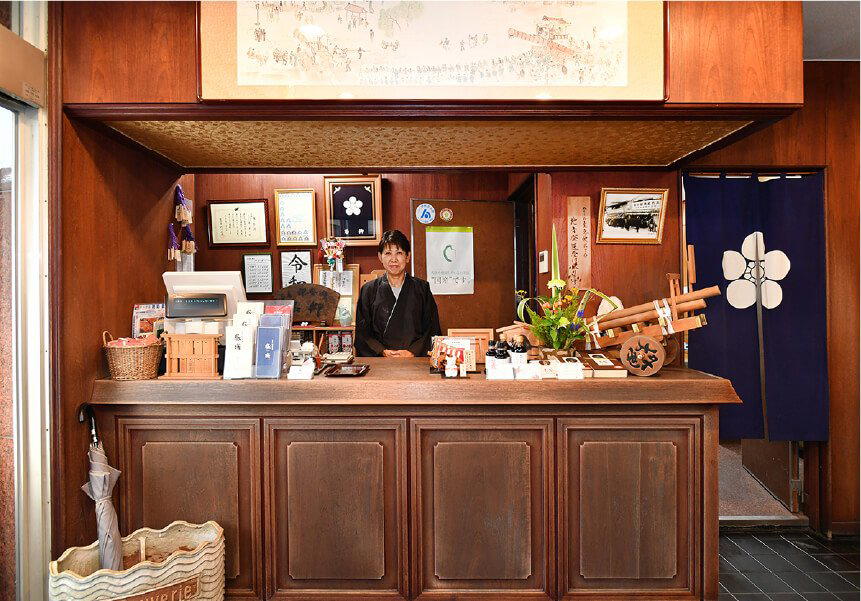
Ise’s beef traditions sit closer to pilgrimage-town hospitality than urban tasting-menu theatre, and butasute Wakayanagi belongs to that older register. The draw is a private-room format built around sukiyaki, shabu shabu, and yakiniku, backed by Tabelog Hot Pot 100 selection in 2024 and a lineage dating to 1909.

Pearl is the En Primeur Club membership app, where members save venues, book tables and use the concierge.
The menu
What to order
- Ise beef sukiyaki
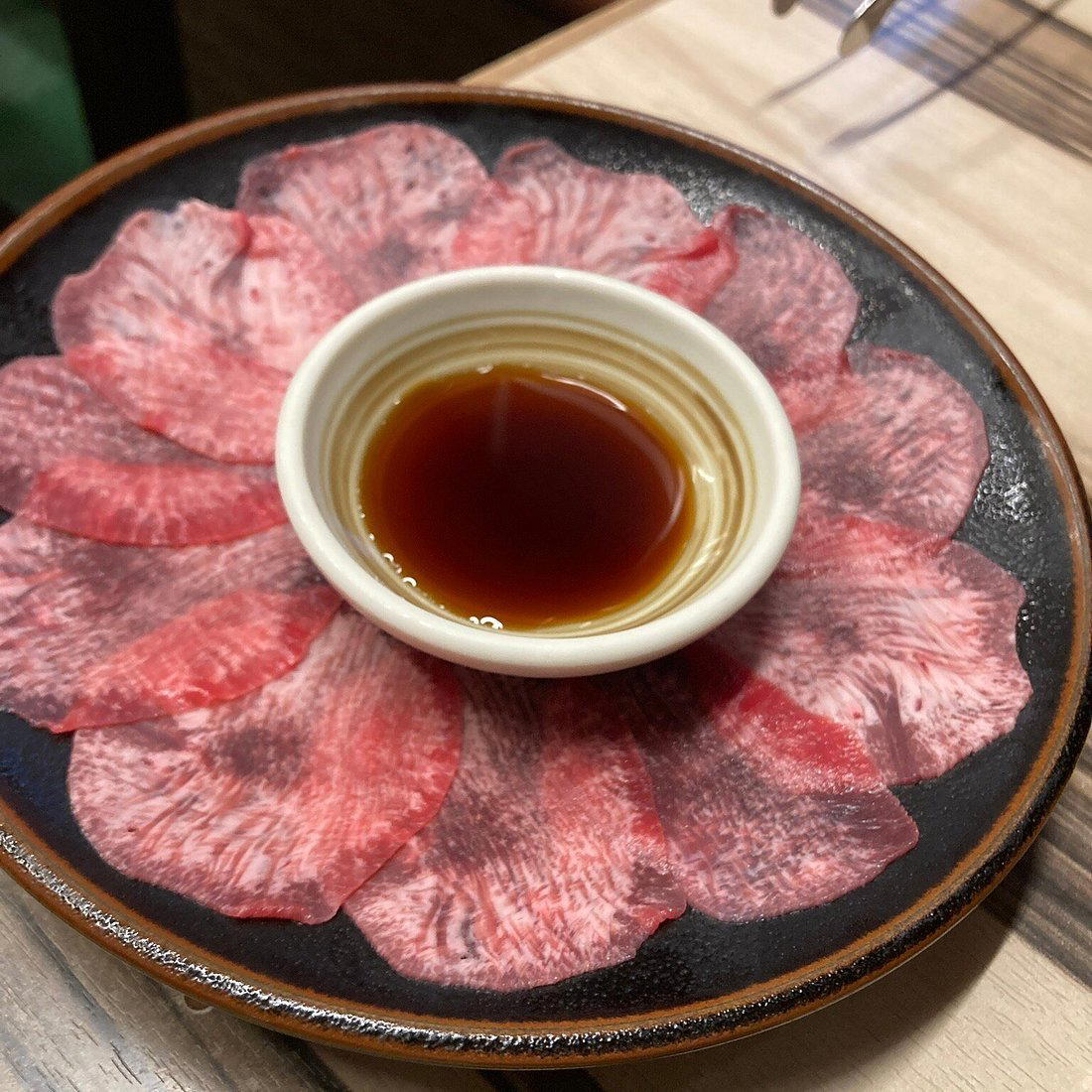
- Ise beef yakiniku
- Ise beef shabu-shabu
Approach this kind of Ise dining expecting a house restaurant rather than a counter performance. The mood is private-room Japan: tatami, larger tables, family groups, and the quiet ceremony of beef cooked at the table. In a city better known to many travellers for shrine visits and red-bean sweets, beef has its own local gravity, tied to Mie’s long association with high-grade wagyu and to meals that work for multigenerational groups rather than solo grazing.
That context matters because sukiyaki and shabu shabu are not neutral formats. Both ask the ingredient to carry the meal. Technique is visible, but it is not the spectacle. Sweet soy, heat, fat, broth, and timing do the work in ways that expose weak sourcing quickly. butasute Wakayanagi sits in this ingredient-led category, with yakiniku also in the mix, and its 2024 selection for Tabelog’s Hot Pot 100 places it among Japan’s more closely watched sukiyaki and shabu shabu addresses rather than among casual hot-pot rooms.
Ise beef culture, served in private rooms rather than at a chef counter
Ise’s dining rhythm differs from Tokyo’s scarcity model. The city feeds pilgrims, domestic travellers, families, and small groups who often build a day around the shrine district, then sit down to a planned meal. That is why capacity and room format matter here. A restaurant with 120 seats and 10 private rooms operates less like a hushed micro-counter and more like a formal local institution, able to absorb groups while keeping the meal contained.
The long history sharpens the reading. Butasute traces its opening to 1909, which makes the brand part of Ise’s older food economy rather than a recent luxury import. The point is not nostalgia. In beef cookery, continuity often shows up through procurement networks, guest expectations, and the confidence to let classic formats remain classic. Sukiyaki, shabu shabu, and yakiniku each frame wagyu differently: seasoned simmering, light swishing, direct grilling. A kitchen offering all three is making a broad argument for beef as the anchor ingredient, not treating it as one course in a parade.
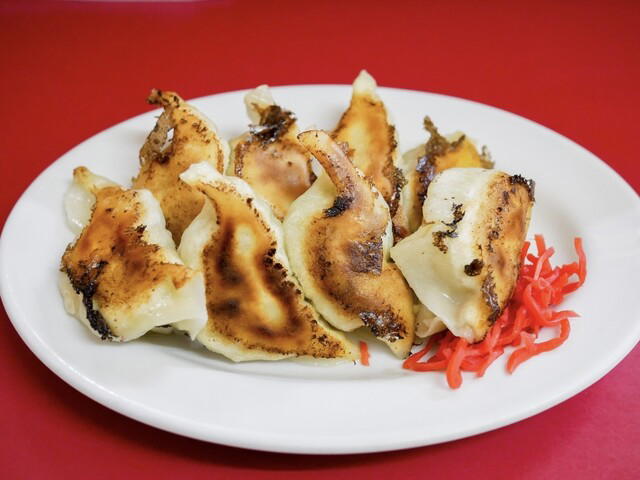
For travellers mapping the city, this sits far from the snack-and-sweets circuit around shrine-adjacent stops such as Akafuku Honten and Isuzu Chaya Honten. It also occupies a different register from quick local meals at Gyoza no Misuzu or lower-priced everyday dining at Ichigetsu Ya. The useful comparison is not which address is more enjoyable; it is what kind of Ise meal the day requires. Casual stops solve hunger between visits. A beef room like this turns dinner into the main event.
Why the hot-pot recognition matters for travellers
Tabelog’s Hot Pot 100 selection in 2024 is a meaningful signal because the category is crowded with specialists. Japan has many restaurants serving sukiyaki and shabu shabu, but the recognised tier tends to reward places where ingredient quality, service format, and consistency align. For a traveller without local language fluency or deep regional knowledge, that badge helps separate an established beef address from a generic hot-pot option.
The price tier also clarifies the decision, even before a menu is chosen. This is not a convenience meal, and it is not priced like the city’s everyday counters. In Ise, that places it closer to a planned occasion than a spontaneous stop, especially when compared with local addresses in the low four-figure yen range. The better question is timing: after a day of shrine visits and walking, a private-room beef meal gives structure to the evening. It is less suited to travellers who want a fast, flexible bite before moving on.
Drinks follow the format rather than compete with it. Sake, shochu, and wine are listed, which covers the usual lanes for beef hot pot without turning the meal into a bar-led experience. The no-smoking interior, with an outside smoking area, also aligns with the family and group profile. Children are welcomed, but the room culture expects calm behaviour. That detail is more useful than a generic “family friendly” label because it explains the social contract: this is hospitable to families, not chaotic by design.
How to place it in an Ise itinerary
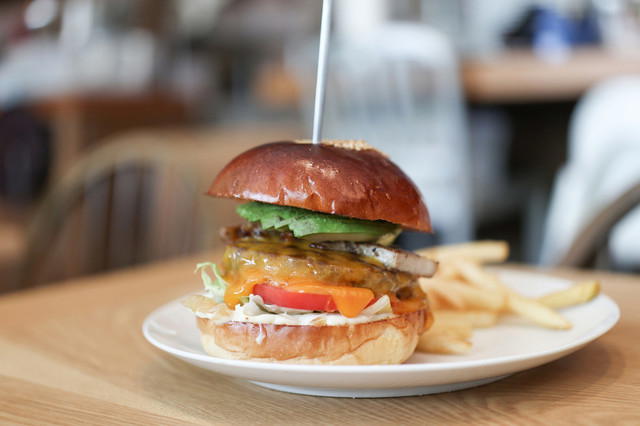
For a short stay, butasute Wakayanagi makes sense as the reserved meal that anchors the day rather than as one stop among many. The surrounding Ise circuit can easily pull travellers toward grazing: sweets, tea, gyoza, coffee, and casual plates. For that side of the city, see Ace Burger Cafe, Ichigetsu Ya, and our full Ise restaurants guide. The beef meal belongs at the other end of the spectrum, where privacy, group comfort, and ingredient focus carry more weight than speed.
Visitors building a broader trip can use the city guides as scaffolding: our full Ise hotels guide for where to sleep, our full Ise bars guide for after-dinner drinking, our full Ise wineries guide for regional wine planning, and our full Ise experiences guide for the cultural frame around the meal. For readers comparing Japanese beef and other regional specialisms beyond Mie, useful contrasts include -Grilled beef Sukiyaki- KAMAKURA TANUKIAN 鎌倉 たぬき庵 in Kamakura. 鮪と炭火焼き うお炭 秋葉原店 in Tokyo.cafe in Osaka.know in Kumamoto, (Shoku) Vietnam in Kawasaki, [Curry Senmon Ten] Maruyama Kyoju. in Sapporo, Jōdo Saké Bar in Los Angeles, and Onigiri Time in Pasadena.
The editorial read is clear: choose this for a composed Ise beef meal with private-room pacing and recognised hot-pot credentials. Skip it if the day calls for a quick counter, a drinking-first evening, or a low-cost meal between sightseeing stops. The appeal is not novelty. It is the older pleasure of a regional ingredient treated as the centre of the table.
Frequently asked questions
Is butasute Wakayanagi a family-friendly restaurant?
Yes. The restaurant in Ise lists children as welcome, including babies, preschoolers, and school-age children, and it has 120 seats plus 10 private rooms. Its Tabelog Hot Pot 100 2024 selection makes it suitable for a family meal that needs space and privacy.
Is butasute Wakayanagi better for a quiet night or a lively one?
It suits a quieter night better than a lively one. The setting includes private rooms, tatami seating, and a house-restaurant format in Ise, which points toward a more contained dining room than a high-energy one.
What does dinner at butasute Wakayanagi typically cost?
Pricing at butasute Wakayanagi is listed as JPY 10,000 - JPY 14,999 JPY 10,000 - JPY 14,999.
What's butasute Wakayanagi's location?
butasute Wakayanagi is located in Ise.
Comparison Snapshot
Comparable venues by cuisine and price in the same metro.
| Venue | Cuisine | Price | Awards | Notes |
|---|---|---|---|---|
| butasute WakayanagiThis venue (the venue you are viewing) | Traditional Ise beef sukiyaki & yakiniku | $100–150 | Tabelog 100 #93 | Not listed |
| 伊勢 三玄 | Traditional Japanese Kaiseki | $50–100 | Not listed | Ise |
| Sazanami Ise ten | Japanese fried shrimp & seafood | $20–30 | Tabelog 100 #86 | Jinkyu |
| Isuzu Chaya Honten | Traditional Japanese sweets cafe & teahouse | $10–20 | Tabelog 100 #22 | Okage Yokocho / Oharaimachi (near Ise Jingu Naiku) |
| Gyoza no Misuzu | Traditional Ise gyoza counter | $10–20 | Tabelog 100 #56 | Miyamachi |
| Akafuku Honten | Traditional Japanese sweets & tea house | $1–10 | Tabelog 100 #88 | Oharaimachi |
Recognition history
Dated appearances from independent guides and award organizations, with the underlying list record or original source where available.
Tabelog 100 #93 · No. 93
Tabelog · Tabelog 100 - Hot Pot - 2024
Continue exploring
More in Ise
Restaurants in Ise
All restaurants in Ise →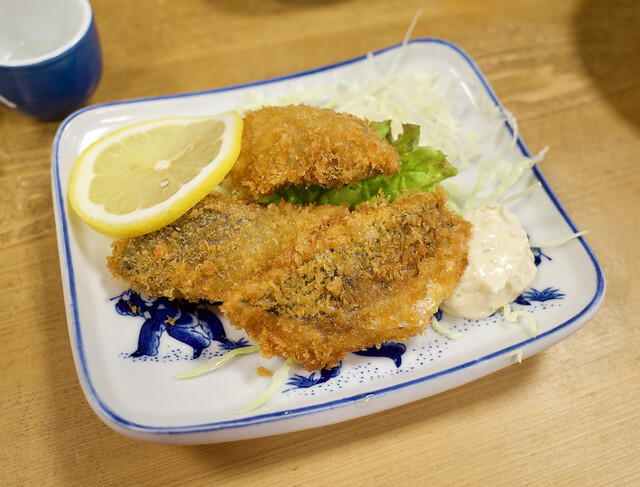
Details
- Classic
- Well Known
- Cozy
- Business Dinner
- Group Dining
- Special Occasion
- Family
- Historic Building
- Standalone
- Private Dining
- Local Sourcing
- A La Carte
- Set Menu
- Family Style
- Counter Dining
- Beer
- Sake
- Shochu
Traditional house‑style restaurant with private tatami rooms, a quiet, intimate feel, and attentive nakai service that creates a relaxed, classic wagyu dining experience.