
Gyoza no Misuzu gives Ise’s casual dining scene a serious dumpling address: counter-only, low-priced, and recognised in Tabelog’s 2024 Dumplings 100. The draw is less ceremony than discipline, with gyoza, kara-age and oden placing everyday Japanese comfort food in a city better known to travellers for shrine routes and confectionery traditions.
Pearl is the En Primeur Club membership app — saves, bookings, and concierge access live there. Same editors, same standards.
- Address
- 1 Chome-2-17 Miyamachi, Ise, Mie 516-0011, Japan
- Phone
- +81 596-28-8602
- Website
- gyouzanomisuzu.com
- Directions
- Get directions
 Saves & bookings on Pearl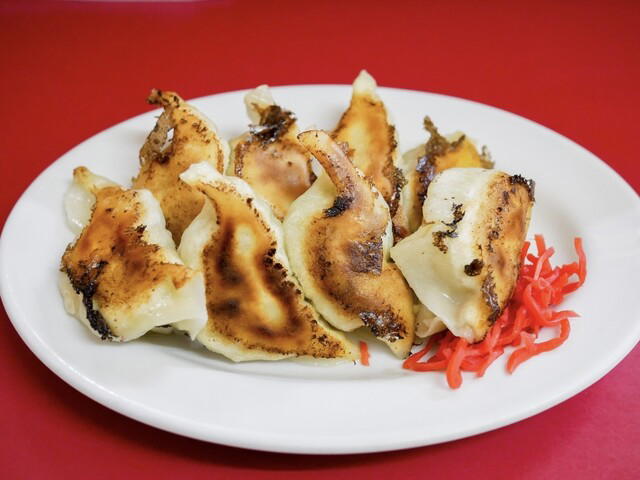
The room reads as a counter restaurant before a destination: close seats, direct sightlines and the practical rhythm of a small Ise kitchen built for turnover rather than ceremony. In a city where visitors often organise meals around the Ise Jingu approach, old confectioners, beef houses and quick station-area stops, Gyoza no Misuzu occupies another register: the post-walk, local, dumpling-led meal where sourcing and repetition matter more than theatre.
That distinction matters in Ise. The city’s food identity is often reduced to pilgrimage sweets and Matsusaka-adjacent beef, but the more useful dining map is broader: casual counters, set-meal rooms, sake-friendly neighbourhood addresses and family-run formats that fit between shrine visits and evening trains. For that wider read, Our full Ise restaurants guide gives the city better shape than a single-meal itinerary, while Our full Ise hotels guide, Our full Ise bars guide, Our full Ise wineries guide and Our full Ise experiences guide place dinner inside the larger trip.
Dumplings in a pilgrimage city, judged by repetition rather than spectacle
Japanese gyoza culture rewards narrow focus. The category looks inexpensive from outside, but serious shops compete on dough handling, filling balance, pan control and the consistency to repeat the same plate across lunch, takeout and late service. Gyoza no Misuzu’s inclusion in Tabelog’s Dumplings 100 for 2024 gives it a concrete credential in that national specialist category, and its Tabelog score of 3.72 places it in a local-favourite tier where repeat custom is part of the signal.
The ingredient angle is not a luxury sourcing story. It is the more Japanese question of what belongs in a compact, low-price meal and how much range a counter can support without losing its centre. The listed categories are dumpling, kara-age and oden: a trio of drinking-food logic rather than tasting-menu ambition. Dumplings anchor the order; fried chicken adds crunch and familiarity; oden brings simmered, broth-led casual Japan into the same frame. Sake and shochu sit naturally beside it, not as sommelier performance but as a clue to how the meal is meant to behave.
The only named lunch format is the Misuzu set meal, which sharpens the point. In smaller Japanese cities, lunch often compresses a restaurant’s argument into one dependable plate or set rather than a broad à la carte spread. That suits travellers who want Ise’s everyday food culture without making lunch a long reservation commitment. It also separates this address from higher-spend local options: Ichigetsu Ya sits in a higher casual bracket, while butasute Wakayanagi moves into a far more expensive beef-led tier. The comparison shows Ise’s wide dining spread, from dumplings to premium wagyu-adjacent meals, without pretending every good meal needs the same budget.
A compact counter format with practical confidence
Counter-only setup gives the meal its pace. Seventeen seats is enough to feel public, not enough to become anonymous. Reservations for seats are unavailable, keeping the format closer to a local queue-and-eat model than a destination booking ritual. Takeout and delivery can be reserved, and frozen dumplings can be shipped nationwide, a detail that shows the product’s role beyond the dining room: food built to travel across households as well as to be eaten at the counter.
That portability is part of the sourcing story. Dumplings are among Japan’s great democratic foods because they translate well between restaurant, home freezer and drinking table, but only when the base product is stable. A restaurant selling across dine-in, takeout, delivery and frozen shipping asks the same filling, wrapper and cooking logic to carry several contexts. The appeal is not scarcity; it is repeatability.
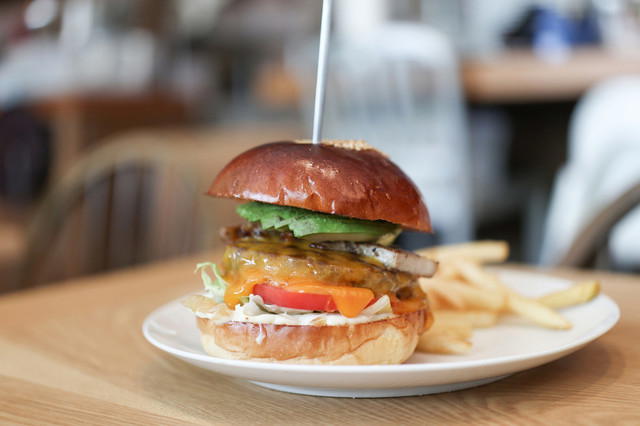
For visitors building a day around Ise’s better-known addresses, the surrounding choices are revealing. Akafuku Honten speaks to the city’s confectionery memory; Isuzu Chaya Honten fits the tea-and-sweets side of the route; Ace Burger Cafe shows how casual Western formats also sit inside the local dining mix. Gyoza no Misuzu is not competing with those traditions so much as filling the savoury, low-ceremony slot that shrine-town itineraries need after the formal stops.
Payment and room details reinforce the point without romance. Credit cards and electronic money are not accepted, while PayPay is listed; private rooms and private use are unavailable; children are welcome. Those facts describe a restaurant with little interest in luxury signalling. The value sits in a narrow format, a recognised dumpling category and a price band that keeps the meal accessible in a city where dinner can quickly move higher.
How to place it within an Ise food day
The smartest use of this address is as a counterpoint to Ise’s ceremonial eating. Shrine visits and old-line sweets carry cultural weight, but a serious city meal can also be gyoza eaten without performance. That is why this restaurant belongs in the same conversation as more formal or higher-spend Ise names, even though the experience is leaner and cheaper. The award recognition gives it national category relevance; the counter format keeps it local in feeling.
Travellers continuing through Japan can read it against other specialist formats rather than grand restaurants. A sukiyaki room such as -Grilled beef Sukiyaki- KAMAKURA TANUKIAN 鎌倉 たぬき庵 in Kamakura, a Tokyo seafood-and-grill address like. 鮪と炭火焼き うお炭 秋葉原店 in Tokyo, and a small Osaka café such as.cafe in Osaka each show how Japanese dining often defines itself through compact formats rather than breadth. Regional casual cooking works the same way at.know in Kumamoto, (Shoku) Vietnam in Kawasaki and [Curry Senmon Ten] Maruyama Kyoju. in Sapporo.
Seen internationally, the same principle applies to focused drinking-food culture at Jōdo Saké Bar in Los Angeles and portable Japanese comfort formats at Onigiri Time in Pasadena. The through-line is specificity: a restaurant does not need a long menu to explain a place well. In Ise, a counter built around dumplings, fried chicken and oden gives the city a grounded, everyday register that balances its more ritualised food traditions.
- Yaki gyoza (pan‑fried dumplings)
- Mizugyoza (boiled dumplings)
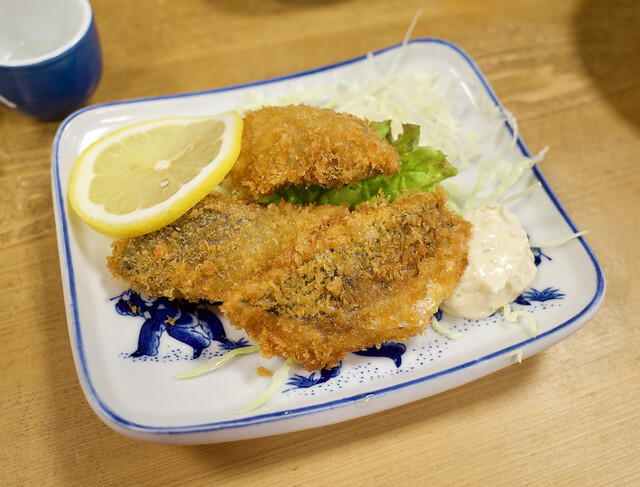
- Karaage made with Mie jidori chicken
- Crab cream croquettes
- Onigiri
- Oden
At-a-Glance Comparison
Comparable venues by cuisine and price in the same metro.
| Venue | Cuisine | Price | Notes |
|---|---|---|---|
| Gyoza no Misuzu | Traditional Ise gyoza counter | $ | Miyamachi |
| Ichigetsu Ya | Traditional Japanese Izakaya & Seafood | $$ | Miyamachi |
| Mukai Sake no Mise | Seafood-focused Japanese izakaya with strong sake program | $$ | Miyago, Ise |
| Isuzu Chaya Honten | Traditional Japanese sweets cafe & teahouse | $$ | Okage Yokocho / Oharaimachi (near Ise Jingu Naiku) |
| Akafuku Honten | Traditional Japanese sweets & tea house | $ | Oharaimachi |
| 伊勢 三玄 | Traditional Japanese Kaiseki | $$$ | Ise |
Recognition history
Dated appearances from independent guides and award organizations, with the underlying list record or original source where available.
Tabelog 100 #56 · No. 56
Tabelog · Tabelog 100 - Dumplings - 2024
At a Glance
- Lively
- Classic
- Cozy
- Well Known
- Intimate
- Solo
- Casual Hangout
- After Work
- Late Night
- Group Dining
- Family
- Chefs Counter
- Open Kitchen
- Standalone
- Beer Program
- Local Sourcing
Current opening hours
- Monday
- Closed
- Tuesday
- 11:30 AM–1:30 PM, 3–10 PM
- Wednesday
- 11:30 AM–1:30 PM, 3–10 PM
- Thursday
- 11:30 AM–1:30 PM, 3–10 PM
- Friday
- 11:30 AM–1:30 PM, 3–10 PM
- Saturday
- 11:30 AM–1:30 PM, 3–10 PM
- Sunday
- 11:30 AM–1:30 PM, 3–10 PM
Hours can change for holidays and private events. Last verified .
A compact, counter‑only gyoza bar with an old‑school, nostalgic feel where family members cook in front of guests, creating a lively yet cozy atmosphere suited to solo diners and small groups.