
Isuzu Chaya Honten belongs to Ise’s shrine-town sweets culture, where wagashi, tea rooms, and take-out counters matter as much as formal restaurants. Its Tabelog 100 selection for Japanese traditional sweets and sweets cafes in WEST 2023 places it in a documented regional bracket, with a low-spend format that suits a pause between shrine visits rather than a long lunch.
Pearl is the En Primeur Club membership app — saves, bookings, and concierge access live there. Same editors, same standards.
- Address
- 30 Ujinakanokiricho, Ise, Mie 516-0025, Japan
- Phone
- +81 596-22-3012
- Website
- isuzuchaya.com
- Directions
- Get directions
 Saves & bookings on Pearl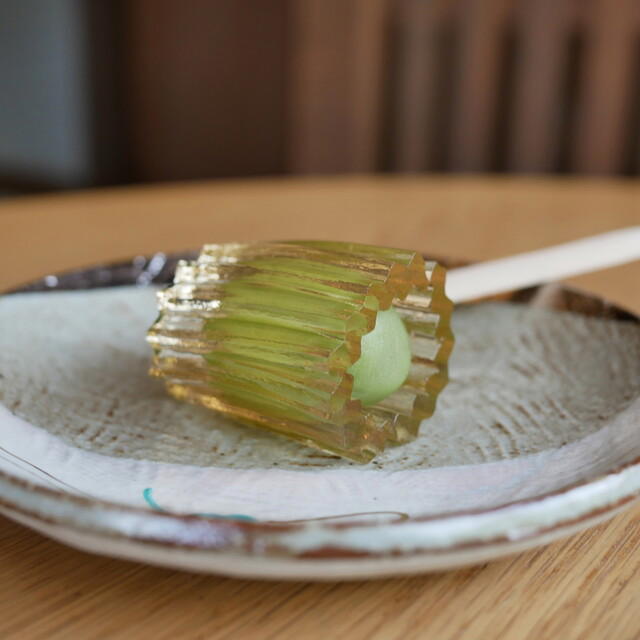
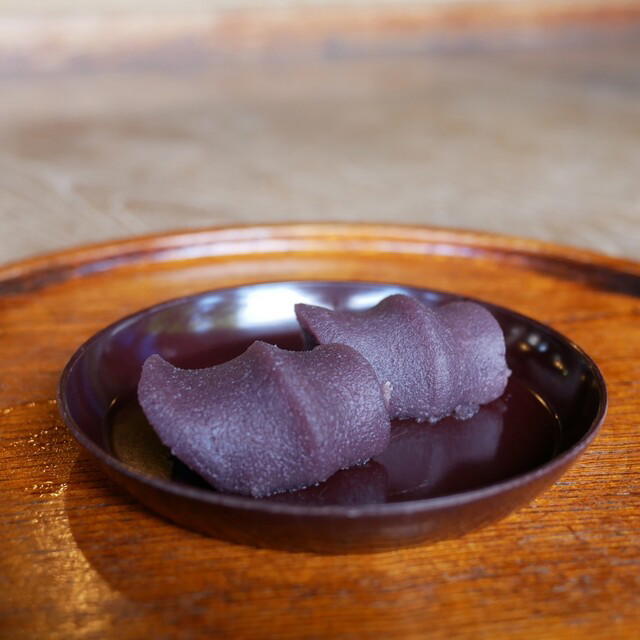
Approaching the inner-shrine district in Ise, the rhythm changes from transport hub to pilgrimage town: shopfronts tighten, sweets counters appear in quick succession, and the meal calendar bends around tea, red bean, rice flour, and takeaway parcels. This is not a city where wagashi functions only as dessert. Around Ujinakanokiricho, Japanese sweets operate as edible punctuation between shrine routes, souvenir buying, and short café stops.
That context matters for Isuzu Chaya Honten. The address places it in the gravitational field of Ise’s visitor economy, but the format belongs to a more specific tradition: the sweets café as a bridge between local craft and tourist flow. Tabelog selected it for the Tabelog 100 - Japanese traditional sweets / Japanese sweets cafe - WEST - 2023, a useful signal in a category where reputation is often built through repeat custom rather than tasting-menu theatre.
Ise's sweets culture is built on ingredients with local meaning
Ingredient sourcing is the serious subtext in Ise’s wagashi scene. The city’s food identity is tied less to chef authorship than to rice, beans, tea, seasonal confections, and gifts that survive a walk back to the station. In this setting, a sweets café is judged by how clearly it connects everyday ingredients to place: not by spectacle, but by restraint, freshness, and a sense that the product belongs to the shrine-town economy around it.
Isuzu Chaya Honten sits within the category Tabelog classifies as café featuring Japanese sweets, Japanese traditional sweets, and Western-style sweets. That mix says something about Ise in 2026: the old pilgrimage snack culture has not disappeared, but it now shares counter space with café expectations. The result is a flexible stop rather than a formal restaurant, the kind of place that fits a short break, a sweet purchase, or a low-commitment tea-room pause.
Compared with Akafuku Honten, another major name in Ise’s sweets orbit, Isuzu Chaya Honten occupies a slightly broader café-and-confectionery lane. Akafuku is tied closely to a single historic product identity; this address is better read as part of the wider wagashi café category, where the draw is the format as much as any single item. That distinction is useful for visitors planning an Ise day around multiple small stops rather than one heavy meal.
The low-spend bracket also shapes expectations. In Ise, a sweets café in this range competes less with destination dining and more with the question of timing: when to pause, what to carry away, and how to avoid turning a shrine visit into a sequence of rushed purchases. Nearby casual options such as butasute Wakayanagi, Gyoza no Misuzu, Ichigetsu Ya, and Ace Burger Cafe serve different appetites; the sweets café lane is about pace, portability, and a lighter read on local taste.
The format rewards a short, deliberate stop
The practical intelligence here is simple: treat the visit as a focused sweets-and-tea interval, not a reservation-led dining event. Reservations are unavailable, take-out is part of the service format, private rooms are unavailable, and parking is unavailable. Those details point to a shop designed for steady foot traffic rather than staged hospitality. The non-smoking setting and café format make it easier to fit into a daytime route, especially for travelers moving through the inner-shrine area with limited slack in the schedule.
Its Tabelog score of 3.67 adds a second trust signal, but the stronger credential is the Hyakumeiten selection. Japanese sweets rankings are crowded with places that look modest from the outside and carry serious local loyalty. A Tabelog 100 placement in the WEST sweets-café category indicates that the venue is being measured against specialists across a broad region, not just against other tourist-facing shops in Ise.
The better way to use the restaurant is as part of a layered Ise itinerary. Shrine-town dining works through contrast: a wagashi stop, a beef or gyoza meal, a coffee break, then another small purchase before departure. For broader planning, our full Ise restaurants guide maps the local food circuit, while our full Ise hotels guide, our full Ise bars guide, our full Ise wineries guide, and our full Ise experiences guide help set the overnight version of the trip.
Readers building a wider Japan food route should keep the category distinction clear. A sweets café in Ise is not trying to compete with beef-focused dining such as -Grilled beef Sukiyaki- KAMAKURA TANUKIAN 鎌倉 たぬき庵 in Kamakura, urban izakaya formats such as. 鮪と炭火焼き うお炭 秋葉原店 in Tokyo, or café culture elsewhere, including.cafe in Osaka and.know in Kumamoto. Nor does it belong to the same dining conversation as (Shoku) Vietnam in Kawasaki or [Curry Senmon Ten] Maruyama Kyoju. in Sapporo. Its value is narrower and more place-specific.
That narrowness is the point. Ise rewards travelers who understand that a serious food stop can be brief, inexpensive, and built around confectionery rather than a full meal. For those extending the Japanese-flavor thread abroad, Jōdo Saké Bar in Los Angeles and Onigiri Time in Pasadena show how different the category becomes outside Japan. In Ise, the source material is closer: shrine traffic, local sweets culture, and a café format that keeps the ingredients at the center.
Fast Comparison
Comparable venues by cuisine and price in the same metro.
| Venue | Cuisine | Price | Notes |
|---|---|---|---|
| Isuzu Chaya Honten | Traditional Japanese sweets cafe & teahouse | $$ | Okage Yokocho / Oharaimachi (near Ise Jingu Naiku) |
| Ichigetsu Ya | Traditional Japanese Izakaya & Seafood | $$ | Miyamachi |
| butasute Wakayanagi | Traditional Ise beef sukiyaki & yakiniku | $$$ | Miyamachi |
| Mukai Sake no Mise | Seafood-focused Japanese izakaya with strong sake program | $$ | Miyago, Ise |
| Sazanami Ise ten | Japanese fried shrimp & seafood | $$ | Jinkyu |
| Kamimura | Kaiseki | $$$$ | Miyamachi |
Recognition history
Dated appearances from independent guides and award organizations, with the underlying list record or original source where available.
Tabelog 100 #22 · No. 22
Tabelog · Tabelog 100 - Japanese traditional sweets / Japanese sweets cafe - WEST - 2023
At a Glance
- Classic
- Cozy
- Scenic
- Well Known
- Solo
- Family
- Casual Hangout
- After Work
- Standalone
- Historic Building
- Local Sourcing
- Street Scene
Current opening hours
- Monday
- 9 AM–5 PM
- Tuesday
- 9 AM–5 PM
- Wednesday
- 9 AM–5 PM
- Thursday
- 9 AM–5 PM
- Friday
- 9 AM–5 PM
- Saturday
- 9 AM–5 PM
- Sunday
- 9 AM–5 PM
Hours can change for holidays and private events. Last verified .
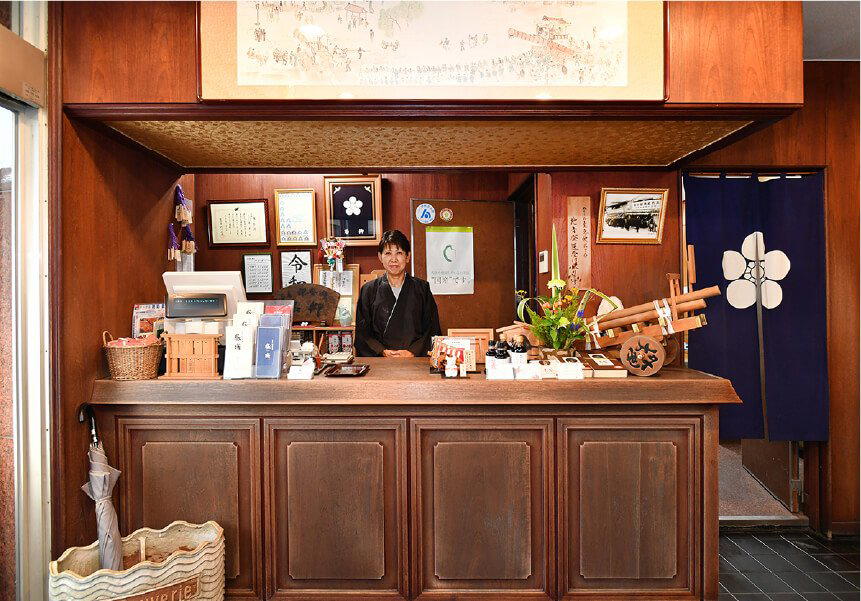
A traditional Japanese teahouse atmosphere with classic wooden decor, a relaxed cafe feel, and a calm, conversational vibe suited to taking a break from sightseeing around Ise Jingu.