
Sazanami Ise ten belongs to Ise’s practical seafood-and-fry tradition rather than the city’s ceremonial dining register. Its Tabelog 100 Diner 2026 selection, fish-focused kitchen, hotel-restaurant setting, take-out option, and JPY 3,000–3,999 lunch and dinner band make it a useful counterpoint to shrine-area sweets, beef counters, and late-day local drinking rooms.
Pearl is the En Primeur Club membership app — saves, bookings, and concierge access live there. Same editors, same standards.
- Address
- 三重県伊勢市神久3-5-55 ホテルキャッスルイン伊勢1F
- Phone
- +81596293373
- Website
- sazanami.com
 Saves & bookings on Pearl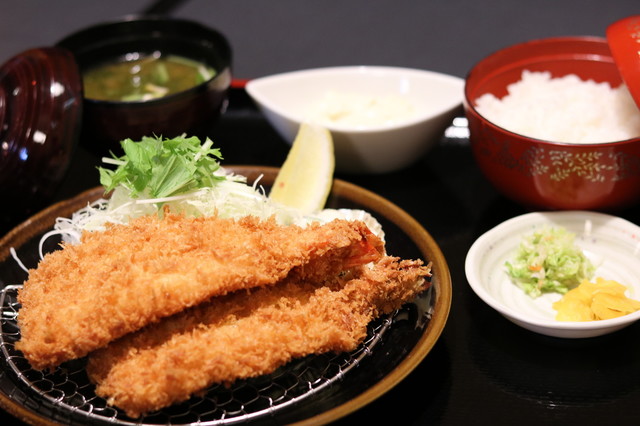
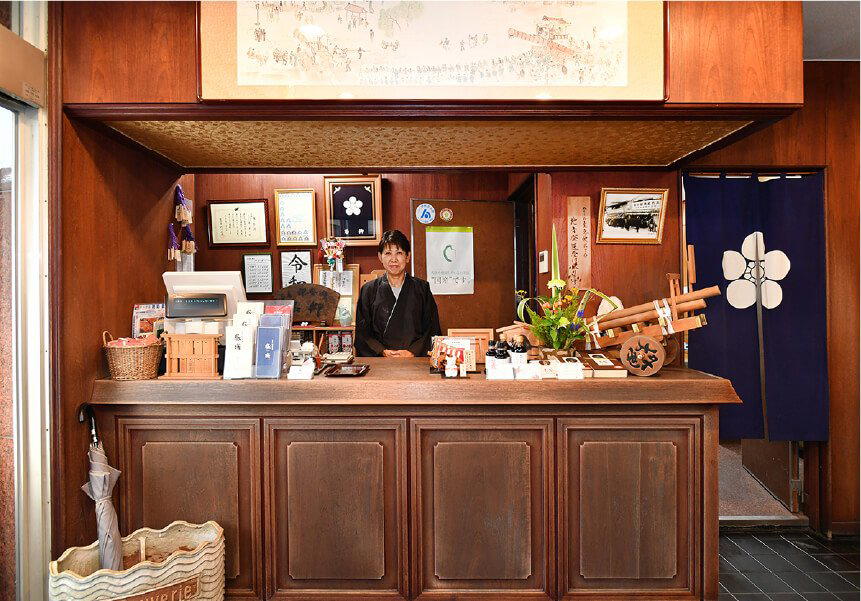
The approach is not theatrical: a hotel ground floor in Jinkyu, signaling function before ceremony. That matters in Ise, where food culture often splits between shrine-adjacent ritual, quick local staples, and seafood pulled toward the coast. Sazanami Ise ten sits in the everyday-dining lane, but with recognition that makes the category worth taking seriously: it was selected for Tabelog 100 Diner in 2026 and 2024, so this is not just a convenient hotel restaurant with a fry station.
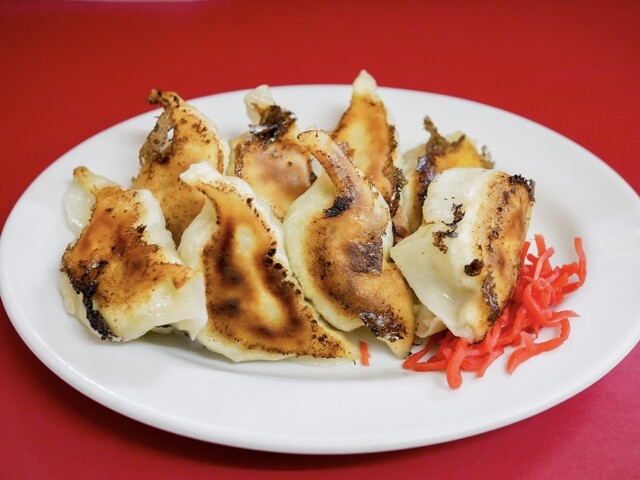
Ise visitors often arrive with a narrow script: sweets near the shrine, beef for a set-piece meal, then whatever is open near the station. A broader reading is more useful. Akafuku Honten anchors the confectionery tradition; butasute Wakayanagi points to the local beef register; Gyoza no Misuzu and Ichigetsu Ya show the city’s casual, repeat-visit side. Sazanami Ise ten fits that map as the seafood-and-fried-food answer, less about pilgrimage symbolism than sourcing discipline and portions for families, friends, and road-trip dining.
Fish-first cafeteria cooking, with fried shrimp as the sourcing clue
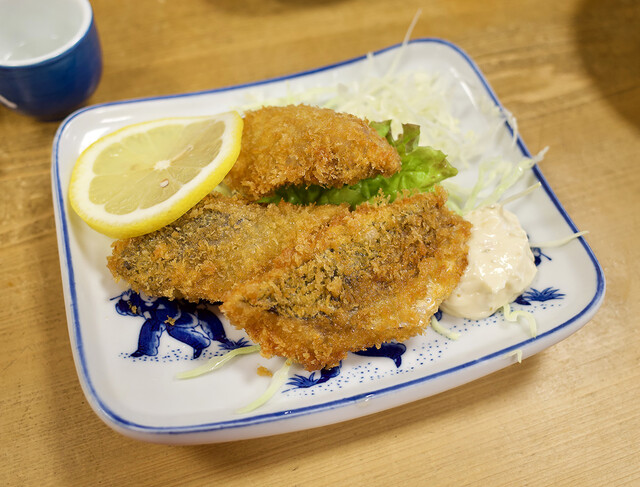
Japanese cafeteria cooking is easy to underestimate because the format sounds ordinary. In regional Japan, however, it often feeds locals with set meals, fried seafood, rice, miso soup, and drinks without tasting-menu overhead. Here, the listed categories are cafeteria, deep-fried foods, and seafood, and the kitchen is described as particular about fish. The telling detail is the shrimp: the fried shrimp use wild black tiger shrimp, mainly caught in the Papua New Guinea Straits and flash frozen, with homemade tartar sauce. That is a sourcing statement, not decoration.
Flash freezing is not a compromise when the ingredient is handled for frying; it protects texture and supply consistency in a format where freshness, moisture control, and oil management matter more than luxury vocabulary. Ise has strong marine associations through Mie Prefecture, but not every seafood meal needs to perform locality. The better question is whether the kitchen states its supply chain clearly and builds the plate around the ingredient. Sazanami Ise ten does: shrimp provenance, house tartar, and a fish-led identity rather than a vague “seafood” label.
The drink list keeps the restaurant inside Japanese diner grammar rather than a tourist-café frame. Sake, shochu, and wine are listed, giving the room enough range for fried seafood without making it bar-led. For travelers comparing Ise dining registers, it sits closer to a meal built around rice, fish, and fry technique than to the burger-café lane represented by Ace Burger Cafe.
A hotel room that behaves like a local dining room
The setting is a clue. Hotel restaurants in Japan tend to become either generic breakfast rooms or disciplined local dining rooms inside lodging properties. This one is identified as a hotel restaurant, with counter seating, tatami seating, and spacious seating among the facilities. Breakfast is limited to hotel guests, but the wider identity is lunch-and-dinner dining with take-out available. Free hotel parking helps drivers moving between shrine visits, coastal excursions, and the station area.
That pragmatism is part of the appeal. Ise’s better-known food stops often cluster around pilgrimage rhythms, while this address works as a planned meal for people who care about seafood but do not need a formal room. Children are welcome, private rooms are unavailable, and private use is unavailable, so the format reads as shared, casual, and open rather than hushed. Payment details matter: credit cards are not accepted, electronic money is accepted, and QR code payments are not accepted. For visitors moving between shrine streets and car-based stops, that is a real planning point.
Reservations are available, separating the restaurant from a purely walk-in diner model. The price band, JPY 3,000–3,999 for both lunch and dinner, puts it above a quick snack stop but below Ise’s more committed evening-drinking and sushi-adjacent meals. In the named local comparison set, Tora Maru and Mukai Sake no Mise sit at JPY 5,000–5,999, so the restaurant occupies a more accessible bracket while carrying Tabelog 100 Diner recognition. Komada and Yamatoan kuroishi belong to a different decision path, especially for diners structuring a meal around sushi or a more specific Japanese format.
How to place it within an Ise food itinerary
The strongest use case is not a symbolic first meal after the shrine. It is the seafood-and-fry meal that gives an Ise itinerary ballast: structured enough for lunch, substantial enough for dinner, and credible enough to avoid the “whatever is nearby” trap. Travelers building a wider plan can use Our full Ise restaurants guide for restaurant context, then pair meals with Our full Ise hotels guide, Our full Ise bars guide, Our full Ise wineries guide, and Our full Ise experiences guide rather than treating the city as a single-stop pilgrimage.
For broader Japan dining calibration, it helps to see how specialized casual rooms behave across regions. A sukiyaki-focused address such as -Grilled beef Sukiyaki- KAMAKURA TANUKIAN 鎌倉 たぬき庵 in Kamakura, a seafood-and-charcoal room like. 鮪と炭火焼き うお炭 秋葉原店 in Tokyo, a café address such as.cafe in Osaka, and a regional dining room like.know in Kumamoto all show how format can matter as much as category. The same applies outside Japan’s main tourist circuit, from (Shoku) Vietnam in Kawasaki and [Curry Senmon Ten] Maruyama Kyoju. in Sapporo to Japanese-leaning rooms abroad such as Jōdo Saké Bar in Los Angeles and Onigiri Time in Pasadena.
The editorial read is clear: the restaurant is for diners who want Ise seafood in a grounded format, not a ceremonial production. The award recognition gives it a quality marker, the sourcing note gives it a reason to care, and the hotel-restaurant logistics make it easy to fold into a day that may include shrines, station transfers, and family travel.
In Context: Similar Options
Comparable venues by cuisine and price in the same metro.
| Venue | Cuisine | Price | Notes |
|---|---|---|---|
| Sazanami Ise tenThis venue — the venue you are viewing | Japanese fried shrimp & seafood | $$ | Not listed |
| Isuzu Chaya Honten | Traditional Japanese sweets cafe & teahouse | $$ | Okage Yokocho / Oharaimachi (near Ise Jingu Naiku) |
| Mukai Sake no Mise | Seafood-focused Japanese izakaya with strong sake program | $$ | Miyago, Ise |
| Akafuku Honten | Traditional Japanese sweets & tea house | $ | Oharaimachi |
| Yamatoan kuroishi | Seafood Izakaya with Fugu and Ise Lobster | $$ | Yamatomachi |
| ボン ヴィヴァン | Classic French with Local Ise Ingredients | $$$ | Geku |
Recognition history
Dated appearances from independent guides and award organizations, with the underlying list record or original source where available.
Tabelog 100 #86 · No. 86
Tabelog · Tabelog 100 - Diner - 2026
Continue exploring
More in Ise
Restaurants in Ise
Browse all →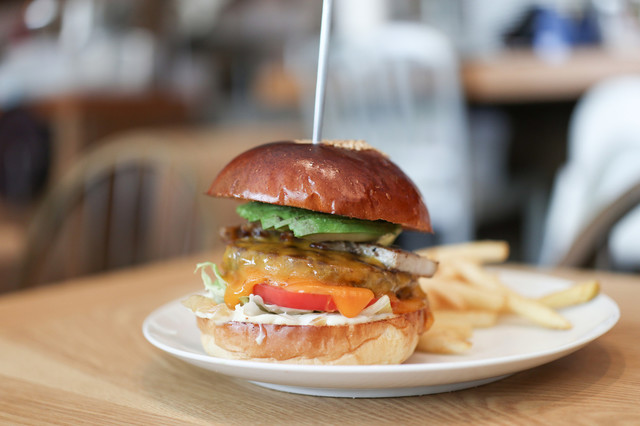
At a Glance
- Classic
- Cozy
- Family
- Group Dining
- Casual Hangout
- Solo
- After Work
- Hotel Restaurant
- Local Sourcing
Casual, family-friendly Japanese restaurant on the ground floor of Hotel Castle Inn Ise, with a direct, classic feel focused on hearty fried shrimp and set meals rather than design-driven decor.