I Fontana

50 Top Pizza Italia #35
Our verdict
I Fontana in Somma Vesuviana presents Neapolitan pizza made from naturally fermented doughs and a signature double-cooking technique. Must-try dishes include the classic Margherita with San Marzano tomato, buffalo-style mozzarella and basil; the Local Cheese & Cured Meat Pizza featuring regional cheeses and cured pork; and the tasting wagon wheels that alternate classic and creative slices. Owner-chef Pietro Fontana and sommelier partner Melania curate a compact wine list with local labels such as Catalanesca. Expect golden fried antipasti, fresh fruit-filled desserts, and a warm, modern dining room for intimate evenings. Travelers’ Choice recognition and a focused family service make reservations recommended for weekend dinner and Saturday lunch service.

Pearl is the En Primeur Club membership app, where members save venues, book tables and use the concierge.
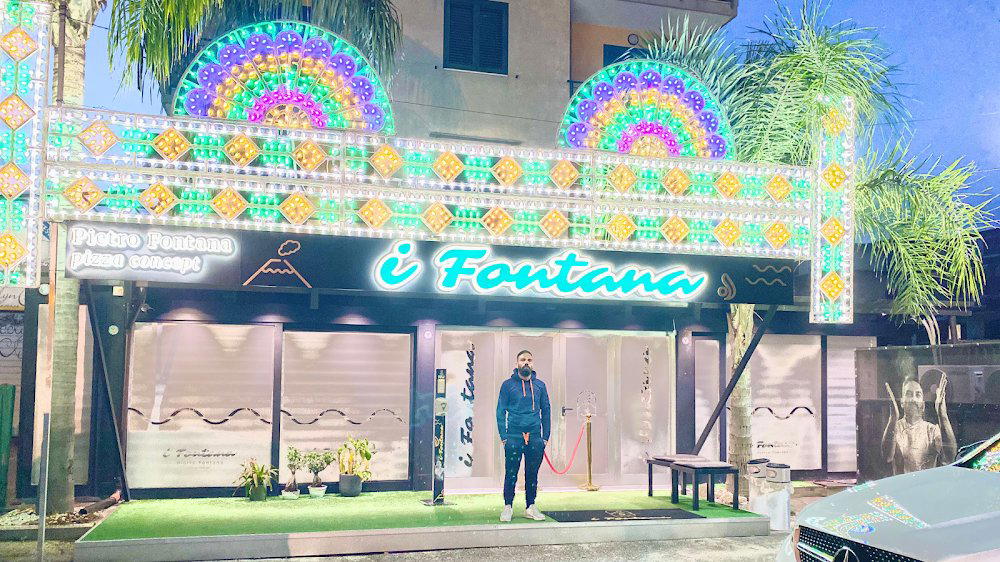
Pizza on the Slopes of Vesuvius
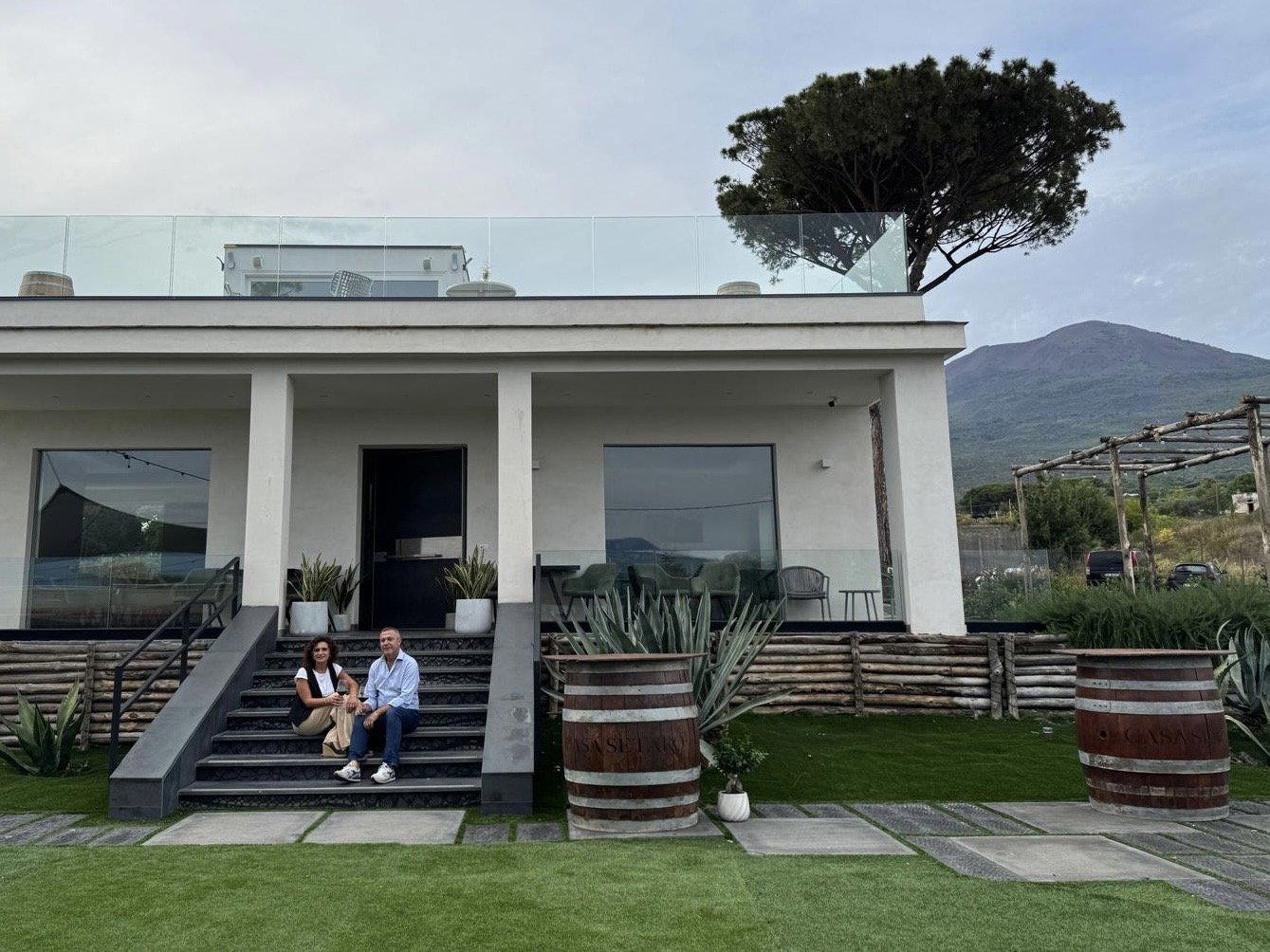
The town of Somma Vesuviana sits on the northern flank of the Vesuvian arc, a few kilometres from the crater's edge and well off the tourist routes that funnel visitors between Naples and Pompeii. The streets here are narrow and residential, the rhythm agricultural rather than hospitality-driven. In that context, a modern, welcoming pizzeria that takes its dough program seriously reads as a deliberate statement rather than an accident of location. I Fontana, on Via Annunziata, operates in precisely that register: a contemporary room where the craft on the plate is considerably more considered than the surroundings might suggest from the outside.
The Dough as an Editorial Position
Across the Campania region, the conversation about pizza has shifted considerably over the past decade. The old binary between a Neapolitan street slice and a sit-down tasting counter has fragmented into something more nuanced. A cohort of pizzerias has emerged that takes natural fermentation, dough hydration, and cooking technique as seriously as any fine-dining kitchen takes its sauces. I Fontana belongs to that cohort. The operation is built around natural doughs, a double-cooking method, and a sourcing philosophy that treats raw materials as load-bearing rather than decorative.
The result, according to consistent reporting on the pizzeria, is a dough that is notably light and digestible. In practice, that means a crust that doesn’t sit heavily after a meal, a quality that separates thoughtful fermentation work from dough that is merely edible. This is not incidental. The double-cooking technique, applied across different format types, produces a different textural result from a single-pass oven run: the exterior develops more colour and crunch without the interior drying out. It is a technical choice, and it reflects the kind of kitchen thinking more commonly associated with restaurants than with pizza counters.
Format Range: From Wagon Wheels to Peel
The menu at I Fontana spans three distinct pizza formats, which positions it differently from a single-format Neapolitan specialist. Traditional tasting wagon wheels, described as generous rounds shared at the table, sit alongside “pizza in pala” (the rectangular Roman-style peel pizza, baked at lower temperatures for longer periods), and more contemporary creative interpretations. Fried dishes round out the menu, prepared with the same attention to dough quality that characterises the pizza program.
This format range matters because it signals a kitchen that understands each style on its own technical terms rather than treating them as variations of the same product. Pala and Neapolitan pizza require different doughs, different hydration levels, and different baking profiles. Running both formats with discipline is harder than it looks, and the reported quality across the range suggests the kitchen manages that complexity without compromise. For the reader deciding how to spend an evening in this part of Campania, that variety also means the experience rewards more than one visit.
Pietro and Melania Fontana: Division of Labour
The editorial angle here is not the chef’s biography in isolation, but what the division of creative responsibility at I Fontana tells us about how serious independent pizzerias are structured. Pietro Fontana leads the dough and kitchen program, working with natural leavening and selected ingredients in a way that reflects the broader movement in Italian pizza toward slower, more attentive production. Melania Fontana curates the wine list, and that choice to invest in a considered cellar separates this operation from the majority of Campanian pizzerias, where wine is an afterthought at leading.
The wine program specifically includes Catalanesca, a grape indigenous to the Vesuvian slopes with a long but interrupted history in the region. Its inclusion on the list is a localist signal, a deliberate nod to the terroir that surrounds the restaurant. For travellers exploring this corner of Campania, that detail connects I Fontana to the agricultural and viticultural identity of the Somma Vesuviana area in a way that a generic Italian wine list would not. See our full Somma Vesuviana wineries guide for more context on the local wine scene.
Where I Fontana Sits in the Italian Restaurant Spectrum
Italy’s fine-dining tier is anchored by multi-Michelin-starred kitchens: Osteria Francescana in Modena, Enoteca Pinchiorri in Florence, Le Calandre in Rubano, Dal Pescatore in Runate, and Atelier Moessmer Norbert Niederkofler in Brunico, among others. I Fontana operates in an entirely different register, one where the measure of quality is execution within a vernacular tradition rather than progressive innovation. That is not a lesser ambition. Italy’s most argued-about food debates often take place not in tasting-menu rooms but at counters and tables where the question is whether a regional craft has been done correctly.
In the Campanian pizza world, correctness is technically demanding and endlessly contested. The fact that I Fontana has built a reputation in Somma Vesuviana, a town without the tourist volume of Naples or the culinary profile of Rome, suggests it is doing something that draws visitors rather than simply serving a captive local market. For context on the wider Campanian dining scene, Quattro Passi in Marina del Cantone represents the fine-dining end of the regional register, while I Fontana sits firmly in the artisan-craft tier.
Desserts and the Detail Work
The dessert selection, noted for fruit-forward fillings described as fresh and well-judged, reflects the same sourcing logic that drives the pizza program. In a category where many pizzerias either skip dessert or offer something perfunctory, a house that treats fruit fillings as a considered element of the meal is indicating that attention to ingredients extends beyond the oven. It is a small data point, but consistent with the overall picture of a kitchen that has thought carefully about every course.
Planning a Visit
I Fontana is at Via Annunziata, 58, in Somma Vesuviana, a town in the Naples metropolitan area accessible by car from both Naples and Caserta. The restaurant is described as modern and welcoming, with friendly service, which in practice means it functions as a relaxed sit-down meal rather than a stand-and-eat street food experience. For accommodation, bars, and further dining options in the area, see our full Somma Vesuviana hotels guide, our full Somma Vesuviana bars guide, and our full Somma Vesuviana restaurants guide. For things to do in the area beyond eating, the full Somma Vesuviana experiences guide covers the local options.
For reference, Italy’s high-end restaurant tier, from Enrico Bartolini in Milan to Piazza Duomo in Alba to Reale in Castel di Sangro to Uliassi in Senigallia and Casa Perbellini 12 Apostoli in Verona, operates at a different price point and format from I Fontana. The international comparison would be to think of it alongside craft-led independent restaurants rather than destination tasting counters like Le Bernardin in New York or Atomix. The pleasure at I Fontana is regional, precise, and grounded in a single craft done with evident care.
Frequently asked questions
Is I Fontana a family-friendly restaurant?
The venue is described as modern and welcoming with friendly service, which suggests a relaxed setting suited to families. Pietro and Melania Fontana run the project together, and the format, spanning fried foods, traditional wagon-wheel pizzas, and creative peel slices, offers enough range to satisfy mixed groups across ages and preferences.
What kind of setting is I Fontana?
I Fontana occupies a modern, welcoming environment at Via Annunziata, 58 in Somma Vesuviana, a town on the northern flank of the Vesuvian arc well away from the main tourist circuits around Naples. The room pairs a contemporary interior with a wine list selected by Melania Fontana that includes territorial labels such as Catalanesca, giving the space more depth than a typical neighbourhood pizzeria.
What awards or recognition does I Fontana have?
I Fontana has received recognition including: Pizzeria I Fontana, led by Pietro and Melania Fontana, is known for its concept of pizza with natural doughs, double cooking, and selected raw materials. The menu includes traditional Neapolitan pizza, 'pizza in pala,' and fried dishes. The….
What should I order at I Fontana?
The menu is built around three pizza formats: traditional Neapolitan wagon wheels for tasting, pizza in pala (on a peel) for a more contemporary register, and fried dishes noted for their golden finish and light, digestible dough. The dessert selection leans fruit-forward and is worth attention, as it follows the same sourcing logic as the pizza programme.
What's the address for I Fontana?
I Fontana is located at Via Annunziata, 58, 80049 Somma Vesuviana NA, Italy, Somma Vesuviana.
Who is the chef or culinary lead at I Fontana?
The chef associated with I Fontana is Pietro Fontana.
Do they take walk-ins at I Fontana?
Given its location in Somma Vesuviana, off the main tourist routes and serving a largely local clientele, walk-ins may be possible on quieter days, but contacting the restaurant directly before visiting is advisable, particularly on weekends.
At-a-Glance Comparison
| Venue | Cuisine | Price | Awards | Notes |
|---|---|---|---|---|
| I FontanaThis venue (the venue you are viewing) | Modern Neapolitan Pizza | $20–30 | 50 Top Pizza Italia #35 | Not listed |
| Atelier Moessmer Norbert Niederkofler | Modern Alpine Fine Dining | $300–500 | 3 Michelin Stars · World's 50 Best #20 | Italian, Creative |
| Dal Pescatore | Classic Italian Fine Dining | $200–300 | 3 Michelin Stars · World's 50 Best #38 | Italian, Italian Contemporary |
| Enoteca Pinchiorri | Contemporary Italian Fine Dining | $200–300 | 3 Michelin Stars · World's 50 Best #32 | Italian - French, Italian Contemporary |
| Enrico Bartolini | Modern Italian Fine Dining | $300–500 | 3 Michelin Stars · World's 50 Best #85 | Creative |
| Osteria Francescana | Avant-Garde Italian Contemporary | $300–500 | 3 Michelin Stars · World's 50 Best #1 | Progressive Italian, Creative |
Recognition history
Dated appearances from independent guides and award organizations, with the underlying list record or original source where available.
50 Top Pizza Italia #35
50 Top Pizza
Full recognition history (3 entries)
50 Top Pizza World Best Pizza #90
50 Top Pizza
50 Top Pizza Italy #39
50 Top Pizza
Continue exploring
More in Somma Vesuviana
Restaurants in Somma Vesuviana
All restaurants in Somma Vesuviana →
Bars in Somma Vesuviana
Browse all →
Details
- Rustic
- Cozy
- Group Dining
- Casual Hangout
- Family
- Open Kitchen
- Extensive Wine List
- Local Sourcing
- A La Carte
- Small Plates
- Vegetarian Friendly
Current opening hours
- Monday
- 6:30 PM–12 AM
- Tuesday
- 6:30 PM–12 AM
- Wednesday
- 6:30 PM–12 AM
- Thursday
- 6:30 PM–12 AM
- Friday
- 6:30 PM–12 AM
- Saturday
- 12:30–3 PM, 6:30 PM–12 AM
- Sunday
- 6:30 PM–12 AM
Hours can change for holidays and private events. Hours as of .
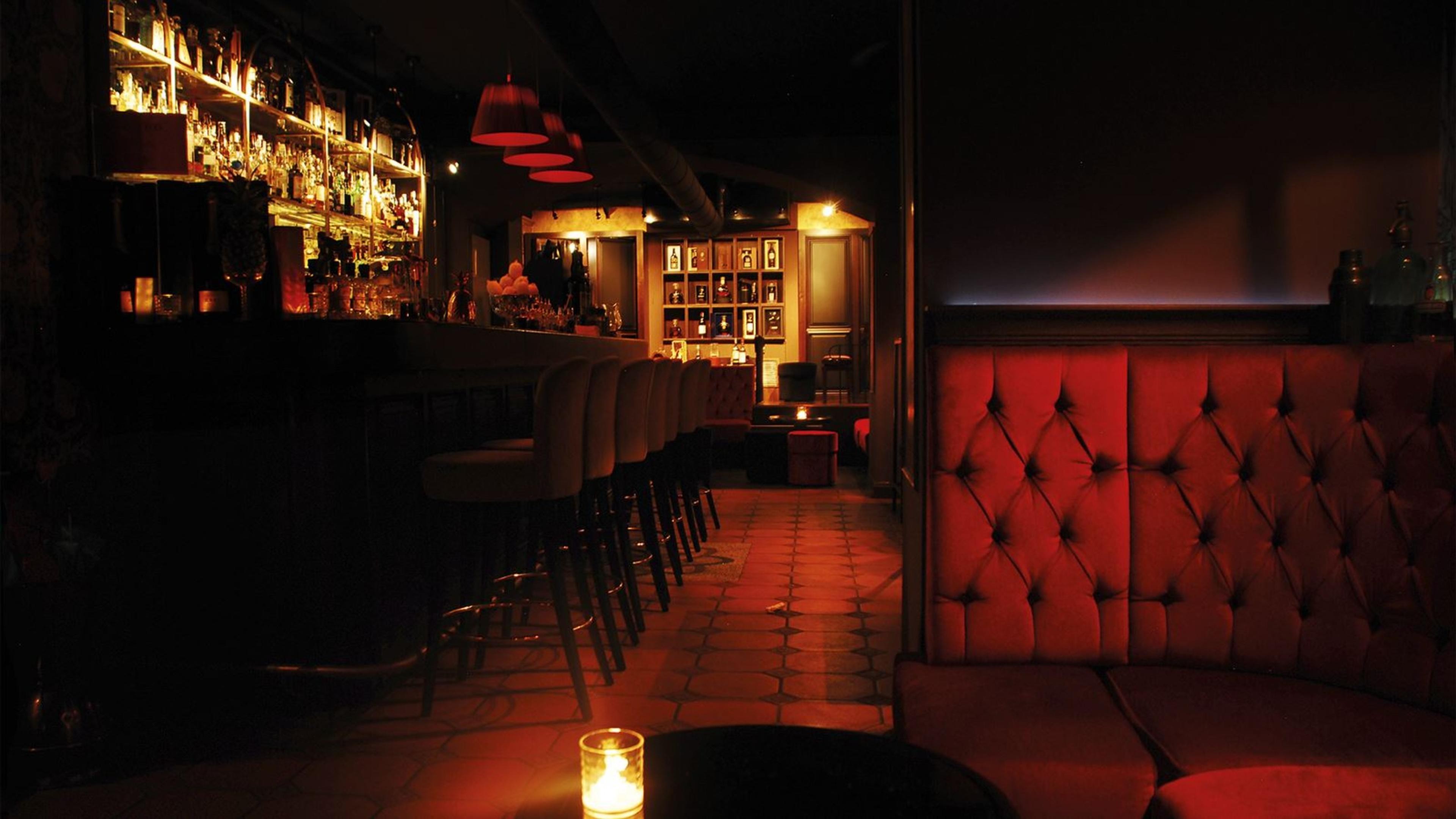
Modern, well-furnished interior with a welcoming yet sometimes chaotic atmosphere due to high demand and fast-paced service.