Agriturismo Il Cavallino

Michelin Plate
Our verdict
A Michelin Plate-recognised agriturismo on an organic farm outside Saturnia, Il Cavallino puts the produce of the Maremma directly on the table. The cooking is generous and grounded in territory, the wine list short but considered, and the setting as quiet as rural Tuscany gets. At the €€ price point, it represents one of the more honest expressions of country cooking in the region.

Pearl is the En Primeur Club membership app — saves, bookings, and concierge access live there. Same editors, same standards.
- Address
- Loc. Fibbianello, 58055 Saturnia GR, Italy
- Phone
- +39 338 890 6873
- Website
- agriturismoilcavallino.it
- Directions
- Get directions
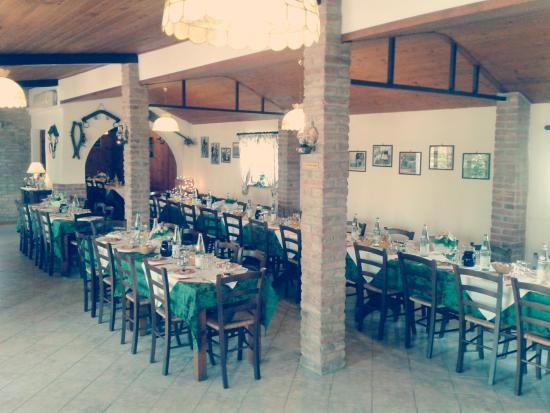
Where the Farm Defines the Menu
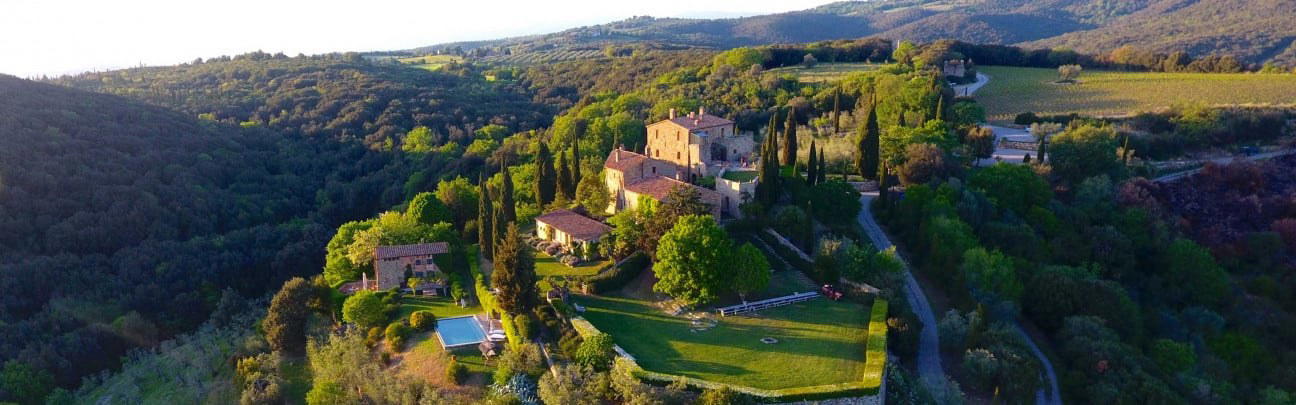
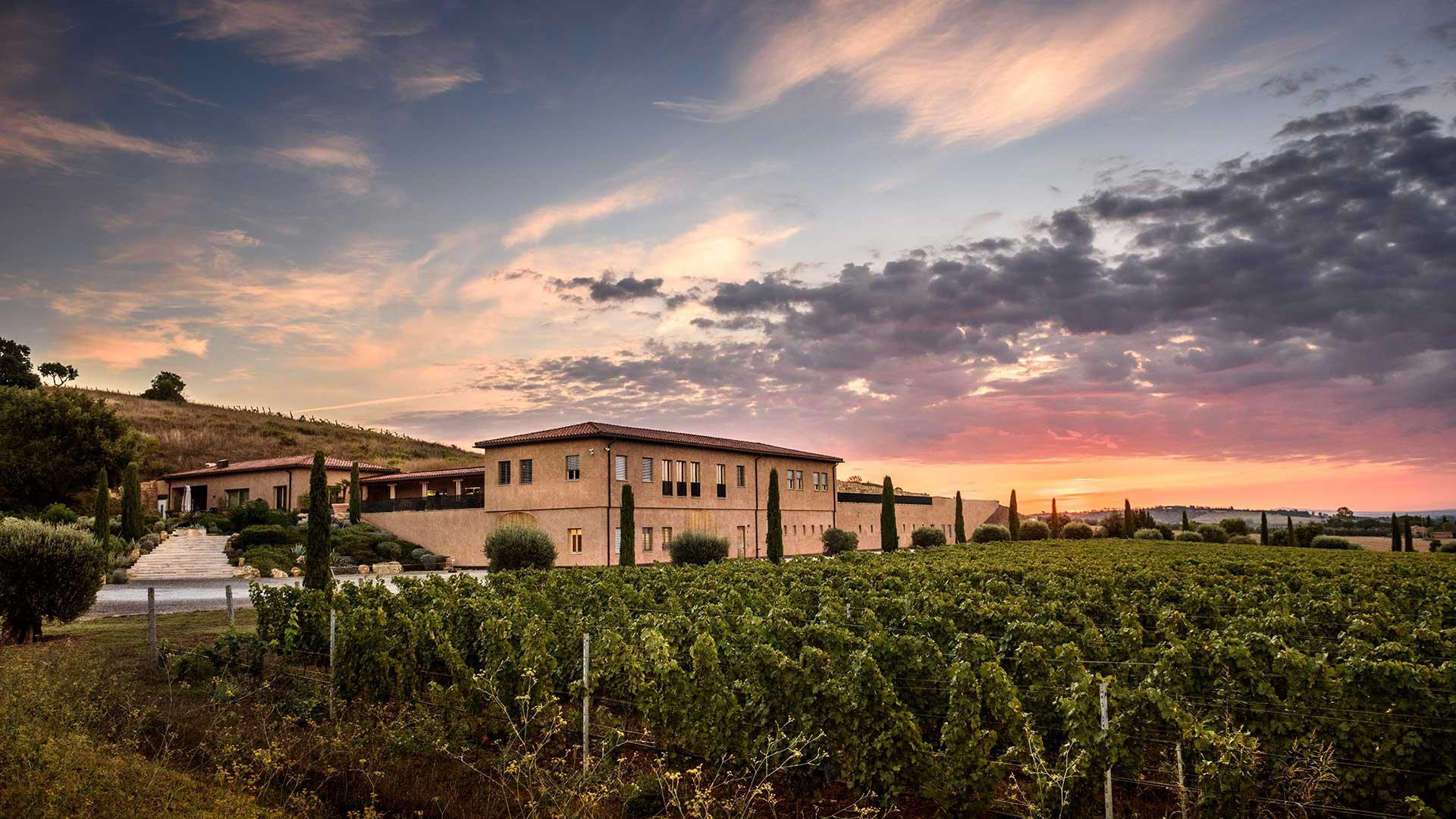
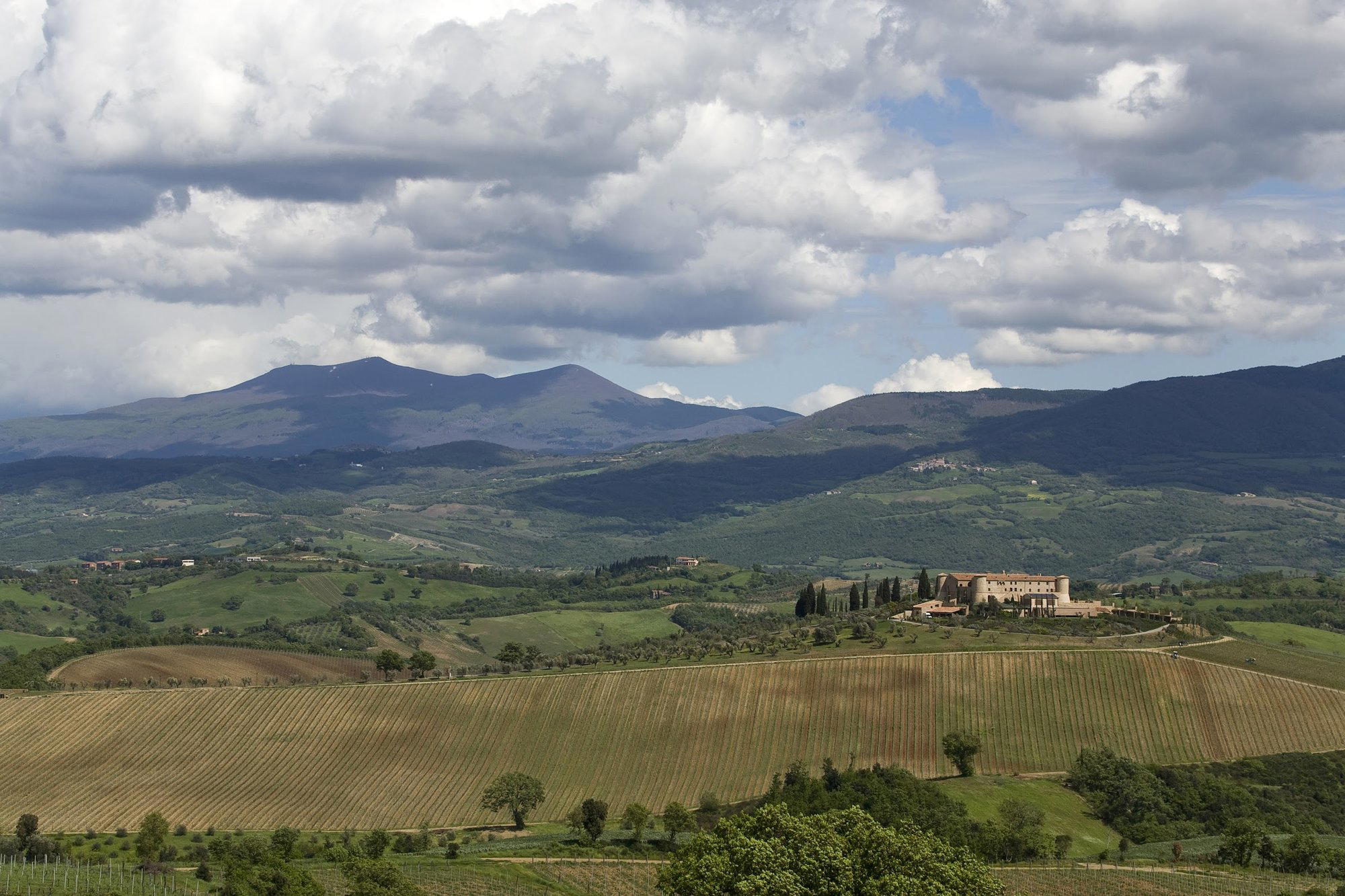
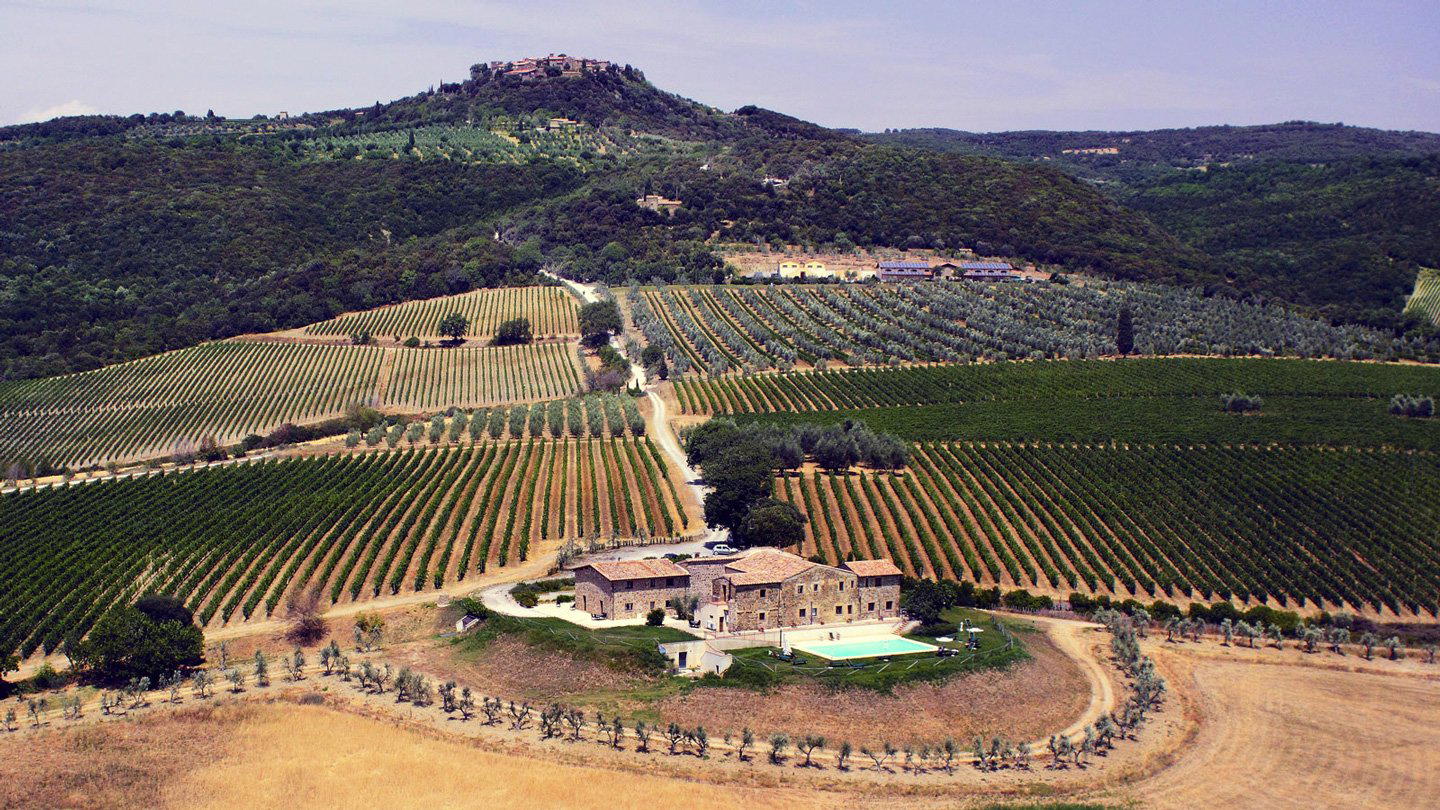
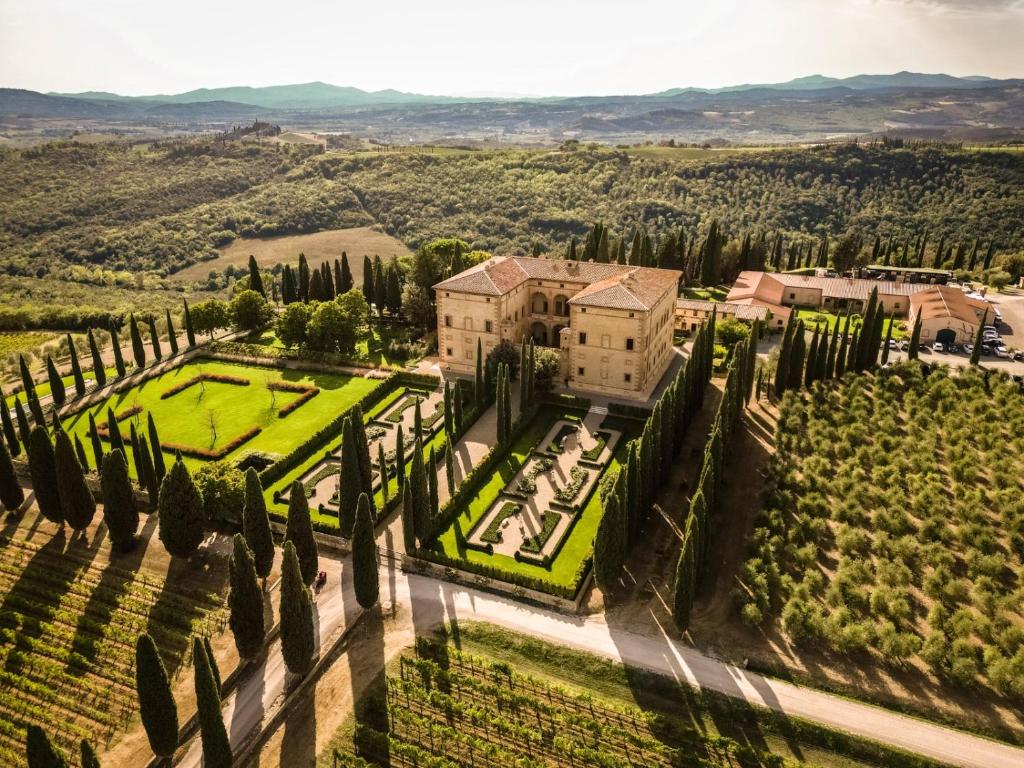
The road into Fibbianello, a hamlet in the hills above Saturnia in southern Tuscany, passes through the kind of countryside that reminds you what the Maremma actually looked like before agritourism became an aesthetic category. Olive groves, open pasture, the occasional stand of umbrella pine. Arriving at Agriturismo Il Cavallino, the setting is not decorative: the farm is operational, and the food comes from it.
That distinction matters more than it might seem. Across Italy, the agriturismo label spans an enormous range, from professional restaurants that happen to own a few vines to working farms where eating is an afterthought. Il Cavallino sits toward the working-farm end of that spectrum, with the menu shaped by what the land produces rather than by what an imported wine list or a modernist kitchen might suggest. The Michelin Plate awarded in 2025 reflects exactly that coherence: the food earns recognition not by departing from its context but by committing to it.
Organic Sourcing as a Structural Choice
In the broader conversation about provenance-led cooking in Italy, the most visible examples tend to sit at the top of the price tier: restaurants like Atelier Moessmer Norbert Niederkofler in Brunico or Reale in Castel di Sangro, where sourcing philosophy is part of a larger fine-dining proposition. At the €€€€ level, provenance becomes a selling point, narrated through tasting menus and press notes. What is less often discussed is how the same principles function at the €€ tier, where the economic relationship between land and table is less mediated.
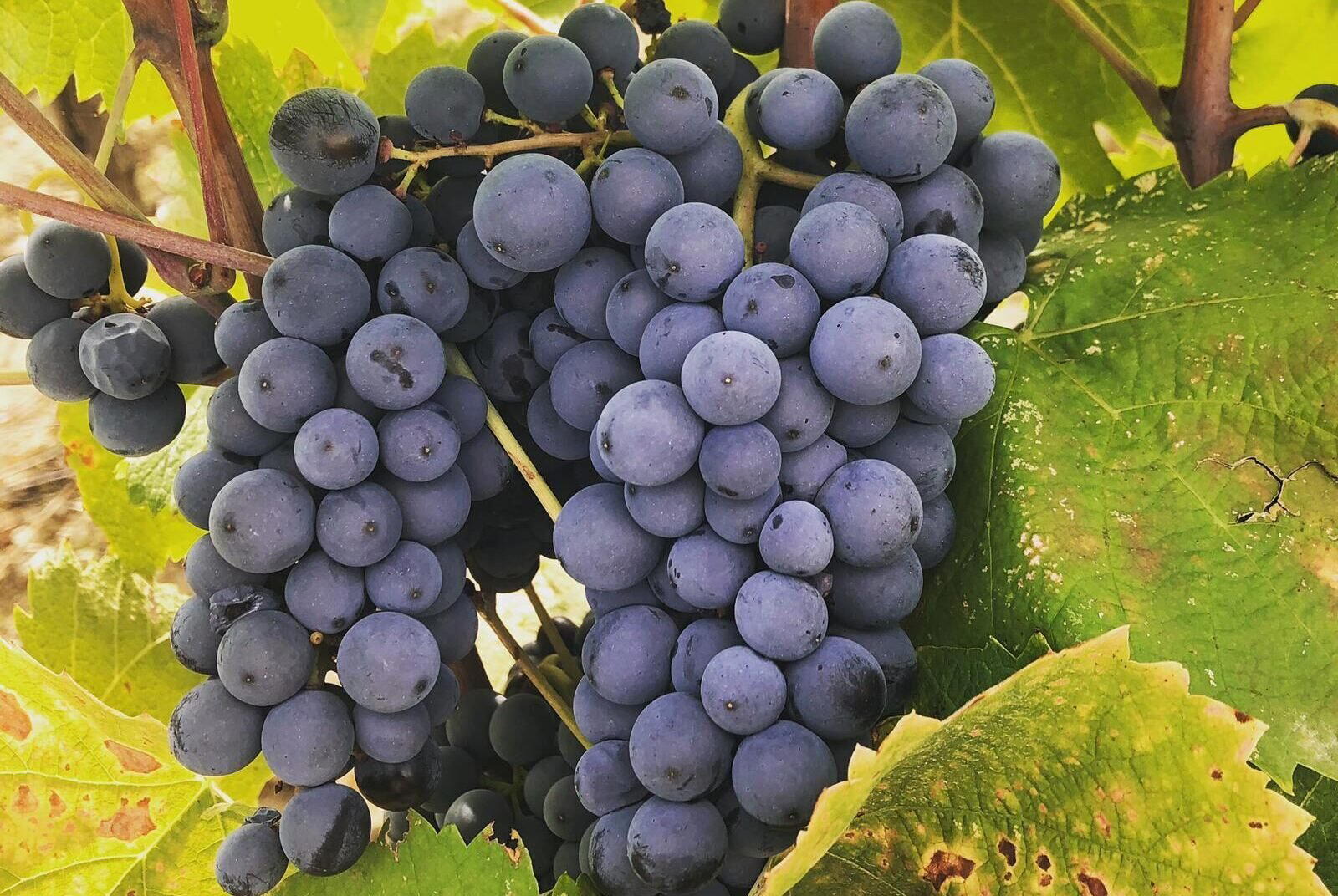
At Il Cavallino, the organic extra virgin olive oil produced on the farm has drawn specific notice from Michelin's inspectors, and for good reason: it is one of the most direct ways a farm kitchen signals the integrity of its sourcing chain. When the oil served at table is pressed from trees visible from the dining room, the traceability that other restaurants spend considerable effort constructing is simply present. The Maremma has long produced strong olive oil, with the coastal and inland groves of Grosseto province offering a grassy, slightly bitter profile suited to the region's strong vegetable and legume traditions.
The dishes described by Michelin as generous, flavorful, and colorful with attention to lightness align with the better end of Tuscan country cooking: preparations that do not rely on richness or reduction as a crutch but let the quality of individual ingredients carry the plate. That approach requires sourcing discipline. You cannot cook that way with mediocre raw material, which is why the farm-to-table structure here is a culinary precondition, not a marketing afterthought.
The Format and What It Means for the Experience
The front-of-house and kitchen roles at Il Cavallino are held by a young couple: one working the kitchen, carrying forward a family business tradition with experience gathered at other regional restaurants; the other managing the dining room with the kind of attentive presence that smaller operations either have or don't. That family-continuity structure is common in rural Italian dining, and at its finest it produces a consistency of approach that revolves, seasonal rotation and the organic rhythm of the farm setting the pace rather than external trends.
À la carte format and the wine list, described as small but well-selected with a strong regional focus, indicate that this is not a place trying to cover every preference. The wine selection from Grosseto province and broader Tuscany will reflect local tradition: Morellino di Scansano from the nearby Maremma appellation is the obvious anchor, a Sangiovese-based wine that has built a credible identity over the past two decades as a more accessible alternative to Brunello or Chianti Classico. A short list curated with conviction generally outperforms a long one assembled for comprehensiveness.
At the €€ price point, Il Cavallino occupies a tier where Italy's country cooking tradition is often at its most direct. Compare that to the four-figure tasting menu territory of Osteria Francescana in Modena or Enoteca Pinchiorri in Florence, and the editorial point becomes clear: Michelin recognition in Italy spans an enormous price range, and the Plate at Il Cavallino represents the inspectorate acknowledging that good cooking at a modest price point deserves the same attention as three-star destinations. For context on other country cooking operations in Italy, 21.9 in Piobesi d'Alba and Andrea Monesi at Locanda di Orta in Orta San Giulio represent the same tradition operating in northern contexts.
The Setting in Context
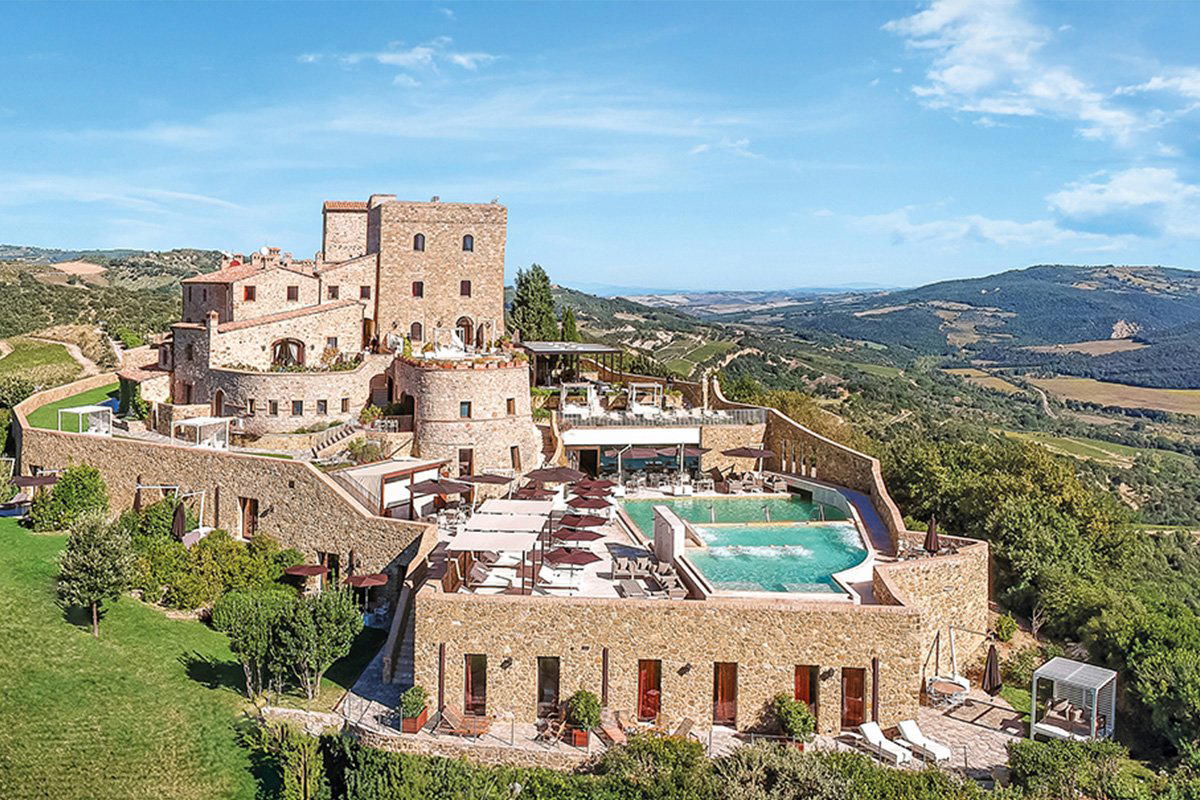
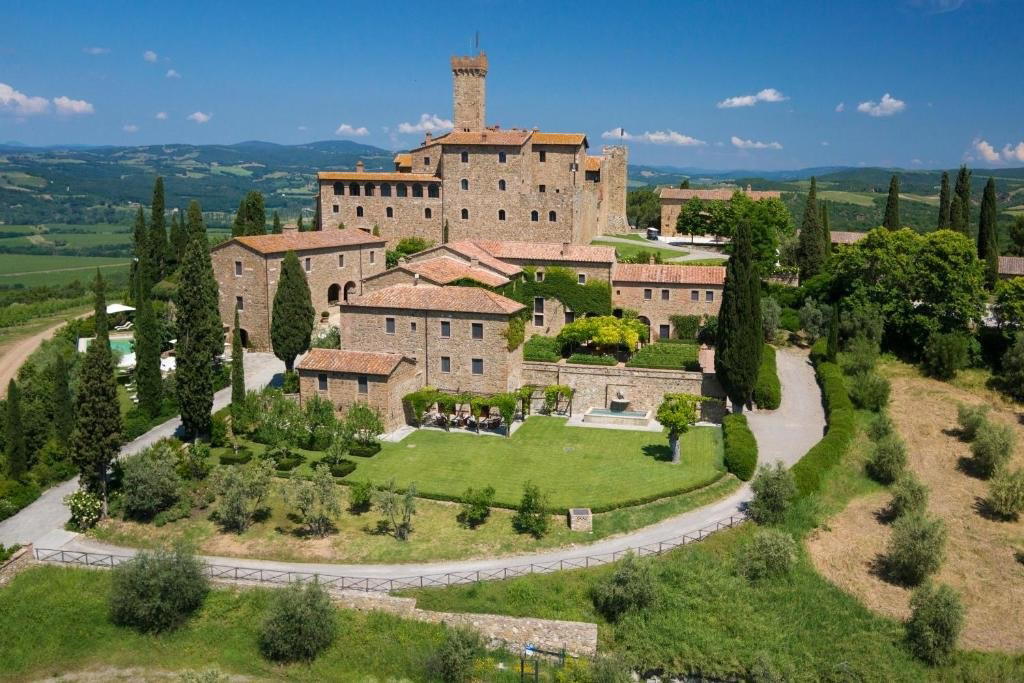
Saturnia is known primarily for its thermal springs, which attract visitors throughout the year, but the area around Semproniano and Fibbianello is quieter territory: hill country with sparse population, good light, and the particular stillness of a landscape that hasn't been heavily developed for tourism. Dining at Il Cavallino is not a detour from a city itinerary; it requires a commitment to the area. That self-selection tends to produce a particular kind of table: guests who are there for the place, not passing through.
It also suggests the family-run structure has held its standard over time.
For readers planning a wider stay in the area, the full picture of what Semproniano offers across dining, accommodation, and local experiences is worth consulting: our full Semproniano restaurants guide, our Semproniano hotels guide, bars guide, wineries guide, and experiences guide cover the region in depth. For reference points elsewhere in Italian fine dining, Dal Pescatore in Runate, Piazza Duomo in Alba, Le Calandre in Rubano, Uliassi in Senigallia, Quattro Passi in Marina del Cantone, Casa Perbellini 12 Apostoli in Verona, and Enrico Bartolini in Milan offer useful comparison points across different price tiers and regional traditions.
Planning Your Visit
The address is Loc. Fibbianello, 58055 Saturnia GR, placing Il Cavallino in the municipality of Manciano in Grosseto province. A car is necessary: the location is genuinely rural and not served by public transport. Booking ahead is advisable, particularly in the warmer months when the Saturnia area draws more visitors. The €€ pricing structure makes this accessible for a midweek or weekend lunch that does not require the financial planning of a high-end tasting menu evening.
Frequently asked questions
Would Agriturismo Il Cavallino be comfortable with kids?
The working farm setting in Fibbianello is considerably more relaxed than a formal restaurant at the €€ price point. There is no curated, noise-sensitive dining room to navigate: this is an actual organic farm stay where the agriturismo format accommodates families as a matter of course. Families with children should feel at ease here.
How would you describe the vibe at Agriturismo Il Cavallino?
Quiet and grounded. The operation is run by a young couple — one in the kitchen carrying forward a family tradition, one managing the dining room — and the Michelin Plate recognition for 2025 reflects cooking that is generous and rooted in the territory rather than performance-driven. The setting outside Semproniano in Grosseto province reinforces that tone: secluded farmland, not a renovated village showcase.
What's Agriturismo Il Cavallino known for in terms of accolades?
Agriturismo Il Cavallino has received recognition including: A property located in a very peaceful setting within an organic farm stay. The management is driven by great passion: he works in the kitchen, carrying forward the family business tradition; she manages the dining room with grace and attent….
What dish is Agriturismo Il Cavallino famous for?
The estate's organic extra virgin olive oil is the one ingredient singled out by name as particularly noteworthy.
In Context: Similar Options
| Venue | Cuisine | Price | Awards | Notes |
|---|---|---|---|---|
| Agriturismo Il CavallinoThis venue — the venue you are viewing | Tuscan Farm-to-Table | Not listed | Michelin Plate | Not listed |
| Atelier Moessmer Norbert Niederkofler | Italian, Creative | Not listed | Michelin 3 Star | Not listed |
| Dal Pescatore | Italian, Italian Contemporary | Not listed | Michelin 3 Star | Not listed |
| Enoteca Pinchiorri | Contemporary Italian Fine Dining | $200–300 | 3 Michelin Stars · World's 50 Best #32 | Italian - French, Italian Contemporary |
| Enrico Bartolini | Creative | Not listed | Michelin 3 Star | Not listed |
| Osteria Francescana | Avant-Garde Italian Contemporary | $300–500 | 3 Michelin Stars · World's 50 Best #1 | Progressive Italian, Creative |
Recognition history
Dated appearances from independent guides and award organizations, with the underlying list record or original source where available.
Michelin Plate
Michelin
Full recognition history (3 entries)
Michelin Plate
Michelin
Michelin Plate
Michelin
Continue exploring
More in Semproniano
Restaurants in Semproniano
Browse all →
Bars in Semproniano
Browse all →
Hotels in Semproniano
Browse all →
Details
- Rustic
- Cozy
- Scenic
- Quiet
- Family
- Date Night
- Special Occasion
- Garden
- Local Sourcing
- Garden
- Mountain
- A La Carte
- Vegetarian Friendly
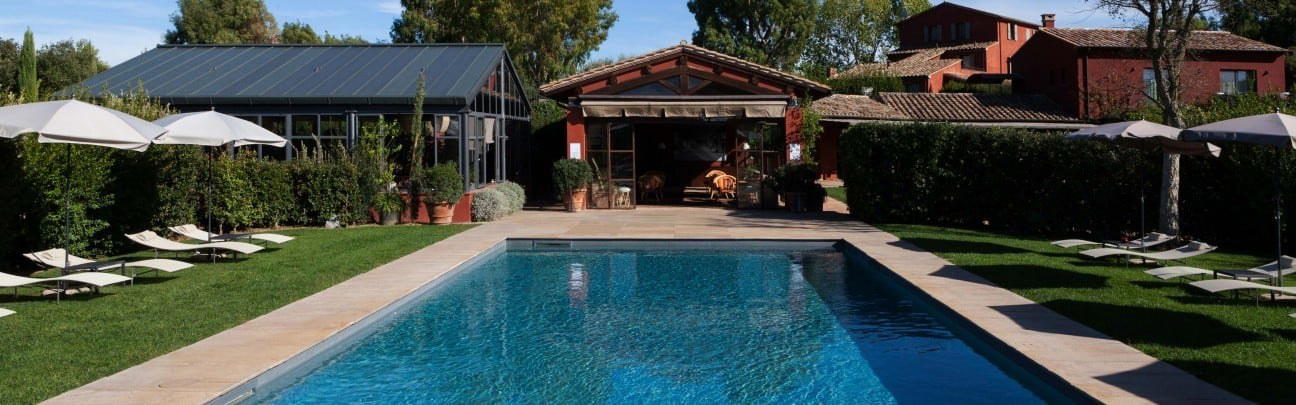
Welcoming and elegant yet familiar atmosphere with well-kept green spaces, surrounded by nature for tranquility and relaxation.