
1 Michelin Star
Our verdict
Tucked amid the gentle countryside outside Vigevano, I Castagni welcomes discerning diners to a rustic villa where antique furnishings and local art frame a quietly luxurious experience. Chef Enrico Gerli’s classic‑modern cuisine draws deeply from Lombardy’s traditions while introducing refined maritime accents—most memorably, black plin ravioli filled with sweet peas in a silken cuttlefish and mussel sauce. With his wife orchestrating polished, personable service and a cellar of some 600 global labels, the restaurant offers a serene, sophisticated table where seasonality, craft, and a sense of place converge.

Pearl is the En Primeur Club membership app — saves, bookings, and concierge access live there. Same editors, same standards.
- Address
- Via Ottobiano, 8/20, 27029 Vigevano PV, Italy
- Phone
- +39 0381 42860
- Hours
- Mon ClosedTue 8–10 PMWed–Sat 12:30–2 PM, 8–10 PMSun 12:30–2 PM
- Website
- ristoranteicastagni.com
- Directions
- Get directions
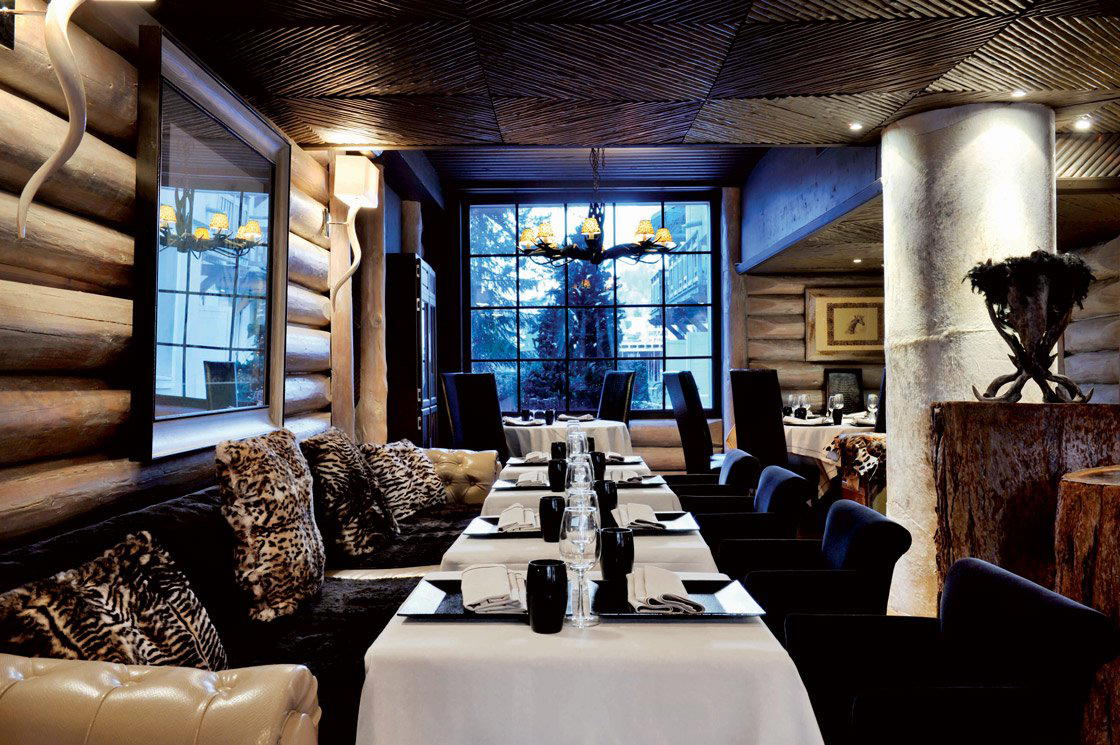
A Farmhouse at the Edge of the Rice Fields
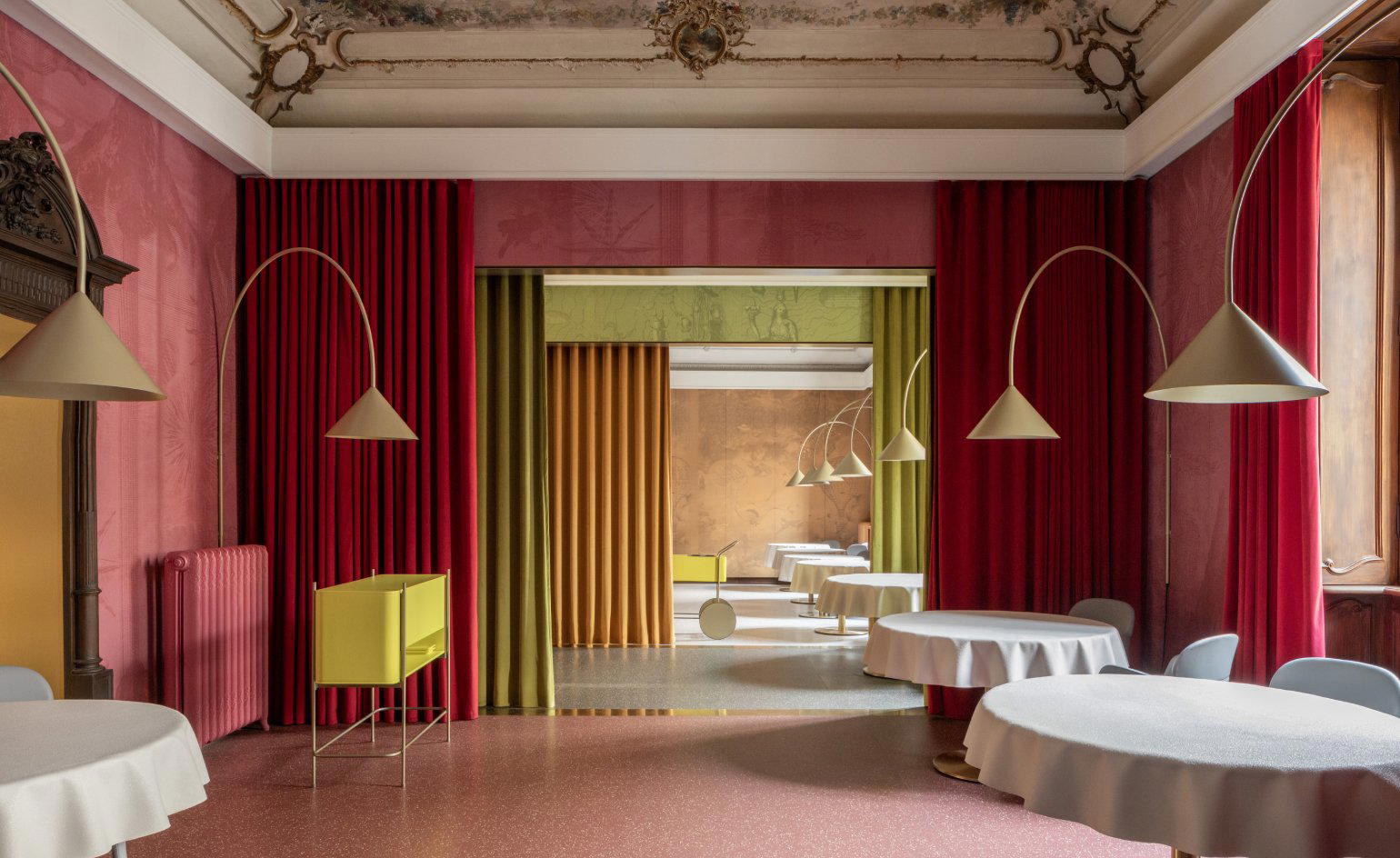
The approach to I Castagni sets expectations correctly. The road out of Vigevano's centro storico gives way to flat agricultural land, the Lomellina plain spreading wide in every direction, its geometry of paddy fields and irrigation canals unchanged in its essentials for centuries. The restaurant itself occupies a country house with a portico — the kind of structure that reads, from the outside, more like a private residence than a dining destination. Inside, antique furniture and paintings by local artists on the walls reinforce that domestic register. This is not the studied rusticity of a restaurant designed to look rural. The setting is the thing itself.
That distinction matters when reading what the kitchen produces. Lombardy's inland agricultural provinces — Pavia, Mantua, the Lomellina, have a culinary character rooted in what the land and waterways yield: rice grown in standing water, freshwater fish, cured pork from heavy breeds, slow braises built on dairy fat. Vigevano sits in the heart of that tradition, and I Castagni has spent more than three decades working within it rather than around it.
What Lombardy Actually Tastes Like Here
The editorial angle on Lombardy's better country restaurants often defaults to risotto, and risotto matters here, the Lomellina produces a significant share of Italy's carnaroli and arborio output, and any kitchen within twenty kilometres of those paddies has access to rice harvested at a quality and freshness that restaurants in Milan or beyond simply cannot replicate without careful supply chain work. But the regional vocabulary extends further than rice, and I Castagni's approach to classic-modern Lombard cooking reflects that breadth.
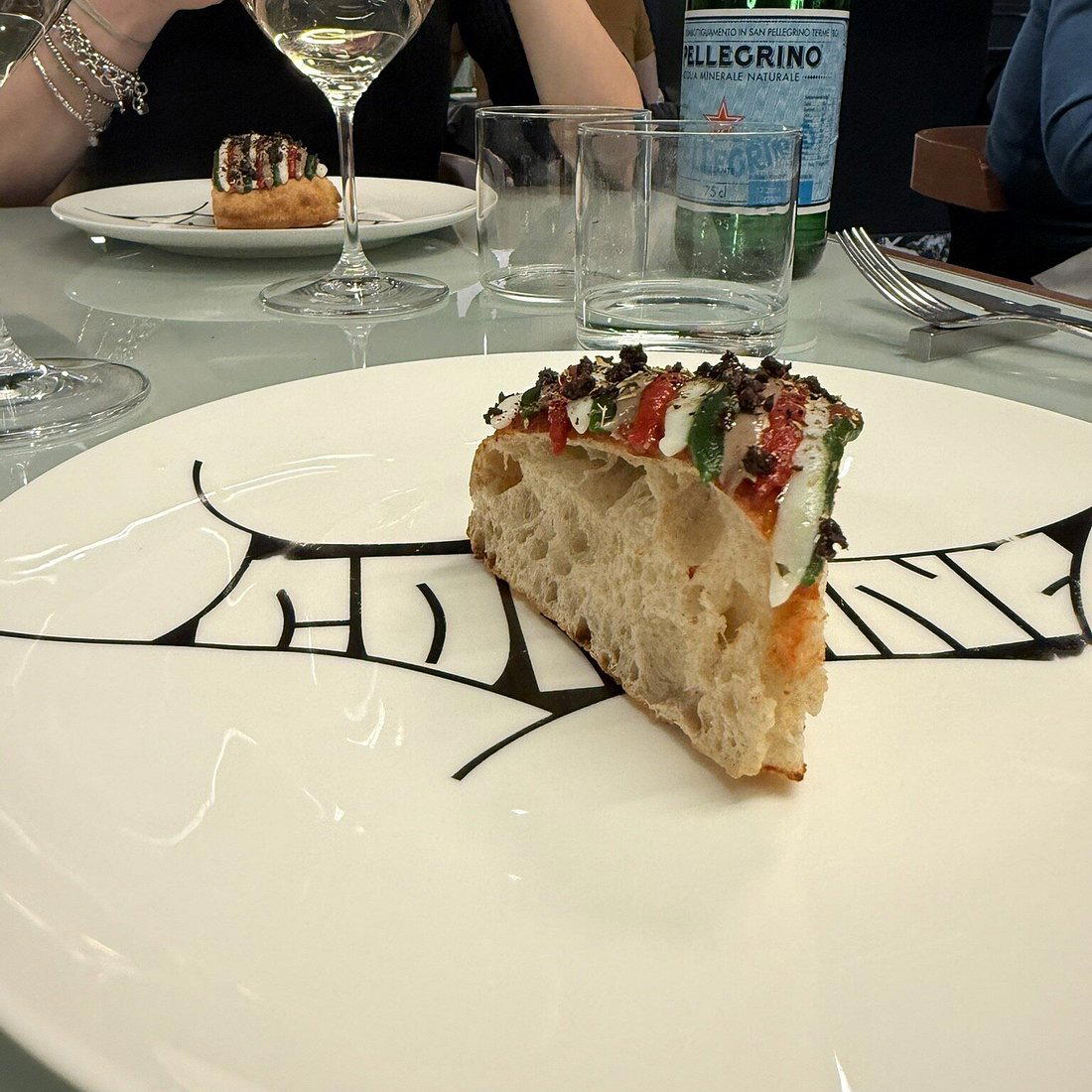
The kitchen integrates fish dishes alongside the land-based canon, a compositional choice that signals awareness of Lombardy's older cooking traditions, in which freshwater and, via trade routes, Adriatic fish featured more prominently than the region's modern image suggests. The Michelin inspector's highlighted dish makes the case specifically: black plin ravioli filled with peas, served with a white cuttlefish and mussel sauce. Plin is a Piedmontese pasta form, the pinched fold creates a small, compact parcel, and its appearance here reflects the porous culinary border between Lombardy and its western neighbour. The pairing of that pasta with cuttlefish and mussel sauce reaches further geographically, anchoring a northern format to coastal ingredients with a confidence that characterises cooking shaped by decades of practice rather than trend cycles.
A wine cellar holding approximately 600 labels from producers across Italy and internationally supports the kitchen without overshadowing it. At this price point, the restaurant sits at the €€€ tier, which in a provincial Lombard context implies a serious but not extravagant commitment, a cellar of that depth is notable.
Where I Castagni Sits in Italy's Starred Countryside
Italy's Michelin-starred restaurants concentrate heavily in cities and in a handful of well-trafficked rural destinations, the Langhe, the Amalfi coast, the Veneto plains. Lombardy's agricultural interior does not generate the same volume of culinary tourism, which makes the sustained recognition of a restaurant like I Castagni more indicative of genuine kitchen quality than comparable recognition in a higher-profile zone might be. The inspector visit that results in a star for a country house outside Vigevano is not driven by ambient prestige or location halo effect.
The operative comparison for understanding I Castagni's position is not with the creative Italian cooking of Osteria Francescana in Modena or Enrico Bartolini in Milan, nor with the progressive formats of Le Calandre in Rubano or Piazza Duomo in Alba. The classic cuisine category, applied to Italian provincial cooking at this level, is not a limiting descriptor, it is the category in which ingredient sourcing, technique, and accumulated local knowledge do the heaviest lifting.
Beyond Italy, the model has parallels in restaurants like KOMU in Munich and Maison Rostang in Paris, establishments where classical frameworks and genuine longevity define the offer. In this company, three decades of consistent operation under the same ownership carries real weight.
Ingredient Sourcing and the Logic of the Location
The argument for proximity-sourcing is often made abstractly in restaurant writing, but in the Lomellina it resolves to concrete specificity. Rice grown in flooded paddies within the immediate agricultural zone arrives at kitchens here at a freshness and traceability unavailable to urban restaurants working through distribution intermediaries. The same applies to the pork supply: the province of Pavia has a documented tradition of heavy pig farming linked to dairy production, whey from cheesemaking fed the pigs, the pigs produced salumi and lard that shaped the regional cooking. A kitchen operating for more than thirty years in this landscape has had time to develop the supplier relationships that make those sourcing claims substantive rather than rhetorical.
The fish integration requires more explicit supply chain work, since Lombardy is landlocked. The presence of cuttlefish and mussels in the kitchen's highlighted preparation implies either established relationships with Adriatic suppliers or procurement through specialist distributors serving northern Italian fine dining. Either way, it represents a deliberate compositional choice, the decision to bring coastal ingredients into a land-centred regional cuisine, that tells you something about the kitchen's ambitions and range.
For readers also interested in Italian coastal seafood cooking, Uliassi in Senigallia and Quattro Passi in Marina del Cantone represent the Adriatic and Tyrrhenian registers respectively; Reale in Castel di Sangro and Atelier Moessmer Norbert Niederkofler in Brunico illustrate how Italian inland creative cooking operates in a very different register from what I Castagni practises.
Planning a Visit
The practical shape of a meal here is worth understanding before booking. The restaurant closes Mondays and operates lunch service from 12:30 on Wednesday through Sunday, with dinner running from 8 PM Tuesday through Saturday, and no dinner service on Sundays. That pattern makes it a workable lunch destination for travellers in the Pavia province or anyone combining Vigevano with the wider Lomellina, though weekend dinner is the natural format for a dedicated visit.
Vigevano itself warrants time beyond the meal. The Piazza Ducale, designed in the late fifteenth century under Ludovico Sforza, is among the most architecturally coherent Renaissance squares in northern Italy and sits less than ten minutes from the city's periphery by car. For further context on the city's dining and hospitality offer, our full Vigevano restaurants guide covers the broader field. The city also has a modest but growing infrastructure around visitors, see our Vigevano hotels guide, bars guide, wineries guide, and experiences guide for the fuller picture.
Frequently asked questions
What should I budget for a meal at I Castagni?
Pricing at I Castagni is listed as €€€.
In Context: Similar Options
| Venue | Cuisine | Price | Awards | Notes |
|---|---|---|---|---|
| I CastagniThis venue — the venue you are viewing | Modern Italian Fine Dining | Not listed | 1 Michelin Star | Not listed |
| Atelier Moessmer Norbert Niederkofler | Italian, Creative | Not listed | Michelin 3 Star | Not listed |
| Dal Pescatore | Italian, Italian Contemporary | Not listed | Michelin 3 Star | Not listed |
| Enoteca Pinchiorri | Contemporary Italian Fine Dining | $200–300 | 3 Michelin Stars · World's 50 Best #32 | Italian - French, Italian Contemporary |
| Enrico Bartolini | Creative | Not listed | Michelin 3 Star | Not listed |
| Osteria Francescana | Avant-Garde Italian Contemporary | $300–500 | 3 Michelin Stars · World's 50 Best #1 | Progressive Italian, Creative |
Recognition history
Dated appearances from independent guides and award organizations, with the underlying list record or original source where available.
Michelin 1 Star
Michelin
Full recognition history (3 entries)
Michelin 1 Star
Michelin
Michelin 1 Star
Michelin
Details
- Elegant
- Romantic
- Quiet
- Classic
- Date Night
- Special Occasion
- Garden
- Standalone
- Local Sourcing
- Garden
- A La Carte
Current opening hours
- Monday
- Closed
- Tuesday
- 8–10 PM
- Wednesday
- 12:30–2 PM, 8–10 PM
- Thursday
- 12:30–2 PM, 8–10 PM
- Friday
- 12:30–2 PM, 8–10 PM
- Saturday
- 12:30–2 PM, 8–10 PM
- Sunday
- 12:30–2 PM
Hours can change for holidays and private events. Last verified .
Lovely and tranquil atmosphere with garden grounds, creating a peaceful dining environment with gracious hospitality.