

Tabelog Bronze #2
Our verdict
Tokyo’s pizza scene has moved well beyond casual Neapolitan imitation, and 400℃ PIZZA TOKYO belongs to the small counter-led tier where dough, heat, and ingredient sourcing carry the argument. Its Tabelog Pizza 100 selection in 2025 and compact Kagurazaka format place it among the city’s serious pizzerias rather than its everyday slice shops.

Pearl is the En Primeur Club membership app — saves, bookings, and concierge access live there. Same editors, same standards.
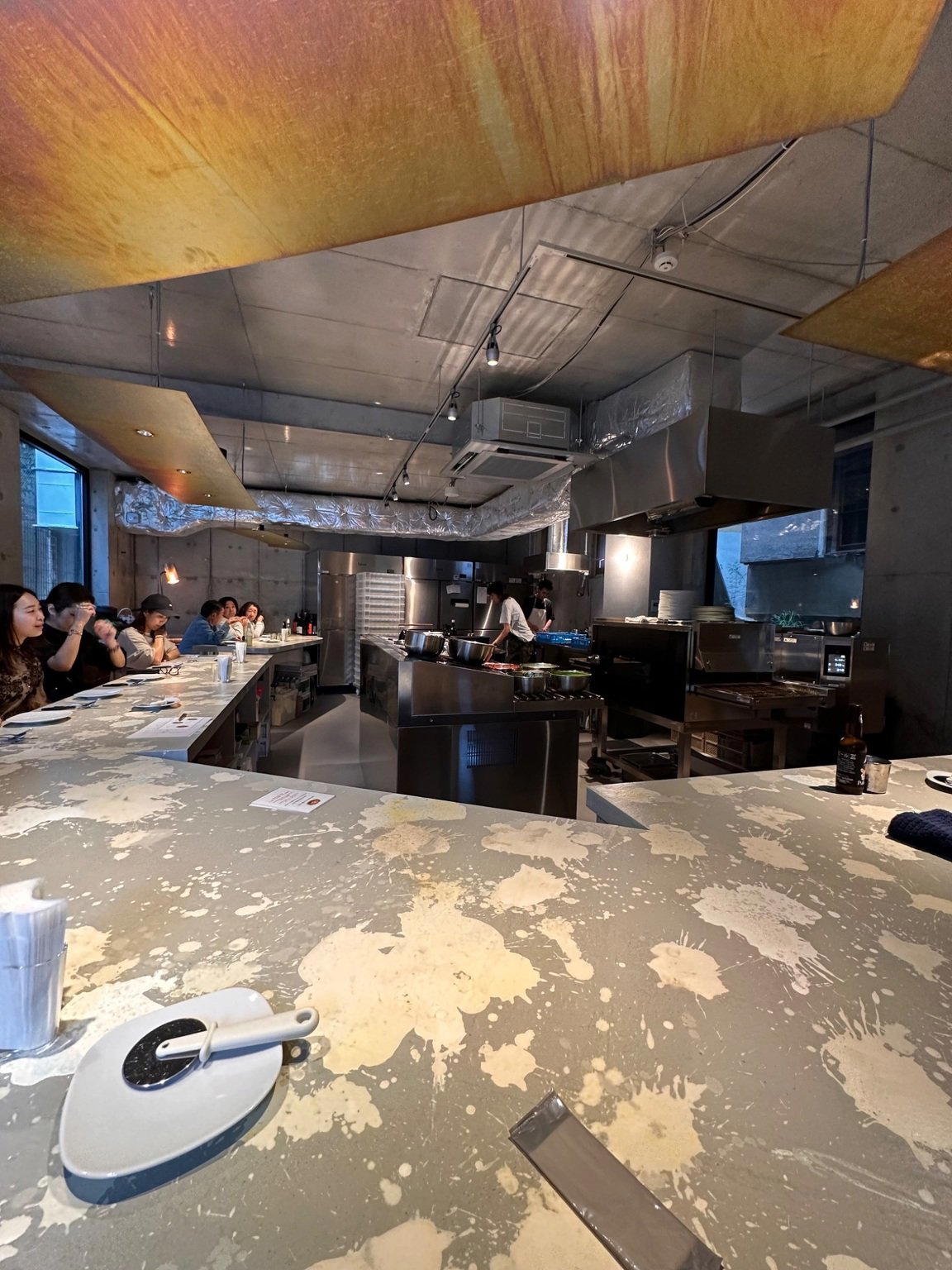
Kagurazaka gives pizza a quieter frame than Tokyo’s louder dining districts: residential approach, narrow streets, and a mood closer to a small counter than a broad trattoria. For a pizzeria built on heat management and ingredient clarity, that matters; in a small room, dough handling, restrained toppings, and every decision read plainly.
Tokyo has become one of the most exacting pizza cities outside Italy because it treats the form with the technical seriousness it gives sushi, soba, and tempura. Its stronger pizzerias compete on fermentation, oven control, flour choice, tomato quality, dairy sourcing, and the discipline to stop before a pizza turns heavy. 400℃ PIZZA TOKYO (KAGURAZAKA) sits inside that movement, with a Tabelog Pizza 100 selection in 2025 giving it a public marker in a crowded category.
Kagurazaka's counter-pizza tier is about precision, not spectacle
Tokyo’s pizzeria hierarchy splits into neighborhood rooms built for repeat local use, Italian-leaning restaurants where pizza is one part of a broader menu, and compact specialist counters where the oven becomes the center of gravity. The Kagurazaka address belongs to the last group. A 15-seat counter changes the rhythm: pizza is the main performance, judged quickly and without camouflage.
That format explains the reputation. At this level, provenance is not decorative but operational. Flour must survive high heat without turning brittle; tomatoes need acidity rather than sugar; cheese must add fat and lactic depth without flattening the dough. Tokyo diners are fluent in those distinctions, which is why the city can support specialists such as Pizza Studio Tamaki, Pizza Marumo, and Pizza Strada without treating them as interchangeable.
The name signals a heat thesis, but the restaurant is better read through balance. High-temperature pizza can become a stunt when char takes over. Stronger Tokyo examples use heat as structure: fast bake, defined crust, proportionate toppings, and a center that does not collapse. Ingredient purity becomes visible because poor tomato, tired oil, or indifferent dairy has nowhere to hide.
The serious Tokyo pizzeria now prices against craft, not convenience
Pizza in Tokyo spans a wider price range than many visitors expect. The casual end remains accessible, while the specialist end has moved closer to counter dining, with smaller seat counts and tighter production. In that context, 400℃ PIZZA TOKYO’s listed spend of JPY 4,000 to JPY 4,999 places it in a craft-pizzeria bracket, not a luxury tasting-menu bracket. The value proposition is control, not abundance.
The 2025 Tabelog Pizza 100 selection is a useful trust signal because it separates the restaurant from the city’s mass of competent pizzerias. Tabelog recognition rewards sustained diner scrutiny in Japan’s restaurant culture, where incremental differences in texture, sourcing, and execution matter. It does not make the restaurant a trophy room; it places it in a competitive conversation with Tokyo venues where the pizza carries the full burden of judgment.
For travelers mapping a wider food itinerary, this is a useful counterpoint to Tokyo’s reservation-heavy sushi and kappo culture. Pizza offers another kind of Japanese precision: imported tradition, local discipline, and a refusal to let informality excuse weak technique. Readers building a broader itinerary can place it alongside PER TE for Italian context, then compare the city edit through Our full Tokyo restaurants guide.
How to place it in a Tokyo dining itinerary
Kagurazaka suits this restaurant because the neighborhood has long balanced old Tokyo textures with serious dining culture. It is not the natural home of oversized theatrics; it rewards compact rooms, regulars, and tightly focused formats. The pizzeria feels less like an imported concept than part of the district’s grammar: small scale, careful pacing, and direct attention to craft.
The chef field is listed as various, so the stronger editorial reading is category maturity, not a personality story. Tokyo no longer needs a single-name pizza auteur to validate the form. Its better pizzerias are judged by systems: dough program, ingredient discipline, oven consistency, and whether the room delivers the same focus across service. That is healthier than chef mythology.
There is also a practical caution. This is a compact counter-led pizzeria, not a sprawling Italian dining room. It suits travelers who want a focused pizza stop inside a larger Tokyo schedule, especially when the itinerary already includes heavier omakase, yakiniku, or kaiseki meals. It is less suited to diners seeking a long evening built around many courses and a large table.
Tokyo’s wider pizza map is worth studying before committing a meal slot. Pizza Studio Tamaki has become a reference point for the city’s precision-led pizza culture, while Pizza Marumo and Pizza Strada show how broad the category has become. The useful comparison is not which one wins, but what kind of pizza meal a traveler wants: counter focus, neighborhood ease, or a broader Italian frame.
For planning beyond dinner, the surrounding trip can be built with equal specificity. Our full Tokyo hotels guide is useful for choosing a base, while Our full Tokyo bars guide covers the city’s cocktail and drinking rooms after a shorter meal. Broader cultural planning sits in Our full Tokyo experiences guide, and wine-focused readers can scan Our full Tokyo wineries guide for the city’s urban wine angle.
The broader Japanese dining map also frames the choice. A tight Tokyo pizzeria sits differently from -Grilled beef Sukiyaki- KAMAKURA TANUKIAN 鎌倉 たぬき庵 in Kamakura, [ki:] in Kyoto.cafe in Osaka.know in Kumamoto, (Shoku) Vietnam in Kawasaki, or [Curry Senmon Ten] Maruyama Kyoju. in Sapporo. Internationally, the contrast is sharper: 11th Street Pizza, Pizzeria in Miami and 2 Amys, Pizzeria in Washington, D.C. belong to different pizza cultures, where scale, service style, and local expectations shape the meal differently.
The verdict is simple: this is a Tokyo pizzeria for diners who care about the ingredients beneath the performance. The award signal, counter format, and Kagurazaka setting point the same way. Expect a focused meal measured not by novelty, but by how cleanly flour, heat, tomato, cheese, and restraint speak.
Frequently asked questions
What should I expect atmosphere-wise at 400℃ PIZZA TOKYO?
Expect a 15-seat counter in Kagurazaka, Tokyo, with service shaped by a reservation-only format and a non-smoking room. The setting is built for focused pizza service rather than a long à la carte meal.
How would you describe the cuisine at 400℃ PIZZA TOKYO?
400℃ PIZZA TOKYO serves Pizzeria cuisine.
What time does 400℃ PIZZA TOKYO open and close?
Hours at 400℃ PIZZA TOKYO: Mon: 11 AM–6:10 PM; Tue: 11 AM–6:10 PM; Wed: 11 AM–6:10 PM; Thu: 11 AM–6:10 PM; Fri: 11 AM–6:10 PM; Sat: 11 AM–6:10 PM; Sun: 11 AM–6:10 PM.
Where do I go for 400℃ PIZZA TOKYO?
400℃ PIZZA TOKYO is located in Tokyo.
Which chef is 400℃ PIZZA TOKYO associated with?
The chef associated with 400℃ PIZZA TOKYO is Various.
What has 400℃ PIZZA TOKYO built its reputation on?
It has built its reputation on repeat recognition from Tabelog, including a 2026 Bronze Tabelog Award and selection for Tabelog Pizza 100 in 2025. The venue opened in 2018 and sits in Tokyo’s Kagurazaka area, which suits its counter-led pizzeria format.
Side-by-Side Snapshot
Comparable venues at similar price and category levels.
| Venue | Cuisine | Price | Awards | Notes |
|---|---|---|---|---|
| 400℃ PIZZA TOKYO | Tokyo-style Neapolitan Pizza | Not listed | Not listed | Shinjuku |
| Don Bravo | Modern Italian with Japanese Influence | $150–200 | Tabelog Bronze #55 | Kokuryo |
| L'ALCHIMIA ASTRATTA | Modern Italian-Japanese Fusion | $50–100 | Michelin Plate | Setagaya |
| Marugo | Italian Wine Bar | $20–30 | Not listed | Shinjuku |
| Convivio | Regional Italian Course Cuisine | $100–150 | Tabelog 100 #25 | Shibuya |
| エリオ・ロカンダ・イタリアーナ | Authentic Southern Italian Trattoria | $50–100 | Tabelog 100 #86 | Chiyoda |
Recognition history
Dated appearances from independent guides and award organizations, with the underlying list record or original source where available.
Opinionated About Dining Casual in Japan Ranked #42
Opinionated About Dining
Tabelog Bronze #2
Tabelog
Full recognition history (5 entries)
Opinionated About Dining Casual in Japan
Opinionated About Dining
Tabelog Bronze
Tabelog
Tabelog 100 #51 · No. 51
Tabelog · Tabelog 100 - Pizza - 2025
Continue exploring
More in Tokyo
More from Chef Various
Browse all →
Restaurants in Tokyo
All restaurants in Tokyo →


Bars in Tokyo
All bars in Tokyo →



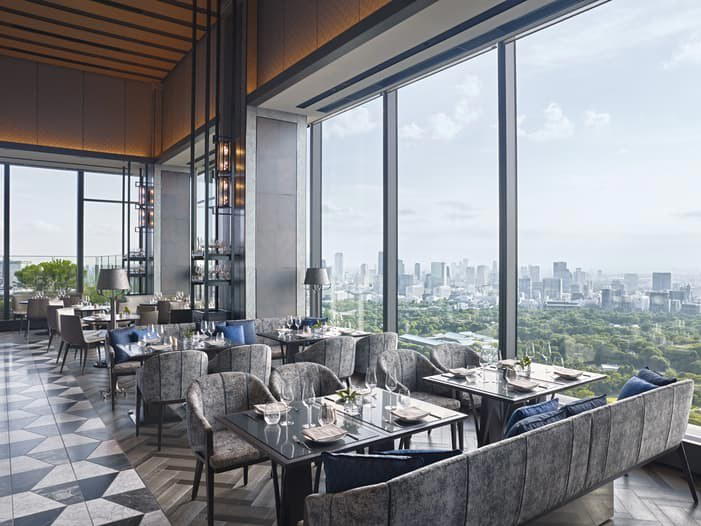
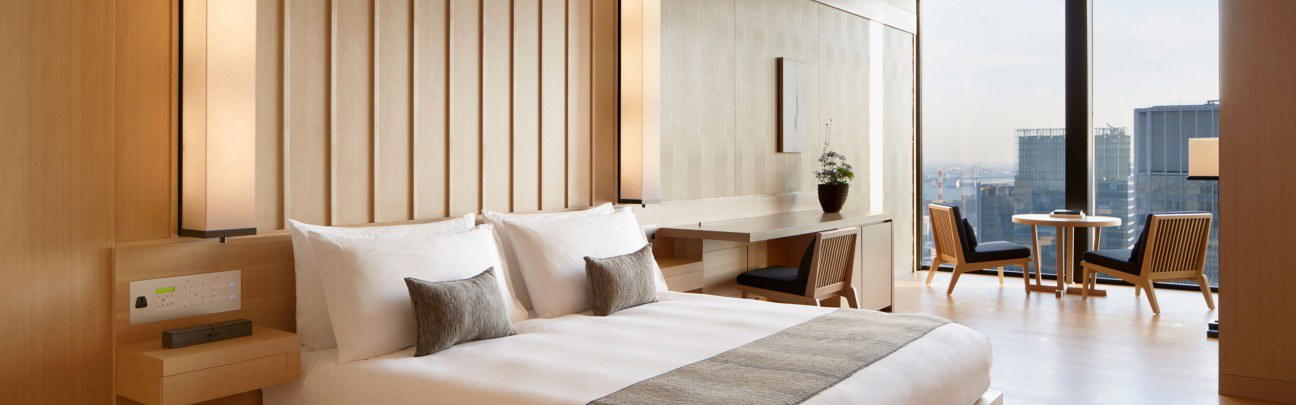
400℃ PIZZA TOKYO (KAGURAZAKA)
The wine
- Wine program
- Curated wine list
- Sake program
Details
- Trendy
- Modern
- Elegant
- Cozy
- Date Night
- Solo
- Casual Hangout
- Open Kitchen
- Sake Program
- A La Carte
- Counter Dining
- Wine
Current opening hours
- Monday
- 11 AM–6:10 PM
- Tuesday
- 11 AM–6:10 PM
- Wednesday
- 11 AM–6:10 PM
- Thursday
- 11 AM–6:10 PM
- Friday
- 11 AM–6:10 PM
- Saturday
- 11 AM–6:10 PM
- Sunday
- 11 AM–6:10 PM
Hours can change for holidays and private events. Last verified .
Stylish, relaxing, and modern space with counter seating in a hideout location.