
A 2024 Michelin Plate recipient on Tielike Temple Road, Huadao Art Of Life · Yu Shan Ge sits within Chengdu's small but serious cohort of premium vegetarian dining rooms. Operating at the ¥¥¥ price tier, it positions itself above casual Buddhist canteens and closer to the city's fine-dining circuit, where plant-based cooking is treated as a discipline rather than a dietary accommodation.
Pearl is the En Primeur Club membership app — saves, bookings, and concierge access live there. Same editors, same standards.
- Address
- China, CN 四川省 成都市 武侯区 铁像寺路 88 88号16栋附101号 邮政编码: 610211
- Phone
- +86 28 8512 2888
- Directions
- Get directions
 Saves & bookings on Pearl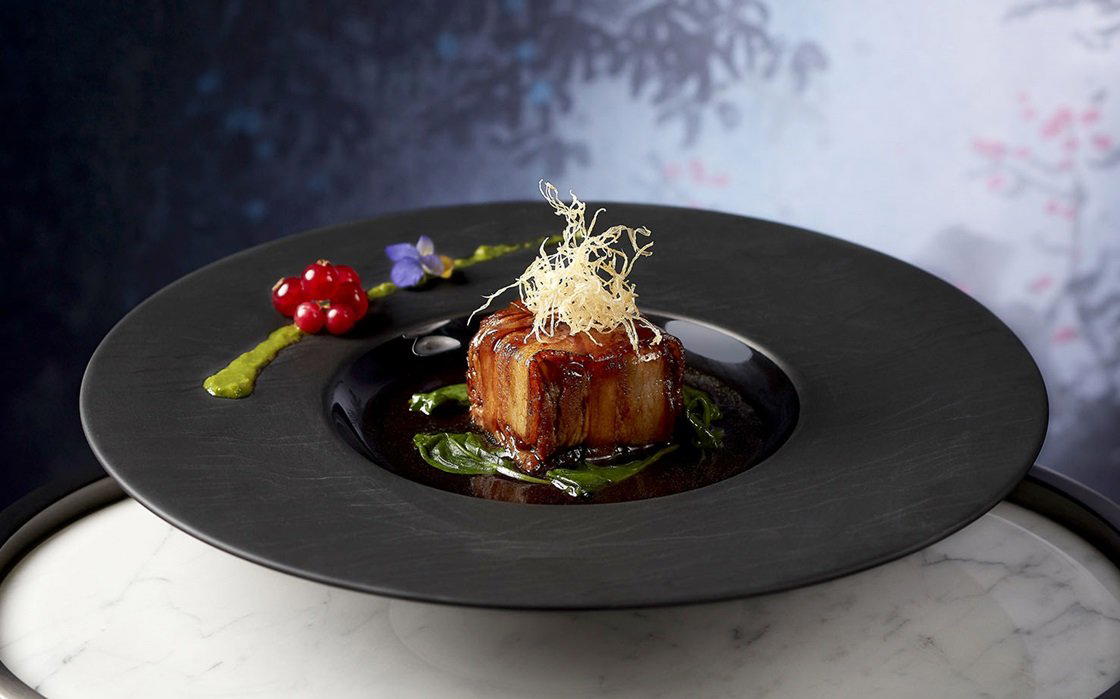
Where Chengdu's Vegetarian Dining Has Arrived
Premium vegetarian dining in Chinese cities has followed a recognizable arc over the past decade: from temple canteens serving functional meals to monks and pilgrims, to destination restaurants where the absence of meat is a creative constraint rather than a religious obligation. Chengdu, a city whose culinary identity is built on fermented chili, rendered lard, and offal, might seem an unlikely address for serious plant-based cooking. Yet the city has produced a small, Michelin-recognized cohort of vegetarian rooms that compete on technique and atmosphere rather than novelty. Huadao Art Of Life · Yu Shan Ge, a Chengdu restaurant serving Zen Vegetarian Kaiseki in Wuhou District, is part of that cohort.
The address places the restaurant in a southern stretch of the city that sits outside the tourist circuits of Kuanzhai Alley or the Jinli pedestrian street. Wuhou District's dining character tends toward the residential and neighborhood-specific, which means fewer walk-ins and a clientele that has made a deliberate choice to be there. That dynamic shapes the room before a single dish arrives.
The Price Tier and What It Signals
At the ¥¥¥ level, Huadao Art Of Life · Yu Shan Ge occupies a middle tier in Chengdu's vegetarian hierarchy that carries specific expectations. Below it sits Mi Xun Teahouse, which holds a Michelin Star at the ¥¥ price point and demonstrates that recognition is available at more accessible spend levels. Above, the city's two-star Michelin rooms, Yu Zhi Lan and Xin Rong Ji, operate at ¥¥¥¥ and set a different benchmark for formality and ceremony.
The ¥¥¥ bracket in Chengdu implies a meal that asks for attention without demanding the full ritual apparatus of a starred tasting counter. You are paying for ingredients sourced with care, preparation that goes beyond stir-frying seasonal greens, and a room designed to hold the experience together. The 2024 Michelin Plate recognition confirms that the kitchen meets a standard of cooking quality. The Plate is not a consolation prize in the Guide's framework; it marks restaurants where the inspectors found food worth eating, full stop.
Vegetarian Fine Dining in the Chinese Context
To understand what a restaurant at this tier is doing, it helps to know the tradition it draws from. Chinese vegetarian cooking has two main lineages: the monastic tradition, rooted in Buddhist dietary codes and oriented around tofu, gluten, and seasonal vegetables prepared without the five pungents; and the imperial-influenced vegetarian banquet tradition, where kitchen skill was measured by how convincingly plant ingredients could mimic the appearance and texture of meat dishes. Contemporary restaurants in this space tend to work somewhere between those poles, or consciously against both of them.
Across mainland China, a handful of vegetarian restaurants have demonstrated that the format can sustain serious fine dining. Fu He Hui in Shanghai has carried Michelin Stars and helped establish the benchmark for what a modern Chinese vegetarian room can achieve at the highest level. Lamdre in Beijing approaches the format through a Tibetan-Buddhist lens. Chanyue Vegetarian represents a comparable local reference point in Chengdu itself. Huadao Art Of Life · Yu Shan Ge enters that conversation with a name that frames its intent directly: the Chinese characters for 花岛 (Huadao, flower island) and 御膳阁 (Yu Shan Ge, imperial meal pavilion) together signal both natural aestheticism and a claim to formal culinary tradition.
On Beverage Curation at Vegetarian Fine Dining Rooms
The editorial angle of wine and beverage curation at this category of restaurant deserves attention, because it exposes one of the more interesting tensions in Chinese fine dining generally. Wine culture has expanded significantly across Chengdu's premium restaurant scene over the past decade, but vegetarian fine dining rooms occupy an unusual position in that expansion. The classical pairing logic developed in European contexts, where acidity, tannin, and fat are calibrated against protein-heavy dishes, requires meaningful reframing when the menu is built entirely on vegetables, fungi, tofu preparations, and grain-based ingredients.
Chinese tea, by contrast, offers a beverage program that maps onto vegetarian cooking with historical coherence. The long tradition of temple cooking and tea culture developing in parallel means that a well-curated tea list, with aged pu-erh, high-mountain oolongs, and green teas selected for specific flavor bridges to individual dishes, can function as a serious beverage program in its own right. Chengdu's broader tea culture, visible at venues like Mi Xun Teahouse, provides a local reference point for how seriously this city takes the beverage side of that tradition.
What the broader category suggests is that the beverage decision at this type of restaurant is itself an editorial one: a room operating at ¥¥¥ with a Michelin Plate has established its cooking credentials, and the beverage list is the next variable that separates a competent fine-dining experience from a genuinely considered one.
Placing It in Chengdu's Wider Fine Dining Map
Chengdu's fine dining circuit is broader than its most famous export, Sichuan spice, suggests. The city's Michelin-recognized rooms span Taizhou cuisine at Xin Rong Ji, modern Sichuan at Fang Xiang Jing, and vegetarian formats at multiple price points. For travelers building a serious itinerary across Chinese cities, the comparison set extends to Xin Rong Ji on Xinyuan South Road in Beijing, 102 House in Shanghai, Chef Tam's Seasons in Macau, Ru Yuan in Hangzhou, Imperial Treasure Fine Chinese Cuisine in Guangzhou, and Dai Yuet Heen in Nanjing.
Planning a Visit
Huadao Art Of Life · Yu Shan Ge is located at 88号16栋附101号, Tielike Temple Road, Wuhou District, Chengdu, Sichuan Province. The ¥¥¥ price bracket places it at a spend level where advance booking is advisable, particularly given that vegetarian fine dining rooms of this type tend to run with focused seat counts rather than high-volume table turns.
What to Eat at Huadao Art Of Life · Yu Shan Ge
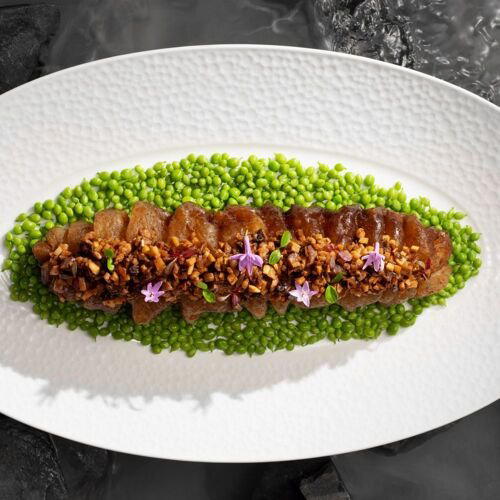
The kitchen holds a 2024 Michelin Plate, which positions it as a restaurant where the cooking quality has passed independent scrutiny without yet reaching the starred tier. In the vegetarian fine dining format at this price level, the emphasis typically falls on seasonal produce prepared with technique drawn from both the monastic tradition and contemporary Chinese fine dining. The Michelin Plate designation is one reliable signal of what to expect in terms of overall kitchen output. For a comparable but starred vegetarian experience within Chengdu, Chanyue Vegetarian provides a useful reference point for the category.
Quick Comparison
Comparable venues nearby, for context on price, style, and recognition.
| Venue | Cuisine | Price | Awards | Notes |
|---|---|---|---|---|
| Huadao Art Of Life · Yu Shan GeThis venue — the venue you are viewing | Zen Vegetarian Kaiseki | $$$ | Michelin Plate | Not listed |
| Wu Yue Gong | Sichuanese Fusion Fine Dining | $$$ | Michelin Plate | Chengdushi |
| Datenbank | Innovative Sichuan-Mexican Fusion | $$$ | Michelin Plate | Chengdushi |
| Wanyan | Modern Sichuanese | $$$ | Michelin Plate | Chengdushi |
| Rongle Garden | Heritage Sichuan Cuisine | $$$ | Michelin Plate | Chengdushi |
| Song Chuan | Sichuanese | $$$ | Michelin Plate | Chengdushi |
Recognition history
Dated appearances from independent guides and award organizations, with the underlying list record or original source where available.
Michelin Plate
Michelin

At a Glance
- Elegant
- Quiet
- Minimalist
- Sophisticated
- Serene
- Special Occasion
- Celebration
- Date Night
- Private Dining
- Garden
- Waterfront
- Design Destination
- Sake Program
- Sommelier Led
- Local Sourcing
- Sustainable
- Organic
- Waterfront
- Garden
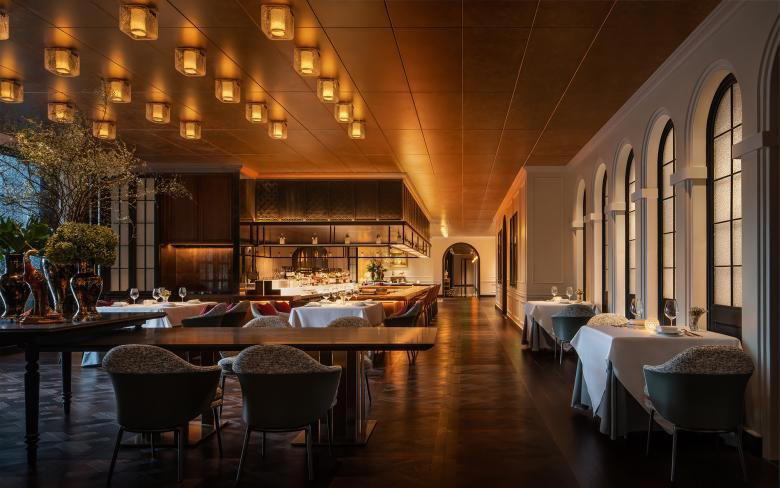
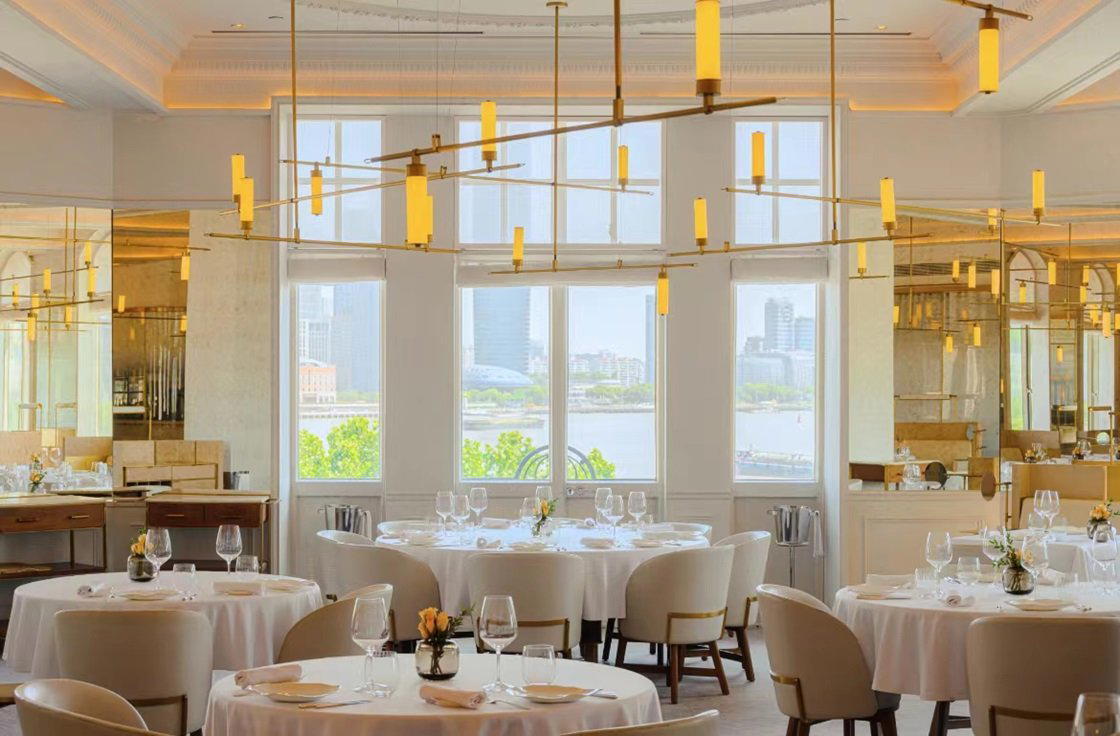
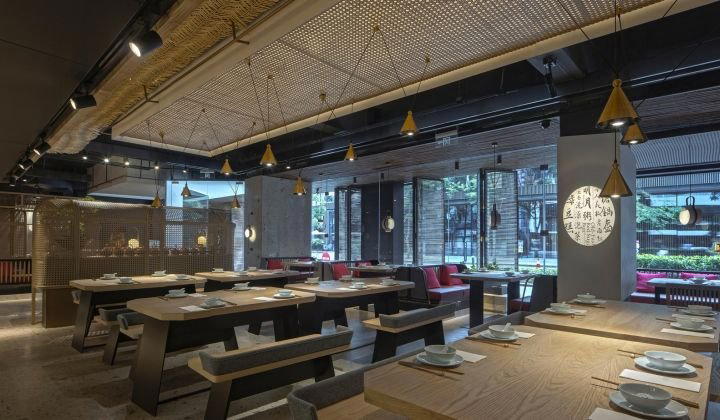
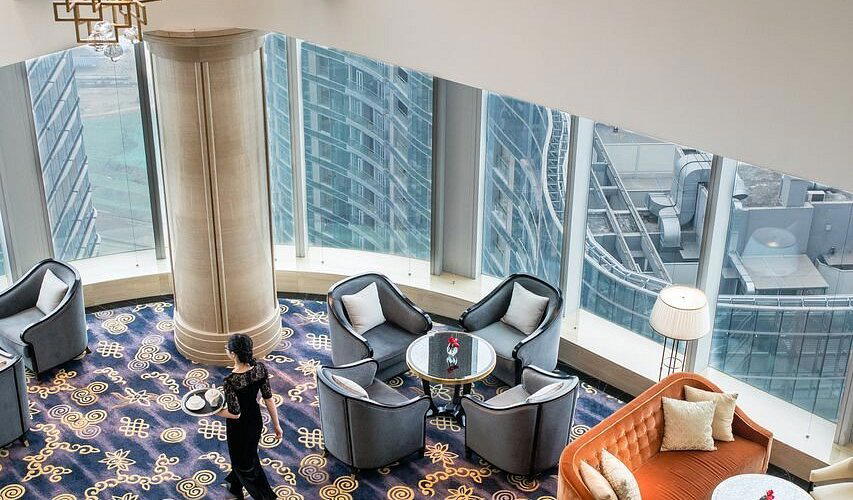
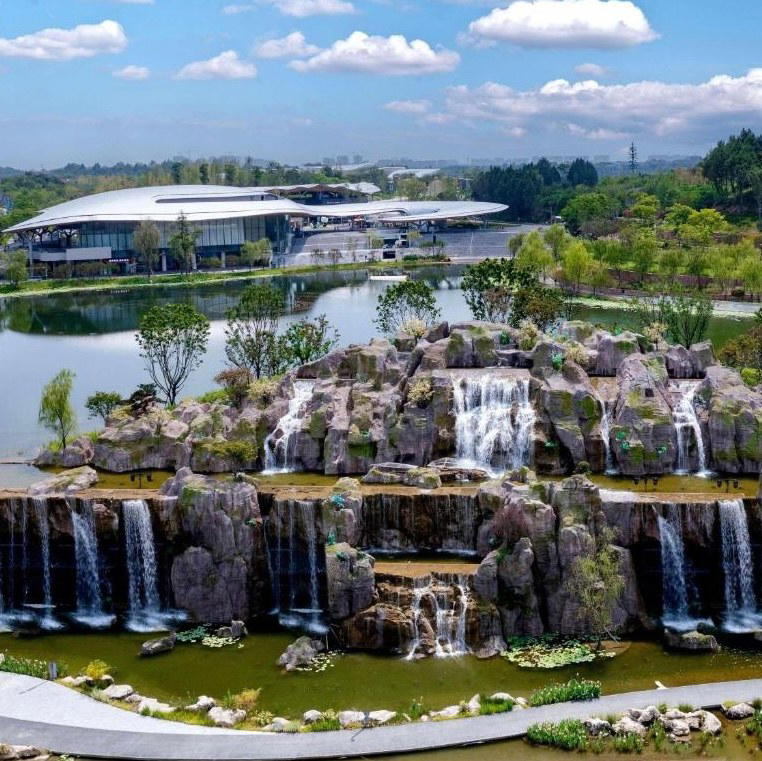
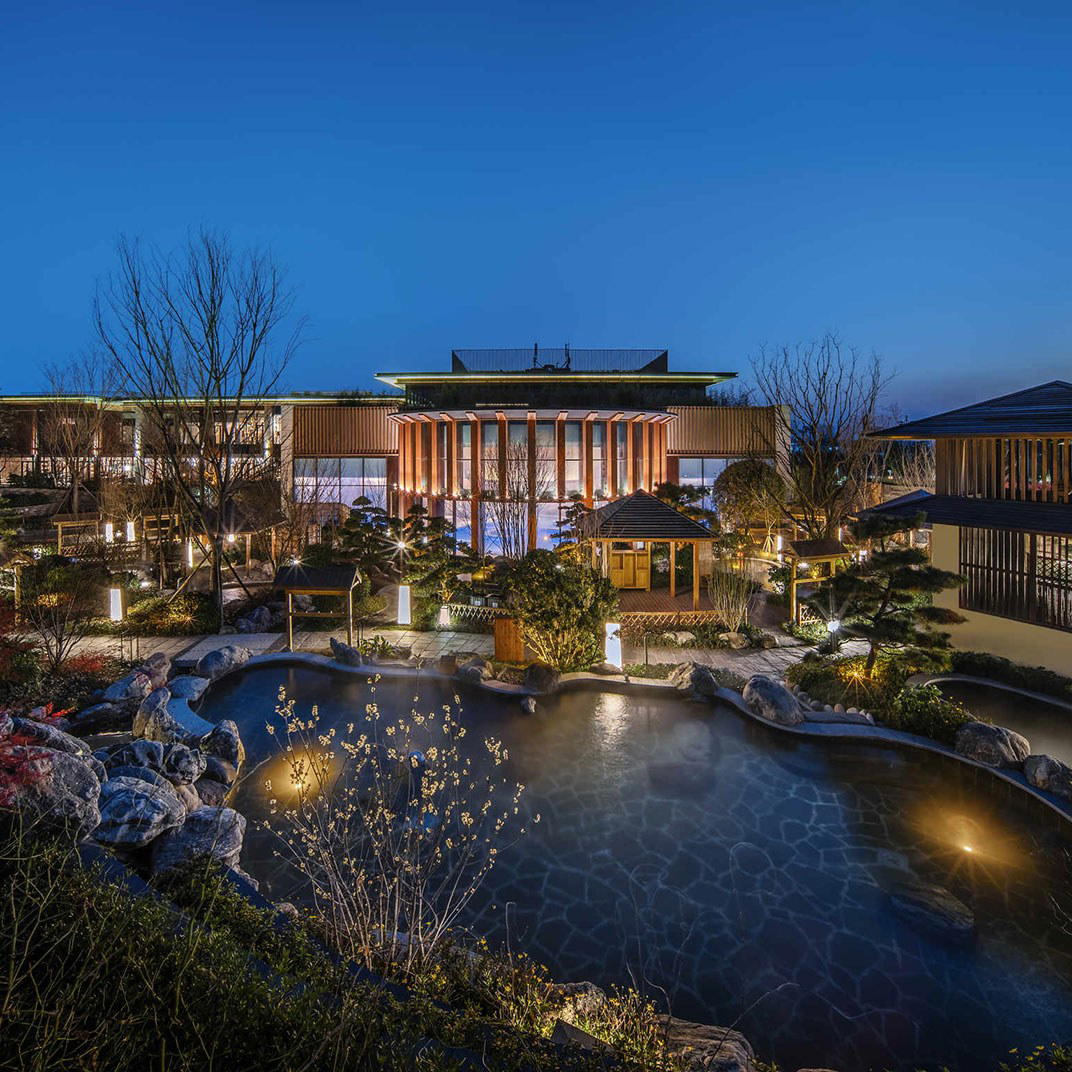
Lofty, light-washed interior inspired by Japanese Zen Buddhism with pale woods, stone, and contemplative spacing overlooking river greenery; hushed, intuitive service with courses presented as small works of art.