
Chanyue Vegetarian holds a Michelin Plate recognition for 2024 and 2025, placing it among the small group of plant-based restaurants in Chengdu that operate at a documented standard. Located in the Wuhou District at a mid-range price point, it represents the quieter, more contemplative side of a city better known for its chilli-driven meat dishes. Serious vegetarian cooking in a Sichuan context is a narrow category, and Chanyue occupies it with some credibility.
Pearl is the En Primeur Club membership app — saves, bookings, and concierge access live there. Same editors, same standards.
- Address
- China, Sichuan, Chengdu, Wuhou District, Guojiaqiao N St, 5号附3号 邮政编码: 610022
- Phone
- +86 28 8333 1820
- Directions
- Get directions
 Saves & bookings on Pearl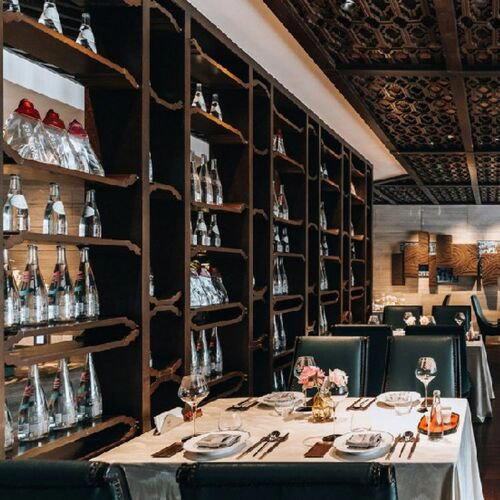
Where Sichuan Vegetarian Finds Its Footing
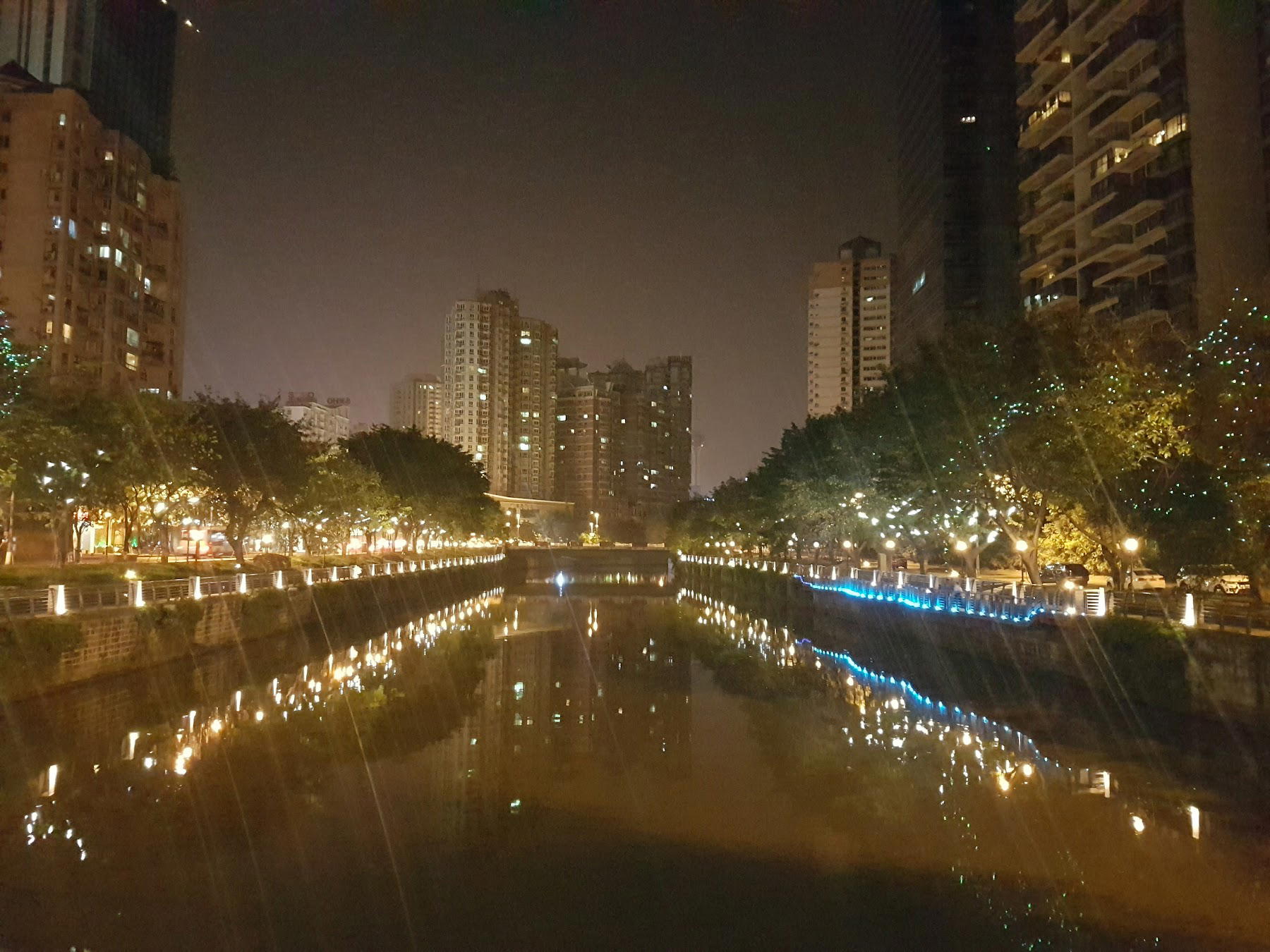
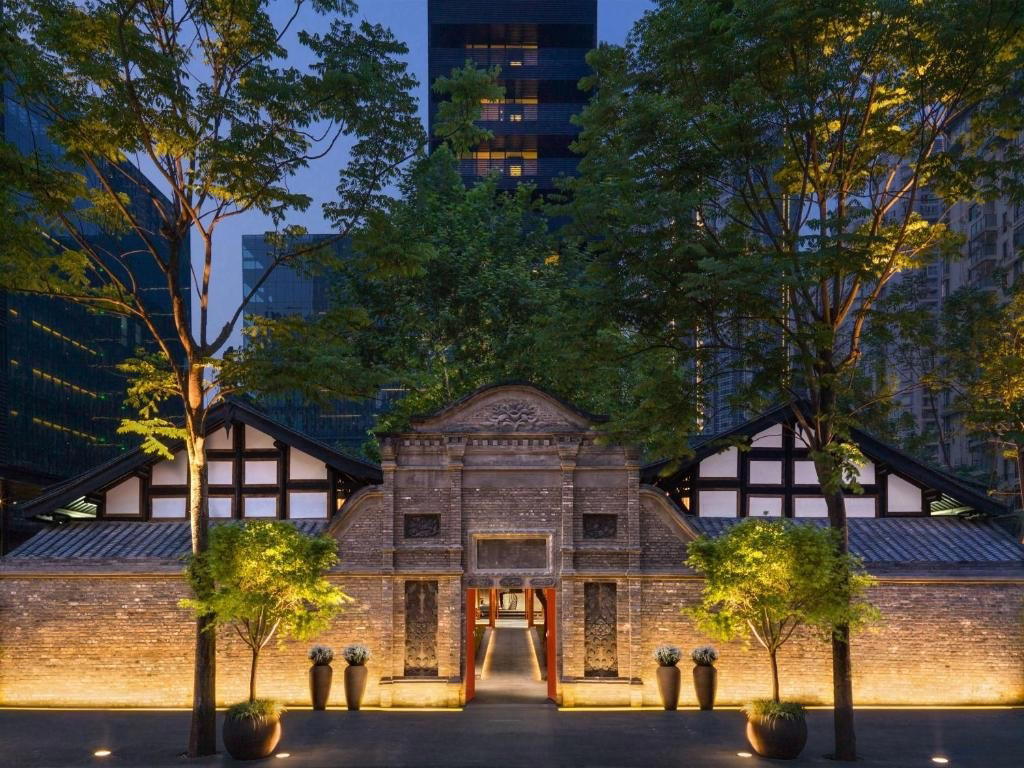
Chanyue Vegetarian is a modern Sichuan vegetarian restaurant in Chengdu's Wuhou District, priced at ¥¥. The streets around Guojiaqiao North are low-key by Chengdu standards: residential rhythms, tea-drinkers on plastic stools, the occasional courtyard gate that hides something worth finding. Chanyue Vegetarian sits in this quieter register, and the environment around it matters to the experience. Arriving here, you are not walking into the loud theatre of Sichuan's most famous flavours. The approach is slower, more considered, and that contrast is part of what the meal eventually earns its meaning from.
In a city where the dominant culinary identity is built on doubanjiang, Sichuan peppercorn, and rendered pork fat, a plant-based restaurant that earns Michelin recognition twice in succession is making a specific kind of argument. Chanyue has held a Michelin Plate in both 2024 and 2025, a signal that places it within the documented tier of Chengdu dining, even if it sits well below the starred category occupied by Yu Zhi Lan or Xin Rong Ji.
The Logic of Plant-Based Cooking in a Sichuan Kitchen
Sichuan cuisine has always had a vegetarian undercurrent. Buddhist temple food, seasonal pickles, fermented black beans, and tofu preparations that predate the region's association with meat are all part of the same culinary heritage. What has shifted in the past decade is the ambition of restaurants that work within that tradition: fewer apologetic substitutions, more architecturally deliberate plant-based menus that borrow the structural logic of tasting formats without copying the flavour grammar of omnivore cooking.
Across China, this category has produced a handful of genuinely serious operations. Fu He Hui in Shanghai has been the internationally discussed, a Zen-inflected space that prices its menu at a premium and presents plant-based cooking as fine dining. Lamdre in Beijing approaches it through a Tibetan-influenced lens. Chanyue operates in neither of those registers. Its price point sits at ¥¥, making it the accessible entry into documented Chengdu vegetarian cooking, rather than the prestige tier. That positioning matters: this is where the category becomes available to a broader diner rather than being reserved for special-occasion spending.
Within Chengdu itself, the vegetarian fine-dining conversation is short. Mi Xun Teahouse, which holds a Michelin Star, operates at the summit of the local plant-based hierarchy and is the obvious reference point. Chanyue does not compete directly at that level, but it functions as the second serious option in a category where most of the city has not developed formal credentials. For visitors building a Chengdu itinerary that takes vegetarian cooking seriously, both addresses are relevant in different ways.
A Menu Built for Progression
The editorial angle that defines Chanyue most usefully is the one that reads the meal as a sequence rather than a collection of dishes. Plant-based tasting menus, when they work, move through a different kind of drama than meat-centred ones: the arc is built on texture contrast, temperature shifts, and the delayed introduction of deeper umami sources like fermented soybean paste or aged vinegar rather than fat-rendered intensity.
Sichuan vegetarian menus that take this seriously tend to front-load freshness and brightness, build through fermented and pickled middle courses where the region's preserved-food tradition does real structural work, and resolve in something warming and relatively heavy, often a broth or congee that acts as a kind of punctuation. The expectation-setting matters: this is not a stir-fry-and-rice format, and diners who approach it as one will miss the meal's pacing.
What the Michelin Plate recognition implies, across two years, is that the kitchen maintains a level of technical consistency sufficient to satisfy inspectors working from the guide's standard criteria: ingredient quality, preparation skill, value for price, and flavour accuracy. At ¥¥, the value dimension is part of the equation. Compared to starred peers in the city, Chanyue's price range positions it as an option where the quality-to-cost ratio is one of the clearest reasons to choose it.
Placing It in Chengdu's Broader Dining Map
Chengdu's documented dining tier includes a range of formats, most of them skewing toward Sichuan tradition or high-end Chinese cuisine. Fang Xiang Jing represents the Sichuan-rooted fine-dining end. Huadao Art of Life · Yu Shan Ge takes a more art-house approach to the format. Vegetarian cooking with formal credentials occupies a much smaller slice of this ecosystem. Chanyue's position is therefore less about competing with the city's starred restaurants and more about defining what serious plant-based dining looks like at an accessible price in a city that has not historically prioritised the category.
Elsewhere in China, the trajectory of fine-dining vegetarian has been toward increasing ambition and premium positioning, as seen at operations like Ru Yuan in Hangzhou. Chengdu's version of that trend is still forming, and Chanyue is one of the few venues that puts a stake in the ground. For anyone tracking this category across Chinese cities, alongside addresses like 102 House in Shanghai, Chef Tam's Seasons in Macau, or Dai Yuet Heen in Nanjing, the Chengdu entry point is Chanyue.
Planning Your Visit
Chanyue Vegetarian is located in the Wuhou District on Guojiaqiao North Street, a neighbourhood that is walkable from several of the city's central areas but is not a major tourist corridor. The ¥¥ price range places it comfortably below the city's premium tier; a meal here should be budgeted as a mid-range spend by Chengdu standards. Reservations are essential, and the restaurant opens daily from 11 AM to 9:30 PM.
Also worth cross-referencing: Xin Rong Ji on Xinyuan South Road in Beijing and Imperial Treasure Fine Chinese Cuisine in Guangzhou for how premium Chinese dining plays out in other major cities.
Same-City Peers
Comparable venues nearby, for context on price, style, and recognition.
| Venue | Cuisine | Price | Notes |
|---|---|---|---|
| Chanyue VegetarianThis venue — the venue you are viewing | Modern Sichuan Vegetarian | $$$ | Not listed |
| Xue Tao · In the Yard | Refined Sichuan Home Cooking | $$$ | Chengdushi |
| Art Yinba | Modern Sichuan | $$$ | Suangliuxian |
| Brustin | Modern Sichuan Fine Dining | $$$$ | Chengdushi |
| Wu Yue Gong | Sichuanese Fusion Fine Dining | $$$ | Chengdushi |
| Young Art Yongya Hexian | Sichuan Hot Pot | $$$ | Wuhou District |
Recognition history
Dated appearances from independent guides and award organizations, with the underlying list record or original source where available.
Michelin Plate
Michelin
Michelin Plate
Michelin

At a Glance
- Quiet
- Elegant
- Cozy
- Sophisticated
- Special Occasion
- Family
- Celebration
- Chefs Counter
- Sommelier Led
Current opening hours
- Monday
- 11 AM–9:30 PM
- Tuesday
- 11 AM–9:30 PM
- Wednesday
- 11 AM–9:30 PM
- Thursday
- 11 AM–9:30 PM
- Friday
- 11 AM–9:30 PM
- Saturday
- 11 AM–9:30 PM
- Sunday
- 11 AM–9:30 PM
Hours can change for holidays and private events. Last verified .
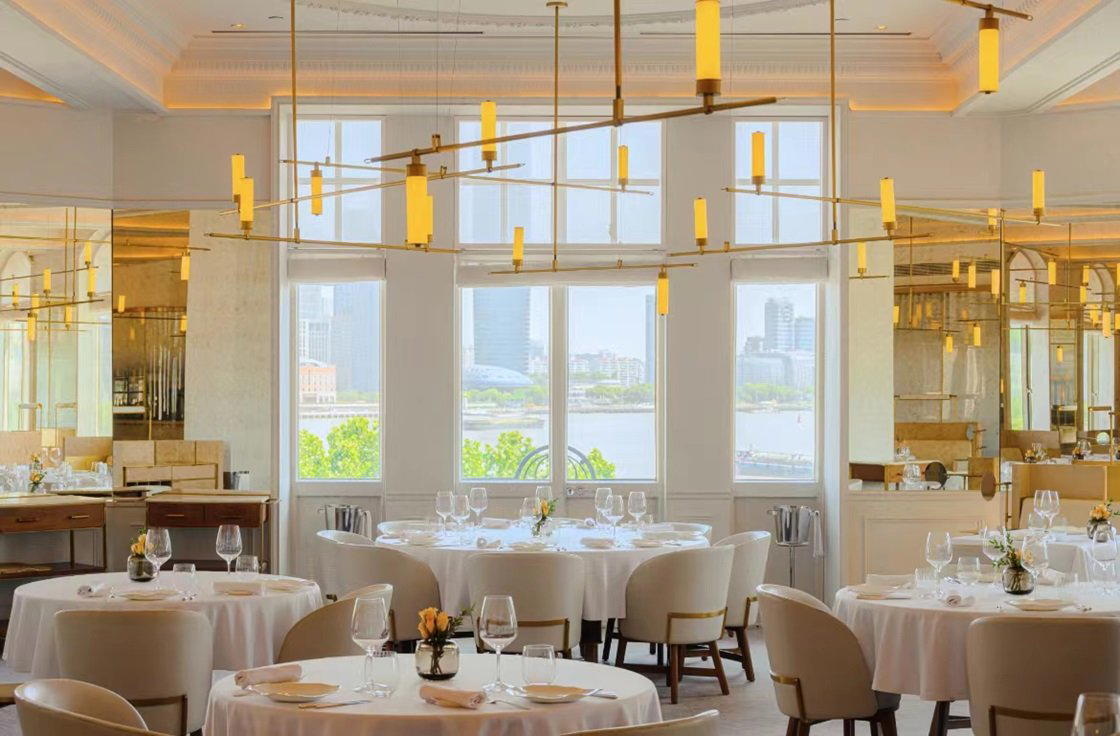
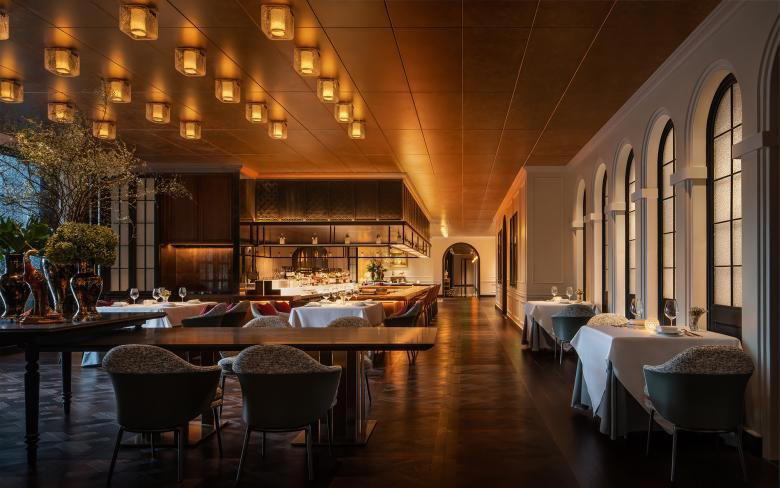
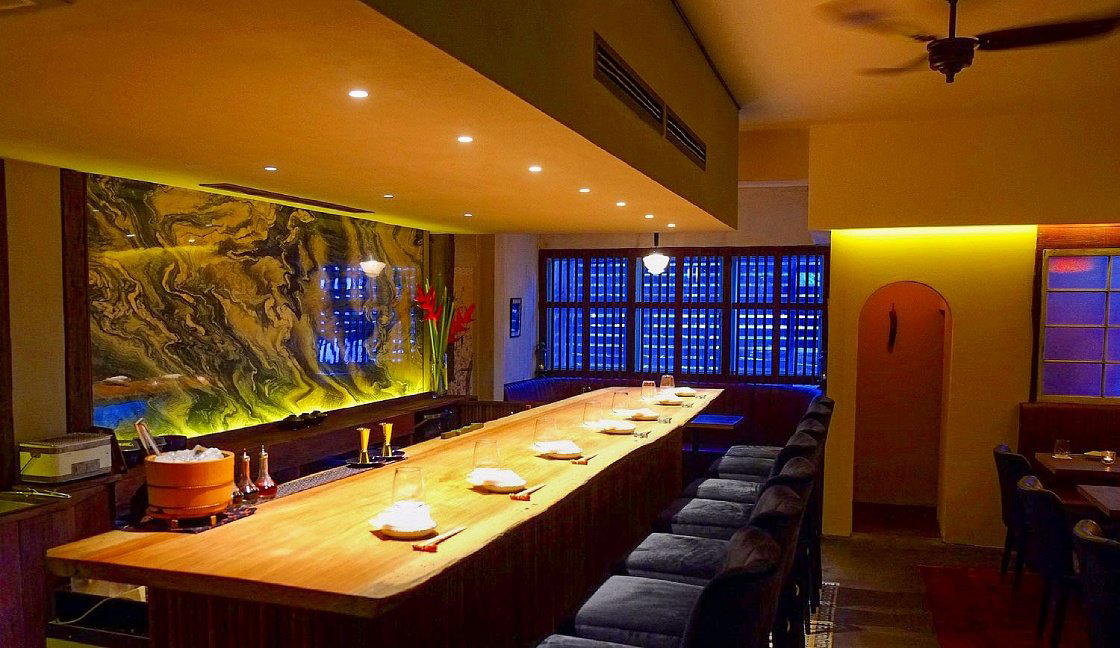
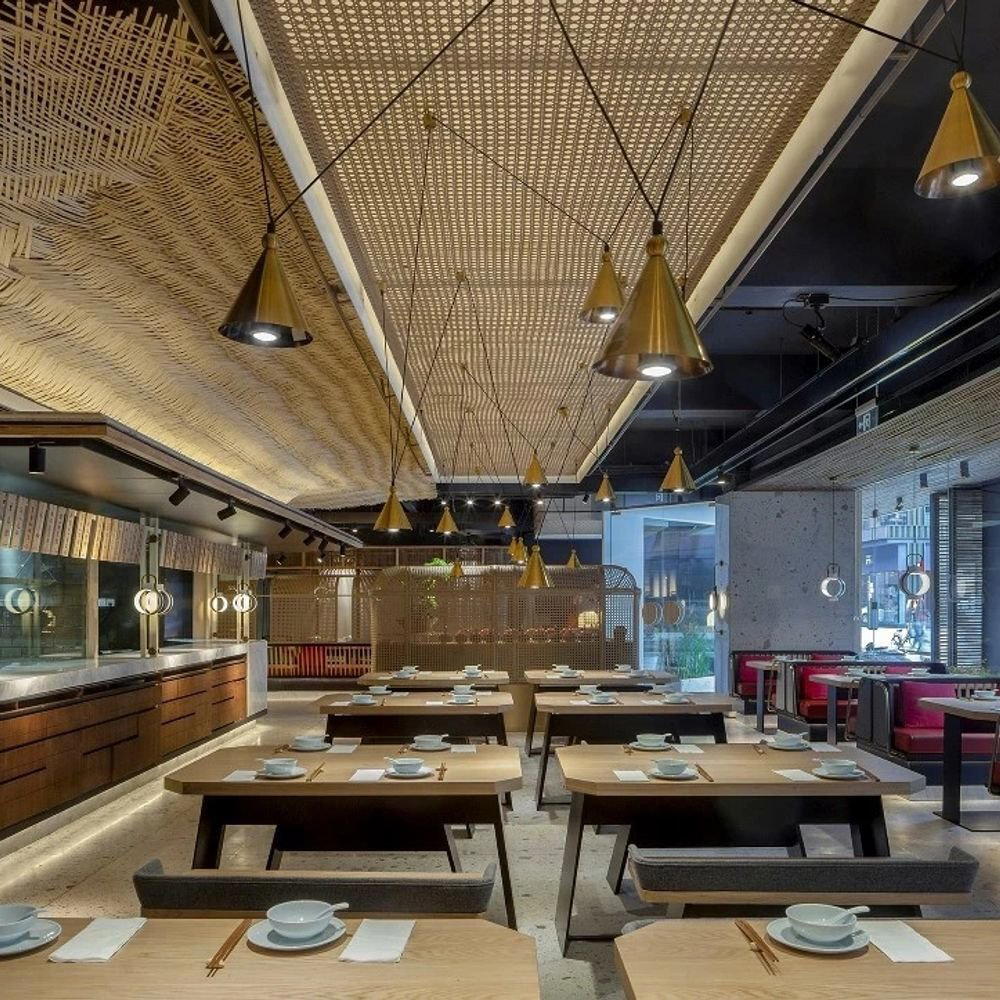
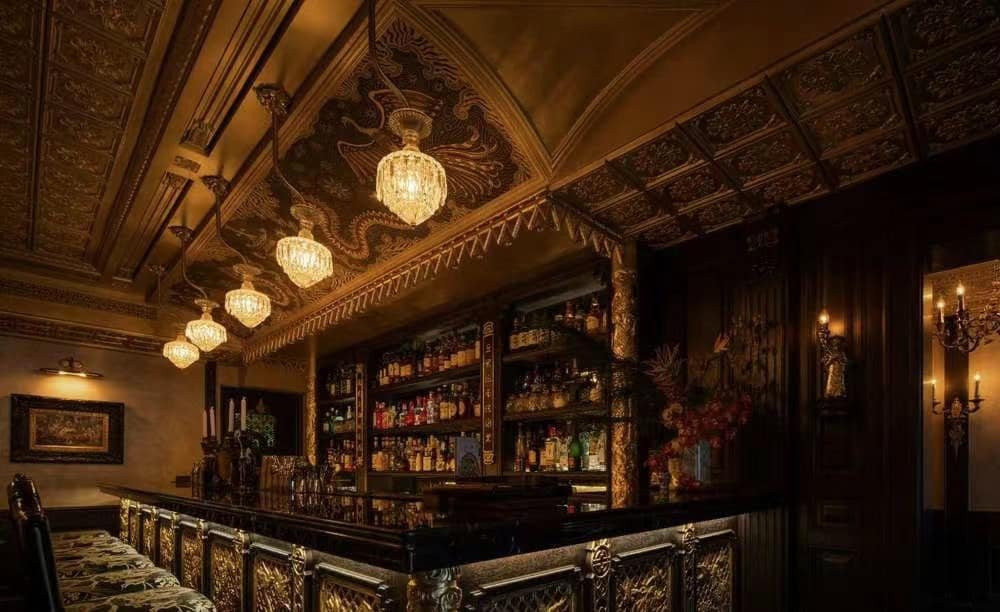
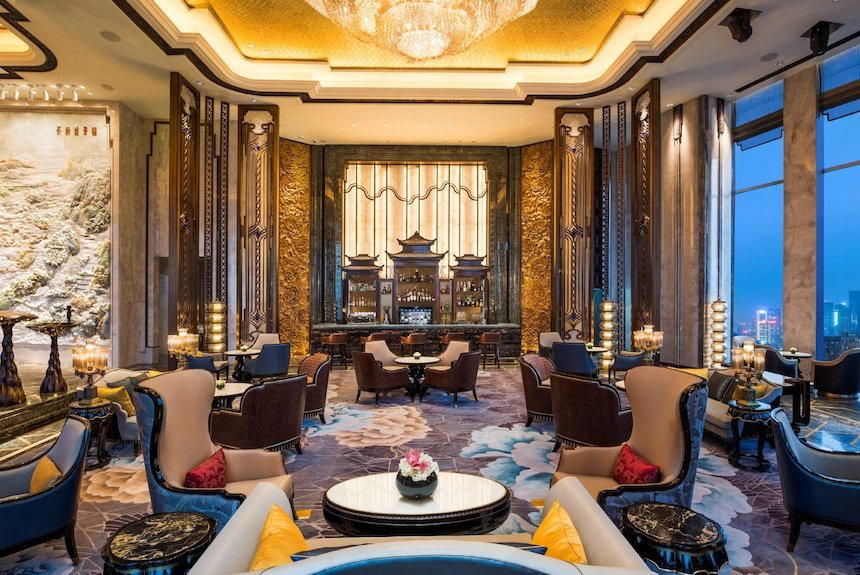
Calm and serene with bamboo blinds, wooden joinery, elegant plants, sheer curtains, and soft lighting creating a Zen-like tranquility.