Huacho
Our verdict
Huacho occupies a mid-block address on Esmeralda in Buenos Aires's dense microcentro, placing it within easy reach of the financial district and the northern end of San Nicolás. The restaurant sits in a city where the conversation about Argentine cuisine has shifted well beyond the parilla, toward a broader reckoning with regional ingredients, pre-Columbian traditions, and South American culinary geography. Detailed booking and menu information is best confirmed directly with the venue.

Pearl is the En Primeur Club membership app — saves, bookings, and concierge access live there. Same editors, same standards.
- Address
- Esmeralda 1050, C1007 Cdad. Autónoma de Buenos Aires, Argentina
- Phone
- +542944122765
- Hours
- Mon–Sat 12–11:30 PMSun Closed
- Website
- apparta.co
- Directions
- Get directions
- Booking
- Book on the venue's website
The menu
What to order
- Ojo de Bife
- Pacu
- Signature Lamb
- Tenderloin
- Burrata
- Grilled Avocado
A City Still Redefining What Argentine Cooking Means
Buenos Aires has spent the better part of two decades in a productive argument with itself over what its cuisine actually is. The parilla tradition, anchored by places like Don Julio, remains the city's most internationally recognised export. But alongside it, a parallel conversation has been building: one that looks south to Patagonia, north to the Andean northwest, and across the continent to Peru, Bolivia, and beyond for a more complete picture of what cooking in this part of the world can be. Huacho, on Esmeralda 1050 in the microcentro, positions itself within that broader frame.
The address puts it in San Nicolás, the dense commercial district that runs between the financial core and the theatre district around Corrientes. This is not the neighbourhood where most of Buenos Aires's internationally profiled restaurant openings happen. Palermo, Belgrano, and Recoleta tend to draw the glossy press. A microcentro address suggests a different audience and a different set of priorities: proximity to offices, a lunch-hour logic, and a clientele that is more likely to be porteño than tourist. That context matters when thinking about what a restaurant here is trying to accomplish.
The Cultural Weight Behind the Name
Huacho is a word with Quechua roots, broadly used across Andean South America to describe someone of uncertain or mixed origin, a child without a clear lineage. In contemporary usage across Peru, Bolivia, and northern Argentina, it carries complex resonances: sometimes pejorative, sometimes reclaimed, often simply descriptive of a kind of hybrid identity that defines much of the continent's social and culinary history. A restaurant choosing this name in Buenos Aires is making a statement about hybridity, about the mixture of indigenous, European, and African influences that produced the food culture of the Southern Cone, even if that mixture has historically been underacknowledged in the capital.
That cultural framing connects Huacho to a wider movement in South American fine dining. Over the past decade, restaurants in Lima, Santiago, Bogotá, and increasingly Buenos Aires have been actively excavating pre-Columbian ingredients and techniques, not as nostalgia or novelty, but as a serious repositioning of what regional cuisine can claim as its own. Aramburu and Trescha represent the more formal, tasting-menu end of that shift in Buenos Aires. Huacho's microcentro location suggests a potentially more accessible entry point into the same conversation.
Where It Sits in the Buenos Aires Restaurant Ecosystem
Buenos Aires's restaurant scene has stratified clearly over the past several years. At the leading, a small group of high-commitment tasting-menu restaurants competes on an international level, drawing destination diners. Below that, a mid-tier of serious neighbourhood restaurants handles the daily work of feeding a city that eats late, eats socially, and takes its food seriously without necessarily wanting ceremony. Then there are the specialists: the natural wine bars in Villa Crespo, the Peruvian-Japanese nikkei counters, the wood-fire asado operators who have refined a single technique to a high art.
Venues like Crizia and Anafe have built strong reputations in the contemporary segment, demonstrating that Buenos Aires diners are willing to engage with ambitious cooking outside the traditional parilla format. Huacho's positioning in this tier, framed through Andean and South American cultural identity rather than European technique alone, gives it a distinct angle in a market that, despite its sophistication, still defaults heavily to European reference points.
For context on how this kind of regional-ingredient focus plays out elsewhere in Argentina, the picture is instructive. Azafrán in Mendoza has long operated at the intersection of regional produce and wine-country dining culture. In the Patagonian south, Alto el Fuego in Bariloche works with the specific flora and game of that landscape. What makes the Buenos Aires version of this conversation different is its urban density: the city is where the money, the critics, and the international attention concentrate, so a restaurant making a cultural argument here reaches a different kind of audience than one doing the same work in a wine region or a lake district.
Planning a Visit to Esmeralda 1050
The microcentro location on Esmeralda 1050 places Huacho within walking distance of the Retiro transport hub and the main Subte lines serving the city centre, making it logistically direct for visitors staying in the northern barrios or arriving by train. The surrounding streets fill with office workers at midday and thin out considerably by evening, which affects the atmosphere depending on the hour. For dinner, the quieter street-level environment is a contrast to the packed terraces of Palermo or the continuous foot traffic of San Telmo.
Specific pricing, hours, booking requirements, and menu details were not available at the time of writing and should be confirmed directly with the venue before visiting. Given the address and the cultural positioning the name implies, it is reasonable to expect a mid-to-upper mid-range price point, but this is editorial inference rather than confirmed data. Reservations are advisable for any serious Buenos Aires restaurant regardless of format, as the city's dining culture has grown increasingly competitive for desirable tables, particularly Thursday through Saturday evenings.
For a broader orientation to dining in the city before or after a visit, the EP Club Buenos Aires guide maps the full restaurant scene across neighbourhoods and price tiers. Those travelling beyond the capital will find the regional picture extended by listings in Mendoza, including Bodega Caelum in Luján de Cuyo, and further afield at Kaia Omakase Nikkei Experience in Villa Rosa, which represents a different but adjacent strand of South American culinary hybridity. For coastal contrast, Camarón Bombay in Puerto Madryn applies a similarly cross-cultural lens to Patagonian seafood.
Internationally, the restaurants most instructive as comparative references for this kind of culturally grounded fine dining are operations like Atomix in New York, which uses Korean culinary heritage as the structural foundation for a technically ambitious tasting format, or Le Bernardin, which has sustained a decades-long argument about what French seafood technique means in a non-French city. The common thread is restaurants that use cultural identity not as decoration but as the organising logic of everything on the plate.
Frequently asked questions
Where is Huacho in Buenos Aires?
Huacho is located at Esmeralda 1050, C1007 Cdad. Autónoma de Buenos Aires, Argentina, Buenos Aires.
How does Huacho's location on Esmeralda 1050 affect the dining experience compared to Buenos Aires's Palermo or San Telmo restaurant corridors?
Esmeralda 1050 sits in the microcentro, a neighbourhood built around commerce and transit rather than the nightlife cadence that drives Palermo and San Telmo's dining scenes. That means Huacho draws a notably different crowd: business lunches, pre-theatre dinners, and visitors staying near Retiro rather than the weekend-restaurant traffic dominant further south or west. For those arriving by Subte, the central location is a logistical advantage, with the main lines converging within a short walk of the address.
What's the best thing to order at Huacho?
Huacho's kitchen draws on Andean and Argentine traditions, so the dishes most worth ordering are those that put that cross-cultural tension to work directly. Given the restaurant's position in Buenos Aires's mid-to-upper dining tier, ingredient sourcing from both the pampas and Andean regions shapes the menu's strongest entries. Check the current menu on arrival, as seasonal and market-driven rotations are common at kitchens of this type.
Is Huacho reservation-only?
Huacho is located at Esmeralda 1050 in the Buenos Aires microcentro, a competitive dining corridor where walk-in availability at sought-after tables is not reliable. Booking ahead is the standard approach for restaurants at this level in the city. Reservation channels are best confirmed directly with the venue.
What has Huacho built its reputation on?
The restaurant's name carries deliberate weight: 'huacho' is a Quechua-rooted term across Andean South America describing mixed or uncertain origin, and that framing translates directly into its cooking philosophy. In a Buenos Aires scene still renegotiating what Argentine cuisine actually means beyond the parilla tradition, Huacho occupies the position of a kitchen willing to draw from Indigenous and colonial lineages simultaneously. That conceptual clarity, rare in the microcentro, is the core of its identity.
Do they accommodate allergies at Huacho?
Allergy accommodation policies are best confirmed with the restaurant directly before visiting. Kitchens working with Andean ingredients, including varieties of potato, grain, and pepper that are less familiar in standard Argentine cooking, may introduce unexpected allergen considerations. Contact details are most reliably found through current booking platforms or the venue itself at Esmeralda 1050.
Is eating at Huacho worth the cost?
Buenos Aires's upper-mid dining tier offers strong value by international standards, and Huacho's positioning within the microcentro places it in a peer group where the price-to-concept ratio tends to be more compelling than in comparable Latin American capitals. Whether the specific spend is justified depends on how much the Andean-Argentine conceptual framing lands for you as a diner. For those interested in Argentine cooking beyond the established parilla and Italian-inflected canon, this is one of the more substantive addresses in the city.
Price and Positioning
Comparable venues nearby, for context on price, style, and recognition.
| Venue | Cuisine | Price | Awards | Notes |
|---|---|---|---|---|
| HuachoThis venue — the venue you are viewing | Argentine Wood-Fired Patagonian Grill | $30–50 | Not listed | Not listed |
| Madre Rojas | Modern Argentine Parrilla with Wagyu | $30–50 | Not listed | Villa Crespo, Modern Argentine Parrilla with Wagyu |
| Nuestro Secreto | Argentine Asado Steakhouse | $20–30 | Not listed | Centro, Argentine Asado Steakhouse |
| El Ferroviario Restaurant Parrilla | Traditional Argentine Parrilla | $20–30 | Not listed | Liniers, Traditional Argentine Parrilla |
| Michel Rolland Grill & Wine | Argentine Grill & Wine | Not listed | Michelin Plate | Puerto Madero, Argentine Grill & Wine |
| Villegas Restó | Argentine Steakhouse & Grill | $30–50 | Not listed | Piñeyro, Argentine Steakhouse & Grill |
Continue exploring
More in Buenos Aires
Restaurants in Buenos Aires
Browse all →
Bars in Buenos Aires
Browse all →
Hotels in Buenos Aires
Browse all →
Wineries in Buenos Aires
Browse all →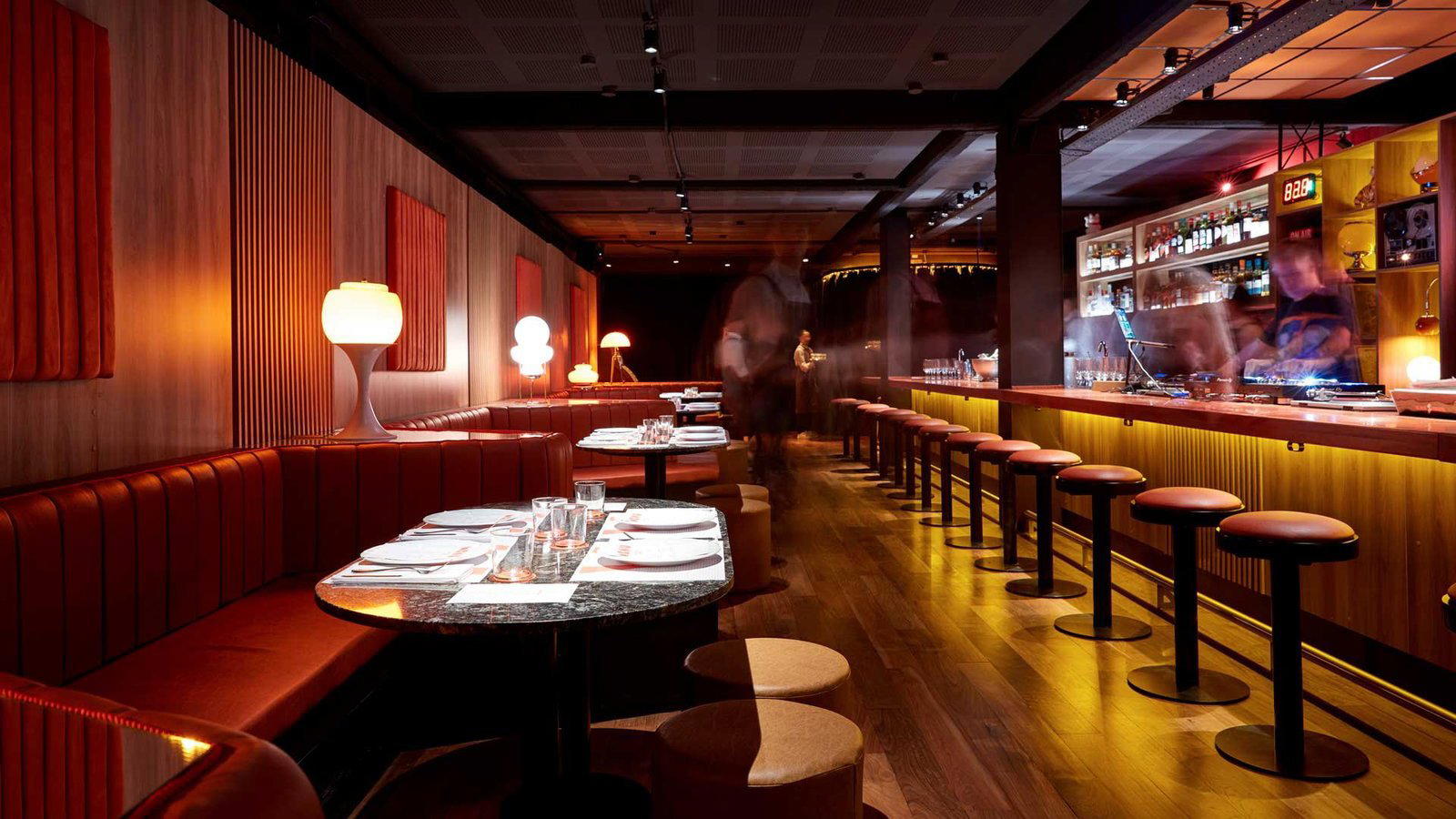
Details
- Warm
- Rustic
- Lively
- Elegant
- Date Night
- Group Dining
- Celebration
- Special Occasion
- Open Kitchen
- Private Dining
- Standalone
- Extensive Wine List
- Local Sourcing
- A La Carte
- Family Style
- Argentine Red Wines
- Argentine White Wines
- Pescatarian Friendly
Current opening hours
- Monday
- 12–11:30 PM
- Tuesday
- 12–11:30 PM
- Wednesday
- 12–11:30 PM
- Thursday
- 12–11:30 PM
- Friday
- 12–11:30 PM
- Saturday
- 12–11:30 PM
- Sunday
- Closed
Hours can change for holidays and private events. Last verified .
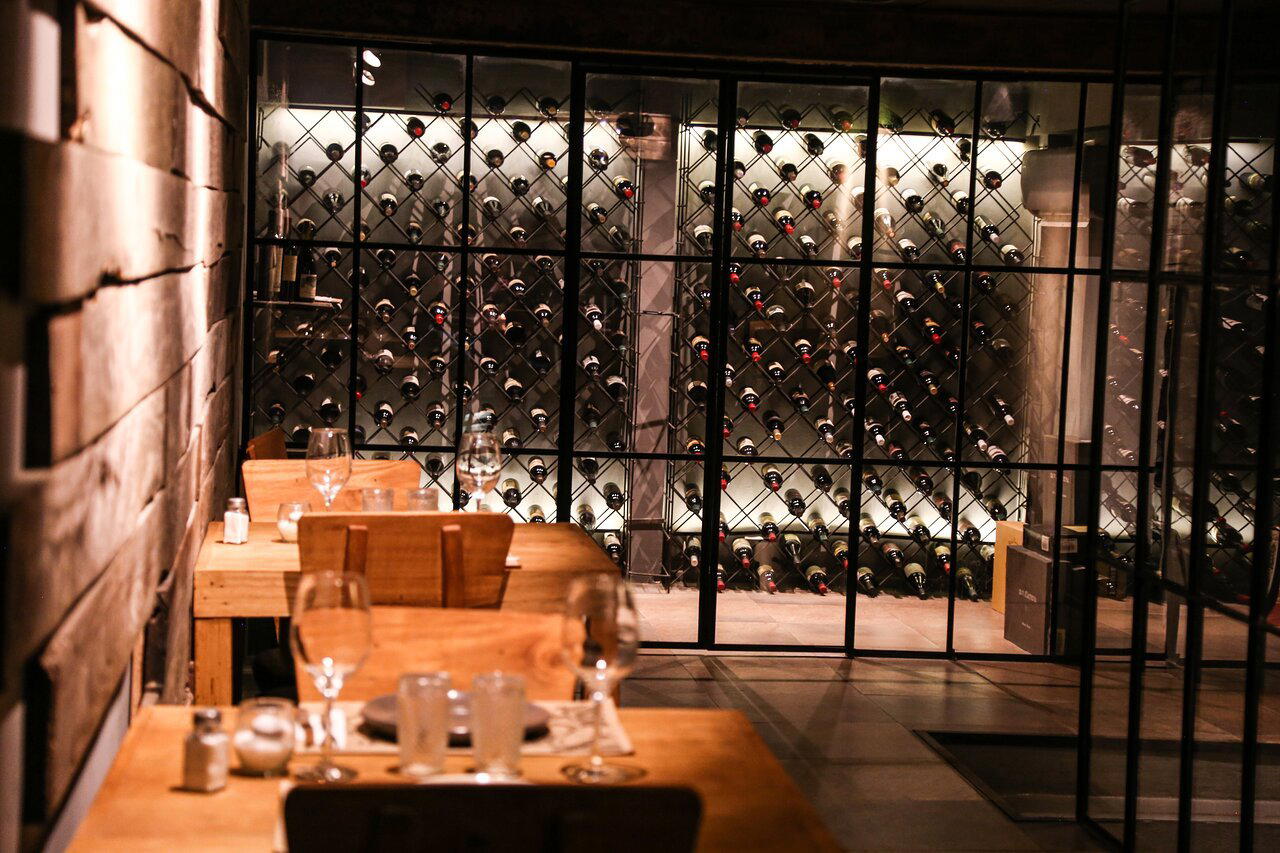
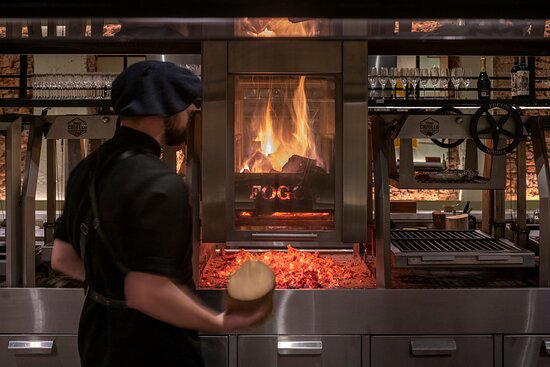
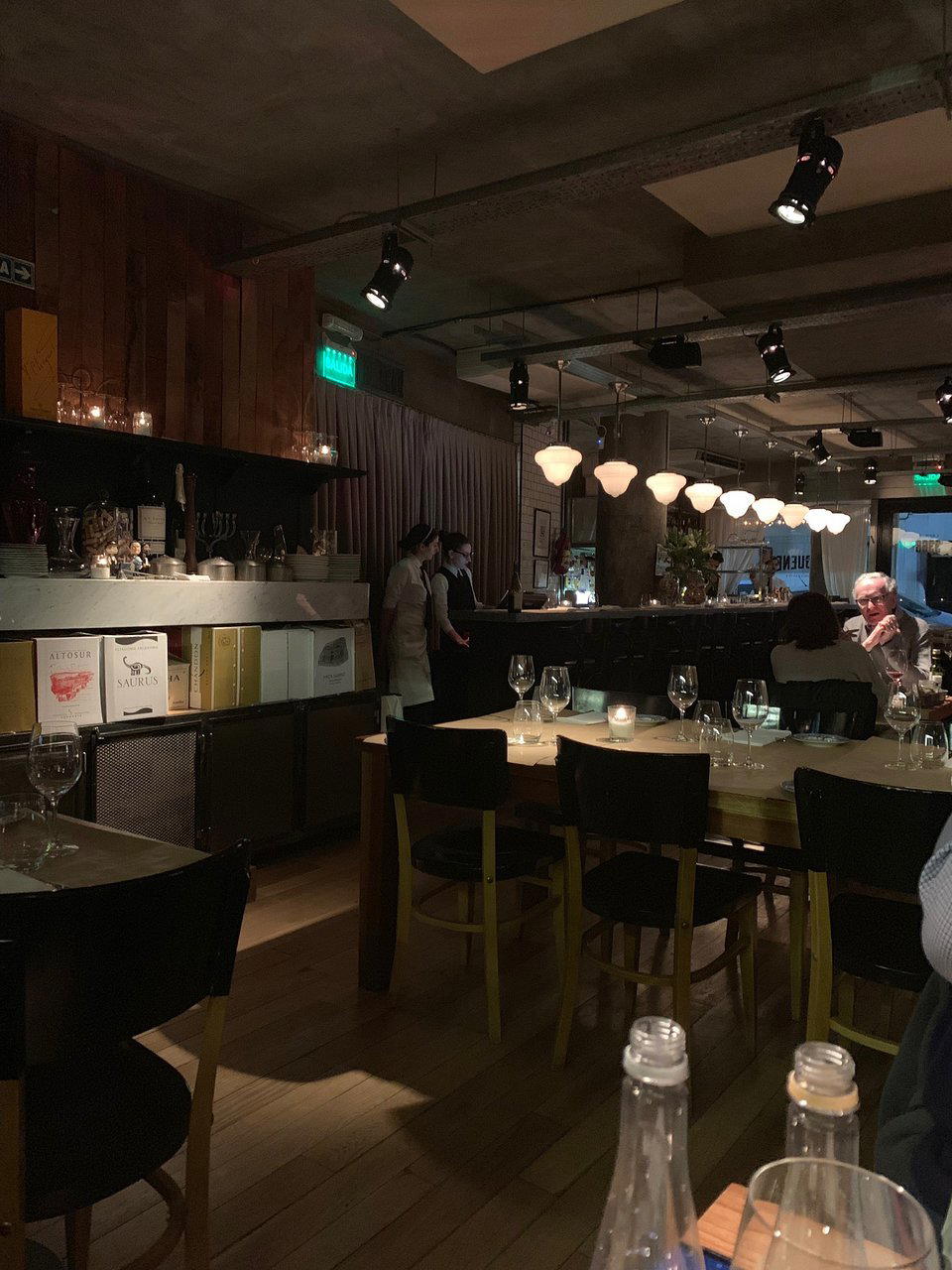
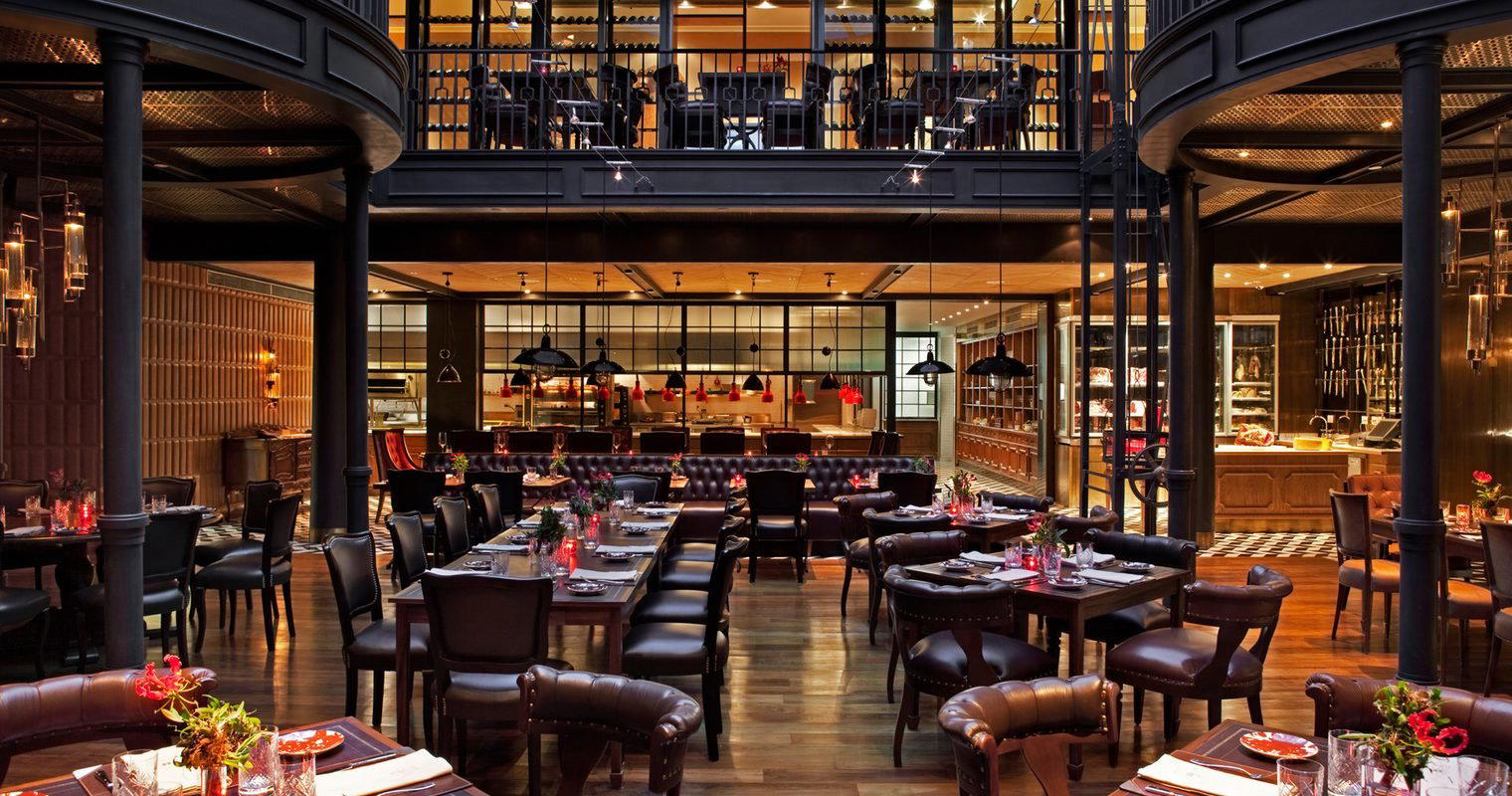
Warm, familial atmosphere with dim lighting and distinct areas creating a private feeling despite the lively energy; rustic yet sophisticated ambiance reflecting Patagonian heritage.