Houdini Restaurant
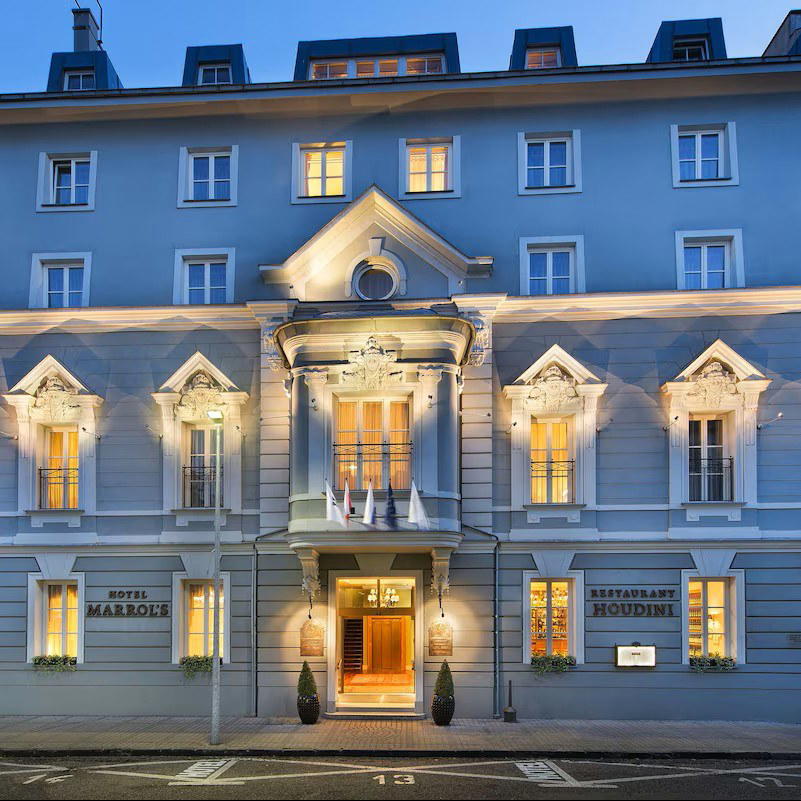
Houdini Restaurant occupies a quiet address on Tobrucká in Bratislava's inner city, where the dining room rewards those who seek it out rather than those who stumble past. The venue sits within a Bratislava restaurant scene that has grown more confident and technically considered over the past decade, positioning itself among the city's more deliberate dining options rather than its high-volume tourist corridor.
Pearl is the En Primeur Club membership app — saves, bookings, and concierge access live there. Same editors, same standards.
- Address
- Tobrucká 6953/4, 811 02 Bratislava, Slovakia
- Phone
- +421257784600
- Website
- restauranthoudini.sk
- Directions
- Get directions
 Saves & bookings on Pearl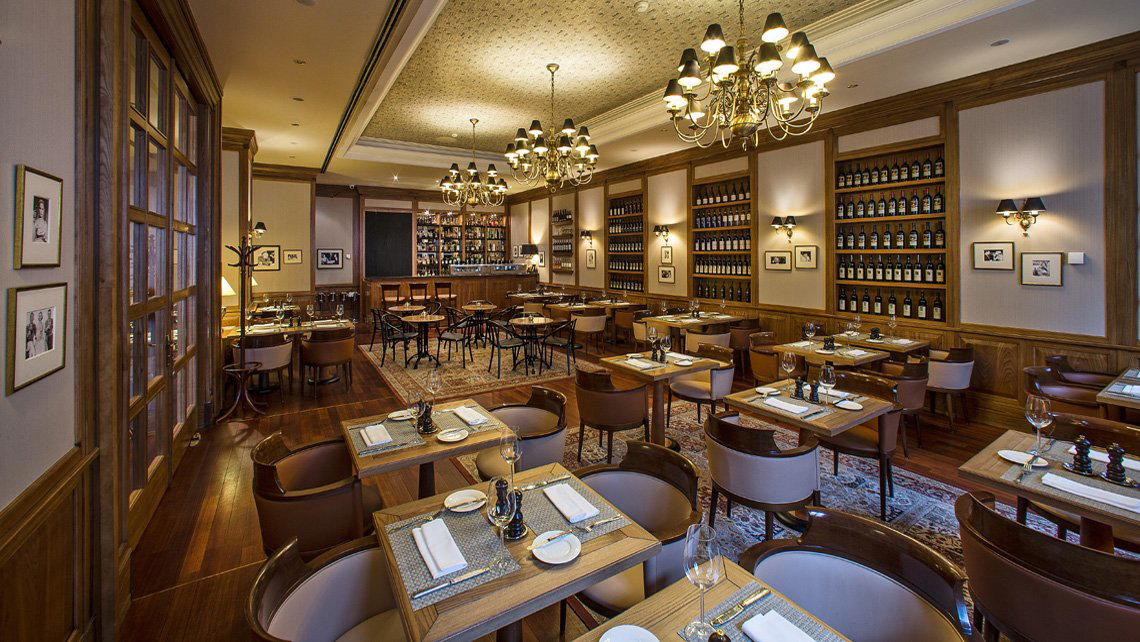
Where Bratislava's Dining Room Gets Quieter and More Considered
Bratislava's restaurant scene has split in the years since Slovakia's capital found its footing as a short-break destination for Vienna-adjacent travellers. On one side: the Old Town corridor, loud with weekend crowds and menus calibrated for first-time visitors. On the other: a smaller, quieter tier of addresses that operate on the assumption that the person sitting down already knows what they want. Houdini Restaurant is a restaurant in Bratislava serving Modern Slovak and Central European cuisine at a price point around $40 per person. It belongs to the latter category. The street is not one that tourists photograph. That, in itself, is a positioning statement.
Reaching Tobrucká from the Old Town takes ten minutes on foot, cutting south and west away from the castle hill crowds. The shift in atmosphere is immediate: fewer souvenir shops, fewer laminated menus in windows, more of the ordinary city going about its business. It is the kind of approach that sets a particular expectation before a guest has even opened the door.
The Collaborative Engine Behind the Room
In Bratislava's more considered restaurants, the difference between a kitchen that performs technically and one that reads as coherent is almost always a function of how well the front-of-house, sommelier, and kitchen communicate. At restaurants of this type across Central Europe, the failure mode is a mismatch: ambitious food met by wine service that defaults to the familiar, or a dining room pace that breaks whatever rhythm the kitchen has set. The strongest rooms in the city avoid this by treating the floor and the pass as a single unit rather than separate departments.
Houdini's positioning on a residential-adjacent street, away from the volume pressures of the Old Town, creates the conditions where that kind of coordination becomes possible. Lower table turnover expectations and a guest who has made a deliberate choice to be there tend to produce a different service dynamic than a room filling and emptying three times on a Friday. The team dynamic in rooms like this is a product of context as much as intention. Venues that operate in the quieter register of a city's dining map tend to develop a more sustained relationship between kitchen output and floor delivery, simply because the pace allows it.
For comparison, some of Bratislava's most discussed addresses in recent years have been those where the sommelier's selection actively shapes the meal's arc rather than accompanying it at a distance. That approach, common in the tier of restaurants that draw regional food press attention, requires a level of kitchen-floor trust that is harder to build in high-turnover environments. It is the kind of dining room logic that Houdini's location and apparent format would seem to support.
How Houdini Sits in the Bratislava comparable set
Bratislava's restaurant map currently contains several distinct competitive clusters. The Slovak modern tier includes places like APOLKA Restaurant and the long-established Albrecht Restaurant, both of which operate with a local-produce emphasis and a degree of format discipline. The Italian-influenced tier is anchored by venues like Antica Toscana and Al Faro, which have built their reputations over time through consistency rather than reinvention. There is also a more casual, home-cooking-inflected register represented by addresses like Ako doma, which trades on comfort and familiarity.
Houdini sits at an address and in a format that positions it outside the tourist-facing segment. What the Tobrucká address does suggest is a room oriented toward the local and repeat-visit market rather than the walk-in weekend crowd. That orientation shapes everything from how the menu is likely structured to how the wine list is built and how the floor team is trained.
Across Slovakia more broadly, the range of serious dining options extends well beyond Bratislava. Focus Restaurant in Zilina and Hotel & Restaurant Gino Park Palace in Povazska Bystrica represent the kind of regional ambition that has grown alongside the capital's own development. Mountain-area options like Koliba Patria in Strbske Pleso and rural addresses including Fatrabeef in Lubochna and Holotéch víška in Kosariska round out a national picture that is more varied than its international profile suggests. Readers planning Slovak itineraries beyond the capital might also consider KOLIBA na Vršku in Bytca, Kaštieľ Čičmany in Cicmany, Afrodita in Cerenany, Klára v GOYA vitality hotel in Voderady, and Bulli Kebab in Kosice.
The Global Reference Frame
Bratislava operates in an interesting position relative to the broader European fine dining conversation. It is close enough to Vienna, Budapest, and Prague to attract a traveller who has reference points from those cities, but it has developed its own dining identity rather than simply mirroring its neighbours. The team-coordination model that defines the stronger Bratislava rooms has parallels in the collaborative kitchen-floor dynamic seen at technically serious addresses elsewhere. At the level of international comparison, the integration of sommelier judgment, kitchen timing, and floor awareness is what separates venues like Le Bernardin in New York City or Atomix in New York City from rooms that cook well but feel uncoordinated at table. That standard applies regardless of city or price tier: the question is always whether the room functions as a single system.
Planning a Visit to Tobrucká
Tobrucká 6953/4 in Bratislava's 811 02 district is accessible from the Old Town on foot, placing it within reach of the city's central hotels without requiring transport. Reservations are recommended, and hours are Monday through Saturday from 12 to 9 PM, with Sunday service from 12 to 3 PM and 5 to 9 PM. Visiting on a weekday, or arriving early in an evening service window, tends to be a more reliable approach for addresses in this tier across Central European cities of comparable scale.
A Quick Peer Check
Comparable venues nearby, for context on price, style, and recognition.
| Venue | Cuisine | Price | Notes |
|---|---|---|---|
| Houdini RestaurantThis venue — the venue you are viewing | Modern Slovak & Central European | $$$ | Not listed |
| Savoy Restaurant | Modern Traditional Slovak | $$$ | Staré Mesto |
| RIVERBANK Restaurant | Modern Slovak Fine Dining | $$$ | Staré Mesto |
| CLOUD Restaurant | Modern European Fine Dining | $$$$ | Nové Mesto |
| Savage Garden | Modern European Grill | $$ | Staré Mesto |
| APOLKA Restaurant | Modern Central European (Prešporská) | $$$ | Ružinov |
Continue exploring
More in Bratislava
Restaurants in Bratislava
Browse all →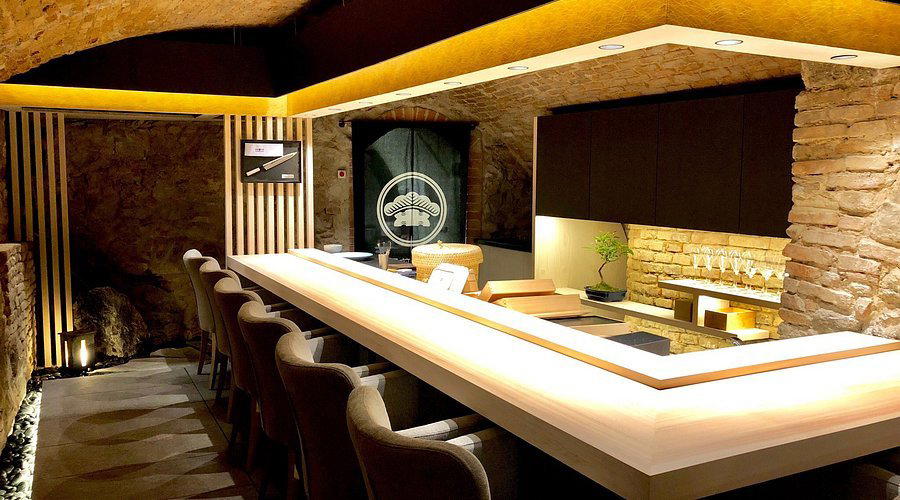
Bars in Bratislava
Browse all →
Hotels in Bratislava
Browse all →
At a Glance
- Elegant
- Sophisticated
- Cozy
- Date Night
- Special Occasion
- Business Dinner
- Hotel Restaurant
- Extensive Wine List
Current opening hours
- Monday
- 12–9 PM
- Tuesday
- 12–9 PM
- Wednesday
- 12–9 PM
- Thursday
- 12–9 PM
- Friday
- 12–9 PM
- Saturday
- 12–9 PM
- Sunday
- 12–3 PM, 5–9 PM
Hours can change for holidays and private events. Last verified .
Warm, inviting, and chic atmosphere with tasteful decor, piano background, and subtle elegance evoking the first half of the 20th century.