Hotel Restaurant Bistro Raffel
In the quiet market square of Jennersdorf, at the eastern edge of Burgenland, Bistro Raffel operates within a hotel setting that anchors it to the rhythms of the surrounding Steirisches Thermenland region. The cooking draws on the agricultural richness of a border area where Austrian, Hungarian, and Slovenian food traditions intersect. For travellers passing through or staying in the region, it represents a considered local option in a town with limited dining alternatives.
Pearl is the En Primeur Club membership app — saves, bookings, and concierge access live there. Same editors, same standards.
- Address
- Hauptpl. 6, 8380 Jennersdorf, Austria
- Phone
- +43332946622
- Website
- raffel.at
- Directions
- Get directions
 Saves & bookings on Pearl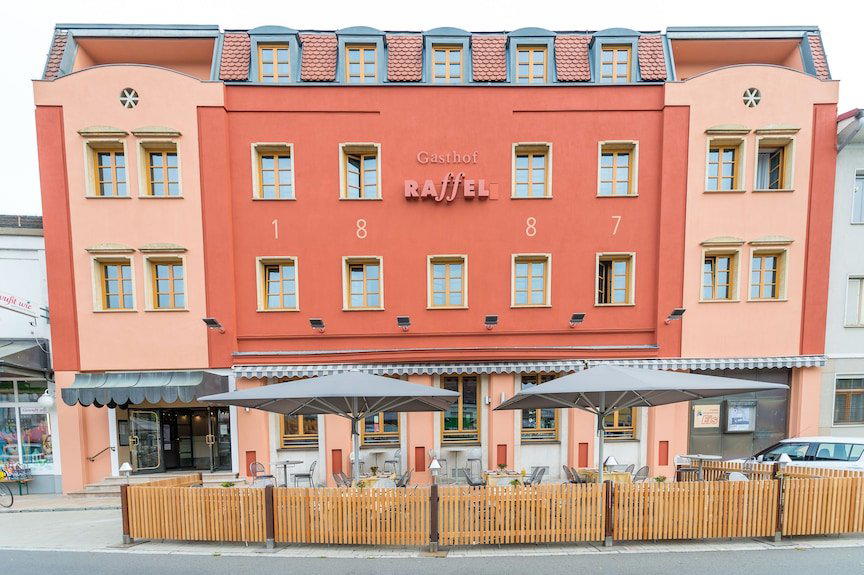
Where Burgenland's Eastern Edge Sets the Table
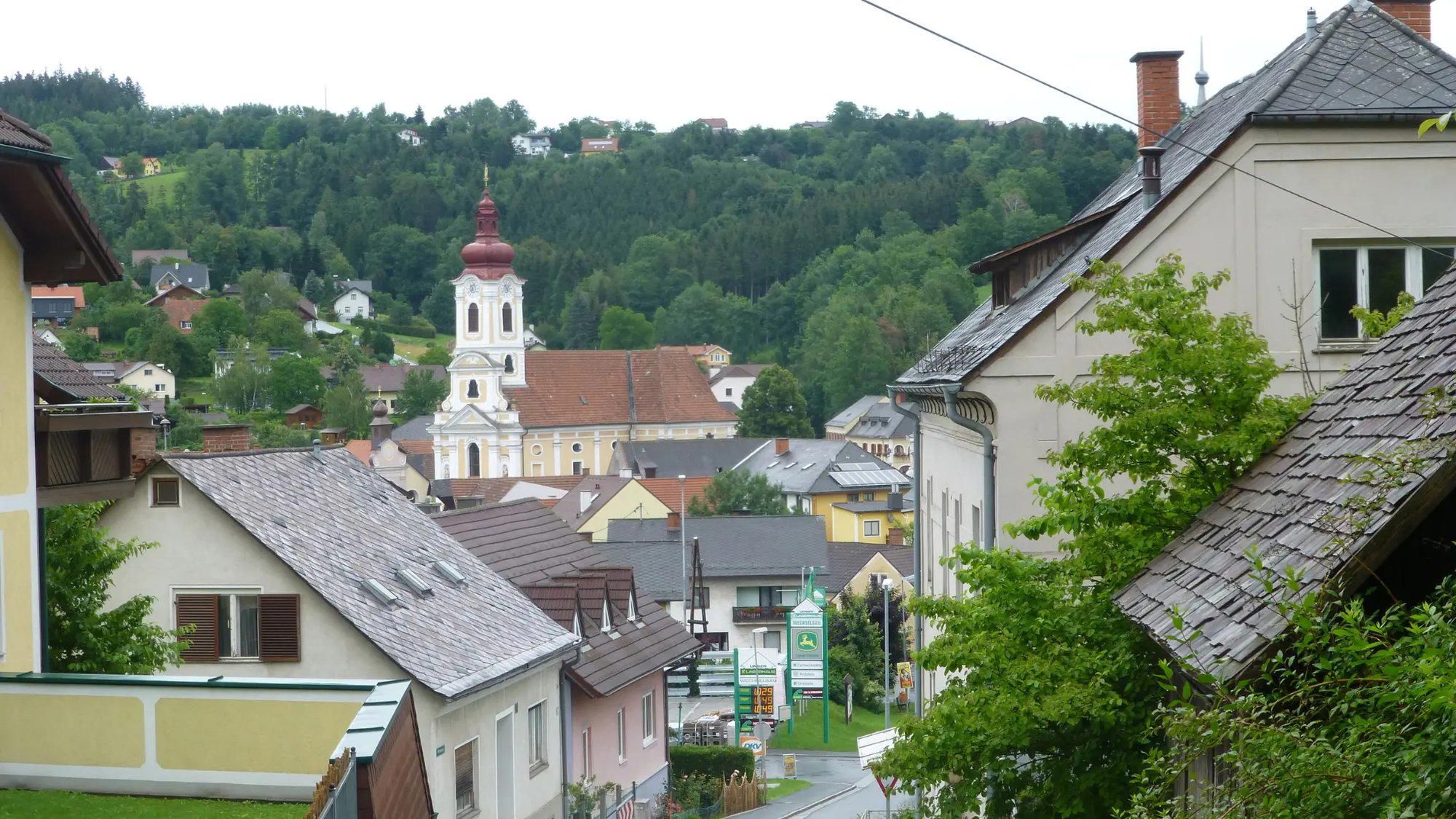
Jennersdorf sits in a corner of Austria that most international travellers pass through rather than stop in. The town marks the southeastern tip of Burgenland, pressed against the Hungarian and Slovenian borders, and its main square, Hauptplatz, has the unhurried tempo of a market town that has not been reconfigured for tourism. Hotel Restaurant Bistro Raffel occupies a position on that square, and it serves Austrian-Pannonian regional cooking in a direct hotel-restaurant setting.
That geographical position is the defining context for understanding what Raffel is and what it is not. This is not the Austria of grand Viennese dining rooms or the precision-driven alpine kitchens you find at places like Gourmetrestaurant Tannenhof in Sankt Anton am Arlberg or Stüva in Ischgl. It belongs to a quieter, less celebrated tier of Austrian regional dining, one where the value of the table is measured against the quality of the immediate landscape rather than against national award hierarchies.
A Border Region's Larder
The Steirisches Thermenland, the thermal spa country that stretches across this part of southeastern Styria and southern Burgenland, is a region shaped by agriculture, spa travel, and cross-border influences. That is partly an oversight. The land here is productive in ways that matter to a kitchen: the soils support viticulture, the farms run close to the table, and the proximity to Hungary and Slovenia means the culinary influences are layered rather than singular. Austrian cooking in this corner of the country carries traces of paprika culture from the east and the herb-led, countryside cooking of Slovenia to the south.
This is the sourcing logic that shapes restaurant cooking in Jennersdorf and the towns around it. Where a kitchen in this region works well, it does so by shortening the supply chain between field and plate rather than by importing technique or produce from distant culinary centres. The Burgenland wine country is close enough that local glass pairings are a practical reality rather than a marketing gesture, and the region's producers of pumpkin seed oil, freshwater fish, and seasonal vegetables are within the kind of distance that allows genuine relationship-based sourcing.
Compare this with the sourcing model at places like Kräuterreich by Vitus Winkler in Sankt Veit im Pongau, where herb-garden proximity defines the menu's identity, or Taubenkobel in Schützen am Gebirge, which has built its reputation on Burgenland's agricultural character at the higher end of the market. Raffel occupies a more everyday register, but the regional ingredient logic is consistent across that spectrum.
The Hotel-Restaurant Format in Small Austrian Towns
Across Austria's smaller towns, the hotel-restaurant combination remains a practical institution rather than a concept. It serves travelling salespeople, regional conference groups, families visiting thermal spas, and the occasional touring cyclist working through Burgenland's network of cycling routes. The kitchen has to function across meal periods and across a wider range of expectations than a destination-only restaurant would face.
That format constraint shapes everything: the menu range, the pace of service, the room configuration, and the relationship between the kitchen and its suppliers. It also means that the leading of these establishments succeed through consistency and sourcing discipline rather than through culinary ambition in the narrow tasting-menu sense. The Austrian bistro and Gasthaus tradition, which runs from urban examples like Artis in Graz through to rural operations like this one, is built on that kind of reliability.
For context on where the upper ceiling of Austrian regional cooking sits, Landhaus Bacher in Mautern an der Donau and Obauer in Werfen represent the benchmark for how classic Austrian cuisine can carry serious awards recognition while remaining rooted in regional produce. Steirereck im Stadtpark in Vienna sits at the apex of the creative end. Raffel operates many rungs below those benchmarks, which is simply an honest description of its category rather than a criticism of its function.
What the Region Offers the Traveller
Jennersdorf is most commonly visited in connection with the Steirisches Thermenland spas, which draw a predominantly Austrian and Central European clientele. The cycling infrastructure in this part of Burgenland is developed enough that it functions as a genuine draw for longer touring itineraries. Neither of these visitor types is looking for a tasting menu with a three-month booking lead time. They are looking for a reliable table, food that reflects where they are, and a kitchen that is operating with some connection to the land around it.
The Hauptplatz address means Raffel is the kind of place you arrive at on foot from wherever you are staying in town, which matters in a settlement of this scale. Practical details for this type of establishment in Jennersdorf should be checked before arrival. For a broader map of where Raffel sits among dining options in the area, our full Jennersdorf restaurants guide provides the wider context.
Travellers comparing this region with other parts of the Austrian dining circuit will find instructive contrasts at Ikarus in Salzburg, Döllerer in Golling an der Salzach, or Griggeler Stuba in Lech, all of which demonstrate what Austrian regional cooking looks like when it is operating with significant investment and national recognition behind it. For reference points outside Austria entirely, the sourcing rigour at the summit of international dining, from Le Bernardin in New York City to Atomix in New York City, shows how ingredient provenance can become a complete editorial identity for a kitchen. The principle scales down to the regional level; the execution differs by category.
Further Austrian comparisons worth noting for travellers building a wider itinerary: Ois in Neufelden, Schwarzer Adler in Hall in Tirol, Restaurant 141 by Joachim Jaud in Mieming, and Atelier Fischer in Sankt Gilgen each represent different expressions of Austrian regional cooking, from format to price point to ingredient focus.
Comparison Snapshot
Comparable venues nearby, for context on price, style, and recognition.
| Venue | Cuisine | Price | Notes |
|---|---|---|---|
| Hotel Restaurant Bistro RaffelThis venue — the venue you are viewing | Austrian-Pannonian Regional | $$$ | Not listed |
| Mädchen und Wolf | Modern Austrian | $$$ | Wiener Neustadt |
| Dorfhotel Fasching | Austrian Alpine Cuisine | $$$ | Fischbach |
| Das Kappel | Modern Styrian Regional | $$$ | Kitzeck im Sausal |
| Demel Vienna cafe | Traditional Viennese Pastry Cafe | $$$ | Stephansdom |
| Restaurant Thomas | Traditional Austrian Winery Cuisine | $$$ | Tattendorf |
Continue exploring
More in Jennersdorf
Restaurants in Jennersdorf
Browse all →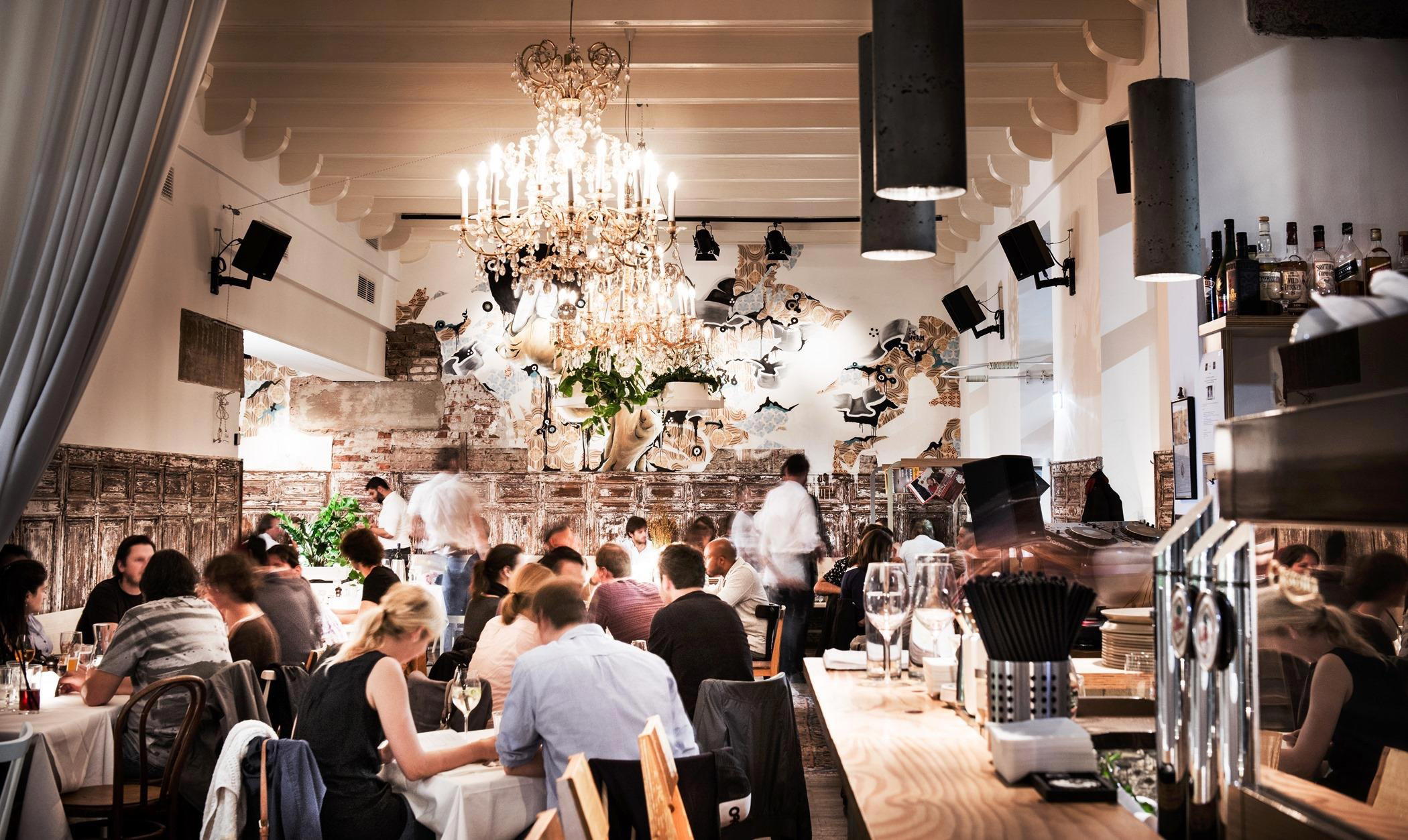
Bars in Jennersdorf
Browse all →
Hotels in Jennersdorf
Browse all →

At a Glance
- Classic
- Cozy
- Elegant
- Family
- Casual Hangout
- Business Dinner
- Hotel Restaurant
- Historic Building
- Local Sourcing
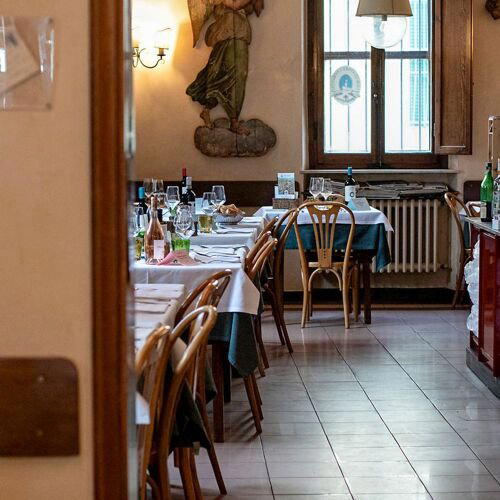
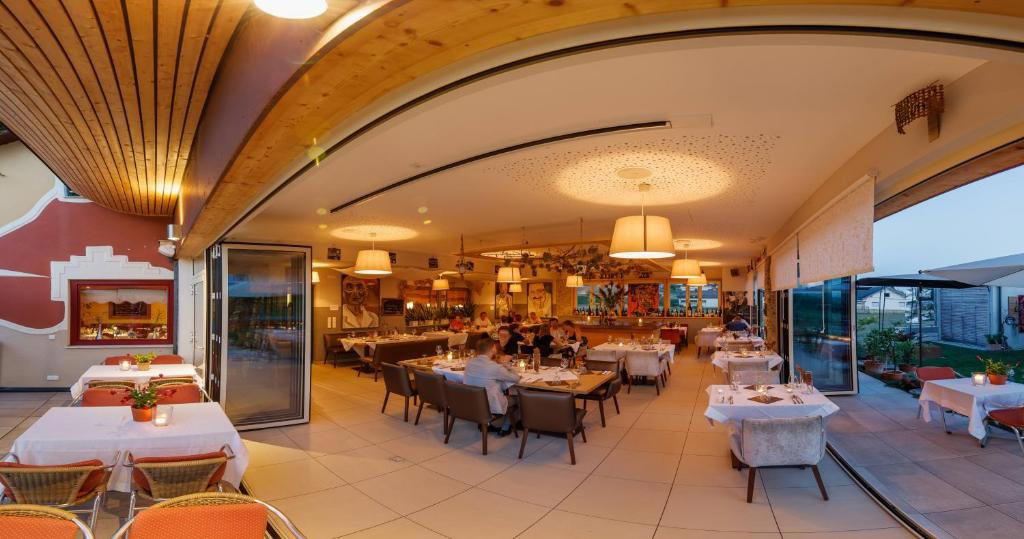
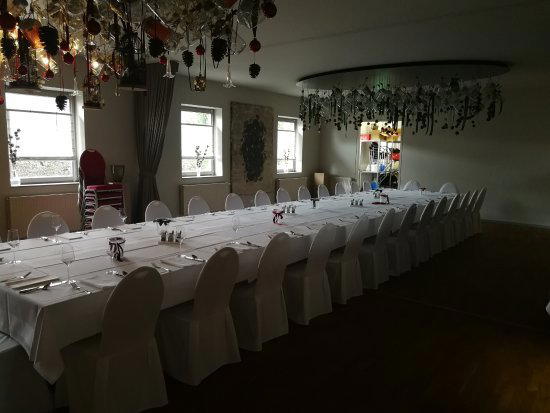
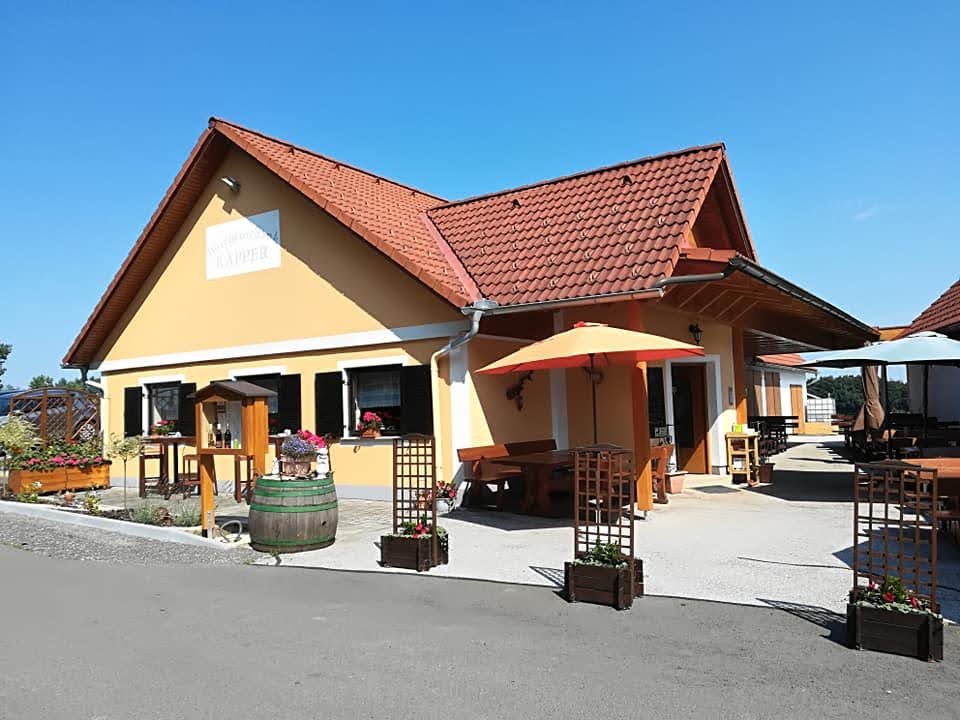
Warm and inviting atmosphere in lounges named after cherry and pear, with consistently praised delicious food and friendly service in a classic setting.