Hotel Fisserhof sits at Fisser Str. 24 in the high-alpine village of Fiss, Tyrol, where the surrounding Serfaus-Fiss-Ladis plateau shapes both the character of a stay and the sourcing logic behind what reaches the table. Alpine hotel dining in this part of Austria operates within a distinct tradition, one where altitude, seasonality, and proximity to mountain pasture define the kitchen's vocabulary more than urban trend cycles do.
Pearl is the En Primeur Club membership app — saves, bookings, and concierge access live there. Same editors, same standards.
- Address
- Fisser Str. 24, 6533 Fiss, Austria
- Phone
- +434354766353
- Website
- fisserhof.com
 Saves & bookings on Pearl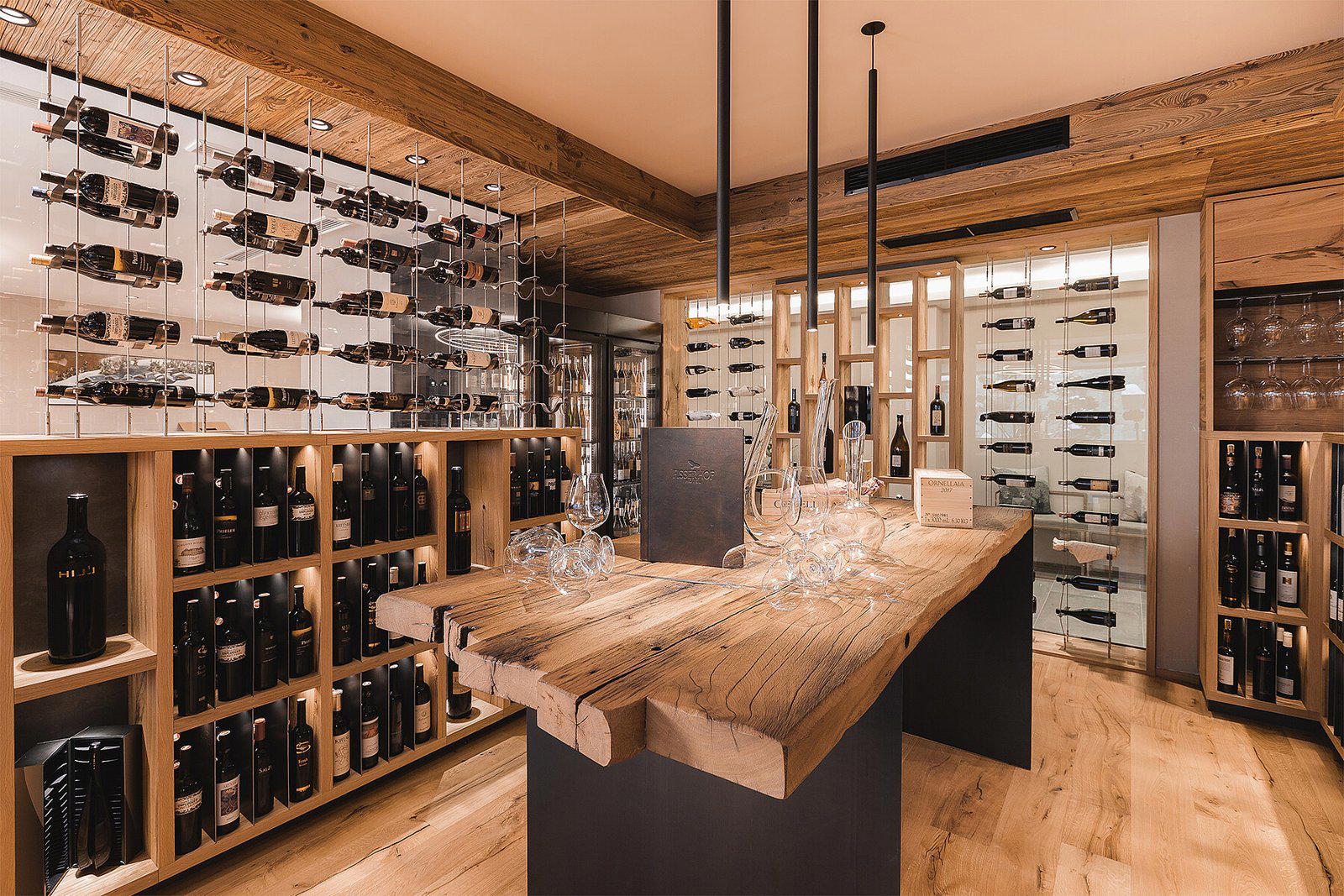
Where the Plateau Sets the Terms
Fiss sits above 1,400 metres on the Serfaus-Fiss-Ladis plateau in Tyrol, a pocket of the Austrian Alps where the growing season is compressed, the air is dry, and the distance between pasture and kitchen is measured in minutes rather than supply-chain days. Hotels at this altitude operate inside a different set of constraints than their urban counterparts, and those constraints shape dining decisions directly. The short summer window concentrates wild herbs, mountain grasses, and local dairy production into a narrow corridor; winter kitchens lean on aged products, preserved goods, and the deep larder logic that alpine communities have maintained for centuries. Hotel Fisserhof, at Fisser Str. 24, sits inside that tradition.
The surrounding region connects to a broader pattern visible across Tyrolean hospitality: properties in villages like Fiss, Ischgl, and Lech tend to source hyper-locally not as a marketing position but as a practical one. The logistics of high-altitude supply chains make proximity an economic argument as much as an ethical one. What arrives on the plate in these kitchens tends to reflect what the valley floor and the plateau above it actually produce. Comparable benchmark restaurants operating at the top of the Austrian fine-dining spectrum, including Steirereck im Stadtpark in Vienna and Landhaus Bacher in Mautern an der Donau, draw on lowland and riverine produce with equal rigour. What distinguishes mountain-hotel kitchens is the vertical dimension: altitude changes what grows, when it grows, and how intensely it concentrates flavour.
The Sourcing Logic of Alpine Hotel Dining
Across the Tyrolean hotel dining category, ingredient sourcing follows a recognisable structure. Dairy comes from cattle grazing above the treeline during summer months; the milk is richer and the resulting cheeses carry a mineral edge that lowland equivalents do not. Game from the surrounding hunting grounds moves through local channels that bypass the industrial processing network entirely. Wild plants, sorrel, ramsons, mountain thyme, various alpine cresses, reach kitchens within hours of harvest during the brief window between snowmelt and the first hard frost. This is the raw material logic that defines what a kitchen at Fisserhof's address in Fiss can work with across the calendar year.
The winter season in Fiss runs from December through April, and the ski resort infrastructure of the Serfaus-Fiss-Ladis area means that hotel restaurants during this period serve an international guest base. The summer hiking season draws a smaller, often more regionally focused clientele. These two audiences create different kitchen demands and, implicitly, different sourcing rhythms. Autumn in particular represents the concentrated intersection of late-season alpine produce with game: a short window that kitchens in this region have historically treated as the high point of the sourcing year.
For context on how seriously ingredient provenance is taken at the sharper end of Austrian mountain dining, properties like Gourmetrestaurant Tannenhof in Sankt Anton am Arlberg and Griggeler Stuba in Lech have built reputations precisely on this axis. Stüva in Ischgl operates within the same Tyrolean corridor and demonstrates that the alpine hotel dining format can carry Michelin-level recognition. The comparable set Hotel Fisserhof operates within is one where the kitchen's relationship to local supply chains is a credibility signal read by guests who make the same trip annually and know what the region produces.
The Village Setting and What It Signals
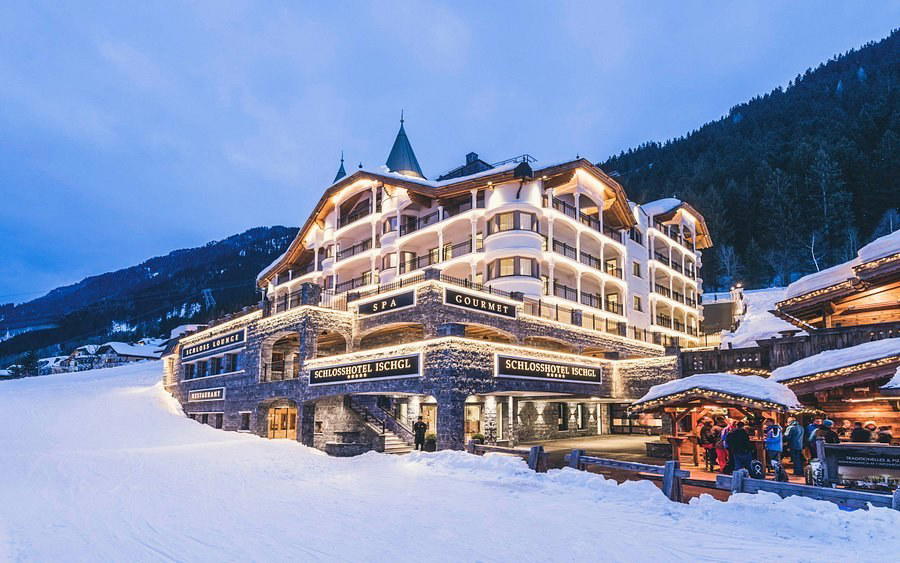
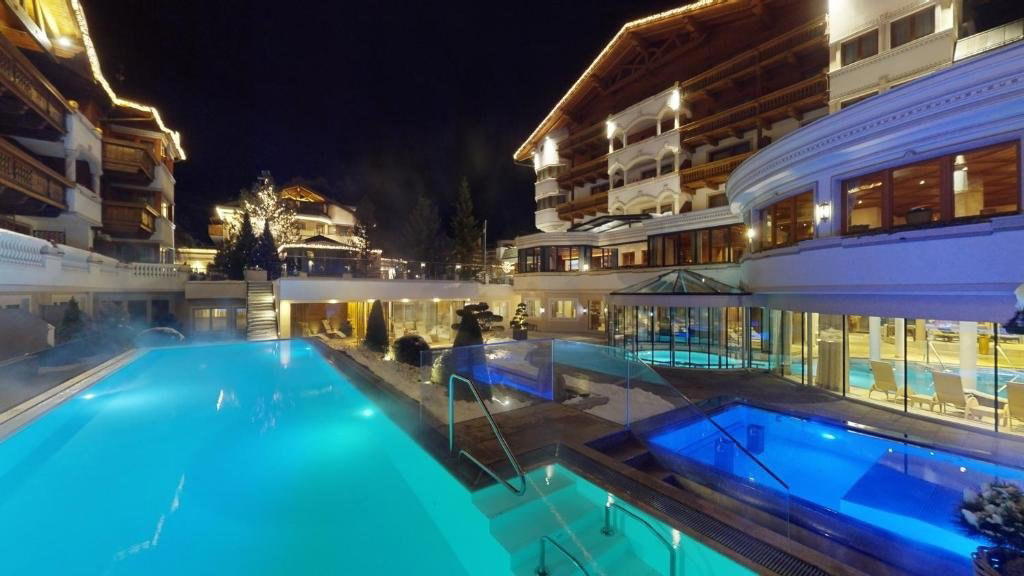
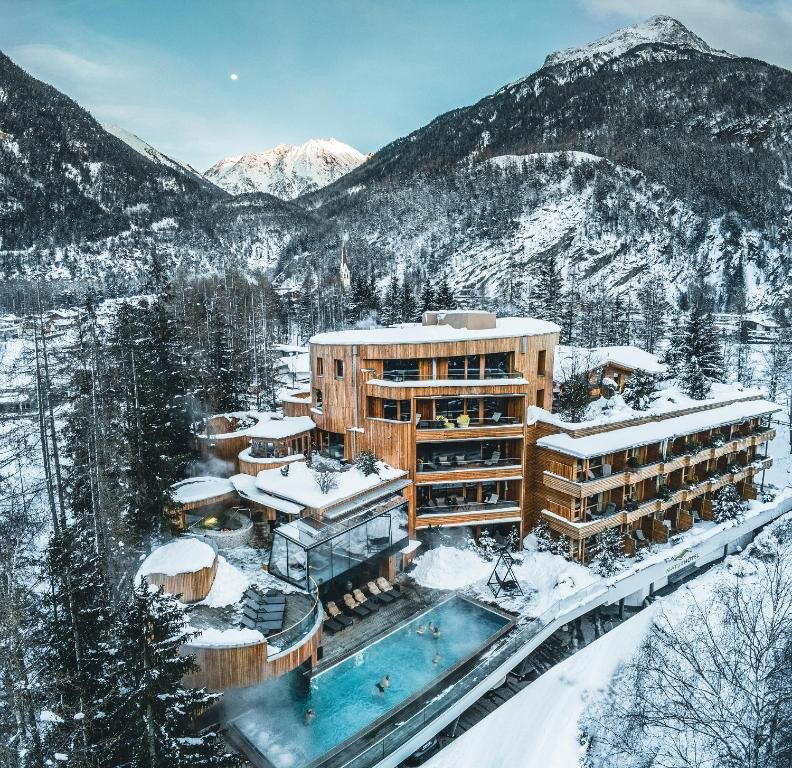
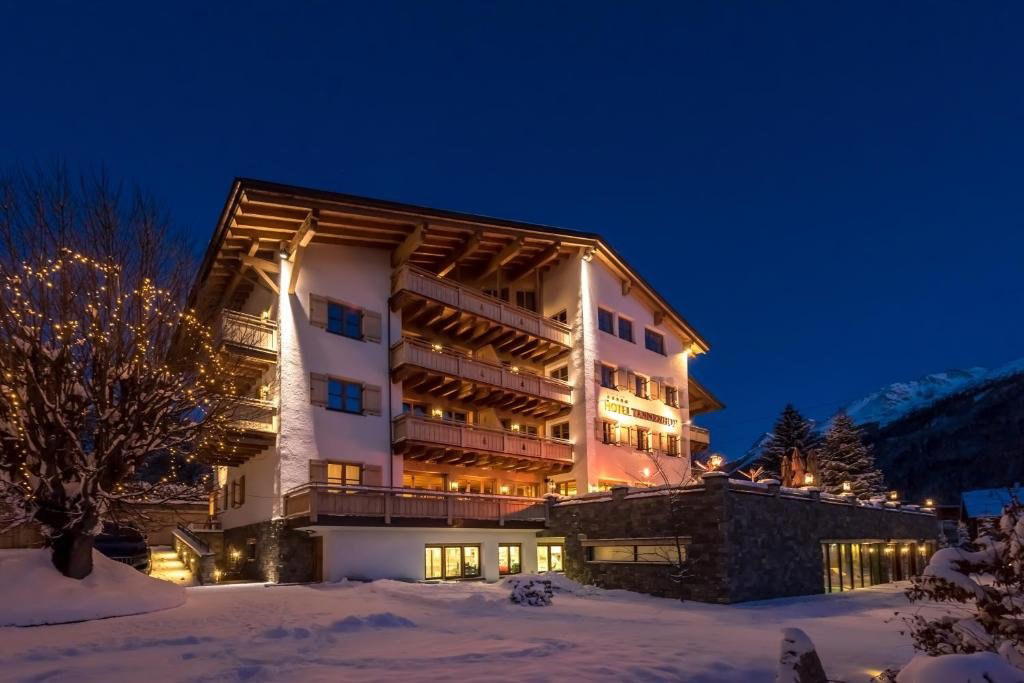
Fiss is a small community, the kind of Tyrolean village where the built environment is still in proportion with the landscape rather than in competition with it. Approaching the village from the valley, the scale shifts: the road narrows, the pace changes, and the framing shifts from transit to destination. This physical context matters for how a hotel experience reads. Properties in Fiss are not competing with the urban amenity density of Innsbruck or the branded resort infrastructure of larger ski destinations. They operate in a quieter register, where the quality of the view, the clarity of the air, and the texture of the immediate environment carry weight that branded programming cannot substitute for.
This is the setting in which Hotel Fisserhof operates, and it places the property in a category of Austrian mountain hotel that functions more as a base for engagement with the surrounding landscape than as a self-contained resort destination. The distinction matters for prospective guests calibrating expectations: the draw here is the Serfaus-Fiss-Ladis plateau and what it offers across seasons, with the hotel serving as a well-positioned anchor point for that engagement. Readers looking for comparisons in the broader Austrian fine-dining and hospitality conversation may find reference points at Döllerer in Golling an der Salzach, where mountain-proximate sourcing and serious culinary ambition coexist in a similarly non-urban setting, or at Obauer in Werfen, a benchmark for what sustained regional commitment looks like over decades.
Fiss in the Context of Tyrolean Dining
The broader Tyrolean restaurant scene has developed unevenly across the altitude spectrum. Valley-floor towns carry the density of year-round trade and the infrastructure to support ambitious kitchens. Plateau villages like Fiss operate on seasonal rhythms that concentrate demand rather than distribute it. This concentration can work in a kitchen's favour: a shorter, more intense season with a captive guest audience creates conditions for focused sourcing and menu consistency. The risk is reduced flexibility when the village quiets.
Within Fiss specifically, the dining scene is small enough that individual properties bear significant responsibility for the overall quality signal a visitor takes away. Beef Club and Bruderherz Fine Dine represent the other anchor points in the village's restaurant offering, and the full picture of what Fiss delivers at the table is captured in the Fiss restaurants guide. Further afield in Austria, restaurants including Ikarus in Salzburg, Kräuterreich by Vitus Winkler in Sankt Veit im Pongau, Ois in Neufelden, Schwarzer Adler in Hall in Tirol, Restaurant 141 by Joachim Jaud in Mieming, and Taubenkobel in Schützen am Gebirge illustrate the range of what Austrian regional kitchens can achieve when they commit to place. Internationally, the sourcing discipline visible at properties like Le Bernardin in New York City and the ingredient-led precision at Atomix in New York City set a useful benchmark for what rigorous provenance thinking looks like at the table, regardless of geography.
Planning a Stay
Hotel Fisserhof is located at Fisser Str. 24, 6533 Fiss, Austria. The village is accessible via the Inntalautobahn (A12) with a turn towards Serfaus-Fiss-Ladis; the nearest major rail connection is Landeck-Zams, from which the plateau is reached by road. Peak season runs December through April for skiing and July through August for hiking; shoulder months on either side offer the quietest conditions and often the most direct access to locally sourced produce at its seasonal peak.
Comparison Snapshot
Comparable venues nearby, for context on price, style, and recognition.
| Venue | Cuisine | Price | Awards | Notes |
|---|---|---|---|---|
| HOTEL FISSERHOFThis venue — the venue you are viewing | Tyrolean & International | $$$ | , | |
| Beef Club | Modern Steakhouse with Big Green Egg Grill | $$$$ | Michelin 1 Star | Fiss |
| Bruderherz Fine Dine | Creative Alpine Fine Dining | $$$$ | Michelin 1 Star | Fiss |
| Hotel Gasthof Hirschen Schwarzenberg | Modern Austrian Regional | $$$ | , | Schwarzenberg |
| Grünerhof | Seasonal Tyrolean Alpine Cuisine | $$$ | , | Obergurgl |
| Wedelhütte | Modern Austrian Mountain Cuisine | $$$ | , | Zellberg |

At a Glance
- Rustic
- Cozy
- Scenic
- Family
- Celebration
- Hotel Restaurant
- Terrace
- Extensive Wine List
- Local Sourcing
- Mountain
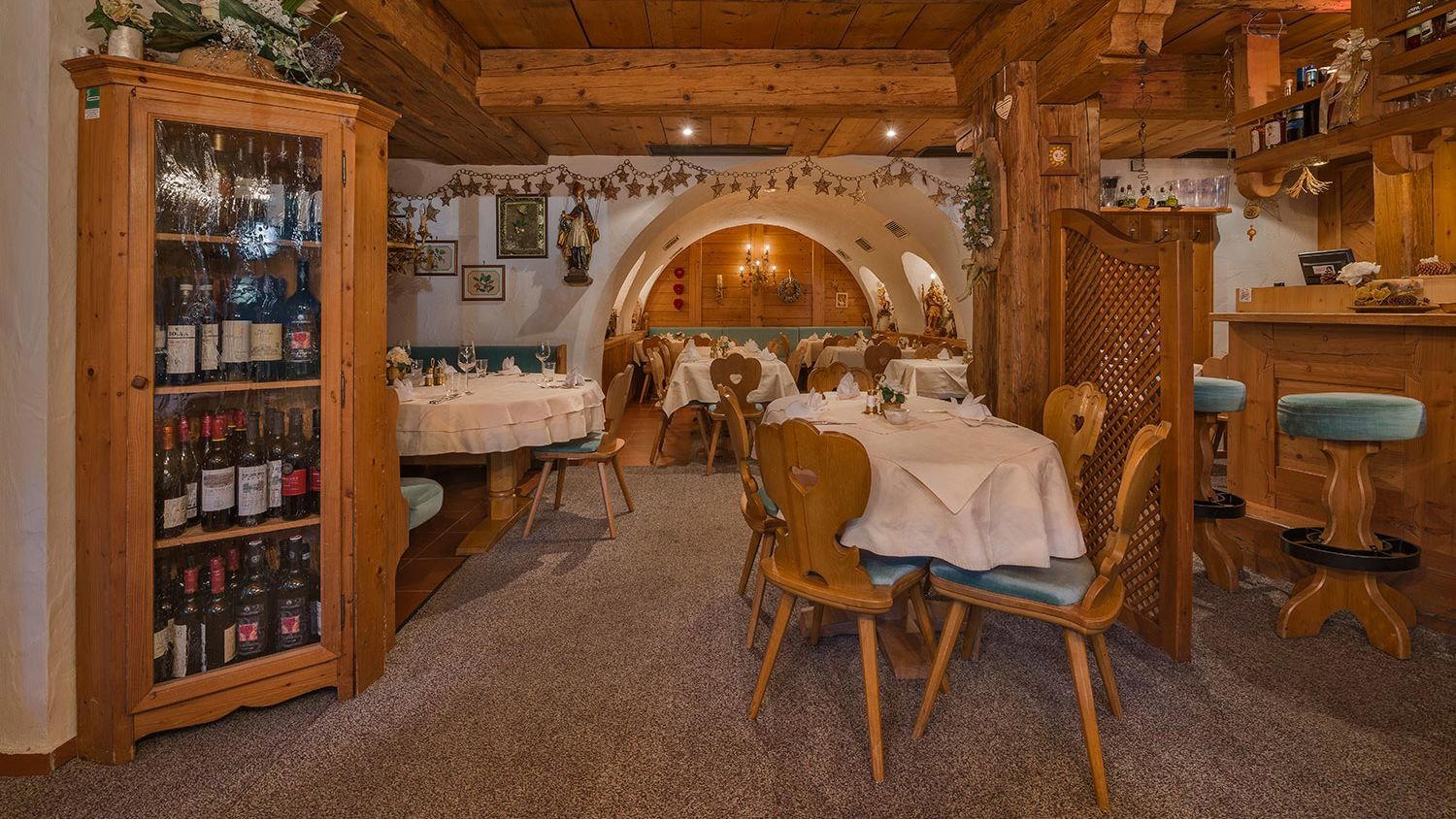
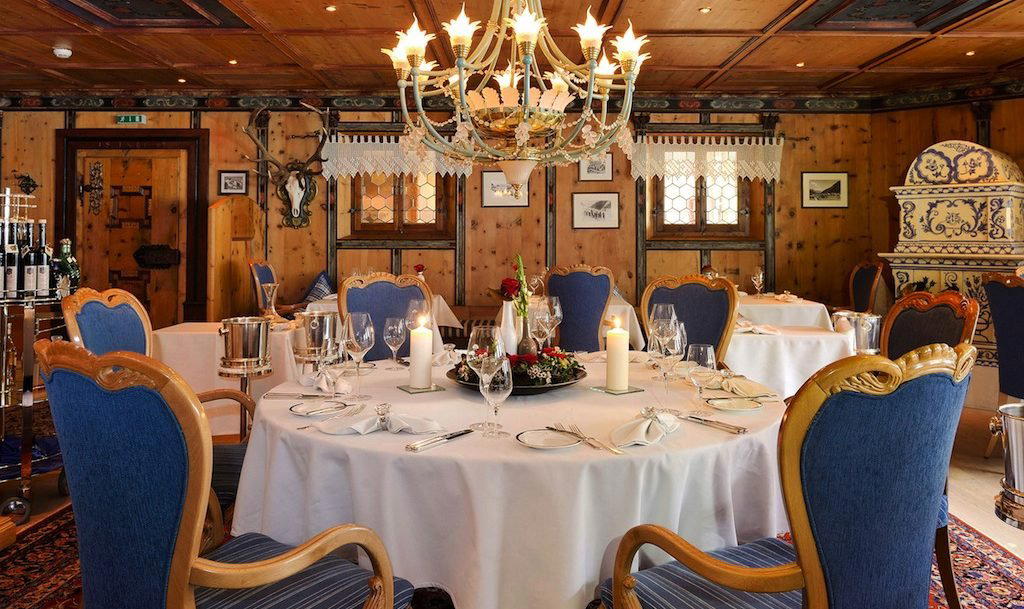
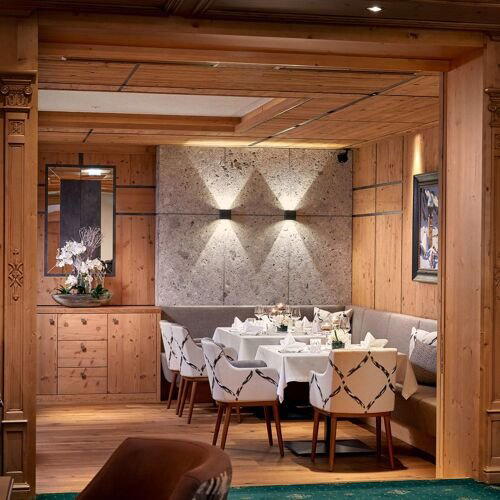
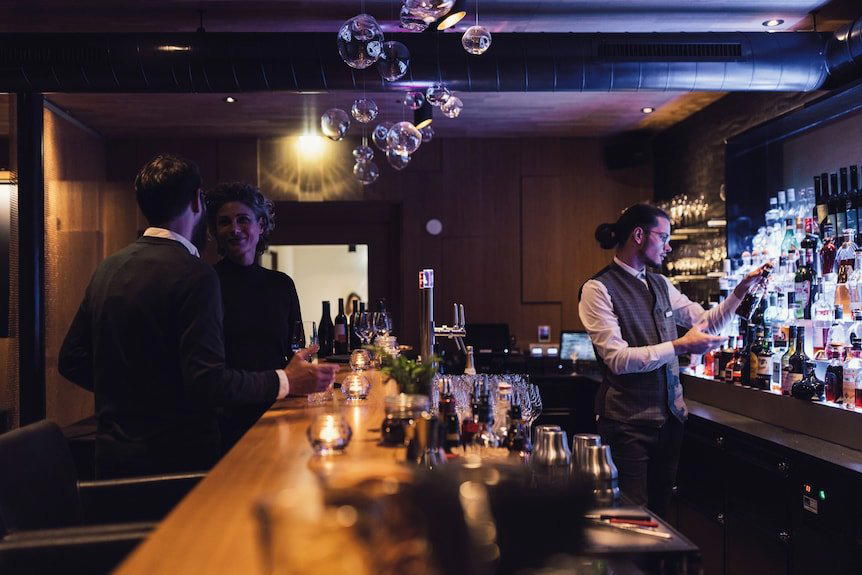
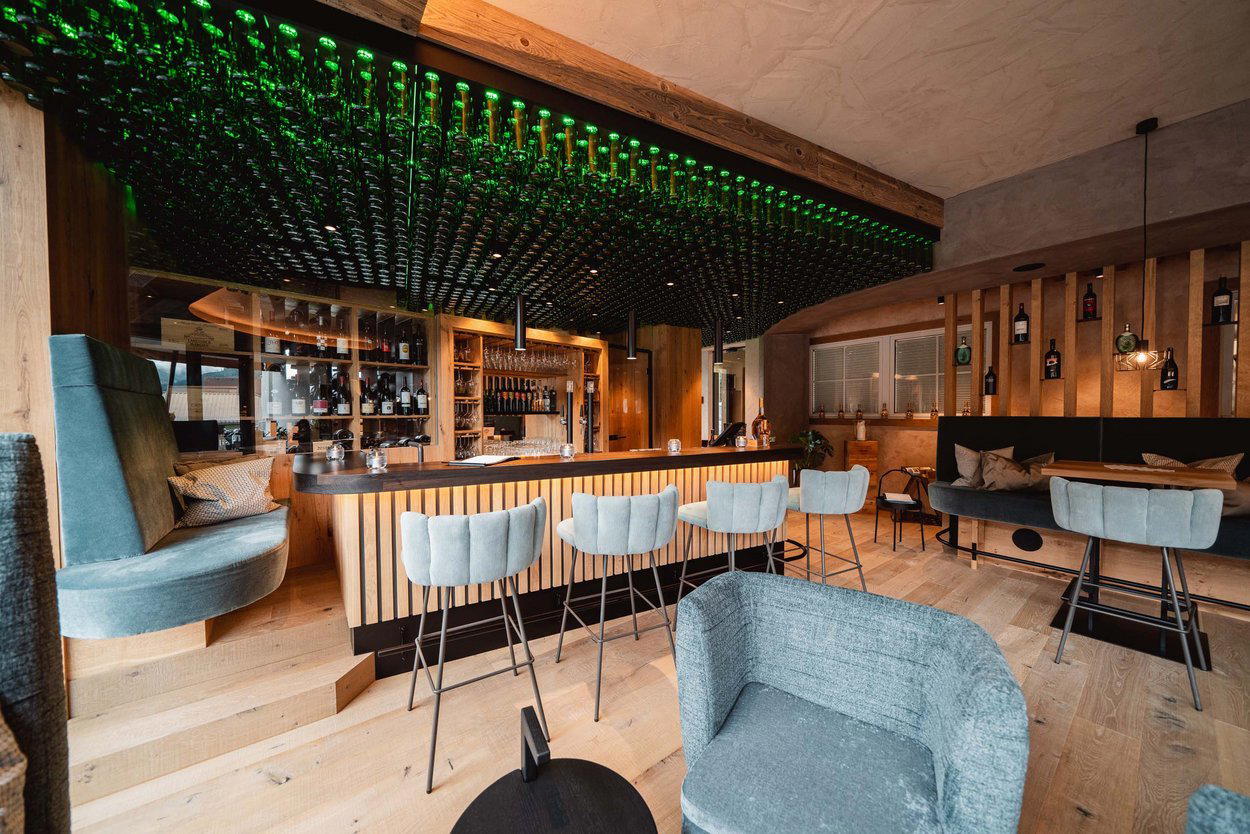
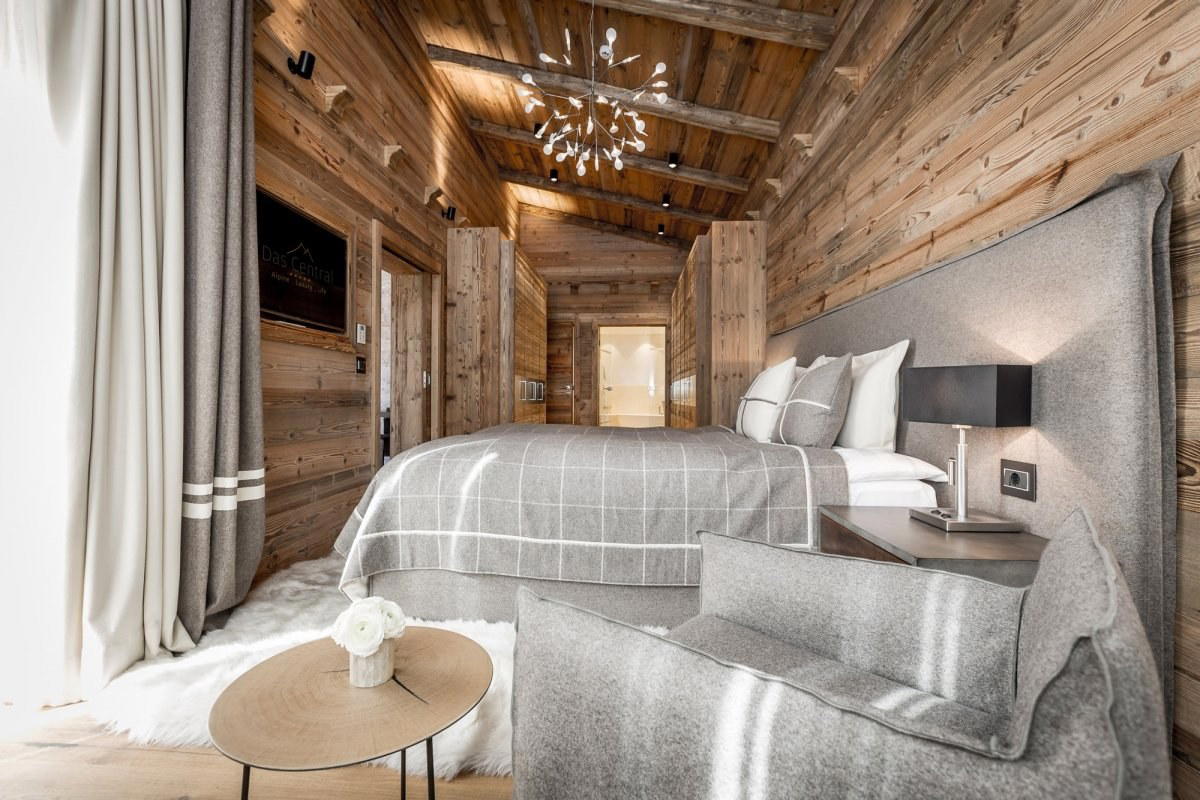
Rustic Tyrolean parlours with cozy fireplace lounge, wood-paneled ceilings, panoramic windows offering mountain views, and a warm, relaxing atmosphere.