Hotel Gasthof Hirschen Schwarzenberg

In the quiet Bregenzerwald village of Schwarzenberg, Hotel Gasthof Hirschen represents the kind of inn that the Austrian alpine tradition built its reputation on: a place where the building, the kitchen, and the surrounding landscape operate as a single system. The Bregenzerwald's tight network of farms, dairies, and forest keeps the supply chain short and the cooking grounded in what the season actually offers.
Pearl is the En Primeur Club membership app — saves, bookings, and concierge access live there. Same editors, same standards.
- Address
- Hof 14, 6867 Schwarzenberg, Austria
- Phone
- +43551229440
- Directions
- Get directions
 Saves & bookings on Pearl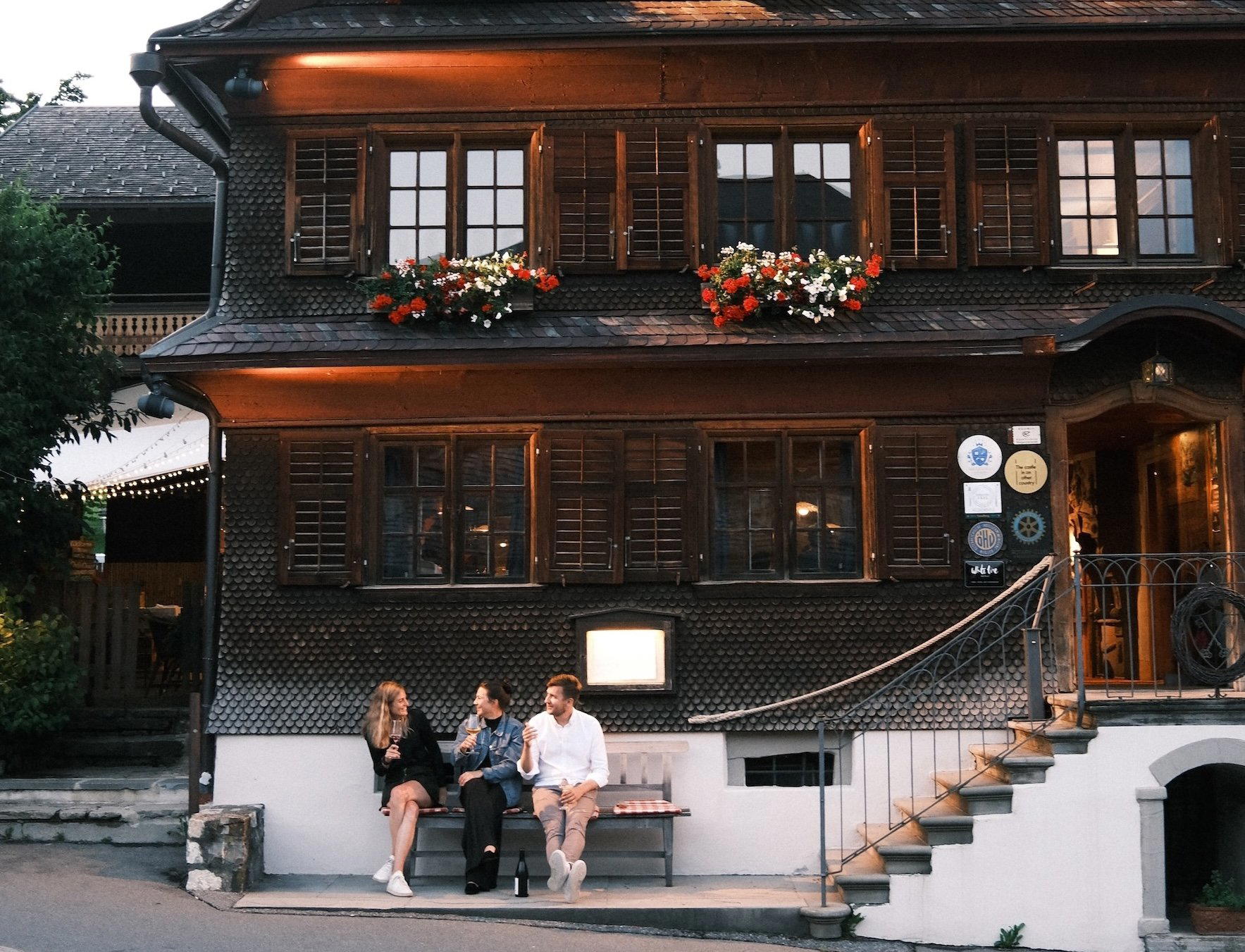
Where the Bregenzerwald Feeds Itself
Schwarzenberg sits in the Bregenzerwald, a valley system in Vorarlberg that has maintained among the more coherent regional food cultures in the Austrian alps. The farms here are small, the dairies are cooperative, and the distance between a field and a kitchen is often measured in minutes rather than logistics. In that context, a historic gasthof is not simply a place to sleep and eat — it functions as a local institution, a relay point between agricultural production and the table. Hotel Gasthof Hirschen, at Hof 14 in the village centre, occupies exactly that role. The building itself signals continuity: the term gasthof implies a tradition of hospitality that predates the modern hotel category by centuries, and properties carrying that designation in Vorarlberg's smaller villages tend to be generational rather than speculative.
For context on how Austrian alpine dining has evolved at the higher end, properties like Döllerer in Golling an der Salzach and Steirereck im Stadtpark in Vienna represent what happens when regional sourcing meets serious culinary ambition at the €€€€ tier. The Bregenzerwald operates differently: its strongest dining tradition is not about formal tasting menus but about the kind of food that makes sense in a mountain village — honest, seasonal, and tied directly to what the surrounding land produces. Hotel Gasthof Hirschen sits within that tradition.
The Ingredient Logic of the Bregenzerwald
Vorarlberg's dairy culture is among the more distinctive in Austria. The Bregenzerwald in particular is home to a dense concentration of alpine dairy farms operating on seasonal transhumance patterns, moving herds between valley pastures in winter and high alp meadows in summer. The milk that results, and the cheeses derived from it, carries flavour profiles shaped by altitude and botanical diversity that lowland dairy simply cannot replicate. A gasthof embedded in this system has access to ingredients that larger urban restaurants pay significant premiums to import. The proximity is structural, not aspirational.
That sourcing logic shapes what appears on a Bregenzerwald table. Cheese courses, dairy-rich preparations, and cured mountain meats are not menu flourishes here; they are the natural output of a food system that has been functioning for generations. Compare this to the approach at Kräuterreich by Vitus Winkler in Sankt Veit im Pongau, where alpine herb foraging is foregrounded as an editorial concept, or at Gourmetrestaurant Tannenhof in Sankt Anton am Arlberg and Griggeler Stuba in Lech, where alpine provenance is deployed within a fine-dining framework. At a village gasthof, the sourcing is the baseline, not the concept.
Schwarzenberg and Its Dining Peers
Schwarzenberg is a small village, but it carries cultural weight disproportionate to its size. It is home to the Angelika Kauffmann Museum, and the Bregenzerwald architecture movement, centred on the cooperative Werkraum Bregenzerwald, has made the region a reference point in contemporary craft and design circles. That cultural self-awareness has a culinary parallel: the village's eating establishments are not interchangeable. Gasthof Adler and Hirschen each occupy distinct positions within the village's small but considered dining offer, and travellers who approach Schwarzenberg expecting a single undifferentiated alpine experience will find more texture than that. Our full Schwarzenberg restaurants guide maps the village's options in more detail.
Further afield in the Austrian alpine dining circuit, Obauer in Werfen, Stüva in Ischgl, and Schwarzer Adler in Hall in Tirol demonstrate the range of formats operating under similar alpine-sourcing premises. What distinguishes the gasthof format from those more formally structured addresses is precisely its lack of self-consciousness: the meal arrives because that is what this kitchen does, not because it has been engineered for a particular dining experience narrative.
Arriving and Planning Your Visit
Schwarzenberg is accessible by road from Bregenz, the Vorarlberg state capital, in under an hour. The village sits at a modest altitude within the lower Bregenzerwald and remains accessible year-round, unlike some higher alpine addresses that operate on compressed seasonal windows. The Bregenzerwald as a whole draws visitors in summer for hiking and cycling, and in winter for lower-key skiing compared to the Arlberg resorts. Shoulder seasons, particularly autumn, when alpine dairy production transitions and local larders are at their fullest, represent a strong argument for timing a visit outside the peak summer and Christmas periods. Those planning a broader Vorarlberg or Western Austria itinerary might also consider Ois in Neufelden, Taubenkobel in Schützen am Gebirge, or Landhaus Bacher in Mautern an der Donau as part of a longer Austrian dining route. For reference points outside the alpine register entirely, Ikarus in Salzburg, Le Bernardin in New York City, and Atomix in New York City illustrate how differently sourcing and technique interact at the highest formal tiers of the restaurant world. Restaurant 141 by Joachim Jaud in Mieming offers another Western Austrian data point for those building a regional itinerary.
As a combined hotel and gasthof, Hirschen offers the option to stay in the village itself, which changes the experience considerably. A gasthof is designed to be inhabited, not just visited for a meal: breakfast, the rhythms of a small alpine hotel, proximity to the village's morning market activity, these are part of what the format delivers. Booking should be arranged directly and in advance, particularly for summer weekends and the Christmas-New Year period, when the Bregenzerwald draws significant regional visitors.
How Hotel Gasthof Hirschen Schwarzenberg compares with similar nearby venues.
| Venue | Cuisine | Price | Awards |
|---|---|---|---|
| Hotel Gasthof Hirschen Schwarzenberg | Not listed | Not listed | Falstaff Restaurant - 95 Falstaff Points (2026) |
| Hirschen | Regional Cuisine | €€ | Not listed |
| Gasthof Adler | Austrian | €€ | Not listed |
Recognition history
Dated appearances from independent guides and award organizations, with the underlying list record or original source where available.
Falstaff Restaurant - 95 Falstaff Points
Falstaff
Continue exploring
More in Schwarzenberg
Restaurants in Schwarzenberg
Browse all →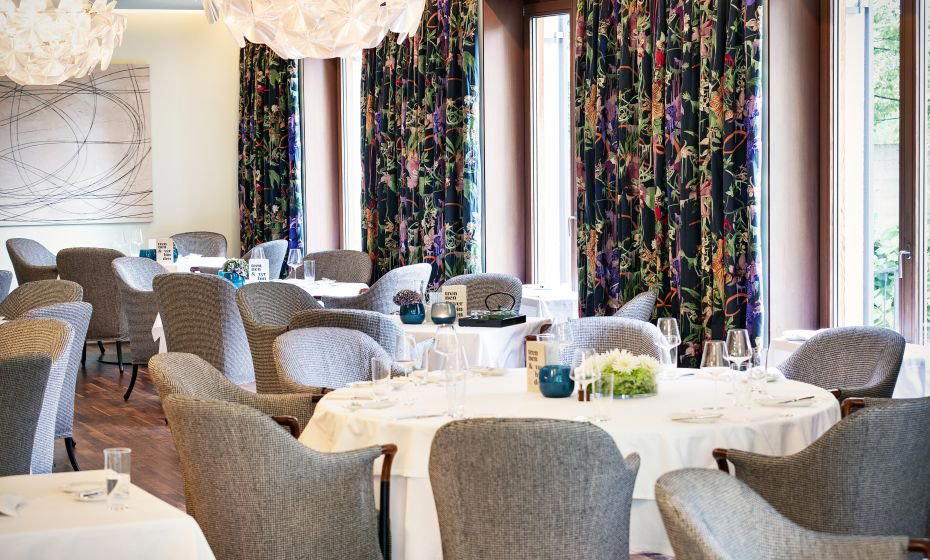
Bars in Schwarzenberg
Browse all →
Hotels in Schwarzenberg
Browse all →

At a Glance
- Rustic
- Cozy
- Classic
- Intimate
- Date Night
- Special Occasion
- Hotel Restaurant
- Historic Building
- Local Sourcing
- Farm To Table
- Organic
- Mountain
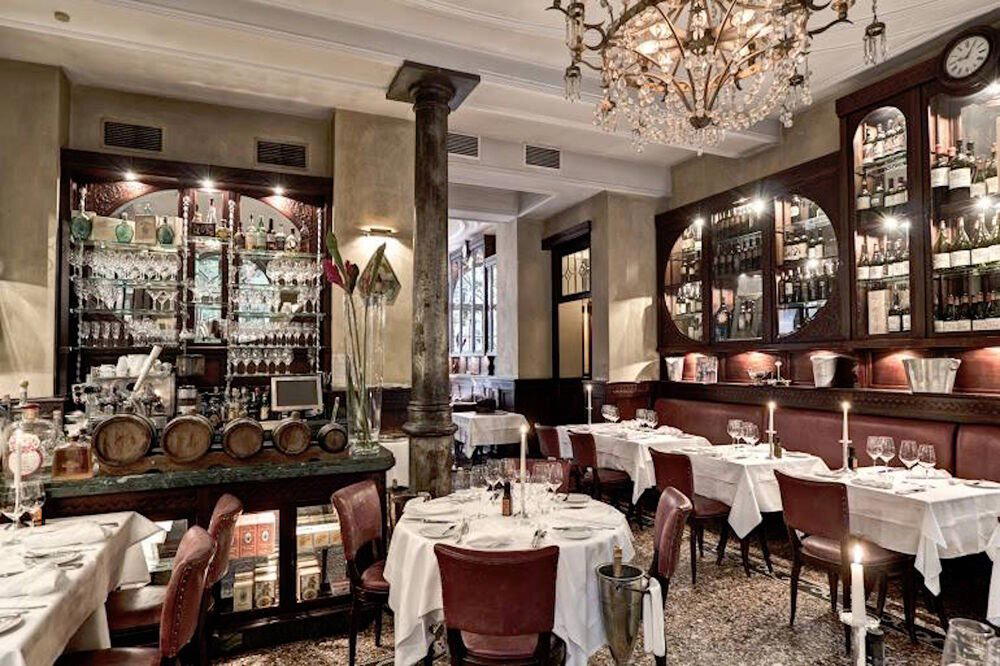
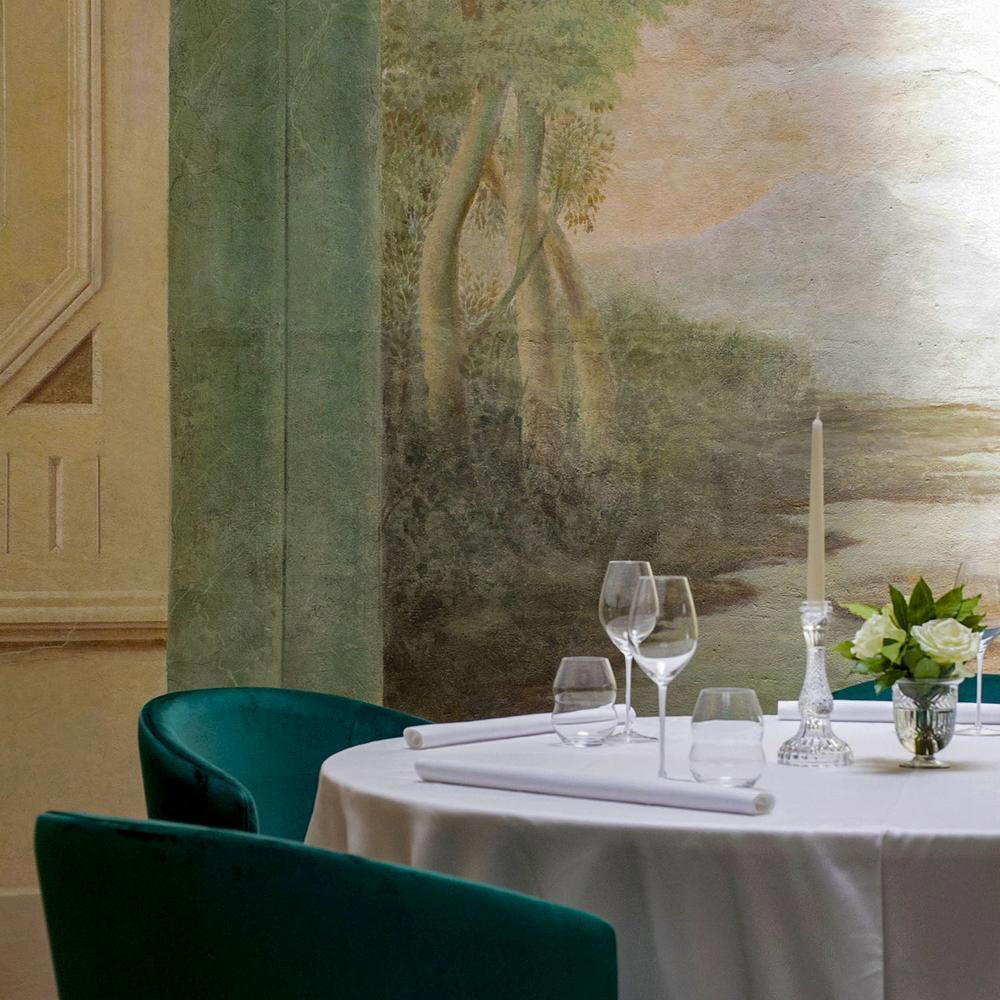
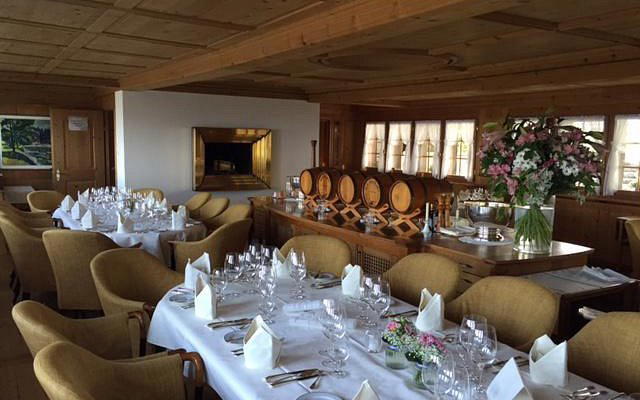
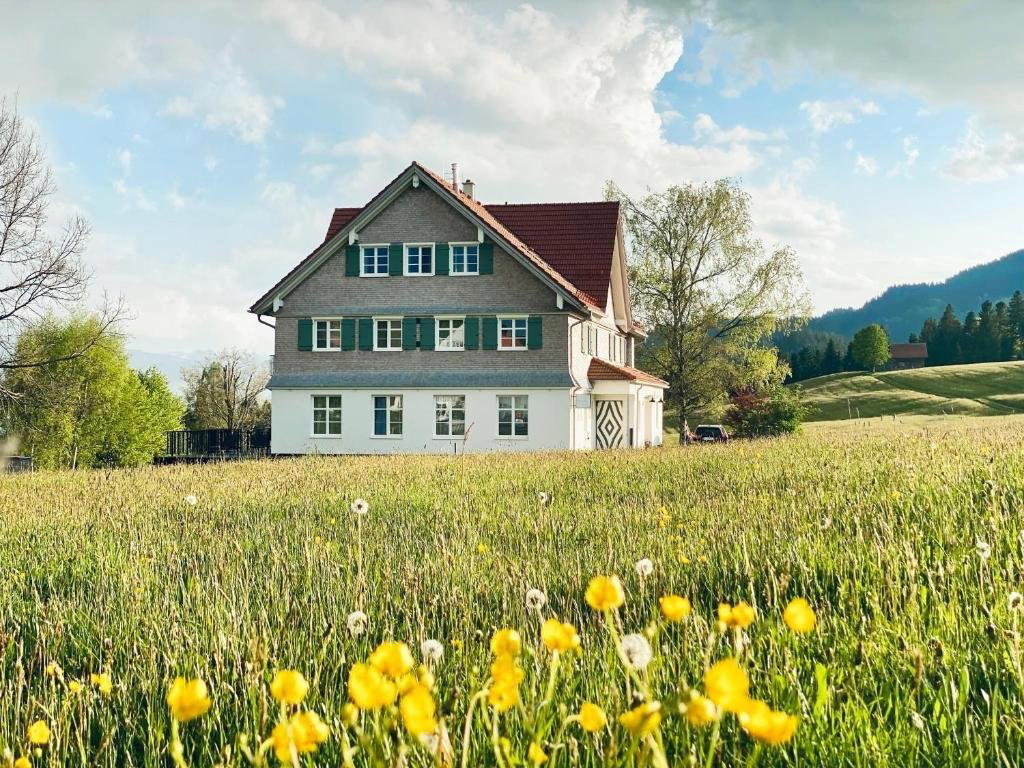
Tastefully decorated historic dining rooms with wood elements evoking tradition, art, and tranquility.