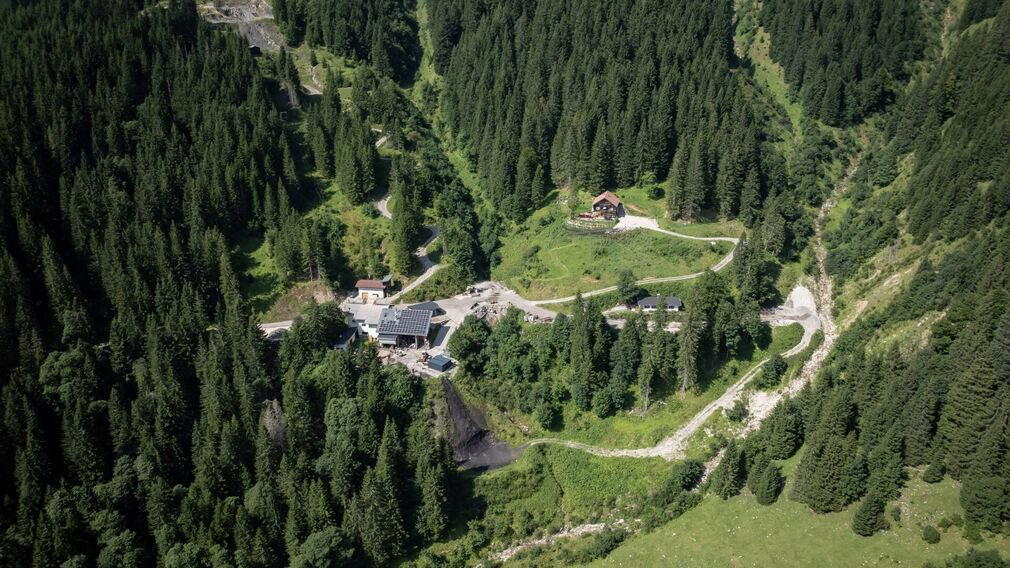
Wedelhütte sits above the Hochzillertal in Austria's Zillertal Alps, where the altitude and surrounding alpine terrain shape both the setting and the kitchen's relationship with local ingredients. The hut occupies a position in the mountain-dining tradition that connects seasonal produce, high-pasture sourcing, and the rhythms of Tyrolean agriculture. For those arriving via the Zillertaler Höhenstraße, the elevation alone signals a different order of meal.
Pearl is the En Primeur Club membership app — saves, bookings, and concierge access live there. Same editors, same standards.
- Address
- Wandergebiet Hochzillertal, Zillertaler Höhenstraße, 6272 Kaltenbach, Austria
- Phone
- +4367688632577
- Website
- wedelhuette.at
- Directions
- Get directions
 Saves & bookings on Pearl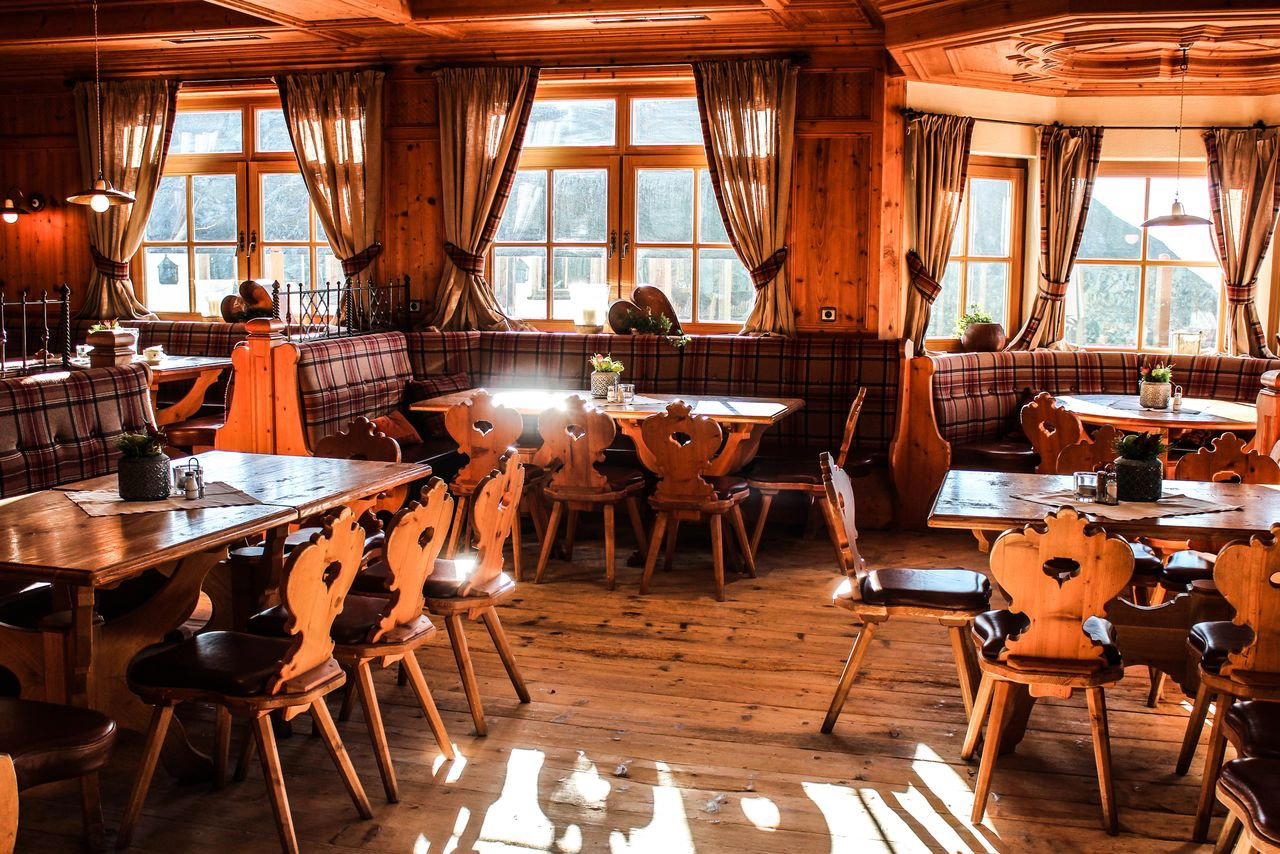
Where the Alps Set the Table
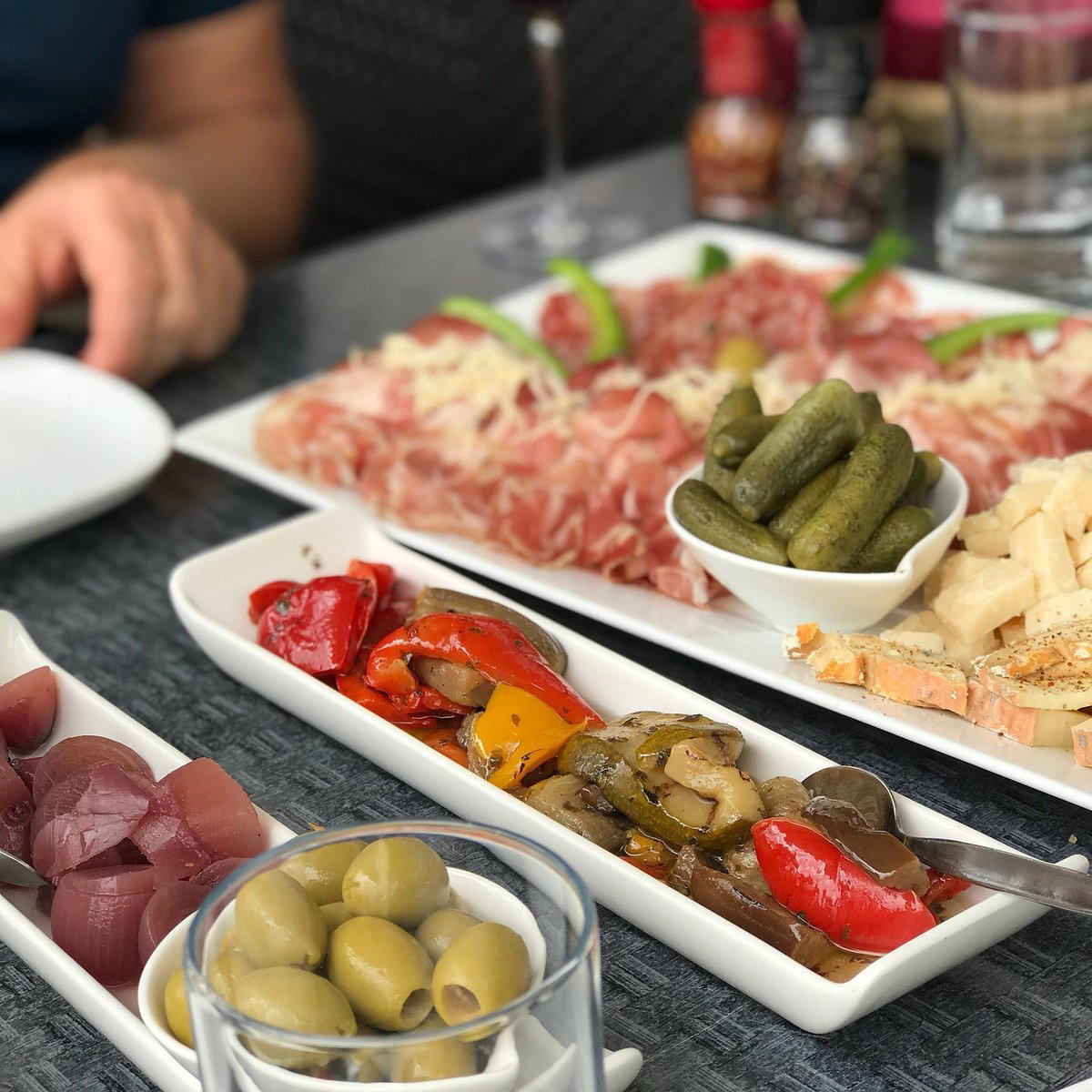
Wedelhütte is a restaurant in Kaltenbach, Austria, serving Modern Austrian Mountain Cuisine at a price tier of about $35 per person. At altitude in the Hochzillertal, the logic of a meal changes. The walk or ride up the Zillertaler Höhenstraße to reach Wedelhütte is not incidental to the experience, it is the first course. Austria's alpine hut tradition has always been bound to geography in a way that lowland restaurants cannot replicate: the ingredients that arrive in a mountain kitchen are shaped by what survives and thrives at elevation, which in the Zillertal means dairy from high pastures, foraged herbs from meadows above the treeline, and meat from animals that graze on short mountain grasses rather than valley feed. That provenance is a structural fact of where the kitchen sits.
The Tyrolean mountain-hut dining category has grown considerably more sophisticated over the past decade. Across Austria's western alpine regions, from the Arlberg to the Zillertal, a tier of huts has moved beyond the Käsespätzle-and-schnapps formula without abandoning the regional identity that makes them worth visiting in the first place. Wedelhütte, positioned in the Wandergebiet above Kaltenbach in the municipality of Zellberg, belongs to that broader pattern, a hut that earns its place on the Hochzillertal plateau through its setting and its connection to the surrounding terrain.
Altitude and Ingredient: The Zillertal Sourcing Logic
One useful angle for Wedelhütte is where the food comes from and why that geography matters. The Zillertal valley below sits at roughly 500 to 600 metres; the Hochzillertal ski and hiking area climbs considerably higher, and that elevation differential produces meaningful differences in what grows, what grazes, and what can be sourced locally. Austrian alpine cuisine at its most grounded treats altitude as an ingredient in itself: the mineral character of high-pasture dairy, the concentrated flavour of meadow herbs that grow slowly in thin air, and the lean texture of mountain-grazed beef all carry the fingerprint of elevation in ways that cannot be replicated in a valley operation.
This is the culinary tradition that connects mountain huts across Tyrol and Salzburg. At Kräuterreich by Vitus Winkler in Sankt Veit im Pongau, the kitchen's herb focus operates on similar principles of hyperlocal sourcing, though at a different price point and formality level. The broader Austrian fine-dining conversation, represented by operations like Steirereck im Stadtpark in Vienna and Döllerer in Golling an der Salzach, has spent years building the critical language for regional Austrian ingredients. Mountain huts like Wedelhütte operate at a less formal register, but they draw from the same underlying argument: that Austrian terrain, properly understood, is a serious culinary resource.
The Hut in Its Alpine Context
Wedelhütte sits in a well-developed ski and hiking area. The Hochzillertal is a functioning winter sports and summer hiking zone, which means the hut operates within a visitor economy that spans serious mountain users and day-trippers from the Zillertal valley. That dual audience shapes what alpine huts in this category typically offer: menus that satisfy a hungry hiker after a long traverse while also rewarding guests who arrive specifically to eat well, rather than simply to refuel.
Across the Austrian alpine dining tier, the huts that have earned recognition, including Gourmetrestaurant Tannenhof in Sankt Anton am Arlberg and Griggeler Stuba in Lech, though at a considerably more formal level, tend to share a commitment to regional specificity that goes beyond tokenism. The Zillertal's culinary identity draws on Tyrolean dairy culture, valley-grown grains, and the pastoral traditions that have sustained mountain communities for centuries. For a hut operating at altitude in this valley, those traditions are not decorative; they are the practical framework within which a seasonal kitchen operates.
Zellberg itself is a small municipality, and the restaurant scene it anchors is modest. Schulhaus Tirol (Regional Cuisine) represents another local reference point for Tyrolean cooking in the immediate area.
Planning a Visit: Practical Notes
Access to Wedelhütte runs via the Zillertaler Höhenstraße, the panoramic toll road that climbs from the valley into the Hochzillertal. In winter, the area operates as a ski zone; in summer, the same terrain serves hikers and mountain bikers. Timing a visit requires attention to seasonal operation, alpine huts at this elevation typically close during transition periods between seasons, and the Hochzillertal's schedule follows the rhythm of its skiing and hiking infrastructure. Arriving by gondola or cable car from the Kaltenbach valley station is the standard approach for those not driving the Höhenstraße directly.
Specific booking methods, hours, and price ranges are not confirmed here. Checking directly before planning a visit is the practical approach, particularly for peak winter and summer periods when hut capacity fills quickly. The hut's address, Wandergebiet Hochzillertal, Zillertaler Höhenstraße, 6272 Kaltenbach, anchors its position within the resort's mapped trail and piste network.
For context on Austrian alpine and regional dining at higher formality levels, Obauer in Werfen, Landhaus Bacher in Mautern an der Donau, Ikarus in Salzburg, and Taubenkobel in Schützen am Gebirge maps the range of approaches currently active in Austrian cuisine. For Tyrolean-specific reference points, Schwarzer Adler in Hall in Tirol, Stüva in Ischgl, and Restaurant 141 by Joachim Jaud in Mieming provide the relevant comparable set. Further afield in Austrian dining, Ois in Neufelden and Artis in Graz extend the picture into other regional traditions. For international comparison of how mountain and alpine contexts interact with serious cooking, Le Bernardin in New York City and Atomix in New York City illustrate how ingredient provenance arguments have become central to the critical conversation in different urban contexts.
A Quick Peer Check
Comparable venues nearby, for context on price, style, and recognition.
| Venue | Cuisine | Price | Awards | Notes |
|---|---|---|---|---|
| WedelhütteThis venue — the venue you are viewing | Modern Austrian Mountain Cuisine | $$$ | Not listed | Not listed |
| Schulhaus Tirol | Modern Austrian Regional Cuisine | $$$ | Michelin Plate | Zellberg |
| DieMarie | Modern Austrian | $$$ | Not listed | Zell am Ziller |
| Sailer | Traditional Tyrolean & Austrian | $$$ | Not listed | Innsbruck Centre |
| Restaurant Café Arkadenhof | Modern Tyrolean with International Influences | $$$ | Not listed | Innsbruck City Center |
| St. Georg zum See | Regional Tyrolean Fine Dining | $$$ | Not listed | Eben am Achensee |
Continue exploring
More in Zellberg
Restaurants in Zellberg
Browse all →
Bars in Zellberg
Browse all →
Hotels in Zellberg
Browse all →

At a Glance
- Rustic
- Cozy
- Scenic
- Lively
- Celebration
- Special Occasion
- Terrace
- Open Kitchen
- Historic Building
- Extensive Wine List
- Local Sourcing
- Mountain
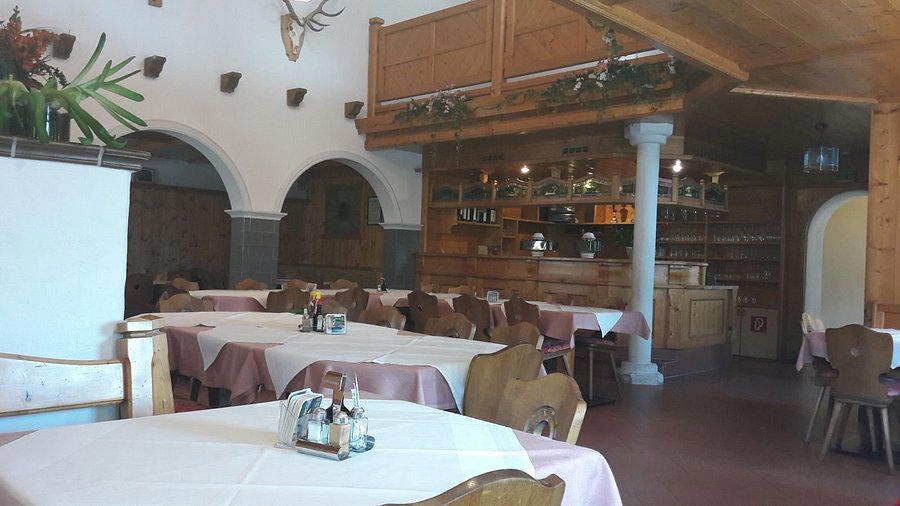
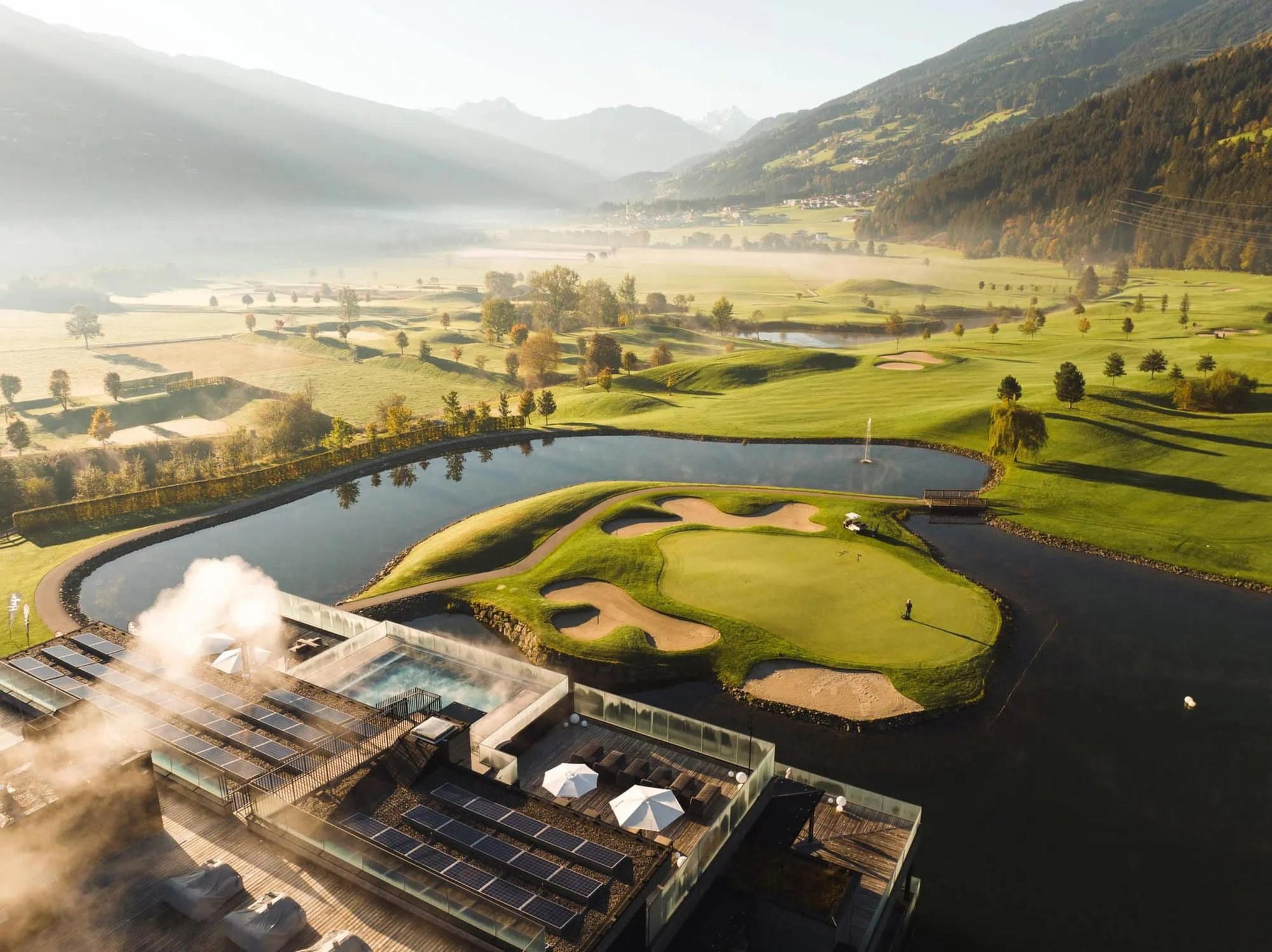
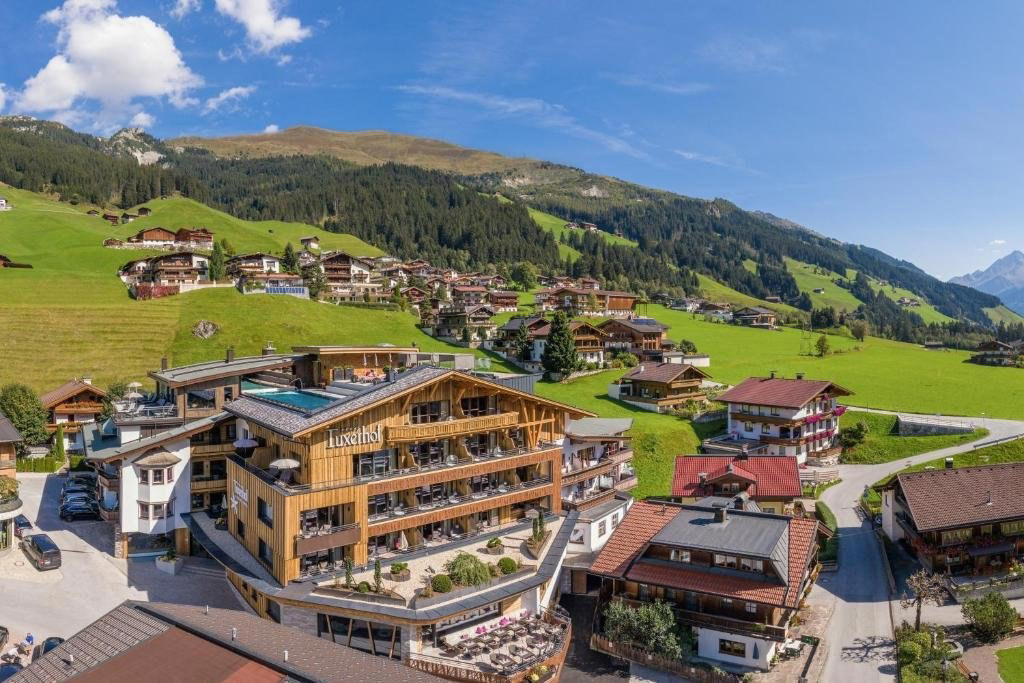
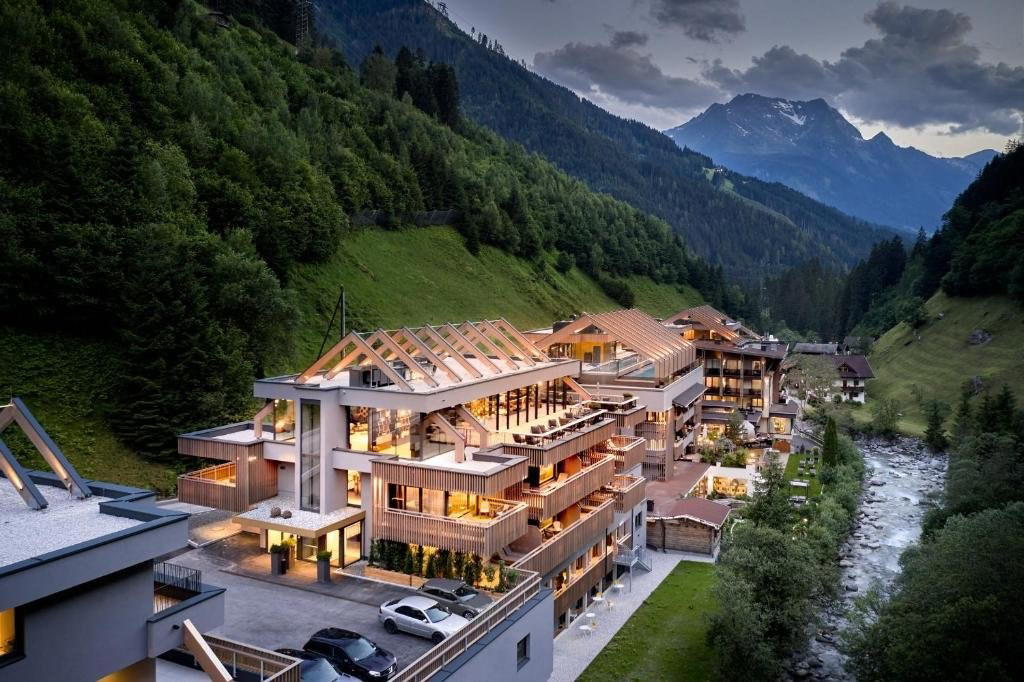
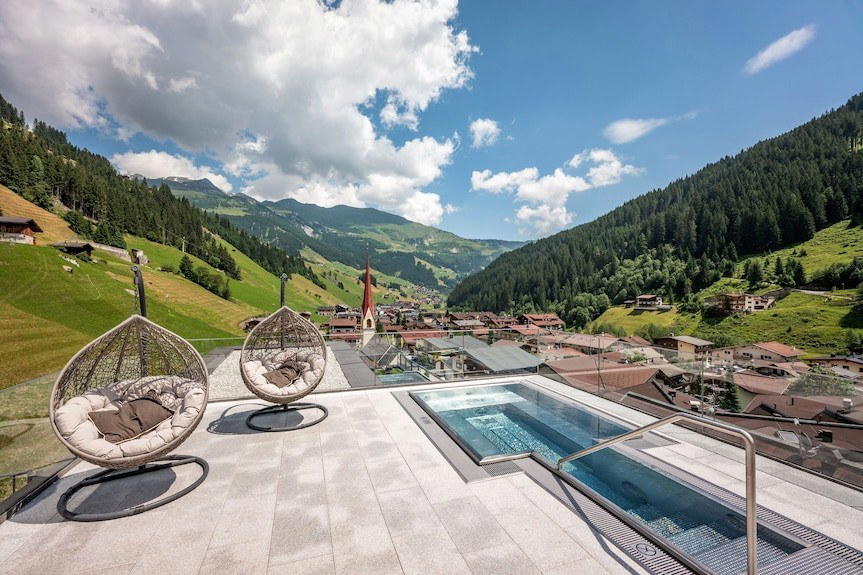
Cozy interior with pine wood (Zirbenholz) and gemütlichkeit, stylish lounge areas, sun terrace with day beds and live DJ sounds.