
Tabelog 100 #79
Our verdict
Hotel De Ogawa sits in Kyoto’s small-counter izakaya tier, where repeat custom matters as much as formal recognition. An eight-seat counter, shochu focus, no-group policy, and selection for Tabelog 100 Izakaya WEST 2025 place it closer to a regulars’ room than a casual pub, with the city’s late-afternoon drinking culture compressed into a narrow, disciplined format.

Pearl is the En Primeur Club membership app — saves, bookings, and concierge access live there. Same editors, same standards.
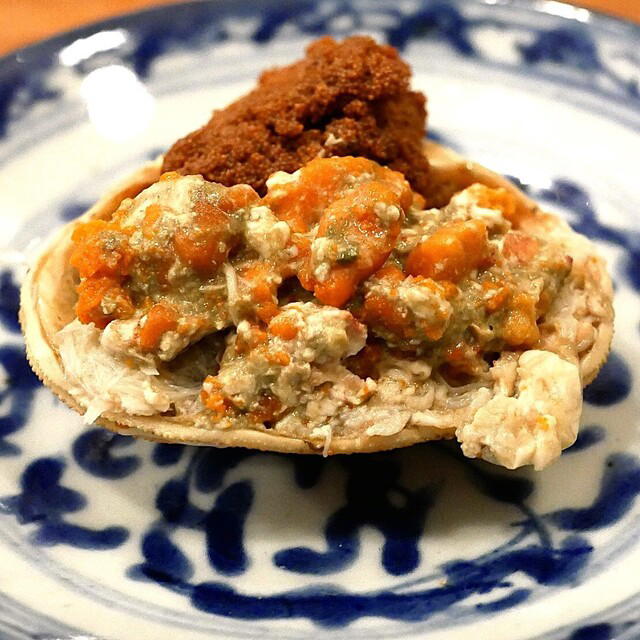
Kyoto’s serious izakaya rooms rarely announce themselves with spectacle. The signal is usually smaller: a focused sense of hospitality, a meal built around pacing, and a setting that feels intended for diners paying attention rather than for passing crowds. Hotel De Ogawa works in that register. Its identity as an izakaya in Kyoto puts it in the city’s narrower category of tavern dining, where the point is not abundance but rhythm, drinking, and the quiet confidence of a room that has little need to explain itself.
The restaurant is in Kyoto, a city where nightlife shifts quickly between long-established drinking culture, compact restaurants, and dining rooms that operate with a sharper sense of scale than their modest formats suggest. Kyoto’s izakaya culture has never been only about beer and shared plates. At the serious end, it can overlap with more composed dining instincts: close attention to drinking, a controlled pace, and a meal that can feel more deliberate than the word “tavern” implies in English.
An izakaya built around return custom
The defining fact here is category rather than spectacle. An izakaya changes the whole social contract. Large-destination energy fades from the equation, and the room naturally favours diners who understand tempo. That matters in Kyoto, where many prized restaurants are less about theatrical scarcity than about preserving a workable relationship between kitchen, service, and guest.
Hotel De Ogawa’s 2025 Tabelog Hyakumeiten recognition gives it a public marker, but the more revealing signal is the format. A Kyoto izakaya asks diners to read the room: order with focus, drink at the pace of the meal, and accept that the experience is shaped by atmosphere. This is not simply the broad after-work izakaya idea familiar to many visitors. It belongs to a more considered Kyoto category, with regional recognition rather than a generic tourist-facing profile.
The izakaya category is also useful context. Kyoto visitors often arrive expecting every serious Japanese meal to follow the grammar of formal cuisine, but tavern dining has its own logic. The pacing is broader and less ceremonial; the appeal is often continuity rather than novelty. That distinction helps explain why regulars return to places like this: the experience depends on atmosphere, repetition, and trust as much as on any single order.
For travellers mapping Kyoto dining by mood, the contrast is instructive. Shokudou Ogawa sits in the city’s refined Japanese dining conversation, where structure and seasonality carry a different set of expectations. Tachinomi Sharp, by comparison, represents a standing-bar end of Kyoto drinking. Hotel De Ogawa occupies its own ground in identity and seriousness: an izakaya with award-list recognition without needing the formal grammar of kaiseki.
Kyoto's izakaya tradition, stripped of group dining
The restaurant’s izakaya identity is not a minor operational note; it defines the social architecture. Many travellers treat izakaya as a casual, communal format, but Kyoto’s higher-recognition izakaya addresses a different need. It gives regulars a place where the evening can be repeated without becoming routine, and where service and pacing remain central to the experience.
That is the regulars’ perspective: the draw is not a single named dish or a trophy reservation. It is a known mood, a familiar drinking pattern, and the sense that the meal will not be overtaken by a purely large-room atmosphere. In a city dense with temples, tea, kaiseki, and tourist-facing dining, this kind of izakaya keeps a local adult rhythm. The room asks for manners, and the experience depends on restraint from the guest as much as control from the house.
The Tabelog score of 3.74 adds another useful signal for readers who understand Japanese restaurant platforms. In Japan, scores in the high threes can indicate serious local traction, particularly in categories where repeat visits and specialist taste carry weight. Combined with the 2025 Tabelog Hyakumeiten recognition, the number places the restaurant in a recognized regional tier rather than a broad tourist recommendation set.
Kyoto’s dining range can be misleading from the outside. The same trip might include other casual dining rooms, ingredient-led counters, or a different kind of small-format Kyoto meal. Refined Japanese restaurants, old confectionery traditions, and contemporary cooking all show the city’s range, but the serious izakaya remains one of Kyoto’s clearest tests of dining fluency.
How to place it in a Kyoto itinerary
This is a sharper choice for travellers who already understand that Kyoto is not a checklist city after dark. The meal suits diners who want a focused, adult izakaya setting rather than a purely celebratory group dinner. It also makes sense for visitors building a trip around serious but unflashy Japanese formats: attentive service, izakaya pacing, and a room where atmosphere is part of the identity.
The practical reading is simple. Hotel De Ogawa is not the sort of choice to treat casually or overfill with logistics. It rewards diners who plan conservatively and treat the room as a shared space rather than a stage. In return, it offers access to a strand of Kyoto dining that often sits outside the standard temple-and-kaiseki narrative: the repeatable, quietly demanding izakaya evening.
For broader planning, use Our full Kyoto restaurants guide alongside Our full Kyoto hotels guide, Our full Kyoto bars guide, Our full Kyoto wineries guide, and Our full Kyoto experiences guide. Travellers comparing Japanese dining formats beyond Kyoto can also look more generally at dining in other Japanese cities and at Japanese restaurants overseas, while keeping Hotel De Ogawa in mind as a Kyoto-specific izakaya reference point.
Frequently asked questions
What price level is Hotel De Ogawa?
Pricing at Hotel De Ogawa is listed as JPY 10,000 - JPY 14,999.
Where is Hotel De Ogawa located?
Kyoto.
What are the operating hours at Hotel De Ogawa?
Specific operating hours for Hotel De Ogawa are not provided in the available listing.
What is Hotel De Ogawa known for?
Hotel De Ogawa is known as an izakaya in Kyoto with 2025 Tabelog Hyakumeiten recognition and a listed Tabelog score of 3.74.
Reputation Context
Nearby venues at a similar price tier for orientation.
| Venue | Cuisine | Price | Awards | Notes |
|---|---|---|---|---|
| Hotel De OgawaThis venue (the venue you are viewing) | Traditional Japanese Izakaya | $50–100 | Tabelog 100 #79 | Not listed |
| Yakiniku Yamachan | Premium Wagyu Yakiniku with Japanese Fusion | $100–150 | Tabelog 100 #17 | Nakagyo-ku |
| Morita Ya Kiya machi ten | Traditional Japanese Sukiyaki & Shabu-Shabu | Not listed | Not listed | Nakagyō |
| 祇園 楽味 | Seasonal Kyoto Japanese | $150–200 | Michelin Plate · Star Wine List | Higashiyama |
| Kara Semi Tei (空蝉亭) | Specialty Tonkatsu with Aged Pork | $30–50 | Tabelog 100 #50 | Kamigyo-ku |
| Pass The Baton | Japanese Tea Room / Cafe | $20–30 | Not listed | Gion |
Recognition history
Dated appearances from independent guides and award organizations, with the underlying list record or original source where available.
Tabelog 100 #79 · No. 79
Tabelog · Tabelog 100 - Izakaya - WEST - 2025
Continue exploring
More in Kyoto
Restaurants in Kyoto
All restaurants in Kyoto →

Bars in Kyoto
All bars in Kyoto →

Hotels in Kyoto
All hotels in Kyoto →


Wineries in Kyoto
Browse all →
Details
- Cozy
- Intimate
- Solo
- Casual Hangout
- Late Night
- Standalone
- A La Carte
- Small Plates
- Counter Dining
- Shochu
Current opening hours
- Monday
- Closed
- Tuesday
- 2–10 PM
- Wednesday
- 2–10 PM
- Thursday
- 2–10 PM
- Friday
- 2–10 PM
- Saturday
- 2–10 PM
- Sunday
- 2–10 PM
Hours can change for holidays and private events. Last verified .
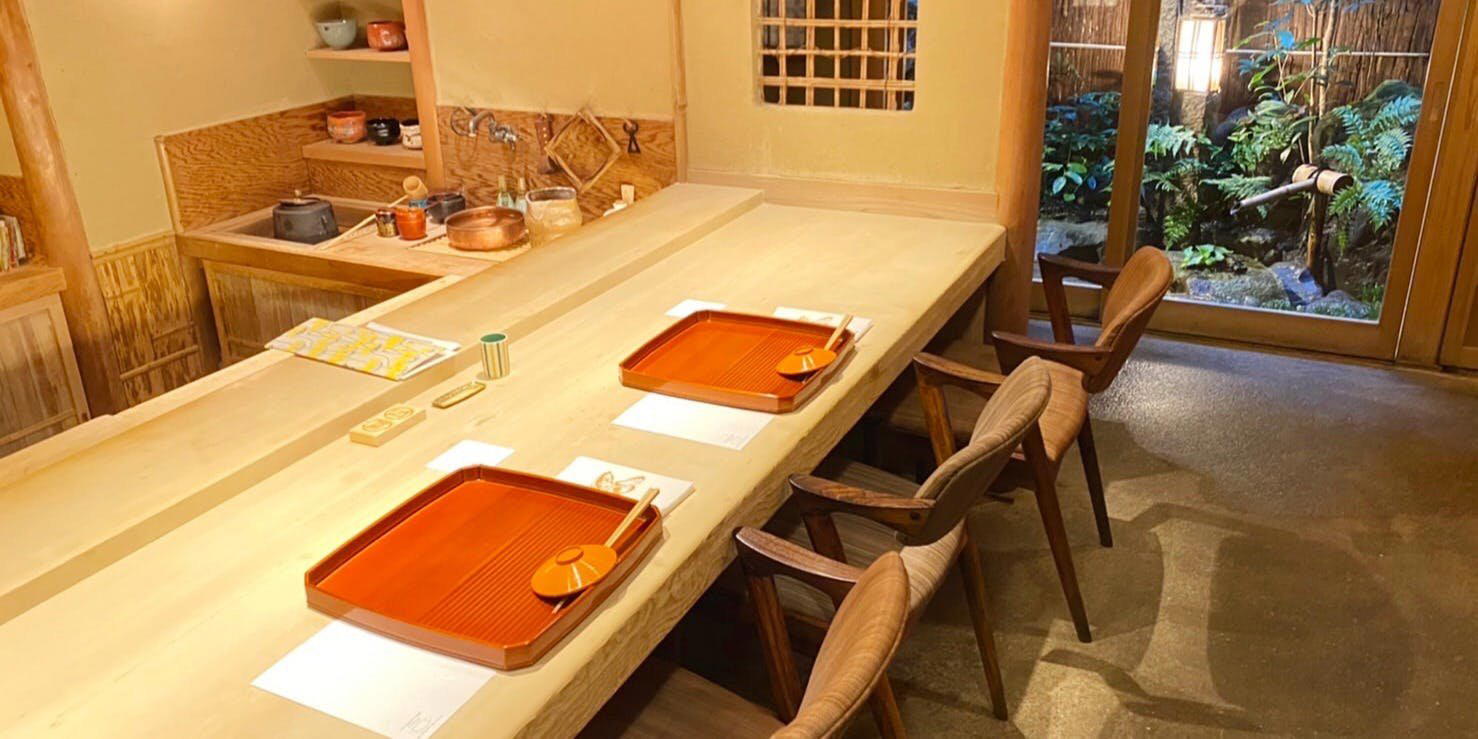
An intimate, counter-only izakaya with just eight seats, creating a cozy, low-key atmosphere that suits solo or small-party dining; reviews describe it as a tucked-away spot in central Kyoto’s nightlife area rather than a flashy or formal venue.