Hotel Cap Polonio sits at Fahltskamp 48 in Pinneberg, a small Schleswig-Holstein town on Hamburg's northwestern fringe. The venue's name evokes the storied German-South American passenger liner that once connected Bremen to Buenos Aires, lending the address a quiet sense of historical character that sets it apart from the surrounding suburban fabric. Visitors to the Pinneberg dining scene will find useful context in our full city guide.
Pearl is the En Primeur Club membership app — saves, bookings, and concierge access live there. Same editors, same standards.
- Address
- Fahltskamp 48, 25421 Pinneberg, Germany
- Phone
- +494941015330
- Website
- cap-polonio.de
- Directions
- Get directions
 Saves & bookings on Pearl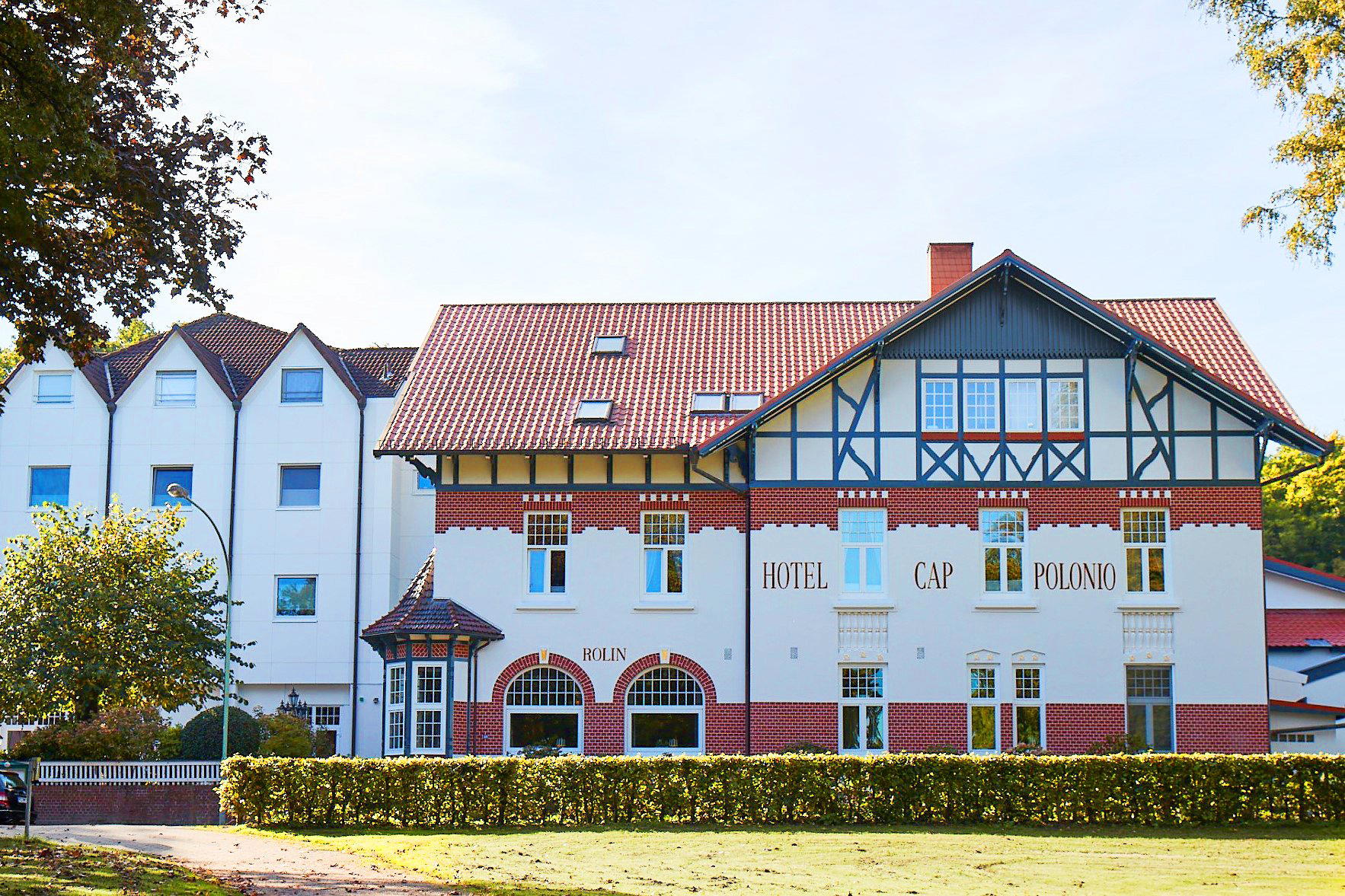
Pinneberg's Dining Scene and Where Hotel Cap Polonio Fits
Hotel Cap Polonio is a restaurant at Fahltskamp 48, 25421 Pinneberg, Germany, serving Modern International Classic cuisine in a smart-casual setting where reservations are recommended. The town is not a destination in the way that Baiersbronn, home to Schwarzwaldstube, draws travellers specifically for its restaurants. Nor does it carry the dense fine-dining infrastructure of Hamburg proper, where Restaurant Haerlin anchors the city's premium tier. Instead, Pinneberg functions as a residential satellite, and the restaurants that thrive here tend to do so by serving a local community rather than a travelling one. Hotel Cap Polonio, addressed at Fahltskamp 48, operates within that context.
That reference is not incidental. Ships like the Cap Polonio were floating symbols of European ambition, places where the produce of multiple continents converged in a single dining room.
What the Physical Approach Tells You
Fahltskamp 48 sits in a residential quarter of Pinneberg, removed from the main commercial drag. Properties in this part of town tend toward brick-built, mid-century structures set back from modest tree-lined streets. Arriving on foot or by car, the transition from suburban pavement to a hotel entrance is gradual rather than theatrical. This is not the kind of address that announces itself with a grand portico or a doorman. The environment suggests a neighbourhood operation, the sort of place where the dining room fills with people who live nearby rather than people who planned the trip months in advance.
That physical modesty is itself information. In Germany's fine-dining corridor, from Aqua in Wolfsburg to Vendôme in Bergisch Gladbach, the venues that carry serious culinary ambition usually signal it through their setting, their service architecture, and their booking complexity. The restaurant's residential address positions it differently from that tier. It reads as a community-embedded property rather than a pilgrimage destination, which shapes the reasonable expectations a visitor should arrive with.
Ingredient Sourcing and the Northern German Context
Northern German cooking has historically been shaped by geography as much as by technique. Schleswig-Holstein sits between two coastlines: the North Sea to the west, the Baltic to the east. That dual maritime border has long meant access to flatfish, shellfish, and cold-water species that don't appear on menus further south. Inland, the landscape produces rye, root vegetables, and dairy from pastures that benefit from Atlantic rainfall. These are not the same raw materials that drive kitchens in Bavaria or the Rhine Valley, and the leading regional cooking in this part of Germany has always reflected that difference rather than working against it.
Venues in the Hamburg metropolitan area that take sourcing seriously tend to work with North Sea fish markets and regional farms in the flat agricultural land surrounding the city. The supply chain connecting Schleswig-Holstein producers to Hamburg-area kitchens is well established, and a hotel restaurant at Pinneberg's scale has plausible proximity to those same networks. How the restaurant positions itself within that sourcing geography, whether it leans into regional northern produce or draws from a broader European supply, is information the venue itself would need to confirm. The comparison is worth holding in mind: ES:SENZ in Grassau and Schanz in Piesport both illustrate how German regional kitchens at different price points have built identities around specific sourcing commitments. A hotel restaurant in a residential suburb represents a different ambition level, but the regional ingredient logic applies regardless of price tier.
For travellers used to the hyper-sourced, provenance-forward menus of places like JAN in Munich or the French-influenced rigour of Waldhotel Sonnora in Dreis, a community hotel kitchen in Pinneberg will feel like a different register entirely. That is not a criticism. It is an honest placement within the full range of what German dining offers, from Victor's Fine Dining by Christian Bau in Perl at one end to a neighbourhood hotel dining room at the other.
Who Actually Eats Here
Hotel properties in suburban German towns typically run dining rooms that serve three overlapping audiences: hotel guests who don't want to travel for dinner, local regulars who use the space as a reliable neighbourhood option, and occasional groups or business diners who book the private or semi-private spaces for events. The balance between those audiences determines the kitchen's priorities. A room dominated by hotel guests will often lean toward a menu with broader appeal and fewer sourcing commitments. A room with a strong local regular base develops differently, with dishes and formats shaped by repeat customer preferences.
That dynamic produces a certain kind of reliability. The menu changes are likely driven by season and supplier availability rather than by the kind of ambitious tasting-menu evolution visible at CODA Dessert Dining in Berlin or ATAMA by Martin Stopp in Sankt Ingbert.
Planning a Visit
Pinneberg is reachable from Hamburg by S-Bahn on the S3 line, which runs directly from the city centre and takes approximately 30 to 40 minutes depending on the service. The restaurant's address on Fahltskamp places it within walking distance of the Pinneberg S-Bahn station, though a short taxi or ride-share is the more comfortable option with luggage or in poor weather.
AUGUST in Augsburg, Bagatelle in Trier, and ammolite in Rust offer a sense of the range available across the country. If your interest extends to international reference points, the sourcing-first philosophy visible in venues like Le Bernardin in New York City or the precision of Atomix in New York City illustrates how ingredient provenance drives kitchen identity at the highest level of the market, a useful benchmark for evaluating what any kitchen, at any price point, is genuinely committing to.
Comparable Spots, Quickly
Comparable venues nearby, for context on price, style, and recognition.
| Venue | Cuisine | Price | Awards | Notes |
|---|---|---|---|---|
| Hotel Cap PolonioThis venue — the venue you are viewing | Modern International Classic | $$$ | Not listed | Not listed |
| Rolin | International Classic Seasonal | $$ | Michelin Plate | Pinneberg |
| Restaurant Engel | Modern German Gourmet with Elbe Views | $$$ | Not listed | Klein Flottbek |
| Wabisabi Ramen | Traditional Japanese Ramen & Sushi | $$$ | Not listed | St. Pauli |
| Matsumi | Authentic Japanese Sushi & Traditional Cuisine | $$$ | Not listed | Neustadt |
| BUDDELS | Refined North German Gastropub | $$$ | Not listed | Hamburg-Altstadt |
Continue exploring
More in Pinneberg
Restaurants in Pinneberg
Browse all →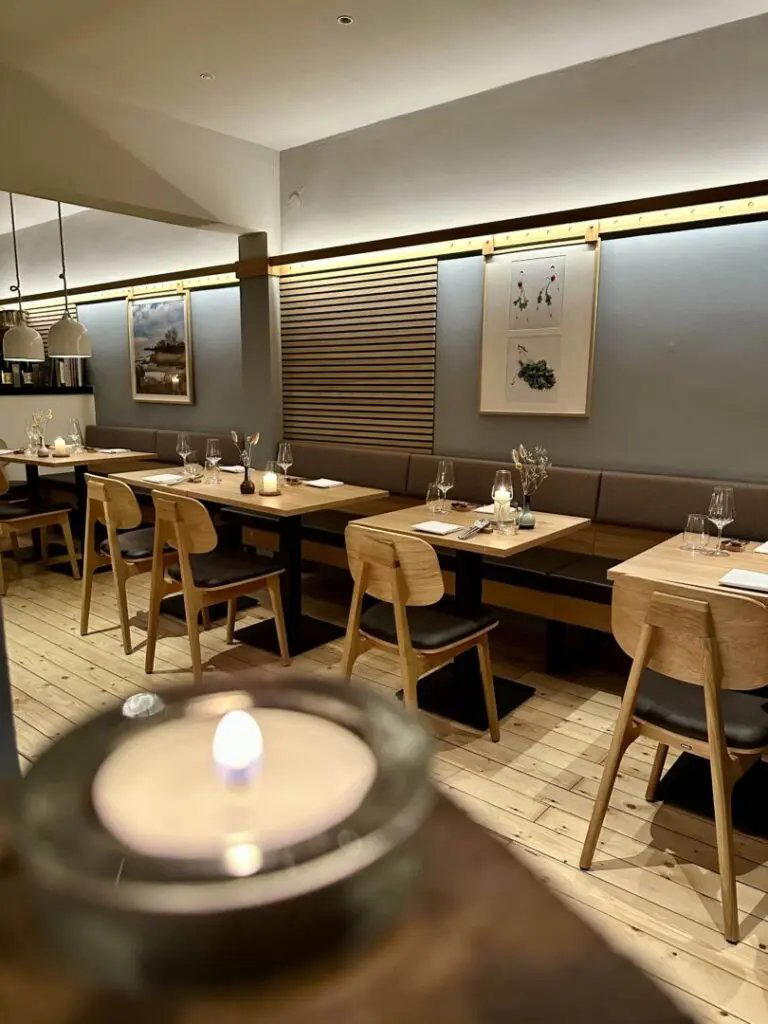
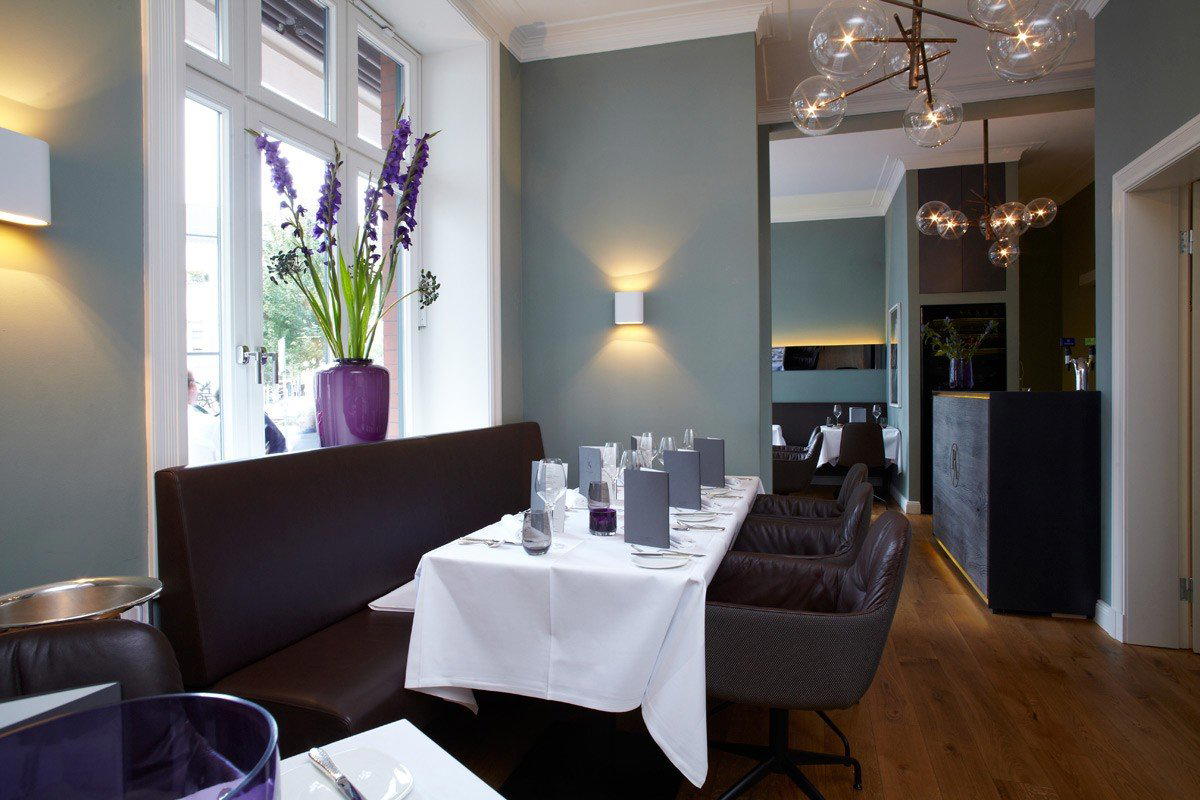
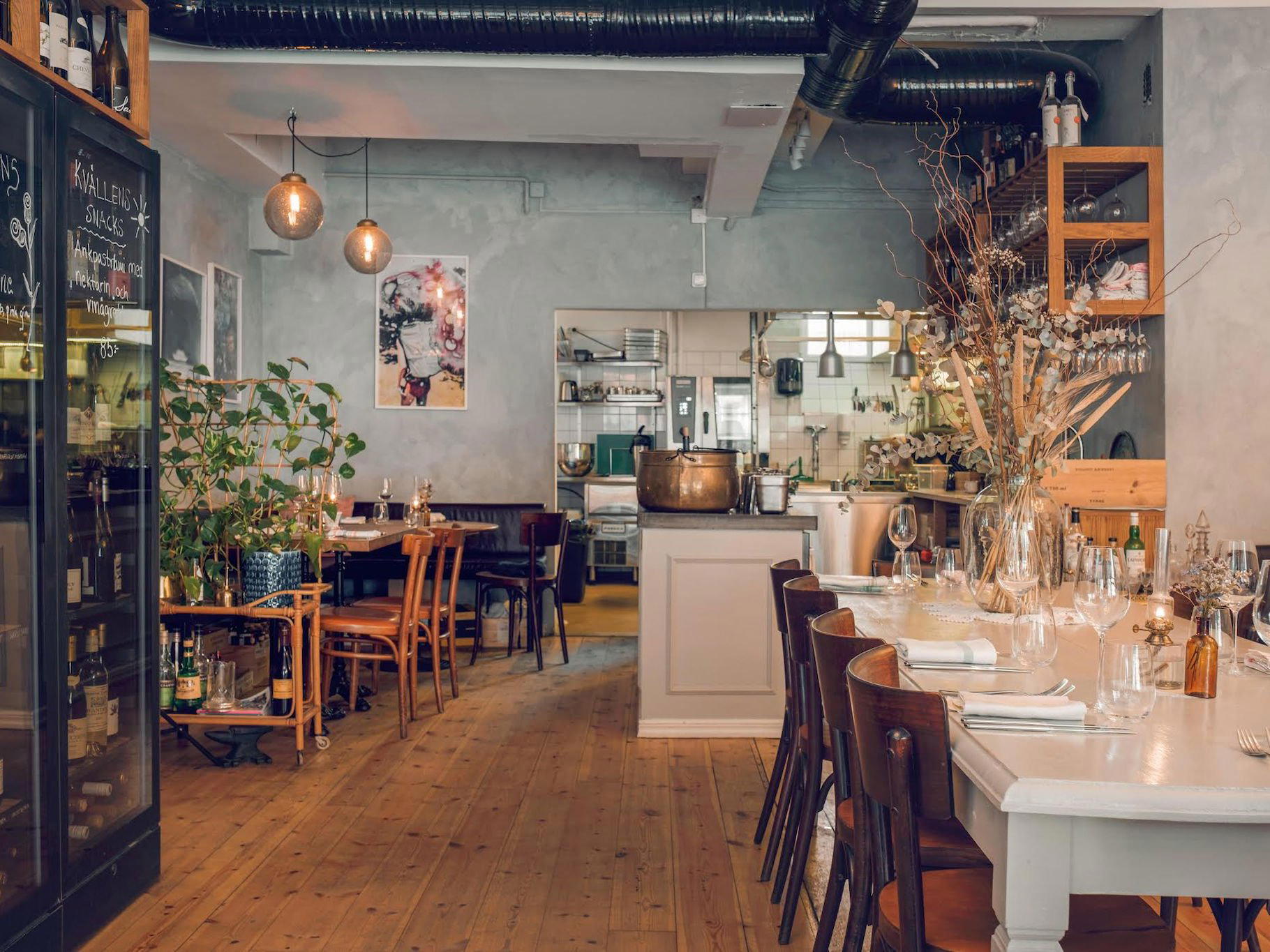
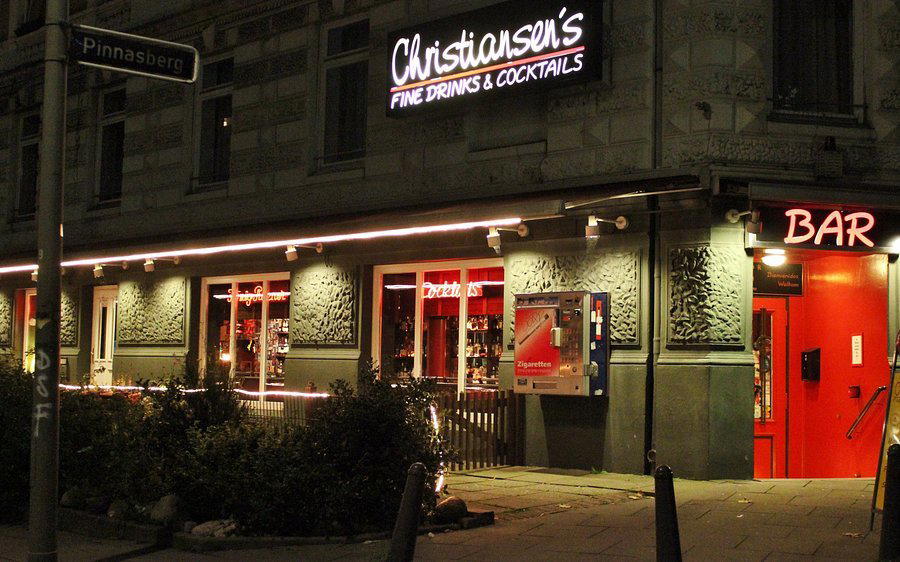
Bars in Pinneberg
Browse all →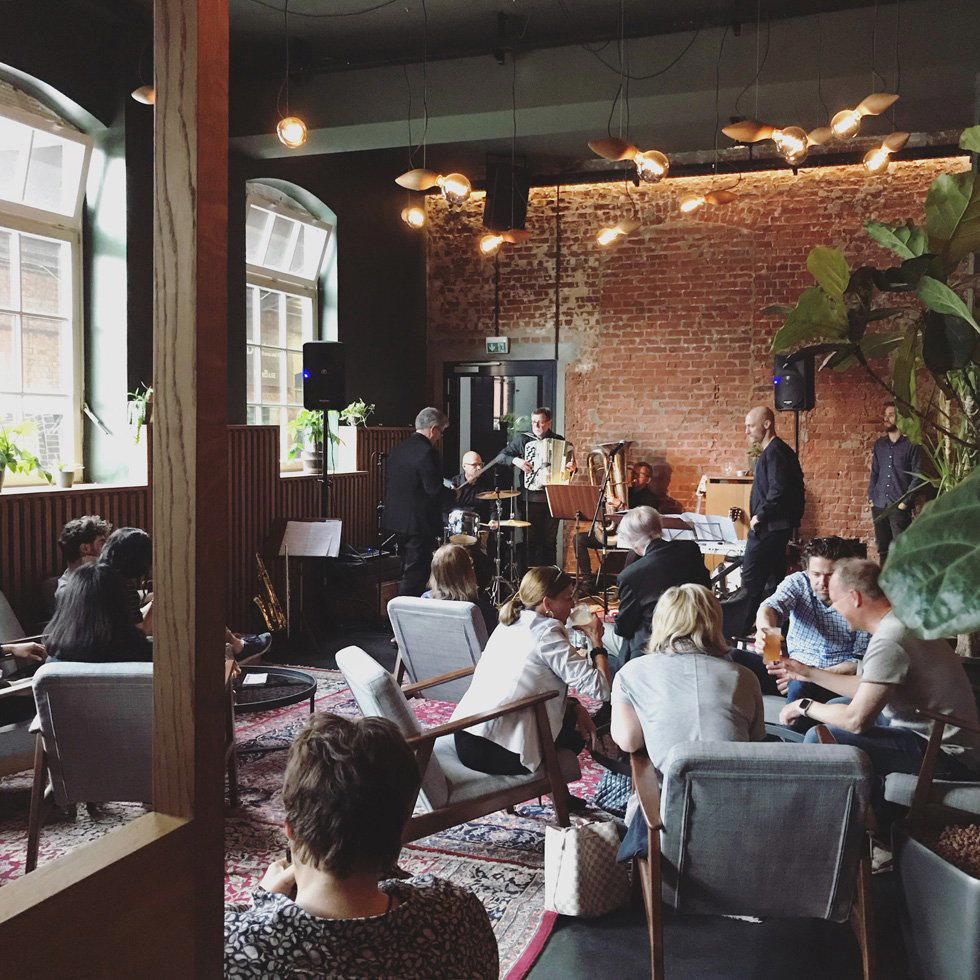
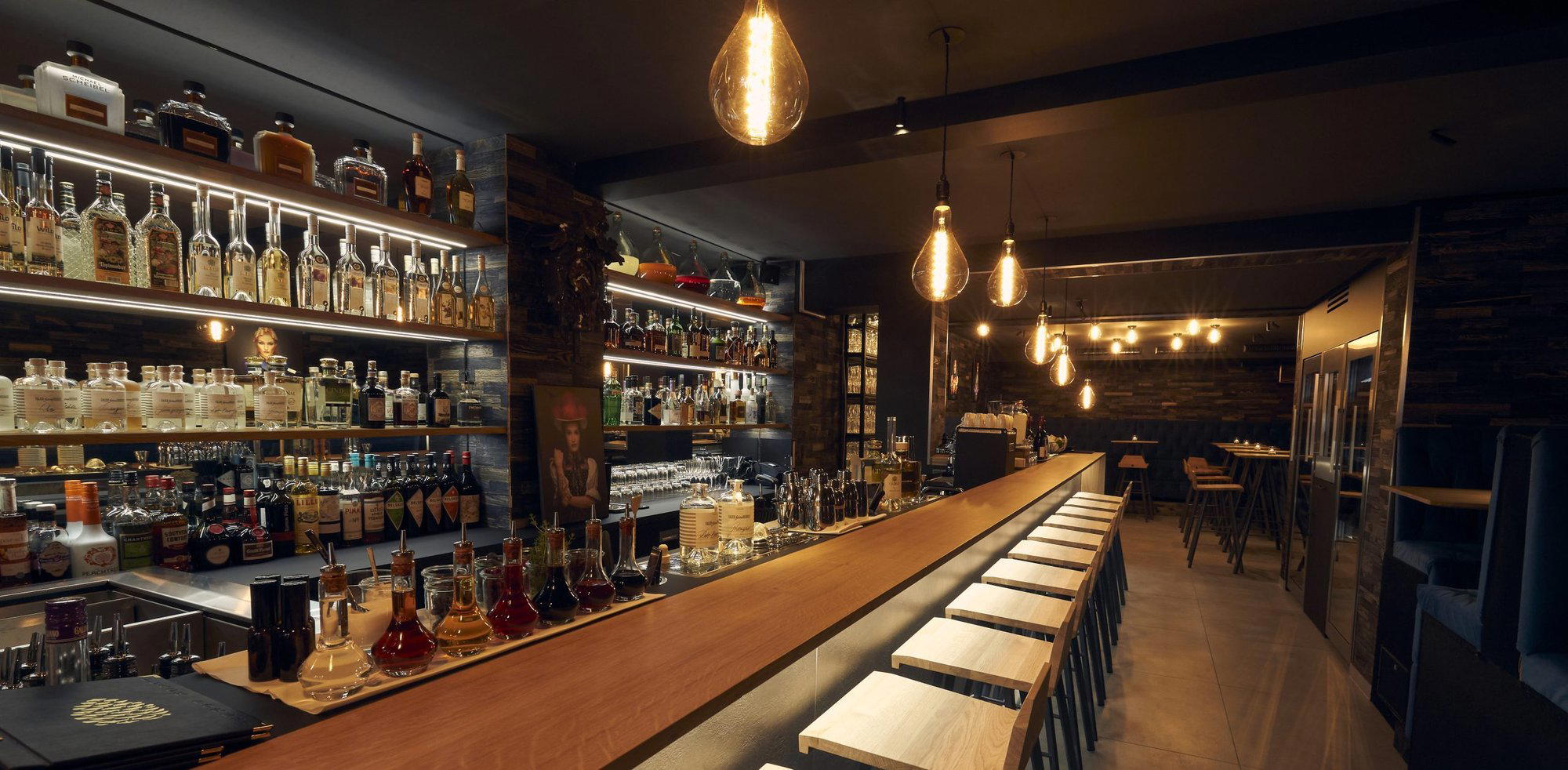
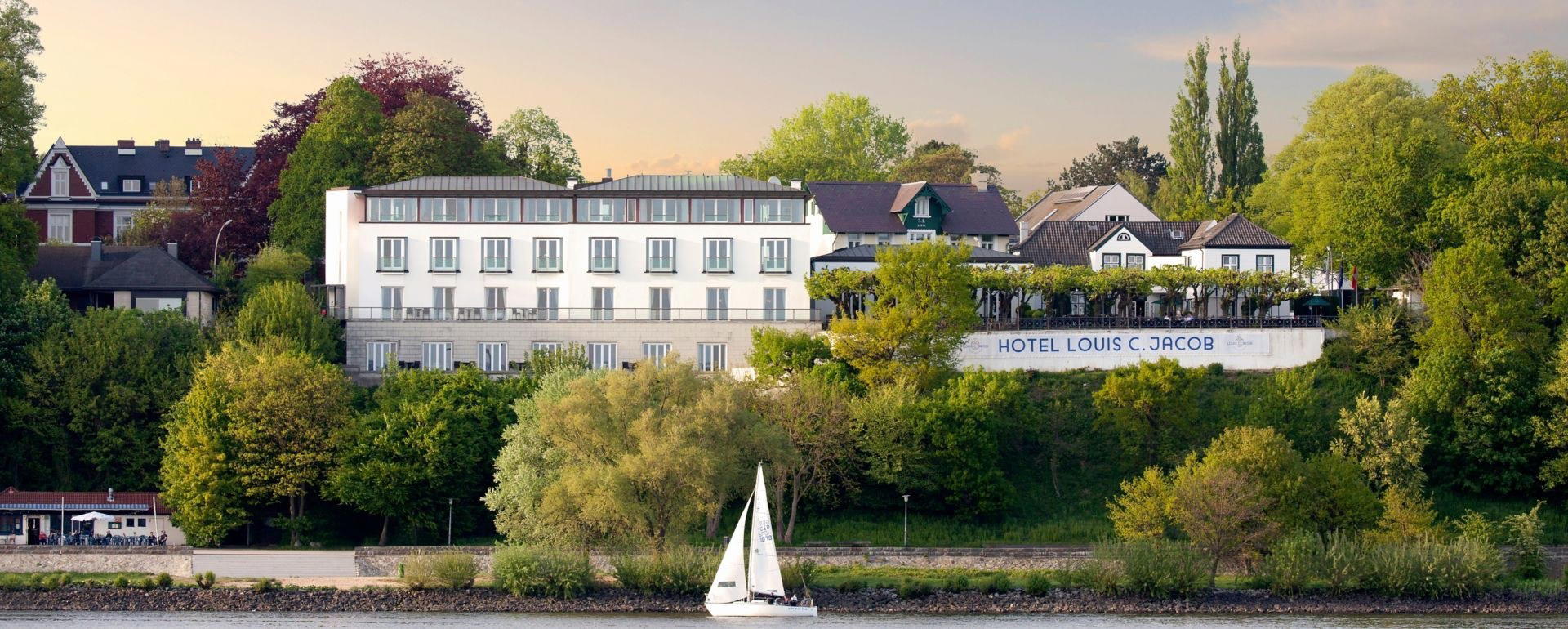
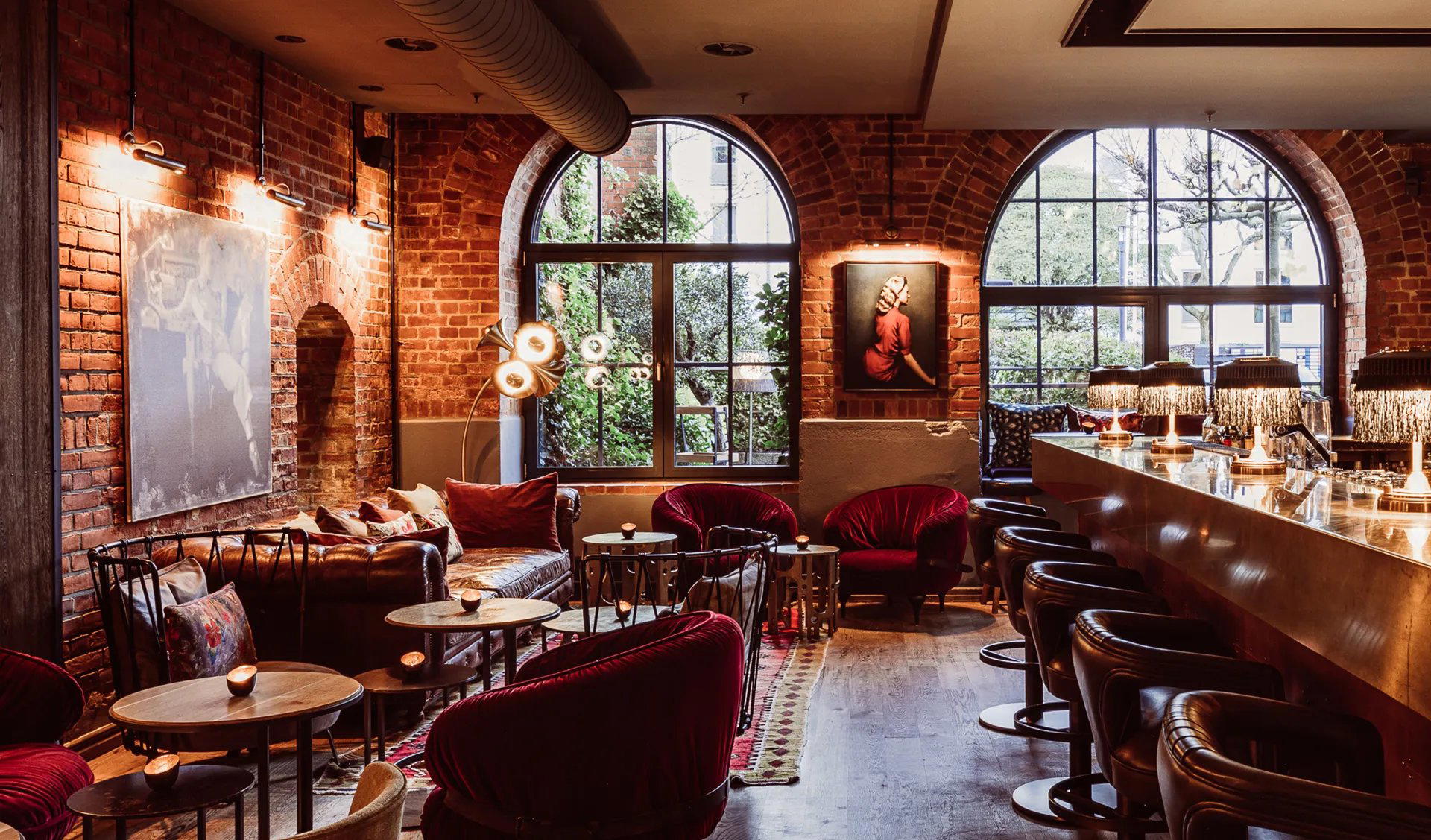
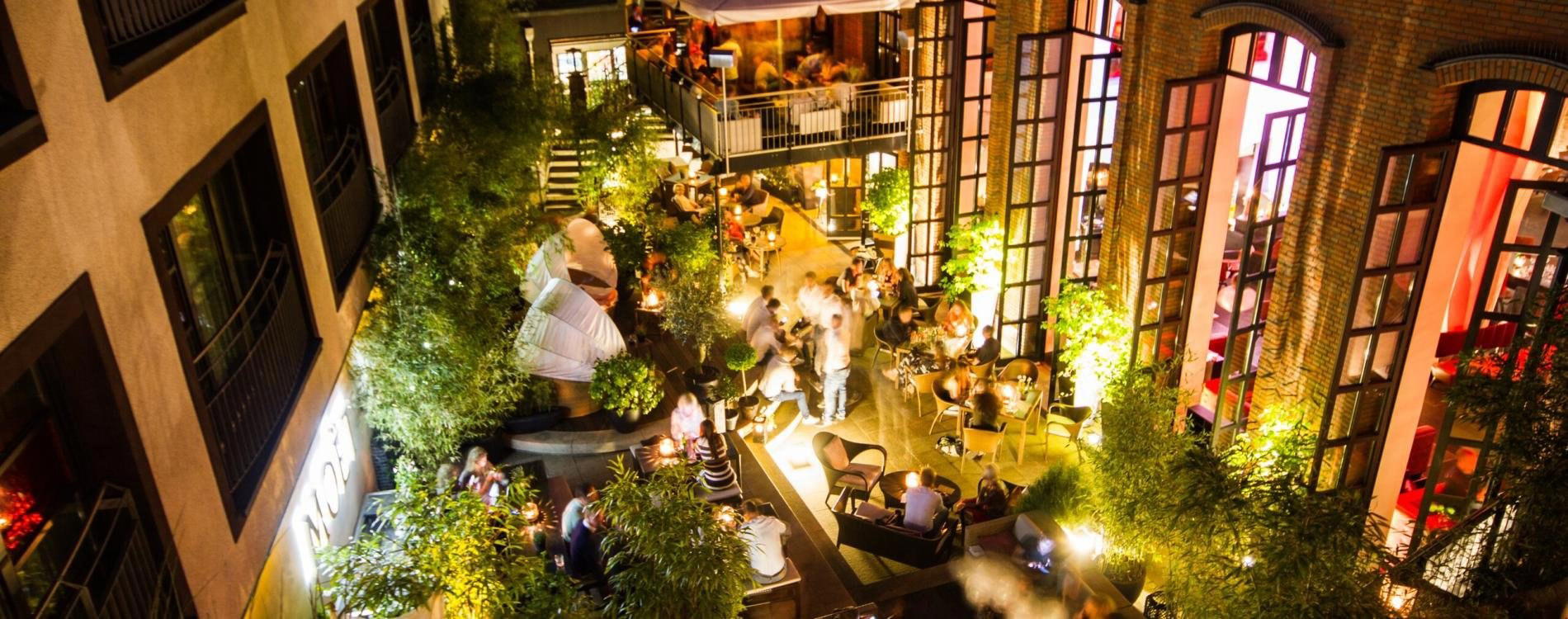
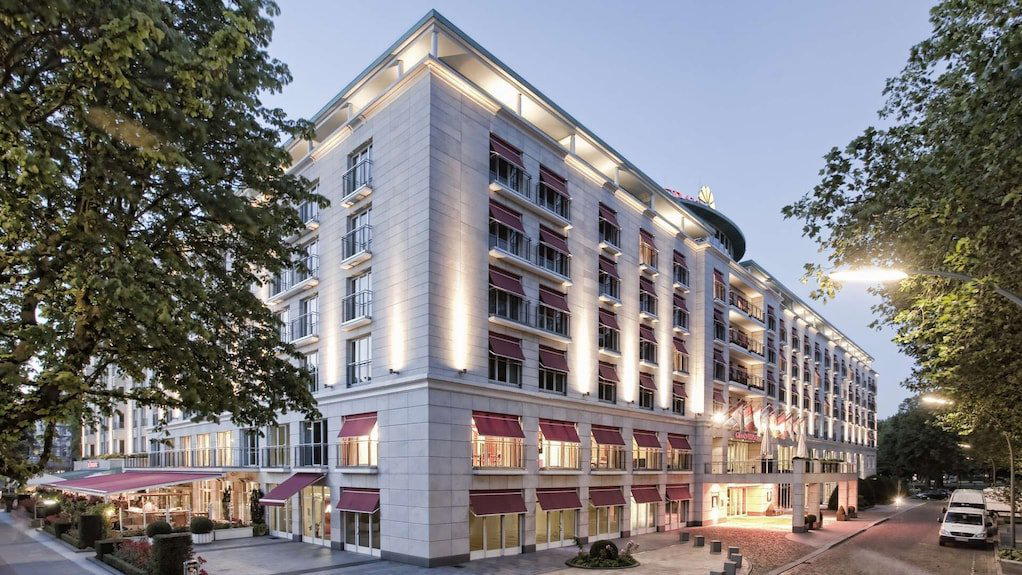
At a Glance
- Classic
- Elegant
- Cozy
- Well Known
- Date Night
- Business Dinner
- Group Dining
- Celebration
- Private Event
- Hotel Restaurant
- Historic Building
- Private Dining
- Terrace
- Beer Program
- Local Sourcing
- Garden
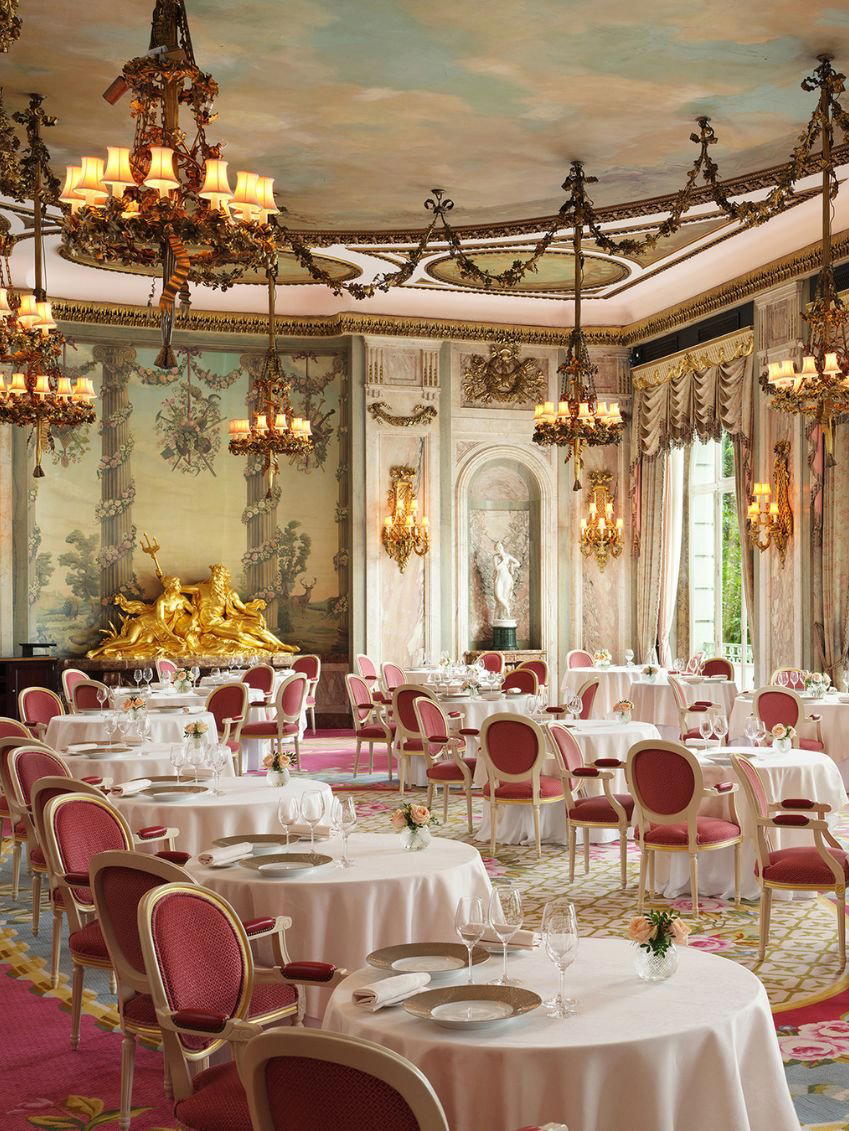
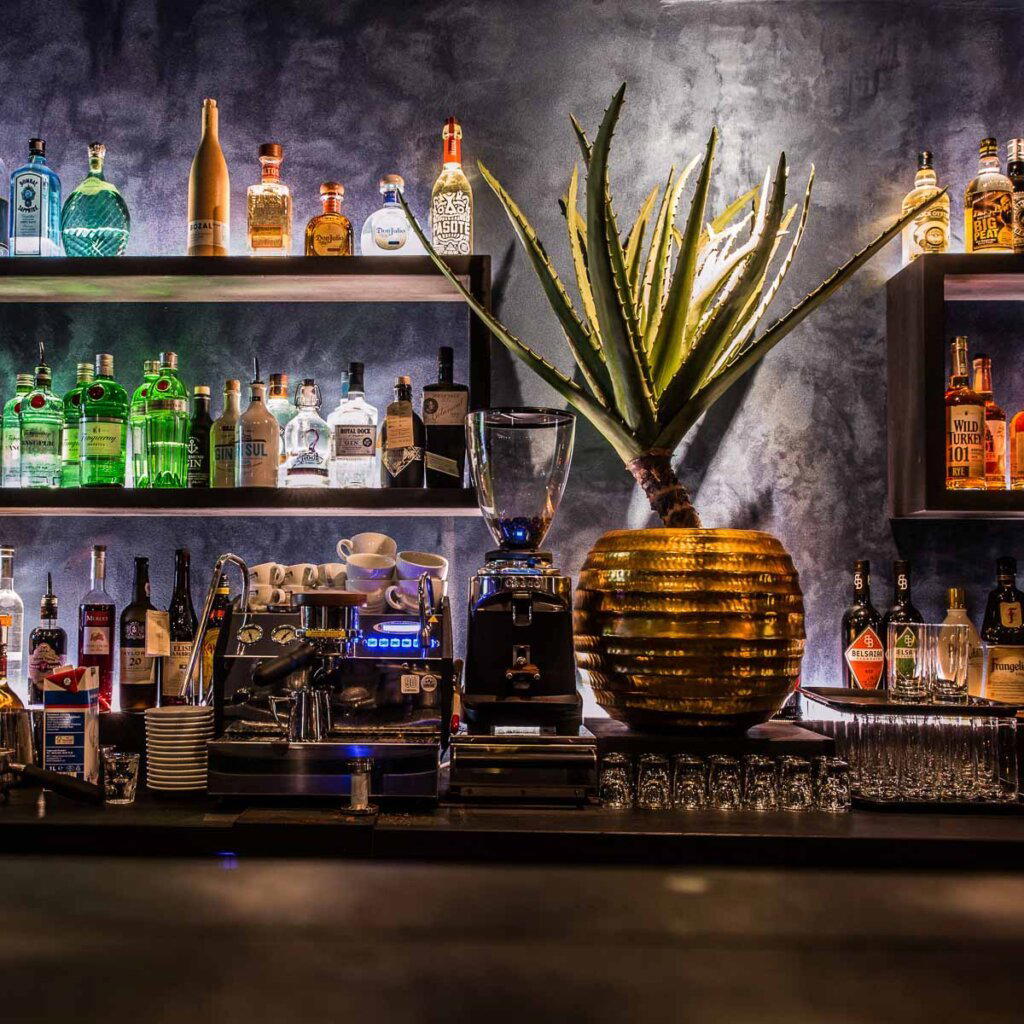
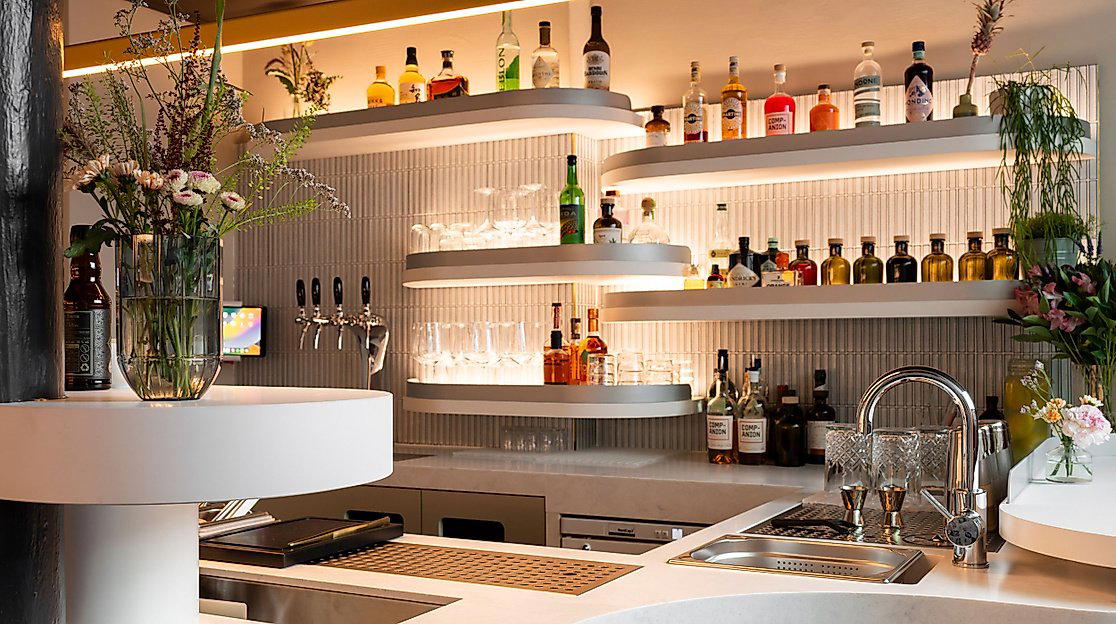
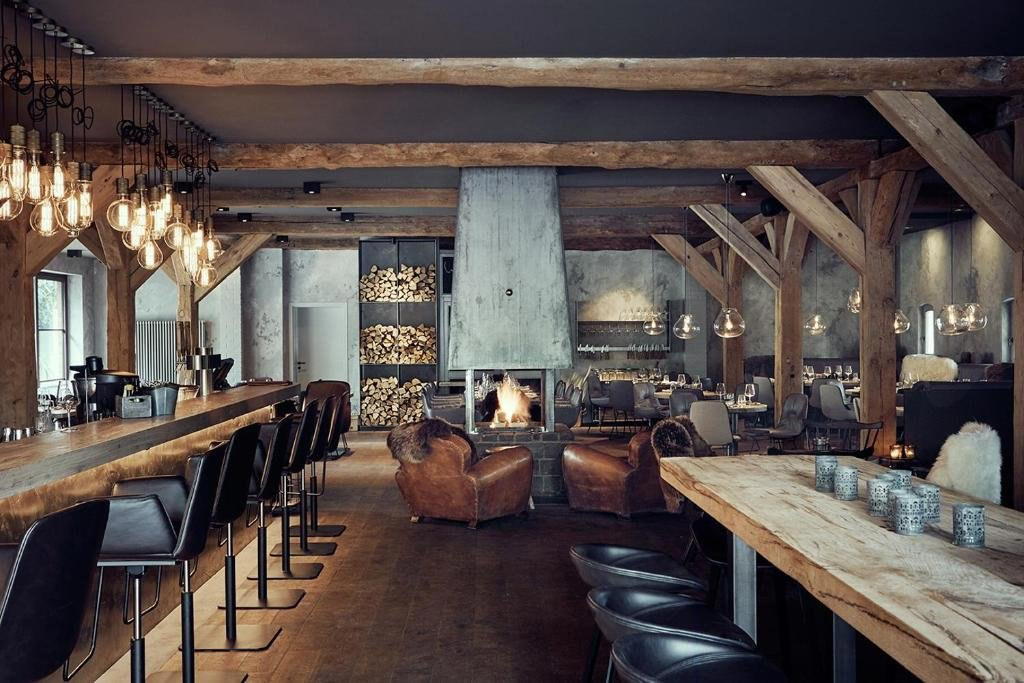
A nostalgic maritime hotel atmosphere with classic, elegant interiors, cozy rooms, and a historic ballroom designed to evoke the flair of the 1920s.