Hotaru Arcos
Our verdict
Where Bosques de las Lomas Meets Japanese Precision Paseo de los Tamarindos is the kind of address that signals a specific Mexico City register: corporate towers, discreet money, and a dining scene that has long catered to business lunches and...

Pearl is the En Primeur Club membership app — saves, bookings, and concierge access live there. Same editors, same standards.
The menu
What to order
- Omakase
- Nigiri
- Tiger Roll
- Camarones Roca
- Sashimi
Where Bosques de las Lomas Meets Japanese Precision
Paseo de los Tamarindos is the kind of address that signals a specific Mexico City register: corporate towers, discreet money, and a dining scene that has long catered to business lunches and private celebrations rather than the explorer crowd. Hotaru Arcos sits within this context, in Bosques de las Lomas in the western borough of Cuajimalpa de Morelos, a district that operates at some remove from the Condesa-Roma axis where most international food coverage concentrates. That geographical distance is part of the point. The restaurant draws a clientele for whom the commute across the city is the price of admission to something they consider worth the drive.
Japanese Technique in a Mexican Frame
Mexico City has developed a serious Japanese dining tier over the past decade, distinct from the Nikkei wave that reshaped coastal South American cities in the 2000s. The capital’s Japanese-influenced kitchens tend to operate with a high degree of technical discipline, applying precision cutting, temperature control, and aging protocols to ingredients that are often sourced locally or regionally. This is a different conversation from fusion: the underlying grammar is Japanese, and the local ingredient is the accent rather than the subject. Hotaru Arcos operates within that tradition, its name referencing the Japanese word for firefly, a detail that positions it in a lineage of quietly named, detail-oriented restaurants that let the food carry the signal rather than the branding.
Across Mexico, the restaurants drawing the most critical attention are those working at the intersection of deep culinary tradition and contemporary technique. Pujol and Quintonil have made that argument on Mexican terms; Em operates in a similar register at a slightly more accessible price point. Hotaru Arcos makes the same argument from a Japanese starting position, which places it in a smaller but coherent competitive set within the city’s higher-end dining circuit.
The Cultural Logic of Japanese Fine Dining in Mexico City
Japan’s culinary influence on Mexico is older and more layered than the contemporary restaurant scene suggests. The Meiji-era migration of Japanese workers to Mexican Pacific ports, and the later waves of arrivals through the mid-twentieth century, created communities in Baja California, Sinaloa, and eventually the capital whose food practices quietly shaped local markets and cooking habits. The result is that Mexico City diners are not encountering Japanese technique as a foreign imposition but as something with genuine local roots, even if those roots are rarely foregrounded in the dining room.
That historical depth gives restaurants in this category a different kind of cultural authority. They are not performing exoticism; they are participating in a tradition with genuine local stakes. The leading examples in the city are those that understand this distinction and cook accordingly, applying Japanese rigour without the affectation that tends to accompany transplanted fine dining formats when they arrive in cities without that culinary history. Regional Mexican peers like Animalón in Valle de Guadalupe and Levadura de Olla in Oaxaca demonstrate how deep local ingredient knowledge transforms the credibility of technically ambitious cooking; the strongest Japanese-influenced kitchens in Mexico City are working through the same logic from a different direction.
Bosques de las Lomas and Its Dining Context
The neighbourhood context matters for understanding what Hotaru Arcos is doing and who it is doing it for. Bosques de las Lomas has fewer of the see-and-be-seen dynamics that define dining in Polanco or the Roma, and more of the quiet confidence that comes with a well-established, affluent residential base. Restaurants here are not typically chasing the influencer cycle; they are building regulars. That structural dynamic tends to reward consistency and depth over novelty, which aligns with the patient, detail-driven culture of Japanese-influenced fine dining.
Comparable dynamics are visible in other Mexican cities where the strongest dining rooms have built reputations away from high-visibility tourist corridors. Pangea in San Pedro Garza Garcia and KOLI Cocina de Origen in Monterrey operate on similar principles: serious cooking, serious clientele, no particular interest in performing for the camera. The format rewards repeat visits and accumulated understanding rather than a single spectacular meal.
Placing Hotaru Arcos in the Wider Mexican Scene
Mexico’s fine dining geography has expanded significantly over the past five years, with serious kitchens now operating in Guadalajara, Oaxaca, Merida, and the Baja peninsula alongside the capital. Alcalde in Guadalajara, Huniik in Merida, HA’ in Playa del Carmen, and Le Chique in Puerto Morelos all represent the country’s growing appetite for technically ambitious dining outside the capital. Within Mexico City itself, the conversation is increasingly about which restaurants justify their positioning in a market that has become genuinely competitive at the top tier. Rosetta and Sud 777 have earned that positioning on their own terms; Olivea Farm to Table in Ensenada and Lunario in El Porvenir suggest the same ambition is spreading through Baja. Hotaru Arcos is working within a field that has raised its expectations considerably.
Internationally, the discipline that drives the leading Japanese fine dining in Mexico City has clear precedents. Restaurants like Le Bernardin in New York have demonstrated how French-rooted technical precision applied to seafood can define a restaurant category for decades; Atomix in New York has shown how Korean culinary identity can be expressed through fine dining formats without losing its cultural grounding. The parallel for Japanese technique in Mexico City is instructive: the strongest argument is always made when the cooking has genuine cultural authority behind it, not just technical skill.
Planning Your Visit
Hotaru Arcos is located at Paseo de los Tamarindos 90, Bosques de las Lomas, Cuajimalpa de Morelos, in the western zone of Mexico City, an area that is most conveniently reached by car or taxi rather than Metro. The neighbourhood sits outside the central urban density, which means travel times from Roma, Condesa, or Polanco should be factored into your evening plan; from central districts, allow at least thirty minutes in normal traffic. For the broader Mexico City dining picture, including neighbourhood breakdowns and category comparisons, our full Mexico City restaurants guide covers the key decisions across the city’s main dining zones.
Frequently asked questions
What's Hotaru Arcos's location?
Hotaru Arcos is located at P.º de los Tamarindos 90, Bosques de las Lomas, Cuajimalpa de Morelos, 05110 Ciudad de México, CDMX, Mexico, Mexico City.
How does Hotaru Arcos fit into Mexico City's Japanese dining scene compared to other CDMX Japanese restaurants?
Mexico City's Japanese dining tier has expanded significantly over the past decade, moving well beyond casual sushi into kitchens with genuine technical credentials. Hotaru Arcos's location in Bosques de las Lomas, rather than the more visible Polanco or Roma corridors, places it in a quieter corner of that scene — a deliberate positioning that tends to attract regulars over tourists. For diners mapping CDMX's Japanese options, its western-zone address at Cuajimalpa de Morelos makes it a distinct alternative to the city's more central Japanese restaurants.
What's the signature dish at Hotaru Arcos?
What the restaurant's positioning on Paseo de los Tamarindos 90 does signal is a Japanese-influenced kitchen operating within Mexico City's serious upper dining tier, where technique rather than showmanship tends to define the menu. check the venue's official channels for current offerings.
Can I walk in to Hotaru Arcos?
Hotaru Arcos sits on Paseo de los Tamarindos in Bosques de las Lomas, a neighbourhood where the dining clientele skews corporate and local elite — the kind of room that rarely has open seats on short notice. Advance reservations are the standard operating assumption for restaurants at this address and price register in Mexico City.
What has Hotaru Arcos built its reputation on?
Hotaru Arcos operates within Mexico City's developing Japanese fine dining tier, a segment that has grown with genuine technical seriousness over the past decade rather than riding the broader Nikkei trend. Its address in Bosques de las Lomas — a district defined by discreet, destination-focused dining rather than foot traffic — positions it as a kitchen aimed at repeat clientele who know what they are looking for. The reputation is built on consistency for that specific audience.
How does Hotaru Arcos handle allergies?
No public documentation on Hotaru Arcos's allergen policy is available. Japanese fine dining formats in Mexico City, particularly at the counter or omakase level, typically require allergy disclosure at the time of booking so the kitchen can adjust courses accordingly. Raising dietary requirements when reserving — not on arrival — is the standard expectation at restaurants of this type on Paseo de los Tamarindos.
Is Hotaru Arcos good value for money?
Bosques de las Lomas restaurants operating at the Japanese fine dining level in Mexico City generally sit in the upper band of CDMX restaurant pricing, comparable to the city's other serious Japanese counters. The neighbourhood at Paseo de los Tamarindos 90 draws a clientele for whom the trade-off between cost and kitchen precision is the primary consideration, not price alone.
Price and Positioning
Comparable venues nearby, for context on price, style, and recognition.
| Venue | Cuisine | Price | Notes |
|---|---|---|---|
| Hotaru ArcosThis venue — the venue you are viewing | Contemporary Japanese Omakase | $50–100 | Not listed |
| Suntory Lomas | Premium Japanese Teppanyaki and Sushi | $50–100 | Del Bosque, Premium Japanese Teppanyaki and Sushi |
| Onomura Santa Fe | Japanese Nigiri Room | $50–100 | Centro Comercial Santa Fe, Japanese Nigiri Room |
| Onomura Prado Norte | Premium Nigiri Sushi | $50–100 | Del Bosque, Premium Nigiri Sushi |
| Teppan Grill | Premium Japanese Teppanyaki | $50–100 | Polanco Chapultepec, Premium Japanese Teppanyaki |
| Wagyu San | Asian Steak Room (Japanese Wagyu) | $50–100 | Cuauhtemoc, Asian Steak Room (Japanese Wagyu) |
Continue exploring
More in Mexico City
Restaurants in Mexico City
All restaurants in Mexico City →
Bars in Mexico City
All bars in Mexico City →


Details
- Elegant
- Sophisticated
- Modern
- Intimate
- Date Night
- Special Occasion
- Business Dinner
- Chefs Counter
- Open Kitchen
- Design Destination
- Sake Program
- Sustainable Seafood
- Omakase
- Counter Dining
- A La Carte
- Sake
- Premium Spirits
- Vegetarian Friendly
- Pescatarian Friendly
Current opening hours
- Monday
- 1–11 PM
- Tuesday
- 1–11 PM
- Wednesday
- 1–11 PM
- Thursday
- 1 PM–12 AM
- Friday
- 1 PM–1 AM
- Saturday
- 1 PM–1 AM
- Sunday
- 1–6 PM
Hours can change for holidays and private events. Last verified .
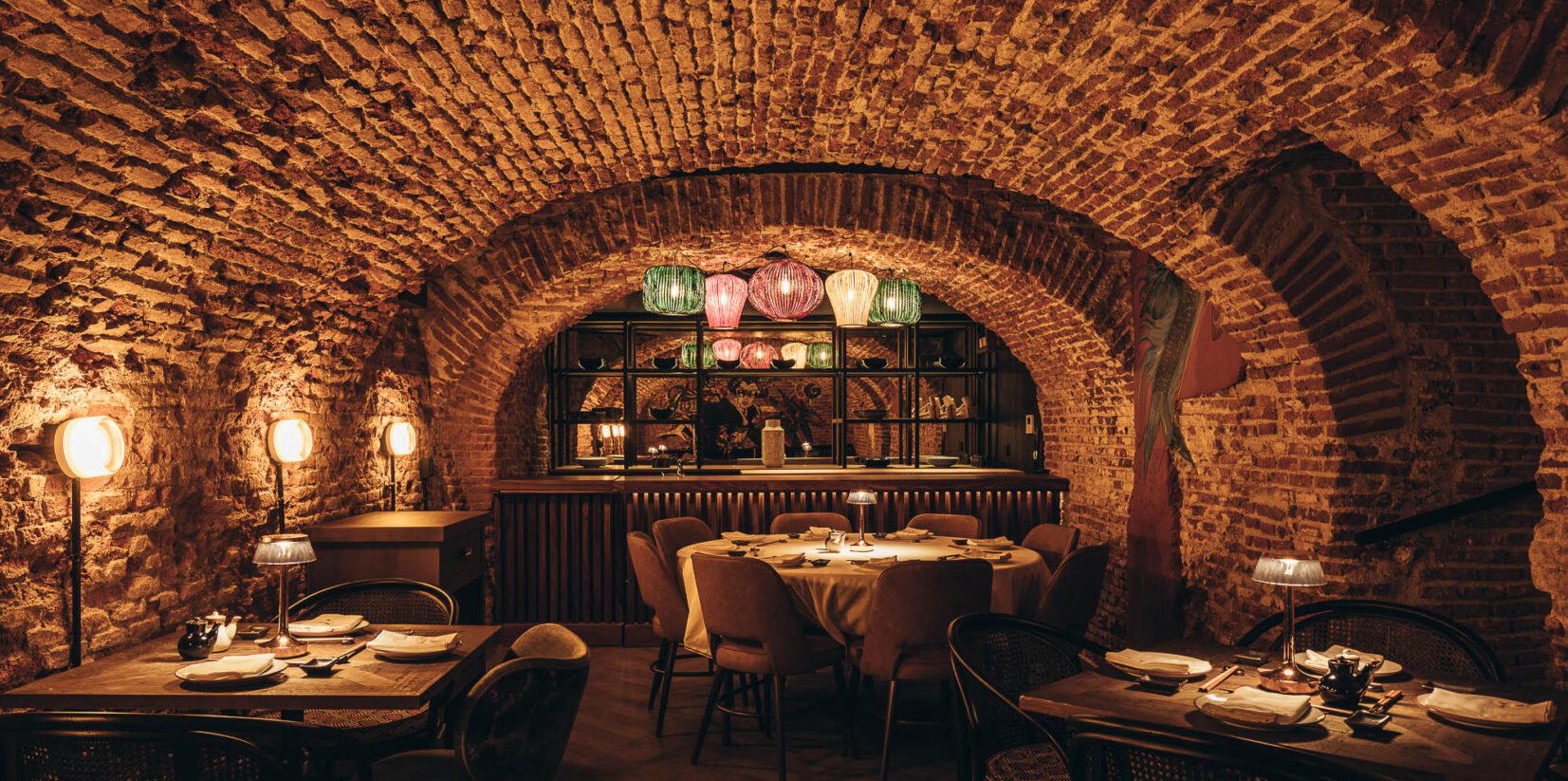
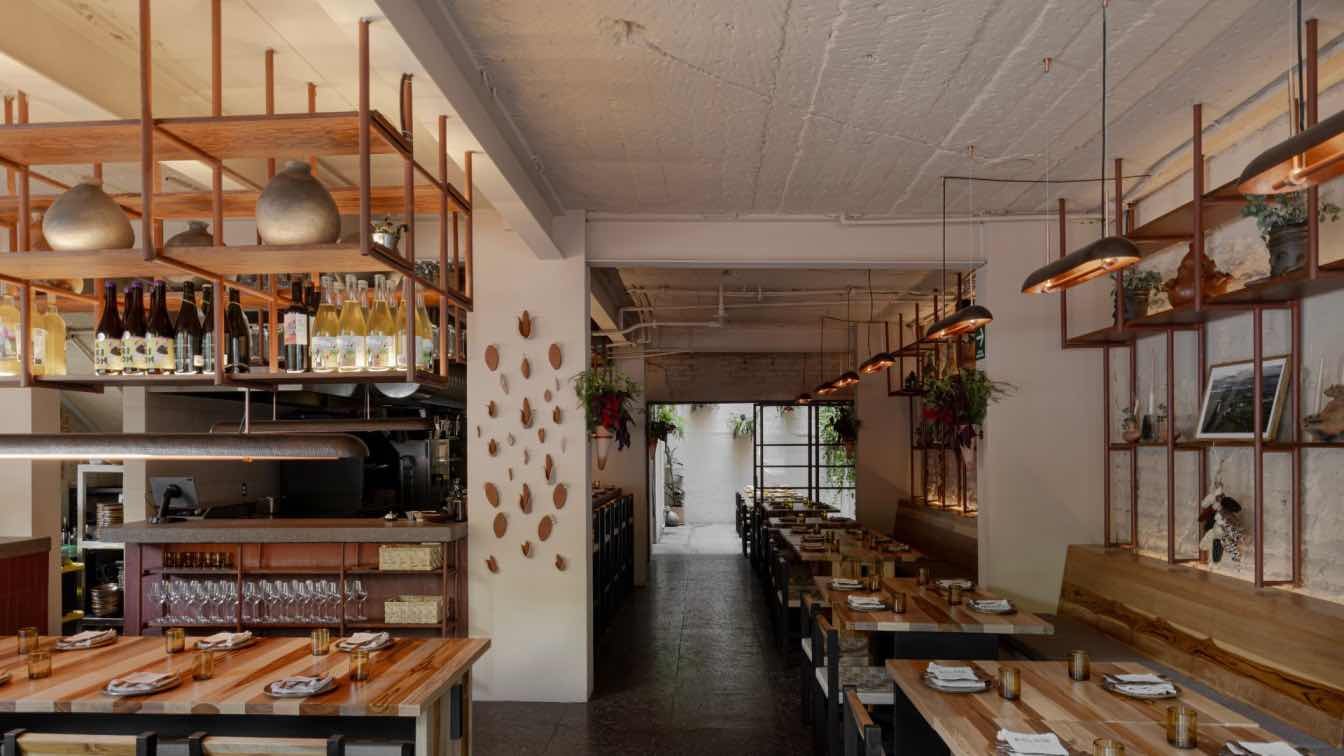
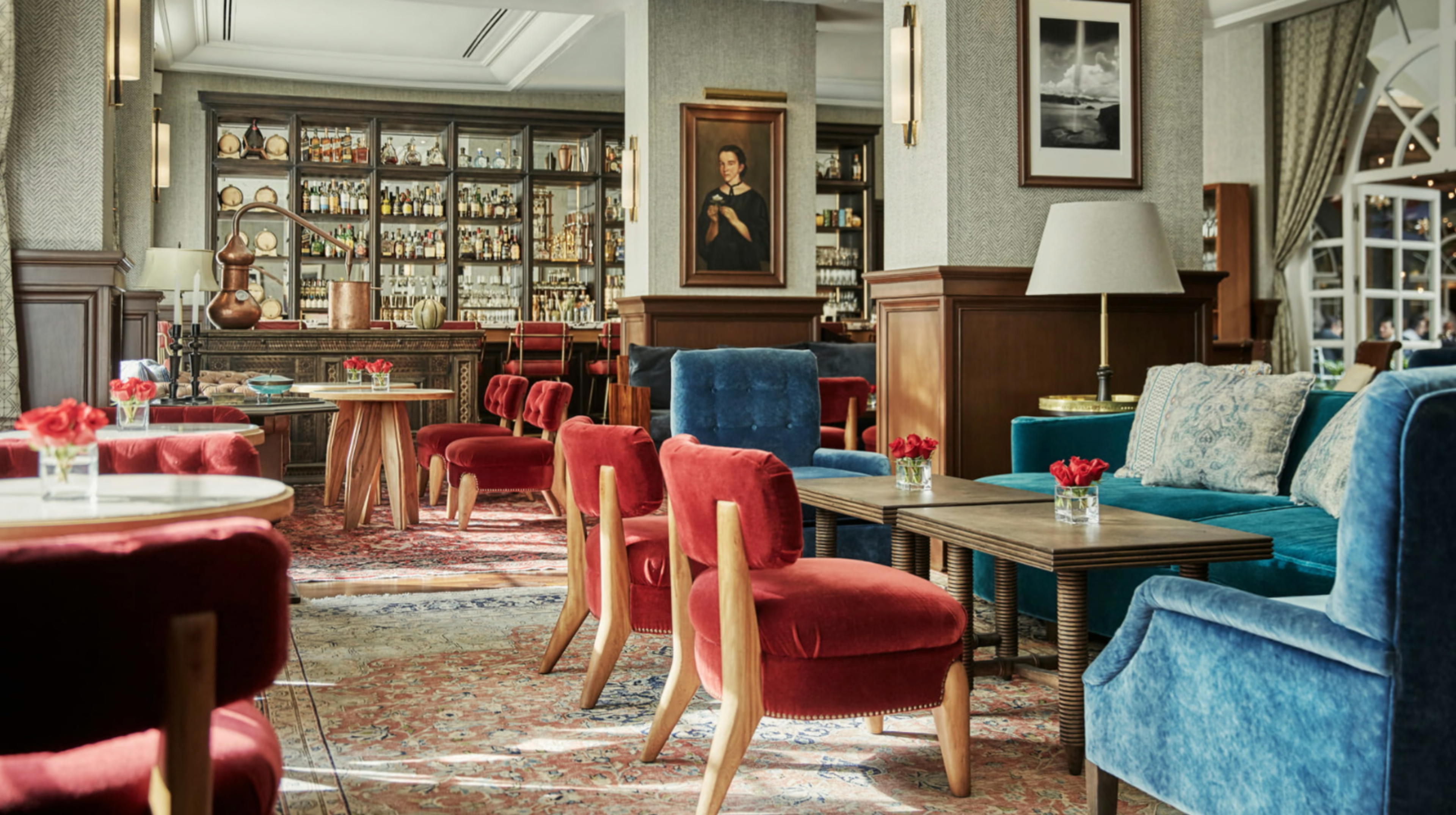
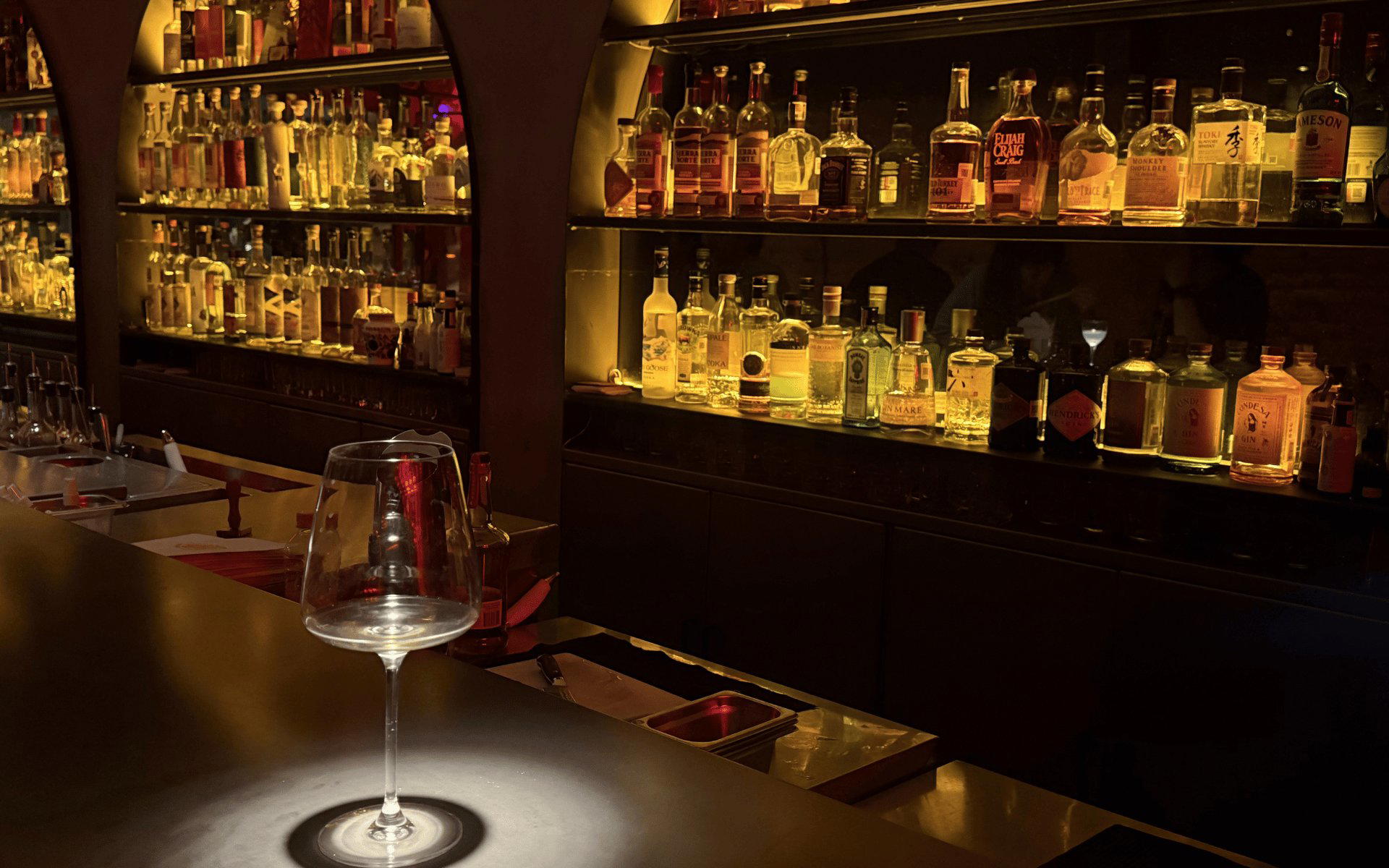
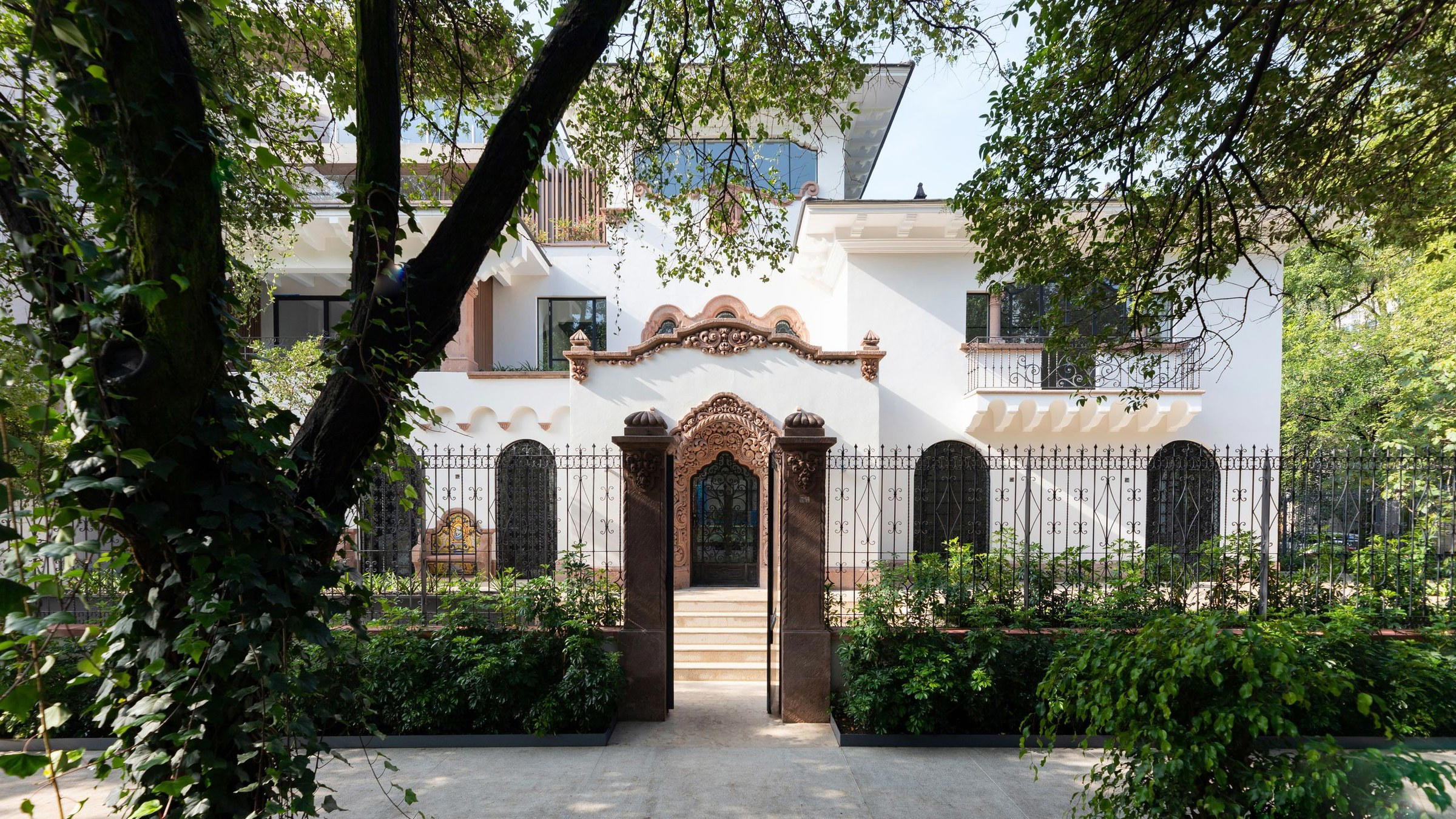
Majestic and solemn atmosphere celebrating contemporary sushi with elegant, refined lighting and a focus on precision and artistry in each presentation.