Teppan Grill
Teppan Grill occupies a Polanco address in one of Mexico City's most competitive dining corridors, where Japanese-influenced cooking traditions meet the capital's appetite for precision and occasion. The teppanyaki format places the cook and the diner in close quarters, making it a natural choice for milestone meals in a neighbourhood already well-stocked with destination restaurants.
 Discover on Pearl
Pearl is the En Primeur Club membership app — saves, bookings, and concierge access live there. Same editors, same standards.
- Address
- Campos Elíseos 204, Polanco, Polanco Chapultepec, Miguel Hidalgo, 11560 Ciudad de México, CDMX, Mexico
- Phone
- +525550831234
- Website
- opentable.com
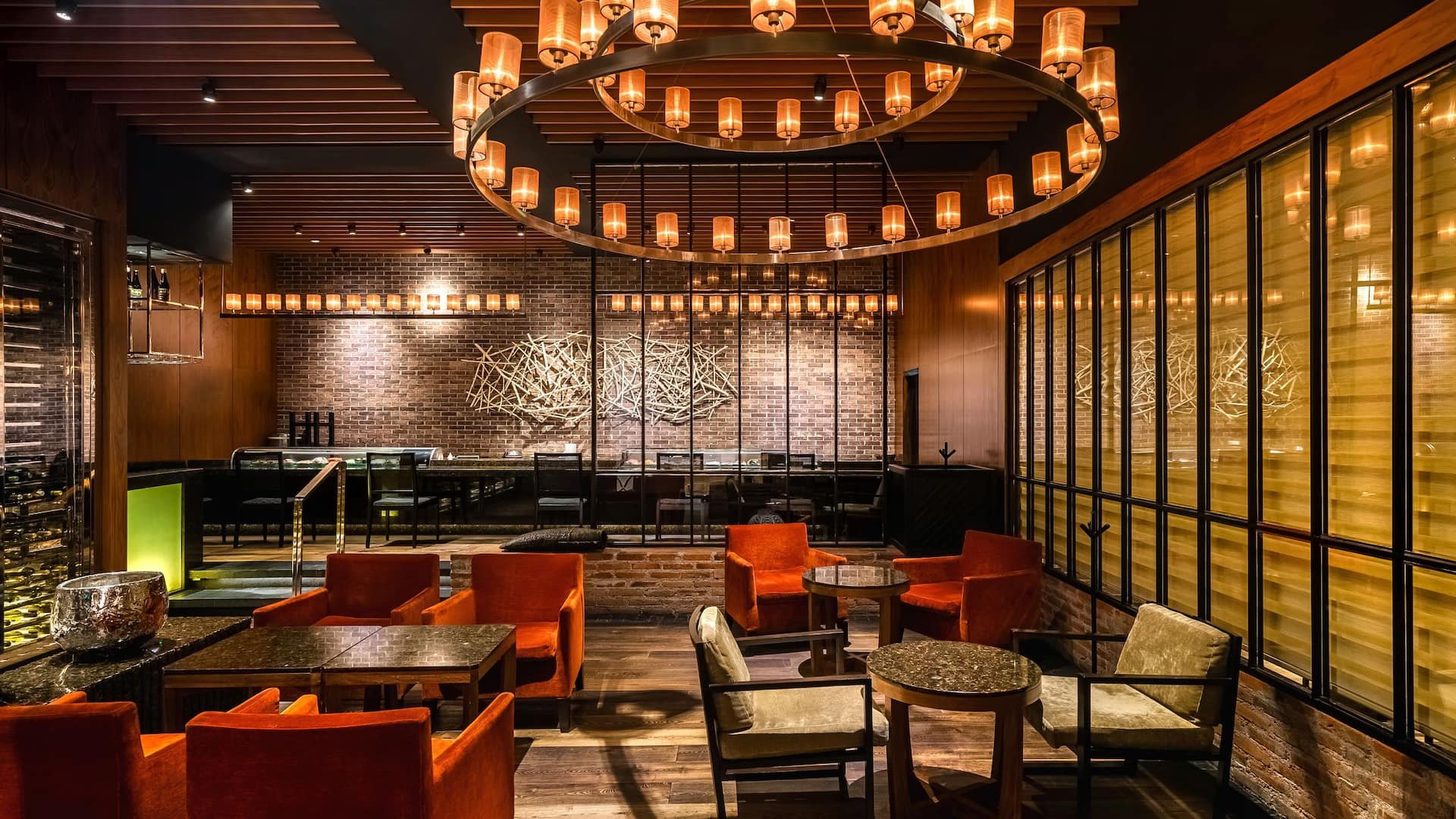
Polanco and the Occasion-Dining Calculus
Mexico City's dining scene has sorted itself into tiers with unusual clarity over the past decade. At one end sit the tasting-menu addresses drawing international attention, places like Pujol and Quintonil, where a four-hour omakase-style progression has become the expected format for serious celebration dinners. The middle tier, restaurants that trade on spectacle without demanding the full tasting-menu commitment, is where teppanyaki-style cooking has always operated most comfortably, and that is precisely the space Teppan Grill occupies at Campos Elíseos 204 in Polanco Chapultepec.
Polanco is the obvious neighbourhood for occasion dining in the capital. The corridor running from Presidente Masaryk toward Campos Elíseos concentrates more high-margin restaurants per block than almost anywhere else in Latin America. Diners arriving for birthdays, anniversaries, and business milestones treat the address itself as a signal: this is not a casual Thursday. Teppan Grill, sitting in that geography, benefits from and competes within that expectation. The neighbourhood sets a baseline that the format then either meets or falls short of.
The Teppanyaki Format as Theatre
Teppanyaki, the style of cooking on a flat iron griddle at tableside, arrived in Mexico City via the mid-twentieth-century Japanese diaspora and the broader Latin American fascination with performance cooking. The format has survived decades because it solves a specific occasion-dining problem: it gives a table something to watch. In cities where open kitchens and chef counters have become common, the teppan grill retains a differential edge by placing the heat source, the protein, and the chef's hands inside the dining room rather than behind glass.
Across Japanese-influenced dining rooms worldwide, the teppanyaki counter positions itself differently from sushi omakase or kaiseki formats. Where those formats reward quiet attention and progression, teppanyaki rewards communal energy. A long rectangular grill serving multiple parties simultaneously produces a shared atmosphere, fire, steam, the sound of metal on steel, that amplifies a celebration rather than quieting it. This is not a format designed for introspection. It is designed for marking moments, which is why it has persisted in premium Polanco addresses long after more austere Japanese formats have claimed their own audiences elsewhere in the city.
For a point of comparison outside Mexico, the dynamic is visible in the way teppanyaki counters in New York or Tokyo function in relation to their dining sets. Restaurants like Le Bernardin or Atomix operate on a register of hushed authority. Teppanyaki counters operate on a different register entirely, one that prizes engagement, shared arc across a meal, and the cumulative warmth of a group experience. Neither is superior to the other; they serve different occasions.
Where Teppan Grill Sits Against the Polanco comparable set
The comparison set for a teppanyaki address in Polanco is not the same as the comparison set for, say, Rosetta in Roma or Em in Juárez, which operate as creative formats with closer ties to ingredient sourcing and seasonal menus. Teppan Grill's competitive frame is the Polanco occasion-dining tier more broadly: restaurants where the room, the service register, and the format carry as much weight as any single dish. That includes steakhouses, seafood rooms with tableside preparations, and other format-led venues designed for groups marking something.
Within that tier, the teppanyaki format has a specific advantage for larger parties. A teppan counter serving six to ten diners simultaneously creates a communal meal structure that prix-fixe tasting menus, by design, do not. This is a practical distinction for corporate dinners, milestone birthdays, and family gatherings where shared spectacle matters as much as individual plate quality. Planners choosing between Sud 777-style creative menus and a teppanyaki format are often making a decision about the kind of experience the table needs, not just a decision about cuisine.
Mexico City's Broader Occasion-Dining Geography
Polanco is not the only neighbourhood in Mexico City that functions as an occasion-dining destination, but it is the most consistent. Alcalde in Guadalajara and Pangea in San Pedro Garza García represent how Mexico's second-tier cities have built serious occasion-dining addresses of their own. Regional formats like Animalón in Valle de Guadalupe or Levadura de Olla in Oaxaca show how landscape and ingredient access shape a meal's occasion logic in ways that Polanco, an urban luxury corridor, cannot replicate.
Huniik in Mérida and KOLI Cocina de Origen in Monterrey add further regional dimensions. Lunario in El Porvenir operates in a wine-country context that gives occasion meals a different kind of ceremony. None of these directly compete with a Polanco teppanyaki address, but mapping them clarifies what makes the capital's version distinct: density, cosmopolitanism, and the weight of a neighbourhood that has been the city's premium dining corridor for long enough to function as shorthand for a certain kind of evening.
Planning Your Visit
Campos Elíseos 204 is in the heart of Polanco Chapultepec, within walking distance of several of the neighbourhood's hotels and easily reached from the Polanco metro station. Reservations: Given the format's group-dining appeal and the neighbourhood's demand levels, booking ahead for occasion meals, particularly on Friday or Saturday evenings, is advisable. Dress: Polanco's standard is smart casual at minimum; the neighbourhood's ambient register skews formal for dinner. Budget: Teppan Grill is priced at about $85 per person.
Where It Fits
Comparable venues nearby, for context on price, style, and recognition.
| Venue | Cuisine | Price | Awards | Notes |
|---|---|---|---|---|
| Teppan GrillThis venue — the venue you are viewing | Premium Japanese Teppanyaki | $$$$ | , | |
| Masa House Sushi | Modern Japanese Sushi | $$$$ | , | Lomas Virreyes |
| Hotaru Arcos | Contemporary Japanese Omakase | $$$$ | , | Cooperativa Palo Alto |
| Sakai | Modern Japanese Sushi | $$$$ | , | Tlaxala |
| Deigo Sushi Insurgentes | Traditional Japanese Sushi Bar | $$$ | , | Del Valle Norte |
| Kill Bill | Modern Japanese Omakase | $$$$ | , | Juarez |
Continue exploring
More in Mexico City
Restaurants in Mexico City
Browse all →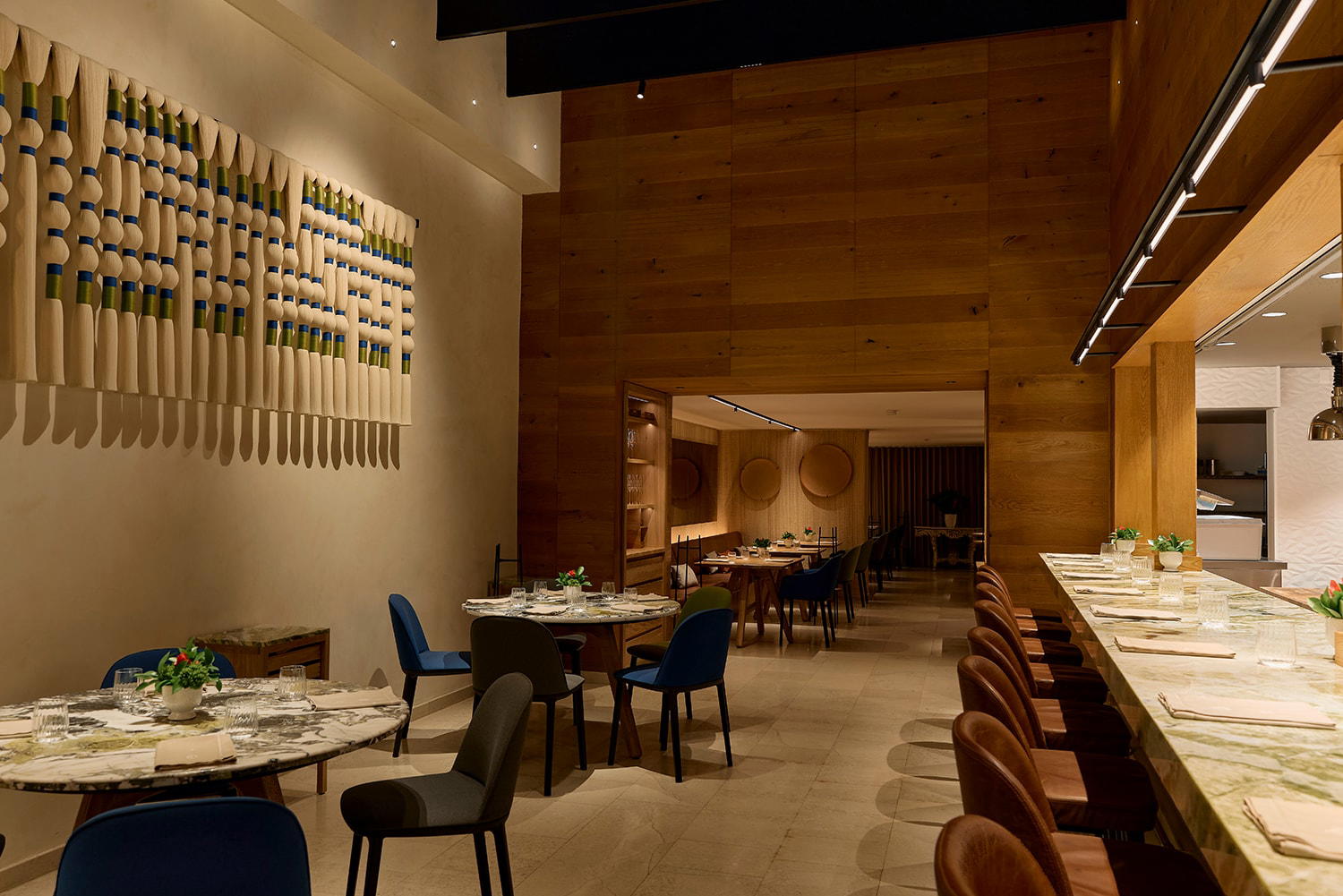
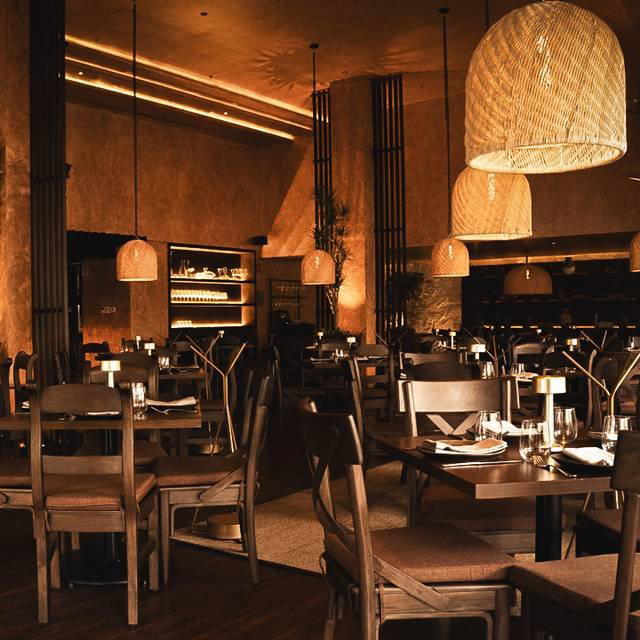
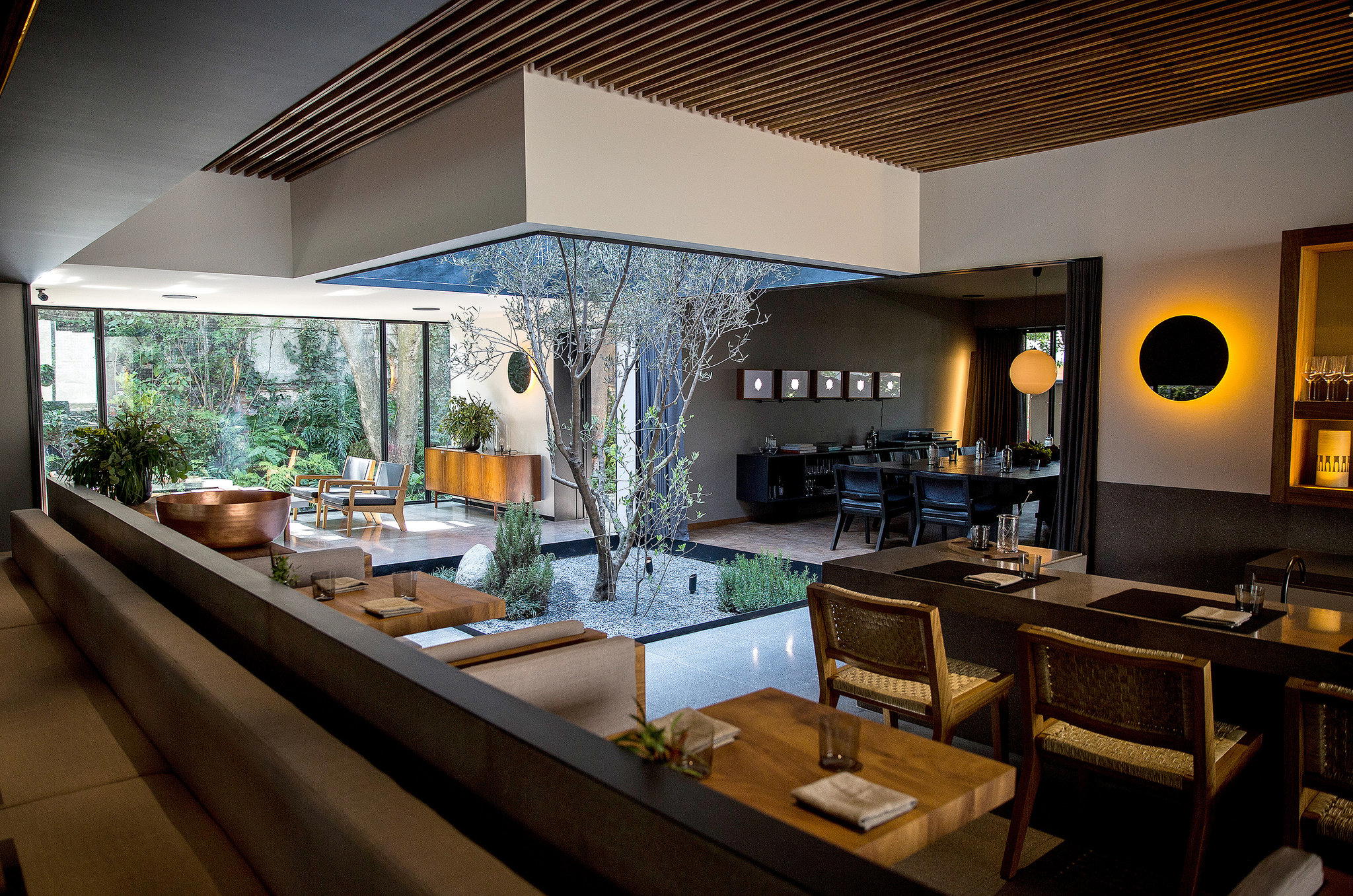
Bars in Mexico City
Browse all →
At a Glance
- Elegant
- Sophisticated
- Modern
- Business Dinner
- Celebration
- Special Occasion
- Date Night
- Open Kitchen
- Private Dining
- Hotel Restaurant
- Chefs Counter
- Extensive Wine List
- Sake Program
- Craft Cocktails
- Sustainable Seafood
- Local Sourcing
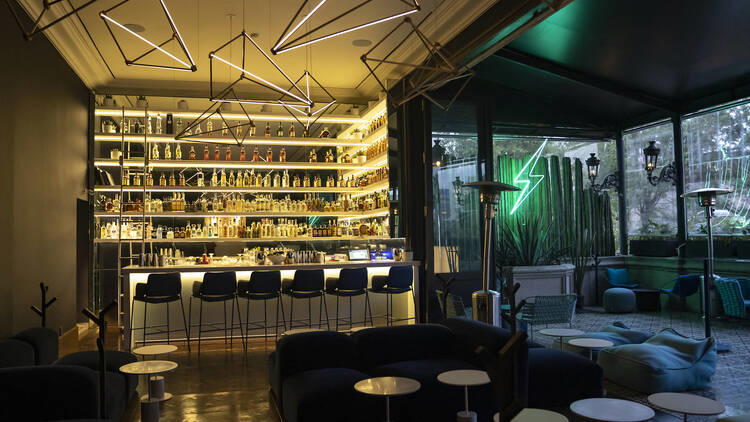
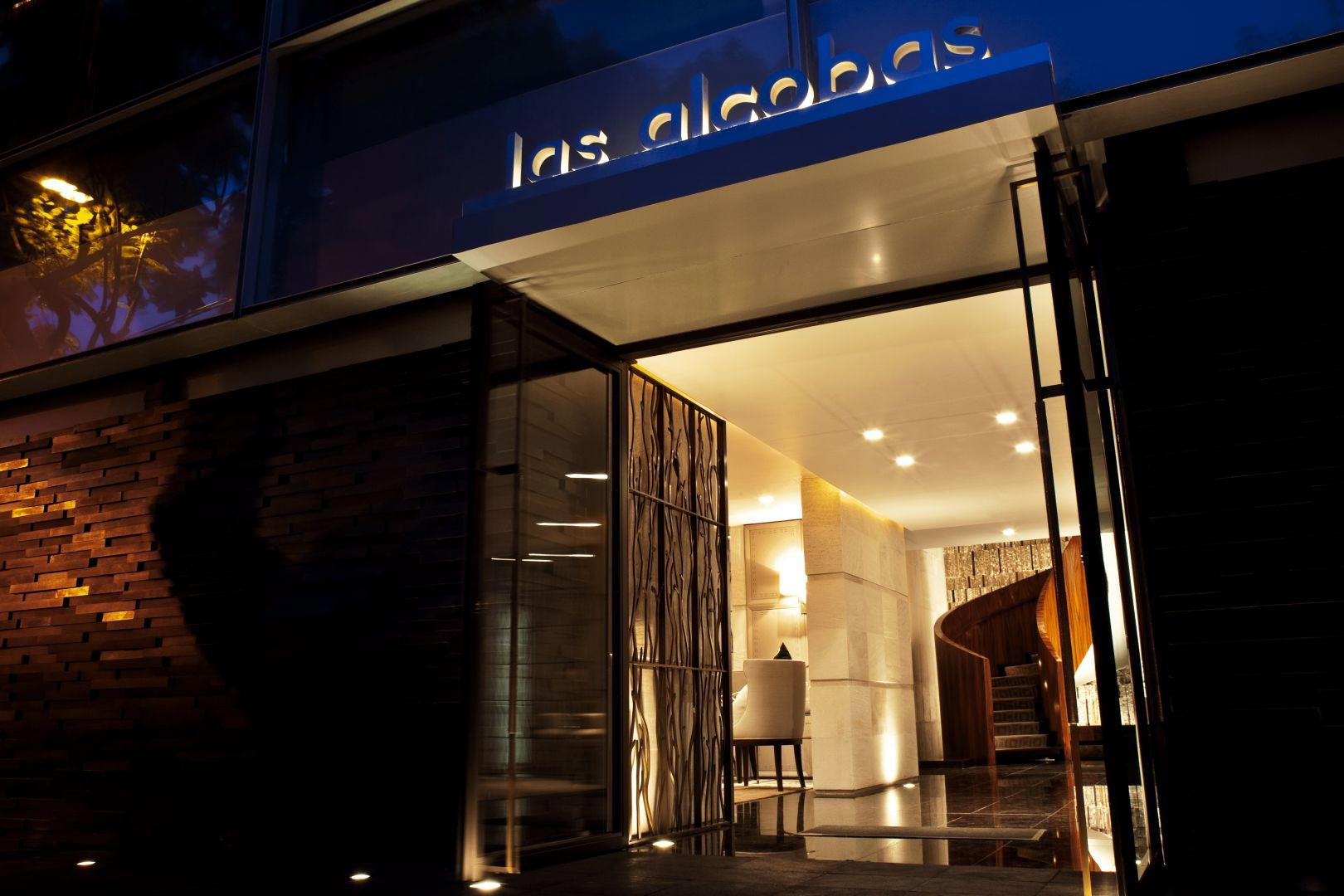
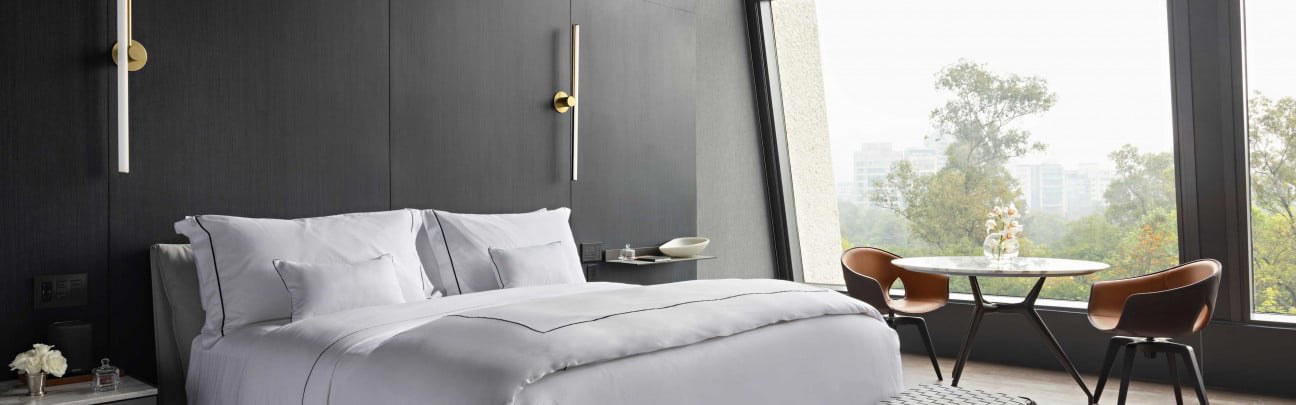
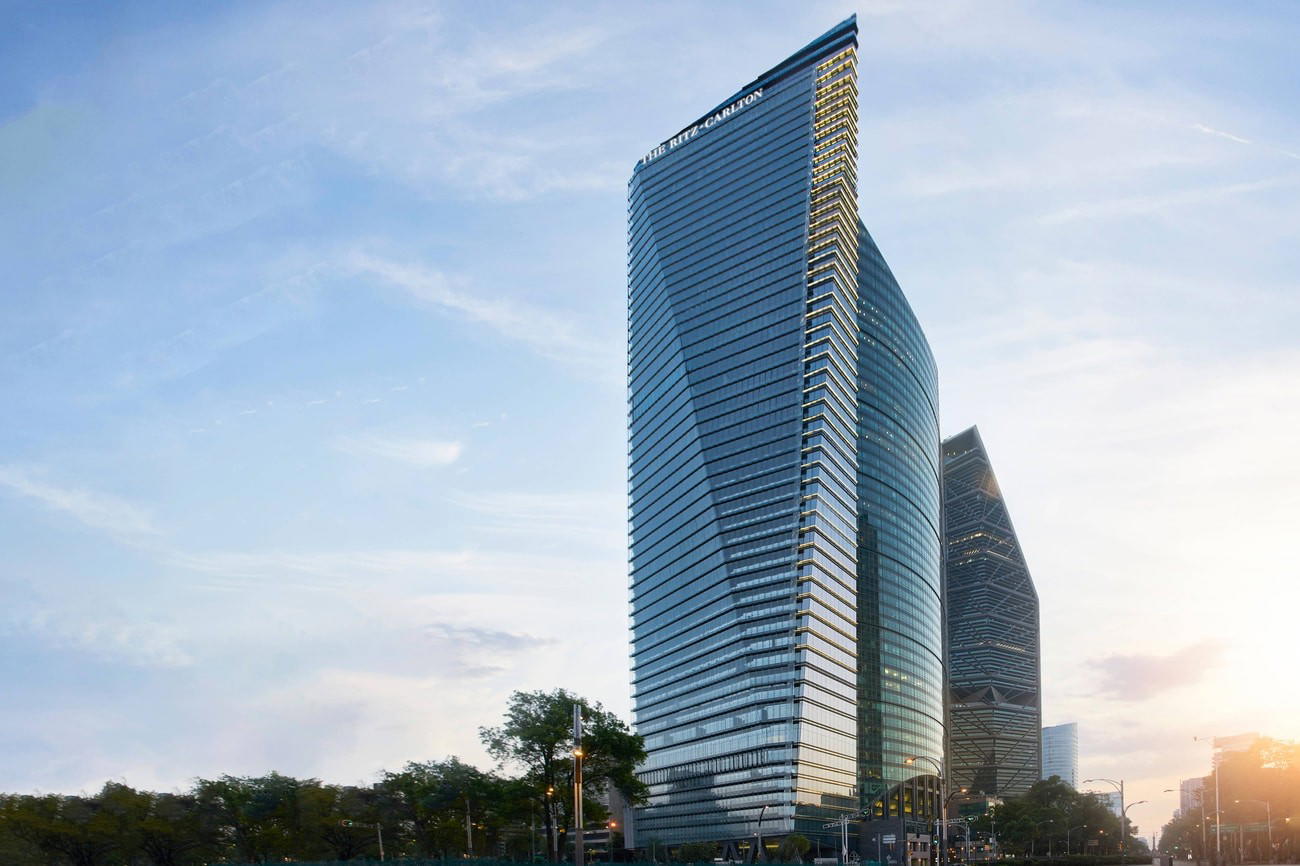
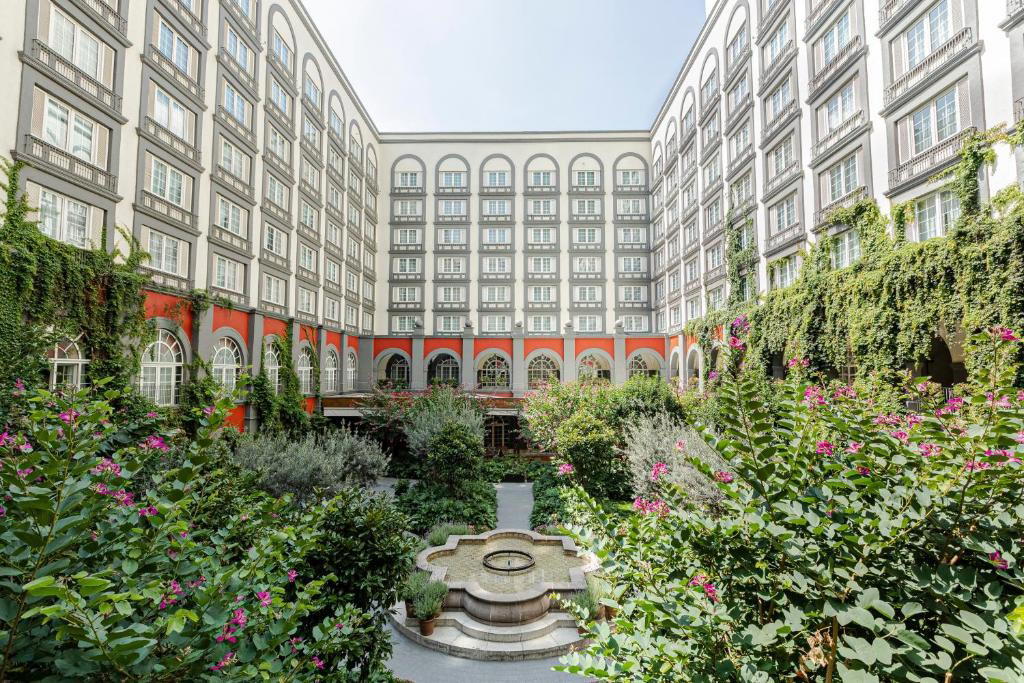
Warm and inviting with a laid-back yet refined atmosphere, featuring open teppanyaki grills creating an interactive dining experience in a modern hotel restaurant setting.