
One of Venice's most enduring seafood addresses, Hostaria da Franz traces its origins to a late-19th-century establishment founded by an Austrian soldier and now overseen by owner Maurizio with courteous, unhurried service. Fish specialities anchor a menu built for pleasure rather than provocation.
Pearl is the En Primeur Club membership app — saves, bookings, and concierge access live there. Same editors, same standards.
- Address
- Salizada S. Antonin, 3499, 30122 Venezia VE, Italy
- Phone
- +39 041 522 0861
- Website
- hostariadafranz.com
- Directions
- Get directions
 Saves & bookings on Pearl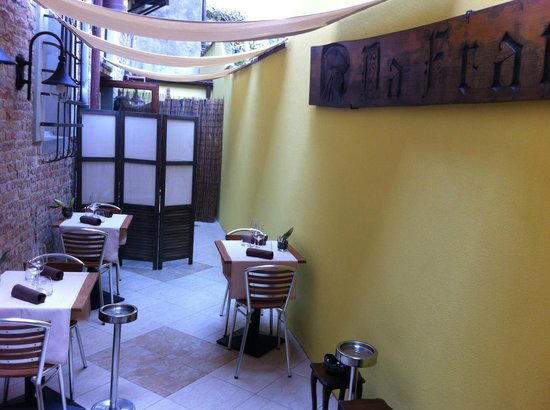
The Cannaregio Approach to Eating Well
Hostaria da Franz is a traditional Venetian seafood trattoria in Venice's Castello district. Hostaria da Franz belongs to the second group, and specifically to that dwindling cohort that carries verifiable historical weight. Founded in the late 19th century by an Austrian soldier, an origin that reflects the Habsburg influence still detectable in northeastern Italian food culture, the restaurant has survived multiple moves and ownership transitions to arrive at its current address on Salizada S. Antonin, 3499, in the Castello district.
Approaching along the salizada, you are already outside the main tourist corridor. The streets here are functional rather than decorative: laundry lines, neighbourhood grocers, the particular quiet of a Venetian backstreet in the mid-afternoon. That context matters, because it sets the register of what you will find inside. This is not a restaurant staging an experience at you; it is a room where food is cooked, served, and expected to be eaten without ceremony.
A Menu Built for Pleasure, Not Provocation
The operative phrase in Hostaria da Franz's positioning is telling: fish specialities that aim to please rather than surprise. In a dining moment when many kitchens reach for novelty as a primary value, that is a deliberate editorial stance. Venice's strongest seafood tradition has always been product-forward: the lagoon and the Adriatic supply ingredients that reward restraint more than intervention. The Venetian table has historically been less concerned with technique as spectacle than with sourcing as discipline.
That philosophy shapes the arc of a meal here. Where more experimental addresses in the city, such as Local (Modern Italian, Contemporary) or Glam Restaurant by Enrico Bartolini, frame the tasting progression as a sequence of intellectual propositions, a meal at Hostaria da Franz progresses more like a conversation: opening with lighter preparations, moving through progressively richer seafood courses, and concluding without the theatrical punctuation of the avant-garde kitchen. The progression is legible and intentional. For guests who find the multi-course modernist format exhausting, that legibility is itself a form of hospitality.
The Tasting Progression at Hostaria da Franz
The structural shape of the meal can be drawn from the restaurant's known emphasis. Venetian seafood menus of this register typically open with raw or lightly cured preparations, crudo styles that reflect the lagoon's daily catch. From there, the kitchen moves through cooked antipasti, often involving shellfish preparations that have more in common with the Veneto's risotto tradition than with southern Italian styles. The middle courses in this tradition tend to anchor around pasta or risotto with seafood, formats where the cooking medium carries as much flavour as the protein itself. Main courses at this price tier in Venice tend toward whole fish preparations or the kind of slow-cooked seafood that rewards patience over flamboyance.
That arc, from delicate raw to composed cooked, is the logic of the Italian seafood progression. It is a format with genuine historical depth, and at its leading it communicates a coherent argument about what the sea produces in a given season. The €€€ price point places the restaurant in the same competitive bracket as Trattoria Al Passo and venues like Al Covo and Corte Sconta, all of which operate in the Venetian, trattoria-style, or seafood-focused register at that tier. It sits below the €€€€ modernist tier occupied by Ristorante Quadri and Oro Restaurant, and that distinction is meaningful: the dining proposition is fundamentally different, not just cheaper.
The Role of Service in a Traditional House
Owner Maurizio's presence on the floor is described consistently as courteous and friendly, a combination that characterises the better end of Venetian hospitality: professional without formality, engaged without intrusion. His practice of introducing guests to the menu's variety of dishes functions as a form of curation that the printed menu alone cannot replicate. In kitchens where the daily catch determines what is available, a host who speaks to the range of options is performing a genuine service, not theatre.
That front-of-house engagement is part of what separates well-run traditional houses from their lesser equivalents. Venice's tourist-facing restaurant sector includes many addresses that perform the trappings of traditional Italian hospitality without the substance.
Historical Context in a City That Forgets Its Past
The restaurant's origins in the late 19th century place it in a specific historical moment. The Habsburg administration of Venice and the Veneto (which lasted until 1866) left traceable influences on the region's food culture: the preference for sour-sweet preparations, the integration of central European ingredients, the particular hospitality conventions of the Austro-Hungarian civic tradition. That heritage is not merely decorative; it is part of the intellectual background of what Venetian cooking became in the 20th century.
For comparative context across Italy's seafood tradition, the spectrum runs from the raw simplicity championed at Gambero Rosso in Marina di Gioiosa Ionica to the refined coastal cooking at Alici Restaurant on the Amalfi Coast. Venice's tradition occupies a distinctly northern register within that spectrum, lagoon-specific, Adriatic-facing, and shaped by centuries of trade that brought spice and preservation techniques to the table.
For guests wanting to set the restaurant against the broader Italian fine dining conversation, the country's most ambitious kitchens, Osteria Francescana in Modena, Le Calandre in Rubano, Enoteca Pinchiorri in Florence, Enrico Bartolini in Milan, and Atelier Moessmer Norbert Niederkofler in Brunico, are operating in a different register entirely. The restaurant is not competing in that conversation. It is making a different argument: that longevity, product focus, and attentive service constitute a valid and satisfying dining proposition on their own terms. That argument is, in Venice, increasingly rare to find made well. Dal Pescatore in Runate makes a comparable case in the Mantova countryside, a traditional house with historical weight, where the meal's value is measured in accumulated craft rather than creative rupture.
Planning Your Visit
The restaurant sits at Salizada S. Antonin, 3499, in the Castello sestiere, a walkable distance from the Arsenale vaporetto stop. Reservations are recommended. The €€€ price bracket makes this a mid-range commitment by Venetian standards, comparable to the city's traditional trattoria tier but below the modernist tasting-menu operations.
What Dish Is Hostaria da Franz Famous For?
The restaurant is known primarily for its fish specialities, which have anchored the menu since the restaurant's 19th-century founding. The kitchen's emphasis falls on Adriatic and lagoon seafood prepared in the Venetian tradition, product-led rather than technique-driven, with the meal's progression building through lighter seafood preparations toward richer, more composed fish courses. Specific dish compositions are not confirmed at time of publication, but the restaurant's consistent focus on seafood in the classical Venetian mode is its defining characteristic and the reason it has maintained a loyal following across successive generations of ownership.
Accolades, Compared
Comparable venues nearby, for context on price, style, and recognition.
| Venue | Cuisine | Price | Awards | Notes |
|---|---|---|---|---|
| Hostaria da FranzThis venue — the venue you are viewing | Traditional Venetian Seafood Trattoria | $$$ | Michelin Plate | Not listed |
| Bistrot de Venise | Historic Venetian Cuisine | $$$ | Michelin Plate | San Marco |
| Lineadombra | Modern Venetian Seafood | $$$$ | Michelin Plate | San Marco |
| Vini da Gigio | Traditional Venetian Osteria | $$$ | Michelin Plate | Santa Croce |
| Anice Stellato | Modern Venetian | $$$ | Not listed | Cannaregio |
| Ai Mercanti | Modern Venetian Gastrosteria | $$$ | Michelin Plate | San Marco |
Recognition history
Dated appearances from independent guides and award organizations, with the underlying list record or original source where available.
Michelin Plate
Michelin
Michelin Plate
Michelin
Michelin Plate
Michelin
Continue exploring
More in Venice
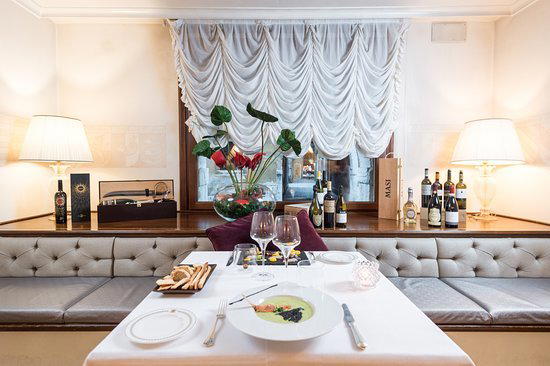
Restaurants in Venice
Browse all →
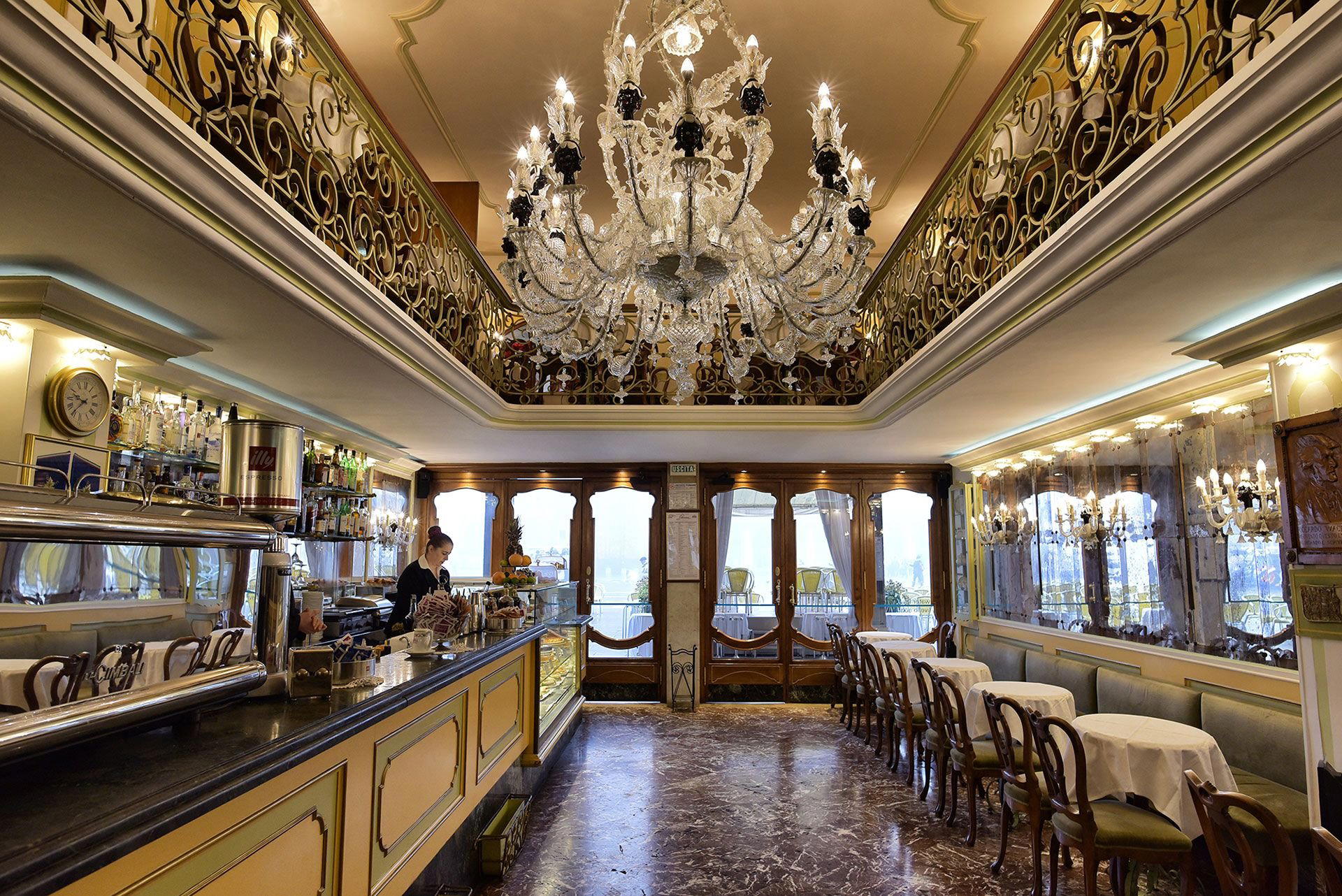
Bars in Venice
Browse all →
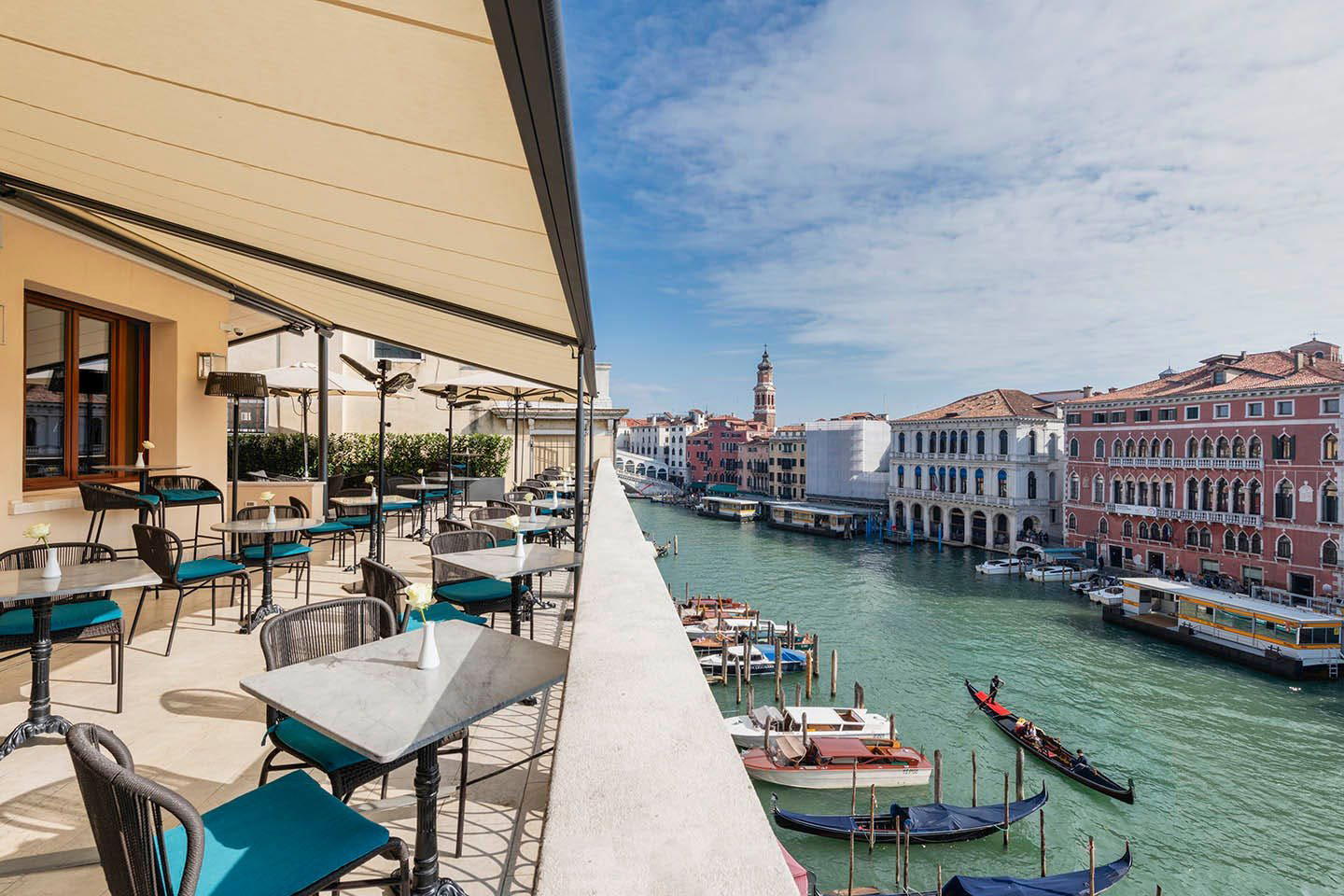
Hotels in Venice
Browse all →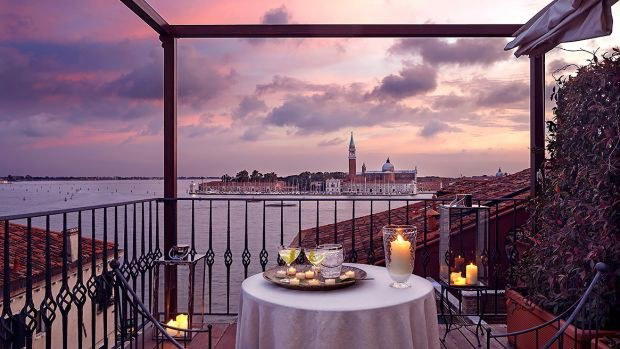
At a Glance
- Romantic
- Elegant
- Cozy
- Intimate
- Rustic
- Date Night
- Special Occasion
- Historic Building
- Extensive Wine List
- Local Sourcing
Current opening hours
- Monday
- 7–10 p.m.
- Tuesday
- Closed
- Wednesday
- 7–10 p.m.
- Thursday
- 7–10 p.m.
- Friday
- 7–10 p.m.
- Saturday
- 7–10 p.m.
- Sunday
- 7–10 p.m.
Hours can change for holidays and private events. Last verified .
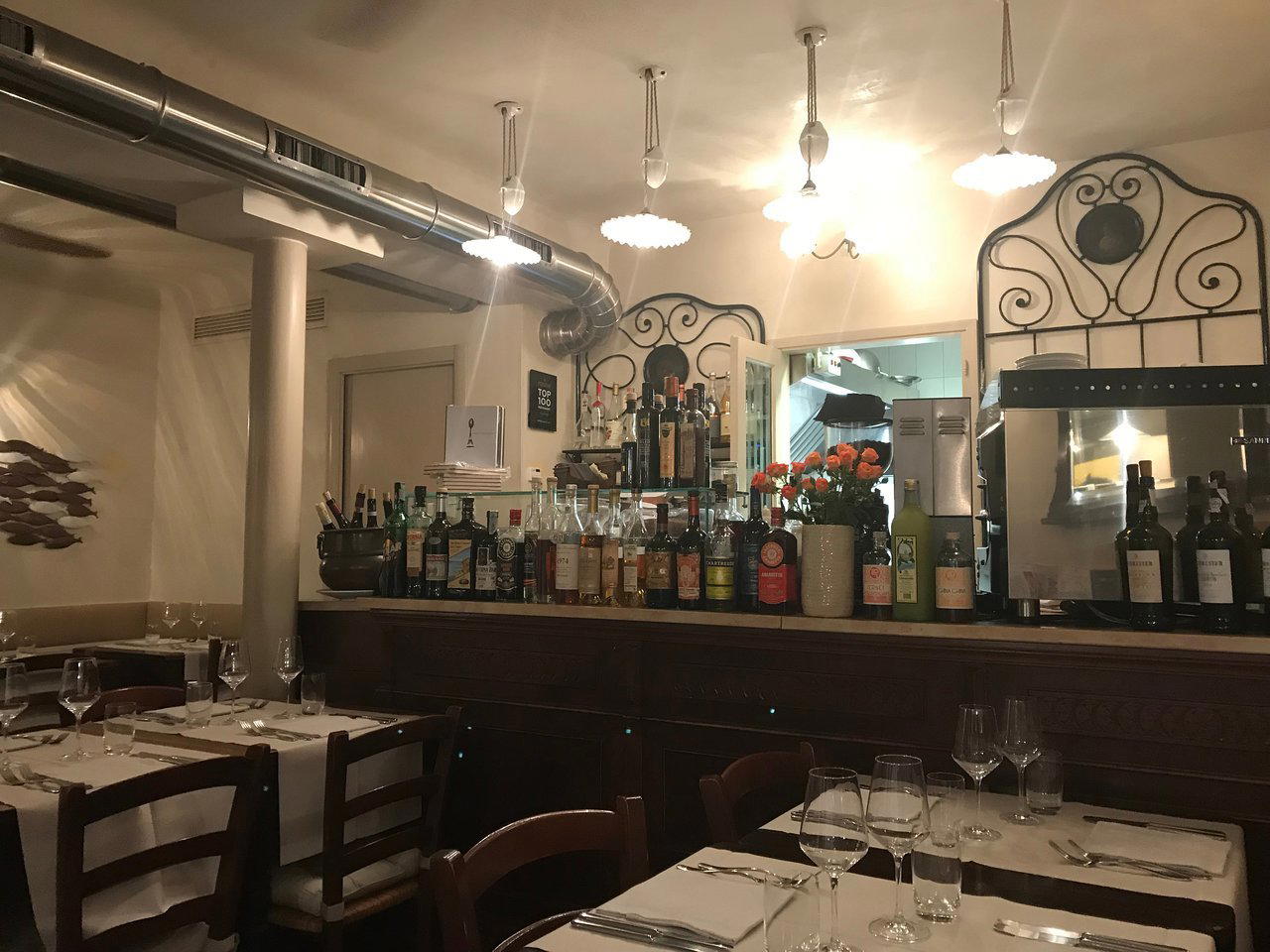
Casually elegant with romantic and welcoming atmosphere, warm lighting, and attention to detail creating a cozy, home-like feel.