
Falstaff Winery - Listed
On the small island of Mazzorbo in Venice's northern lagoon, Venissa operates from within a medieval walled vineyard, serving a surprise-course menu that Michelin has recognised with one star. Chefs Chiara Pavan and Francesco Brutto build their cooking around lagoon fish, kitchen-garden vegetables, and the philosophy they call 'ambientale' — a direct translation of the Upper Adriatic environment onto the plate. The Osteria Contemporanea next door offers a simpler, more accessible version of the same ethos.

Pearl is the En Primeur Club membership app — saves, bookings, and concierge access live there. Same editors, same standards.
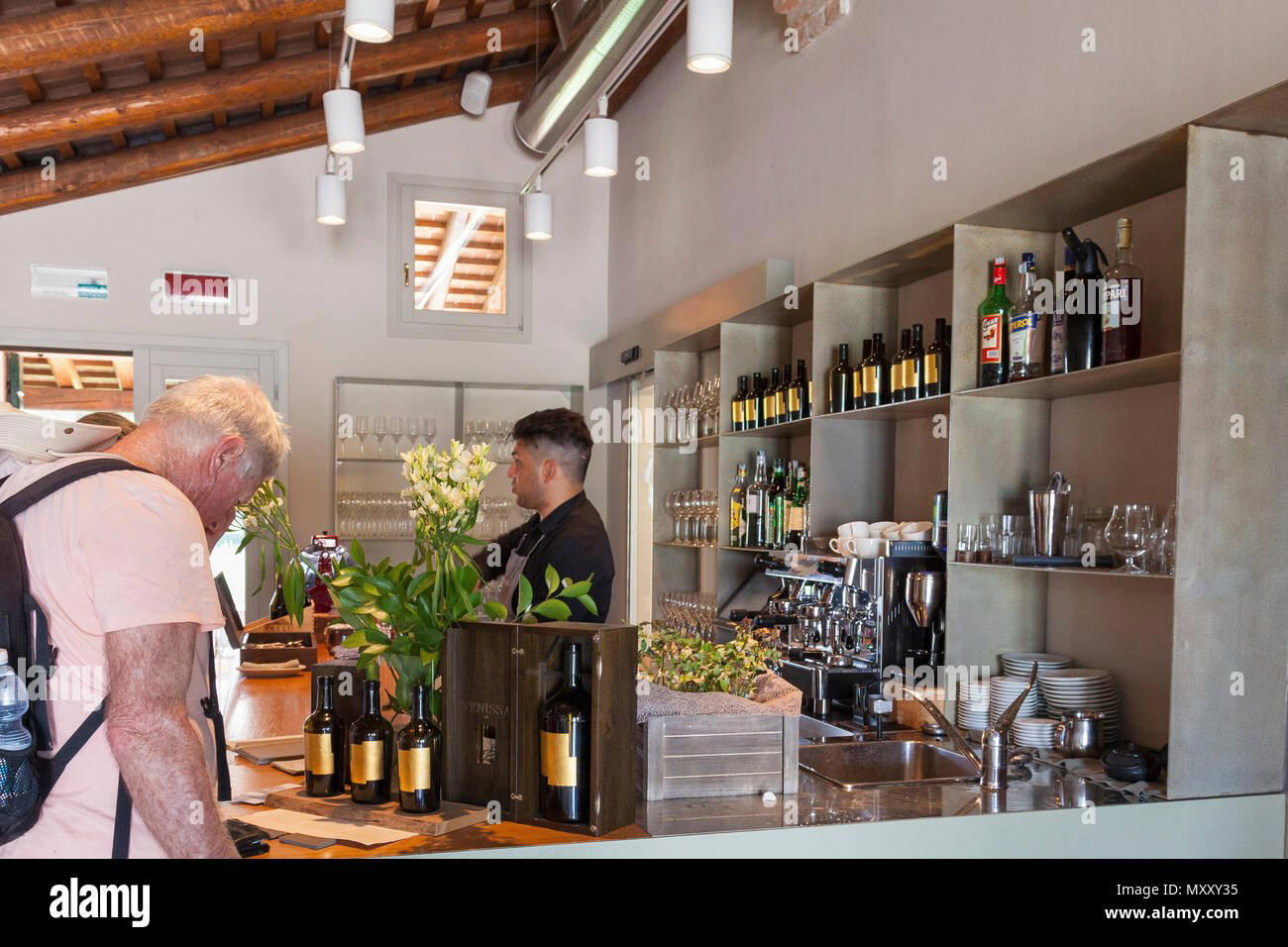
An Island Table in the Northern Lagoon
Reaching Mazzorbo requires a decision most visitors to Venice never make: leaving the main island entirely. The vaporetto ride north through the lagoon takes roughly forty minutes from the Fondamente Nove, and as the boat pulls in, the absence of crowds registers immediately. There are no souvenir stalls, no cruise-ship itineraries that stop here. What there is, at Fondamenta di Santa Caterina, is a walled vineyard with a 14th-century belltower visible above the stone perimeter — one of the few surviving examples of an agricultural enclosure of that age in the Venetian lagoon. The restaurant sits inside it.
This geographical remove is not incidental to the cooking. Progressive Italian cuisine in the northeast of the country has increasingly positioned itself around terroir arguments — the idea that a kitchen's identity should be traceable to a specific, bounded environment. In the Veneto and Friuli-Venezia Giulia corridor, that argument has produced a particular sub-strand of restaurants that situate themselves in rural or semi-rural settings, grow a substantial share of their own produce, and treat the surrounding landscape as the primary creative constraint. L'Argine a Vencò in Dolegna del Collio and Dalla Gioconda in Gabicce Monte operate in a comparable register, tying their menus to a named geography. Venissa takes that logic to its extreme: the vineyard is not a backdrop but a source.
The 'Ambientale' Approach and What It Means on the Plate
The term Chiara Pavan and Francesco Brutto use for their cooking, ambientale, or environmental, is a compressed way of describing a set of sourcing and compositional choices. The menu features fish from the Upper Adriatic and vegetables from the kitchen garden inside the vineyard walls, with little to no meat. Guests select the number of courses they want; the specific dishes are not disclosed in advance and arrive as a sequence of surprises. Organic wine pairings accompany the meal.
Among the vegetables the kitchen grows, the castraura appears in the awards documentation: a local variety of artichoke specific to the lagoon islands, harvested early in the season. That level of ingredient specificity, a named cultivar tied to a named geography, is the structural logic of the whole menu. This is not the Rome-to-Abruzzo vernacular of offal and pasta, nor the cream-and-butter register of the Po Valley, nor the fish-market directness of Naples. It is distinctly Venetian in the lagoon sense: brackish, vegetable-forward, tied to tidal agriculture in a way that has no direct parallel in Italian regional cooking further south or inland.
For comparison, consider the peer group this approach places Venissa in. Uliassi in Senigallia builds around Adriatic seafood but from a coastal restaurant in a resort town, a different relationship to environment. Quattro Passi in Marina del Cantone and Dal Pescatore in Runate are both deeply regional but rooted in very different Italian culinary traditions, respectively the Campanian coast and the Po lowlands. The haute Italian dining axis running through Osteria Francescana in Modena, Enrico Bartolini in Milan, and Enoteca Pinchiorri in Florence operates at a different level of urban prestige and formality. Venissa's closest conceptual relatives are probably the agriturismo-inflected fine dining of the northeast rather than any of those better-known names.
Recognition and Where It Sits
The awards record positions Venissa clearly within the upper tier of Italian regional fine dining without placing it in the rarified stratum of Italy's most-decorated rooms. Michelin awarded a first star in 2024. The Opinionated About Dining guide ranked it 132nd among European restaurants in 2025, and 144th in 2024, a steady upward trajectory.
That trajectory distinguishes Venissa from the single-star northern Italian restaurants that plateau quickly. The year-on-year improvement in the OAD ranking, from a new-restaurant recommendation in 2023 to a top-150 European listing by 2025, suggests a kitchen consolidating its approach rather than coasting. For a restaurant operating at the end of a vaporetto line, with a menu format that removes the safety net of à la carte, that kind of consistency is harder to achieve than it sounds.
Venissa operates at a less formally ambitious level than either, but its geographical specificity gives it a distinct argument those restaurants cannot make.
The Vineyard, the Bridge, and What's Around It
The Dorona di Venezia grape variety grown in the walled vineyard is itself a piece of recovered Venetian history: a white grape native to the lagoon, nearly wiped out by the 1966 flood that devastated the islands, and painstakingly replanted over subsequent decades. The vineyard is small and the wine production limited. Whether or not the wine appears on your table is secondary to what the vineyard signals about the kitchen's philosophy: recovery of lost local materials, patience with slow processes, and a resistance to substituting more available ingredients for specific ones.
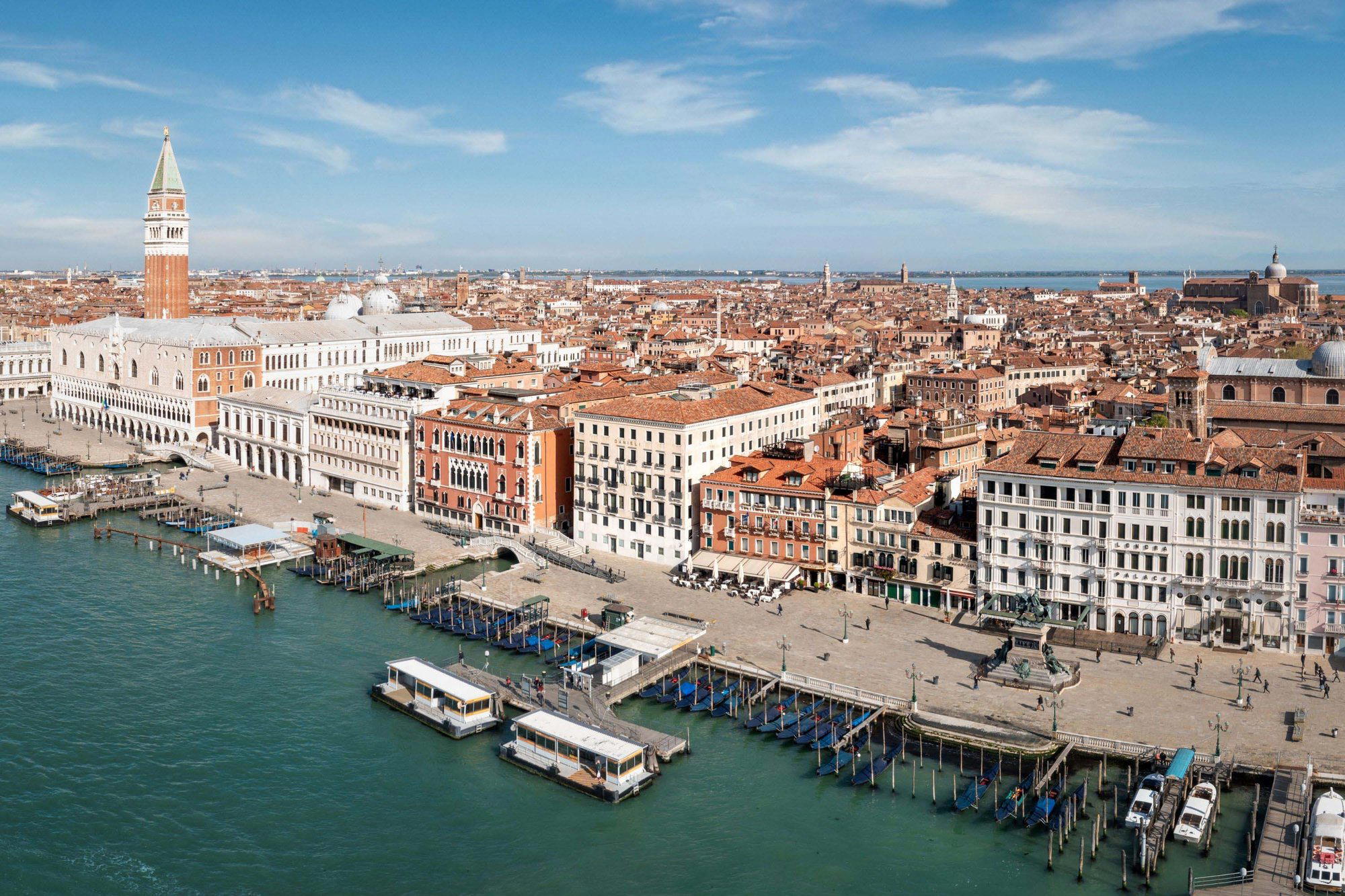
A small wooden bridge at the edge of the property connects Mazzorbo directly to Burano, the neighbouring island known for its lacemaking tradition and densely coloured houses. The walk across takes minutes and provides the most concentrated version of the lagoon's northern character: handcraft, colour, and an economy that long predates tourism in its current form. The award documentation notes this as a natural extension of a visit, and it frames the experience correctly. Arriving early enough to walk before a meal, or crossing to Burano afterward, turns what could be a single destination into a half-day in a part of Venice most visitors never reach. For those wanting to extend the stay, our full Mazzorbo hotels guide covers the accommodation options on the island.
Planning the Visit
Venissa operates at a €€€€ price point, the ceiling of Italian fine dining pricing, which reflects both the Michelin-starred tasting format and the logistical cost of running a serious kitchen on a small island. The surprise-course format means the commitment is to a number of courses rather than to specific dishes, and organic wine pairings are offered alongside. Next door, the Osteria Contemporanea runs on the same sourcing philosophy with simpler preparations and, by implication, a lower price threshold, a practical option for those who want the environment without the full tasting menu format.
Getting there from central Venice means catching a vaporetto on Line 12 from Fondamente Nove toward Burano, with a stop at Mazzorbo. The journey through the open lagoon is part of the experience's logic: the distance from San Marco is precisely what makes the island's quietness possible. Booking ahead is recommended given the small scale of the operation. For further context on what else the island and surrounding area offers, see our full Mazzorbo restaurants guide, our full Mazzorbo bars guide, our full Mazzorbo wineries guide, and our full Mazzorbo experiences guide.
For those building a broader itinerary around northern Italy's serious kitchens, Venissa pairs logically with Reale in Castel di Sangro, Piazza Duomo in Alba, or Atelier Moessmer Norbert Niederkofler in Brunico, all kitchens where a strong regional identity argument drives the creative direction, rather than a style or technique imported from elsewhere.
Comparable Spots, Quickly
| Venue | Cuisine | Awards |
|---|---|---|
| Atelier Moessmer Norbert Niederkofler | Italian, Creative | Michelin 3 Star |
| Dal Pescatore | Italian, Italian Contemporary | Michelin 3 Star |
| Enrico Bartolini | Creative | Michelin 3 Star |
Recognition history
Dated appearances from independent guides and award organizations, with the underlying list record or original source where available.
Falstaff Winery - Listed
Falstaff
Continue exploring
More in Mazzorbo
Wineries in Mazzorbo
All wineries in Mazzorbo →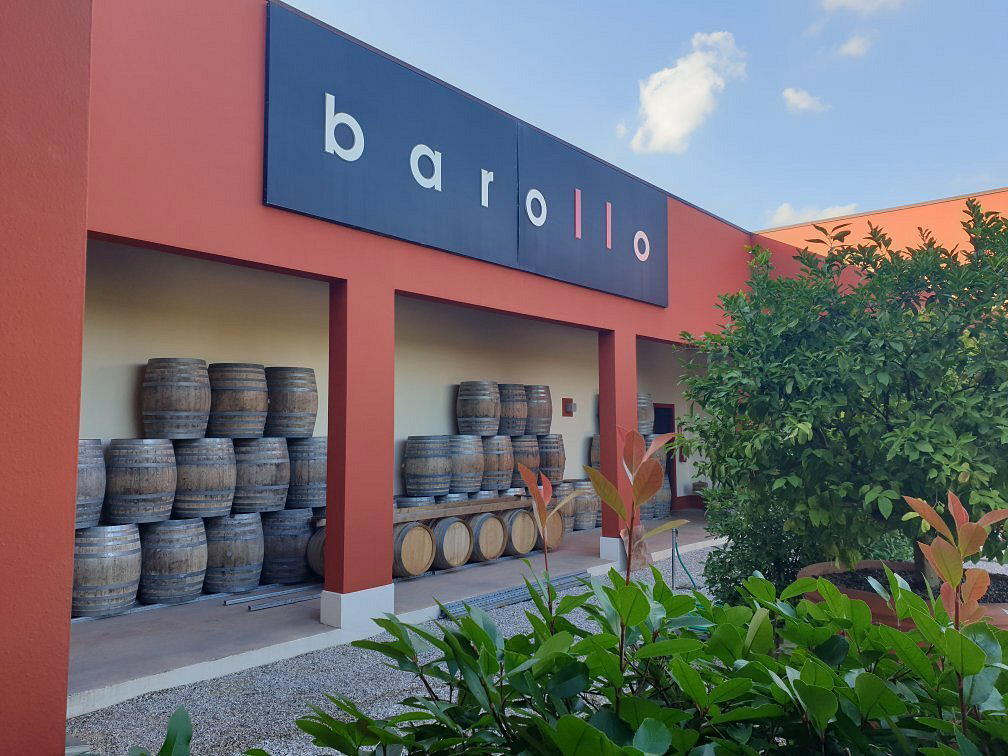
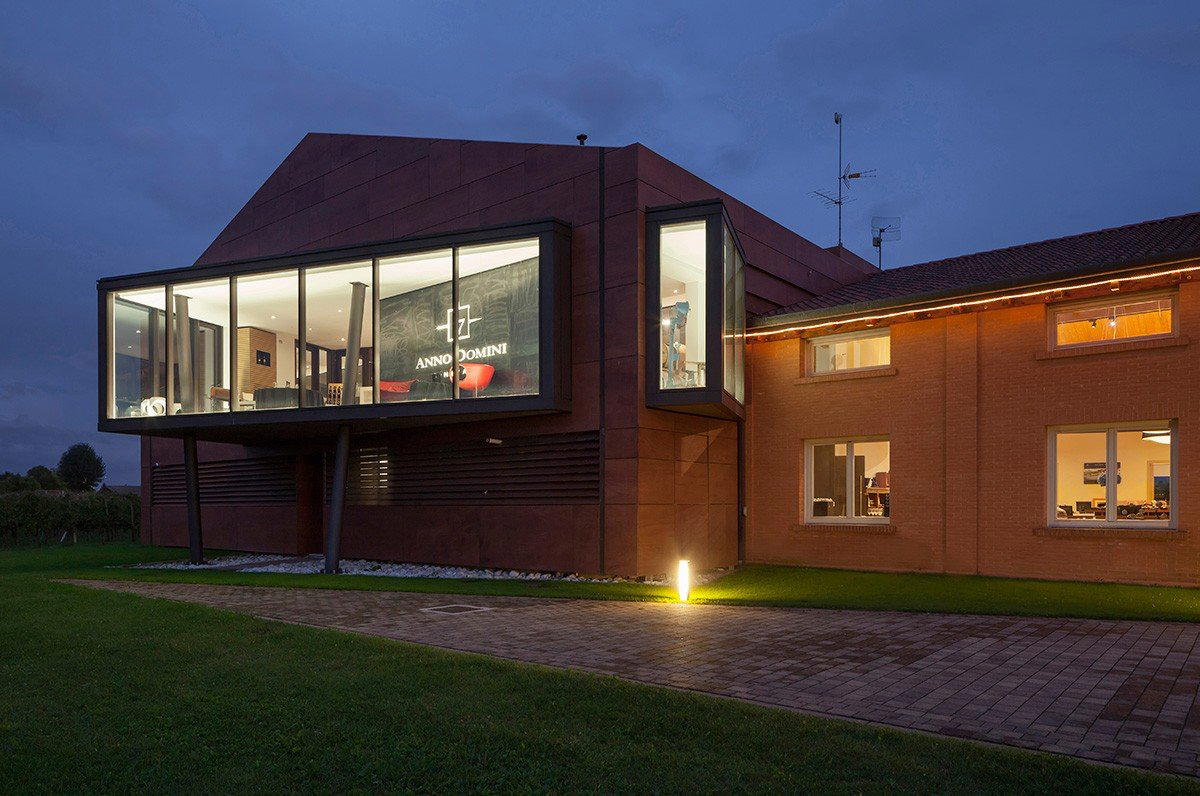
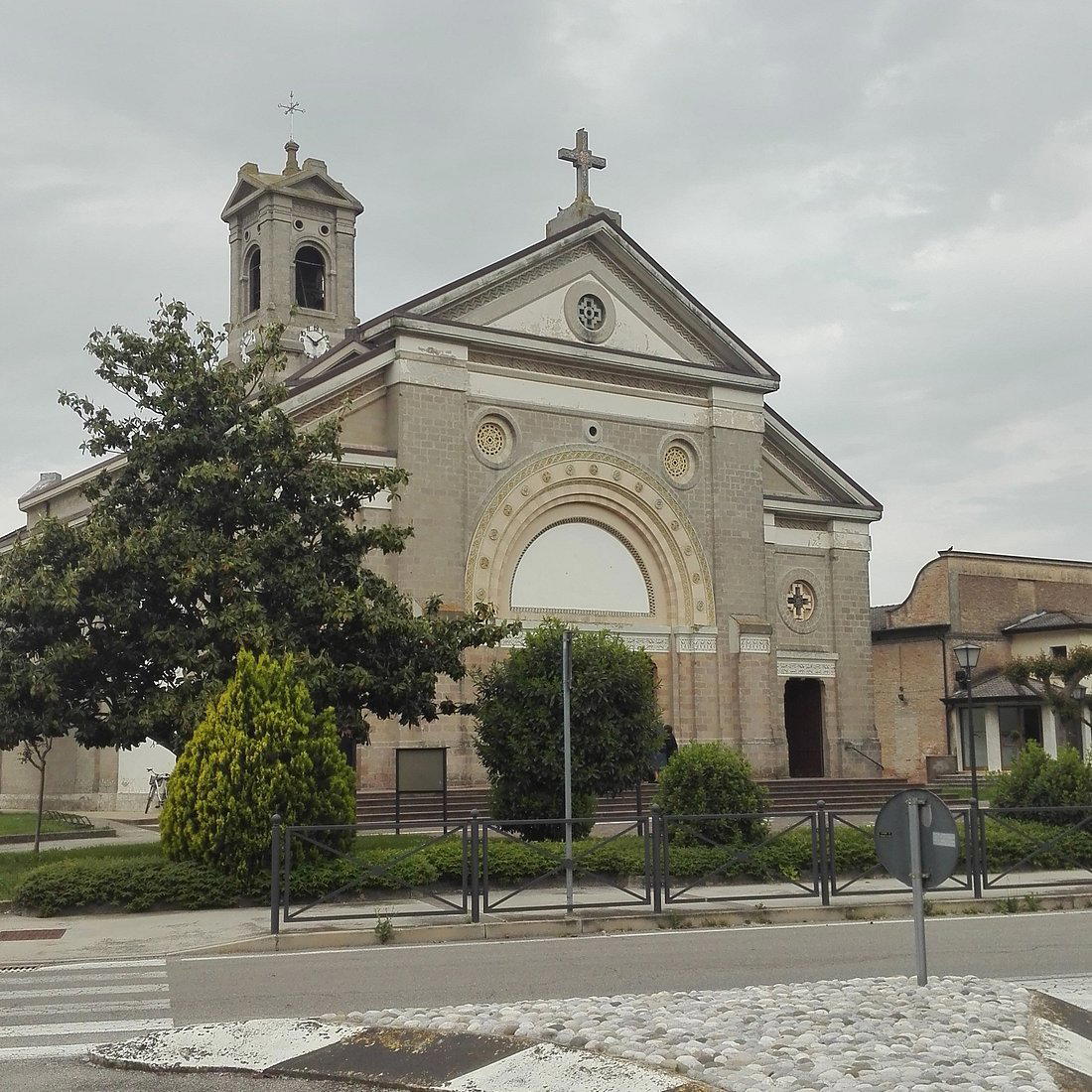
Bars in Mazzorbo
Browse all →
Details
- Romantic
- Elegant
- Scenic
- Sophisticated
- Intimate
- Date Night
- Special Occasion
- Garden
- Waterfront
- Historic Building
- Farm To Table
- Local Sourcing
- Zero Waste
- Sustainable Seafood
- Vineyard
- Garden
- Waterfront
Current opening hours
- Monday
- 12:30–1:45 PM, 7:30–8:45 PM
- Tuesday
- Closed
- Wednesday
- Closed
- Thursday
- 12:30–1:45 PM, 7:30–8:45 PM
- Friday
- 12:30–1:45 PM, 7:30–8:45 PM
- Saturday
- 12:30–1:45 PM, 7:30–8:45 PM
- Sunday
- 12:30–1:45 PM, 7:30–8:45 PM
Hours can change for holidays and private events. Last verified .
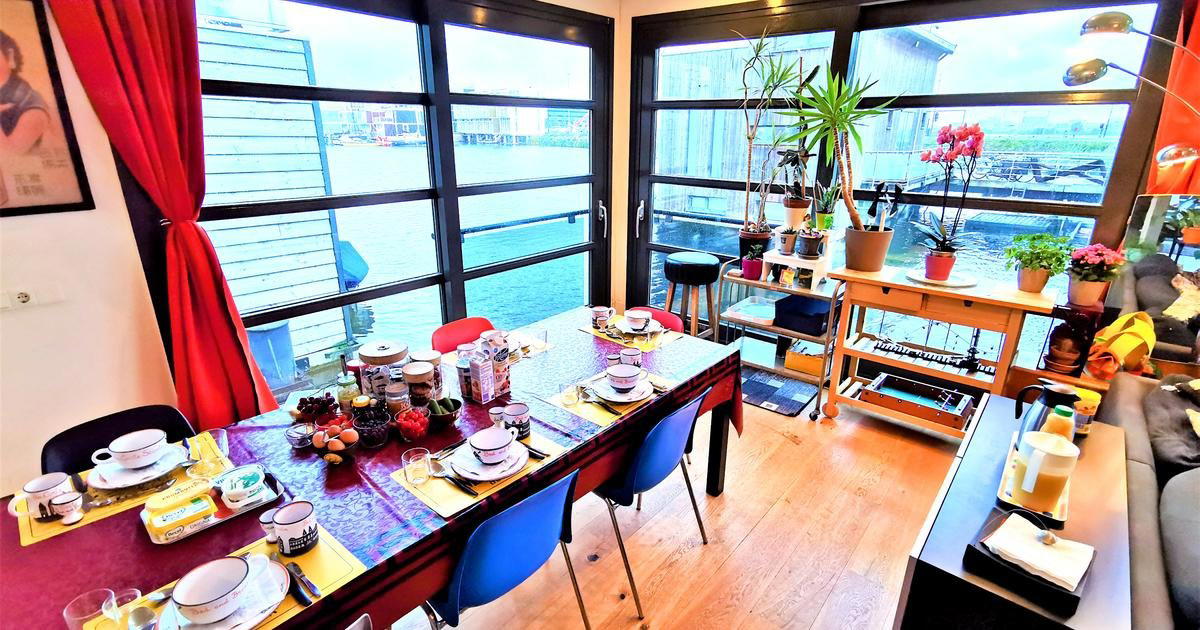
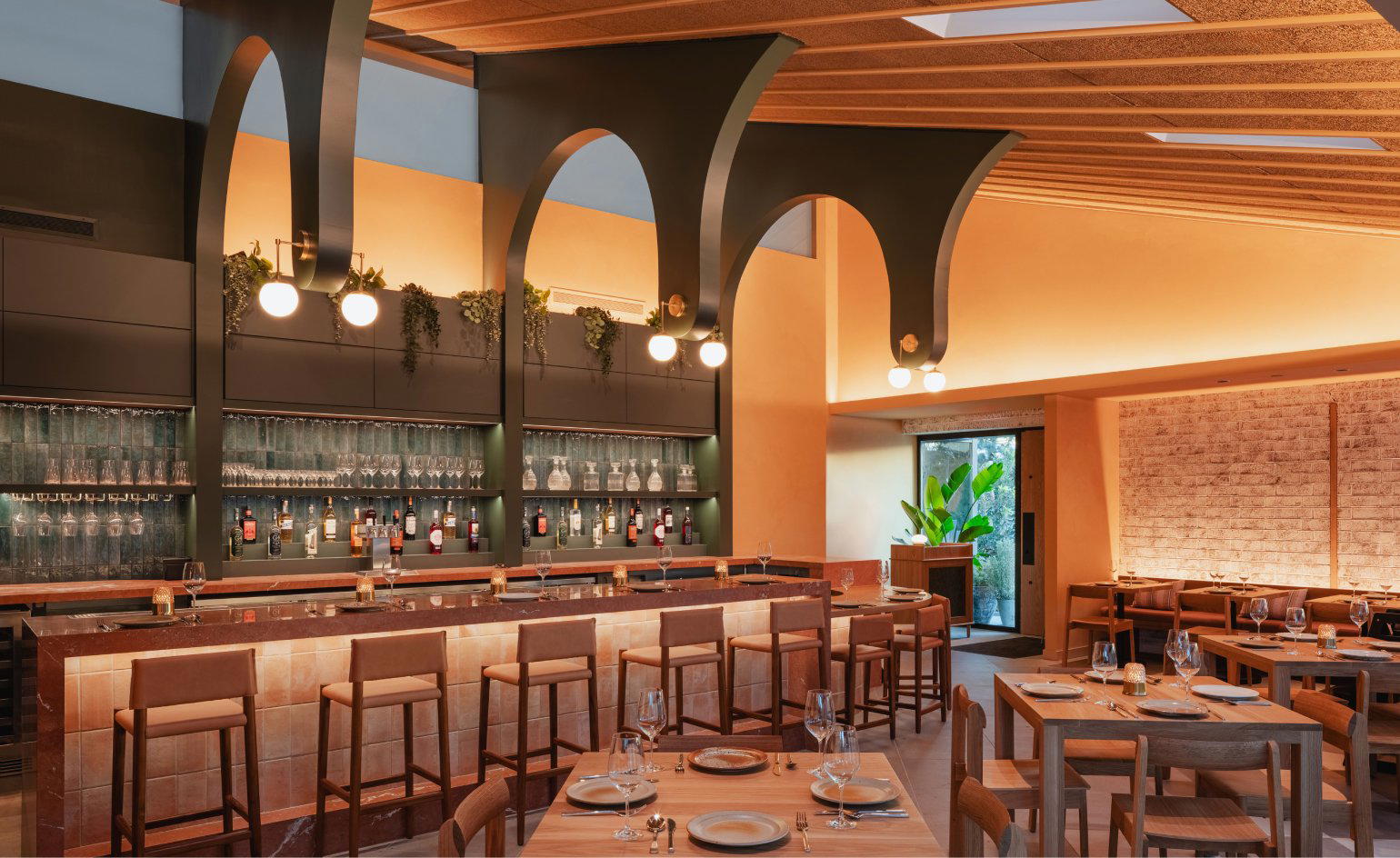
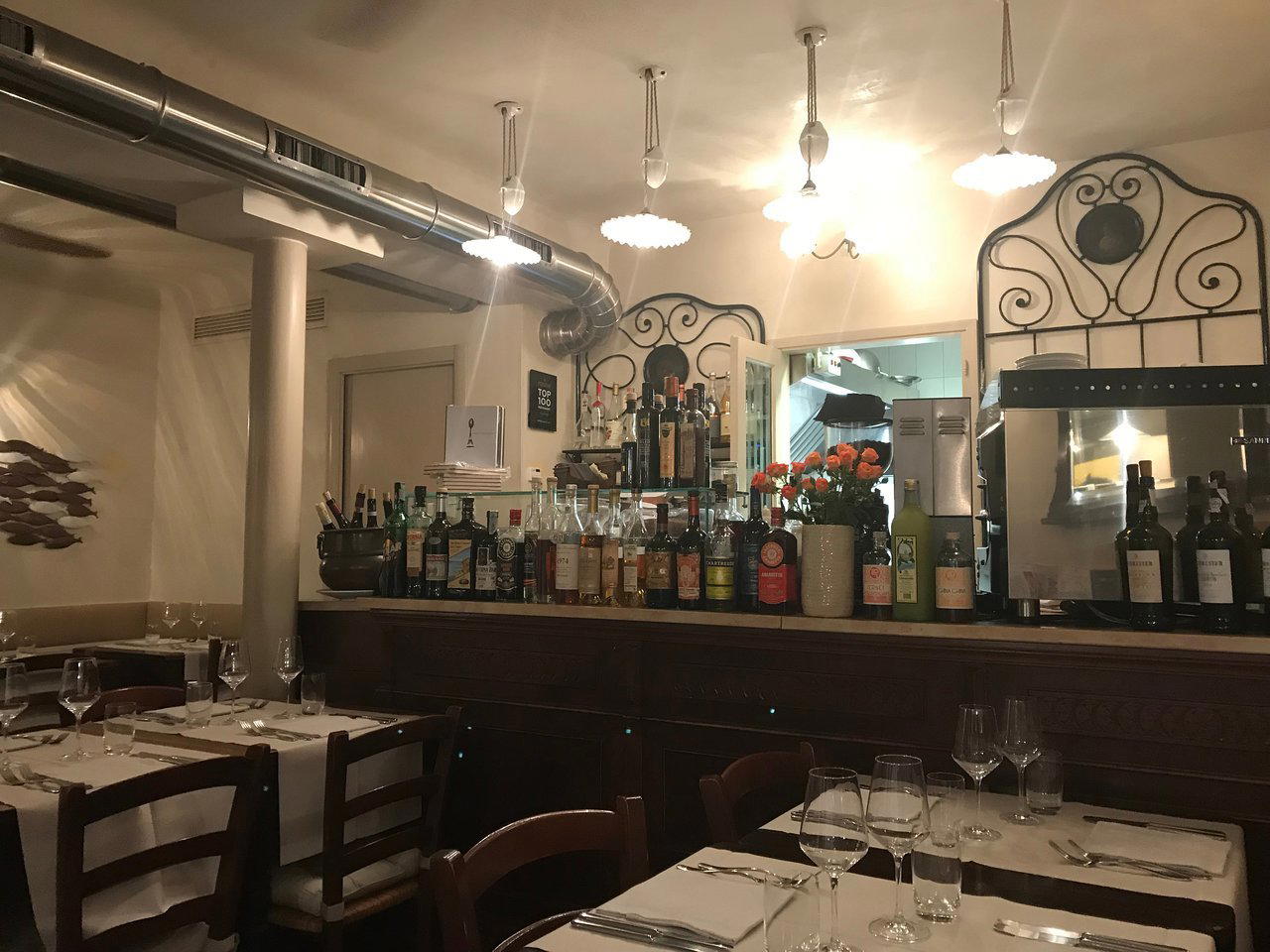
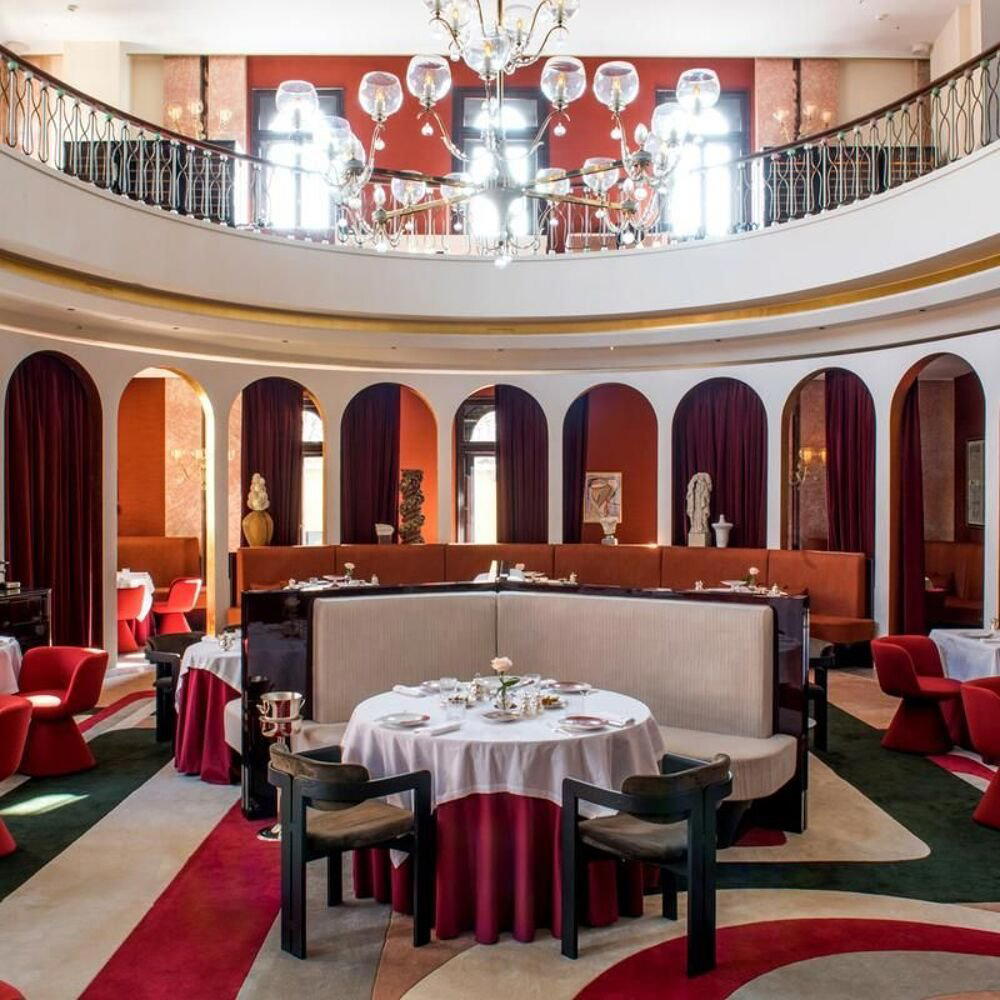
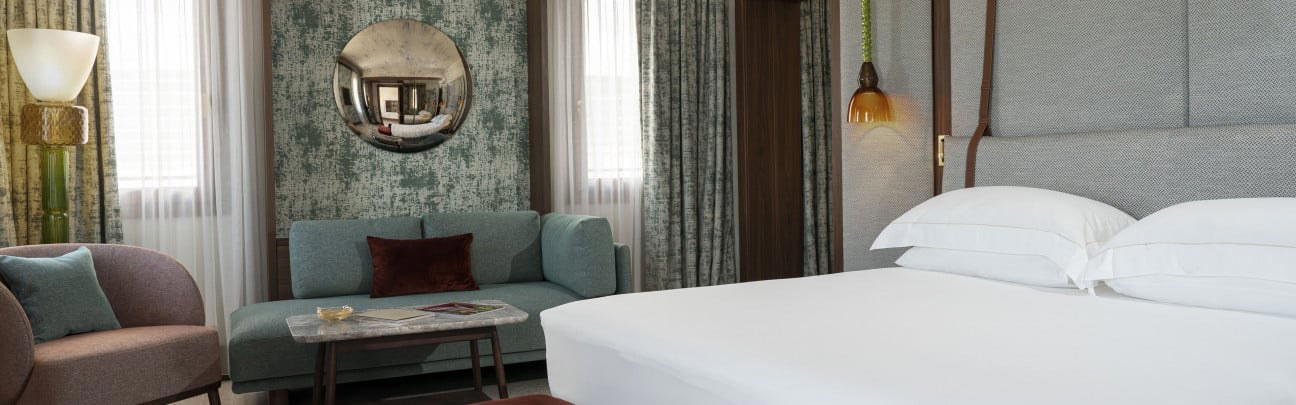
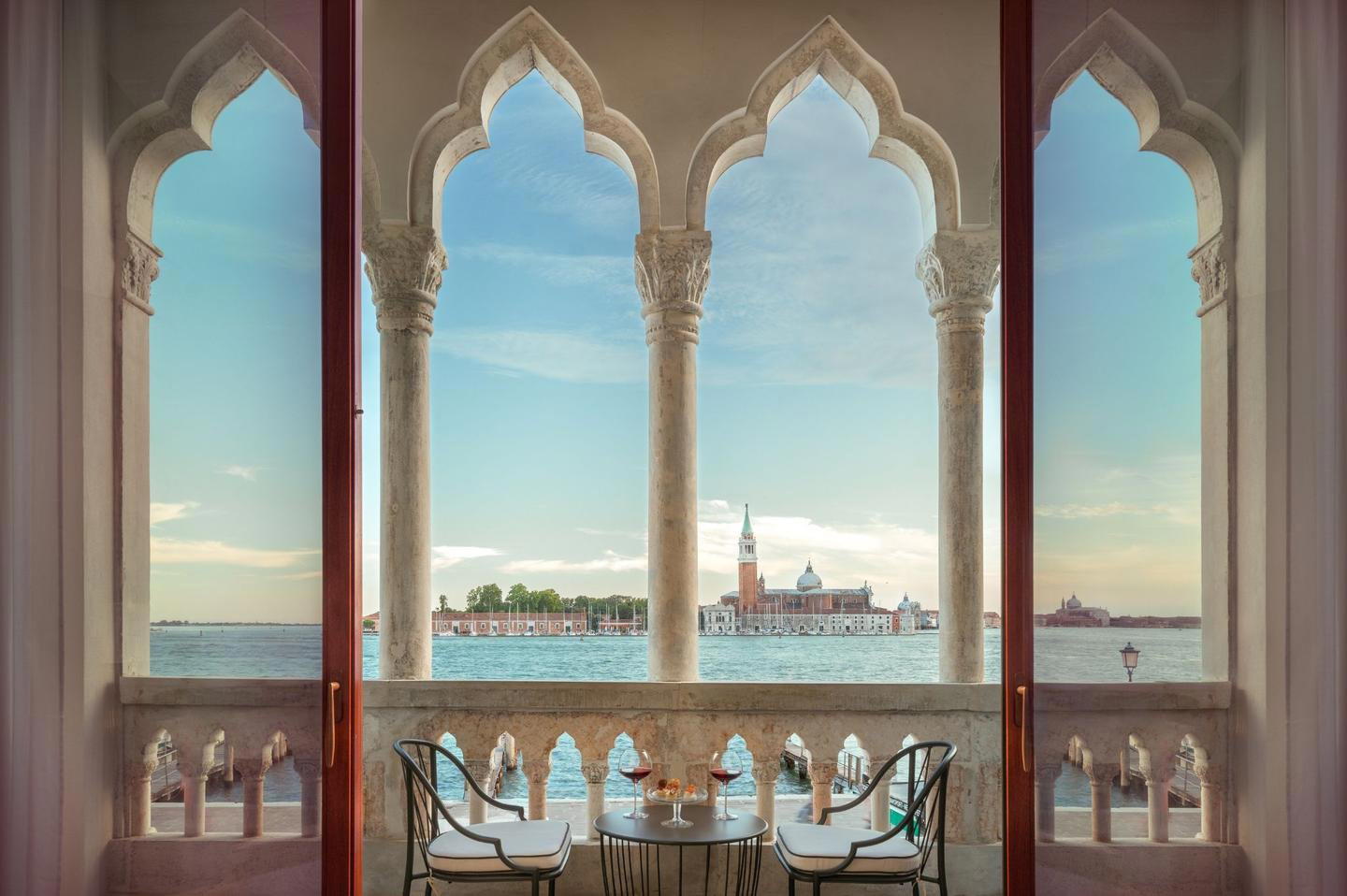
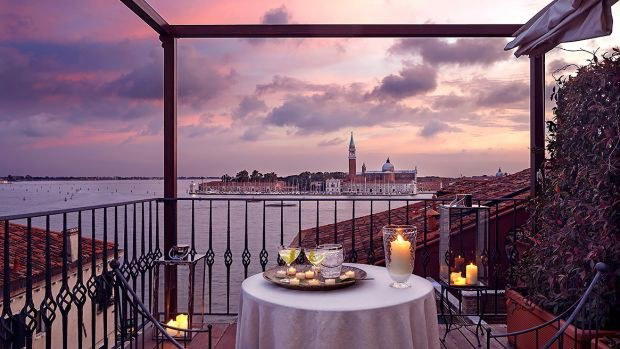
Soft lighting highlighting dishes in a cozy, elegant space with a relaxing, serene atmosphere amid lush gardens and vineyard views.