Our verdict
With sparse public data available, the venue remains one of the East Flemish addresses worth watching as the region builds a more coherent dining identity beyond its celebrated neighbours.

Pearl is the En Primeur Club membership app — saves, bookings, and concierge access live there. Same editors, same standards.
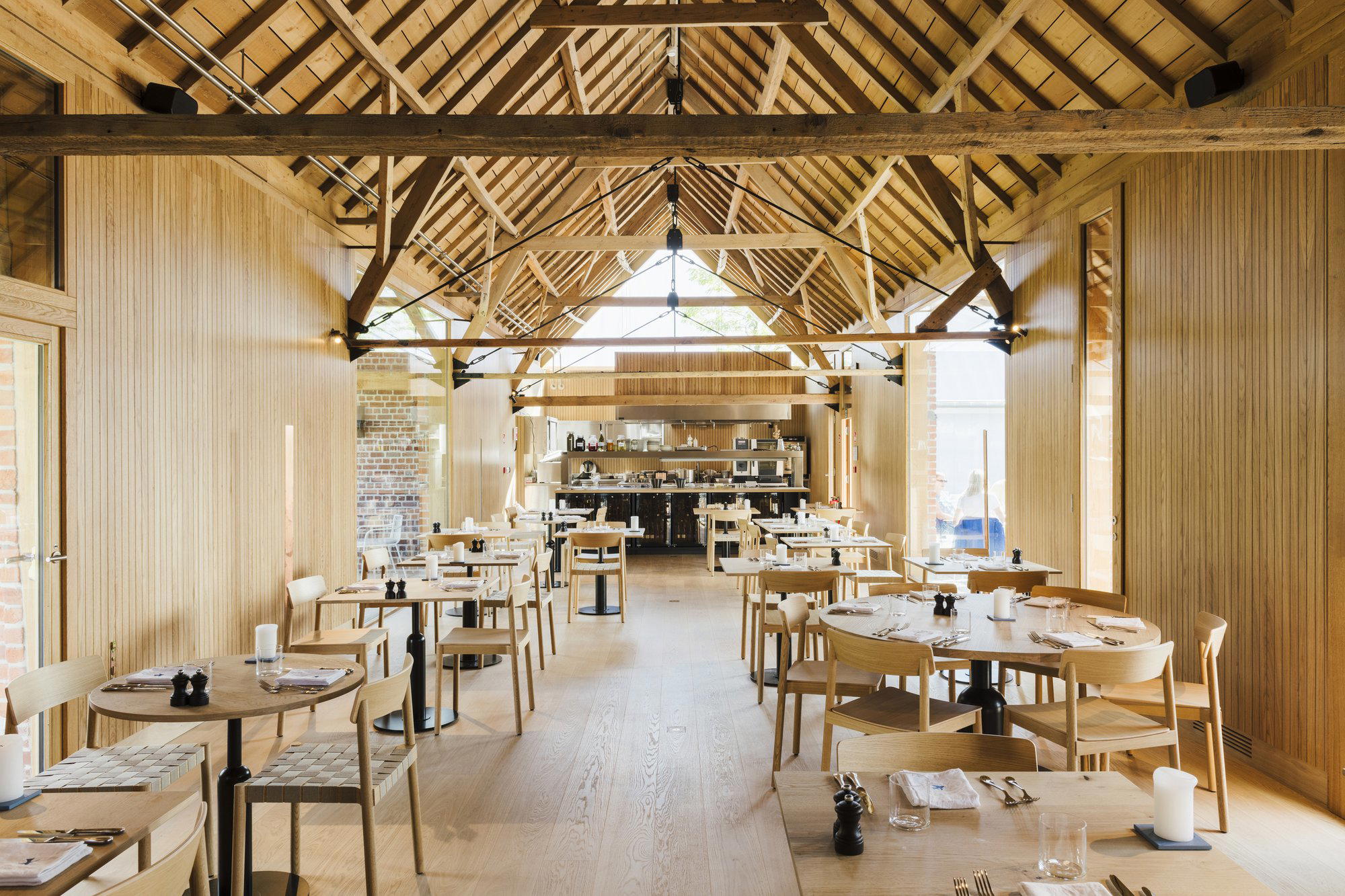
Canal-Town Dining and the East Flemish Interior
The stretch of Flanders between Ghent and the Zeeland border has long operated in the shadow of the city it feeds. Restaurants that take root here tend to serve a local constituency first and visiting diners second, which is either a mark against them or the most honest possible credential, depending on what you are looking for.enprimeurclub. Its proximity to Ghent means that diners with a car and an hour to spare can reach the broader Flemish fine-dining circuit without difficulty. That accessibility cuts both ways: it keeps the most ambitious kitchens concentrated in larger centres, but it also allows neighbourhood restaurants to operate with a degree of freedom that Ghent's more scrutinised addresses cannot afford. The area sits within reach of North Sea fishing ports, Ghent's wholesale markets, and a belt of small-scale vegetable and livestock farms that have supplied the city's kitchens for centuries. This geography matters when thinking about ingredient sourcing at any restaurant operating in the region, because the supply infrastructure is there for kitchens that choose to use it.
Restaurants that draw on this supply network, whether at the fine-dining tier of addresses like Hof van Cleve in Kruishoutem or at more accessible neighbourhood level, share a common claim to short-chain ingredients. The difference lies in what a kitchen does with that access. At the starred end of the Flemish spectrum, represented by operations such as Boury in Roeselare and De Jonkman in Sint-Kruis, sourcing is documented, narrated on the menu, and treated as a primary editorial statement. At the local level, the same ingredients may arrive without annotation, prepared according to practical Flemish cooking logic rather than tasting-menu theatre.
Positioning in the Regional Dining Map
The East Flemish dining scene divides fairly cleanly into two tiers when viewed from outside. The first tier, anchored in Ghent and its immediately recognised satellite towns, operates in a competitive European context. Those addresses trade awards, press attention, and international reservation traffic. The second tier consists of neighbourhood and town restaurants that serve their communities and, occasionally, draw curious visitors who have done enough research to look beyond the obvious stops. That is not a diminishment: the local tier in Flanders operates within a food culture that takes eating seriously at every price point. Belgian diners, even outside the starred circuit, expect product quality and kitchen competence as baseline assumptions. A Flemish town restaurant that does not meet those expectations does not typically survive its first few years.
For comparison, the ambition ceiling in this broader region is not low. Zilte in Antwerp, Castor in Beveren, and Willem Hiele in Oudenburg each represent how far a committed kitchen in a secondary Belgian location can reach when the sourcing, the format, and the cooking align. None of those addresses began with obvious advantages of location or profile. They built recognition through consistency and a clear relationship to place. Canal-adjacent addresses in Flemish towns tend to carry a specific atmosphere: working infrastructure, flat light off the water, an absence of the tourist-facing polish that characterises Ghent's historic centre. Eating or drinking near a working canal in this part of Flanders is a genuinely local experience, tied to the town's function rather than its presentation. That specificity is either part of the appeal or beside the point, depending on what a visitor is seeking.
The Belgian dining addresses that have successfully built destination status from non-obvious locations, including L'air du Temps in Liernu, Nuance in Duffel, and Maison Colette in Tongerlo, have all turned their remove from major centres into a coherent part of their identity. Whether Hopspot operates within that logic or functions as a straightforwardly local address is something that the available public record does not resolve. Visitors should go in without fixed expectations beyond what the setting implies: a canal-town room, a Flemish food culture that takes its produce seriously, and a degree of local character that more visible addresses cannot easily replicate. For diners based in Ghent, the canal-town address makes Hopspot a viable detour rather than a primary destination commitment. Those combining it with other regional stops might note that Bozar Restaurant in Brussels, Le Chalet de la Forêt in Uccle, and La Durée in Izegem represent the kind of regional Belgian dining that rewards a planned itinerary across multiple stops. For context on how Belgian kitchens perform at the international level, Le Bernardin in New York City and Atomix in New York City illustrate how ingredient discipline and format clarity travel across different culinary traditions. Additional options in the area are covered in Bartholomeus in Heist, d'Eugénie à Emilie in Baudour, and La Table de Maxime in Our for those mapping a wider East Flemish route.
Frequently asked questions
Does Hopspot work for a family meal?
Evergem is a town-scale community rather than a tourist destination, which typically means venues here serve a local, mixed-age clientele rather than a narrow demographic. If you are planning around children or specific accessibility needs, contacting the venue directly before visiting is the practical move.
What should I expect atmosphere-wise at Hopspot?
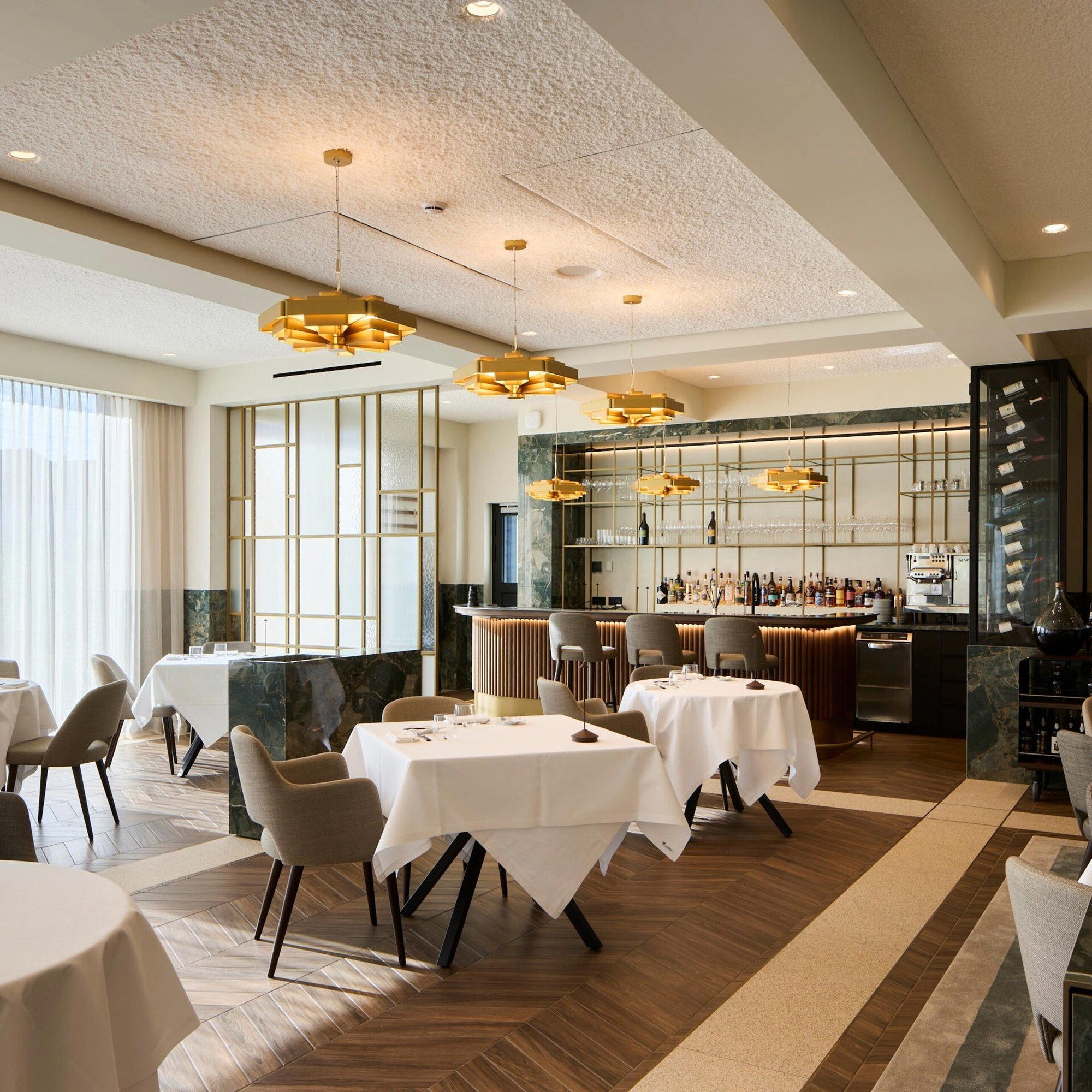
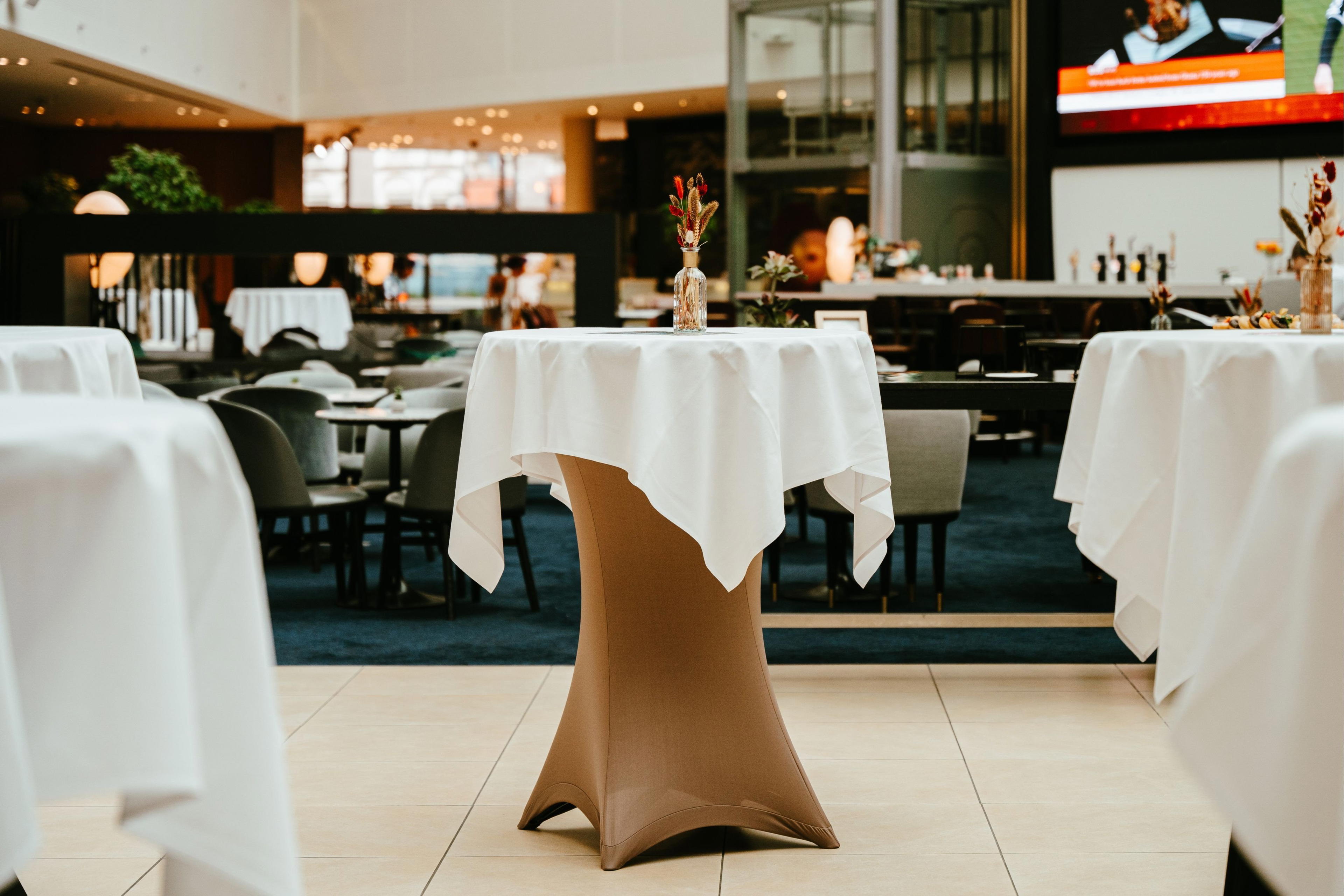
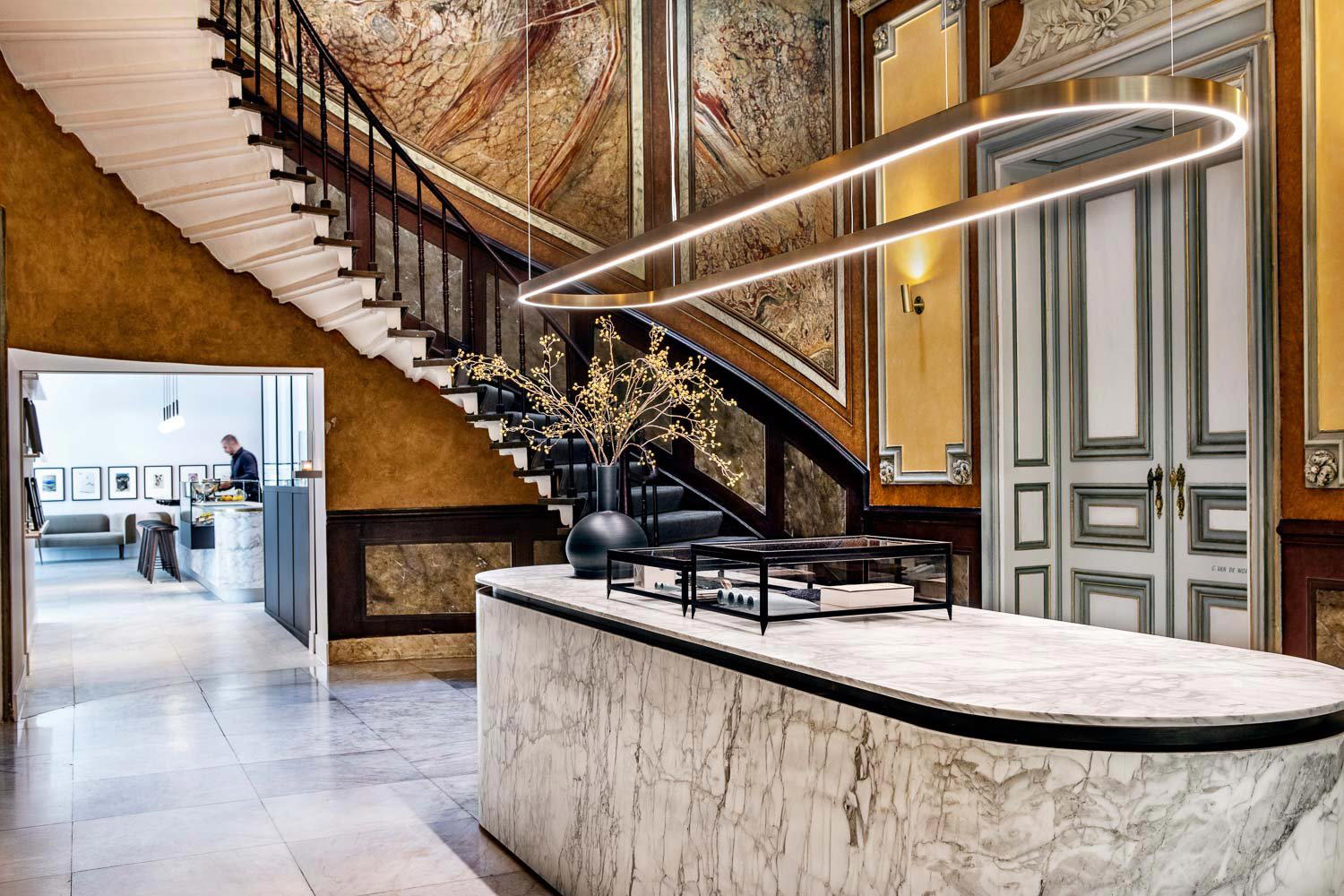
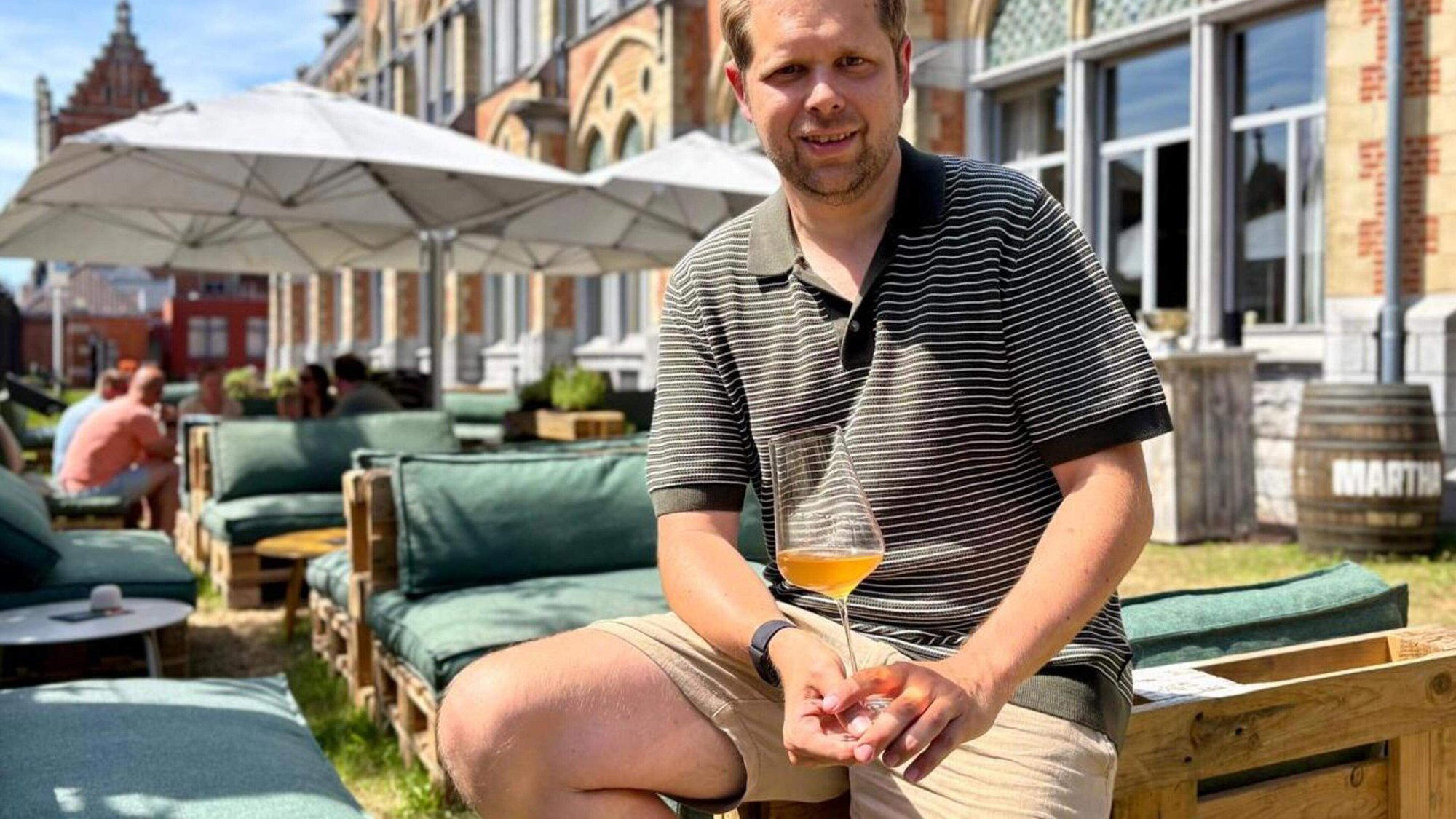
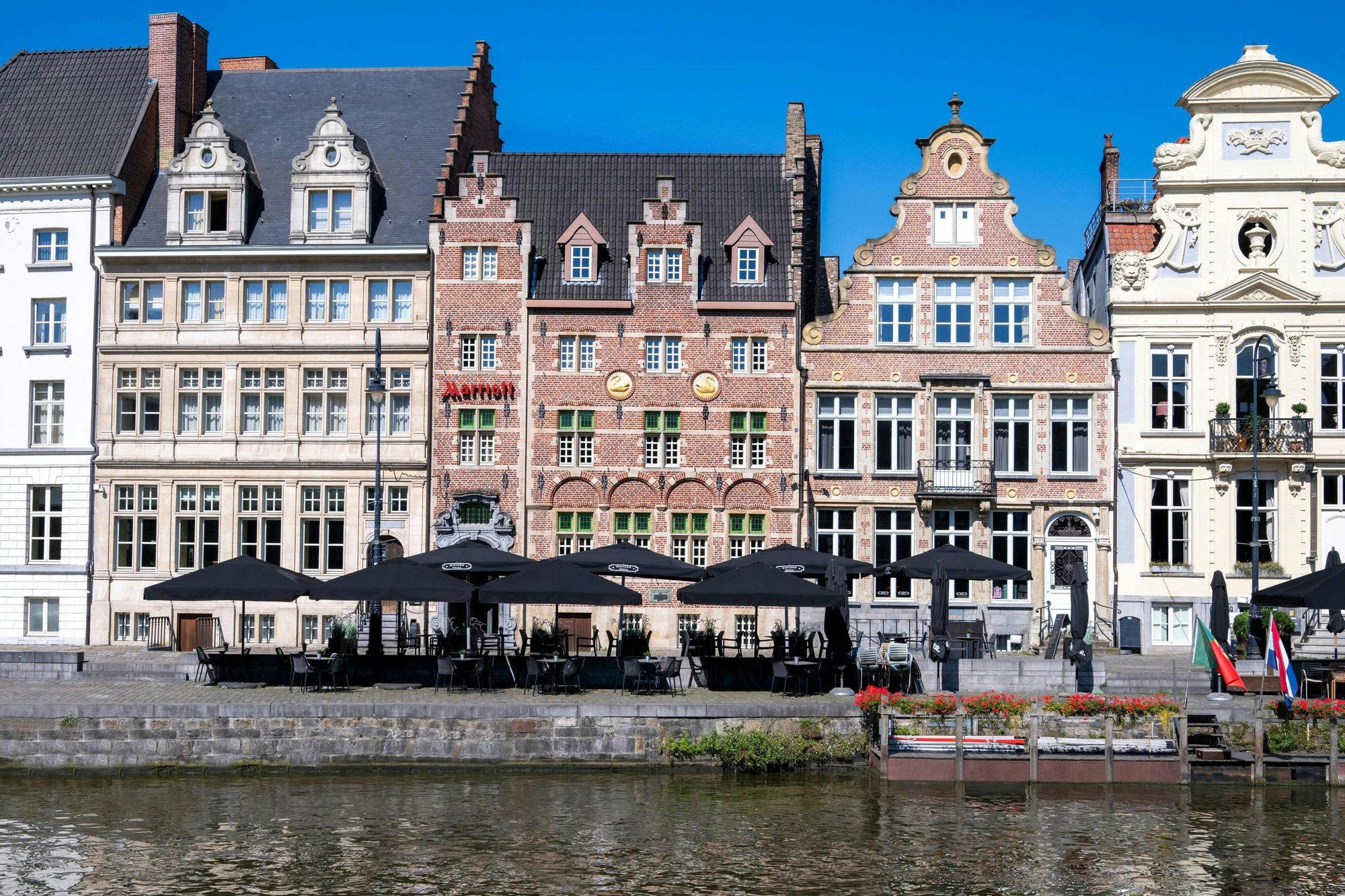
The address on Vaartstraat-West places Hopspot alongside the canal infrastructure connecting Evergem to the broader Ghent waterway system. Canal-adjacent addresses in this part of East Flanders tend to produce a working-town character rather than polished destination rooms. Expect something closer to a local neighbourhood spot than a Ghent city-centre dining experience.
Is Hopspot a good restaurant to visit if you are based in Ghent for the day?
Evergem sits approximately eight kilometres north of Ghent's centre, reachable by car on the N9 or via local transit connections from Ghent. That distance makes it a short detour rather than a committed cross-country trip. Whether Hopspot alone justifies the journey depends on your expectations — it operates in a town-scale setting, not as a marquee destination address with documented awards or a named chef profile.
What's the best thing to order at Hopspot?
The broader East Flemish canal-belt tradition leans on polder agriculture and proximity to the Ghent wholesale infrastructure, which historically means locally sourced produce features in regional kitchens of this area. Asking staff on arrival what is freshest or seasonal is the reliable approach here.
Side-by-Side Snapshot
Comparable venues nearby, for context on price, style, and recognition.
| Venue | Cuisine | Price | Awards | Notes |
|---|---|---|---|---|
| HopspotThis venue — the venue you are viewing | Belgian Beer-Infused Brasserie | Not listed | Not listed | Not listed |
| Brasserie de la Gare | Traditional Belgian Brasserie | $20–30 | Michelin Plate | Berchem-Sainte-Agathe |
| Chalet Robinson | Traditional Belgian Brasserie | $30–50 | Not listed | Boendael |
| Poincaré | Modern Belgian Bistro | $30–50 | Not listed | Wenduine |
| Bouillon | Traditional Belgian Brasserie | $30–50 | Not listed | Pl. de Brouckere |
| Marron | Modern Belgian Bistro | $50–100 | Not listed | Olsene |
Continue exploring
More in Evergem
Restaurants in Evergem
All restaurants in Evergem →
Details
- Cozy
- Rustic
- Casual Hangout
- Group Dining
- Open Kitchen
- Private Dining
- Beer Program
- Local Sourcing
- A La Carte
- Beer Program
- Vegetarian Friendly
- Gluten Free Options
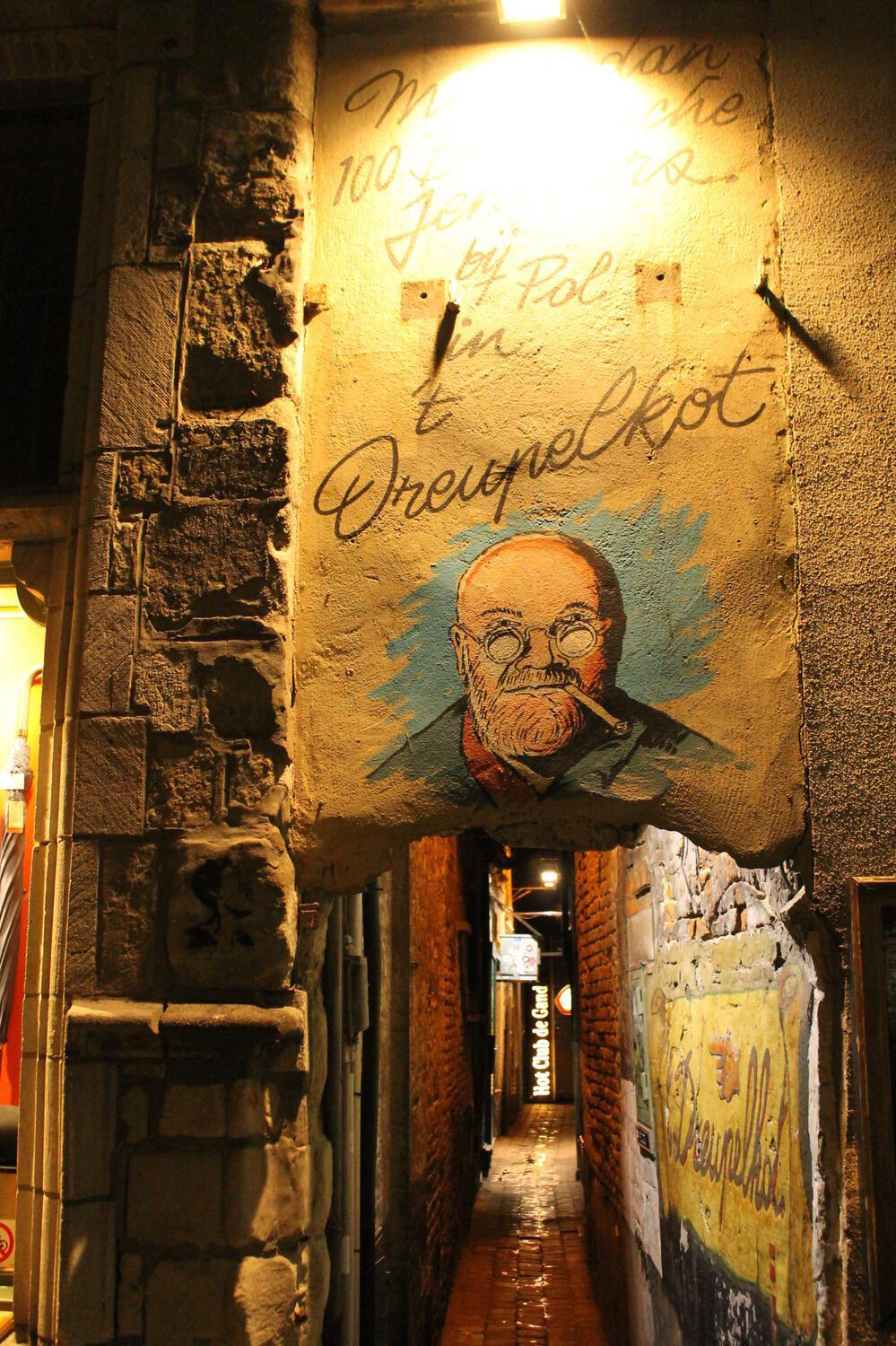
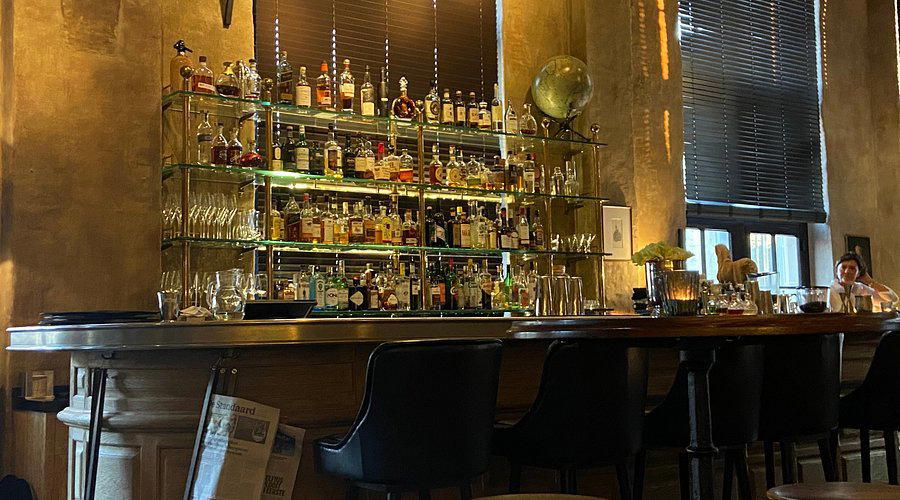
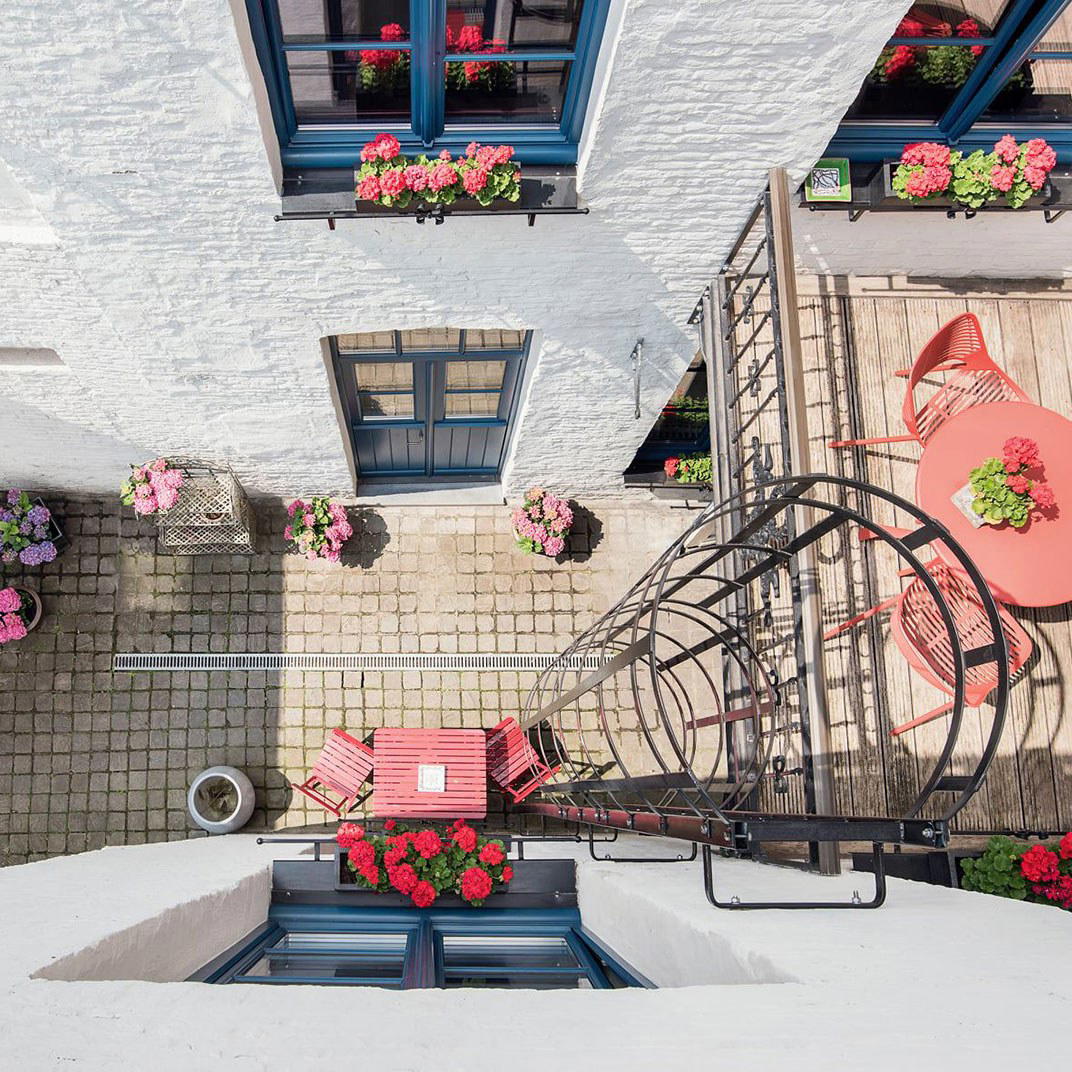
Cozy and rustic atmosphere in a historic 200-year-old farmhouse setting with a lively brasserie feel.