Poincaré serves Modern Belgian Bistro cooking with local sourcing and shrimp croquettes, in a quiet, casual standalone format that suits lunch or dinner.
Pearl is the En Primeur Club membership app — saves, bookings, and concierge access live there. Same editors, same standards.
- Address
- Delacenseriestraat 21, 8420 De Haan, Belgium
- Phone
- +3250423278
- Website
- poincare-eetboetiek.be
- Directions
- Get directions
 Saves & bookings on Pearl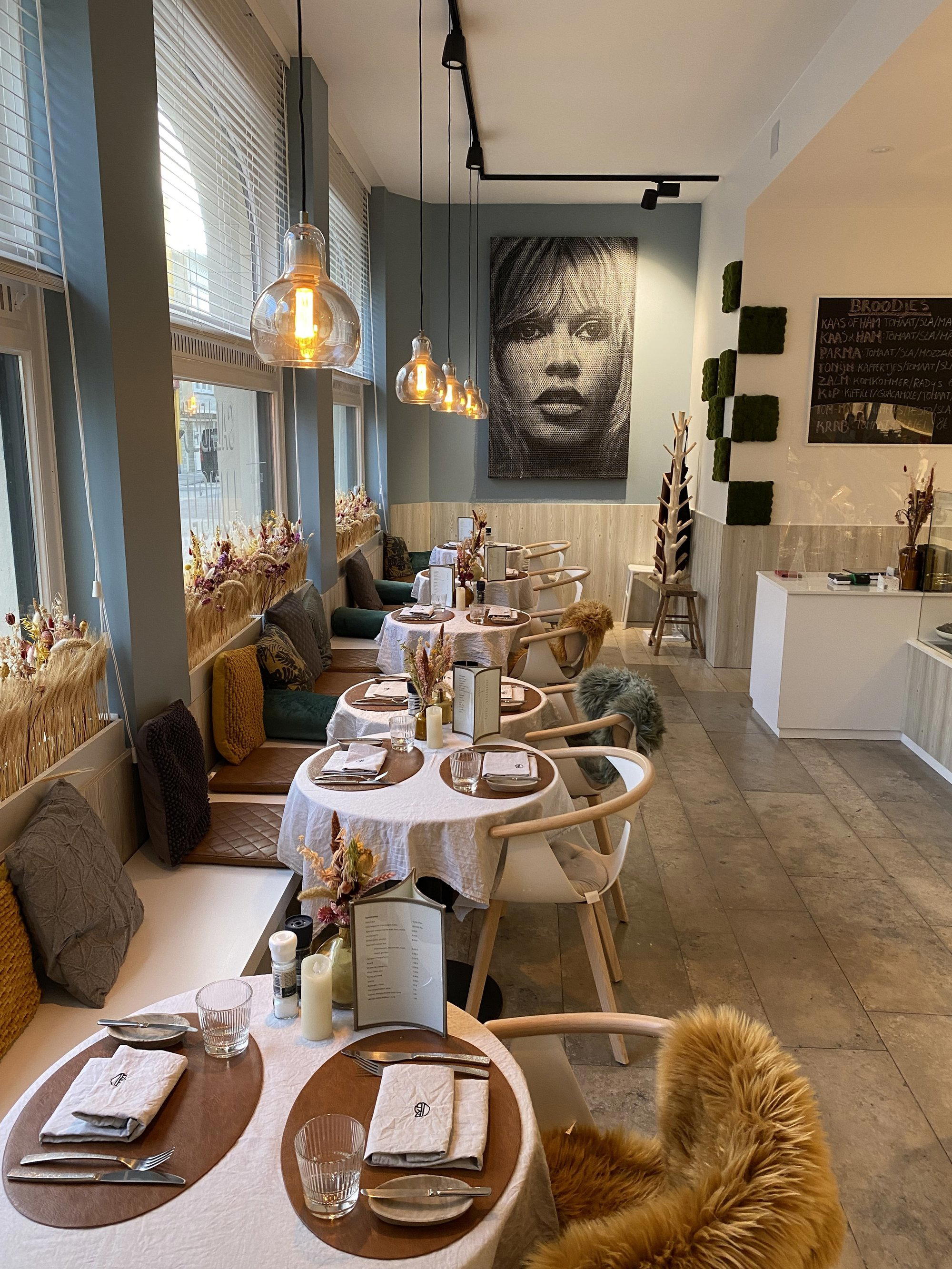
De Haan's Dining Scene and Where Poincaré Sits Within It
De Haan occupies an unusual position on the Belgian coast. While Knokke-le-Zoute pulls the highest-spending weekend crowd and Ostend carries the weight of a working port city with a correspondingly dense restaurant culture, De Haan has historically positioned itself as a quieter, more residential alternative. The town's Belle Époque architecture and relative lack of commercial sprawl have made it a draw for a particular kind of traveller: one who prefers a slower pace along the dunes over a promenade lined with tourist-facing brasseries. That context matters when reading the local restaurant scene. Dining here operates at a different register than the coast's more prominent centres, with venues largely serving a local and returning-visitor clientele rather than a rotating weekend influx.
Poincaré, addressed at Delacenseriestraat 21 in De Haan, sits inside this quieter coastal framework. The street name itself nods to the town's architectural heritage, a detail that recurs in De Haan's identity at almost every turn. Arriving along streets lined with early-twentieth-century villas, the physical approach sets an expectation of considered surroundings rather than high-street visibility. For Belgian coastal dining at this level of remove from the major centres, that kind of setting tends to correlate with a certain kind of cooking: produce-led, relatively unshowy in presentation, and calibrated to a local rather than destination audience.
The Belgian Coastal Kitchen: Cultural Roots and What They Produce
Belgian coastal cuisine draws on a tradition that is among the more ingredient-focused in northern Europe, though it rarely receives the international attention of its French or Dutch neighbours. The North Sea shelf produces grey shrimp, sole, turbot, and razor clams in quantities that have shaped a coastal kitchen defined by simplicity of treatment and seriousness about sourcing. The grey shrimp of the Belgian coast, hand-caught by horseback fishermen in the shallow surf between De Panne and Oostduinkerke, represent one of the more recognisable cultural food markers in Flemish culinary life. Bisques, croquettes, and simple shrimp preparations appear as near-universal reference points across coastal menus from De Panne to Knokke.
This culinary tradition intersects with Belgium's broader fine-dining culture, which has produced a significant concentration of Michelin-recognised tables relative to the country's size. Operations like Hof van Cleve in Kruishoutem, Boury in Roeselare, and Zilte in Antwerp sit at the upper end of that recognition spectrum, but the culture that sustains them extends well beyond the starred tier. Coastal Flanders in particular has developed a mid-tier and upper-mid-tier restaurant circuit, anchored by produce sourced at close range, that functions largely independently of capital-city trends. Willem Hiele in Oudenburg and Bartholomeus in Heist are examples of coastal Flemish restaurants that have drawn significant recognition precisely by leaning into the specificity of their immediate geography rather than attempting to compete with Brussels or Antwerp on their own terms.
De Haan's own restaurant offer has historically been thinner than those of neighbouring coastal towns. Venues like Casanova, L'Espérance, Markt XI, and Yelo represent the range currently available in the town, with Markt XI operating at the €€€ bracket in modern cuisine.
Poincaré in Context: Format and Setting
Poincaré is a Modern Belgian Bistro in De Haan, with a price around $35 per person. What the address and physical context suggest is a dining room calibrated to the town's residential character rather than a tourist-facing operation. De Haan's dining rooms of this type tend to operate at the upper end of local pricing, serving a clientele that returns seasonally and expects the menu to reflect what the coast is producing at the time of their visit. That is a different operating model than the all-year, destination-dining format found at Bozar Restaurant in Brussels or the sustained acclaim pursued by operations like De Jonkman in Sint-Kruis or L'air du temps in Liernu.
The name Poincaré is worth noting as a cultural signal. The address on Delacenseriestraat connects the venue to De Haan's Belle Époque naming conventions, which the town has maintained as part of its architectural identity. That level of cultural attentiveness in naming and location tends to correlate with a dining format that takes its context seriously.
How De Haan Compares as a Dining Destination
Belgian coastal dining has attracted growing interest from outside the country's borders, partly on the strength of international recognition for operations further inland and partly because the coast itself has become a more visible subject in European food writing. The question for any De Haan restaurant is whether it is positioned to capture visiting diners or whether it functions primarily as a local institution. Given the town's demographics and the relatively limited number of hotel beds relative to private villa stays, most De Haan restaurants operate in the latter mode: known to regular visitors, less visible to passing trade.
That dynamic is not a limitation for a venue that operates well within it. Restaurants like Castor in Beveren, d'Eugénie à Emilie in Baudour, and La Durée in Izegem demonstrate that serious cooking in smaller Belgian towns sustains itself on repeat custom and regional reputation rather than destination-diner volume. At the international end of the spectrum, the contrast with operations like Le Bernardin in New York City or Atomix in New York City illustrates how differently a coastal Belgian table calibrates its ambitions and its audience.
Planning a Visit
De Haan is accessible by coastal tram from Ostend, the nearest major rail hub, making it reachable without a car for visitors staying on the coast. The town's quieter character means that restaurant bookings during peak summer weekends and Belgian school holidays carry more urgency than the low-key setting might suggest, as local demand concentrates into a short seasonal window. Visiting in shoulder season, from late April through June or in September, offers a more comfortable experience of both the town and its tables.
Price and Positioning
Comparable venues nearby, for context on price, style, and recognition.
| Venue | Cuisine | Price | Awards | Notes |
|---|---|---|---|---|
| PoincaréThis venue — the venue you are viewing | Wenduine, Modern Belgian Bistro | $$ | Not listed | Not listed |
| Casanova | Not listed | $$ | Not listed | De Haan, Belgian Seafood with Southern Touch |
| Yelo | Not listed | $$$ | Not listed | Wenduine, Seasonal North Sea Seafood Fine Dining |
| Markt XI | Klemskerke, Modern Belgian Fine Dining | $$$$ | Michelin Plate | Not listed |
| L'Espérance | Not listed | $$$$ | Not listed | De Haan, Refined French-Belgian Seasonal Tasting Menu |
| Bistro Den Amand | Old Town Bruges, Seasonal Belgian Bistro | $$ | Not listed | Not listed |
At a Glance
- Cozy
- Charming
- Romantic
- Date Night
- Standalone
- Local Sourcing
Current opening hours
- Monday
- Closed
- Tuesday
- Closed
- Wednesday
- 9:30 AM–3 PM
- Thursday
- 9:30 AM–3 PM
- Friday
- 9:30 AM–3 PM, 5–6:30 PM
- Saturday
- 9:30 AM–3 PM, 5–6:30 PM
- Sunday
- 8:30 AM–3 PM
Hours can change for holidays and private events. Last verified .
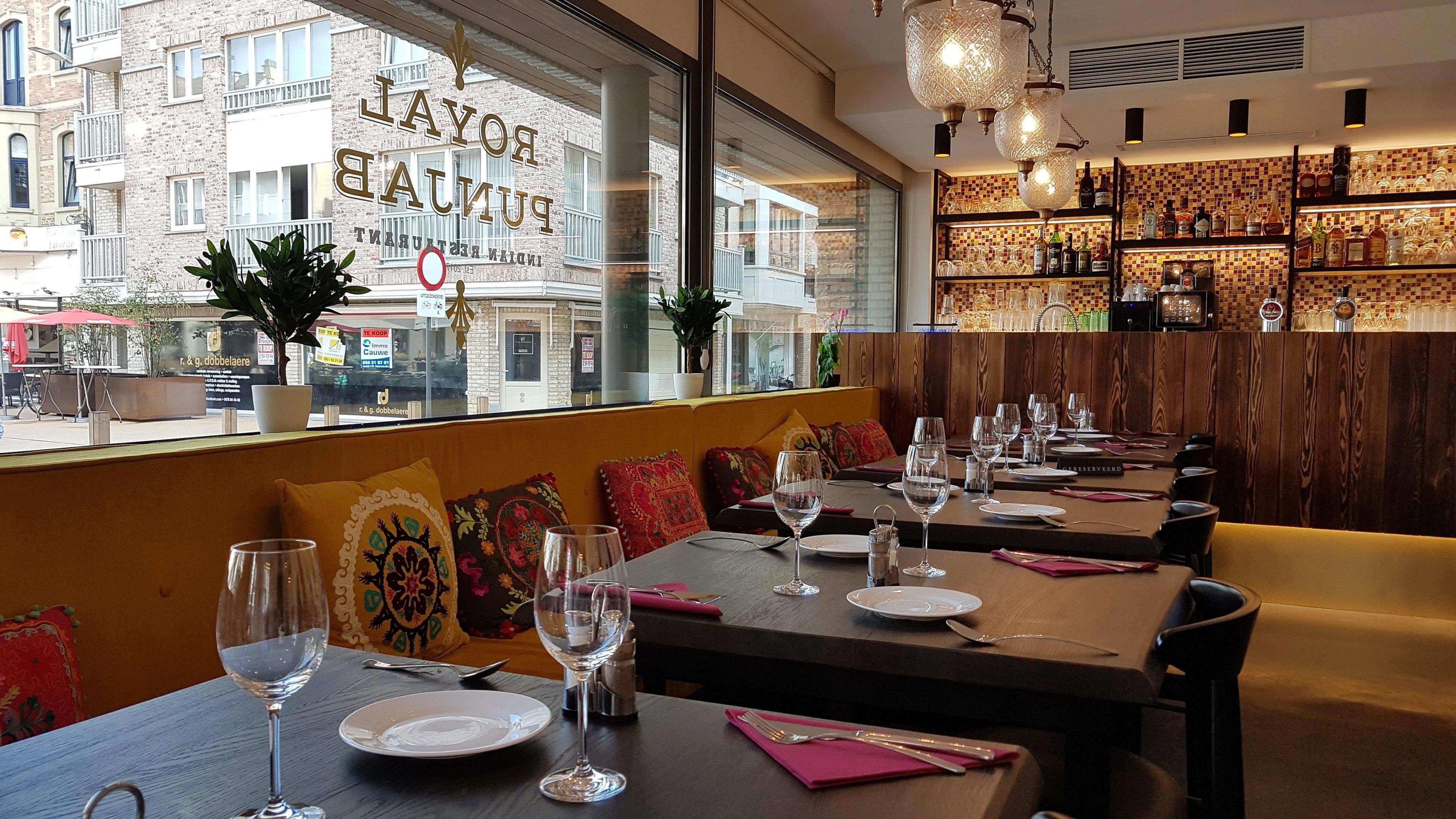
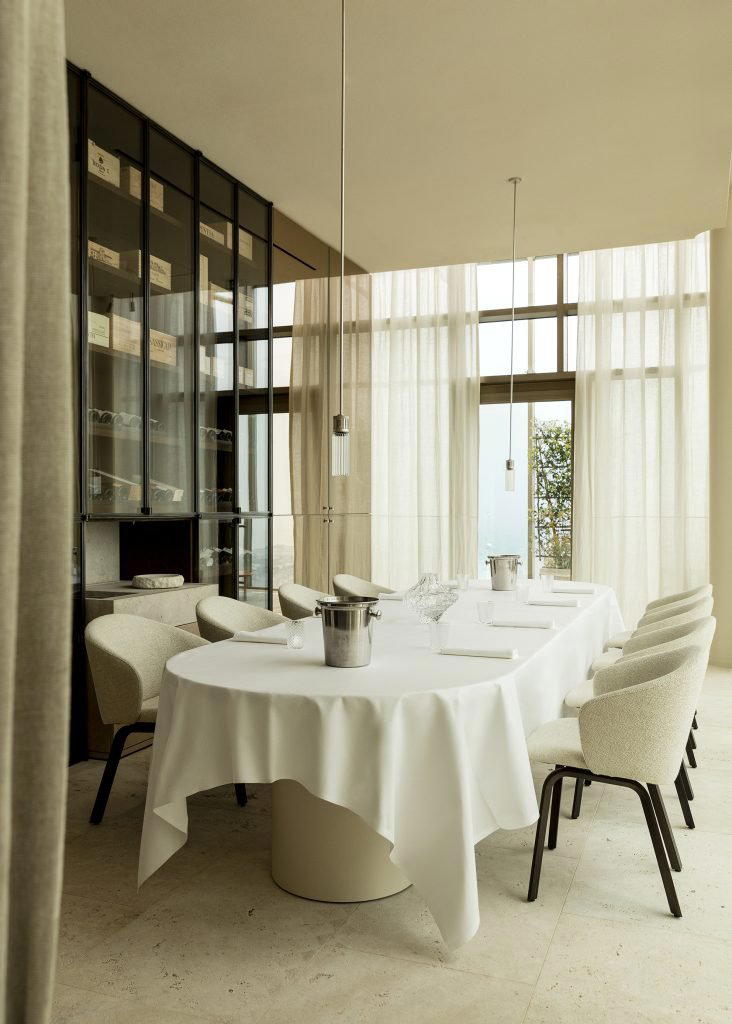
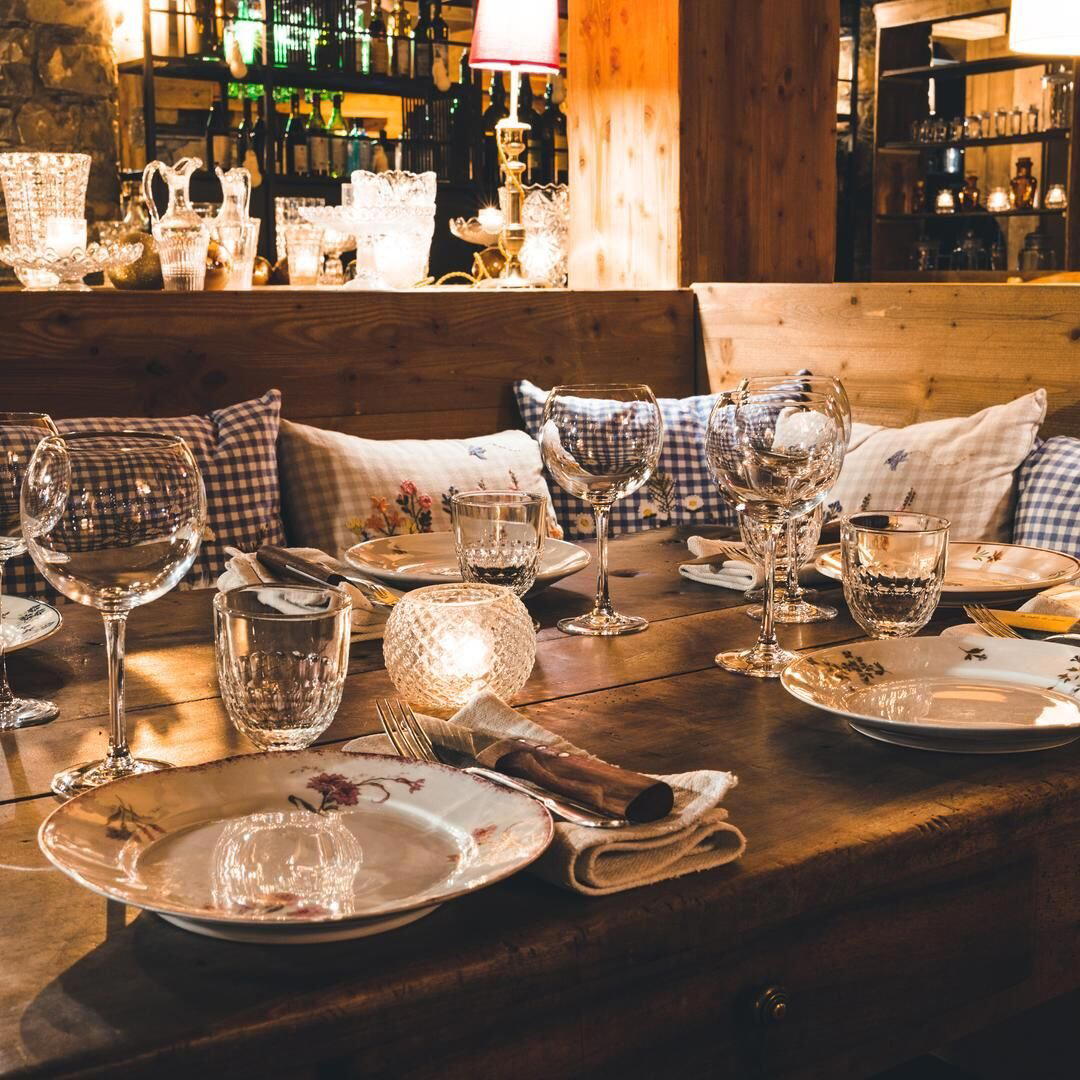
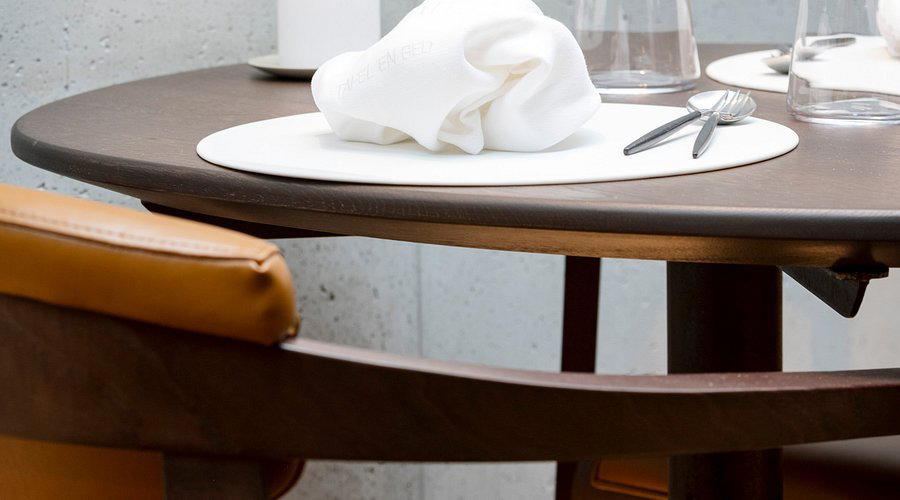
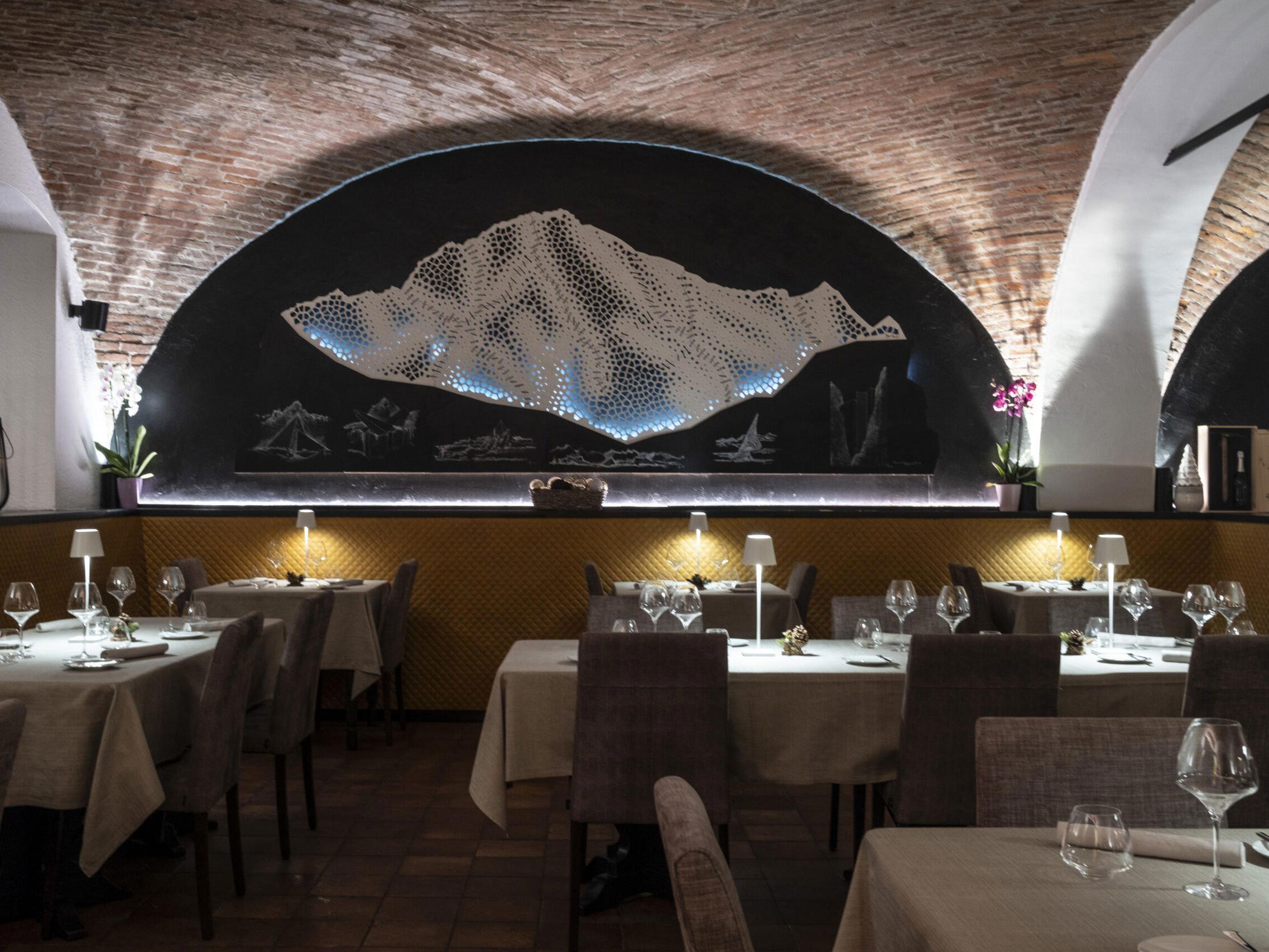
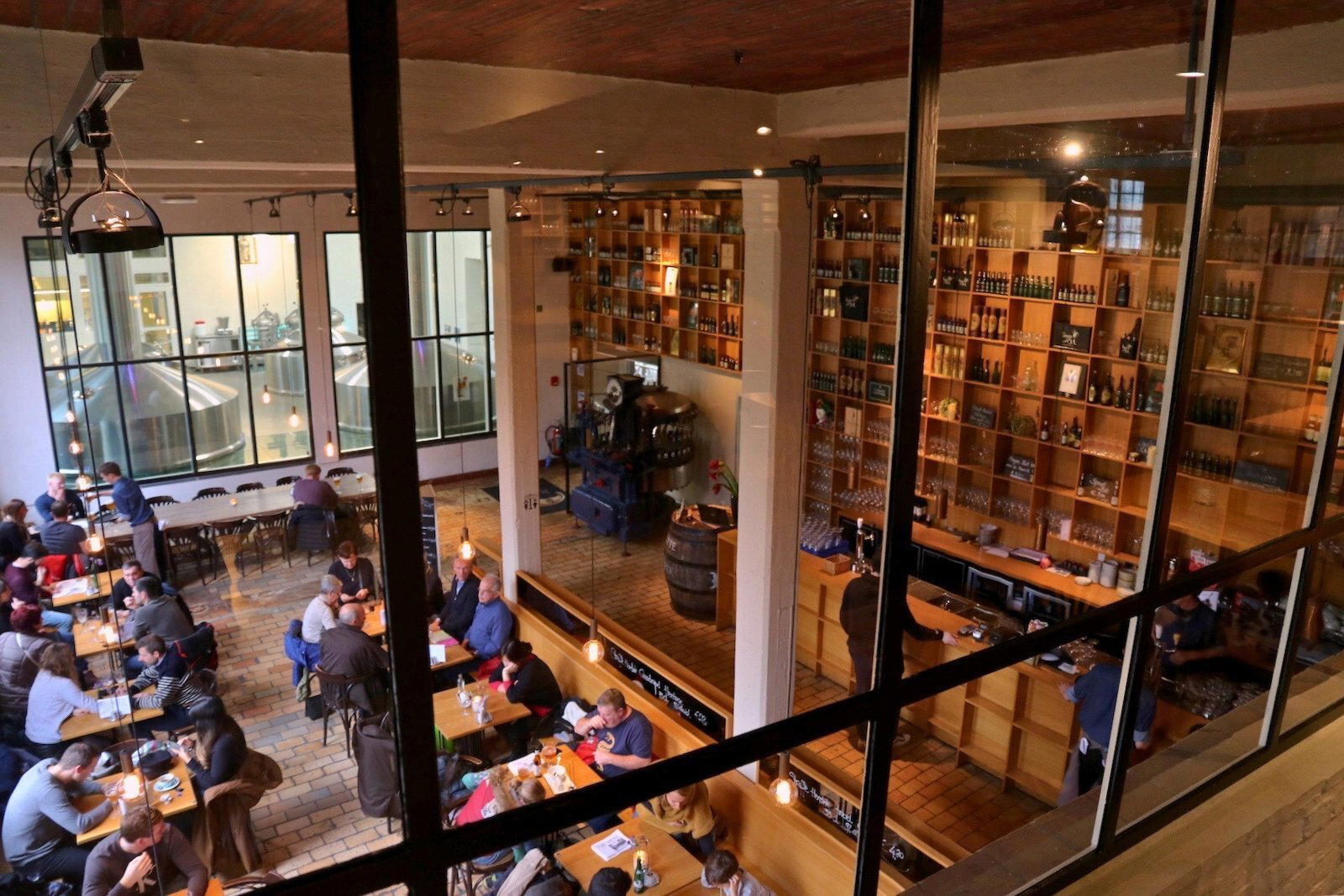
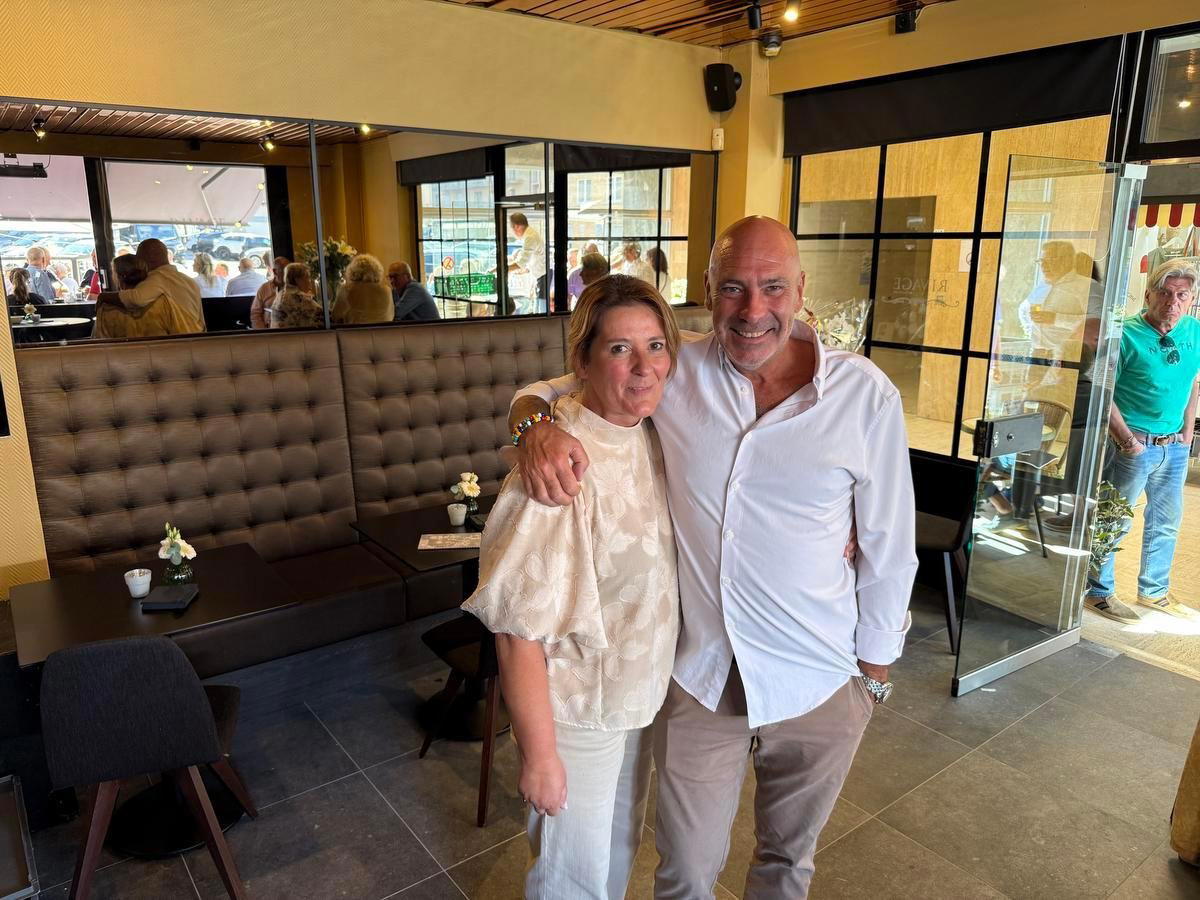
Warm and inviting atmosphere with a cozy, charming feel.