Honkaku Teuchi Iwashiya Nishinomiya ten

Tabelog 100 #53
Our verdict
A low-cost udon counter in Nishinomiya with serious credibility: Honkaku Teuchi Iwashiya Nishinomiya ten has been selected for Tabelog 100 Udon WEST 2024 and has earlier selections dating back to 2017. The appeal is not luxury, but the Kansai habit of treating wheat noodles, curry udon and tempura as daily food worth judging closely.

Pearl is the En Primeur Club membership app, where members save venues, book tables and use the concierge.
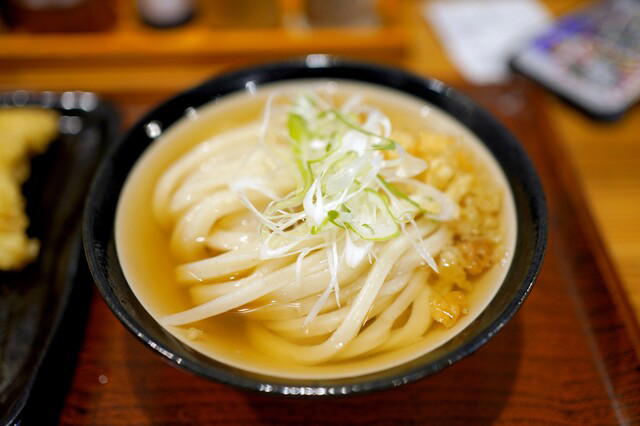
The approach to a serious udon shop in Nishinomiya is usually quieter than the food press makes it sound. No theatre is required: a modest room, local diners, regulars, and the steady turnover associated with an everyday noodle stop. In Nishinomiya, that everyday setting matters. Udon is not framed as ceremony in the way sushi often is for visitors. It is a test of dough, broth discipline, frying, timing and value, with the experience built for people who came to eat rather than admire the concept.
Honkaku Teuchi Iwashiya Nishinomiya ten belongs to that category of Japanese restaurant where the sourcing story begins with wheat rather than luxury produce. The name signals hand-made udon, and the listed menu categories place it in a practical triangle: udon, curry udon and tempura. That combination says plenty about the brief. Plain or broth-led noodles measure texture and balance; curry udon tests how the noodle holds against weight and spice; tempura adds a fryer’s standard to a restaurant that is otherwise built around flour and water.
Hand-made udon, judged by texture rather than theatre
Udon has its own grammar. Chew, dashi culture and lunch-counter economics can all shape what diners expect from a bowl. The better shops do not need an extended menu to make their point. They need control: dough that has enough resistance, broth that supports rather than buries it, and service rhythm that keeps noodles from losing structure before they reach the table.
The restaurant’s Tabelog Hyakumeiten recognition for 2024 gives that everyday format a sharper frame. Tabelog’s category lists are useful because they recognise specialists, not only high-spend restaurants. For a noodle shop in Nishinomiya, that kind of category recognition is more persuasive than decorative language: it places the cooking within a field where small differences in texture, broth clarity and frying technique can decide repeat custom.
This is also why the ingredient question matters. Udon is a wheat noodle, and wheat is not a supporting actor here. The dough determines the meal’s centre of gravity, while curry and tempura work as stress tests. A shop that lists curry udon alongside tempura is asking to be judged across both softness and force: the noodle must remain legible under curry, and the fryer must avoid turning the meal heavy. Those are ordinary demands in Japan, but ordinary does not mean easy.
Where Nishinomiya's everyday dining gets serious
Nishinomiya’s dining character can read less like a destination circuit than a series of specialist addresses embedded in daily life. That makes it a useful city for travellers who want Japanese food culture without every meal becoming a reservation project. A udon shop built around a focused category tells a different story from a formal dining room: it shows how craft survives inside ordinary meals, quick decisions and repeat local use.
The comparison inside the city is less about cuisine than tempo. Other Nishinomiya dining rooms, bakeries, cafes and specialist food stops point to a city where focused places can matter as much as full-service restaurants. Honkaku Teuchi Iwashiya Nishinomiya ten fits that pattern from the noodle side: narrow category, repeatable craft, low ceremony.
Against comparison venues in and around the area, the position is clear. Little Lanka, arima gelateria Stagione, DAKOTA RUSTIC TABLE, Konishiya and セッタン sit in different lanes of local dining and snacking. The udon shop’s distinction is not breadth, but category authority: recognition in a dedicated udon context puts it in conversation with noodle specialists rather than general casual dining.
For a broader reading of the city, use our full Nishinomiya restaurants guide alongside our full Nishinomiya hotels guide, our full Nishinomiya bars guide, our full Nishinomiya wineries guide and our full Nishinomiya experiences guide. The surrounding national map is broader still, but the most useful context here is simpler: Honkaku Teuchi Iwashiya Nishinomiya ten belongs to the everyday end of Japanese dining, where a narrow specialty can still carry real weight.
The case for going: craft at daily-food scale
The editorial case is simple: this is where Japanese food culture becomes harder to fake. Expensive dining can buy rare ingredients, elaborate service and visual drama. Udon at this level has fewer places to hide. Wheat, water, broth, curry, oil and timing carry the argument, and diners decide quickly whether the kitchen has command of them.
The format reinforces that reading. Rather than depending on luxury signals, the restaurant’s appeal sits in the way a focused udon menu can be judged immediately, bowl by bowl. The listed price band of - JPY 999 also keeps the proposition close to daily food rather than special-occasion dining. The strongest reason to care is the same reason udon shops earn loyal followings across Japan: the craft is perishable, immediate and judged in minutes.
For travellers building a Nishinomiya day around food rather than monuments, this is a precise stop. It does not need to be inflated into a grand occasion. Its value lies in showing how a modest udon shop can carry enough technical credibility to appear in a recognised category list, while staying rooted in the habits of local lunch.
Frequently asked questions
Can I bring kids to Honkaku Teuchi Iwashiya Nishinomiya ten?
The provided venue details do not specify a children’s policy. As an udon, curry udon and tempura specialist in Nishinomiya, it is best treated as a practical noodle stop unless you confirm family arrangements directly with the restaurant.
What should I expect atmosphere-wise at Honkaku Teuchi Iwashiya Nishinomiya ten?
Expect a focused udon specialist rather than a high-ceremony dining room. The listed categories are udon, curry udon and tempura, so the experience is best understood through noodles, broth, curry and frying rather than elaborate service.
What should I budget for a meal at Honkaku Teuchi Iwashiya Nishinomiya ten?
Pricing at Honkaku Teuchi Iwashiya Nishinomiya ten is listed as - JPY 999, with the provided budget shown as Dinner: -; Lunch: - JPY 999.
What are the opening hours for Honkaku Teuchi Iwashiya Nishinomiya ten?
The provided venue details do not include confirmed opening hours. Check directly with Honkaku Teuchi Iwashiya Nishinomiya ten before planning a visit.
What part of town is Honkaku Teuchi Iwashiya Nishinomiya ten in?
Nishinomiya.
What has Honkaku Teuchi Iwashiya Nishinomiya ten built its reputation on?
Its reputation is anchored by Tabelog Hyakumeiten recognition in 2024, with a listed score of 3.80. The focus is udon, curry udon and tempura.
How It Stacks Up
Nearby venues at a similar price tier for orientation.
| Venue | Cuisine | Price | Awards | Notes |
|---|---|---|---|---|
| Honkaku Teuchi Iwashiya Nishinomiya tenThis venue (the venue you are viewing) | Traditional Japanese Udon | $1–10 | Tabelog 100 #53 | Not listed |
| Asai | Okonomiyaki (Japanese savory pancakes) counter | $20–30 | Tabelog 100 #79 | Kurakuenguchi |
| Sumibi Kushiyaki Senmon Ten Toriten | Traditional Yakitori & Kushiyaki | $20–30 | Tabelog 100 #100 | Sakurashukugawa |
| torico. | Artisanal bakery, sandwiches & Western-style sweets | $1–10 | Tabelog 100 #72 | Shukugawa |
| Boulangerie Miyanaga | Bakery | $1–10 | Tabelog 100 #91 | Shukugawa |
| Patissier Eiji Nitta | French-style patisserie and cake shop | $10–20 | Tabelog 100 #69 | Nishinomiya Kitaguchi |
Recognition history
Dated appearances from independent guides and award organizations, with the underlying list record or original source where available.
Tabelog 100 #53 · No. 53
Tabelog · Tabelog 100 - Udon - WEST - 2024
Continue exploring
More in Nishinomiya
Restaurants in Nishinomiya
All restaurants in Nishinomiya →
Bars in Nishinomiya
Browse all →



Hotels in Nishinomiya
Browse all →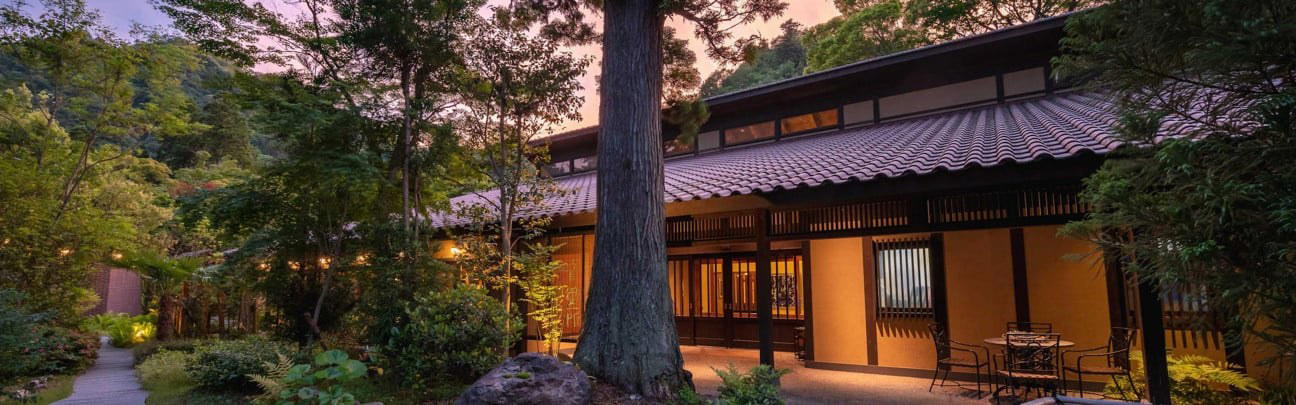
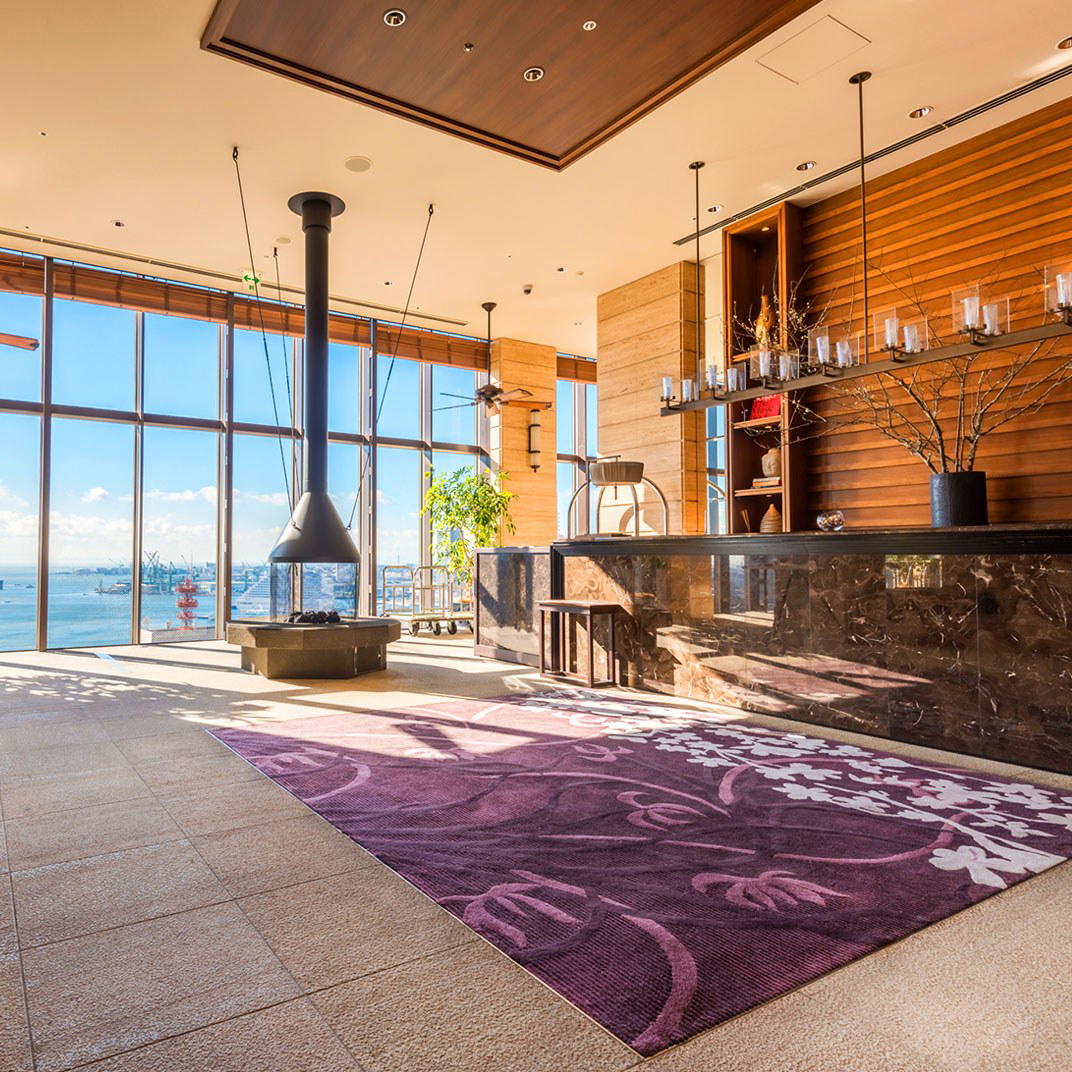
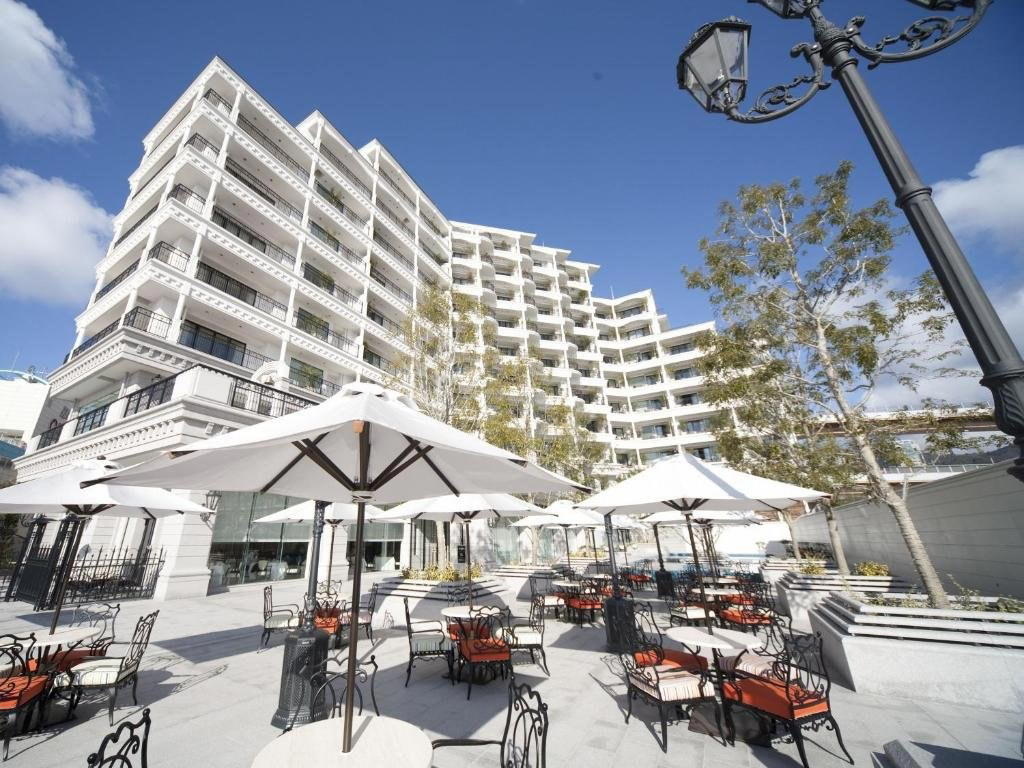


Wineries in Nishinomiya
Browse all →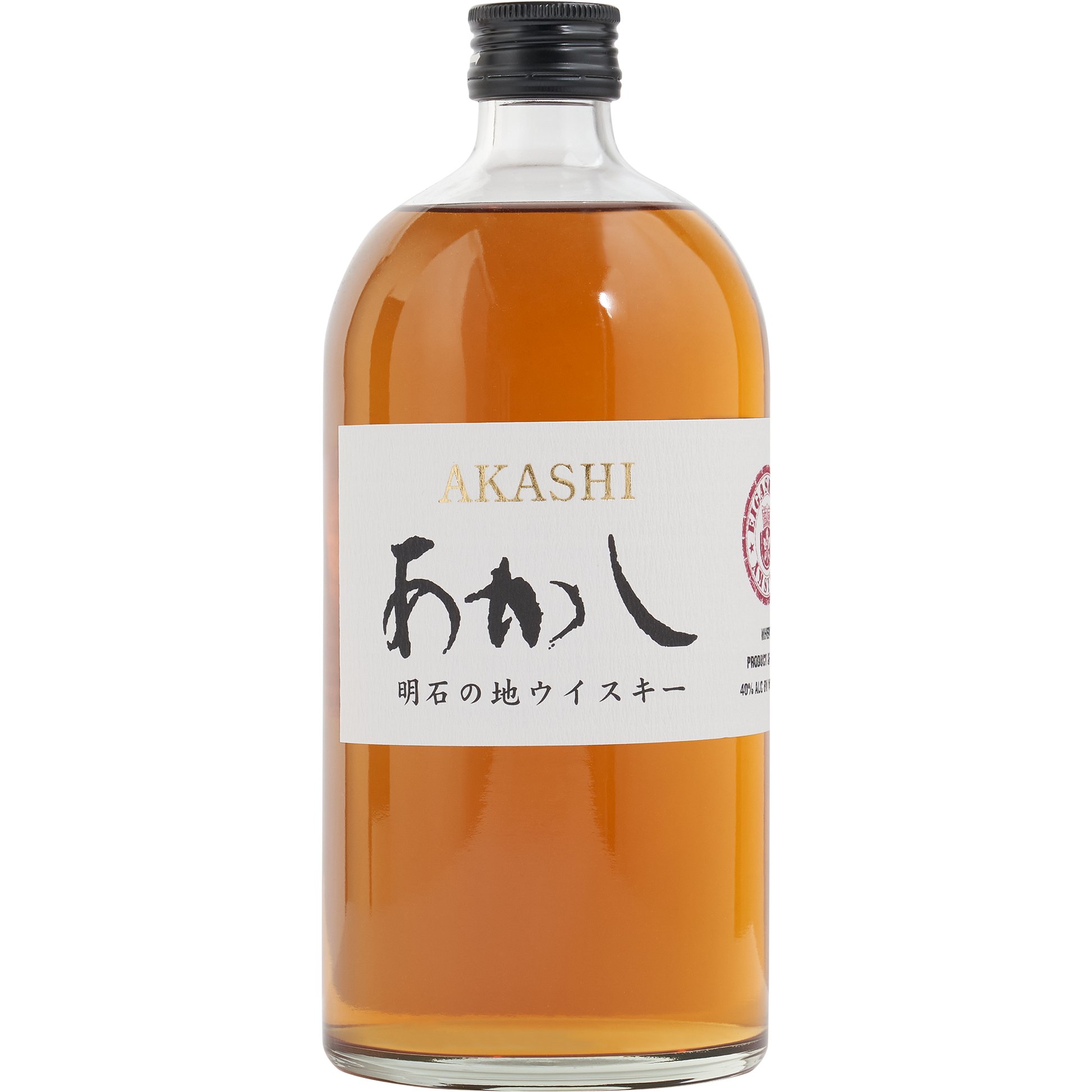

Details
- Classic
- Cozy
- Solo
- Family
- Casual Hangout
- Standalone
- A La Carte
Current opening hours
- Monday
- 11 AM–3:40 PM
- Tuesday
- 11 AM–3:40 PM
- Wednesday
- Closed
- Thursday
- 11 AM–3:40 PM
- Friday
- 11 AM–3:40 PM
- Saturday
- 11 AM–3:40 PM
- Sunday
- 11 AM–3:40 PM
Hours can change for holidays and private events. Hours as of .
Simple, no-frills udon shop atmosphere with a traditional, casual feel.