Hongsi Hanjeongsik
Where Gyeongju's Past Comes to the Table Gyeongju carries the weight of the Silla dynasty across every hill and stone, and that same gravitational pull shapes how the city eats. The royal capital that ruled the Korean peninsula for nearly a...
Pearl is the En Primeur Club membership app — saves, bookings, and concierge access live there. Same editors, same standards.
- Address
- 17-5 Hwarang-ro, Seonggeon-dong, Gyeongju, Gyeongsangbuk-do, Südkorea, Gyeongju-si, Nord-Gyeongsang, 38143
- Directions
- Get directions
 Saves & bookings on Pearl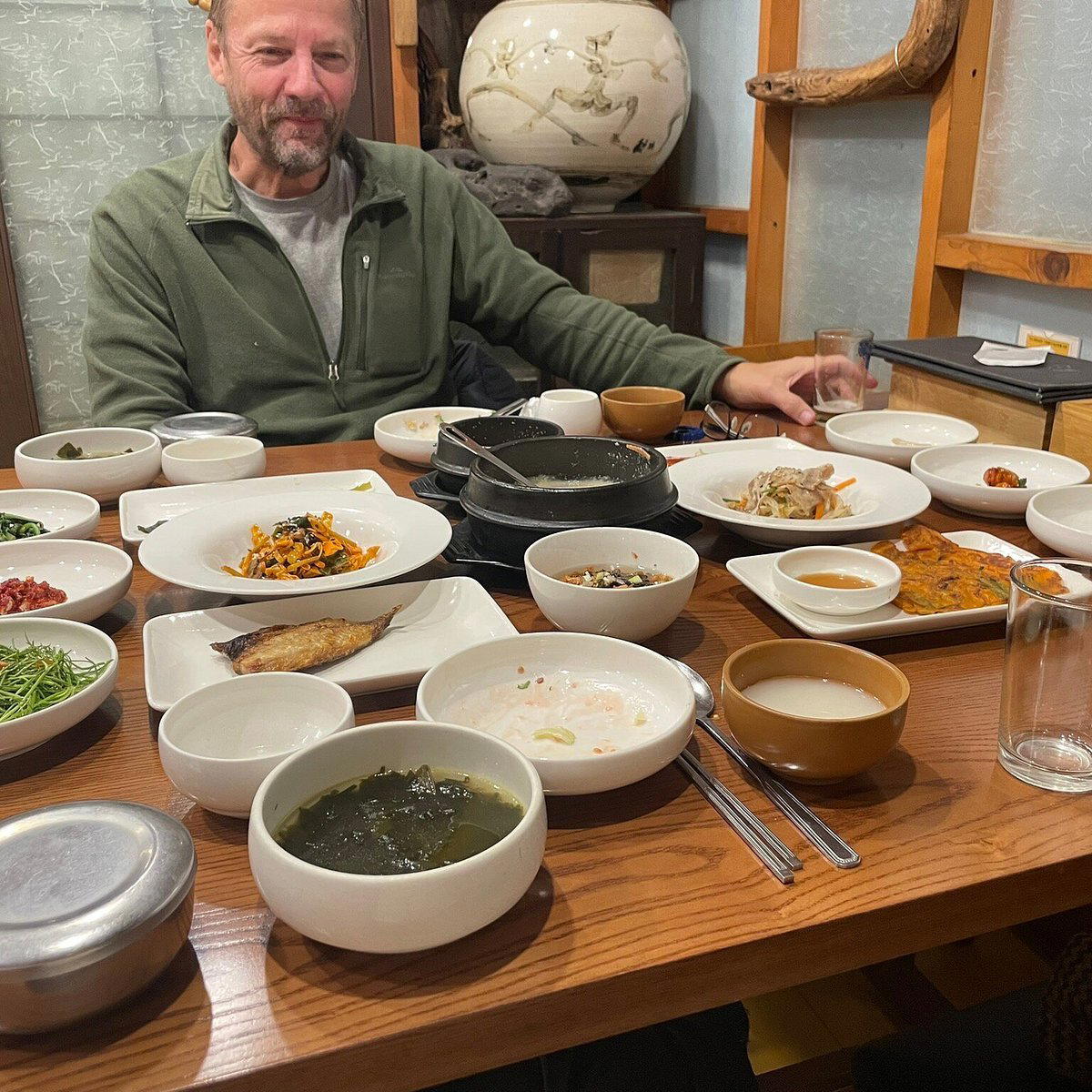
Where Gyeongju's Past Comes to the Table
Gyeongju carries the weight of the Silla dynasty across every hill and stone, and that same gravitational pull shapes how the city eats. The royal capital that ruled the Korean peninsula for nearly a thousand years left behind not just tumuli and pagodas but a culinary lineage rooted in court tradition, seasonal discipline, and the kind of grain-and-vegetable abundance that defined temple and aristocratic kitchens alike. Hanjeongsik, the multi-course formal table setting that descends from that tradition, finds particular meaning in this city. At Hongsi Hanjeongsik in Gyeongju, that tradition is the organizing principle of the meal.
The Hanjeongsik Tradition in Context
Hanjeongsik translates loosely as a "full Korean meal," but the phrase does no justice to what the format actually demands. Its roots trace to the bansang culture of Joseon-era court dining, where the number and variety of banchan (side dishes) signaled social rank. By the twentieth century, the format had democratized into restaurant practice, but the discipline it requires, precise seasoning across a dozen or more dishes, careful balance between fermented, fresh, and cooked elements, and timing that keeps each component at the right temperature, remains demanding. In Seoul, venues such as Mingles in Seoul have reimagined the format through a contemporary lens, while places such as Onjium preserve its most scholarly interpretation. In Gyeongju, hanjeongsik kitchens operate closer to the provincial roots of that tradition, drawing on local grains, mountain vegetables from the surrounding Gyeongsang region, and fermentation cultures that are tied to the area's monastic history.
That regional specificity matters. The banchan vocabulary of Gyeongsang province differs from Seoul's in its use of dried seafood from the nearby East Sea coast, stronger seasoning built around doenjang and ganjang aged locally, and the seasonal mountain greens that grow through the hills surrounding the city. A hanjeongsik table in Gyeongju is therefore not interchangeable with one served in the capital; the geography writes part of the menu.
The Meal as Cultural Argument
To sit down to hanjeongsik in a city still organized around its Silla-era layout is to experience Korean food culture as a form of historical testimony. The format's emphasis on variety over abundance, on balance across flavors rather than the dominance of a single ingredient, reflects a philosophical inheritance from both court and Buddhist monastic traditions that ran through this region for centuries. Unlike the single-bowl rice or noodle culture that dominates faster Korean eating, hanjeongsik insists on time and attention. The meal cannot be rushed without the experience collapsing. That structural patience sets it apart from most other formats in the Korean dining repertoire.
Hongsi Hanjeongsik operates within that tradition in Gyeongju, where the density of cultural heritage sites in the immediate surroundings makes the culinary argument feel coherent rather than nostalgic. Travelers moving between Bulguksa Temple, Cheomseongdae Observatory, and the royal tumuli in the Daereungwon complex find that a formal table meal fits the register of the day rather than interrupting it. For those planning the broader South Korean table, it is worth holding this format alongside what venues such as Atomix in New York City have done with Korean fine dining in an international context: the comparison clarifies just how much of Korea's formal culinary identity remains most readable in its original geographic setting.
Where Hongsi Hanjeongsik Sits in Gyeongju's Dining Scene
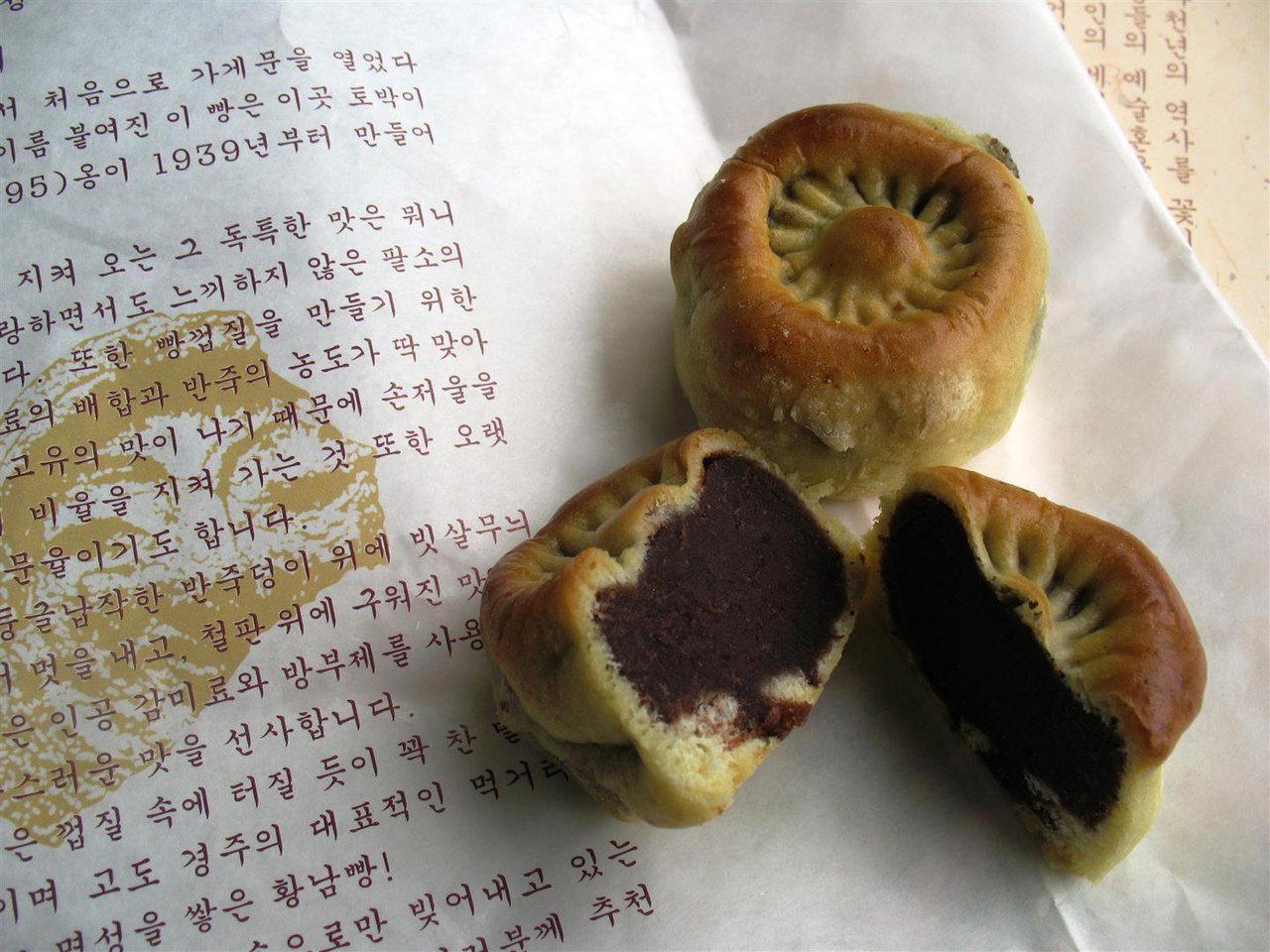
Gyeongju's restaurant scene is smaller and more locally oriented than Busan or Seoul, which means formal dining options are fewer but often more tightly connected to the city's specific agricultural and cultural identity. Alongside casual stops such as Hwangnam Bread and Busan Steamed Bun and Thank You Chicken, which represent the city's more everyday eating culture, hanjeongsik restaurants occupy the more considered tier, suited to travelers who want one meal in Gyeongju that reflects the city's depth rather than its accessibility.
Across the rest of South Korea's dining map, the range of formats worth understanding spans from grilled-meat specialists such as Gobojeong Galbi #1 (가보정 1관) in 수원시 and 88돼지 in 제주시 to seafood-focused rooms such as Mori in Busan. Hanjeongsik functions as a counterpoint to all of them: where those formats organize around a single protein or technique, the formal table setting in Gyeongju distributes attention equally across the whole of Korean pantry culture. Further comparisons can be drawn from Jeju's dining scene, including Black Pork BBQ in Seogwipo and Badang Lounge in Jeju, or from the capital-adjacent options at Doosoogobang in Suwon.
Planning Your Visit
Prospective visitors should verify current reservation requirements directly with the restaurant or through a local concierge service before arriving. Hanjeongsik restaurants across Korea frequently require advance booking, particularly for multi-course set formats where kitchen preparation begins well ahead of service. Gyeongju is most comfortably reached by KTX from Seoul's Dongdaegu connection, with the journey from Seoul taking roughly two hours to Singyeongju Station. The city's compact historic core means most cultural sites and dining options fall within a manageable area.
Cost Snapshot
Comparable venues nearby, for context on price, style, and recognition.
| Venue | Cuisine | Price | Notes |
|---|---|---|---|
| Hongsi HanjeongsikThis venue — the venue you are viewing | Not listed | $$$ | Not listed |
| Hwangnam Bread and Busan Steamed Bun | Not listed | $ | Hwangnam-dong, Traditional Korean Red Bean Pastry |
| Thank You Chicken | Hwangnam-dong, Korean Fried Chicken | $$ | Not listed |
| Gyeongju Wonjo Kongguk (경주원조콩국) | Not listed | $$ | Hwangnam-dong, Traditional Korean Kongguksu |
| Laemji | Millak-dong, Modern Korean Seafood | $$$ | Not listed |
| í ë¼íì¿ ê° | Not listed | $$$ | Jung 1(il)-dong, Traditional Korean Steakhouse |
Continue exploring
More in Gyeongju
Restaurants in Gyeongju
Browse all →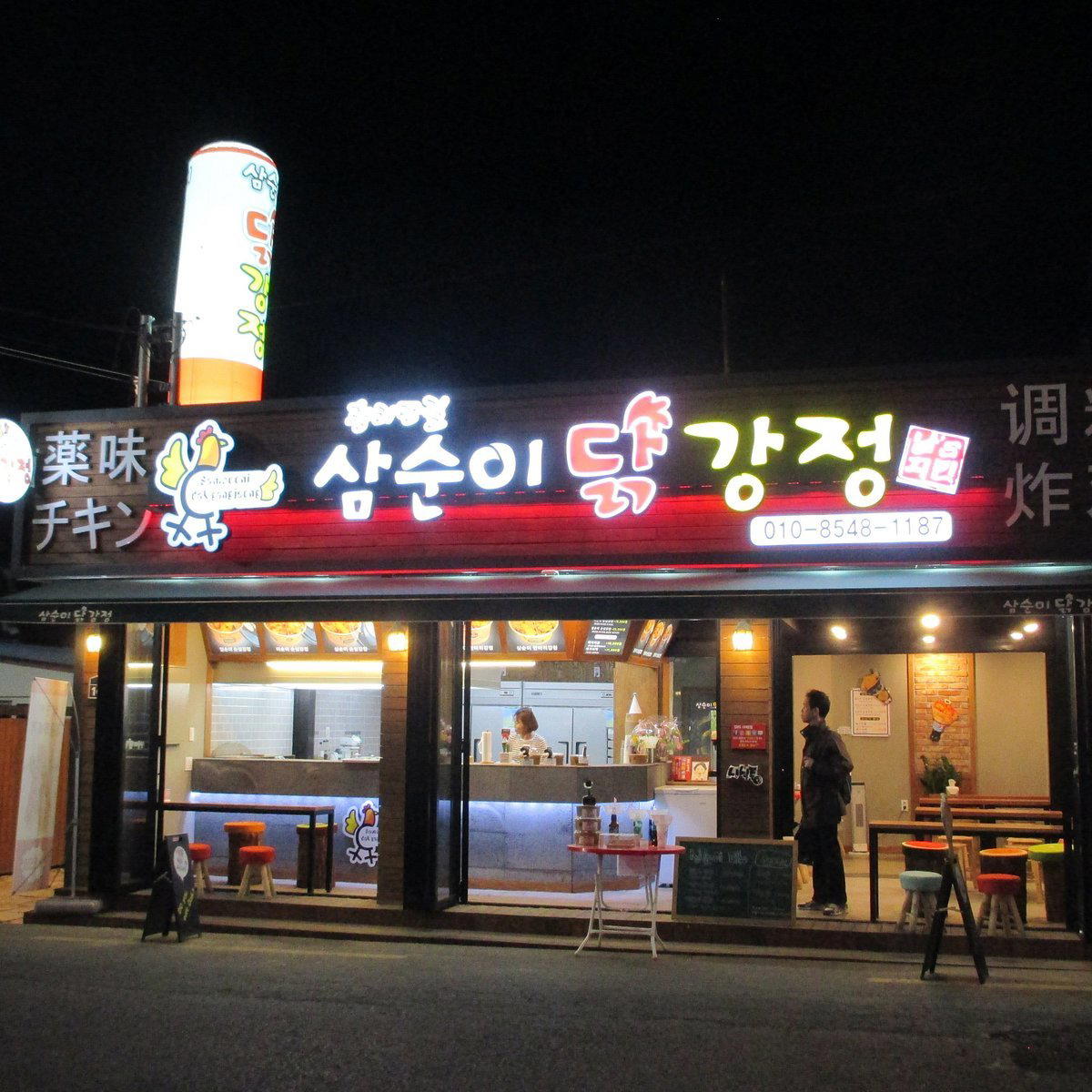
At a Glance
- Classic
- Cozy
- Elegant
- Intimate
- Family
- Special Occasion
- Group Dining
- Historic Building
Relaxed and beautiful atmosphere in a traditional Korean Hanok house with refined modern service.