Pho - Saigon & Original Pho
A Vietnamese pho counter inside Incheon International Airport Terminal 1, positioned at the transit-dining tier where speed and familiarity matter more than provenance. The menu centres on the broth-based bowls that have become a reliable shorthand for Southeast Asian comfort food in Korean airport settings. Practical for layovers, but not a destination in its own right.
Pearl is the En Primeur Club membership app — saves, bookings, and concierge access live there. Same editors, same standards.
- Address
- 공항로 272 인천국제공항 제1여객터미널, Junggu, 인천광역시
- Directions
- Get directions
 Saves & bookings on Pearl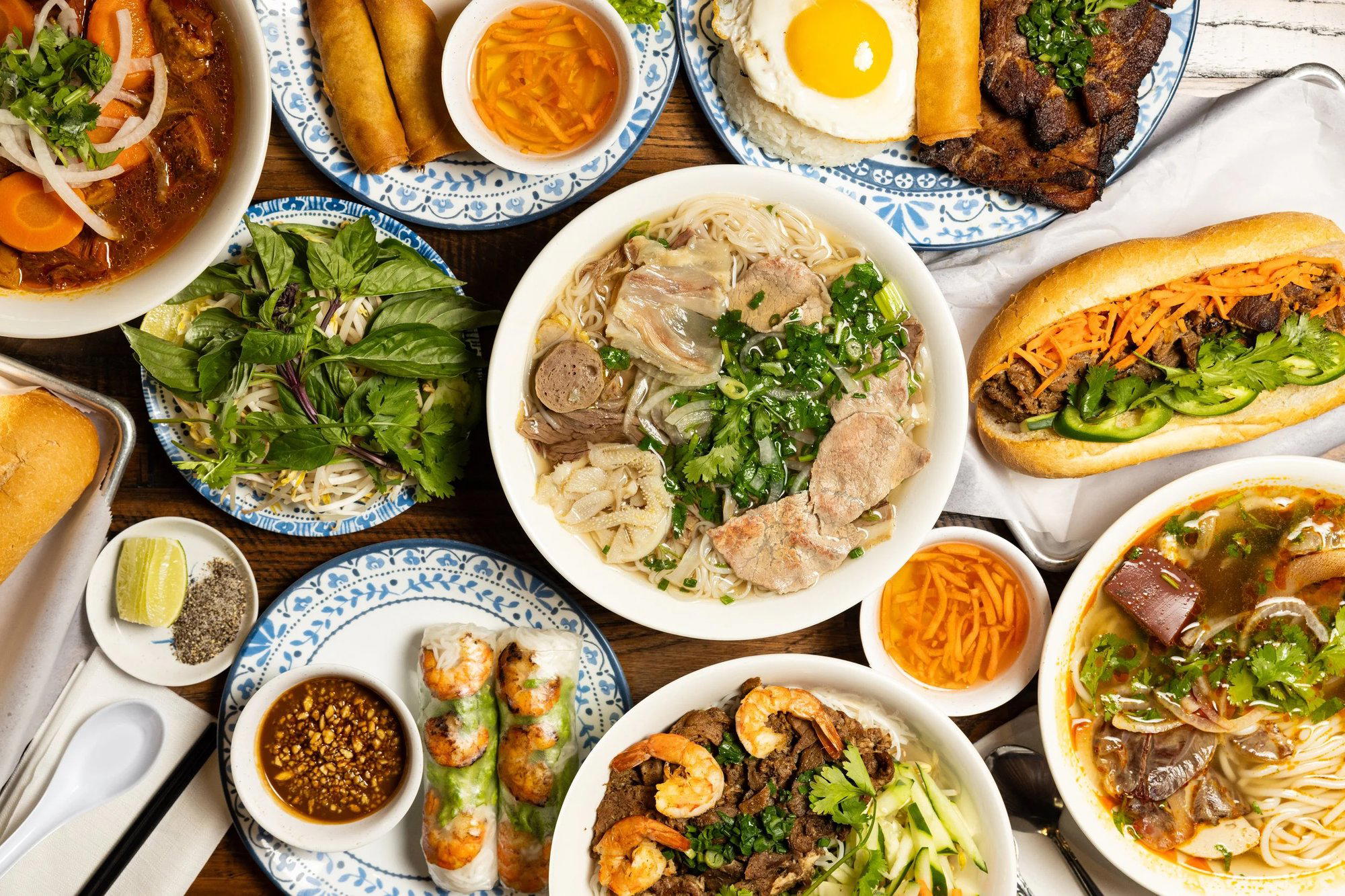
Transit Dining and the Pho Problem at Incheon
Airport food courts occupy their own category in any dining taxonomy. The question is never whether the food matches a city’s leading restaurants, it never does, but whether the execution is honest enough to be worth the time between gates. Incheon International Airport Terminal 1 has long been regarded as one of the better-provisioned transit hubs in Asia, with a food offering that extends beyond convenience-store ramen into sit-down options covering Korean, Japanese, and Southeast Asian formats. Pho - Saigon & Original Pho sits inside that wider ecosystem, representing the Vietnamese broth tradition in a setting defined by throughput rather than terroir.
For travellers making connections through Incheon, the practical calculus is direct: you have a limited window, you want something hot and restorative, and you know broadly what pho is supposed to taste like. That last point is where the ingredient-sourcing question becomes interesting, because pho is a dish whose character lives almost entirely in the broth, and broth quality is a direct function of what goes into it and for how long.
What Pho Actually Requires, and Why Airport Versions Rarely Deliver It
Traditional Vietnamese pho, whether the southern Saigon style or the leaner northern preparation, depends on a bone broth simmered for a minimum of six to eight hours, often longer. The southern version, which the “Saigon” in this venue’s name references, leans toward a richer, slightly sweeter profile built on beef bones with charred onion, ginger, star anise, cloves, and cassia bark. The northern original is more austere, relying on the clarity of the broth rather than the complexity of the spice rack. Both traditions share an absolute dependence on time as an ingredient: there is no shortcut to a properly extracted collagen broth.
Airport kitchens operating at scale face a structural problem with this. The production model that works for a family-run pho shop in Ho Chi Minh City or Hanoi, a stock pot that never fully cools, bones sourced daily from trusted suppliers, aromatics charred fresh each morning, does not translate directly to a high-volume terminal counter. What typically replaces it is a concentrate-based or batch-cooked broth that approximates the flavour profile without the depth. This is the economic reality of airport food service globally. The comparison is useful because it sets the right frame: you are ordering airport pho, and you should taste it on those terms.
The dual naming, Saigon and Original Pho, signals an attempt to cover both the southern and northern styles, which is a meaningful distinction in Vietnamese culinary terms even if the execution gap in an airport context may be narrower than it would be in a specialist restaurant. For a sense of how southern and northern Vietnamese broth traditions differ when properly rendered, the contrast is worth understanding before you sit down.
Where This Sits in Incheon’s Dining Tier
Incheon’s airport dining breaks roughly into three tiers. At the leading, a handful of restaurants in the transit zone and arrival halls operate with table service and menus that would not embarrass a mid-range city restaurant; Market Café in Incheon represents that category. In the middle sits fast-casual counter service with reasonable consistency and recognisable formats, the tier where Pho - Saigon & Original Pho operates. At the bottom is the standard convenience-retail and fast-food strip. The middle tier is where most transit passengers spend their food budget, and by the standards of that tier, a hot bowl of broth-based noodles is a defensible choice against the alternatives.
The broader Junggu dining context skews heavily toward the airport ecosystem, since the district’s identity is largely defined by its proximity to Incheon. Outside the terminal, the dining character shifts toward the kind of neighbourhood Korean cooking that serves port and industrial workers rather than leisure travellers. The premium Korean and contemporary dining worth seeking out in South Korea sits at a different tier entirely: Mingles in Seoul and Atomix in New York City both represent the kind of ingredient-sourcing rigour and chef-driven precision that places like a Korean-Vietnamese airport counter cannot reference. Similarly, Mori in Busan and Dining Room (다이닝룸) in 부산광역시 operate in a register where provenance documentation and supplier relationships are part of the editorial story. None of that applies here, and expecting it to would be a category error.
Planning Your Stop
For travellers with layovers in Terminal 1, the venue is accessible within the departures zone. Incheon’s terminal layout means that walking distances between gates and food outlets can be significant; build in more time than you think you need. No booking is required. Payment infrastructure at Incheon generally accommodates international cards, though cash in Korean won remains accepted at most food-service points. If your layover extends beyond three hours, you have enough time to eat without rushing.
88돼지 in 제주시, Black Pork BBQ in Seogwipo, and Injegol in Inje County each anchor their menus in regionally specific ingredients. Baegyangsa Temple in Jangseong-gun goes further, with a temple-food format where ingredient sourcing is inseparable from philosophical tradition. Hwangnam Bread and Busan Steamed Bun in Gyeongju and Gyeongju Wonjo Kongguk (경주원조콩국) in 경주시 represent the other end of the spectrum: simple, deeply local formats where the ingredient story is the entire point. Pho - Saigon & Original Pho operates in none of these registers, but it occupies its transit-dining niche with a format that travellers recognise and understand.
Gobojeong Galbi #1 (가보정 1관) in 수원시, Doosoogobang in Suwon, Badang Lounge in Jeju, Hinode (히노데) in 서귀포시, and Double T Dining in Gangneung each address different regional formats and price points. Le Bernardin in New York City is referenced here as a useful benchmark for what sourcing-led cuisine looks like at its most rigorous, even if the comparison across categories is deliberately extreme.
Side-by-Side Snapshot
Comparable venues nearby, for context on price, style, and recognition.
| Venue | Cuisine | Price | Notes |
|---|---|---|---|
| Pho - Saigon & Original PhoThis venue — the venue you are viewing | Vietnamese Pho | $$ | Not listed |
| Ciuri Ciuri | Authentic Sicilian Italian | $$ | 연남동 |
| 삼보식당 | 제주 해산물 전문 | $$ | 서귀동 |
| 박가네빈대떡 | 전통 녹두빈대떡 전문점 | $$ | 광장시장 |
| ì ë¡ë² ì´ì¤ | Korean | $$ | Millak-dong |
| Junco Music Town | Korean Gastropub Karaoke | $$ | 잠원동 |
At a Glance
- Cozy
- Casual Hangout
- Standalone
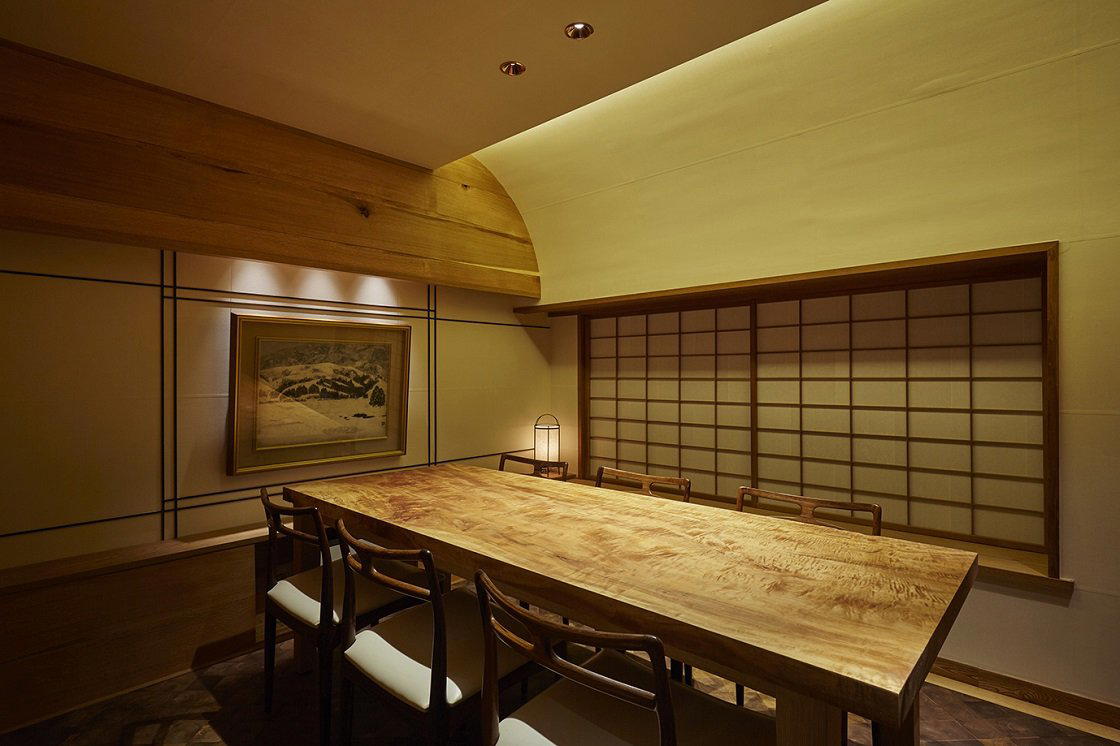
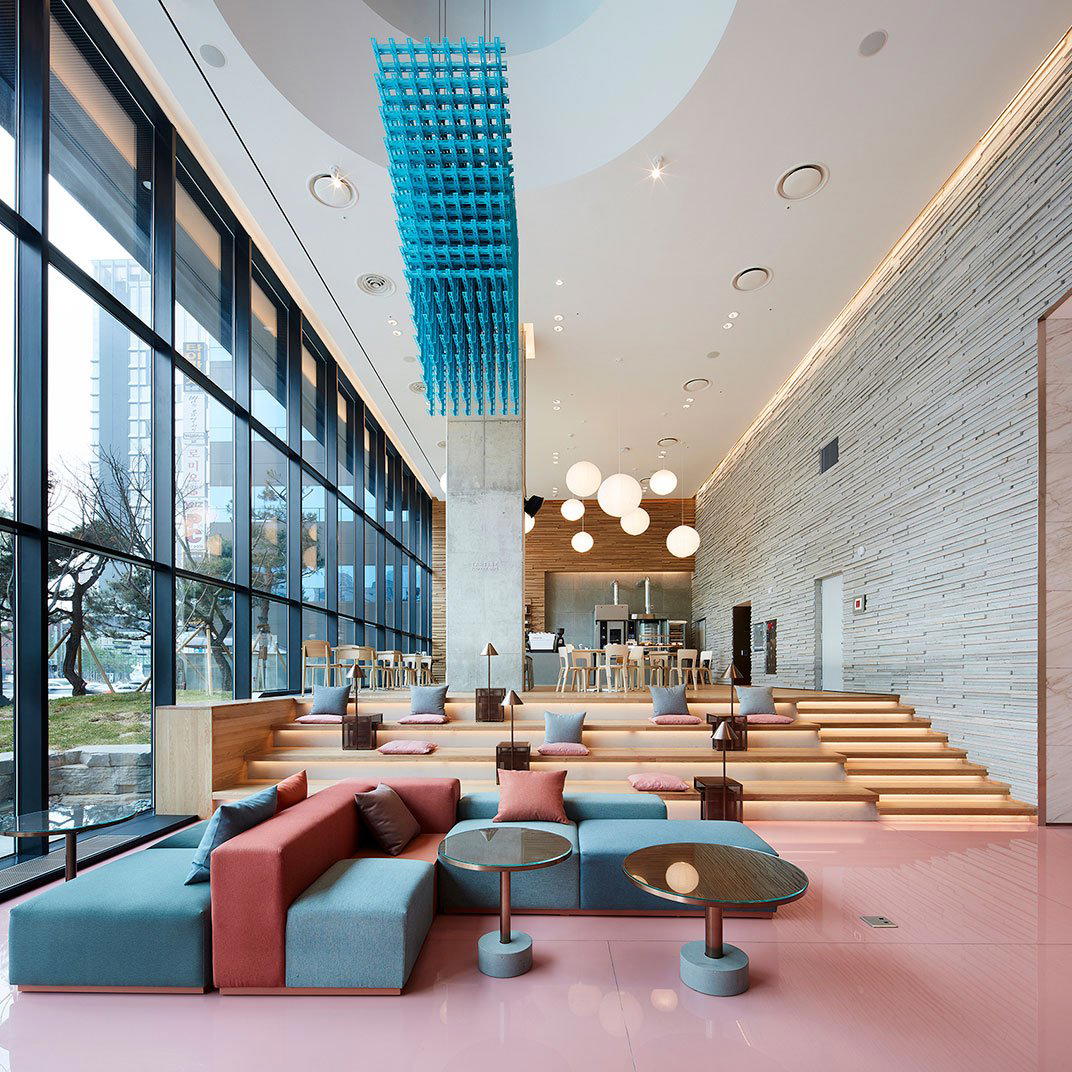
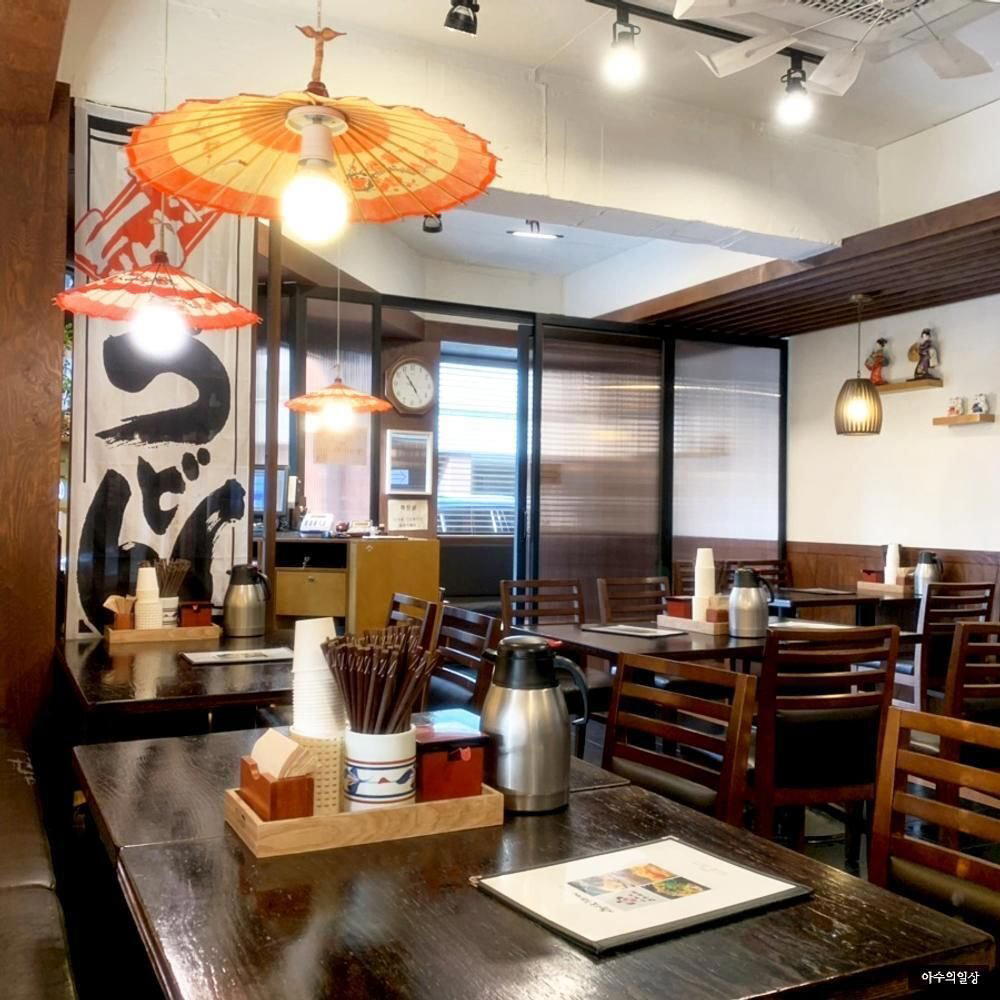
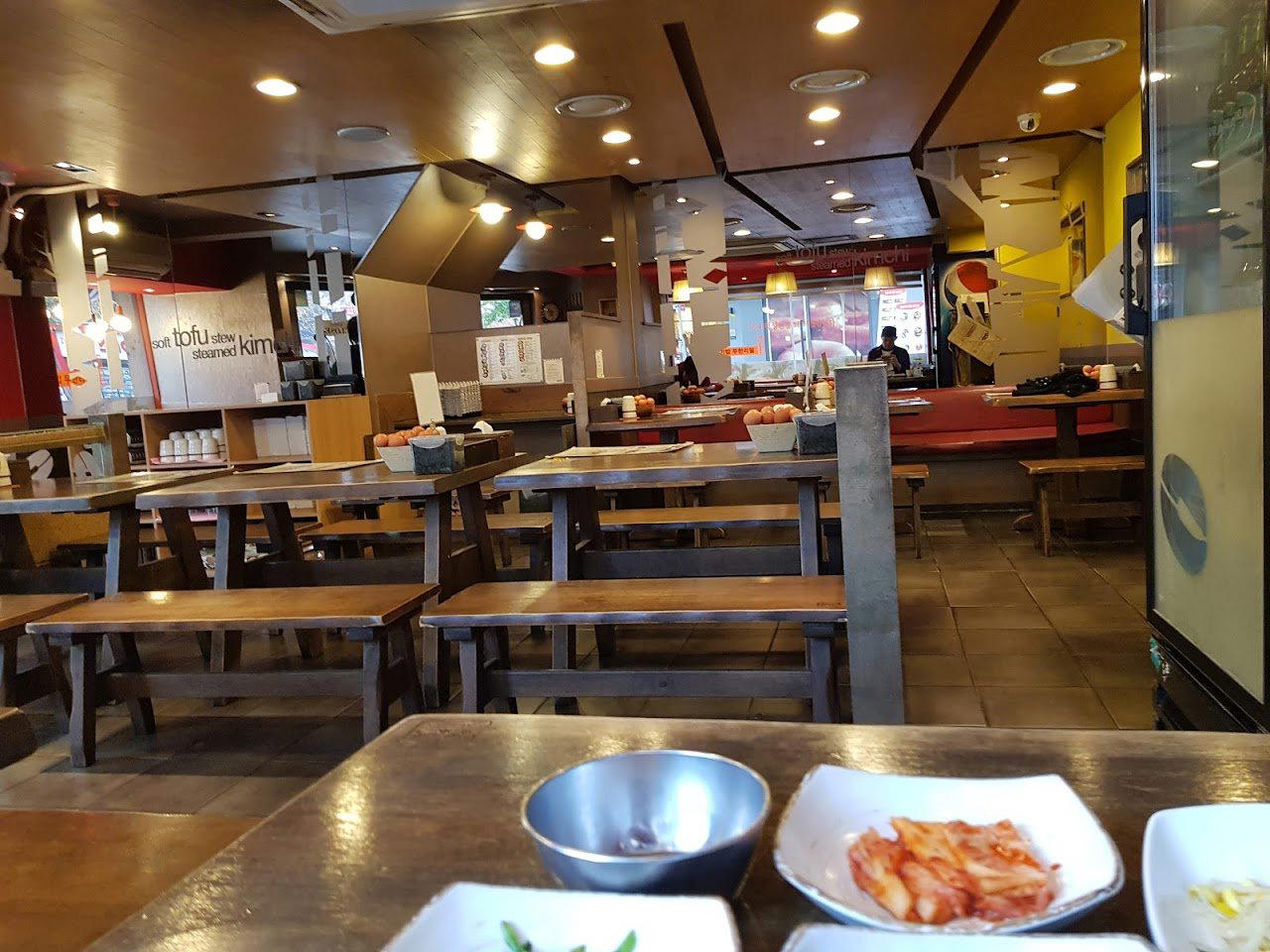
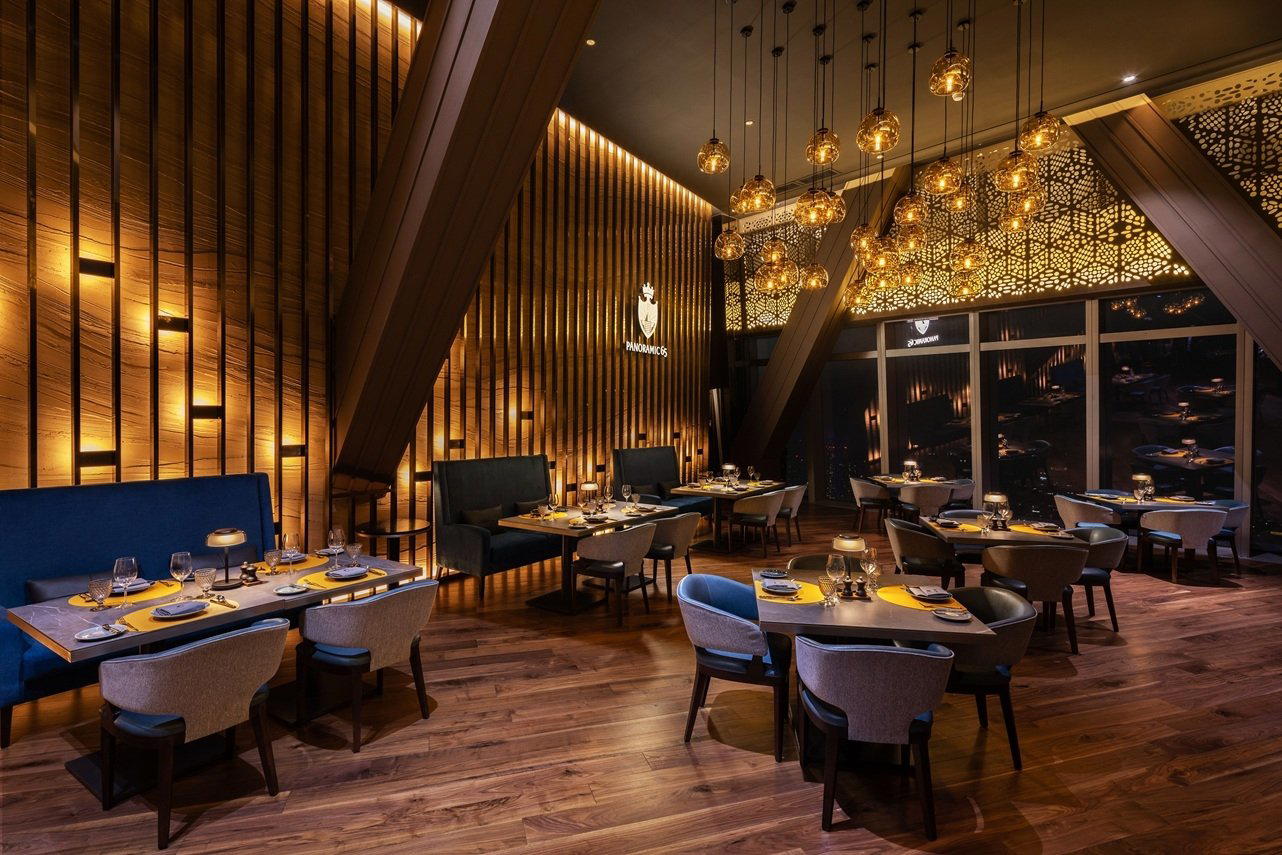
Inviting atmosphere with beautiful wooden decor.