Thank You Chicken
Thank You Chicken serves Korean fried chicken in Gyeongju, with a beer program, casual service, and a lively dinner setting.
Pearl is the En Primeur Club membership app — saves, bookings, and concierge access live there. Same editors, same standards.
- Address
- Gyeongju, South Korea
- Directions
- Get directions
 Saves & bookings on Pearl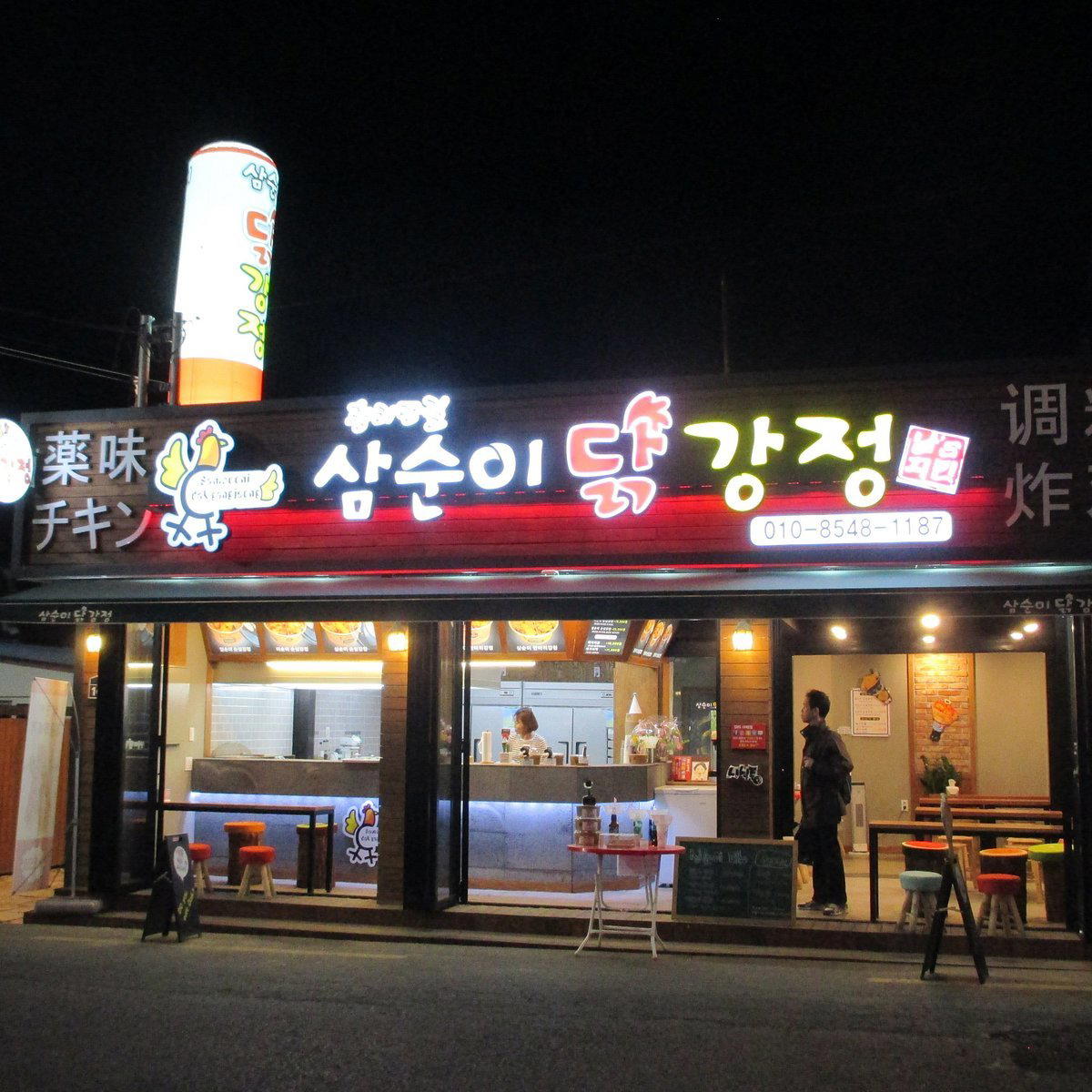
Chicken and the Ancient Capital: What Gyeongju's Comfort Dining Reveals
Thank You Chicken is a casual Korean Fried Chicken restaurant in Gyeongju. The former Silla kingdom capital sits in North Gyeongsang Province with the measured confidence of a place that has outlasted empires, and its dining culture reflects that temperament. Between the royal tumuli and Buddhist temple corridors, the city's eating life runs on dishes that predate trend cycles by centuries. It is in this context that a name like Thank You Chicken lands with particular clarity: unpretentious, direct, grounded in a protein that Korean culinary tradition has treated with more ceremony than outsiders typically expect.
Gyeongju's food scene operates in a different register from Seoul or Busan. Where Mingles in Seoul works at the precision end of contemporary Korean cuisine and Mori in Busan brings a similarly refined approach to the port city's waterfront, Gyeongju tends to prioritise regional continuity over culinary reinvention. The city's identity is archaeological as much as gastronomic, and that shapes what visitors find at the table: dishes with long lineage, preparations rooted in province-specific technique, and an overall pace that resists the pressure to perform novelty.
The Korean Chicken Tradition and What It Carries
To understand where a Gyeongju chicken restaurant sits in the wider dining order, it helps to understand how central poultry is to Korean communal eating. Samgyetang, the ginseng-stuffed whole chicken soup consumed through summer heat as a restorative, is among the more ritual-bound dishes in the entire cuisine. Dakgalbi, the spicy stir-fried chicken of Chuncheon, has its own city-specific mythology. Tongdak, roasted or braised whole chicken preparations, circulate across regional styles from the countryside of Jeolla to the mountain valleys of Gangwon. Chicken in Korea is not merely protein; it is a vehicle for regional signature and shared table customs.
In a historic city like Gyeongju, a restaurant built around chicken occupies the reliable middle ground of Korean dining culture: accessible in price, communal in format, and tied to the kind of meal that families and groups of friends share across generations. This is the tier of dining that 88돼지 in Jeju represents for pork, or that Gobojeong Galbi in Suwon occupies for beef ribs: places where the ritual of the meal matters as much as the execution of any single dish.
Dining Ritual at the Table
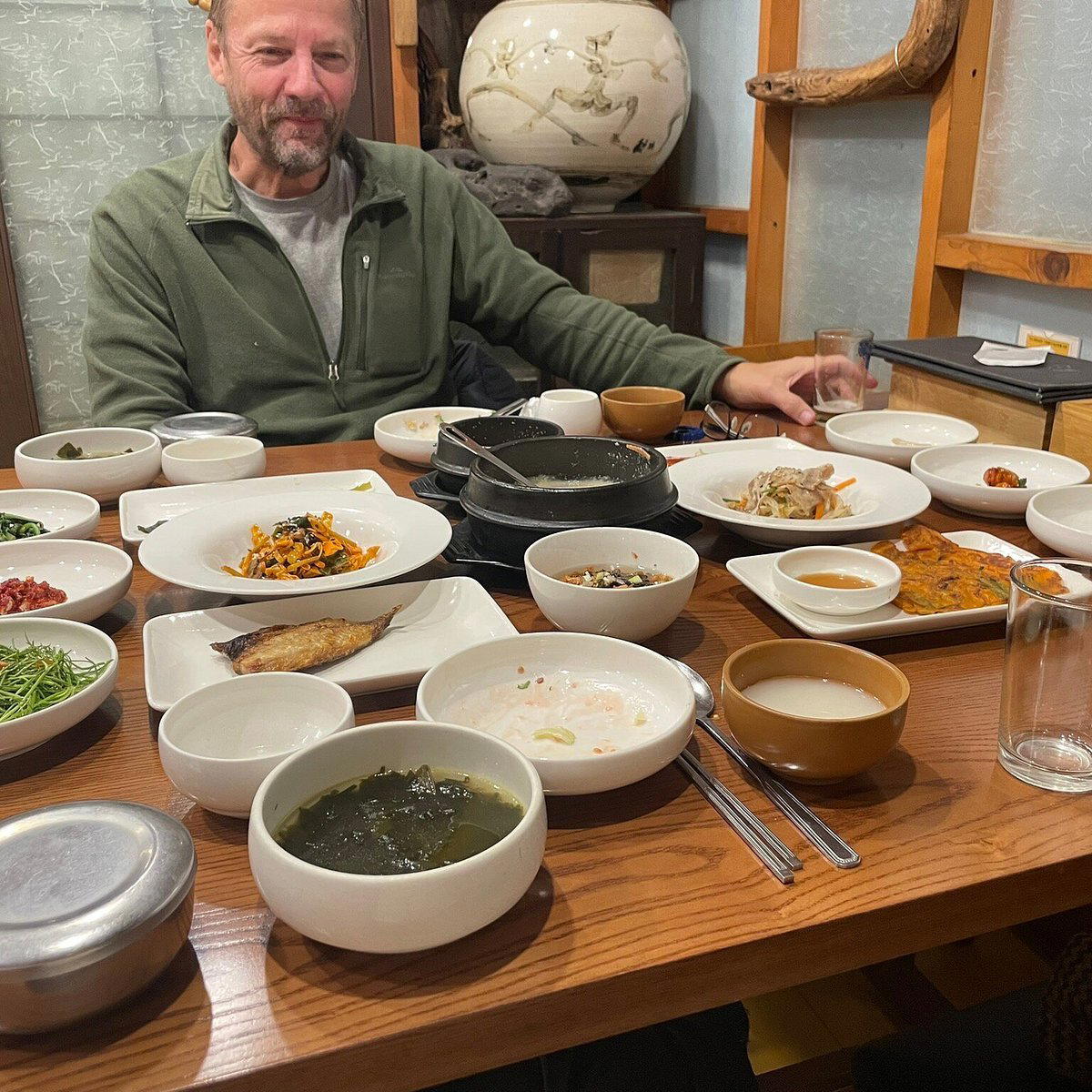
Korean communal meals have a particular architecture that visitors sometimes misread as informality. The rhythm is precise even when it looks relaxed. Banchan arrive first, establishing the table's flavour vocabulary before the main protein appears. At a chicken-centred restaurant, that main event tends to require patience: braised preparations need time, whole bird formats demand the table's collective attention, and the act of dividing the meat at the table is itself a small ceremony of care and deference. The eldest or the host typically serves others before themselves. The meal proceeds through a sequence that has nothing to do with Western course logic and everything to do with pacing a shared experience correctly.
This rhythm is worth understanding before you arrive, whether at Thank You Chicken or at any comparable address on our full Gyeongju restaurants guide. In Gyeongju specifically, the dining pace tends to be more unhurried than in the capital. Tables turn slowly. The expectation is that you will stay through the meal rather than accelerate toward the bill. That cultural contract between a restaurant and its guests is part of what distinguishes provincial Korean dining from the faster metabolism of Seoul's dinner service.
Where Thank You Chicken Fits in Gyeongju's Dining Tiers
Gyeongju's restaurant options range from formal hanjeongsik multi-course experiences, represented by addresses like Hongsi Hanjeongsik, through to street-level snacks and bakery stops such as Hwangnam Bread and Busan Steamed Bun. The restaurant occupies the mid-register: a neighbourhood restaurant format built for repeat local custom rather than single-occasion tourism. This tier of dining does not carry the structural weight of a Seoul fine-dining room like Atomix in New York City or Le Bernardin, but it is not trying to. Its ambition is different and no less legitimate: to serve a single protein category well, consistently, to a community that will return.
For the traveller arriving in Gyeongju from Busan via the KTX, the city's central station sits roughly twenty minutes from the historic core. The concentrated tumuli park, Cheomseongdae observatory, and Wolseong palace grounds form a walkable circuit that most visitors cover across a half day, which positions a chicken lunch or early dinner as the natural conclusion to that circuit.
Comparable experiences of this register appear across Korea's secondary cities. Gyeongju Wonjo Kongguk works the same middle register with a soy milk broth focus. Black Pork BBQ in Seogwipo and Doosoogobang in Suwon do so with pork. What unites them is the emphasis on ingredient category over chef personality, and a price point that keeps the table accessible to the widest cross-section of local society.
Planning a Visit
Gyeongju is manageable as a day trip from Busan, roughly an hour by KTX, or as an overnight that lets you see the sites at different light conditions. The city's dining scene compresses quickly once you move beyond the central heritage zones, so it is worth mapping restaurants in advance rather than arriving without a plan. For broader context on how to structure eating across the city, our full Gyeongju restaurants guide covers the tiers from casual to formal. Addresses like Injegol in Inje County and Market Café in Incheon show how provincial Korean dining carries its own distinct character across regions.
Cuisine-First Comparison
Comparable venues nearby, for context on price, style, and recognition.
| Venue | Cuisine | Price | Notes |
|---|---|---|---|
| Thank You ChickenThis venue — the venue you are viewing | Korean Fried Chicken | $$ | Not listed |
| Hwangnam Bread and Busan Steamed Bun | Traditional Korean Red Bean Pastry | $ | Hwangnam-dong |
| Gyeongju Wonjo Kongguk (경주원조콩국) | Traditional Korean Kongguksu | $$ | Hwangnam-dong |
| Hongsi Hanjeongsik | Traditional Korean Hanjeongsik | $$$ | Seonggeon-dong |
| Baek Nyeon Baekse Ginseng Chicken Soup | Traditional Korean Ginseng Chicken Soup | $$ | 연남동 |
| ë§í 르 | korean | Not listed | 압구정동 |
Continue exploring
More in Gyeongju
Restaurants in Gyeongju
Browse all →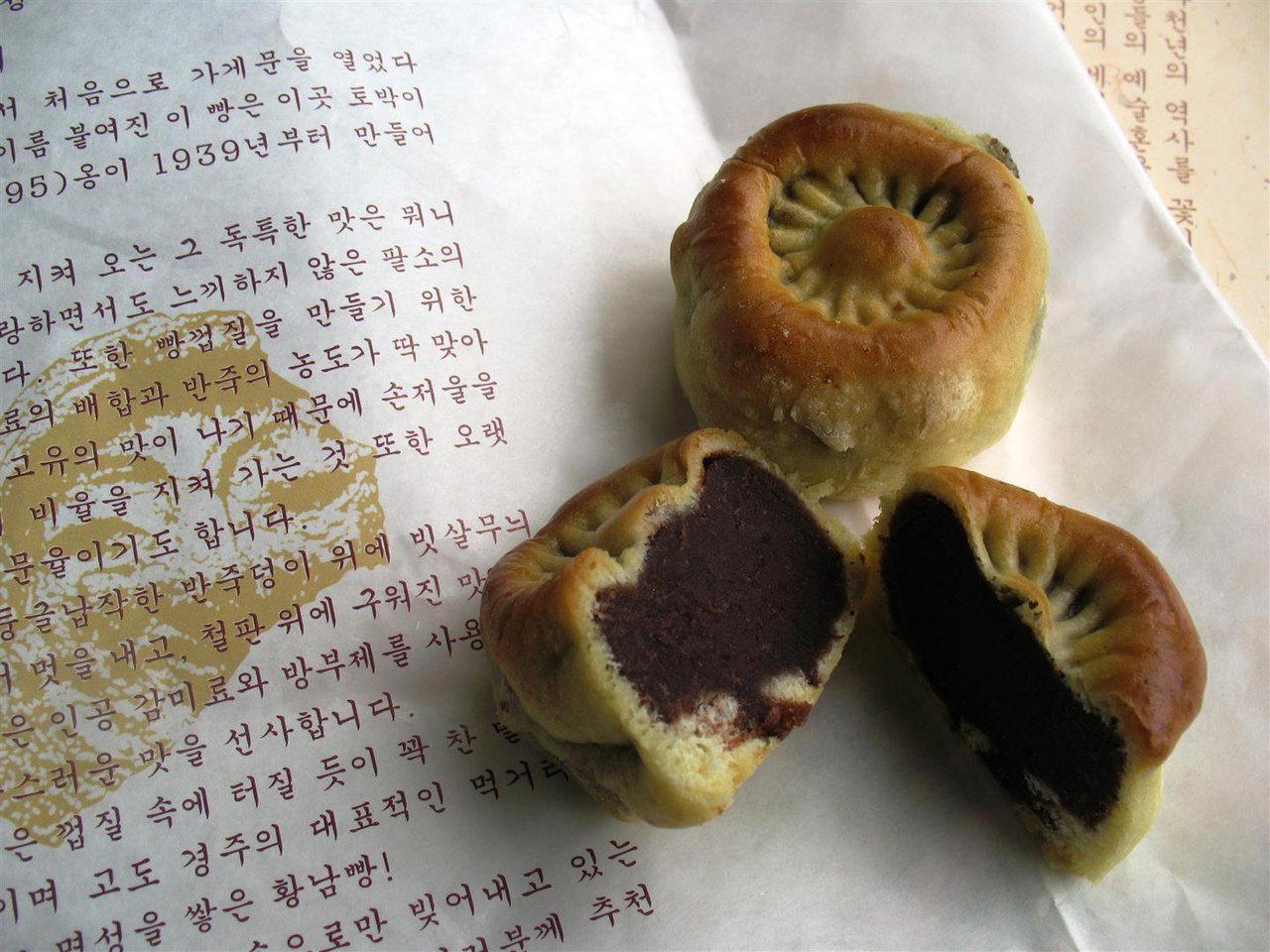
At a Glance
- Cozy
- Casual
- Casual Hangout
- Group Dining
- Beer Program
Cozy and inviting atmosphere in a casual setting, well-suited for sharing meals after exploring Gyeongju's historical sites.