
A seven-seat counter in Asabu puts Hokuzan Ryu in Sapporo’s compact, regular-driven ramen tier rather than the city-centre trophy circuit. Tabelog selected it for Ramen HOKKAIDO 100 in both 2024 and 2025, a useful signal in a city where ramen loyalty is earned bowl by bowl, not by spectacle.
Pearl is the En Primeur Club membership app — saves, bookings, and concierge access live there. Same editors, same standards.
- Address
- Japan, 〒001-0045 Hokkaido, Sapporo, Kita Ward, Asabucho, 2 Chome−4−8 高本ビル 1F 麻生II
- Phone
- +81 90-4517-7390
- Website
- instagram.com
 Saves & bookings on Pearl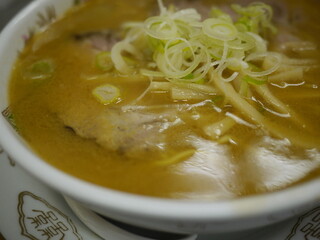
Asabu’s ramen rhythm is quieter than the tourist routes around Susukino and Sapporo Station: fewer souvenir bags, more solo diners, more people who know exactly where they are going. The small counter format matters here. Seven seats turn a ramen shop into a repetition machine, where pace, turnover and regulars’ habits define the room as much as the broth. Hokuzan Ryu belongs to that category of Sapporo ramen address where the appeal is not theatrical discovery but routine: a compact counter, a narrow operating window, and a clientele that treats ramen as part of the week rather than an occasion.
That distinction is useful in Sapporo, because the city’s ramen reputation can be flattened into a single idea: miso, butter, corn, winter comfort. The reality is more granular. The serious ramen map is spread across neighbourhoods, commuter corridors and small counters whose reputations often travel through local scoring platforms before they reach visitors. Tabelog’s Ramen HOKKAIDO 100 selections in 2024 and 2025 place Hokuzan Ryu within that local conversation, not as a luxury detour but as a validated small-format shop in a competitive ramen prefecture.
Asabu counter culture rewards repeat ordering, not spectacle
Ramen shops with a handful of counter seats operate by a different logic from destination restaurants. The menu does not need a long explanation, and the room does not need a design thesis. The value sits in consistency, speed and the unspoken order of regulars: where to wait, how long to linger, when to clear space for the next diner. In Sapporo, that culture is as important as any chef résumé, especially in neighbourhood shops outside the city’s central dining circuit.
The comparison set helps explain the appeal. Sapporo Junren Kita 31 jou ten sits in a similar low-price ramen bracket, while Yondaime Mendokoro Yuji occupies a slightly higher everyday range. Indian Restaurant Ram and soup-curry specialists such as sapporo soup curry dip show how North Sapporo’s casual dining culture stretches beyond ramen into curry, spice and weekday comfort food. Against that spread, Hokuzan Ryu reads as tightly focused: ramen, counter seating, no private rooms, take-out available, and a no-smoking setup. Those details are not decorative; they describe a shop built around quick, repeatable eating rather than long-form dining.
For travellers, that regulars’ perspective changes the decision. This is not the Sapporo table to choose for a drawn-out dinner or a broad tour of Hokkaido produce. It is the place to understand how a local ramen counter functions when stripped of ceremony. The selection by Tabelog’s Hokkaido ramen list gives it a trust signal; the seven-seat format explains why the experience feels more local than performative.
Where it fits in Sapporo's ramen-and-curry city map
Sapporo’s dining identity is unusually democratic. The same itinerary can move from sub-¥1,000 ramen to serious yakiniku, from soup curry to bakeries and cafés, without treating any of those categories as secondary. That is why a ramen counter in Asabu belongs in the same planning conversation as central noodle shops, curry rooms and destination casual restaurants. For a broader read on the city, start with Our full Sapporo restaurants guide, then use the category guides for Sapporo hotels, Sapporo bars, Sapporo wineries and Sapporo experiences to build the rest of the trip around neighbourhood logistics rather than a single meal.
Within Sapporo’s casual food circuit, ramen and curry often do the heaviest work. 175°DENO Tantanmen Sapporo kitaguchi ten points toward the city’s appetite for spice-led noodles near a major transport hub, while [Curry Senmon Ten] Maruyama Kyoju., Ajanta Indo Curry Ten and Ajanta Sohonke show how curry functions as a parallel comfort-food language. Aigues Vives adds another Hokkaido angle: bread and pastry as part of the same everyday dining ecosystem, not merely a breakfast category.
The broader Japan map is useful only when it clarifies format. A compact ramen counter in Sapporo has little in common with beef sukiyaki at -Grilled beef Sukiyaki- KAMAKURA TANUKIAN 鎌倉 たぬき庵 in Kamakura or charcoal seafood at. 鮪と炭火焼き うお炭 秋葉原店 in Tokyo, but the contrast is instructive: Japan’s casual categories are highly specialized, and the room tells the diner how to behave before the first order is placed. The same applies across smaller-format addresses such as.cafe in Osaka.know in Kumamoto, (Shoku) Vietnam in Kawasaki and [ki:] in Kyoto. Outside Japan, Jōdo Saké Bar in Los Angeles and Onigiri Time in Pasadena show how Japanese formats are translated abroad, often with more explanation than a neighbourhood counter in Hokkaido would ever need.
The case for going local in a ramen city
The strongest reason to put this shop on a Sapporo eating day is not novelty. It is calibration. A traveller who only eats ramen in the busiest central zones gets a partial reading of the city, shaped by station traffic and visitor demand. Asabu adds another register: residential, compact, efficient, and sustained by repeat customers. In a seven-seat room, regulars do not need spectacle; they need the bowl to land the same way across seasons.
That is the editorial case for the restaurant. Its recognition in consecutive Tabelog Hokkaido ramen selections supplies the external signal, while the format supplies the context. It belongs to the small-counter tradition that makes Sapporo’s ramen culture more than a single style or postcard dish. Treat it as a neighbourhood benchmark rather than a grand dining event, and the experience makes sense: concise, local, and disciplined by the expectations of people who come back.
Reputation Context
Comparable venues by cuisine and price in the same metro.
| Venue | Cuisine | Price | Notes |
|---|---|---|---|
| Hokuzan RyuThis venue — the venue you are viewing | Ramen shop | $ | Not listed |
| Kokumin Shokudo | Japanese Ramen | $ | Kita |
| Sapporo Fujiya | Ramen & Tsukemen Shop | $ | Higashi |
| 鮨処 有馬 | Japanese Sweet Shop - Imo Youkan | $ | Chūō |
| Ramen Gojogen Honten | Sapporo ramen shop famous for tonshio | $ | Chūō |
| Eniwa Oton Shokudo | Hokkaido ramen shop | $ | Eniwa |
Recognition history
Dated appearances from independent guides and award organizations, with the underlying list record or original source where available.
Tabelog 100 #42 · No. 42
Tabelog · Tabelog 100 - Ramen - HOKKAIDO - 2025
At a Glance
- Solo
- Casual Hangout
- After Work
- Late Night
- Standalone
Current opening hours
- Monday
- 11 AM–3 PM
- Tuesday
- Closed
- Wednesday
- 11 AM–3 PM
- Thursday
- 11 AM–3 PM
- Friday
- 11 AM–3 PM
- Saturday
- 11 AM–3 PM
- Sunday
- 11 AM–3 PM
Hours can change for holidays and private events. Last verified .