
Eniwa Oton Shokudo brings Hokkaido ramen culture into a small, low-friction format in Eniwa, south of central Sapporo. Its Tabelog Ramen HOKKAIDO “Tabelog 100” selections in 2024 and 2025 place it within a serious regional conversation rather than a casual noodle stop, with counter and tatami seating broadening the audience beyond solo ramen hunters.
Pearl is the En Primeur Club membership app — saves, bookings, and concierge access live there. Same editors, same standards.
- Address
- 北海道恵庭市漁町13
- Phone
- +81123322251
- Website
- tabelog.com
 Saves & bookings on Pearl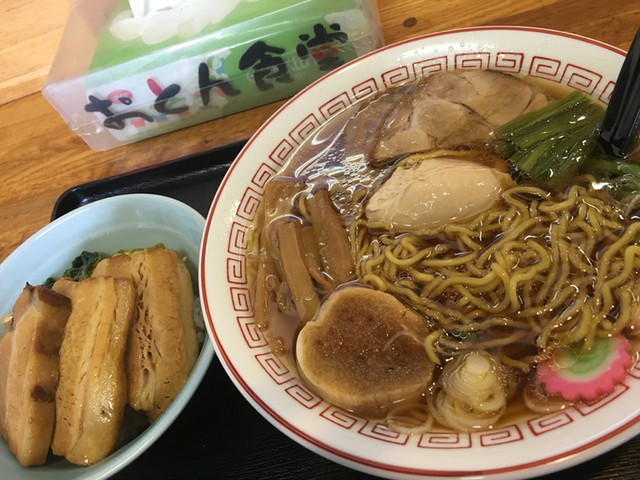
Approaching a suburban ramen shop in Hokkaido is rarely about theatre. The signal is usually practical: a modest frontage, a short lunch window, cars turning over outside, and a room built for pace rather than ceremony. That is the useful frame for Eniwa Oton Shokudo, where the appeal sits in the everyday grammar of northern ramen culture: broth, noodles, local appetite, and a dining room that can absorb solo diners, friends, and families without changing its character.
Hokkaido ramen is often discussed through Sapporo’s miso canon, but the wider region has always been more varied than that shorthand suggests. Port towns, inland farming belts, dairy country, and commuter cities all shape how ramen shops function. In Eniwa, positioned between Sapporo and Chitose, ramen is not only a tourist pursuit; it is a practical meal woven into errands, workdays, and family routines. That matters because the benchmark shifts. A destination counter in central Sapporo may trade on rarity or chef-led performance. A suburban shop has to earn repeat custom through consistency, value, and a bowl that makes sense in its local setting.
Hokkaido ramen judged by local usefulness, not spectacle
The useful comparison is not with high-touch tasting-menu dining, but with the disciplined, compact ramen rooms that define Hokkaido’s everyday food culture. Eniwa Oton Shokudo’s inclusion in Tabelog Ramen HOKKAIDO “Tabelog 100” in both 2024 and 2025 gives it a regional credential within that category. The 2025 listing places it alongside a broad field of Hokkaido ramen specialists, where recognition is attached to repeatability and local demand rather than a single luxury marker.
That recognition also clarifies the kind of decision a diner is making. This is ramen at the accessible end of the market, closer in function to Sapporo’s value-driven noodle and curry rooms than to destination dining. In practical terms, it belongs in the same conversation as casual, category-specific stops such as 175°DENO Tantanmen Sapporo kitaguchi ten, where a narrow focus gives the meal its point, and [Curry Senmon Ten] Maruyama Kyoju., where specialization carries more weight than room polish. The distinction is geographic as much as culinary: Eniwa’s ramen scene is not central Sapporo with a smaller crowd; it is a commuter-city food culture with its own rhythm.
Ingredient sourcing is the quiet subject here. Hokkaido’s ramen identity is inseparable from the island’s agriculture, dairy, wheat, seafood routes, and cold-weather appetite, even when a shop does not publish a sourcing manifesto. The point is not to romanticize a pantry, but to understand why ramen in this region often feels built for climate and routine. A bowl has to carry enough weight for winter, enough efficiency for a lunch break, and enough familiarity for repeat diners. That is the lens through which this address reads strongest.
A small room format that suits both counter eating and family pacing
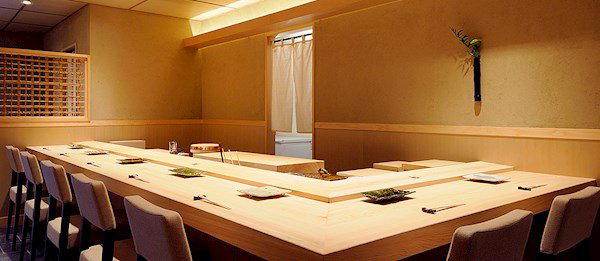
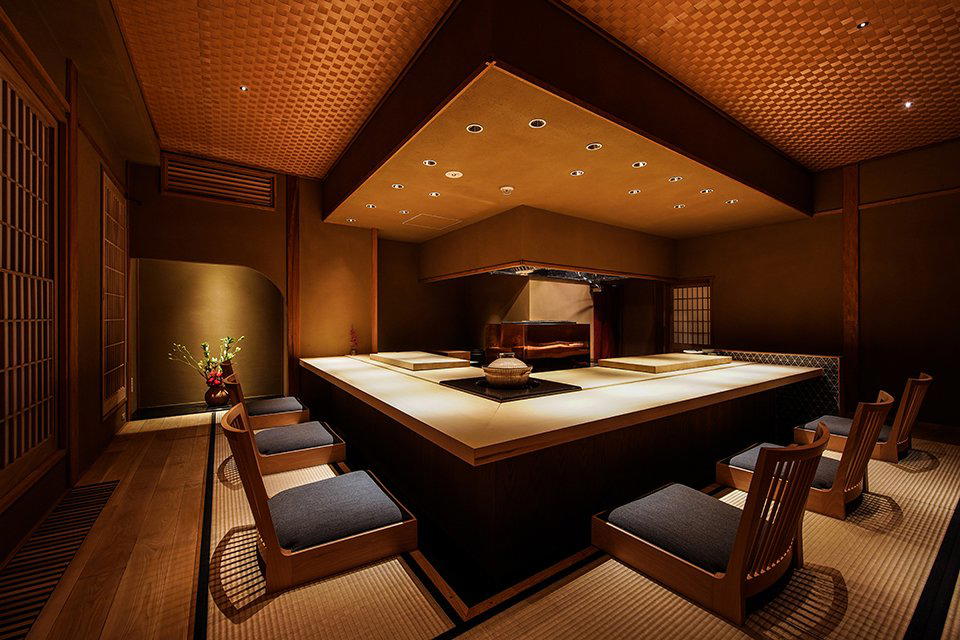
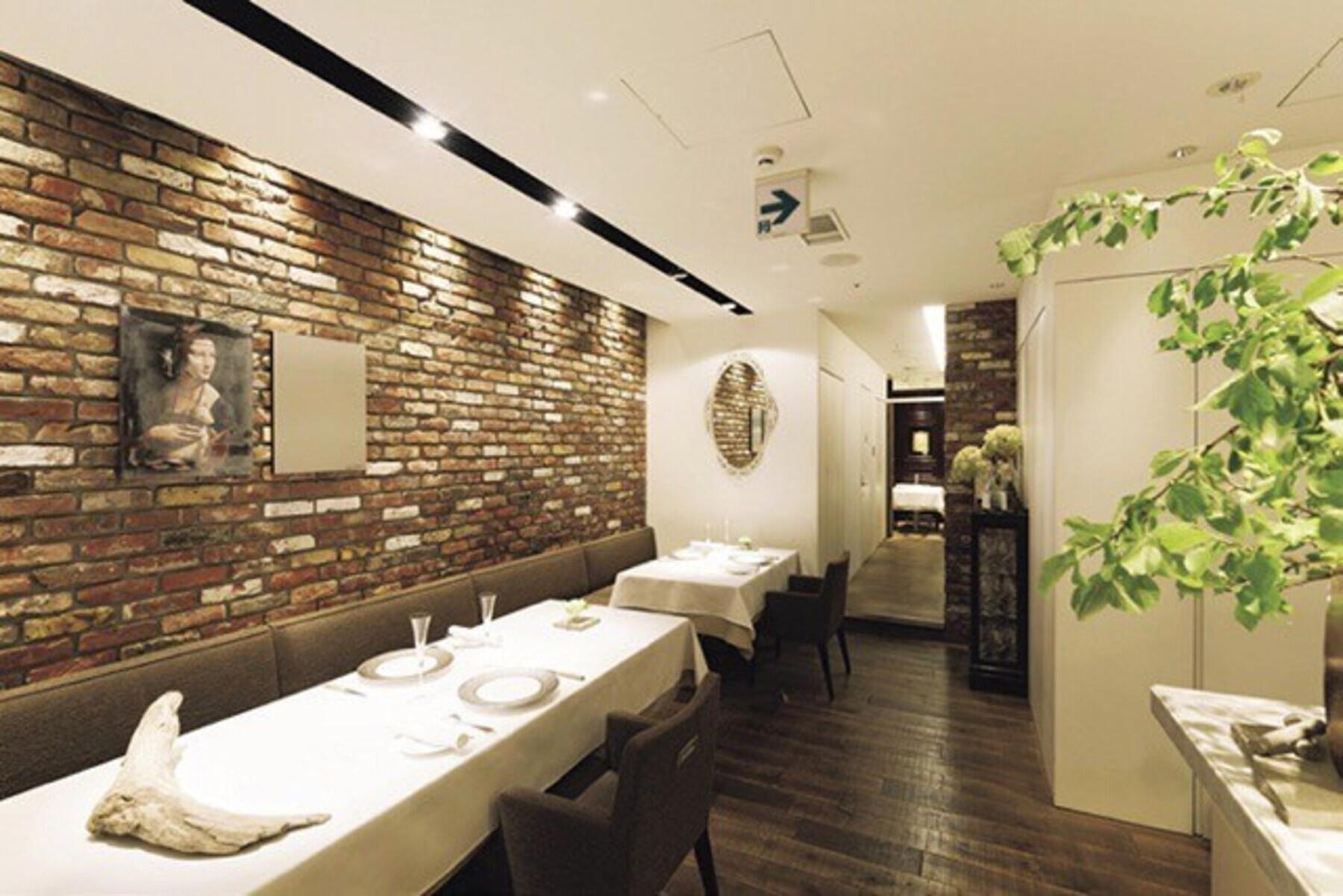
The room format tells a lot about the intended audience. Counter seating handles the solo ramen diner, while table and raised seating make the shop viable for groups with children or older relatives. That mix is common in regional Japan and less common in ramen rooms designed primarily for turnover. It changes the social temperature: the meal can be quick, but it does not have to feel solitary.
The absence of private rooms and private use keeps the experience in the public, everyday register. Non-smoking service aligns it with contemporary family dining expectations, while the combination of counter and tatami-style areas keeps one foot in traditional local restaurant design. For a visitor using Sapporo as a base, this is not a place to frame as a grand detour. It makes more sense as part of a wider Hokkaido itinerary: ramen in Eniwa, transport onward toward Chitose, or a day that looks beyond the central city grid.
Sapporo orbit rewards this kind of mapping. Central food itineraries can lean toward spicy noodles, soup curry, izakaya, and seafood; the suburban ring adds bakeries, ramen counters, family-run dining rooms, and farmside restaurants. Readers planning a broader table crawl should use Our full Sapporo restaurants guide as the anchor, then layer in nearby categories through Our full Sapporo hotels guide, Our full Sapporo bars guide, Our full Sapporo wineries guide, and Our full Sapporo experiences guide. The pattern is more useful than a checklist: Hokkaido dining improves when the day is built around districts, transit, and appetite rather than a single famous name.
Where it fits in a wider Japan itinerary
Within Japan’s premium dining map, Eniwa Oton Shokudo occupies an instructive position. It is a low-cost ramen address with a regional award signal, which makes it different from high-spend counters and also different from anonymous convenience dining. That middle ground is where much of Japan’s food culture is strongest: disciplined specialists operating at everyday prices, with recognition earned inside a narrow category.
For contrast, Sapporo-area casual dining also includes South Asian curry traditions at Ajanta Indo Curry Ten and Ajanta Sohonke, while destination-minded regional food routes may point to places such as Aigues Vives. Beyond Hokkaido, the same editorial logic applies across Japan: category focus matters more than broad luxury language, from -Grilled beef Sukiyaki- KAMAKURA TANUKIAN 鎌倉 たぬき庵 in Kamakura to. 鮪と炭火焼き うお炭 秋葉原店 in Tokyo.cafe in Osaka.know in Kumamoto, (Shoku) Vietnam in Kawasaki, and [ki:] in Kyoto. Even outside Japan, format-led Japanese dining has its own grammar, visible in places such as Jōdo Saké Bar in Los Angeles and Onigiri Time in Pasadena.
The editorial verdict is simple: this is a serious regional ramen stop because the context supports it, not because it behaves like a luxury restaurant. The Tabelog 100 selections supply the trust signal; the seating mix and family-friendly profile explain the audience; the Eniwa location gives it a reason to exist outside central Sapporo’s heavier traffic. For travelers who understand Hokkaido through produce, weather, and routine, that combination is more revealing than another polished city-center meal.
At-a-Glance Comparison
Comparable venues to calibrate price, style, and recognition.
| Venue | Cuisine | Price | Notes |
|---|---|---|---|
| Eniwa Oton ShokudoThis venue — the venue you are viewing | Hokkaido ramen shop | $ | Not listed |
| TORA | Ramen shop | $ | Kiyota |
| Sapporo Bon no Kaze | Classic Sapporo Ramen Shop | $ | Chūō |
| Yondai Kashin | Japanese Confectionery (Wagashi) | $ | Chūō |
| Ajanta Indo Curry Ten | Japanese-Indian Curry / Soup Curry | $ | Chūō |
| Ramen Shingetsu | Traditional Sapporo Ramen Shop | $ | Chūō |
Recognition history
Dated appearances from independent guides and award organizations, with the underlying list record or original source where available.
Tabelog 100 #12 · No. 12
Tabelog · Tabelog 100 - Ramen - HOKKAIDO - 2025
At a Glance
- Cozy
- Classic
- Lively
- Solo
- Family
- Casual Hangout
- Group Dining
- After Work
- Standalone